What Is a Capsule Wardrobe? A Simple Beginner's Guide
Learn what a capsule wardrobe is, how it works, and why it saves time and money. A simple beginner's guide to building a minimalist
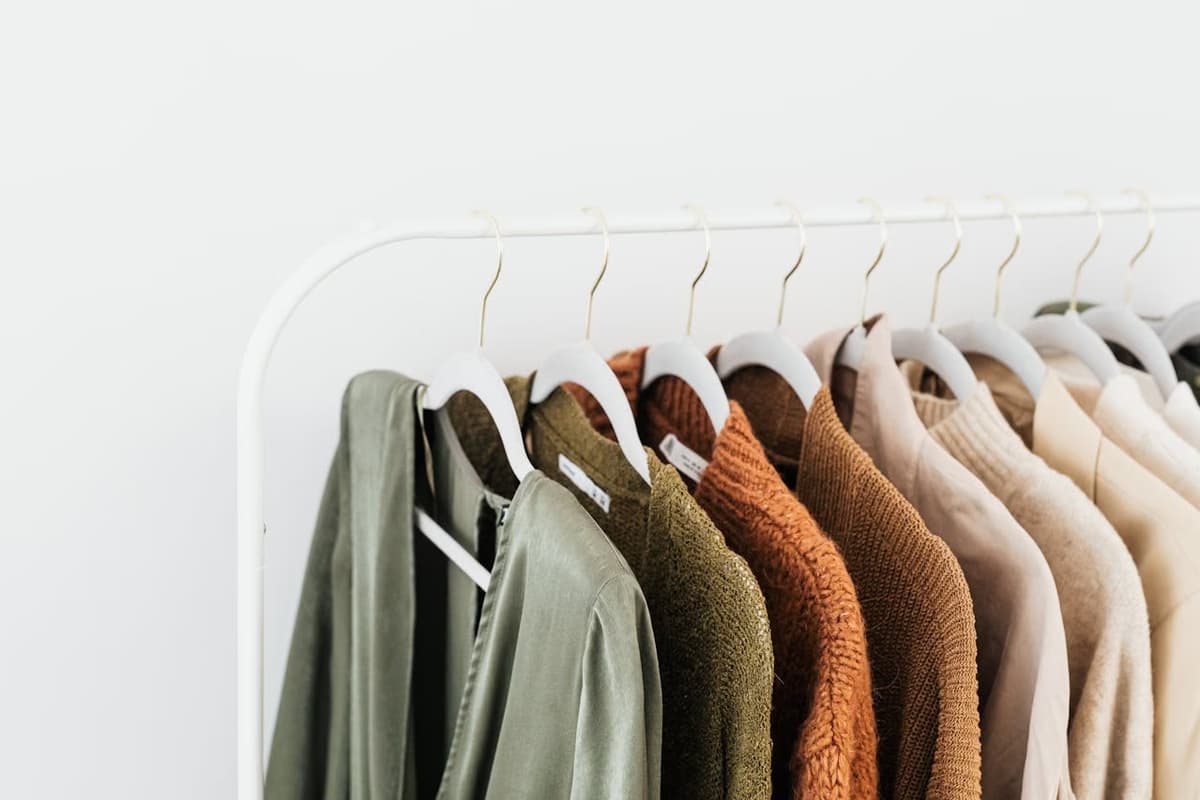
A capsule wardrobe is a small, curated collection of clothes that mix and match easily, usually 30 to 40 pieces in a coordinated color palette. Instead of a closet stuffed with random items, you keep only versatile staples you actually wear, so every piece works with the next.
In short: fewer clothes, more outfits, less stress.
Where Does the Term Capsule Wardrobe Come From?
The capsule wardrobe isn't new. It first appeared in American magazines in the 1940s, then was popularized in the 1970s by London boutique owner Susie Faux. She used it to describe a tight set of timeless pieces, like trousers, skirts, and coats, that could be refreshed with a few seasonal items.
In 1985, designer Donna Karan brought the idea mainstream with her "Seven Easy Pieces" collection: seven interchangeable items that built a full work wardrobe. Today, capsule wardrobes are a core part of the minimalist and slow-fashion movement.
How a Capsule Wardrobe Works?
The rules are simple:
Stick to a number. Most capsules contain 30–40 pieces (tops, bottoms, outerwear, shoes). Some go as low as 10. Pick what works for you.
Choose a color palette. Two neutrals (black, navy, beige, white, or gray) plus one or two accent colors. Everything must mix and match.
Focus on quality over quantity. Fewer pieces mean each one needs to last.
Refresh by season. Many people swap a few items every 3 months while keeping core staples year-round.
Capsule Wardrobe Essentials
Your list will depend on lifestyle, climate, and personal style, but most capsule wardrobes share the same backbone:
A well-fitting pair of jeans or trousers
2–3 high-quality plain tees
A white button-up shirt
A knit sweater or two
A versatile dress or smart layering piece
A trench coat or a denim jacket
A blazer
One pair of everyday sneakers
One pair of dress shoes or boots
A neutral handbag or bag
That's roughly 15 pieces, already enough to build dozens of outfits.
Benefits of a Capsule Wardrobe
The reason capsule wardrobes have stuck around for decades comes down to real, day-to-day wins:
Less decision fatigue. Every piece pairs with the others, so getting dressed takes seconds.
More closet space. Fewer items, less clutter, easier to see what you own.
You save money. Buying less, but better, costs less over time than chasing trends.
You wear what you love. When you only own pieces you genuinely like, every outfit feels good.
It's better for the planet. Slower shopping cuts textile waste, one of fashion's biggest environmental problems.
How to Start Your Own Capsule Wardrobe
You don't need to throw anything out or buy a whole new closet. Here's a simple 5-step approach.
Step 1: Audit What You Own
Pull everything out. Sort into "love and wear," "rarely wear," and "doesn't fit / out of style." Most people find their capsule already exists in their closet; they just have to spot it.
Step 2: Pick Your Color Palette
Two neutrals and one or two accents. If most of your favorites are black and white, build from there. The goal: any top works with any bottom.
Step 3: Identify Gaps
Look at your essentials list. Missing a good white tee? A neutral coat? Make a short list of what to buy — and only that.
Step 4: Buy Slowly and Intentionally
Avoid grabbing everything at once. Compare clothing brands carefully and add pieces one at a time, choosing quality over quantity.
Step 5: Maintain It
Every season, review your capsule. Donate or sell anything you didn't wear. Replace worn-out items with the same care you put in originally.
Common Capsule Wardrobe Mistakes
A few traps to skip when building yours:
Buying too many trendy pieces. Capsules are built on classics. Save trends for one or two accent items.
Ignoring fit. A capsule only works if every piece fits well. Tailoring is worth it.
Going too minimal too fast. A 10-piece wardrobe sounds great, but rarely covers real life. Start at 30–40.
Forgetting your lifestyle. A capsule for a remote worker looks very different from one for someone in a corporate office. Build for your week.
Is a Capsule Wardrobe Right for You?
If you're tired of staring at a full closet and feeling like you have nothing to wear, the answer is probably yes. A capsule wardrobe isn't about strict rules or owning as little as possible, it's about owning the right clothes: the ones that fit your body, your life, and your style.
Start small. Use what you have. Add slowly. Within a season or two, getting dressed will feel lighter, easier, and more you.
Keep browsing
Browse similar brands
Explore independent labels in our directory related to this story.
Browse all brands