12 Best Lab-Grown Diamond Companies to Know in 2026
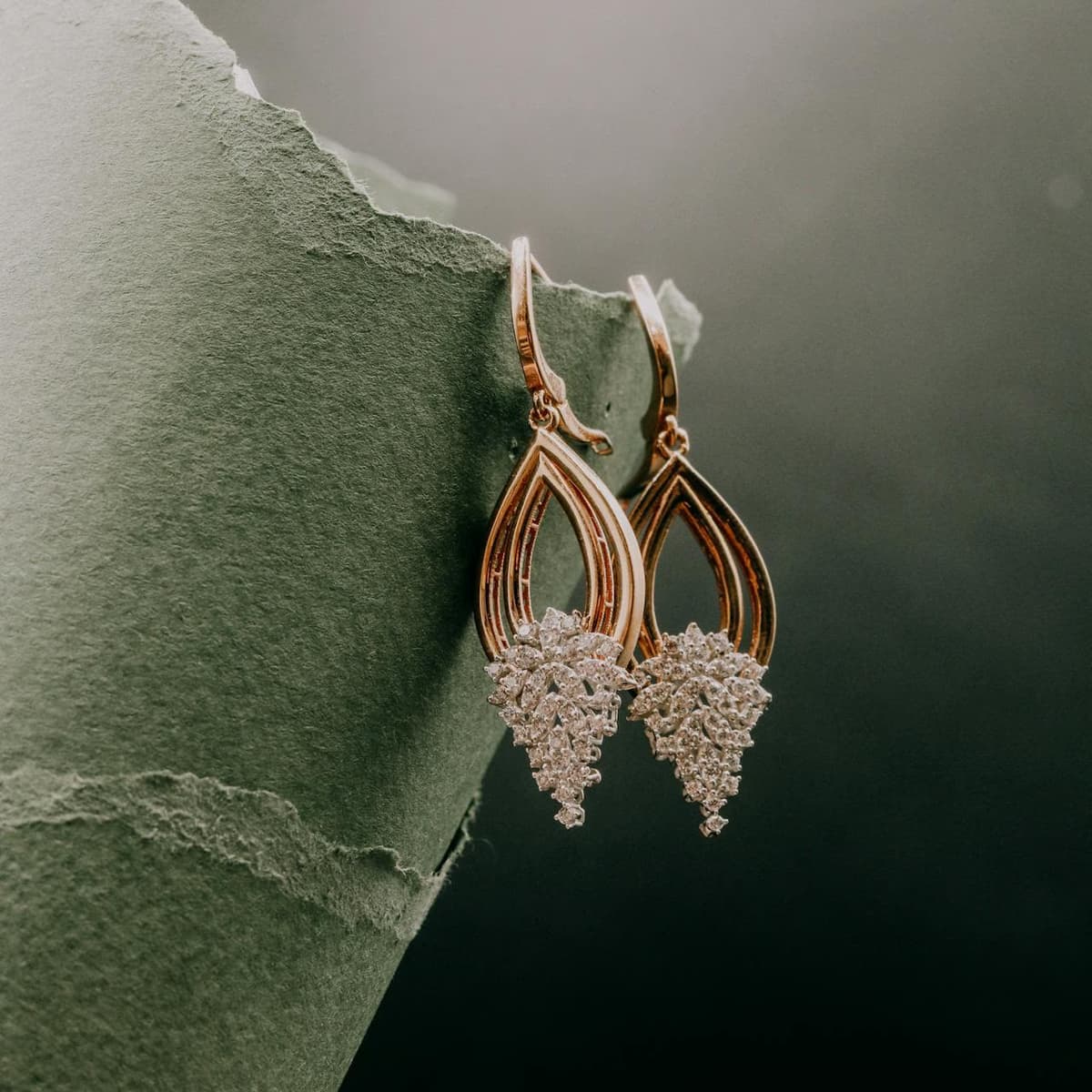
Discover 12 of the best lab-grown diamond companies in 2026, from custom engagement ring specialists to luxury sustainable jewelry brands worth knowing.
Lab-grown diamonds have gone from niche to mainstream pretty quickly. They look identical to mined diamonds, cost a lot less, and come without the ethical and environmental baggage tied to traditional diamond mining. For a lot of buyers, especially younger ones, that combination has made them an easy choice.
The market has changed, too. A few years ago, lab-grown options were limited and the brands offering them were small. Now, there's a wide range of jewelers focusing entirely on lab-grown stones, with everything from minimalist everyday rings to fully custom engagement designs.
In this list, we're highlighting 12 lab-grown diamond companies worth knowing in 2026. Whether you're shopping for an engagement ring or just want quality fine jewelry without the markup, these are some of the best brands to start with.
What Are Lab-Grown Diamonds?
Lab-grown diamonds are real diamonds made in a controlled lab setting instead of being mined from the earth. They have the same chemical, physical, and optical properties as mined diamonds, which means they sparkle the same and last just as long.
There are two main ways they're made. The first is High Pressure High Temperature (HPHT), which mimics the heat and pressure that creates diamonds underground. The second is Chemical Vapor Deposition (CVD), where carbon gases are used to grow a diamond layer by layer. Both methods produce stones that experts can't tell apart from mined diamonds without specialized equipment.
The big difference is in the price and the source. Lab-grown diamonds cost significantly less, often 40 to 70 percent below the price of natural diamonds, and don't carry the same environmental or ethical concerns that mined diamonds sometimes do.
Lab-Grown vs Natural Diamonds: What's the Difference?
The short answer: lab-grown and natural diamonds are physically and chemically the same. The main differences come down to how they're made, what they cost, and the impact behind them.
Factor | Lab-Grown Diamond | Natural Diamond |
Origin | Made in a lab over a few weeks | Formed deep in the earth over billions of years |
Composition | 100% carbon, identical to mined diamonds | 100% carbon |
Appearance | Visually identical to natural diamonds | Same |
Durability | 10 on the Mohs scale, just as hard as mined | 10 on the Mohs scale |
Price | 40–70% cheaper than natural | Significantly higher |
Resale value | Lower resale value | Better long-term resale |
Environmental impact | Lower, with controlled lab production | Higher, due to mining |
Ethical sourcing | Conflict-free by default | Depends on the source |
Certification | Graded by IGI, GIA, GCAL | Graded by GIA, AGS, etc. |
The biggest reason buyers choose lab-grown is the value. You can typically get a larger or higher-quality stone for the same budget. The trade-off is resale value, since lab-grown diamonds don't hold their price as well as natural ones over time.
For most people buying jewelry to wear and keep, that trade-off is worth it. For buyers who care more about long-term resale or rarity, natural diamonds still have the edge.
Why Lab-Grown Diamonds Are Worth Considering
If you're weighing your options, here's why lab-grown diamonds are worth a serious look.
Better value for your budget
You can typically get a 30–50% larger or higher-quality stone for the same price as a natural diamond. That's a big difference when you're shopping for engagement rings or fine jewelry.
Conflict-free by default
Lab-grown diamonds skip the ethical concerns tied to mining. There's no risk of exploitative labor practices or "blood diamonds" sneaking into the supply chain.
Lower environmental impact
No land disruption, far less water use, and a much smaller carbon footprint compared to traditional mining.
Same look, same durability
They're chemically and physically identical to mined diamonds. Same sparkle, same hardness, same lifespan. Even experts can't tell them apart without specialized tools.
Same grading and certification
Lab-grown stones are graded by IGI, GIA, and GCAL on the same 4Cs (cut, clarity, color, carat) used for natural diamonds. You're not getting a downgraded version, just one made differently.
Trade-off to know
The main downside is resale value. Lab-grown diamonds don't hold price as well as natural ones over time. For most buyers planning to keep and wear their jewelry, this isn't a dealbreaker, but it's worth keeping in mind.
How We Picked These Lab-Grown Diamond Brands
Not every brand selling lab-grown diamonds actually does it well. For this list, we focused on companies that take the basics seriously, things like quality stones, transparent grading, and well-made settings. A pretty website doesn't always mean good craftsmanship.
We also looked at variety. Some brands are great for engagement rings, others for everyday fine jewelry, and a few stand out for fully custom designs. Mixing those angles makes the list more useful, no matter what you're shopping for.
Since From The Labels focuses on independent discovery, we leaned toward boutique and indie brands instead of the big mainstream names. The result is a curated mix of price points, design styles, and approaches, so there's something here whether you want minimalist everyday pieces or a one-of-a-kind ring.
12 Best Lab-Grown Diamond Companies in 2026
1. Lark And Berry

Best For | Cultured diamond fine jewelry with a modern, design-led approach
Founded | By Laura Chavez
Based In | London, UK
Lark And Berry was one of the earlier luxury brands to commit fully to lab-grown stones, which they call "cultured diamonds." The brand's positioning is more design-forward than most, with collections that feel closer to high fashion than traditional fine jewelry.
The collection covers engagement rings, statement earrings, tennis necklaces, and sculptural everyday pieces. The designs lean modern and bold, often featuring unique cuts and unexpected settings that set them apart from the usual minimalist lab-grown offerings.
Lark And Berry is a strong pick if you want lab-grown diamond jewelry that doesn't look like everyone else's. It's especially good for buyers who care about design as much as ethics and want a piece with a bit of personality.
2. Kimai
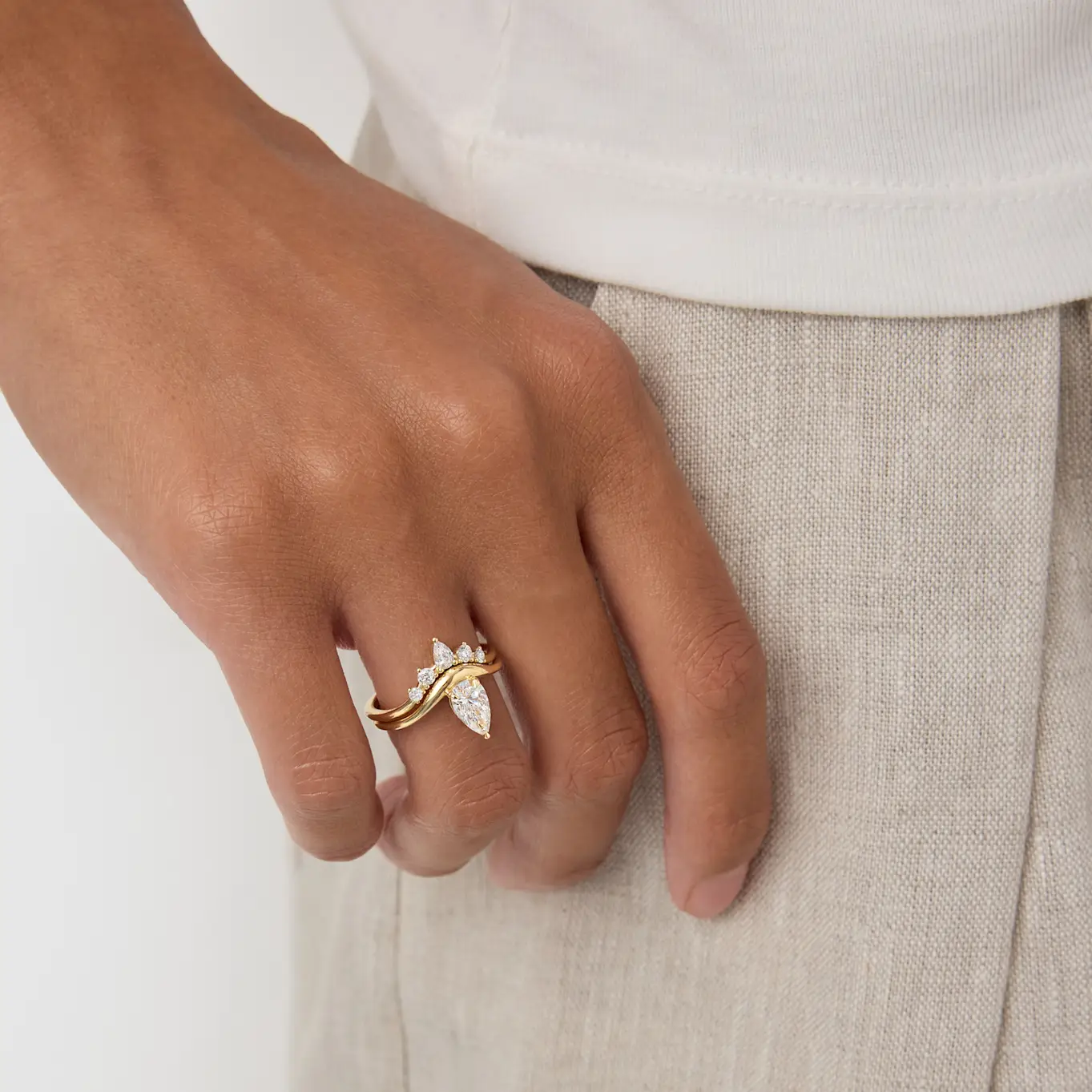
Best For | Toi et Moi-style rings and everyday fine jewelry with full traceability
Founded | By Sidney Neuhaus and Jessica Warch (2018)
Based In | London, UK
Kimai was started by two friends who both grew up in diamond families, with their grandfathers having spent careers in the trade. That insider background is a big part of why the brand has been able to commit so seriously to traceability, with stones manufactured in Antwerp and full provenance available on every piece.
The label is best known for its Toi et Moi rings, the two-stone style that Meghan Markle famously wore in 2019 and put on the map for a new generation. Beyond that, the collection leans into refined everyday fine jewelry, sleek hoops, sculptural ear cuffs, and clean solitaire rings, mostly made in recycled 18k gold.
What sets Kimai apart is the combination of legitimate industry pedigree and a quiet, anti-flashy design sensibility. It's a strong pick for buyers who want a lab-grown diamond piece with a clear backstory, well before that became a marketing buzzword in the space.
3. Wwake
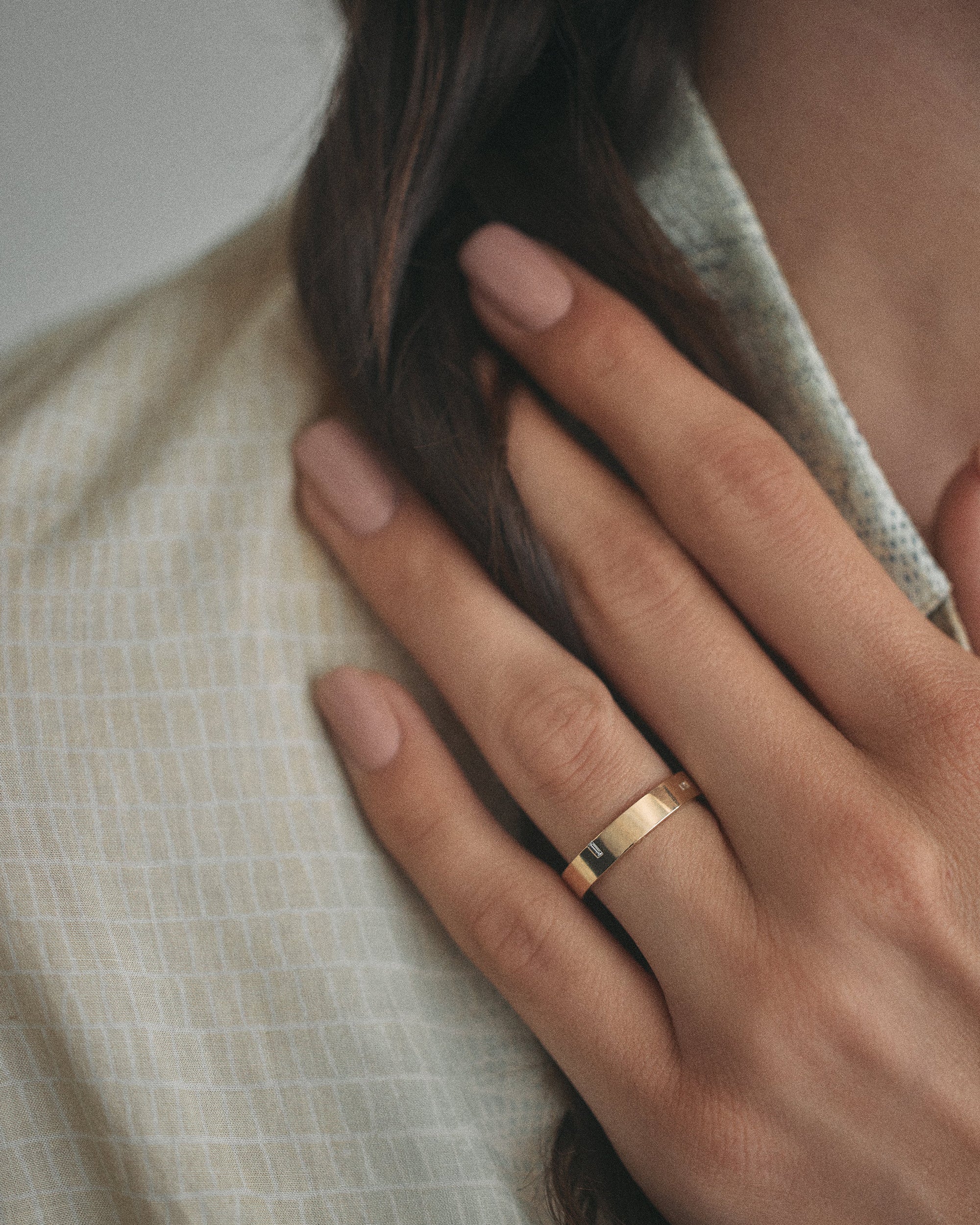
Best For | Architectural, asymmetric fine jewelry and non-traditional engagement rings
Founded | By Wing Yau (2012)
Based In | Brooklyn, USA
Wwake helped shape the modern minimalist fine jewelry look long before it became the default style on Instagram. Founded by Wing Yau in Brooklyn, the brand built its reputation on sculptural, slightly asymmetric designs that feel more like wearable art than traditional jewelry.
The collection is best known for its inventive engagement and stacking rings, often featuring lab-grown diamonds set alongside opals, sapphires, or other colored stones. Wwake also gets credit for being one of the first indie fine jewelers to push opals into the mainstream engagement ring conversation, paired with their commitment to traceable sourcing and reclaimed gold from day one.
What sets Wwake apart is the design voice. The pieces have the considered feel of handmade jewelry, with no two settings looking exactly the same. It's a strong pick for buyers who want a lab-grown diamond ring that doesn't look like a slightly cheaper version of a mainstream luxury design.
4. Marrow Fine
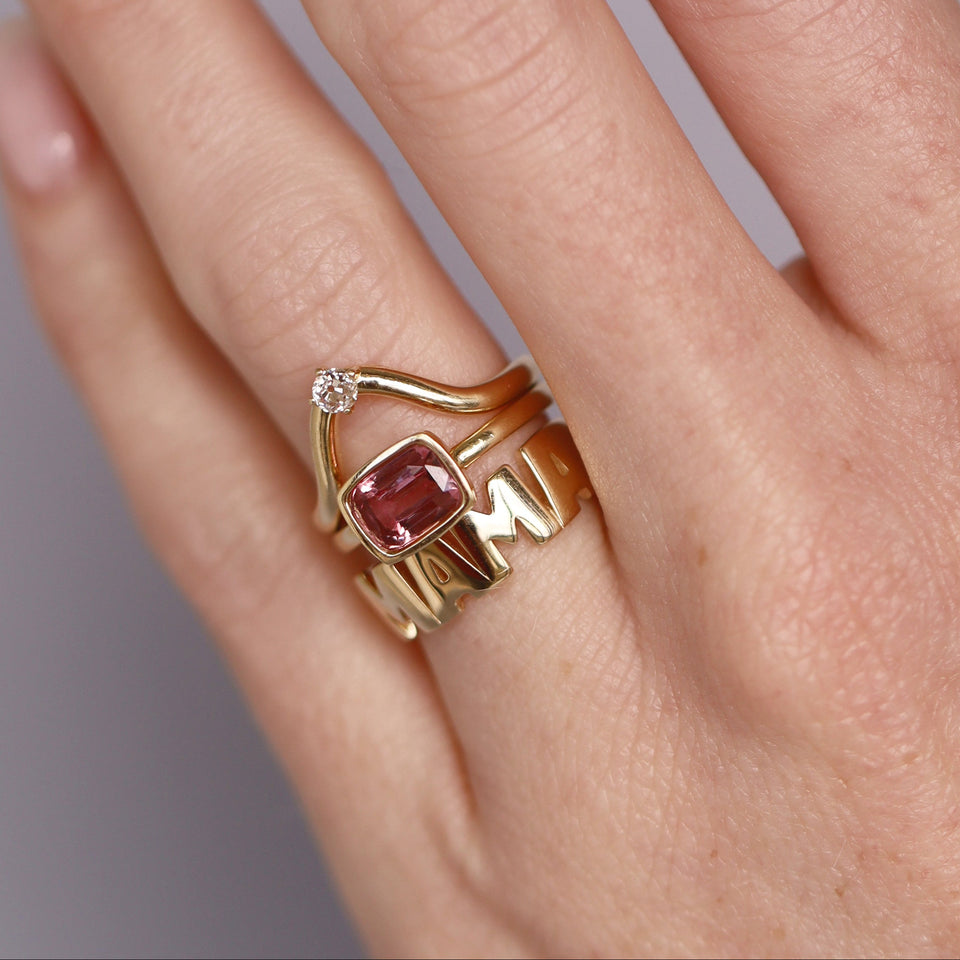
Best For | Vintage-inspired engagement rings with lab-grown diamond options
Founded | By Jillian Sassone
Based In | San Diego, USA
Marrow Fine leans hard into vintage and antique-inspired fine jewelry. Founded by Jillian Sassone, the brand has built its reputation on modern heirlooms, with old European cuts, milgrain detailing, and antique-style settings running through most of the collection.
What makes the brand especially relevant for lab-grown shoppers is how it pairs that old-world look with new lab-grown stones. You can get a ring that feels passed down for generations but is built with a fresh, ethically sourced center diamond, which is rare in this niche.
The brand also does strong custom work and is known for its "Mama" collection, which leans into sentimental, family-focused pieces. Marrow Fine is a solid pick if you want vintage character with modern sourcing, without the hassle of hunting estate sales.
5. Sophie Ratner
Best For | Delicate everyday fine jewelry and curated ear stacks
Founded | By Sophie Ratner
Based In | New York, USA
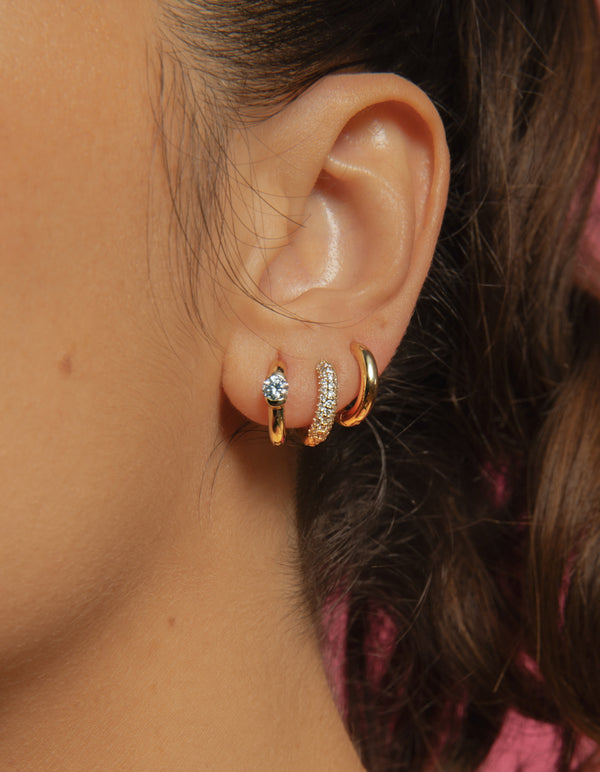
Sophie Ratner has built a serious cult following in the indie fine jewelry world, especially for ear-styling pieces. The brand's collection is heavy on huggies, small studs, and curated piercing-friendly designs that have made it a go-to name for anyone building out a layered ear look.
Where it earns its spot on this list is the diamond side. Sophie Ratner mixes lab-grown and natural stones across the collection, set in solid 14k and 18k gold, so you can pick up everyday fine pieces without committing to the higher price of mined-only options.
The aesthetic is clean and slightly minimal but never sterile, with a quiet edge that separates it from more traditional fine jewelers. It's a strong pick if you want lab-grown diamond jewelry built for daily wear rather than just engagement rings.
6. With Clarity

Best For | Custom lab-grown diamond engagement rings with home try-on
Founded | Independent direct-to-consumer jewelry brand
Based In | New York, USA
With Clarity has built its reputation on making engagement ring shopping easier online. The brand offers a wide range of lab-grown diamond rings across pretty much every popular cut and setting style, all at direct-to-consumer prices that undercut traditional jewelers.
What sets it apart is the Home Preview program. You can pick a few designs, get accurate replicas shipped to your home for free, and try them on before committing. That alone solves one of the biggest pain points of buying an engagement ring online without seeing it in person.
The styles tend to be more classic and mainstream than some of the indie brands on this list, which works in its favor for buyers who want a traditional ring without paying traditional retail prices. With Clarity is a solid pick if customization, transparency, and try-before-you-buy matter more than indie design quirks.
7. Vieri
Best For | Luxury-tier lab-grown diamond jewelry with a sustainability focus
Founded | By Maria Vieri
Based In | Zurich, Switzerland
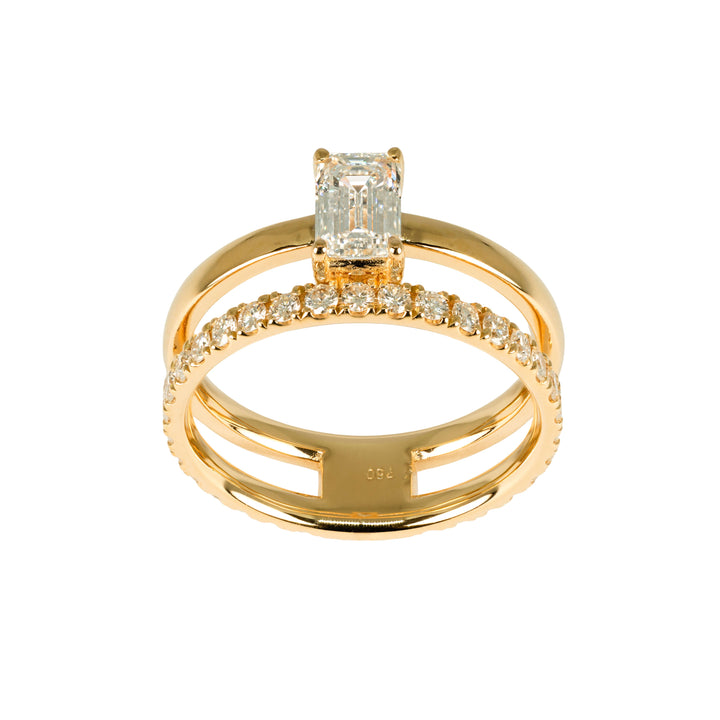
Vieri sits at the more luxury end of the lab-grown diamond space. The Swiss-based brand was started with a clear sustainability angle, using only lab-grown diamonds and recycled 18k gold across the collection, with full transparency on its supply chain.
The design language leans toward architectural and sculptural rather than soft or romantic. Pieces feel more aligned with high-end European fine jewelry, with bold settings, geometric shapes, and a strong made-to-order ethos that keeps production deliberate rather than mass-market.
Vieri is best suited for buyers who want luxury craftsmanship without the ethical baggage of traditional high-end jewelry. The price point reflects that, but you're paying for both Swiss-level finish and a genuinely traceable, sustainable product.
8. FTJCo
Best For | Custom engagement rings with deep ethical sourcing credentials
Founded | By Robin Gambhir
Based In | Toronto, Canada
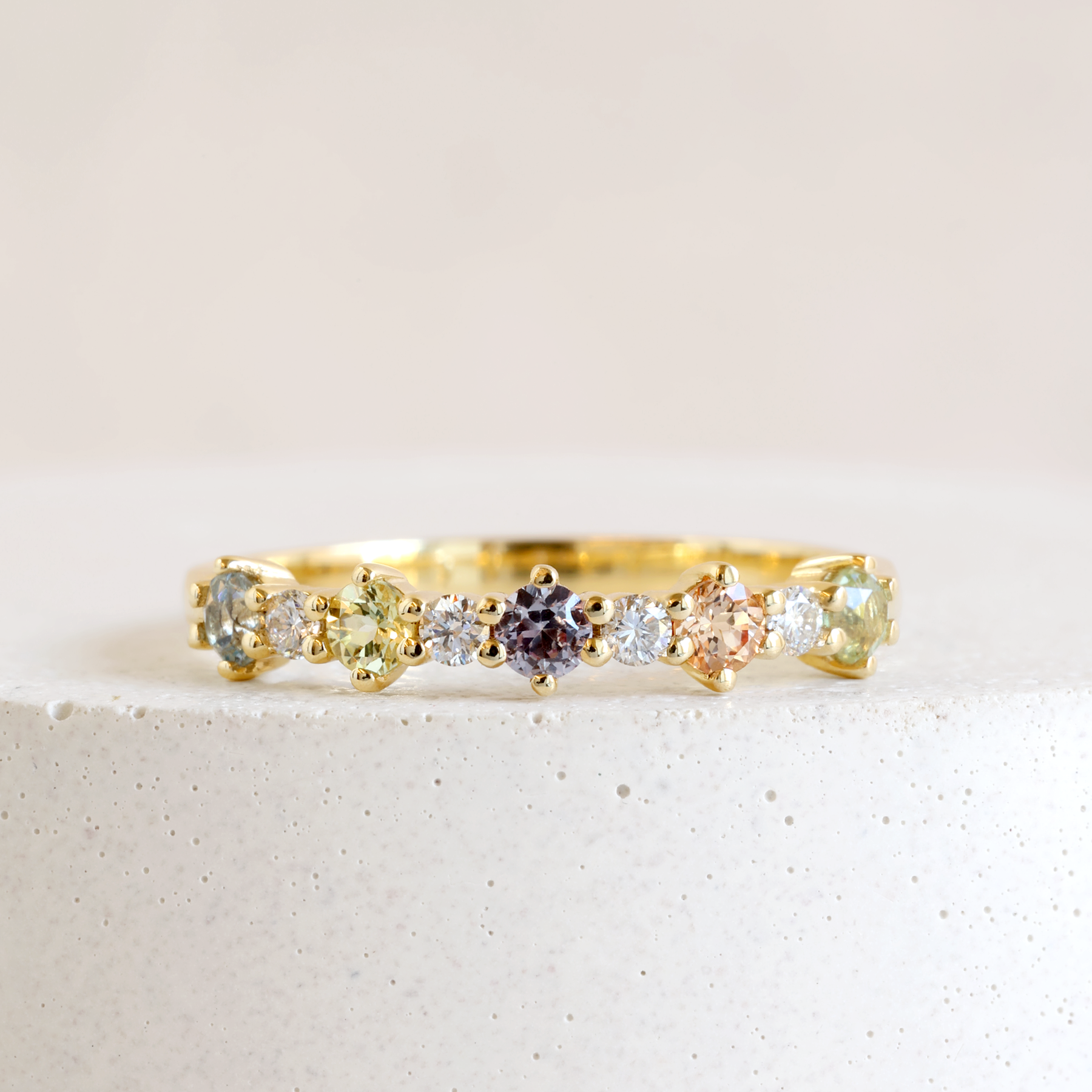
FTJCo (short for Fair Trade Jewellery Co.) is one of the earlier names in the ethical fine jewelry space, having pushed for transparent sourcing well before it became a marketing trend. The Toronto-based atelier offers both fair-trade mined and lab-grown diamonds, giving buyers a clear ethical path either way.
The brand is best known for its custom engagement ring work. The design process is collaborative, and pieces are built in-house rather than outsourced, which gives FTJCo more control over quality and sourcing than most of its competitors.
What sets FTJCo apart is the combination of credibility and craftsmanship. The brand has been doing the ethical work for over a decade, so it's not jumping on the lab-grown trend; it's just adding to a longer-running commitment. Strong pick for buyers who want a custom ring backed by real industry depth.
9. Grew And Co

Best For | Modern engagement rings and contoured wedding bands
Founded | Independent Australian fine jewelry label
Based In | Sydney, Australia
Grew and Co. has built a strong following in the Australian fine jewelry scene, especially for bridal. The brand specialises in clean, modern engagement rings with both natural and lab-grown diamond options, giving buyers flexibility on stone choice without sacrificing design quality.
What stands out is the brand's approach to wedding bands. Grew And Co is well known for its contour bands designed to sit flush against the engagement ring, which is something a lot of buyers struggle to find when buying their pieces from different jewelers.
The aesthetic leans understated and modern rather than ornate, with a strong focus on craftsmanship and made-to-order production. It's a smart pick for couples who want a complete bridal set, both engagement ring and wedding band, designed to work together as one cohesive look.
10. Lily Arkwright
Best For | Accessible lab-grown diamond and moissanite engagement rings
Founded | Independent UK fine jewelry brand
Based In | Manchester, UK
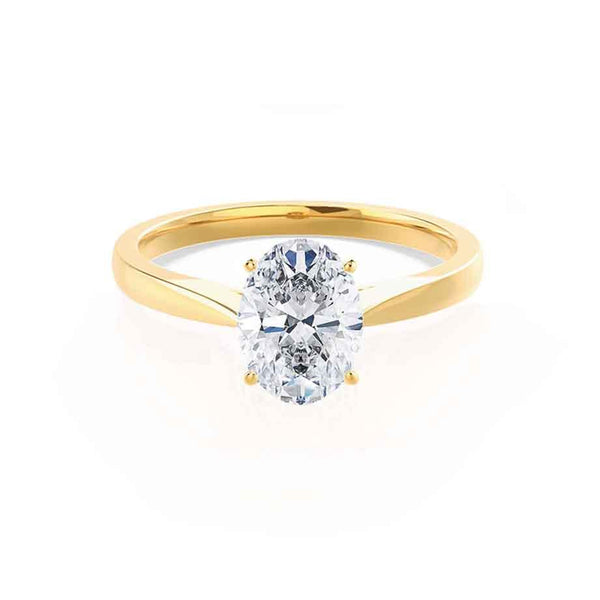
Lily Arkwright has carved out a strong spot in the UK engagement ring market by offering both lab-grown diamonds and moissanite. That dual focus gives buyers more budget flexibility, since moissanite sits at an even lower price point while still looking comparable to a diamond on the finger.
The collection covers a wide range of cuts and settings, from classic solitaires to halo and three-stone designs. Most pieces are made to order, and the brand offers in-person showroom appointments in Manchester for buyers who want to see options before committing.
What sets Lily Arkwright apart is the combination of price accessibility and customisation. The brand is one of the more affordable picks on this list without cutting corners on craftsmanship, which makes it a strong starting point for first-time engagement ring shoppers in the UK.
11. Cullen Jewellery

Best For | Custom lab-grown diamond engagement rings with showroom experiences
Founded | Independent Australian fine jewelry brand
Based In | Melbourne, Australia
Cullen Jewellery has become one of the better-known names in Australia's lab-grown engagement ring scene. The brand offers both lab-grown diamonds and moissanite, paired with a wide range of cuts and settings that lean modern but still polished.
The biggest differentiator is the showroom experience. Cullen has multiple physical locations across Australia, which makes it one of the few lab-grown specialists where you can walk in, try on options, and work directly with a consultant rather than only buying online.
The brand also leans heavily into custom design, with a structured process for buyers who want a one-of-a-kind ring rather than something off the shelf. Cullen Jewellery is a strong pick if you want the personalisation of an indie jeweller paired with the support of a more established retail experience.
12. Jewellery By David
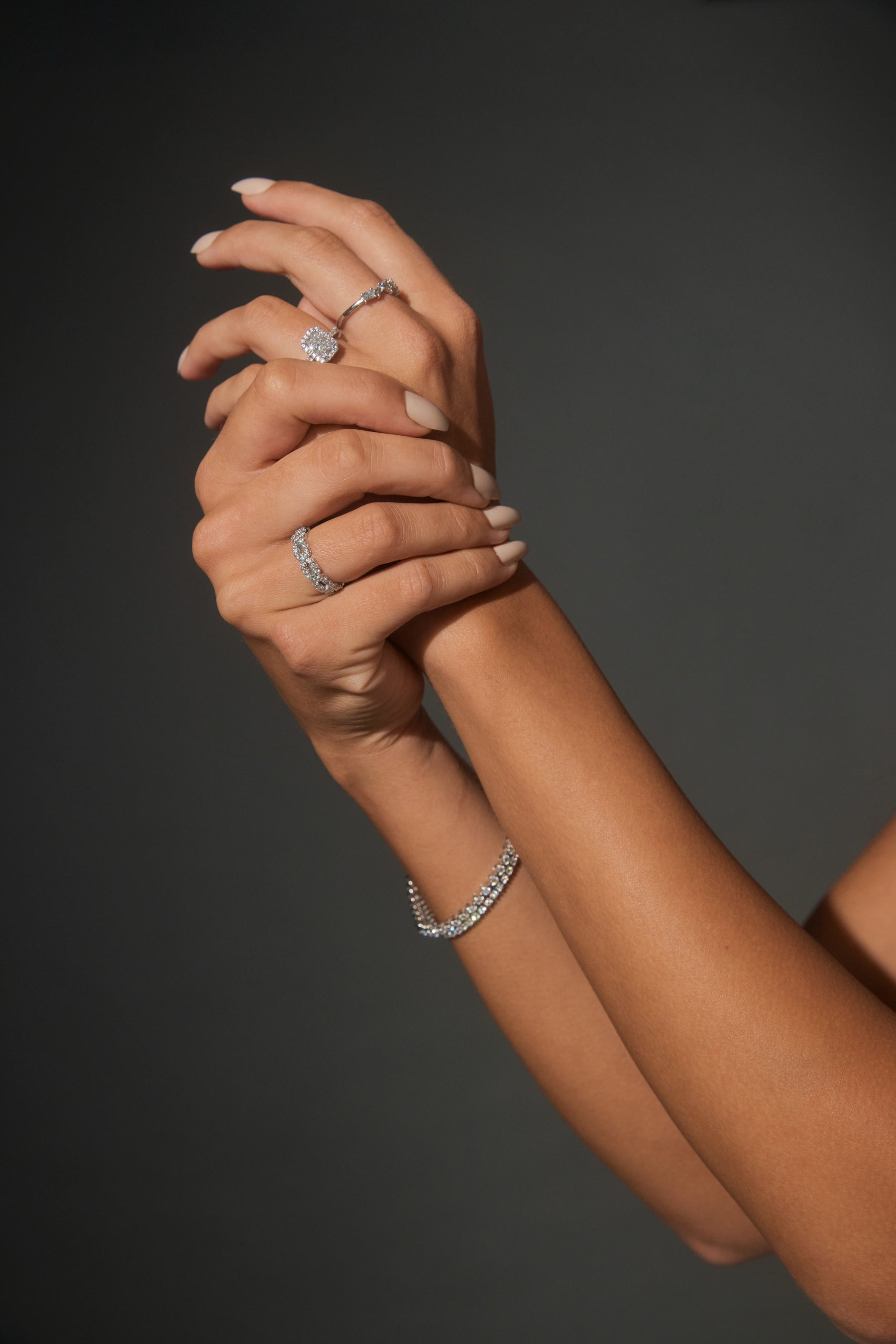
Best For | Bespoke lab-grown diamond engagement rings with a personal touch
Founded | Independent Australian fine jewelry boutique
Based In | Australia
Jewellery By David rounds out the list as a smaller, more personal option in the lab-grown space. The brand operates more like a traditional bespoke jeweller than a digital-first label, with a strong focus on custom engagement rings designed in close collaboration with the buyer.
Most of the work is made to order, which means buyers get more direct involvement in the design process, choosing the stone, setting style, and finer details rather than picking from a preset collection. That hands-on approach is harder to find with larger online brands.
What sets Jewellery By David apart is the scale. It's a smaller, boutique operation, which works well for couples who want a more personal experience and don't mind a longer lead time in exchange for a piece that's genuinely one-of-a-kind.
How to Choose the Right Lab-Grown Diamond
A few things to keep in mind before locking in your purchase, especially if it's an engagement ring or a high-value piece.
Understand the 4Cs (cut, clarity, color, carat)
Lab-grown diamonds are graded on the same 4Cs as natural ones. Cut affects how the stone sparkles, clarity refers to internal flaws, color measures how white the diamond is, and carat is the size. Cut matters most for visual brilliance, so don't skimp there even if you're saving on the others.
Choose between HPHT and CVD
These are the two main methods used to grow diamonds. HPHT (High Pressure High Temperature) mimics natural diamond formation, while CVD (Chemical Vapor Deposition) builds them layer by layer from carbon gas. Both produce identical-looking stones, but CVD diamonds are slightly more common in today's market.
Pick the right setting and metal
The setting style affects how the diamond looks and how secure the stone is. Solitaires highlight the stone, halos make it look bigger, and bezel settings offer the most protection. For metal, 14k gold balances durability and price, while 18k gold and platinum sit at a premium.
Decide on engagement ring vs everyday jewelry
Engagement rings usually justify a higher carat and quality grade since they're meant to last forever. For everyday pieces like studs or pendants, you can comfortably go smaller and lower clarity without much visible difference.
Check for certifications (IGI, GIA, GCAL)
Always buy a certified lab-grown diamond. IGI is the most common grader for lab-grown stones, while GIA and GCAL are also reliable. Certification confirms the stone's specs and protects you from overpaying for an inflated grade.
Are Lab-Grown Diamonds a Good Investment?
Not really, at least not in the resale sense. Lab-grown diamonds don't hold their value the way mined ones do, since production is scalable and prices keep dropping as more brands enter the market.
That said, they're a smart buy if you're thinking about value-for-money rather than resale. You're getting a real diamond at a much lower price, which leaves more room in the budget for design, setting, and overall craftsmanship.
Bottom line: treat lab-grown diamonds as fine jewelry, not financial assets. For long-term resale, mined diamonds still win. For everything else, lab-grown is the better deal.
Final Thoughts
The lab-grown diamond space has matured fast, and the brands on this list reflect just how much choice buyers have today. From bespoke engagement rings to everyday fine jewelry, there's a strong option at almost every price point and design preference.
If you're shopping for an engagement ring, brands like FTJCo, Marrow Fine, Cullen Jewellery, and With Clarity are solid starting points. For everyday fine jewelry, Sophie Ratner, Wwake, and Kimai stand out. And if luxury and sustainability are your priorities, Vieri and Lark And Berry are worth a closer look.
Whichever route you go, lab-grown gives you a real diamond, real craftsmanship, and a clearer story, without the markup of mined.
Frequently Asked Questions
Are lab-grown diamonds real diamonds?
Yes. Lab-grown diamonds are chemically, physically, and optically identical to mined diamonds. The only difference is how they're made.
Are lab-grown diamonds cheaper than natural ones?
Yes, by a lot. Lab-grown diamonds typically cost 40 to 70 percent less than mined diamonds of the same size and quality. That price gap is why most buyers can afford a larger or higher-grade stone.
Do lab-grown diamonds hold their value?
Not as well as mined diamonds. Production is scalable, so prices keep dropping over time. They're best treated as fine jewelry to keep and wear, not as a financial investment.
How can you tell a lab-grown diamond from a mined one?
You can't, at least not by looking. Even gemologists need specialized equipment to spot the difference. The only reliable way to tell them apart is through certification.
Are lab-grown diamonds ethical?
Generally yes. They skip the labor and environmental concerns tied to traditional mining and are conflict-free by default. Some brands also use recycled metals to make the full piece more sustainable.
Are lab-grown diamond engagement rings a good idea?
For most buyers, yes. You get the same look and durability as a mined diamond, with more budget left over for design or a bigger stone. The only reason to skip it is if long-term resale value is a priority.
Keep browsing
Browse similar brands
Explore independent labels in our directory related to this story.
Browse all brands