40+ Simple Sustainable Living Tips for Everyday Life
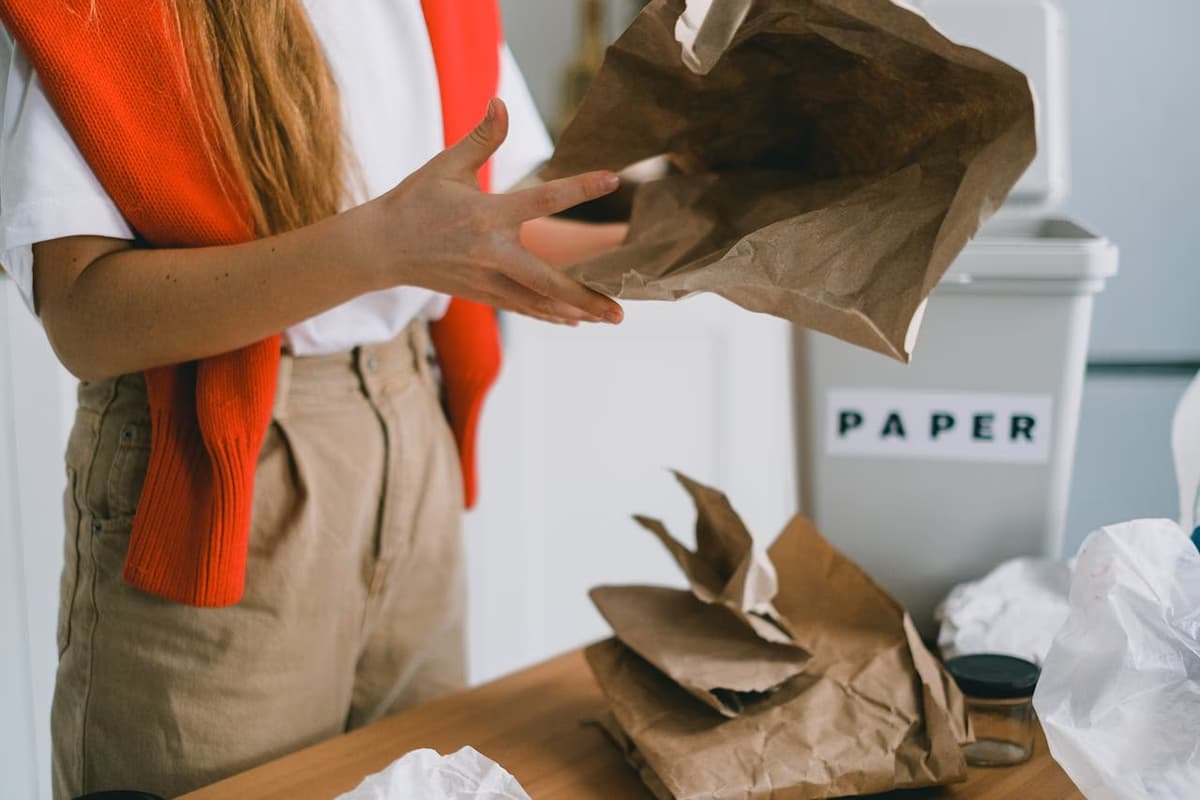
Simple sustainable living tips you can follow daily. Reduce waste, avoid overconsumption, and build habits that are easy to maintain.
Sustainable living tips don’t have to be complicated or expensive to follow. At its core, sustainable living is simply about making better everyday choices, reducing waste, using what you already have, and being more mindful of how you consume.
Most people assume it requires a complete lifestyle change, but that’s not true. The biggest impact comes from small, consistent habits, the kind you can easily fit into your daily routine. For example, global food waste alone contributes around 8–10% of total greenhouse gas emissions, showing how everyday habits can have a significant impact.
In this guide, you’ll find simple and practical sustainable living tips that work in real life, whether you’re just starting out or looking to make more conscious choices without overcomplicating things.
Sustainable Shopping Habits
1. Carry a reusable bag wherever you go
Plastic bags are used for minutes but can take hundreds of years to break down, making them a major source of everyday waste.
Most plastic use doesn’t come from planned shopping, it happens during quick, unplanned purchases.
Keeping a reusable bag in your backpack, bike, or car ensures you don’t rely on single-use bags when that happens.
2. Buy only what you actually need
Overconsumption is one of the biggest drivers of waste; many products are bought, barely used, and eventually discarded.
Most purchases don’t come from need but from convenience, trends, or momentary interest.
Before buying, pause and ask if you’ll use it regularly; choosing fewer, more useful items reduces both waste and unnecessary spending.
3. Avoid impulse buying
Impulse purchases often feel small in the moment but add up as unused items that eventually become waste.
These decisions are usually emotional, driven by convenience, discounts, or quick scrolling.
Give yourself time before buying, even waiting 24 hours, especially during sales or online browsing, helps you make more intentional choices.
4. Choose quality over quantity
Low-quality products wear out faster, leading to frequent replacements and more waste over time.
Buying cheaply often means buying multiple times, which increases both cost and environmental impact.
This principle is especially important in sustainable fashion, where choosing durable, well-made clothing reduces frequent replacements and long-term waste.
5. Choose minimal packaging whenever possible
Packaging waste makes up a large part of everyday trash, especially from single-use plastics. Most of it is discarded immediately after purchase, creating waste without long-term value.
Choose loose products or items with minimal packaging, for example, buying fruits and vegetables without plastic wrapping reduces unnecessary waste.
6. Be intentional with online shopping
Frequent online orders increase packaging waste and carbon emissions from deliveries. Small, repeated purchases often lead to more boxes, more materials, and more transport impact.
Combine your orders and plan purchases; ordering fewer times reduces both packaging waste and delivery emissions.
7. Avoid overbuying during discounts
Sales often encourage buying more than you actually need, leading to unused items and unnecessary waste.
The lower price creates a false sense of value, even when the product isn’t essential.
Stick to what you planned to buy; just because something is on sale doesn’t mean it adds value to your life.
8. Choose products with longer lifecycles
Products designed to last reduce the need for frequent replacements and lower overall waste.
Many items are discarded not because they’re unusable, but because they aren’t built to last.
Look for durable, repairable products; choosing quality over convenience helps reduce long-term consumption.
9. Keep your purchases simple and intentional
Too many choices often lead to overbuying, clutter, and items that go unused over time. Complex buying decisions usually result in adding more than you actually need.
Focus on essentials and practical use; choosing fewer, more intentional items helps reduce waste and keeps your lifestyle simpler.
10. Keep your lifestyle aligned with your needs, not trends
Trends encourage frequent buying and short-term use, which increases waste and unnecessary consumption. Most trend-driven purchases lose relevance quickly and rarely provide long-term value.
Choose based on utility and personal need; prioritizing function over popularity leads to more sustainable habits.
Sustainable Habits at Home
11. Cut down on energy use at home
Household energy use directly impacts both your electricity bills and environmental footprint. A lot of energy is wasted through small habits like leaving lights or devices on unnecessarily.
Turn off unused lights and appliances, simple actions like switching off fans or unplugging devices can reduce energy use over time.
12. Use water more consciously
Water waste often happens through everyday habits that go unnoticed. Leaving taps running or using more water than needed adds up significantly over time.
Turn off taps when not in use and reduce long usage, small changes like this can save liters of water daily.
13. Use natural light and ventilation
Relying less on artificial lighting and cooling helps reduce energy consumption at home. Many homes use lights and fans even when natural alternatives are available.
Open windows during the day and make use of daylight; positioning your workspace near natural light can reduce unnecessary electricity use.
14. Avoid wasting electricity on standby devices
Many devices continue to draw power even when they’re not actively being used, known as “standby” or “phantom” energy. This often goes unnoticed but contributes to both higher bills and unnecessary energy consumption.
Unplug chargers and switch off appliances when idle; even small actions can reduce wasted electricity over time.
15. Reduce unnecessary cleaning chemicals
Many cleaning products come with plastic packaging and contain chemicals that can harm both your home environment and the planet. In most cases, multiple products are used when simpler solutions would work just as well.
Use basic alternatives like vinegar, baking soda, or soap; they handle most everyday cleaning needs with less waste and impact.
16. Be mindful of how often you do laundry
Frequent washing uses significant amounts of water and energy, and also wears out clothes faster. Many clothes are washed out of habit rather than actual need.
Wash only when necessary and run full loads. Simple changes like this help save resources and extend the life of your clothes.
17. Store food properly to extend its life
Poor storage is one of the main reasons food gets wasted before it’s actually used. Many items spoil faster simply because they’re not stored the right way.
Use proper containers and storage methods, simple changes like airtight containers or correct refrigeration can help food last longer.
18. Avoid overusing air conditioning when not needed
Excessive use of air conditioning significantly increases energy consumption and electricity usage. It’s often used by default, even when natural cooling would be enough.
Use natural ventilation when possible; opening windows or using fans can reduce reliance on AC and save energy.
19. Avoid wasting small everyday resources
Small things like tissues, paper, and water often feel insignificant, but they add up to a large amount of waste over time. Most of this waste happens out of habit rather than actual need.
Use only what you need, being mindful of small, daily usage helps reduce unnecessary waste consistently.
20. Be conscious of what you throw in the trash
A significant amount of waste ends up in landfills simply because it isn’t sorted or considered properly. Many recyclable or reusable items are discarded due to a lack of awareness.
Separate and manage your waste, creating a simple system at home makes it easier to reduce what actually goes to the trash.
Sustainable Food Choices
21. Be mindful of food waste
Food waste not only wastes money but also contributes to methane emissions when it ends up in landfills. Most waste happens due to poor planning or forgetting what’s already in the kitchen.
Plan your meals and reuse leftovers. Simple habits like checking your fridge before shopping can significantly reduce waste.
22. Cook more meals at home
Eating out or ordering frequently increases packaging waste and resource consumption. Convenience often leads to more single-use containers and food waste.
Cook more meals at home, it reduces packaging, gives you better control over ingredients, and is usually more cost-effective.
23. Support local and seasonal products
Food that travels long distances requires more fuel, storage, and resources before it reaches you. Out-of-season products are often grown or transported in ways that increase environmental impact.
Choose local and seasonal produce; it’s fresher, supports nearby farmers, and reduces unnecessary transport emissions.
24. Reduce reliance on packaged drinking water
Single-use plastic bottles are a major contributor to everyday waste and take years to decompose. Most people buy bottled water out of convenience rather than necessity.
Carry a reusable water bottle; refilling it throughout the day helps reduce plastic waste and saves money.
25. Plan your purchases in advance
Unplanned shopping often leads to overbuying, especially with food that may not get used in time. Without a plan, it’s easy to pick up items you already have or don’t actually need.
Make a simple grocery list and stick to it. Planning ahead helps reduce waste and keeps your purchases focused.
26. Avoid unnecessary packaging when ordering food
Takeout and delivery often come with extra packaging that is used once and immediately discarded. Many of these items, like plastic cutlery and containers, add to everyday waste without real value.
Request no cutlery or minimal packaging when ordering; small choices like this can significantly reduce single-use waste over time.
Sustainable Daily Lifestyle Habits
27. Use what you already have before replacing
Many items are replaced before they’re fully used, creating unnecessary waste and extra consumption.
This often happens out of habit or the urge to upgrade rather than actual need. Finish, repair, or reuse what you already have. Extending the life of everyday items reduces both waste and spending.
28. Reduce single-use items in daily life
Single-use items are designed for convenience but create constant, long-term waste. Most of them are used for a few minutes but take years to break down.
Switch to reusable alternatives gradually; small swaps like bottles, containers, or cutlery can make a big difference over time.
29. Switch to reusable alternatives slowly
Trying to replace everything at once can feel overwhelming and hard to sustain. Most people quit sustainable habits because the change feels too big upfront. Start with one swap at a time, for example, replace plastic bottles or carry bags first, then build from there.
30. Repair instead of replacing
Many items are thrown away for small issues that could be easily fixed. In most cases, it’s faster to replace than repair, which leads to unnecessary waste. Fix simple problems when possible; even basic repairs like stitching clothes or tightening parts can extend product life.
31. Use items for their full lifespan
Many products are replaced even when they’re still functional, leading to unnecessary waste and consumption. Frequent upgrades are often driven by habit or new releases rather than actual need.
Use items until they truly need replacing, extending the life of things like phones, clothes, or appliances reduces waste and saves money.
32. Be mindful of your daily habits
Sustainable living is shaped more by daily habits than occasional big changes. Small, repeated actions often go unnoticed but create the biggest long-term impact.
Stay aware of your everyday actions. Simple habits like switching off lights, reducing waste, or using resources carefully add up over time.
33. Share or borrow instead of buying
Not everything needs to be owned, especially items that are used only occasionally. Buying things for one-time or rare use leads to unnecessary consumption and clutter.
Borrow or share items like tools, books, or travel gear, it’s often more practical than owning something you’ll barely use.
34. Carry your own essentials when you step out
Many single-use items are taken simply because we don’t have alternatives with us. Most waste from takeout or travel comes from being unprepared.
Carry basics like a water bottle, small container, or cutlery, being prepared helps you avoid disposable items without changing your routine.
35. Focus on progress, not perfection
Trying to be perfectly sustainable often leads to frustration and burnout, which is why many people give up early. Most people stop not because they can’t do it, but because they feel they’re not doing enough.
Focus on improving gradually instead, even small changes, like reducing plastic use or wasting less food, add up over time and create a real, lasting impact.
36. Build systems, not just habits
Relying only on motivation makes sustainable habits hard to maintain, especially when daily routines get busy. When something depends on memory or effort, it’s easy to forget or skip.
Create simple systems that make sustainable choices automatic, like keeping a reusable bag near the door or a bottle in your bag, so you don’t have to think about it every time.
37. Choose experiences over material purchases
Material purchases often lead to clutter and waste over time, especially when items are bought for short-term use or interest. In contrast, experiences don’t create physical waste and tend to offer longer-lasting value.
Spend more on activities like travel, learning, or time with people, choosing experiences over things reduces unnecessary consumption while still adding value to your life.
38. Keep track of what you already own
A lot of unnecessary purchases happen simply because we forget what we already have. This often leads to duplicates, especially with clothes, groceries, or household items.
Take a moment to check before buying, staying aware of what you own helps avoid waste, reduces clutter, and makes your purchases more intentional.
39. Stay aware of your long-term habits
Your daily routines shape your overall environmental impact more than occasional big changes. Many habits go unnoticed, but over time, they define how much you consume, waste, and use.
Take time to reflect on your patterns, noticing things like frequent waste or unnecessary purchases helps you make better, more conscious decisions over time.
40. Make sustainability part of your lifestyle, not a task
When sustainability feels like extra effort, it becomes hard to maintain consistently. Most people struggle because they treat it as something separate from their normal routine.
Integrate it into your daily life instead, simple actions like carrying essentials or reducing waste should feel natural, not forced, so they stick long term.
42. Limit unnecessary water usage in daily routines
A significant amount of water is wasted through small, unnoticed habits in everyday life. These actions may seem minor, but they add up over time.
Be mindful during daily use; simple changes like shorter usage time or avoiding running taps can help conserve water consistently.
The Biggest Mistake People Make with Sustainable Living
Most people think sustainable living means doing everything perfectly, cutting out all plastic, buying only eco-products, and completely changing their lifestyle overnight.
But in reality, this is exactly why most people fail. The pressure to be perfect turns something simple into something exhausting, and when it becomes hard to maintain, people give up entirely.
Another common mistake is trying to “buy sustainability”, replacing everything with eco-friendly products instead of simply consuming less. In many cases, buying less has a bigger impact than buying better.
Sustainable living works best when it’s simple and consistent. Start small, focus on habits you can maintain, and build gradually; that’s what actually creates long-term change.
Conclusion
Sustainable living isn’t about doing everything perfectly; it’s about paying attention to the choices you make every day. Most waste and overconsumption don’t come from big decisions, but from small habits that go unnoticed.
You don’t need to change your entire lifestyle to make a difference. Start with a few sustainable living tips that fit naturally into your routine, whether it’s buying less, reducing waste, or using what you already have.
The goal isn’t perfection, it’s consistency. The more these habits become part of your daily life, the less effort they require, and that’s when sustainable living actually works.
Frequently Asked Questions
What are the easiest sustainable living tips to start with?
Start with simple habits like carrying a reusable bag, reducing single-use items, turning off unused lights, and planning your purchases. These small changes are easy to follow and create a noticeable impact over time.
How can I live sustainably without spending more money?
Sustainable living doesn’t have to be expensive. In fact, it often saves money by reducing unnecessary purchases, using items longer, avoiding waste, and being more intentional with what you buy.
Why is sustainable living important?
Sustainable living helps reduce waste, conserve resources, and lower environmental impact. Small daily actions, when done consistently, contribute to long-term environmental and financial benefits.
Can one person really make a difference with sustainable living?
Yes, individual actions add up over time. When consistent habits are adopted by many people, they create a significant collective impact on reducing waste and resource consumption.
What is the biggest mistake people make when trying to live sustainably?
The biggest mistake is trying to do everything at once or aiming for perfection. This often leads to burnout. Sustainable living works best when you start small and build consistent habits over time.
How do I make sustainable habits stick long-term?
Focus on simple, repeatable actions and build systems around them. Keeping things easy and consistent makes sustainable habits part of your routine instead of something you have to think about.
Keep browsing
Browse similar brands
Explore independent labels in our directory related to this story.
Browse all brands