#sustainable

List of 1,000+ Sustainable Brands

Explore 1,000+ sustainable brands across fashion, swimwear, beauty, haircare, jewellery and footwear. Sustainable brands aim to reduce their environmental and social impact across a product's life, from responsibly sourced or recycled materials and lower-impact manufacturing to durable design, fair labour practices and recyclable packaging. Clothing makes up the largest share of this list, followed by swimwear, beauty and haircare, with jewellery and footwear labels too. A broad starting point for more considered shopping. Browse these sustainable fashion and beauty brands side by side to compare approaches and find lasting alternatives made with the planet in mind.

Tagged Brands

MESSAGE featured image

MESSAGE

USA · Est. 2023 · Mid-range

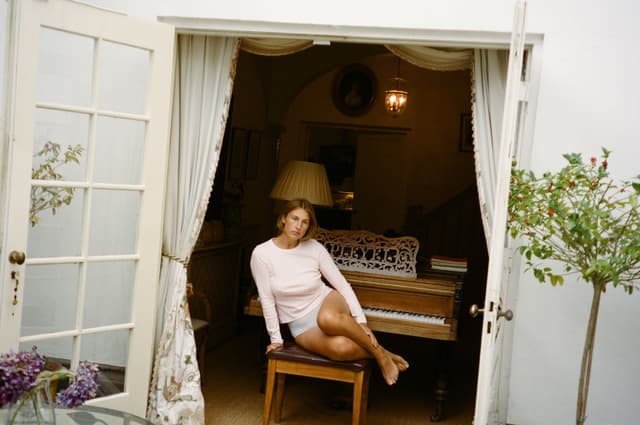
MESSAGE started because Meghan Whitney Higney kept finding footwear that looked fine on a shelf and fell apart on a real foot. She had run True Botanicals and knew how to build a small brand, so she put in about $500k of her own money, raised under $1m from angels, and set out to make shoes around how feet actually move. The trick is the upper. Hugflex is a patented stretch fabric that grips without squeezing, so a slide stays put when you walk and still feels like socks. Underneath sits barecork: Portuguese wine-cork offcuts that would otherwise be waste, cut into a footbed that cushions and breathes. Sheepskin slippers use the same idea for colder months. Everything is made in small batches by family workshops near Porto, close to the cork and the people who cut it. That setup is why the brand feels different from a typical DTC shoe drop. There is no seasonal colour chase, no 40-SKU wall. The catalogue stays short on purpose, so each pair can be finished by hand and still priced in a range people will actually buy twice. Nordstrom stocking it helped, but the quieter win is repeat buyers who say the cork bed is the first one that does not go flat after a month. Press from Fast Company, Harper's Bazaar, Esquire, Elle, and Travel + Leisure noticed the cork story first. The real test is simpler: put them on, walk a few blocks, and notice you stop thinking about your feet. That is the brief Higney started with, and it is still the one MESSAGE is built around.

Lindsay Nicholas New York featured image

Lindsay Nicholas New York

USA · Est. 2015 · Mid-range

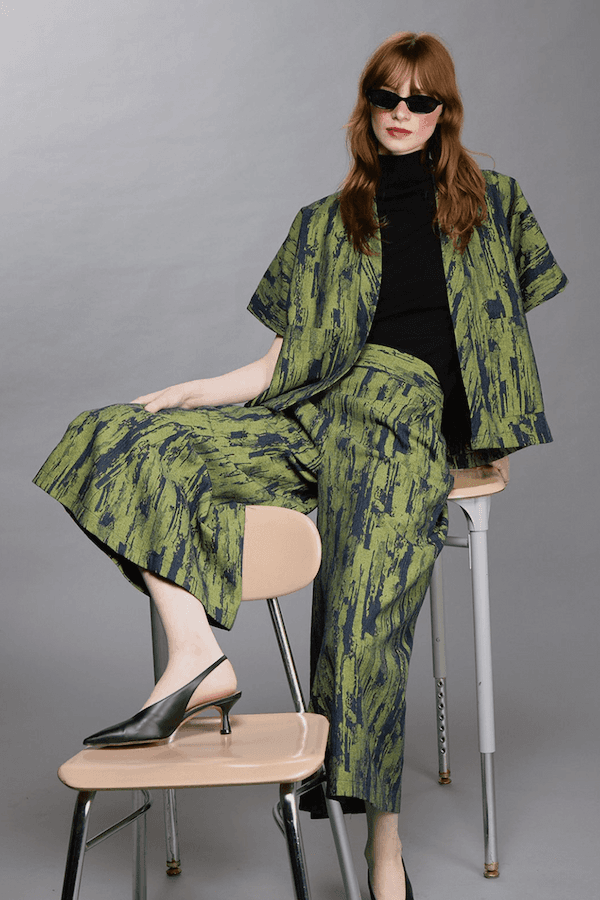
Lindsay Nicholas New York is an American designer label for women, founded in New York City in 2015 by Lindsay Nicholas. Known as LiNNY, the brand was born from its founder and creative director's wish for a wardrobe that moves seamlessly between professional and personal life, expressive yet polished and suited to a global lifestyle. A graduate of Parsons School of Design and the Fashion Institute of Technology, Nicholas reimagines classic silhouettes for the modern executive woman, with a focus on quiet confidence. The collections cover tops, blouses, shirts, sweaters, trousers, dresses, shorts, jackets and coats, plus bags and accessories. Pieces include the Lexington Avenue Jacket and Trouser, the Marcia Oversized Shirt, the Wellesley Sweater, the Tuxedo Dress and coats such as the Broadway and Sophie. Most garments are made in Melbourne, Australia, at a family-run manufacturer accredited by Ethical Clothing Australia, with a few pieces made in New York City. The brand designs seasonless pieces meant to be worn for many years and uses silk, wool, recycled polyester and some remnant fabrics. Beyond the collection, Nicholas hosts The Well-Dressed Mind, a podcast on style, ambition, reinvention and personal identity.

Story mfg. featured image

Story mfg.

UK · Est. 2013 · Luxury

Story mfg. is a sustainable UK designer clothing label for men and women, founded in Brighton in 2013 by husband-and-wife team Saeed and Katy Al-Rubeyi. With backgrounds in trend forecasting and menswear, the couple set out to make garments that did not already exist, starting with a naturally dyed, handwoven denim and developing their own fabrics from scratch rather than buying ready-made cloth. Its gender-neutral collections include bomber jackets, shirts, knitwear, trousers, shorts and tees, with signature pieces such as the Seed Bomber, the Greenhouse Shirt and the Grateful Tee. Everything is handmade in India by a team of artisan dyers, weavers, embroiderers and tailors. Story mfg. uses only natural plant dyes such as myrobalan, Indian redwood, pomegranate and natural indigo fermented in a large vat whose water is reused. Craft techniques include hand embroidery, block printing, appliqué, hand crochet and patchwork made from production offcuts, and the label is vegan. Early on it sold from a pop-up shop on the founders' London canal boat. It has since been stocked by LN-CC and Goodhood, profiled by British Vogue and i-D, and opened its first permanent store in Brighton in 2022.

Chillax featured image

Chillax

Turkey · Est. 2014 · Affordable

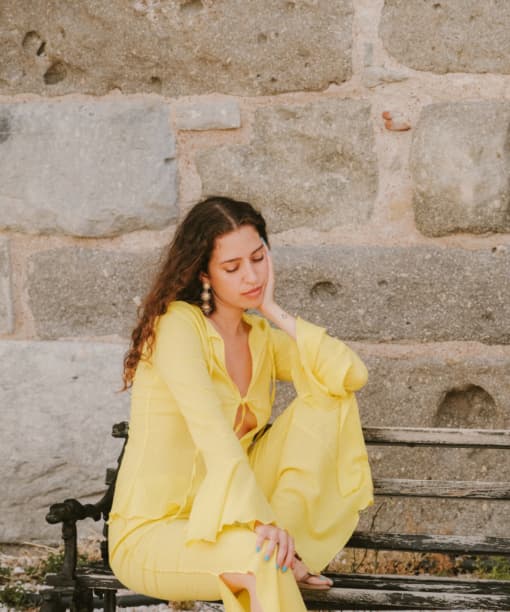
Chillax is a sustainable, handmade Turkish clothing label for women, founded in Istanbul in 2014 by Figen Ceken Bayraktar and Guvenc Bayraktar. A family business, the brand takes its name from chill and relax, reflecting its philosophy of enjoying every moment while feeling comfortable physically and mentally. It was born from a love of natural fabrics, an appreciation for handcraft and a desire to act with an environmentally conscious approach, believing women should not have to choose between fashion and the future. The collection centres on everyday resort wear, including kimonos, kaftans, maxi dresses, matching sets, tops and trousers, alongside crochet pieces, hats and bags. Clothing is made in Turkey, with every cut, stitch and fastening done by hand in limited editions. Chillax prefers deadstock fabrics such as cotton, viscose and linen, giving pre-existing fabric a new life. Tailors place patterns to minimise waste, and leftover fabric is upcycled into scrunchies, tops and shorts. A local workshop supports women collaborators in home-based production, and packaging is made from recyclable materials. Chillax sells its slow fashion pieces through its own online store and ships worldwide from Istanbul.

Maydi featured image

Maydi

Argentina · Est. 2014 · Luxury

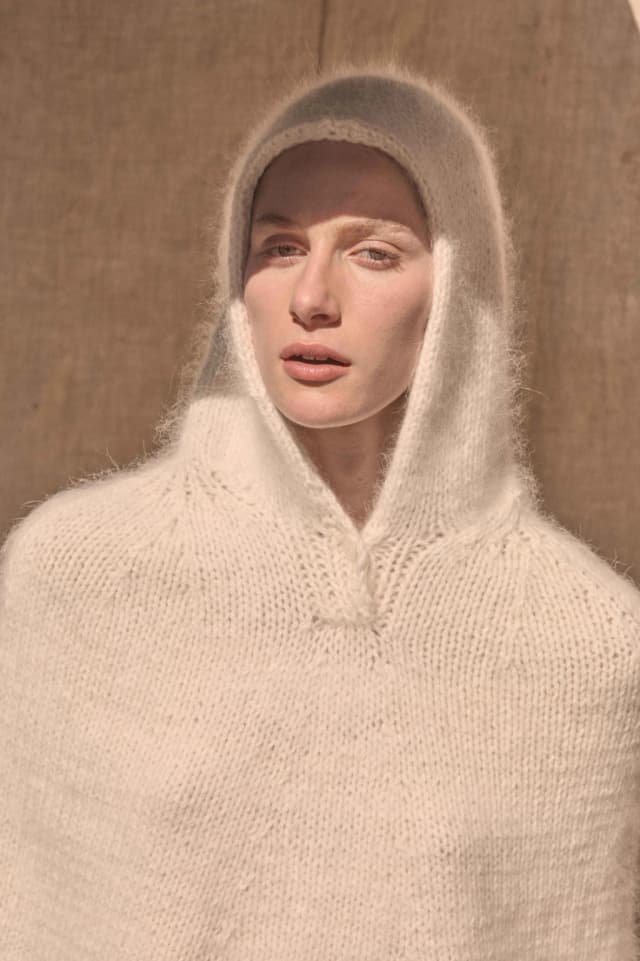
Maydi is an Argentine designer knitwear label for women, founded in Buenos Aires in 2014 by María Abdala Zolezzi. A self-taught designer and the brand's creative director, she works to highlight Argentina's cultural and textile heritage. Maydi creates contemporary, handmade luxury knitwear that blends ancestral techniques with refined, modern design, guided by a vision of luxury that values depth over surface. The range includes sweaters, cardigans, capes, jackets, skirts and bodysuits, plus shawls, collars, scarves, hats, gloves and bags. Signature pieces include the Sweater Mar, the Campera Marino, the Falda Aronnax and the Capa Pacífico, and the label also offers made-to-measure pieces. Every piece is handmade in Argentina from local natural fibres such as merino wool, mohair, guanaco and espartillo. Maydi holds Wildlife Friendly certification, reflecting its aim of creating without causing harm to the environment and wildlife where its fibres come from. The label remains independent and is led by its founder from Buenos Aires. One recent collection explores our relationship with the sea, about moving forward with care and finding beauty beyond the obvious.

Loup featured image

Loup

USA · Est. 2009 · Mid-range

Loup is an American designer label for women, founded in New York in 2009 by designer Danielle Ribner. Inspired by 1960s Paris, the Brooklyn-based brand designs for the slightly curvy woman and is famous for its "life-changing" fit and curve-friendly styles. Its collections recreate beloved classics from the past in new ways so they stand the test of time. Loup is best known for high-waisted pants such as the Agnes High Rise Painter Pants and the Simone Wide Crop Jeans. It also makes tops like the Bessette Soft Washed Tee and Miranda Pointelle Tee, jumpsuits including the Billy and the Claire, dresses, the Anjelica Work Jacket, the Michelle Cable-Knit Collar Cardigan, skirts and shorts, in sizes from XXS to 4X. Clothing is made in New York City in small quantities, so no materials go to waste, and the brand reuses its remnant fabric every season. It works closely with its factories to ensure fair wages and minimal environmental impact, and offers free repairs so garments can last a lifetime. Loup's pants have been featured in New York Magazine, and the brand has a store at 508 Warren Street in Hudson, New York.

Rags2Riches featured image

Rags2Riches

Philippines · Est. 2007 · Affordable

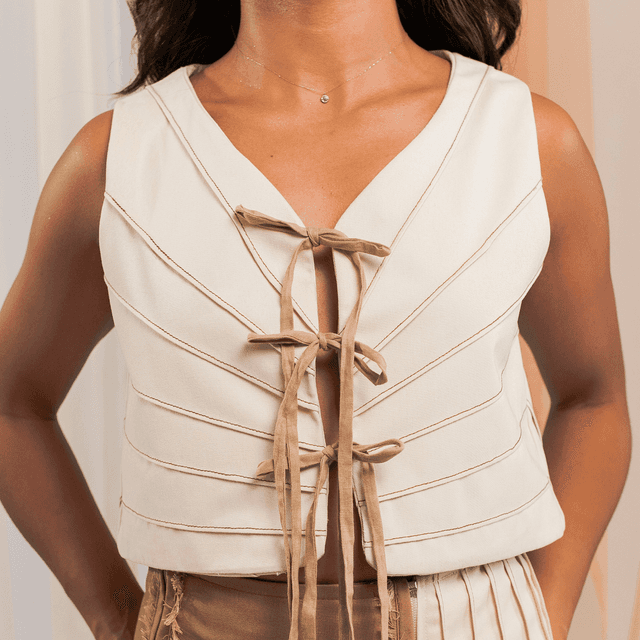
Rags2Riches is a sustainable Filipino clothing and accessories label, founded in 2007 in Payatas, Quezon City, by Reese Fernandez-Ruiz with a group of young professionals. It began by working with community artisans who turned scrap fabric into rugs, helping them earn fairly from their skills, and has grown into a social enterprise known as R2R. R2R makes intentional, multi-way pieces such as the 4-Way A-Line Skirt and Convertible Terno Top, along with wrap skirts, vests, tops, shorts and dresses. It is also known for handbags like the Buslo, Pusô and Saranggola Bags, wallets, travel bags and home goods such as pillows, poufs and rugs. Everything is handmade in the Philippines by partner artisan communities. Its pieces are woven in the signature R2R weave from upcycled textiles, cotton and local fibres, combining design with traditional handcraft and fair pay for artisans. Fernandez-Ruiz received a Rolex Award for Enterprise as a Young Laureate in 2010 for her work with Rags2Riches, which remains an independent social enterprise working with artisan communities across the Philippines.

Diarrablu featured image

Diarrablu

Senegal · Est. 2013 · Mid-range

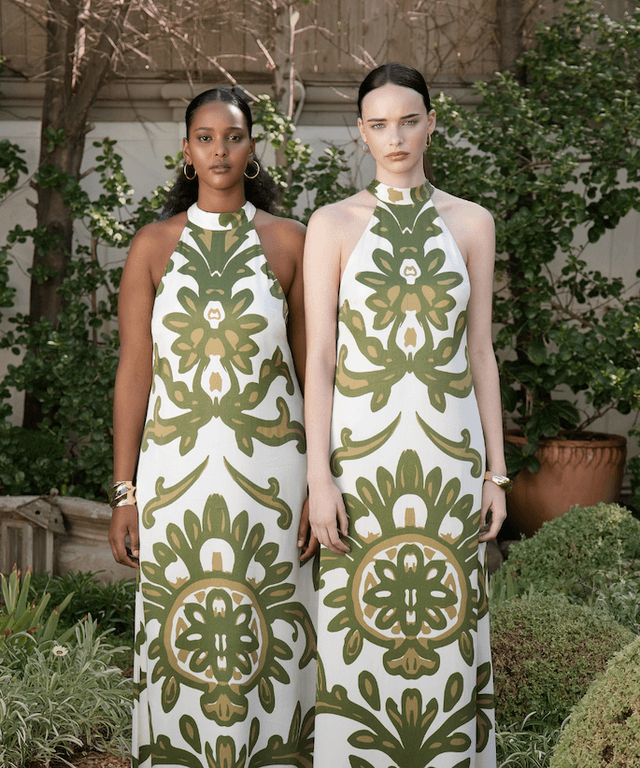
Diarrablu is a sustainable designer clothing label for women, founded in 2013 by Senegalese designer Diarra Bousso. Born in Dakar, Bousso earned a master's degree in mathematics at Stanford and worked on Wall Street as a structured products trader before resigning to follow her passion for design. The brand launched its first ready-to-wear collection in 2015, aiming to merge the worlds of artisans and algorithms. Diarrablu sells bold-printed dresses such as the Tubi and Satu Dress, Genie and Jant Pants, kimonos, swimsuits, skirts and jumpsuits in sizes XS to 3XL, plus headwraps and bags. Most pieces are designed in California and handcrafted in a family-run workshop in Dakar, Senegal. The label combines traditional Senegalese artisan techniques with creative mathematics and AI. Bousso uses her own algorithms to design prints and silhouettes virtually, and every garment is made to order to avoid excess stock and textile waste. Many designs are convertible, and fabrics include linen, organic cotton, lyocell, cupro and FSC-certified viscose. Diarrablu has been featured by Vogue, and Bousso, a TED speaker, has spoken at institutions such as Harvard, Stanford and MIT.

wol hide featured image

wol hide

USA · Est. 2015 · Mid-range

Wol Hide is an American sustainable knitwear and clothing label for women and men, founded in Philadelphia in 2015 by Leah D'Ambrosio. Raised in western Connecticut and trained in textile design, D'Ambrosio believed fashion could be done better, with empathy, quality and respect for everyone from farmers and mill workers to customers. The label is built on a love for materials in their natural state and on comfort that brings confidence and ease. Wol Hide is known for textural sweaters, cardigans and vests, such as the Box Bomber and Lattice Henley, along with its organic cotton Easy Collection of sweatpants, leggings and sweatshirts, plus hats. It is made in the USA and Peru: wool is spun in Virginia and knit in New York, cotton milled in the Carolinas is sewn in Pennsylvania, and some knits, including alpaca pieces, are hand-loomed in Peru. Its Field Fiber yarn blends Sally Fox's naturally coloured organic cotton with undyed Rambouillet wool, and it uses Texas Organic Cotton Co-Op cotton and RWS and Nativa Regen certified Shaniko merino, with minimal dyeing. Wol Hide has been featured by Philadelphia magazine and Suitcase, and is stocked by boutiques including MayerWasner and Vagabond.

ESSE Studios featured image

ESSE Studios

Australia · Est. 2017 · Luxury

ESSE Studios is an Australian designer, minimalist luxury clothing label for women, founded in Sydney in 2017 by Charlotte Hicks. Hicks built the label around slow-release capsule collections and conscious consumption, creating minimalist, considered pieces designed to be worn for years rather than seasons. The range includes dresses, tops, trousers, jackets, blazers and coats. Signature pieces include the Cartia Halter Dress, the Lume Dress, the Alto Drape Top, the Alto Trouser, the Portia Duo Blazer, the Taro Trench and the Bocla Teddy Coat. Much of the clothing is made in Sydney, with other pieces made in China and Italy. ESSE publishes a sustainability page covering its materials and production. It says about 95% of its fabrics are certified, works with local manufacturers in Sydney, and supports transparent supply-chain practices and local artisans. ESSE Studios won Australia's National Designer Award, as reported by WWD. It has a by-appointment ESSE Atelier in Paddington, Sydney, and has run pop-up stores, including one at Chatswood Chase in 2022.

MEGEST 1994 featured image

MEGEST 1994

USA · Est. 1994 · Mid-range

MEG is an American designer clothing label for women, founded in New York's East Village in 1994 by Meghan Kinney. Growing up around her mother's and grandmother's stores, Kinney designed her first garment at 14 and moved to New York at 17 to attend the Fashion Institute of Technology. After working alongside designers including Byron Lars, Christian Francis Roth and Randolph Duke, she launched MEG as a wholesale collection for independent boutiques, built on the belief that women should not have to choose between looking incredible and feeling comfortable. The label designs dresses, tops, trousers, knitwear and outerwear that move from work to weekends, travel and dinner, including its MEG Movement line. Collections are designed in Brooklyn and produced in small batches primarily in North America, in New York and Canada. Long before sustainability became a trend, MEG produced locally and encouraged customers to buy less but better. Its MEG Archive takes back previously loved pieces for store credit and resells them, donating 20% of Archive sales to Planned Parenthood. MEG opened its first boutique in the East Village in 1996, has grown to stores in Manhattan, Brooklyn and Toronto, and remains proudly independent.

Bibico featured image

Bibico

UK · Est. 2007 · Mid-range

Bibico is a sustainable UK clothing label for women, founded in Bath in 2007 by designer Snow (Nieves). Raised in northern Spain, Snow studied fashion in France and designed for Zara and other high street retailers in Madrid, Sydney and London, before leaving to find a fairer way of making clothes. Her husband Tim joined as COO in 2009, and the name comes from her childhood nickname, Bibi. Bibico makes simple clothes with unique details: jumpers such as the Layla and Alma Jumper, wool vests and gilets, dresses, blouses like the Ada Blouse, Anna Trousers, skirts and jackets. Two collections a year are produced in small runs, mainly in India and Nepal, with knitwear also made in Bulgaria. The label uses natural and sustainable fabrics such as organic cotton, wool and Tencel. It works with a women's cooperative in Mumbai and a knitting cooperative in Kathmandu, and two of its main makers belong to the World Fair Trade Organization. Bibico's first collection sold at Topshop Oxford Circus. In 2010 it won best ethical fashion brand at the Ethical Fashion Show in Paris, and it opened its Bath shop in 2017.

Kamperett featured image

Kamperett

USA · Est. 2015 · Luxury

Kamperett is an American luxury womenswear label, founded in San Francisco in 2015 by Anna Chiu and Valerie Santillo. The name blends their mothers' maiden names. Chiu previously worked at Ksubi and Santillo is a former Cynthia Rowley designer, and together they built a collection focused on quality fabric, refined tailoring and timeless design for the modern, discerning woman. Styled KAMPERETT, the label is known for romantic, refined dresses, especially sheer silk organza pieces with considered details. Its dresses include the Metronome Gown and Midi, the Agnes and Caroline slip dresses and the Adelaide Midi, with gowns such as the Glissade and Ines. It also makes the Anemoia Blouse, Alix silk crepe pants, the Orere Blazer, Orra swimwear, basics, outerwear, wedding dresses and bridal accessories such as veils. Kamperett takes an intentional approach to sustainability, with every piece designed and made in California. It works with high-quality fabrics such as silk organza and silk crepe, and says all its deliveries are carbon neutral. The independent brand is owned and run by its co-founders and has a flagship at 3686 20th Street in San Francisco's Mission District, open by appointment, as well as other retailers.

Vega Lucia featured image

Vega Lucia

USA · Mid-range

Vega Lucia is a sustainable, handmade clothing label for women, founded in the Florida Keys by designer Taylor Albury. Each piece starts with a fabric she can't stop thinking about and is made slowly, one at a time, in her small studio in Florida. The label's relaxed, coastal style is inspired by life in the Keys. The range includes skirts, tops, boleros and dresses, and Vega Lucia also offers alterations. Pieces have included the Buttonwood Midi Skirt, the Drift Wrap Skirt, the Birch Bolero, the Gold Lace Halter Top and the Seaside Scarf Dress. Every piece is made from thrifted, vintage or reclaimed materials, so most designs are one of one and cannot be repeated. This upcycled approach keeps existing fabrics in use and gives each garment its own character. Vega Lucia is a small, independent label owned by its founder, and it sells its pieces online. The brand and the story behind it have been featured in the Florida Keys Free Press.

R

Revivall

USA · Est. 2008 · Mid-range

Revivall is a sustainable, handmade clothing label for women, founded in Bozeman in 2008 by Laura Lee Laroux. After seeing the scale of waste in New York's fashion industry in the early 2000s, Laura vowed to use recycled materials in her creations, and she has been upcycling ever since. Revivall describes itself as a slow fashion lifestyle brand encouraging the revival of a simpler way of life through responsibly sourced, folk-inspired goods. The label makes modern homestead clothing with a vintage, prairie feel: skirts, pinafores, dresses, tops and vintage-style petticoats. Recent pieces include the White Bear Skirt, the Cotton Prairie Skirt, the Long Wool Pinafore and the Vintage-Style White Cotton Petticoat. Its approach rests on three pillars: responsible sourcing, zero-ish waste and local making. Products are made from recycled materials and deadstock fabrics, keeping hundreds of bolts of fabric out of landfill each year, and even small scraps are turned into new pieces. Everything is handmade in the USA by a team of independent seamstresses. Revivall is women-owned and operated, and it sells mainly through its own online store.

Cou Cou Intimates featured image

Cou Cou Intimates

UK · Est. 2021 · Affordable

Cou Cou Intimates is a British lingerie and underwear label for women, founded in London in 2021 by Rose Colcord. Colcord founded the brand to change the fact that only 7% of intimates are sustainably sourced, launching with three pieces: the thong, the high-rise and the cami. Cou Cou bridges the gap between everyday underwear and top-drawer basics, offering intimates and elevated essentials that don't compromise comfort for confidence and style, guided by a philosophy of doing less, better. Its underwear includes The Brazilian, The High Rise, The Thong and The Brief, alongside bras like The Triangle and The Teacup Bra. The range has grown to include The Baby Tee, The Scoop Tank, The Cardigan, shorts, skirts, The Pajama Pant and The Fleur Slip. Every piece is made from 100% organic cotton, grown in the Izmir region of Türkiye. Cou Cou works with a small group of partner factories in Türkiye, Portugal and Morocco, and its trims are OEKO-TEX Standard 100 certified. Cou Cou Intimates is an independent, female-founded brand led by Colcord. It is a certified B Corp and a member of 1% for the Planet.

Le Petit Trou featured image

Le Petit Trou

Poland · Est. 2014 · Mid-range

Le Petit Trou is a Polish lingerie and designer label for women, founded in Warsaw in 2014 by Zuzanna Kuczyńska. Kuczyńska came up with the idea while working as a stylist, and her Warsaw apartment served as the brand's first showroom. What began as lingerie has grown into a full women's ready-to-wear collection that the brand says is designed to create an extraordinary everyday. The lingerie includes signature briefs and soft bras such as the Chocolat, Pavot and Madonna styles, along with loungewear. Its clothing covers tops, shirts, skirts, trousers, jeans, jackets and coats, with pieces such as organic cotton ruffle-hem styles, the Maxime corduroy shirt, the Thierry denim dungarees and LUCAS jeans, plus leather boots, pumps and bags. Products are made in Poland, where the brand works with women-led sewing companies and restocks monthly to avoid overproduction. It uses natural materials such as linen and cotton alongside recycled polyester, and ships orders in compostable mailers. Le Petit Trou is majority-owned by Kuczyńska and has its design studio and flagship store in Warsaw, selling online internationally.

Swoon featured image

Swoon

India · Est. 2017 · Affordable

Swoon is a minimalist Indian designer clothing label for women and kids, founded in Gurugram in 2017 by designer Sakshi Astir. Its designs are relaxed, comfortable and fluid yet distinctive, with a slightly bohemian, vintage sensibility that reflects a wanderer's experience told through contemporary cuts and luxurious Indian fabrics. Most outfits come in pristine whites, ivory, ecru and earthy pastels and are versatile enough to wear from day to night. The range includes women's dresses, co-ord sets, tops and trousers, alongside Swoon baby and kids' clothing such as rompers, dresses, coordinated sets, gift sets, bibs and hair accessories. Everything is made in India from soft cottons and voiles, with signature styles like the Amour Dress pairing embroidery with contrasting lace. Handcraft sits at the heart of the label. Swoon actively works to revive handmade lace in India and specialises in French lace, crochet, handmade lace and macramé, combined with pleats and pin tucks. Collections such as Earthen use breathable crochet fabric in earthy hues, produced in small batches. The brand follows a zero-waste initiative, using all its waste fabric in packaging as part of a sustainable, eco-friendly approach to manufacturing.

SIZ featured image

SIZ

Portugal · Est. 2016 · Mid-range

SIZ is an ethical, sustainable European designer clothing label for women, founded in Sesimbra, Portugal in 2016 by twin sisters Raquel Rodrigues and Sofia Rodrigues. The sisters studied fashion together at the University of Lisbon's Faculty of Architecture and launched the brand after their internships, wanting to prove that sustainable fashion could be creative, colourful and fun. Its style pairs "clean and crafty" in an urban, casual look. The collection includes dresses, tops, shirts, trousers, skirts, jackets, jumpsuits and coordinated sets. Signature pieces include striped sets introduced in 2020 and a thin-strap summer dress reinterpreted every year. Garments are made in Portugal: the sisters design, make patterns, cut and sew in their Sesimbra atelier, working with local seamstresses in small batches produced to the rhythm of sales. Each yearly collection is built around an environmental or social cause, from climate change to ocean pollution and overconsumption. Much of the clothing uses deadstock fabrics, with organic and natural fibres used when deadstock runs short, while a take-back programme keeps garments out of landfill. SIZ has been profiled by the Portuguese magazine NiT and A Sustainable Closet, and in 2026 opened a two-month pop-up in Lisbon.

The Knotty Ones featured image

The Knotty Ones

USA · Est. 2014 · Mid-range

The Knotty Ones is a European handmade knitwear label for women, founded in 2014 by Lithuanian friends Danutė Rasimavičiūtė, Sandra Pangonytė and Akvilė Meškauskaitė-Dobrajs, and based between Vilnius and New York. The three met at grad school in 2011, having grown up in knits made by their grandmothers. Proud of their Baltic heritage, they design elevated, timeless pieces inspired by the Baltic Sea, Lithuanian meadows and the country's pagan roots. The collection includes merino wool sweaters such as the Bangos, cardigans and vests, silk and mohair dresses like the Eglutė, crochet cotton dresses, tops, shorts, socks and accessories. Every piece is made in Lithuania, hand-knitted by a community of more than 40 female artisans, many of them mothers in rural villages and small towns. The female-founded brand pays its knitters a living wage and gives them financial independence and a voice in their communities. It uses only 100% natural yarns, OEKO-TEX certified dyes and plastic-free buttons and packaging, works with local artists who hand-dye with herbs and produces in small batches. The Knotty Ones has been worn by Hilary Duff and Margaret Qualley.

Flore Flore featured image

Flore Flore

Netherlands · Est. 2021 · Mid-range

Flore Flore is a Dutch designer label for women, founded in Amsterdam in 2021 by Flòrian van Zuilen. Fashion runs in her lineage, as her mother and grandmother both worked in the field, and she previously worked in fashion from New York to Copenhagen. The label creates understated, chic cotton classics for the modern woman, with designs that promote freedom and ease and balance romance with classic tailoring. The range includes basics such as bandeau tops, bodies, turtlenecks and tanks, polos like the Lauren Polo, dresses, cardigans, shirts such as the Rosie Shirt, skirts and trousers, plus scarves and box sets. Its organic cotton staples are clean and simple, made to be worn every day. Garments are produced in Portugal by family-owned factories: the cotton basics in a factory run by a mother-daughter duo, and the shirting, in fabrics from Albini in Bergamo, in Portugal's oldest shirting factory. Production uses organic materials and a small, considered supply chain, with FSC-certified packaging. As a member of 1% for the Planet, Flore Flore gives 1% of annual sales to the Women's Earth Alliance. The label remains independent and founder-led.

Milkbarn featured image

Milkbarn

USA · Est. 2006 · Affordable

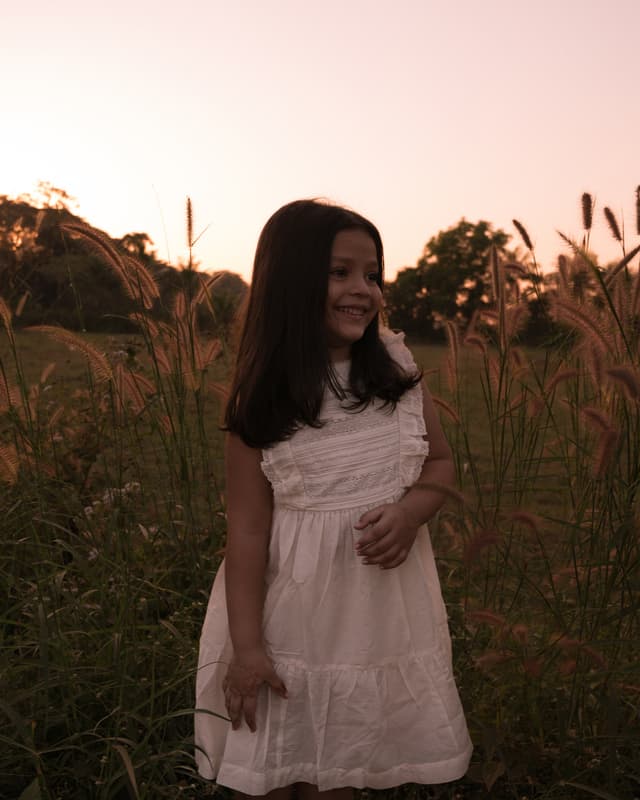
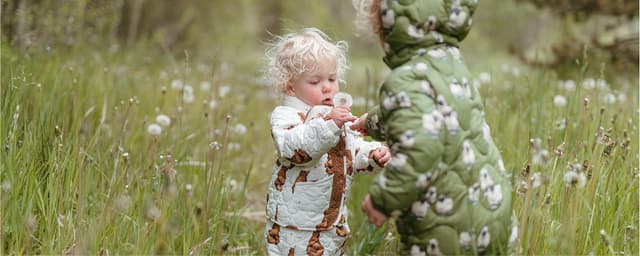
Milkbarn is an American organic kids' clothing label, founded in 2006 by Stacy Phillips. Phillips began sewing bibs inspired by her seven-month-old son, and the family farmhouse kitchen table soon doubled as a design studio as bibs and accessories gave way to a small apparel collection. The brand's roots lie in dairy country in the rolling hills north of San Francisco, and its look mixes vintage and modern, country and urban, celebrating a child's imagination. Milkbarn makes baby and children's clothing such as its Zipper Footed Romper, along with bibs, blankets, nursery essentials, toys, gifts and a series of children's books. Its original prints are a mother-daughter collaboration: Phillips' daughter, Haley Hunt, paints the artwork used on its fabrics and illustrates the books. Clothing is made from GOTS-certified organic cotton and bamboo rayon, coloured with low-impact dyes and free of chemical flame retardants, and production takes place in China. Phillips now lives in Leiper's Fork, Tennessee, and the brand ships from a warehouse in Petersburg, Tennessee, selling online and through stockists around the world.

Le Kilt featured image

Le Kilt

UK · Est. 2014 · Luxury

Le Kilt is a Scottish designer label for women, founded in Edinburgh in 2014 by Samantha McCoach. Born and raised in Leith and trained at the Royal College of Art in London, McCoach explores the origins and meaning of garments, reframing Scottish tradition for a modern audience that wants a connection with its clothes. Her grandmother Lena, a kilt-maker, helped her make the first samples. The label is best known for contemporary kilts, which it sees as a blank canvas for self-expression, alongside knitwear and other wardrobe classics. The range includes kilts, mini dresses, wrap skirts, cardigans, crew necks, knitted tanks and Aran vests, plus scarves and sterling silver kilt pins. Signature pieces include the 01 Classic Kilt, the Midi Kilt, the Hand Knitted Aran Vest and the Merino Guernsey. Le Kilt is made in Scotland by expert craftspeople at a handful of small British manufacturers. It mainly uses wool, including Scottish tartans and tweeds, plus cashmere and lambswool. The label remains a small, independent business led by its founder, rooted in both the Scottish Highlands and city life.

indi & cold featured image

indi & cold

Spain · Est. 2012 · Mid-range

indi & cold is a Spanish clothing label for women, founded in San Sebastián in 2012 by brothers Diego and Gonzalo Santaolalla. The brothers started their first labels, Indiwoman and Cold Alaska, in San Sebastián in 1991, and the two merged in 2012 to form indi & cold, with Cristina Villar as creative director. Under the motto "Dress the journey", the brand makes relaxed, natural-style clothing: timeless, quality pieces in natural fabrics with careful design. The range includes knitwear, shirts, blouses, coats, jackets, trousers, skirts, dresses and accessories. Pieces include the Wool Maxi Coat with Hood, the Double-Breasted Wool Coat, the Reversible Quilted Trench Coat and the Brushed-Effect Plaid Sweater, as well as ethnic-print dresses, skirts and blouses, corduroy trousers and leather Chelsea boots. indi & cold works with materials such as wool, mohair, alpaca and organic cotton, along with some recycled fibres. The independent company is run by its founders and has its own store on Calle Arrasate in San Sebastián. It runs about 20 stores across Spain, including in Madrid, Barcelona, Bilbao and Valencia, plus corners in El Corte Inglés stores in Madrid, Valencia and Lisbon.

Can't find what you're looking for?

We add new sites every week but if you have a specific request, let us know.

About sustainable brands

Looking Past the Sustainability Label

Sustainable is a broad and unregulated term, so focus on the evidence behind it. Helpful signs include material certifications such as GOTS, the Global Recycled Standard, FSC or COSMOS, published impact reports with measurable targets, and transparency about factories and suppliers. Consider durability, repair services and take-back schemes as part of the picture. Regulators in many countries increasingly expect environmental claims to be clear, accurate and backed by evidence, so sustainable brands should be able to explain theirs in detail. Be cautious of broad claims that are not linked to any specific product, material or target. Buying second-hand and caring for what you own also count.

Choosing Products for the Long Term

Fashion and beauty have significant environmental and social impacts, from water use and emissions to waste and working conditions. Sustainable brands try to reduce those impacts at every stage, by choosing better materials, producing more responsibly and designing products that last. No single purchase is perfect, but consistently choosing better options, buying less and caring for what you own makes a real difference over time. Supporting these brands also helps push the wider industry towards more responsible practices that benefit both people and the planet.

Frequently asked questions

What makes a brand sustainable?
A sustainable brand aims to reduce its environmental and social impact throughout a product's life, from sourcing materials and manufacturing to how long the product lasts and what happens to it afterwards. Fair working conditions are often part of the picture too. Since the term isn't regulated, evidence is what counts.
How do I know if a brand is genuinely sustainable?
Look for specifics rather than slogans: named materials, recognised certifications, published impact reports with measurable goals and transparency about suppliers. Brands that are honest about what they haven't solved yet are often more trustworthy. If claims are vague or unsupported, it's reasonable to ask for more detail.
What is greenwashing?
Greenwashing is when a company makes itself sound more environmentally responsible than it really is. That might mean vague claims, highlighting one small eco-friendly feature while ignoring bigger issues, or using green imagery without evidence. Regulators in many countries are increasingly scrutinising environmental claims, but it still pays to read carefully.
Is sustainable fashion more expensive?
Some sustainable pieces cost more upfront because of better materials, fairer wages and smaller production runs. Over time, buying fewer, longer-lasting items can balance this out. Second-hand shopping, repairs, rental and caring well for what you already own are also very affordable ways to dress more sustainably.
What's the most sustainable way to shop?
Buying less and using what you already have for longer usually has the biggest effect. When you do buy, choose durable, well-made pieces you'll wear often, consider second-hand options and look for brands that offer repairs or take-back schemes. Small, consistent choices add up over time.
How are brands chosen for this sustainable brands list?
Brands register themselves and share how they reduce their environmental or social impact, along with what makes them distinctive, such as small-batch production. From The Labels is curated for homegrown and emerging labels, so a brand can have investors but mustn't be owned or acquired by a large corporation. Combining tags helps you focus your search.
Can one purchase really make a difference?
On its own, a single purchase is small, but buying habits add up across a lifetime and across many people. Supporting the top sustainable brands also signals demand for better practices, which encourages the wider industry to change. Progress matters more than perfection.