List of 1,000+ Sustainable Brands – Page 5

Brands 97–120 of 1,033. Back to page 1 · Browse brands A–Z

Brands

1,033 brands

sønderhaus featured image

sønderhaus

USA · Est. 2022 · Mid-range

Sønderhaus is an ethical, minimalist American clothing label for women, founded in American Fork, Utah in 2022 by Olive Redd. Described as a slow fashion studio rooted in heritage, family and craftsmanship, the brand is run by three sisters and their best friend. Its designs draw on vintage silhouettes, Scandinavian heritage and lakeside summers in the Midwest, reflecting the values of kinship, simplicity and connection the founders were raised on. The collection covers dresses, sweaters, cardigans, tops, T-shirts, trousers, jeans, skirts, shorts, matching sets, sleepwear and swimwear, designed in Utah for everyday wear. Garments are produced in small batches with partner factories mainly in Turkey, China and Vietnam, along with India, and the shop also carries accessories from other small makers. Sønderhaus prioritises natural fibres such as cotton, linen and wool that can be recycled or composted, using only recycled synthetics when a garment's construction requires them. Every factory is vetted by its third-party partner Calico through self-assessments and regular quality checks. Its Sønderhaus Seconds initiative offers imperfect pieces to reduce waste while keeping quality clothing accessible.

Faherty Brand featured image

Faherty Brand

USA · Est. 2013 · Mid-range

Faherty is an American casual clothing label for men and women, founded in 2013 by twin brothers Mike and Alex Faherty with Alex's wife, Kerry Docherty, and based in New York. The brothers are lifelong surfers who left jobs in fashion and finance to start the family-run brand, and Docherty now oversees its impact initiatives. Faherty makes relaxed, beach-inspired clothing built on premium fabrics with what it calls gotta-feel-it-to-believe-it softness. The range covers button-up shirts, tees, knits, sweaters, hoodies, shorts, pants, dresses, swimwear and outerwear. Its best-known pieces include button-ups such as the Laundered Oxford Shirt, Movement Shirt and Legend Sweater Shirt, along with Sunwashed tees and hoodies, All Day and Shorelite swim trunks, Coastline chinos and Miramar linen sweaters. Faherty works with manufacturers in several countries, with pieces made in places including Japan, Turkey, India, Peru, Portugal and the USA. It is a certified B Corp, and in 2024, 72% of its fibres were responsible materials such as organic, recycled or Supima cotton. It remains an independent, family-run business. The brand runs dozens of its own stores across the US and sells online and through retailers.

Oge Ajibe featured image

Oge Ajibe

Canada · Est. 2018 · Affordable

Oge Ajibe is a Canadian designer label for women, founded in Vancouver in 2018 by Ogechukwu Ajibe. Ajibe moved from Ebonyi, Nigeria, to Vancouver in 2015. She had started making her own clothes as a way to build confidence, then wrote a fashion blog called Fashion Voice and worked as a fashion stylist. After completing a fashion program at LaSalle College, she launched her line under the Fashion Voice name in 2018 and rebranded it as Oge Ajibe on December 3, 2020. The label's mission is to help people feel comfortable and confident in how they present themselves, whatever their colour, body size or background. Its tailor-made tops, pants, dresses and accessories come in inclusive sizes from XS to 5X, with everyday pieces such as the Care Top, the Harmony Wrap Top, the Glory Pant, the Relief Pant and the Oversized Denim Dress. Every piece is handcrafted in Canada in small batches, using natural and sustainable fabrics such as cotton, organic cotton, linen, hemp and denim. The brand also sees part of its role as educating customers on how to present themselves through fashion. Oge Ajibe is independently owned and led by its founder.

Sindiso Khumalo featured image

Sindiso Khumalo

South Africa · Est. 2015 · Mid-range

Sindiso Khumalo is a South African sustainable designer label for women, founded in Cape Town in 2015 by designer Sindiso Khumalo. She first studied architecture at the University of Cape Town and worked in London for architect David Adjaye, then earned a Masters in Textile Futures at Central Saint Martins. Her unapologetically bold, bright and feminine clothing puts sustainability, craft and empowerment at its heart. The range includes embroidered T-shirts, skirts such as the Vicki Blue Embroidered Skirt, dresses like the Ayanda Gingham Check Dress and the Harper Anglaise Dress, jackets like the Luna Embroidery Jacket, and sets and suits. Accessories include Sindiso Khumalo x Ballo sunglasses. Khumalo designs every textile from her own drawings, watercolours and abstract cutouts, drawing on her Zulu and Ndebele heritage and the lands of KwaZulu-Natal. Clothing is made in South Africa, including in Woodstock, Cape Town, using cotton, linen, denim and wool. Khumalo was a joint winner of the LVMH Prize in 2020. She has shown at Milan Fashion Week, spoken on sustainable fashion at the United Nations, and exhibited at the Smithsonian National Museum of African Art and Zeitz MOCAA.

NOM*d featured image

NOM*d

New Zealand · Est. 1986 · Mid-range

NOM*d is a New Zealand designer label, founded in Dunedin in 1986 by designer Margarita Robertson and her husband, Chris Robertson. The label continues to embrace the gothic character of its southern home city, offering a wardrobe that is understated and subversive. Its irreverent approach to tailored silhouettes and utilitarian textiles, with deconstruction and unexpected reworking, creates garments that are experimental yet can be worn as a uniform. Collections mix sharp jackets and coats with relaxed dresses, shirts, trousers, skirts and knitwear, along with the ICONIC range of graphic tees, tank dresses and hoodies. Popular pieces include the Boyfriend Jacket, the Swing Coat, the Big Crest Tee and the Archive Short Sleeve. The own-label clothing is made in New Zealand. Over more than three decades, NOM*d has built its reputation as a label that honours the intelligence and individuality of the wearer, and it showed at London Fashion Week in 1998 as one of the "New Zealand Four". The brand is independently owned by Margarita and Chris Robertson, and its George Street store in Dunedin sells NOM*d alongside an edit of international designers.

KSENIASCHNAIDER featured image

KSENIASCHNAIDER

Ukraine · Est. 2011 · Luxury

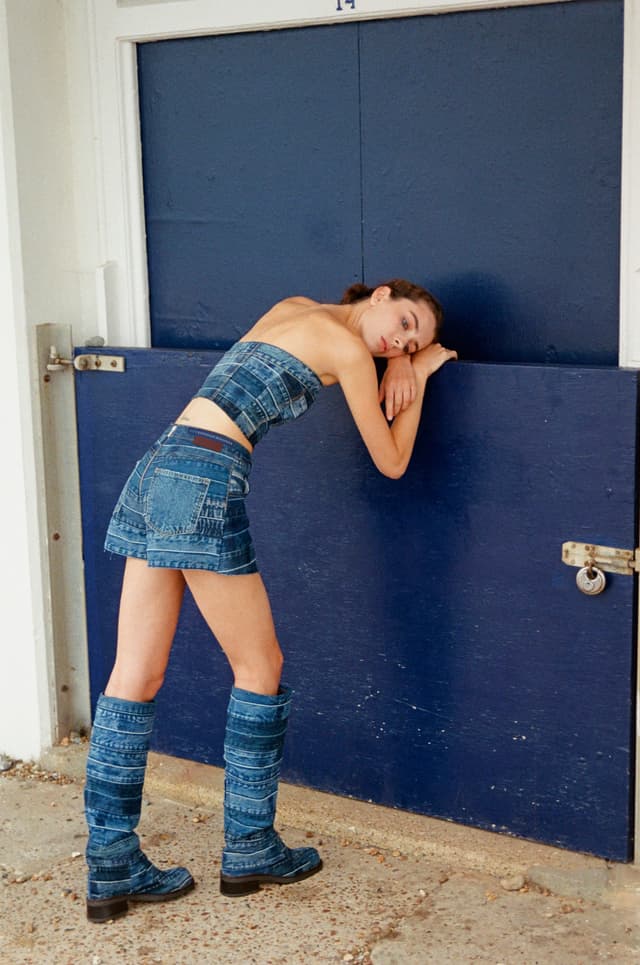
KSENIASCHNAIDER is a Ukrainian designer label known for upcycled denim, founded in Kyiv in 2011 by husband-and-wife duo Ksenia and Anton Schnaider. Ksenia leads the creative direction, while Anton brings a background in graphic design. The brand challenges norms with innovative twists and a re-design, re-work mindset, summed up in its motto "design minus design": if it can be reused, recycled or upcycled, it should be worn again. The range includes jeans, skirts, jackets, bombers, trenches, tops and dresses, made in its own production facilities in Ukraine. Signature pieces include its Asymmetrical Jeans, Demi-Denims and Denim Fur jackets, as well as its flying cat print. The workshops rework about 500 pairs of jeans a month, and the label also uses certified organic fabrics by Indigo Textile, made from hemp, recycled yarns and organic cotton. KSENIASCHNAIDER has won Best Ukrainian Sustainable Fashion Brand and Best Ukrainian Menswear Designer several times since 2018, and PETA Deutschland's Best Jeans Style award in 2021. Ksenia was nominated as a Next Green Talent by Vogue Italia in 2019, and in 2022 Kering selected the brand for a Pitti Uomo showcase of sustainable labels.

Collina Strada featured image

Collina Strada

USA · Est. 2008 · Luxury

Collina Strada is an American designer label for women and men, founded in Los Angeles in 2008 by Hillary Taymour and now based in New York. Taymour started it as a handbag line before moving to New York, and she remains its creative director. The brand describes itself as a platform for social issues and awareness, and Taymour's aim is to stay true to her craft while becoming a fully sustainable and radically transparent brand. Its clothes are easy to wear, with a fearlessly fluid attitude, re-invented classics and unexpected details, embodying humour and youth. Collina Strada is known for colourful prints, upcycled materials and cult-favourite sweatshirts. Pieces include the Cardio Yuri Dress, the Lawn Skirt Cargo Pant, the Esme Top, the Gathered Hoodie, graphic tees and the Pawpaw Coat, along with rhinestone water bottles, jewellery, upcycled wedding dresses and a lifestyle line called CollinaLand. The brand is based and manufactured in New York, with some pieces made in Portugal, China, Italy and Turkey, and it often uses deadstock and upcycled fabrics. Collina Strada is independent and led by Taymour. It sells online and through stores such as Selfridges, Ssense, Lane Crawford and Nordstrom.

Attire The Studio featured image

Attire The Studio

Germany · Est. 2019 · Luxury

Attire The Studio is a German sustainable designer label for women, founded in Moorrege, near Hamburg, in 2019 by influencer Xenia Adonts. After years of fashion weeks and campaigns, she wanted to do something more meaningful in fashion, and after watching The True Cost she turned down a lucrative capsule deal to build her own honest, transparent brand. Its elevated, versatile wardrobe staples aim to be modern, minimalist and wearable without compromising on quality or design. The range includes knit sweaters, blazers such as the Everyday Blazer, coats like the Izmir Long Coat, knit and silk dresses, tops, camisoles, shirts, shorts, trousers and jumpsuits, plus wool beanies. Most pieces are made in Italy, with some produced in Portugal and Romania, using wool, silk, linen and organic cotton. The label works with mills in Italy and Portugal and discloses the origin of its yarn; its coats use wool from a small sheep farm and mill in Portugal. Attire The Studio remains independent and is led by its founder, who openly shares the challenges of building an ethical brand.

Sydney Pimbley featured image

Sydney Pimbley

UK · Est. 2019 · Luxury

Sydney Pimbley is an upcycled UK designer clothing label for women, founded in London in 2019 by designer Sydney Pimbley. A graduate of Central Saint Martins' BA Fashion Design with Knitwear and a recipient of the LVMH Grand Prix Scholarship, Pimbley worked in the couture studio of Maison Margiela, assisting John Galliano, before launching her slow fashion brand. Inspired by her Welsh heritage, she builds ethical luxury collections on the principles of sustainability and authenticity. The label creates dresses, skirts, trousers, shorts, jackets, tops and accessories, many of them one-of-a-kind or made in very small runs. Pieces are handmade in the United Kingdom, using fabrics, trims and embroidery collaged from vintage sources and finished with layers of hand detailing. Her upcycled approach reworks antique and vintage textiles such as silk, cotton and wool rather than relying on new fabric. After the birth of her first child in 2025, Pimbley dedicated her 2026 collection to celebrating the female body through lush antique fabrics. Sydney Pimbley's work has appeared in Vogue Italia, i-D, The Face, Teen Vogue, WWD, Sleek and Metal Magazine. She took part in P.LACE.S, a SHOWstudio and MoMu Antwerp lace exhibition and film.

ISTO. featured image

ISTO.

Portugal · Est. 2017 · Mid-range

ISTO. is a sustainable, minimalist clothing label for men, founded in Lisbon in 2017 by Pedro Palha, Vasco Mendonça and Pedro Gaspar. The three founders set out to make logo-free everyday essentials with full transparency, staying free from the seasonal fashion calendar. Instead of new collections every season, ISTO. keeps a single collection permanently available. The range includes t-shirts, shirts, chinos, jeans, knitwear, jackets and coats. All clothing is made in Portugal, and signature pieces include the Heavyweight T-Shirt, the Classic T-Shirt, the Camp Collar shirt, the Hemp Popover Shirt, Baggy Chinos, the Barn Jacket and the Long Wool Coat, alongside small runs of deadstock wool and cashmere blazers. ISTO. uses organic and natural materials such as organic cotton, merino wool, linen and hemp, and most of its cotton is GOTS certified. Each product page shows a clear breakdown of what the piece costs to make. The brand remains independent and has its own stores in Lisbon's Chiado and Amoreiras and in Porto.

Litkovska featured image

Litkovska

Ukraine · Est. 2009 · Luxury

Litkovska is a Ukrainian luxury designer label for women, founded in Kyiv in 2009 by designer Lilia Litkovska. Born in Kyiv into a family of four generations of tailors and garment makers, she studied patternmaking and art history and launched her namesake brand at 27. Known for architectural tailoring that transforms with its wearer, the label follows the motto "There is no wrong side": pieces can be worn inside out, deconstructed or reshaped. The range includes jackets, coats such as the Reversible-Shearling Hourglass Coat, tops, shirts, dresses, gowns, skirts, pants, jeans and knitwear. It also makes bags such as the Besagy Bag and the transformable Zip Bag, bag charms and table runners. Clothing is made by hand in Ukraine in wool, denim, leather and silk. In 2018 Litkovska launched its Artisanal line, which shreds and reweaves production leftovers into new textiles on traditional looms, and in 2020 the founder started SCHOOLL, an art and craft school for emerging designers. Litkovska shows on the official Paris Fashion Week schedule and is sold by more than 60 retailers in 20 countries, including Dover Street Market. Its founder was named among Forbes' 50 Women Leaders of Wartime Ukraine.

The Series NY featured image

The Series NY

USA · Est. 2016 · Mid-range

The Series NY is a gender-neutral, upcycled American designer clothing label, founded in New York in 2016 by Ella Wiznia. Wiznia started the brand while recovering from an eating disorder, wanting to make clothing that felt different from the unrealistic bodies she saw in fashion advertising. Learning about the industry's environmental impact, she committed to working only with secondhand and sustainable materials, and the label champions clothing without gender, for all bodies. The Series makes one-of-a-kind jackets, quilted chore jackets, shirts, shorts, jeans, pinafores and accessories from vintage quilts, crochet blankets, embroidery, antique and deadstock textiles. Every piece is made from start to finish in New York by its small in-studio team or skilled local artisans. The brand celebrates crafts long tied to domesticity and undervalued as "women's work", choosing damaged or unfinished quilts rather than cutting up pieces in perfect condition. Apart from some crochet made with organic fibres, garments use only pre-existing materials, and its makers set their own rates to earn a living wage. The Series has been featured in Lampoon Magazine, appeared in Vogue's street style coverage of New York Fashion Week and held a residency at Burke Mercantile.

INGA-LENA featured image

INGA-LENA

USA · Est. 2017 · Luxury

Inga-Lena is a European-inspired designer label for women, founded in New York in 2017 by Inga-Lena Rüttgers. The German-born designer is also the brand's creative director, and she creates minimalist, timeless ready-to-wear for everyday use. The label dresses the modern woman who stands her ground in her professional life without having to sacrifice her feminine elegance. Many pieces are made in silk, and the range includes blouses, camisoles, pants, skirts, dresses, knitwear and sleepwear. Pieces include the Fjord Silk Camisole, the Nina Top, the Bjorn Silk Pant, the Alēka Midi Skirt and the Ebba Dress, along with knitwear such as the Ava Cashmere Sweater and Dolly Cardigan, and sleepwear like the Dakota Silk Robe and Lotti PJ Set. The clothing is made in New York, and the team visits the factory daily during production to work with the sewers. Its cottons are made in the US. Inga-Lena is an independent label owned and run by Rüttgers, selling online and through stockists.

11 11 featured image

11 11

India · Est. 2008 · Mid-range

11.11 is an Indian designer, sustainable handmade clothing label for men and women, founded in New Delhi in 2008 by Mia Morikawa and Shani Himanshu. The pair started it as the pret label of their design company, CellDSGN, with a handmade vision that departs from mainstream manufacturing. Its gender-neutral clothing is slow-made in small batches, working with groups of artisans across India. The range includes shirts, T-shirts, trousers, dresses, jackets, kimono coats, sweatshirts and jumpsuits, plus bandanas, quilts, rugs and towels. Signature pieces include the Macca Shirt, the Bandhani Shirt, the Ecru Cotton Denim Shirt, the Shibori Drape Dress, the Unisex Umini Jacket and the Denim Patchwork Trucker Jacket. Everything is made in India, through a fibre-to-finish process that comes together at its New Delhi workshop. The label is known for indigenous Kala cotton and 100% natural dyes, and it uses heritage techniques such as hand spinning, handloom weaving, hand painting, miniature tie-dyeing and quilting. Many of its rural artisans work from home, and after dyeing, the nitrogen-rich water and organic matter are used to fertilise local crops. Much of its value chain is led by women, and recent collections have explored the craft communities of Kachchh.

ace&jig featured image

ace&jig

USA · Est. 2009 · Mid-range

ace&jig is an American textile-led designer label for women, founded in 2009 by Cary Vaughan and Jenna Wilson and based in Brooklyn and Portland. The pair met in 2001 as fashion design interns and instantly bonded over their shared love of textiles, later setting out to create a collection of their own. The brand designs its own yarn-dyed woven textiles, focusing on colour, pattern and texture to create fabrics that bring joy. From these fabrics, ace&jig develops seasonless collections of clothing, accessories and home items in sizes XXS–4X. Dresses include the Nosara, Loulou, Cliff, Beth and Asha, and the range also includes the Alma Shirt, the Anu Tank, the Bailey Short, the Cabana Pant, the Zoe Jumper and the Highway Jacket, plus kids' styles and the Dream Quilt. Its textiles are woven and its garments sewn by Fair Trade Certified partners in India, and each custom textile can take a year or more to make. It uses organic cotton, passes scraps on to its community and encourages customers to swap, repair, resell and upcycle. ace&jig is independent and run by its co-founders, and has been featured in The New York Times and The Cut.

Alice Pearl featured image

Alice Pearl

USA · Est. 2021 · Mid-range

Alice Pearl is an American sustainable terry cloth label for women, founded in New York in 2021 by Jessica Rawls and her husband Barry Gosnell. Rawls, a former Harper's Bazaar fashion editor, started the brand in the couple's Brooklyn apartment as a pandemic and maternity-leave passion project. Its name fuses her grandmothers' names, and the line is an open love letter to all generations who have summered in terry cloth. Centred on a capsule of elevated terry pieces in vintage-inspired silhouettes, the collection includes the matching Weekend Top and Weekend Short, the Mermaid Tank, the Surf Short, the Weekend Pant, the unisex Joie shirt, playsuits and the Marie Jumpsuit. Every piece is made in the USA, produced locally in New York City in small, thoughtful batches. The terry is made from organic or recycled cotton and recycled polyester from post-consumer water bottles, sourced from a family-owned textile company in Los Angeles. Labels use recycled yarn, buttons are made of recycled paper or olivewood, hang tags use plantable seed paper, and packaging is 100% recycled and recyclable. Alice Pearl has been featured by Harper's Bazaar and Garmentory, which also stocks the brand.

Happy French Gang featured image

Happy French Gang

USA · Est. 2013 · Mid-range

Happy French Gang is an American handmade clothing and home textiles label for women, founded in San Francisco in 2013 by Sandra Dejanovic. Dejanovic launched the brand in June 2013 with the aim of combining a French vision with California creation. Her motto for every new product is to focus on texture and colour, and she designs every piece herself and hand-paints its painted collection in the brand's Bayview studio. The label is best known for its jumpsuits, including tie-dye and numbered hand-painted styles, and for hand-painted uni-size dresses and tunics. The range also includes Marius pants, Zélia tops, Tilda skirts, hand-knit and alpaca sweaters and coats, along with home pieces such as Rayé throws, Sujani quilts, pillows and bags. Pieces are hand-painted in San Francisco, while woven cotton clothes, blankets and bags are made with artisans and cooperatives in Rajasthan, India, and wool and alpaca sweaters are made in Peru. The brand uses natural fibres, natural dyes where possible and small-batch production, and it reuses fabric scraps. Happy French Gang is independent and run by Dejanovic, selling online, by studio appointment and through stores and spas in the USA and Europe.

Pari Desai featured image

Pari Desai

USA · Est. 2014 · Mid-range

Pari Desai is a luxury American designer clothing label for women, founded in Los Angeles in 2014 by Pari Desai. An Indo-Canadian native of Toronto, Desai studied traditional tailoring and millinery before becoming an in-house designer at one of the last knitting factories operating in North America. Working directly with craftspeople and mills sparked her passion for textile innovation, and she designed for TSE and Calvin Klein in New York before launching her collection, an elemental, modern expression of luxury. The label offers dresses, sweaters, cardigans, tops, shirts, skirts, trousers and jackets, plus swimwear, shoes, handbags and jewellery. Clothing is made in Peru through small-scale production with family-owned factories and artisans using techniques passed down through generations, including knitwear in baby alpaca blends and Pima cotton. Material and craft innovation remain the creative focus. Desai selects pure, luxurious raw materials such as silk, organic cotton and wool that are grown responsibly or regenerated from industrial refuse, and the brand applies circular and regenerative systems that consider the full life cycle of each piece. The label describes its partnerships with makers as mutually beneficial, equitable and non-exploitative, and its knitwear is also sold through Garmentory.

evan kinori featured image

evan kinori

USA · Est. 2015 · Mid-range

evan kinori is an American designer label for men, founded in San Francisco in 2015 by designer Evan Kinori. The label makes considered, timeless clothing with simple, functional shapes, cut from natural and often naturally dyed fabrics. The range includes shirts, trousers, jackets, coats and knitwear, plus a few homeware and craft objects such as handmade paper and furniture made with other craftspeople. Signature pieces include the Band Collar Shirt, the Big Shirt, the Elastic Pant, the Three Button Jacket and the Big Coat, offered in fabrics such as brushed wool, linen check and hemp twill. Most of the clothing is made in Japan, with other pieces made in California and Italy. The label works with organic cotton, linen, hemp, wool, cashmere and washi, often finished with natural dyes such as mud, persimmon and sumi ink. evan kinori remains independent and is owned and run by its founder, with its own shop on Valencia Street in San Francisco.

Chereshnivska featured image

Chereshnivska

Ukraine · Est. 2016 · Mid-range

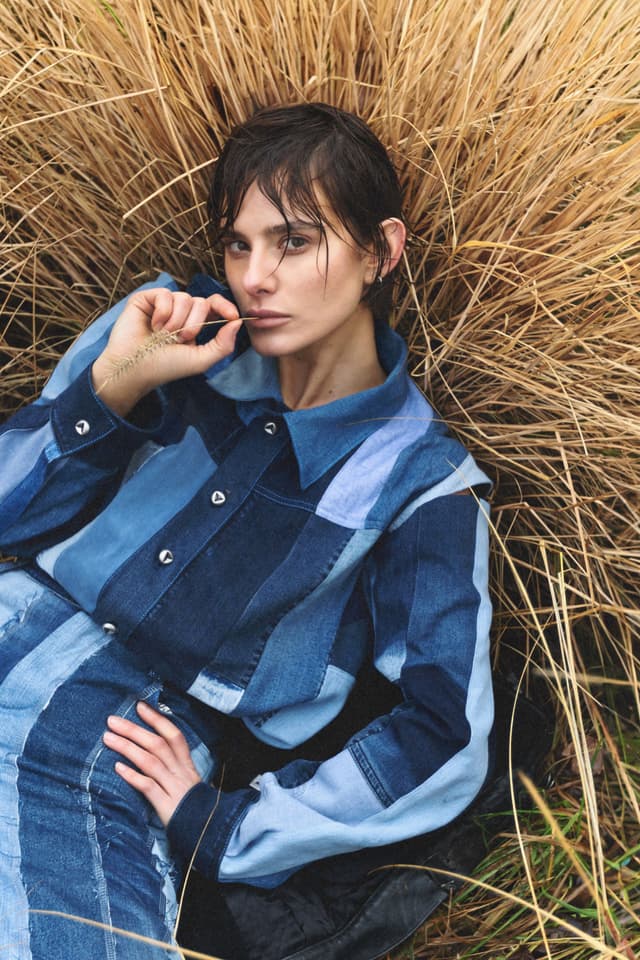
Chereshnivska is a Ukrainian unisex designer label, founded in Lviv in 2016 and led creatively by designer Anastasiya Rozava. Rozava joined the team that year after winning Lviv Fashion Week's Sabotage competition, and the brand is run alongside co-founder and CEO Iryna Kokhana. Focused on innovation and sustainability, it creates art-driven clothing that reflects the modern world, with every collection built on a strong core idea. The range includes shirts like the Art Brut Shirt, tops, printed sweatshirts, dresses, trousers, upcycled jeans, skirts and shorts, plus jackets such as the Upcycled Jeans Jacket, the Upcycled Jeans Trench and the Hand Woven Unisex Jacket. Most pieces feature unique hand-drawn prints by Rozava. Clothing is made in Ukraine in very limited quantities. The label rescues forgotten denim and handcrafts it into new pieces, and set a goal of making half of its production from recycled items, alongside new fabrics such as wool and silk. Chereshnivska has shown at Lviv Fashion Week and Ukrainian Fashion Week and has been listed among London Fashion Week designers. It remains an independent label.

H. Fredriksson featured image

H. Fredriksson

USA · Est. 2004 · Mid-range

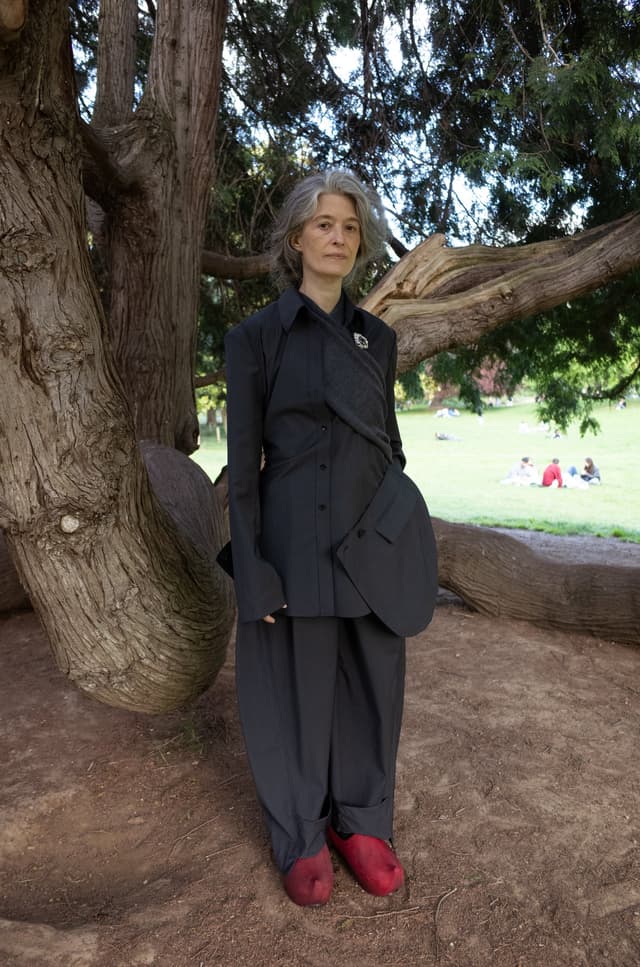
H Fredriksson is an American sustainable designer label for women, founded in New York in 2004 by Swedish designer Helena Fredriksson. Inspired by the dark psychology of Bergman films and contemporary European painting, the collection has an air of melancholic beauty drawn from the austere silhouettes of the Nordic landscape. Fredriksson balances tailored garments with oversized, loosely draped pieces, and that juxtaposition sits at the core of the label's aesthetic, combining the Scandinavian sensibility of her upbringing with the multicultural reality of life in New York. The range covers dresses, tops, tunics, skirts, pants, jumpsuits and outerwear. Pieces include the Bedford Long Stina Dress, the Box Dress, the Ikat Love Dress, the Drip Skirt, the Carol Coat, the Block Poncho and the Ikat Jumpsuit. The collection is manufactured in New York City using sustainable fabrics and production methods, reflecting the designer's belief in both traditional craft and new sustainable fabric technologies. Drawing on her art background, Fredriksson creates intricate, nature-inspired prints from her own photographs and drawings, used on fabrics such as silk and cotton. Fredriksson lives and works in Brooklyn, where she owns and runs the independent label.

Marine Serre featured image

Marine Serre

France · Est. 2016 · Luxury

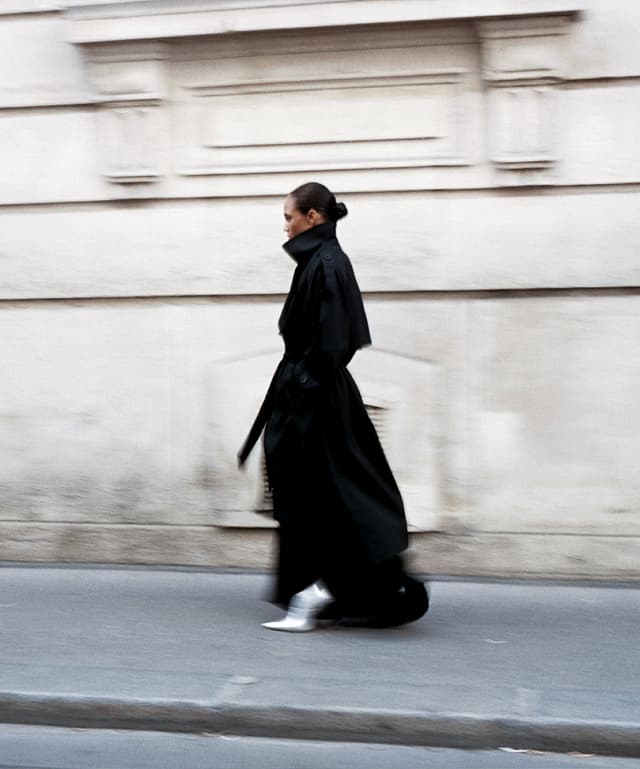
Marine Serre is a French luxury designer label for women and men, founded in Paris in 2016 by designer Marine Serre. A graduate of La Cambre in Brussels who worked at Balenciaga, Serre builds her collections around what the brand calls the Regenerated Rule: rethinking how fashion is made by giving existing materials a new life. The label is best known for its crescent Moon print, used on second-skin tops and leggings, ribbed tanks, knitwear and dresses. It also makes upcycled pieces from end-of-life garments and deadstock fabrics, leather such as the Glossy Moon Leather Perfecto, bags, jewellery, footwear and hats. About half of each show is made from upcycled materials and the rest mostly from certified and recycled fibres. Upcycled materials are sourced in Europe, then sorted, washed and treated at its Paris headquarters before going to manufacturing partners in Europe, and each upcycled piece carries a label stating its material, origin and place of transformation. Marine Serre won the LVMH Prize in 2017, has collaborated with Under Armour and French chairmaker Chaisor, and opened its first store in South Korea with a partner.

KikoRomeo featured image

KikoRomeo

Kenya · Est. 1996 · Luxury

KikoRomeo is a Kenyan designer label, founded in Nairobi in 1996 by designer Ann McCreath. Born in Scotland, McCreath studied fashion in Rome and worked as a designer in Barcelona before aid work in Kenya led her to choose trade over aid. Named after the Swahili for "Adam's apple", the label creates sustainable, often unisex clothing that transcends cultures and trends and is designed for longevity. The range includes jumpsuits such as the Bumi, Maridadi and Samawati Jumpsuits, overalls like the Blinky Overalls, workman jackets and hand-painted coats. Some coats are hand-painted by Sudanese fine artist Eltayeb Dawelbait and made from cotton industrial waste. KikoRomeo is made in Kenya with handmade and hand-dyed fabrics and hand-carved trims sourced from the African continent, mainly in cotton, silk and linen. Fair trade since it began, it was set up to create jobs in rural areas, working with community artisans and women's groups. McCreath also founded the Festival of African Fashion and Arts (FAFA) in 2008. The independent label has shown across Africa, Europe and the USA, including at Mercedes-Benz Fashion Week in Johannesburg.

Tradlands featured image

Tradlands

USA · Est. 2012 · Mid-range

Tradlands is an American sustainable, minimalist clothing label for women, based in Pemaquid, Maine, and founded in 2012 by Sadie Beaudet and Jeremy Roberts. Beaudet, who runs the brand with her husband, grew tired of chasing fast-fashion trends and found herself drifting to the menswear aisles, where she saw options she couldn't find for women. Tradlands grew out of that missing space, focusing on perfecting essentials for women inspired by thoughtful tailoring, expert details and quality fabrics rather than the runway. The range includes button-up shirts, tops, sweaters, dresses and pants, with extended and plus sizes. Signature pieces include the Marin Boatneck Shirt, the Coast Camp Linen Shirt, the Bertille Top, the Nico 2.0 Balloon Sleeve Dress, the Porch Balloon Pants and the Cosimo Alpaca Cardigan. Woven pieces such as button-ups are made in China and knits such as sweaters in Peru, with family-owned manufacturers. Tradlands focuses on natural fibres such as cotton, linen and alpaca, creating foundational pieces meant to become the canvas of a wardrobe rather than disposable fashion. The brand says it is built by its community and team, and it shares how women wear its pieces on Instagram.

Can't find what you're looking for?

We add new sites every week but if you have a specific request, let us know.