List of 1,000+ Sustainable Brands – Page 6

Brands 121–144 of 1,033. Back to page 1 · Browse brands A–Z

Brands

1,033 brands

Pink Haley featured image

Pink Haley

USA · Est. 2022 · Mid-range

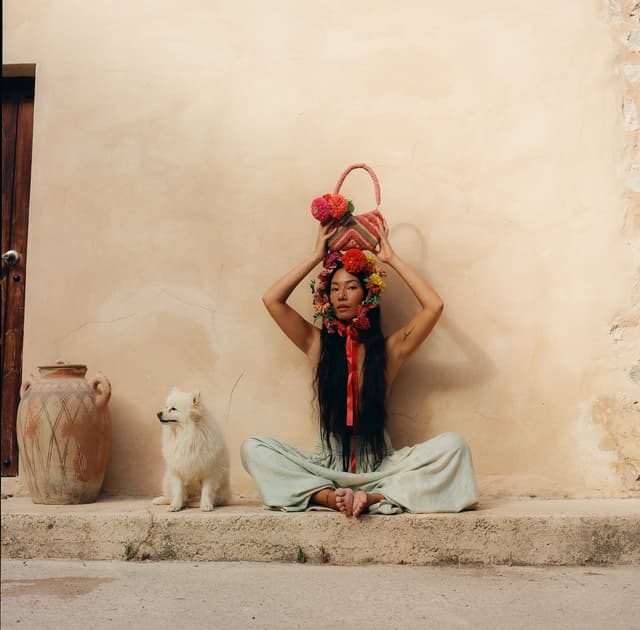
Pink Haley is an ethical, handmade American clothing and lifestyle label, founded in Los Angeles in 2022. The brand is named after its founder's daughter, Haley, and was created to pass on the value of being socially and environmentally conscious as makers, brands and consumers. It describes its style as eco-friendly elegance meeting nostalgic resort fashion, with vintage-inspired pieces built to last year after year. The range includes kaftans and resort dresses, tailor-made clothing, handmade shoes, rattan and leather bags, accessories, rattan furniture and handcrafted home décor. Products are made in Indonesia by artisans using traditional hand skills, with materials such as rayon, linen, leather, raffia and rattan. Respect for artisans' craftsmanship is central to the label, and its priority is ensuring makers are paid sustainable living wages. Following a slow-made, slow fashion approach, Pink Haley produces in small batches and on demand to avoid overconsumption and waste, and aims to support as many artisans as possible in keeping their skills alive for the next generation. Alongside its own creations, the online store offers curated collections that share its focus on sustainable fashion and handmade home accessories.

Rita Row featured image

Rita Row

Spain · Est. 2013 · Mid-range

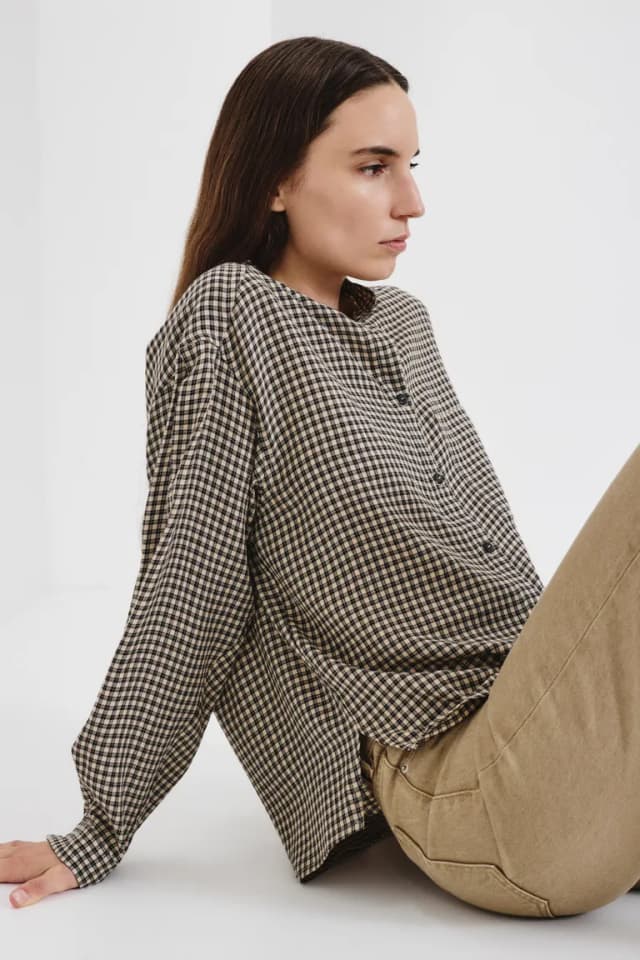
Rita Row is a European sustainable designer clothing label for women, founded in Figueres, Spain in 2013 by Imma Serra and Xènia Semis. The complementary duo launched the brand in June 2013 in the creative landscape of Girona, guided by a shared vision of comfort, versatility and beauty. Their pursuit of a simple, slow life close to nature shapes collections created for Rita, the brand's muse, a woman of effortless sophistication and refined simplicity. The label makes contemporary coats, jackets, knitwear, trousers, shirts, tops and dresses, along with bags, shoes and jewellery. Pieces include the Rona Oversize Trench, the Cedar Coat, the Brio Cardigan and the Feixa Pants. Its clothing is ethically made in Spain and Portugal, with threads and fabrics sourced mainly from Spain, Italy and France. Rita Row prioritises natural and recycled materials such as organic and recycled cotton, Better Cotton, ECOVERO viscose, Tencel and wool, and works with factories audited under BSCI and SMETA. The women-led, self-financed company is run by a team of ten women from its atelier in L'Empordà, sells in Europe, North America and Asia, and has shown at CIFF and Mandatory CPH in Copenhagen.

BOBO CHOSES featured image

BOBO CHOSES

Spain · Est. 2008 · Mid-range

BOBO CHOSES is a Spanish kidswear and womenswear label, founded in Barcelona in 2008 by illustrator Adriana Esperalba with partner Laia Aguilar. The brand grew out of a graphic design studio, and Esperalba has guided its design ever since. Bobo Choses celebrates life's curiosities with a spirit of play, and its love of storytelling brings each collection to life through illustrated books. It makes playful, colourful clothing for babies and children, plus a womenswear and adult line. The range includes graphic tees, sweatshirts and hoodies, jacquard jumpers such as the Mush Monster, striped wool-blend knits, trousers, dresses, reversible anoraks, and accessories. Based in an old toy factory in Barcelona, Bobo Choses makes most of its garments locally, mainly in Spain and Portugal, with some items made in China. Over half of its latest collection uses organic or BCI cotton, and its denim and outerwear use recycled fibres. The brand is owned by the Esperalba family, which took full control in 2017, with Adriana Esperalba as creative director and her brother Pim as CEO. It is sold in more than 46 countries through hundreds of retailers, with a flagship store in Barcelona.

DECADE STUDIO featured image

DECADE STUDIO

Canada · Est. 2019 · Affordable

Decade Studio is a Canadian denim label for women, founded in Vancouver in 2019 by designer Molly Spittal. Spittal launched the brand in April 2019 with a small group of co-founders, after previously founding the leather handbag label The Stowe. Every piece is designed in-house by Spittal, with a fixation on proportion, weave and long-lasting, traditional finishing, and every pattern is developed in-house and tested on real bodies. The brand takes pride in its shape-inclusive fits. Decade Studio is known for non-stretch jeans made from 100% cotton denim, such as the Joan, the Benny, the Andy and the Gusset. The line has expanded to trousers like the Fortune and the Kit, soft tailoring, the Bonnie Shorts and The Classic T-Shirt. Its jeans are made by hand from start to finish at a small, family-run factory in Northern Portugal, where everyone is paid a living wage, using 100% cotton denim from a mill in Italy. The brand works in small batches with natural fibres and aims to make long-lasting, repairable and recyclable jeans. Decade Studio is a small, independent brand run by Spittal and her partner Matt from their shop and office in Vancouver.

Deadwood Studios featured image

Deadwood Studios

Sweden · Est. 2012 · Luxury

Deadwood Studios is a Swedish upcycled leather label for men and women, founded in Stockholm in 2012 by Carl Ollson and Felix von Bahder. The pair met working together in a Stockholm jeans shop and went on to open their own store, mixing curated vintage with up-and-coming brands. When they struggled to find leather jackets they liked and could afford, they began making their own from vintage garments, and Deadwood was born. As chief designer, von Bahder aims to create timeless designs that age well. The label makes leather and suede jackets, coats, pants, shirts, dresses, shorts, bags and caps, with many unisex styles. Pieces include the River Biker Jacket, the Angel Slim Jacket, the Romy Oversized Jacket, the Ellis Oversized Leather Parka, the Stanley Blazer and the Drama Leather Dress. Deadwood makes its collections from production leftovers, rejected skins, deadstock materials and factory offcuts, and its vision is for 80% of its materials to be recycled or upcycled. It also uses plant-based alternatives such as Cactus leather and Fine Mycelium. The independent brand has been featured in Vogue, the Financial Times and The New York Times.

Aligne featured image

Aligne

UK · Est. 2020 · Luxury

Aligne is a UK designer clothing label for women, founded in London in 2020 by Dalbir Bains. It began as a wholesale womenswear brand with a focus on sustainable fabrics and accessible everyday pieces. Ginny Seymour joined in 2022, relaunched the label in 2023 with a direct-to-consumer focus and became CEO in 2024, shaping it around design-led clothes for confident, working women. The collection covers elevated denim, tailoring, blazers, coats such as the Giselle Trench Coat, knitwear like the Rhianna Ombre Knitted Jumper, dresses, trousers, skirts, waistcoats and leather pieces. Clothing is designed in its East London studio and made mainly in China, Turkey and Romania. Materials include denim, wool, linen, leather and organic cotton, and the label's early collections were built around more sustainable fabric choices. Aligne has partnered with England footballer Lucy Bronze since 2024, runs a Women in Sport content series and has collaborated with The Observer. In April 2026 it launched in the Irish department store Brown Thomas, marking a move back into physical retail alongside its own stores.

Oori Ott featured image

Oori Ott

USA · Est. 2018 · Mid-range

Oori Ott is an American designer label for women, founded in Los Angeles in 2018 by Hannah Park. The Los Angeles-raised designer started it to make the nostalgic, glamorous pieces she couldn't find elsewhere. The brand is rooted in the harmony of opposites, East and West, past and present, maximalist glamour and everyday ease, drawing on traditional Korean dress, silver-screen icons and the excess of past decades to make clothes that feel dressed up without trying too hard. Styled OORI OTT, the label releases small drops of bodysuits, tops, skirts, shorts, trousers and dresses. Signature pieces include the Drive Bodysuit with shoulder pads, the Infinity Halter, the Petal Capri, the Bubbles Skirt, the hand-beaded Silk Rose of Sharon Skirt and the Tissue Dress, plus the Blossom Bag. As a slow-fashion brand, Oori Ott prioritises deadstock fabrics when available and produces most of its collections in Los Angeles with small, independently owned factories that value craftsmanship over volume. Styles that need specialised techniques are made in its small atelier in Seoul or at an audited, certified factory in Guangzhou. The independent label is owned and run by Park and sells through its own online store.

La Fille d’O featured image

La Fille d’O

Belgium · Est. 2003 · Mid-range

La Fille d'O is a Belgian luxury designer lingerie label, founded in Ghent in 2003 by Murielle Henriette Victorine Scherre. Scherre started the brand to challenge an industry she found hard to reconcile with her conscience, creating avant-garde lingerie that is stunningly beautiful, surprising and fairly made. Her company remains fully owned by her. The collection includes bras, tops, briefs, bodysuits and swimwear in opaque and see-through fabrics, built on her own Easy Sizing system, which fits most bodies without the clutter of adjustable straps. All production is made in Belgium, with fabrics sourced as locally as possible, including fabrics from Penn Italy. La Fille d'O was the first brand to design a lingerie collection with both AMAB and AFAB bodies in mind, and most designs can be adjusted for prostheses at its Ghent studio. The brand avoids recycled fibres in favour of long-lasting, high-quality materials and offers made-to-measure alterations in its own stores in Ghent and Antwerp. La Fille d'O has earned the Handmade in Belgium label, and its bras have been worn by Rihanna and Lady Gaga. Scherre also sat on the jury of the LA Fashion Film Festival.

BITE featured image

BITE

Germany · Est. 2011 · Mid-range

BITE is a sustainable European designer clothing label for women, founded in Berlin in 2011 by designer Beatriz Tomás. The label is all about independent design, artisan work, support of local trade and sustainable fashion, and Tomás belongs to a fresh wave of designers building brands with a more conscious approach to fashion at their core, empowering female work and ethical practices. BITE makes tops, dresses, skirts, pants and jackets such as the Lugosi Dress, Smog Dress, Dusk Skirt, Stratus Crop Top and Agate Jacket, many cut in body-hugging jersey and satin. All manufacturing is handled in-house in Berlin, Germany, giving the label full control over quality, sustainability and ethical practices. The brand rejects fast fashion and the delocalisation of production, protecting the labour rights and dignity of the people involved in making its clothes. It prioritises quality over quantity, uses sustainable fabrics and locally sourced materials, and aims to minimise waste at every step of production. Local manufacturing also cuts transport emissions and supports the regional economy, as part of what BITE describes as a movement that values craftsmanship, transparency and responsible production.

ZAZI featured image

ZAZI

Netherlands · Est. 2017 · Luxury

ZAZI is an ethical, handmade designer label for women, founded in Amsterdam in 2017 by Jeanne de Kroon. It began in her student bedroom with just seven ikat dresses, growing out of her work with Madhu Vaishnav and the Saheli Women collective in rural India. Those first collaborations inspired a wider vision: to celebrate artisanal craft, nature and women's stories through cloth. ZAZI is best known for its ikat and embroidered coats, alongside dresses, waistcoats and knitted beanies, and it also offers custom coats. Signature pieces include the Aisara Wrap Coat, the Devi Coat, the Indira Coat, the Madina Coat, the Zebay Coat, the Aarohi Maxi Dress and the Aziz Waistcoat. Each piece is the result of collaborations with more than 1,100 artisans, mainly in India and Afghanistan, with some pieces from Ghana. The label works with natural materials such as handwoven cotton, silk and wool, and its partner families' cultures and techniques shape every collection. Customers can pre-fund new collections before they are made. ZAZI remains independent and is led by its founder from its Amsterdam studio.

Selfi featured image

Selfi

South Africa · Est. 2009 · Mid-range

Selfi is a South African designer, sustainable clothing label for women, founded in Cape Town in 2009 by Celeste Lee Arendse. Arendse launched the ready-to-wear brand after graduating, designing with the modern woman in mind. Her approach is design-led but wearable, known for sculptural, playful shapes and a focus on making women feel good in their clothes. The collection includes dresses, tops, shirts, skirts, jumpsuits, trousers, jackets and coats. Signature pieces include the Asymmetric Boxy Shirt Dress, the Clay Pot Tassel Dress, the Sculptured Tassel Dress, the Sailor Puff Sleeve Top, the Two Wave Mini Skirt, the Oval Sleeve Jumpsuit, the Mohair Tailored Cargo Pants and the Two Wave Hooded Coat. Everything is made in South Africa. Selfi produces its clothing locally in South Africa and sells through its own online store, which offers free local shipping on larger orders. Arendse was a finalist in the 2009 Elle New Talent Awards, showing at South African Fashion Week, and won the British Council's Young Creative Entrepreneur award in 2014. Selfi has shown at Mercedes-Benz Fashion Week Cape Town, and its work has featured at the Zeitz MOCAA museum.

Pomandère featured image

Pomandère

Italy · Est. 2008 · Mid-range

Pomandère is a minimalist Italian designer label for women, founded in Zanè in 2008 by Carlo Zanuso. His family had spent more than 30 years making shirts for other brands in a historic Veneto fashion district before launching their own label, and that sartorial know-how still shapes its style, which the brand sums up as rigour and fluidity, androgyny and femininity: tailored pieces in pure geometries and soft, natural tones, made to be worn every day for years. The shirt is the heart of the collection, from striped poplin and habutai silk styles to shantung shirts in viscose, linen and silk. Around it sit shirt dresses, dresses, trousers, skirts, knitwear, coats, shoes and accessories. Production is entirely Italian, with most garments made in the family's own factory near Vicenza using local suppliers. Pomandère favours natural materials such as linen, cotton and silk, and shares its environmental work through its Pomandère for Green and Transparency Project pages. It also makes a line of fragrances for the home and the person. The brand opened its first flagship store at 26 Rue Saint-Sulpice in Paris's Saint-Germain neighbourhood, and sells online across Europe, the US and other markets.

Datura featured image

Datura

USA · Est. 2013 · Luxury

Datura is a minimalist luxury designer clothing label for women, founded in New York in 2013 by Stefania Borras. Borras grew up on the island of Mallorca surrounded by Mediterranean nature and worked at Burberry and Marithé + François Girbaud before starting her self-titled, award-winning label in Barcelona. Named after the moon flower, Datura is a curated line of timeless design and effortless femininity for independent women, exploring the symbiosis between the natural world and urban life. The collection includes silk and linen slip dresses, jumpsuits, wrap tops, trousers, skirts, shirts and wool and alpaca coats, with details like adjustable straps and removable tie belts so pieces can be worn multiple ways. Pieces are handmade in New York and Spain. Instead of traditional collections, Borras introduces new capsules every few months alongside core items, all produced in small batches to cut waste and leftover materials. The label uses natural, luxurious fabrics such as silk, linen, cotton, wool and alpaca, and sells only through its own website to build a direct bond with its customers. Datura has been featured by W Magazine, Vogue España, Who What Wear and El País S Moda.

Micaela Greg featured image

Micaela Greg

USA · Est. 2009 · Mid-range

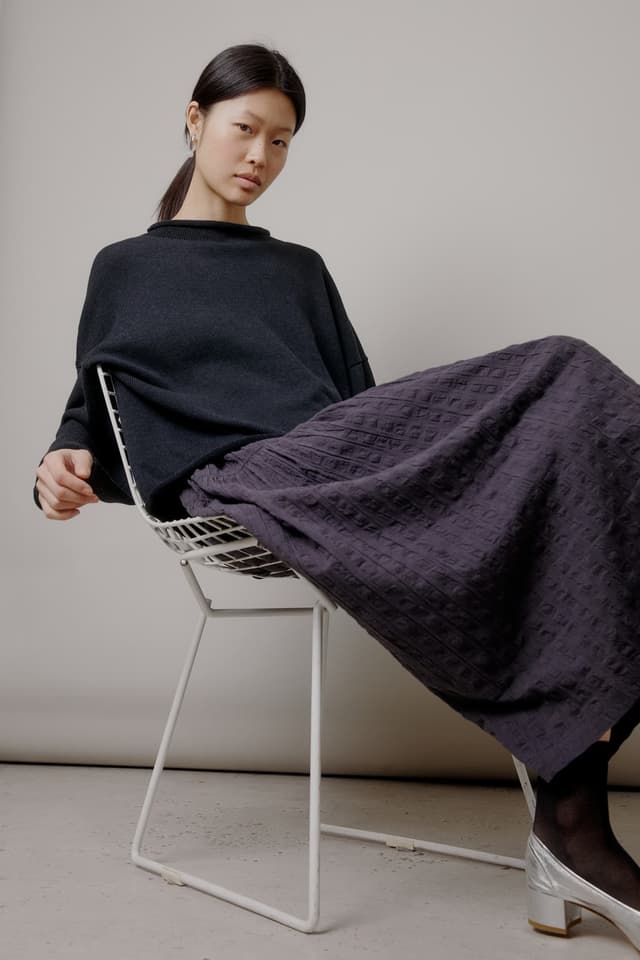
Micaela Greg is an American knitwear label for women, founded in Alameda, California, in 2009 by sisters Marie and Karen Potesta. The brand draws on their family legacy: their Italian grandparents were a seamstress and a shoemaker, and the sisters honour those values in timeless, functional designs that balance craftsmanship and utility. Micaela Greg believes in building a wardrobe of lasting pieces that can be rediscovered season after season. The collection is known for highly textural knitwear, such as the Sand Cashmere High Neck Sweater, the Boucle Zip Cardigan, the Ines Sweater and the Juna Tank, plus knit hoods, hats and scarves. Refined wovens include the Barrel Pant, the Panel Jean and the Field Short. Knitwear is made in the USA from fine Italian yarns and locally sourced trims, and in a women-run and owned workshop in Peru using alpaca and Pima cotton. Wovens are made in the USA and India. The label favours renewable, biodegradable materials such as cotton, cotton linen, alpaca and wool, sources about 90% of its denim from deadstock fabric in California and uses GOTS-certified dyes. Its Alameda studio offers shopping by appointment.

Argent featured image

Argent

USA · Est. 2015 · Mid-range

Argent is an American designer workwear label for women based in New York, founded in 2015 by Sali Christeson and Eleanor Turner. Christeson spent a decade in the Bay Area's finance and technology scene struggling to find work clothes that were both bold and practical, while Turner, a Savannah College of Art and Design graduate, designed for J.Crew, Tory Burch and Tommy Hilfiger. The name comes from the Argent lumber company founded by Christeson's great-grandfather, and the brand champions self-expression and radical equality at work. Argent is known for its Seasonless Wool suiting, including the Chelsea and Cooper blazers and matching trousers, along with silk charmeuse tops and dresses, linen separates, skirts and coats, all with functional details like real pockets. Most of its pieces are made in the USA with imported components. Its primary wool fabrics are Responsible Wool Standard certified, and it also uses European Flax certified linen and regenerative cotton. Argent's #VotingSuitsYou campaign with Supermajority turned its hot pink suit into a get-out-the-vote symbol worn by Kerry Washington, Amy Schumer and Alicia Keys, covered by The New York Times. It opened a SoHo flagship in 2022 and has been featured in Vogue.

Ioana Ciolacu featured image

Ioana Ciolacu

Romania · Est. 2010 · Mid-range

Ioana Ciolacu is a Romanian designer label for women, founded in Bucharest in 2010 by designer Ioana Ciolacu. With a background in architecture, she approaches clothing through construction, proportion and movement, then lets something shift: a line runs further than expected, volume interrupts the body and structure gives way to softness. A London College of Fashion graduate, she has worked with Stella McCartney. The range includes dresses such as the Khaki Cable Dress, Dahlia Dress, Ripple Balloon Dress and Spiral Dress, blouses, corsets, crop tops, bodies, shorts and Balloon Trousers, plus the Fold Jacket. Accessories include gloves, socks, tights and bags. Each collection is developed through material experimentation and produced in Romania with a close network of local manufacturers. The label treats sustainability as a design constraint rather than a claim: fewer, considered pieces, local production, responsible materials such as deadstock fabrics, cotton, silk and linen, and garments made to last. Ciolacu won the Designer for Tomorrow award in 2013. The independent fashion house has been carried internationally by retailers including Farfetch, Moda Operandi and Zalando.

Paper Label featured image

Paper Label

Canada · Est. 2013 · Affordable

Paper Label is a Canadian minimalist clothing label for women, founded in Vancouver in 2013 by Teresa Lake. Lake started the brand to make modern, comfortable sleepwear in breathable fabrics, and it has since grown into a wardrobe of timeless, easy everyday wear and loungewear designed for comfort. The collection now spans sweaters, cardigans, tops, trousers, dresses, skirts and sleepwear. Pieces include the Serena Cropped Cardigan, the Cecilia Pullover, the Simone Button Up, the Lorne Oversized Sweatshirt, the Donna Shirt Dress and its Night Suit. Everything is designed and developed in Vancouver and manufactured overseas by a small group of long-term factory partners. Paper Label chooses fabrics by looking at their overall impact, from water and pesticide use to processing, care, longevity and biodegradability. It works with materials such as TENCEL, recycled nylon, organic and BCI cotton and LENZING ECOVERO viscose, lists certifications including GOTS, GRS, RWS and WRAP, and ships in compostable packaging to cut plastic waste. The independent label is woman-owned and women-run, and it sells online and through stockists across Canada and the US.

Metiseko featured image

Metiseko

Vietnam · Est. 2011 · Mid-range

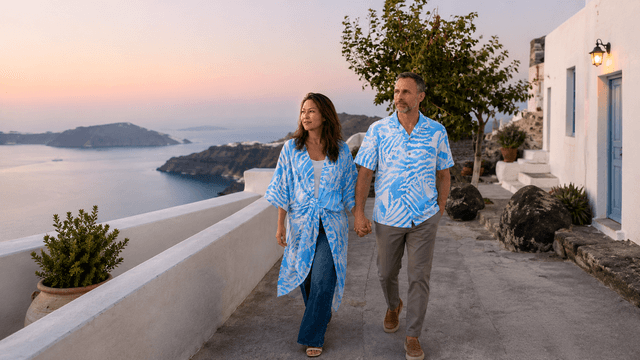
Metiseko is a sustainable Vietnamese designer clothing label for women and men, founded in Hoi An in 2011 by French couple Erwan Perzo and Florence Mussou. Taken by the local customs and landscapes of Vietnam's central coast, the founders set out to capture the essence of the country in original prints, creating a European-chic line with an East-meets-West spirit. The collection includes women's dresses, tops, jumpsuits, pants, skirts and kimono jackets, men's shirts, pants and jackets, and silk scarves, ties, bags, jewellery, cushion covers and fabric by the metre. Garments are made in Vietnam in its own sewing workshop, where one tailor creates each piece from start to finish and signs the label in pencil. As a slow fashion brand, Metiseko partners with local artisans. Its 100% mulberry silk is produced locally, supporting traditional silk making in Bao Loc, then dyed with non-toxic dyes and hand screen printed by local craftsmen. Its GOTS-certified organic cotton comes from India and is dyed and printed with a partner near Saigon using reactive dyes. Metiseko has been featured by ELLE Vietnam, Vietcetera and Oi Vietnam for its sustainable, locally made approach to fashion.

Batik Boutique featured image

Batik Boutique

Malaysia · Est. 2011 · Affordable

Batik Boutique is a Malaysian ethical clothing label, founded in Kuala Lumpur in 2011 by Amy Blair. The brand began with a friendship: in 2009 Blair met Ana, a single mother and skilled seamstress looking for extra income, and together they started turning Malaysian batik fabric into products. Blair founded the company so that artisans like Ana could earn a fair, sustainable income. Batik Boutique makes modern clothing and accessories from authentic Malaysian batik, including women's dresses and caftans, men's batik shirts, children's clothing, scarves, ties, bags, homeware and gifts. Pieces include the Alysya Caftan, the Nusa Wrap Dress, the Men's Batik Cuban Shirt and the Batik Scarf in silk cotton. Every collection starts with original artwork inspired by Malaysia's culture, landscapes and heritage. Artisans create each textile with the centuries-old wax-resist batik technique, which needs natural fabrics such as cotton, cotton silk and viscose, and tailors at its training centres sew them up. Since 2011 it has partnered with more than 400 artisans from marginalised communities and impacted over 1,700 beneficiaries. Batik Boutique is an award-winning social enterprise and a certified B Corp, and it also runs a corporate services and workshop studio.

DÔEN featured image

DÔEN

USA · Est. 2016 · Luxury

DÔEN is a romantic, sustainable designer label for women, founded in Los Angeles in 2016 by sisters Margaret and Katherine Kleveland. Born in Santa Barbara, the sisters brought together a collective of LA-based women creatives and business leaders, all equity owners, to launch a women-run business inspired by a nostalgia for the coastal California of decades past. The range includes dresses, blouses, knitwear, skirts, coats, sleepwear and slips, plus suede slides. Pieces are made with partner factories mainly in China, India and Vietnam, and signature styles include the Aristea Dress, the Adalie Dress, the Amari Dress, the Adalyn Top, the Burke Cashmere Sweater and the Farrow Coat. DÔEN uses materials such as organic cotton, silk, cashmere and merino wool and publishes an Impact Report on its progress. In 2020 it deepened its partnership with a longtime vendor, the owners of one of its partner factories, to share risk and reward more fairly across the supply chain. The brand connects with its community through its online editorial presence, its own jewel-box retail spaces and selected wholesale partners.

correll correll featured image

correll correll

Germany · Est. 2006 · Mid-range

correll correll is a sustainable designer label for women, founded in Berlin in 2006 by twin sisters Daphne Correll and Vera Correll. The German-born textile artists launched the label with handmade knitwear and later moved to New York, and today they work between a workshop in Brooklyn and a studio in Berlin. Their approach reinterprets traditional crafts such as dyeing, knitting, weaving and crocheting in the context of luxury fashion, built around circles, squares and triangles. The label makes unisex and womenswear including T-shirts, longsleeves, sweatshirts, tanks, dresses and skirts, plus silk velvet pillows and kids' styles. Pieces include the Velvet Circle Sweatshirt, the Gin Pon Tee, the Boucle Dress, the Long Summer Waves Button Dress and the Triangle Silk Skirt, and its gradient circle T-shirts are hand-dyed in the New York workshop. Production happens in-house in Brooklyn with local knitters and seamstresses. The sisters choose certified organic cotton, cupro, Tencel, hemp and recycled blends, and they cut and shred deadstock fabric and vintage T-shirts into raw material for their knits. In 2012 correll correll was one of the winners of the Ecco Domani Fashion Foundation award.

Laing Home featured image

Laing Home

New Zealand · Est. 2016 · Affordable

Laing is a New Zealand womenswear label specialising in cashmere and knitwear, founded in Auckland in 2016 by Anna Murray. A former marketing and advertising executive, Murray bought the sleepwear business of Barbara Laing in 2015, rebranded it and launched Laing in November 2016. Having started as a luxury sleepwear brand, it now designs elevated, uncomplicated and season-less pieces in New Zealand. The label is known for Grade A cashmere, including its Featherlight Cashmere V-necks, shirts and polos and oversized cashmere crewnecks. The range also includes merino pieces like the Sylvia Knit Cardigan, shirts, tops, T-shirts, linen wide-leg pants, the Invert Pleat Trouser, dresses and jackets, plus cashmere accessories such as beanies and bed socks. Laing produces in small batches of 50 to 150 units per style per season to avoid overproduction, and donates unsold items to Hospice New Zealand and the RSPCA. It focuses on natural fibres such as cashmere, merino, wool and linen, and shares guides on cashmere grading, quality and care. The independent brand is owned and run by Murray and sells online and through stockists in New Zealand, with its online shop also carrying a small edit of other brands.

Bloni featured image

Bloni

India · Est. 2017 · Luxury

Bloni is an Indian designer label for gender-neutral luxury fashion, founded in Gurugram in 2017 by designer Akshat Bansal. Born in 1990 in Hisar, India, Bansal grew up around heritage handlooms at his family's store before training at Central Saint Martins in London and completing an apprenticeship on Savile Row. His work explores form and tactility, merging heritage textiles and crafts with future materials and new technologies. The range spans shirts, trousers, jackets, suits and gowns, alongside one-off sculptural couture pieces. Collections are made in India, and signature pieces include the Beige Paper Shirt, the Blue Heat Sensitive Shirt, the Classic Tie-Dye Shirt, Black Denim Train Pants, the Black Mesh Gown and the Agate Aura Cape. Bloni combines proprietary techniques with archival textiles, biomaterials and recycled materials, working across denim, cotton, silk and wool. This experimental approach to materials, from paper-like finishes to heat-sensitive fabrics, sits at the heart of the label's avant-garde, sustainable identity. The fashion house remains independent and is led by Bansal as founder and designer.

Flavia Aranha featured image

Flavia Aranha

Brazil · Est. 2009 · Mid-range

Flavia Aranha is a Brazilian sustainable designer label, founded in São Paulo in 2009 by designer Flavia Aranha. Born in Campinas, she grew up close to nature and art, and after working in the conventional fashion industry she opened her first atelier-store in São Paulo with natural dyeing at the heart of the brand. The label connects ancestral knowledge and innovation, creating slow-fashion clothing from natural fabrics made for the skin to breathe. The range includes T-shirts, tank tops, blouses, shirts, dresses, pants, jumpsuits, coats and kimonos, plus bags and accessories. Signature pieces include the Vestido Aparecida, the Blusa Kauana in silk, the Regata Ceci in linen and the organic cotton Camiseta Flavia. Everything is made in Brazil from materials such as organic cotton, linen and silk, coloured with Brazilian plants including pau-brasil, urucum, crajiru and indigo. The label also experiments with biomaterials such as algae textiles, Amazonian latex and mycelium leather. Flavia Aranha debuted at São Paulo Fashion Week in 2019, marking ten years of the brand, and returned in 2025 with its Floresta collection. It remains independent and founder-led.

Can't find what you're looking for?

We add new sites every week but if you have a specific request, let us know.