#upcycled

List of 90+ Upcycled Brands

Explore 90+ upcycled brands transforming deadstock, offcuts and discarded materials into new fashion, beauty and swimwear. Upcycling reuses existing materials or products in their current form to create something of equal or higher value, for example turning surplus fabric into clothing or food by-products into skincare ingredients, without breaking them down as recycling does. Clothing leads this list, followed by beauty and swimwear. Ideal for one-of-a-kind pieces and creative, waste-reducing finds. Compare these upcycled fashion brands side by side to discover alternatives that give overlooked materials a second life and keep them out of landfill.

Tagged Brands

MESSAGE featured image

MESSAGE

USA · Est. 2023 · Mid-range

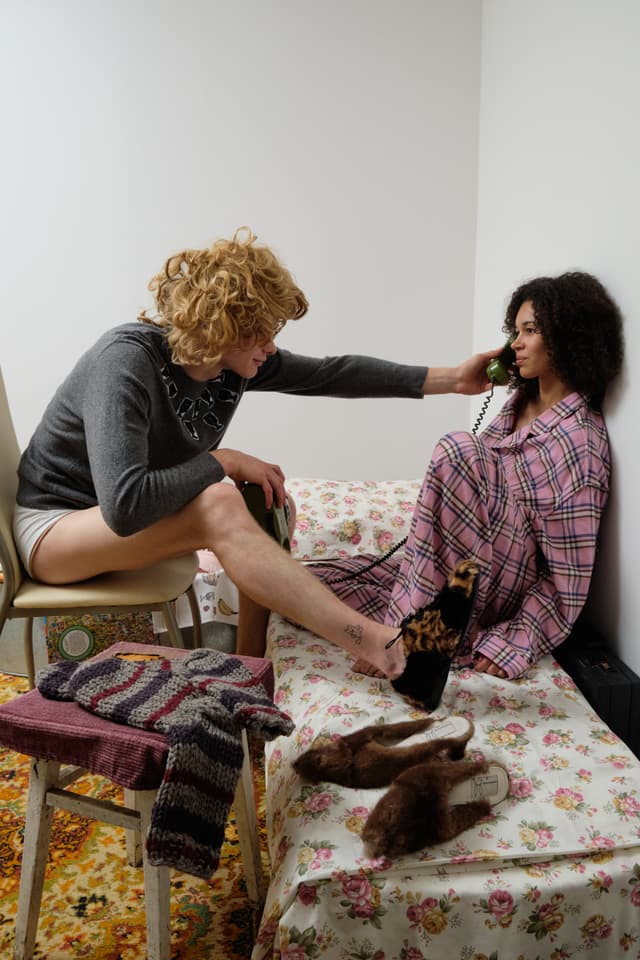
MESSAGE started because Meghan Whitney Higney kept finding footwear that looked fine on a shelf and fell apart on a real foot. She had run True Botanicals and knew how to build a small brand, so she put in about $500k of her own money, raised under $1m from angels, and set out to make shoes around how feet actually move. The trick is the upper. Hugflex is a patented stretch fabric that grips without squeezing, so a slide stays put when you walk and still feels like socks. Underneath sits barecork: Portuguese wine-cork offcuts that would otherwise be waste, cut into a footbed that cushions and breathes. Sheepskin slippers use the same idea for colder months. Everything is made in small batches by family workshops near Porto, close to the cork and the people who cut it. That setup is why the brand feels different from a typical DTC shoe drop. There is no seasonal colour chase, no 40-SKU wall. The catalogue stays short on purpose, so each pair can be finished by hand and still priced in a range people will actually buy twice. Nordstrom stocking it helped, but the quieter win is repeat buyers who say the cork bed is the first one that does not go flat after a month. Press from Fast Company, Harper's Bazaar, Esquire, Elle, and Travel + Leisure noticed the cork story first. The real test is simpler: put them on, walk a few blocks, and notice you stop thinking about your feet. That is the brief Higney started with, and it is still the one MESSAGE is built around.

Story mfg. featured image

Story mfg.

UK · Est. 2013 · Luxury

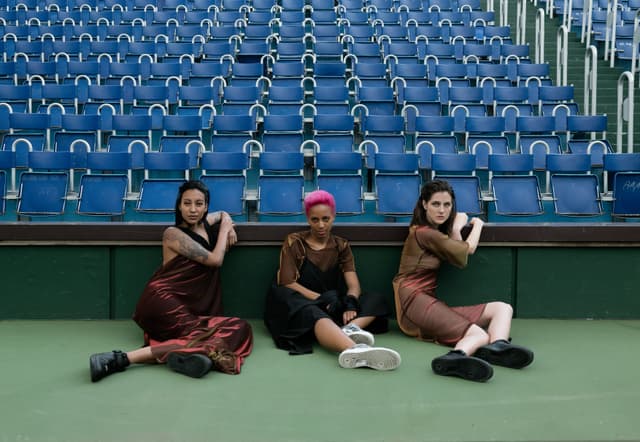
Story mfg. is a sustainable UK designer clothing label for men and women, founded in Brighton in 2013 by husband-and-wife team Saeed and Katy Al-Rubeyi. With backgrounds in trend forecasting and menswear, the couple set out to make garments that did not already exist, starting with a naturally dyed, handwoven denim and developing their own fabrics from scratch rather than buying ready-made cloth. Its gender-neutral collections include bomber jackets, shirts, knitwear, trousers, shorts and tees, with signature pieces such as the Seed Bomber, the Greenhouse Shirt and the Grateful Tee. Everything is handmade in India by a team of artisan dyers, weavers, embroiderers and tailors. Story mfg. uses only natural plant dyes such as myrobalan, Indian redwood, pomegranate and natural indigo fermented in a large vat whose water is reused. Craft techniques include hand embroidery, block printing, appliqué, hand crochet and patchwork made from production offcuts, and the label is vegan. Early on it sold from a pop-up shop on the founders' London canal boat. It has since been stocked by LN-CC and Goodhood, profiled by British Vogue and i-D, and opened its first permanent store in Brighton in 2022.

Chillax featured image

Chillax

Turkey · Est. 2014 · Affordable

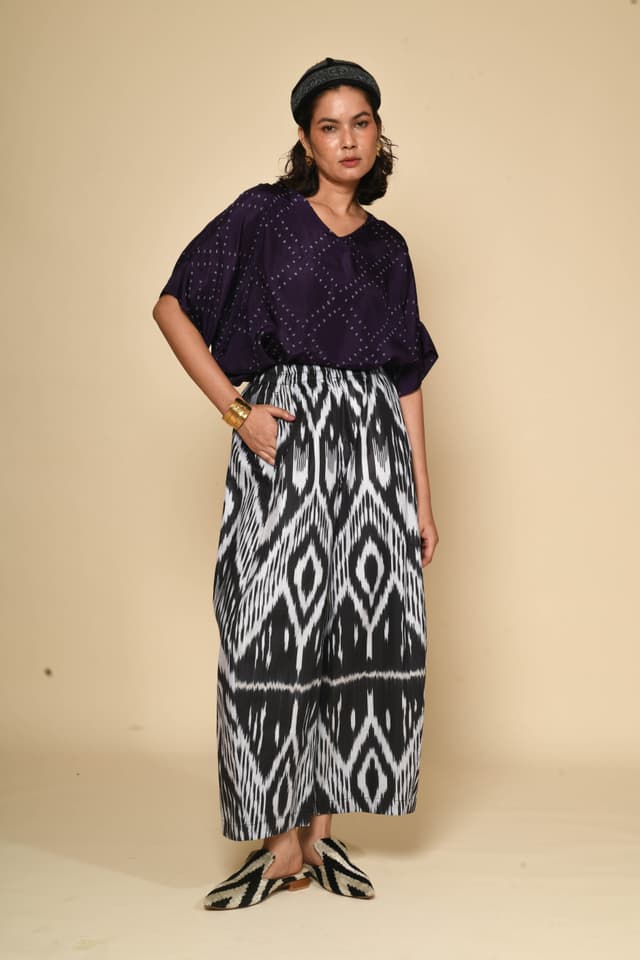
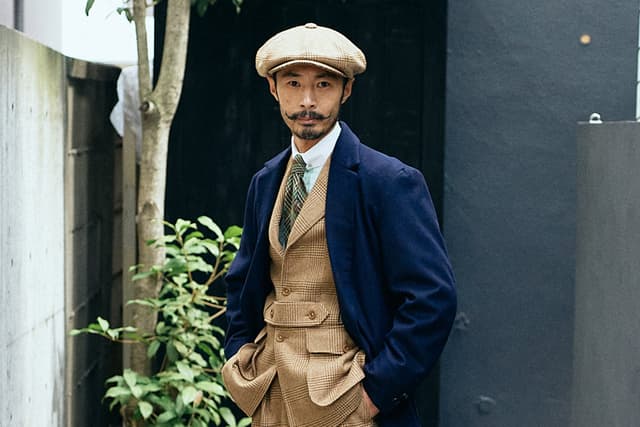
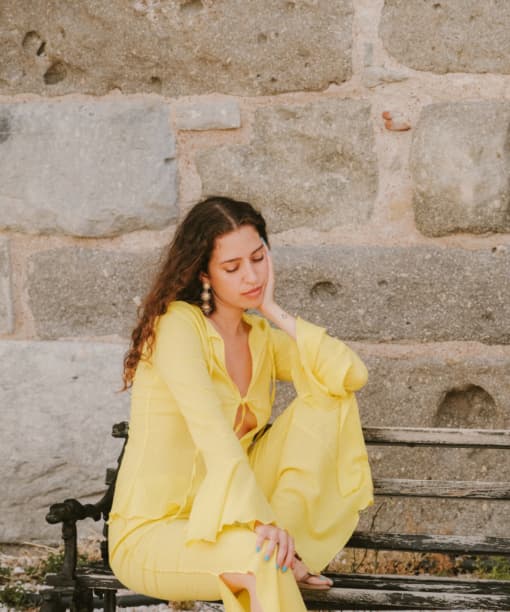
Chillax is a sustainable, handmade Turkish clothing label for women, founded in Istanbul in 2014 by Figen Ceken Bayraktar and Guvenc Bayraktar. A family business, the brand takes its name from chill and relax, reflecting its philosophy of enjoying every moment while feeling comfortable physically and mentally. It was born from a love of natural fabrics, an appreciation for handcraft and a desire to act with an environmentally conscious approach, believing women should not have to choose between fashion and the future. The collection centres on everyday resort wear, including kimonos, kaftans, maxi dresses, matching sets, tops and trousers, alongside crochet pieces, hats and bags. Clothing is made in Turkey, with every cut, stitch and fastening done by hand in limited editions. Chillax prefers deadstock fabrics such as cotton, viscose and linen, giving pre-existing fabric a new life. Tailors place patterns to minimise waste, and leftover fabric is upcycled into scrunchies, tops and shorts. A local workshop supports women collaborators in home-based production, and packaging is made from recyclable materials. Chillax sells its slow fashion pieces through its own online store and ships worldwide from Istanbul.

K M by L A N G E featured image

K M by L A N G E

Ukraine · Est. 2016 · Mid-range

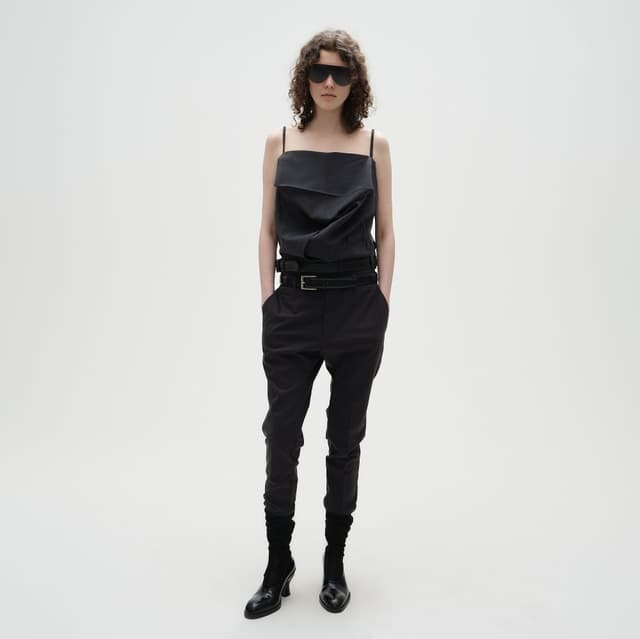
K M by L A N G E is a sustainable designer clothing label for women, founded in Barcelona and Vinnytsia in 2016 by Kateryna Lanhe and her sister Marina Lange. Kateryna, known as Kati, studied international law in Madrid and worked in a Barcelona law firm before turning to fashion, inspired by childhood memories of her mother crafting clothes from scratch in Soviet-era Ukraine. The brand creates timeless pieces rooted in Ukrainian heritage. The collection includes womenswear and jewellery across capsules such as Zemlia, Motanka, Palyanytsia and Hà Nội, alongside an upcycled capsule and curated vintage. About 85% of pieces are designed, developed and crafted in Ukraine and the rest are made in Spain, often in runs of five to ten units. Ukrainian craftswomen over 60 hand-embroider and crochet selected pieces, and the women behind every piece are paid fairly. Around 85% of its fabrics are organic, recycled or deadstock, and the brand upcycles vintage clothing to minimise waste. K M by L A N G E has shown at 080 Barcelona Fashion and been profiled by Traveler and Vanitatis. Part of its profits support Ukrainian associations helping women and children affected by the war.

Rags2Riches featured image

Rags2Riches

Philippines · Est. 2007 · Affordable

Rags2Riches is a sustainable Filipino clothing and accessories label, founded in 2007 in Payatas, Quezon City, by Reese Fernandez-Ruiz with a group of young professionals. It began by working with community artisans who turned scrap fabric into rugs, helping them earn fairly from their skills, and has grown into a social enterprise known as R2R. R2R makes intentional, multi-way pieces such as the 4-Way A-Line Skirt and Convertible Terno Top, along with wrap skirts, vests, tops, shorts and dresses. It is also known for handbags like the Buslo, Pusô and Saranggola Bags, wallets, travel bags and home goods such as pillows, poufs and rugs. Everything is handmade in the Philippines by partner artisan communities. Its pieces are woven in the signature R2R weave from upcycled textiles, cotton and local fibres, combining design with traditional handcraft and fair pay for artisans. Fernandez-Ruiz received a Rolex Award for Enterprise as a Young Laureate in 2010 for her work with Rags2Riches, which remains an independent social enterprise working with artisan communities across the Philippines.

MEGEST 1994 featured image

MEGEST 1994

USA · Est. 1994 · Mid-range

MEG is an American designer clothing label for women, founded in New York's East Village in 1994 by Meghan Kinney. Growing up around her mother's and grandmother's stores, Kinney designed her first garment at 14 and moved to New York at 17 to attend the Fashion Institute of Technology. After working alongside designers including Byron Lars, Christian Francis Roth and Randolph Duke, she launched MEG as a wholesale collection for independent boutiques, built on the belief that women should not have to choose between looking incredible and feeling comfortable. The label designs dresses, tops, trousers, knitwear and outerwear that move from work to weekends, travel and dinner, including its MEG Movement line. Collections are designed in Brooklyn and produced in small batches primarily in North America, in New York and Canada. Long before sustainability became a trend, MEG produced locally and encouraged customers to buy less but better. Its MEG Archive takes back previously loved pieces for store credit and resells them, donating 20% of Archive sales to Planned Parenthood. MEG opened its first boutique in the East Village in 1996, has grown to stores in Manhattan, Brooklyn and Toronto, and remains proudly independent.

Vega Lucia featured image

Vega Lucia

USA · Mid-range

Vega Lucia is a sustainable, handmade clothing label for women, founded in the Florida Keys by designer Taylor Albury. Each piece starts with a fabric she can't stop thinking about and is made slowly, one at a time, in her small studio in Florida. The label's relaxed, coastal style is inspired by life in the Keys. The range includes skirts, tops, boleros and dresses, and Vega Lucia also offers alterations. Pieces have included the Buttonwood Midi Skirt, the Drift Wrap Skirt, the Birch Bolero, the Gold Lace Halter Top and the Seaside Scarf Dress. Every piece is made from thrifted, vintage or reclaimed materials, so most designs are one of one and cannot be repeated. This upcycled approach keeps existing fabrics in use and gives each garment its own character. Vega Lucia is a small, independent label owned by its founder, and it sells its pieces online. The brand and the story behind it have been featured in the Florida Keys Free Press.

R

Revivall

USA · Est. 2008 · Mid-range

Revivall is a sustainable, handmade clothing label for women, founded in Bozeman in 2008 by Laura Lee Laroux. After seeing the scale of waste in New York's fashion industry in the early 2000s, Laura vowed to use recycled materials in her creations, and she has been upcycling ever since. Revivall describes itself as a slow fashion lifestyle brand encouraging the revival of a simpler way of life through responsibly sourced, folk-inspired goods. The label makes modern homestead clothing with a vintage, prairie feel: skirts, pinafores, dresses, tops and vintage-style petticoats. Recent pieces include the White Bear Skirt, the Cotton Prairie Skirt, the Long Wool Pinafore and the Vintage-Style White Cotton Petticoat. Its approach rests on three pillars: responsible sourcing, zero-ish waste and local making. Products are made from recycled materials and deadstock fabrics, keeping hundreds of bolts of fabric out of landfill each year, and even small scraps are turned into new pieces. Everything is handmade in the USA by a team of independent seamstresses. Revivall is women-owned and operated, and it sells mainly through its own online store.

SIZ featured image

SIZ

Portugal · Est. 2016 · Mid-range

SIZ is an ethical, sustainable European designer clothing label for women, founded in Sesimbra, Portugal in 2016 by twin sisters Raquel Rodrigues and Sofia Rodrigues. The sisters studied fashion together at the University of Lisbon's Faculty of Architecture and launched the brand after their internships, wanting to prove that sustainable fashion could be creative, colourful and fun. Its style pairs "clean and crafty" in an urban, casual look. The collection includes dresses, tops, shirts, trousers, skirts, jackets, jumpsuits and coordinated sets. Signature pieces include striped sets introduced in 2020 and a thin-strap summer dress reinterpreted every year. Garments are made in Portugal: the sisters design, make patterns, cut and sew in their Sesimbra atelier, working with local seamstresses in small batches produced to the rhythm of sales. Each yearly collection is built around an environmental or social cause, from climate change to ocean pollution and overconsumption. Much of the clothing uses deadstock fabrics, with organic and natural fibres used when deadstock runs short, while a take-back programme keeps garments out of landfill. SIZ has been profiled by the Portuguese magazine NiT and A Sustainable Closet, and in 2026 opened a two-month pop-up in Lisbon.

YOHEI OHNO featured image

YOHEI OHNO

Japan · Est. 2014 · Luxury

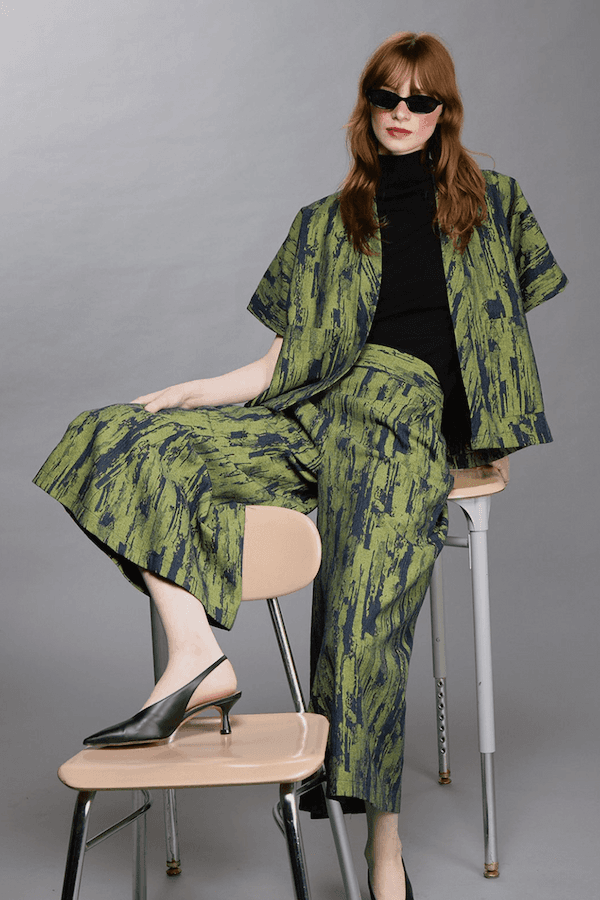
YOHEI OHNO is a Japanese designer clothing label for women, founded in Tokyo in 2014 by designer Yohei Ohno. After studying at Bunka Fashion College and Nottingham Trent University in the UK, Ohno set out to create luxury womenswear that balances artistic expression with practical design, using sculptural shapes, unexpected silhouettes and bold material combinations to rethink traditional ideas of femininity. The brand's collections cover dresses, jumpsuits, tailored jackets, trousers, skirts, shirts and knitwear, along with shoes, bags and its Pile Covered jewellery. Pieces are made in Japan, and signature styles include the Mantle Jumpsuit, Frame Trousers and Socks Shaped Sweater. In 2021 the label launched the 3711 Project, an upcycled line that turns deadstock vintage kimono fabric into one-of-a-kind garments, cut and sewn by hand by Japanese artisans. Its Dress line reissues archive designs as occasionwear. YOHEI OHNO won the Tokyo Fashion Award in 2016, was a finalist for the International Woolmark Prize and was selected for Vogue Talents. It has also designed uniforms for the Sumitomo Pavilion at Expo 2025 Osaka and costumes for the film The Box Man.

Botanica Workshop featured image

Botanica Workshop

USA · Est. 2014 · Affordable

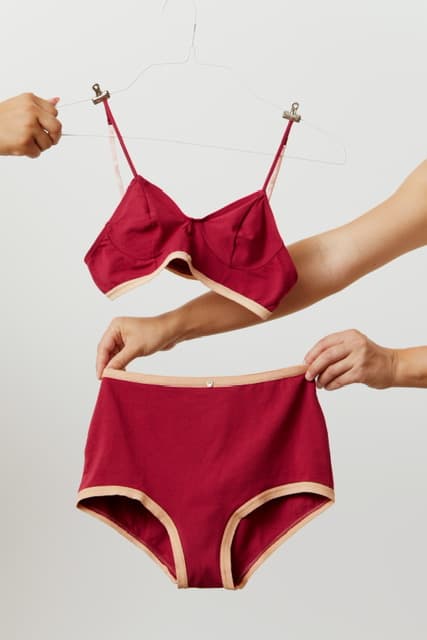
Botanica Workshop is an American organic lingerie and loungewear label for women, founded in Los Angeles in 2014 by Misa Miyagawa. Born and raised in Silver Lake, Miyagawa studied fashion design at Parsons in New York and Central Saint Martins in London, and started the brand from a need for responsibly produced intimates with a designer aesthetic and quality to match. The name joins Botanica, for its ecologically minded use of materials, with Workshop, for the experiential nature of designing and producing handcrafted goods. The collection has grown from bralettes and briefs into everyday essentials, including the Aya Bralette, Astra Hi-Waist Brief and Lila Bikini Brief, camisoles, slip dresses and loungewear. Pieces are made in the USA, in small runs produced in Los Angeles with local artisans and technicians. Each collection is approached with the sensibility of a ready-to-wear wardrobe and the handcrafted feel and technical construction of vintage undergarments. The label uses organic cotton, stretch silk and recycled and upcycled materials. Botanica Workshop has been featured by The Wall Street Journal, Who What Wear, Vogue.com and Racked LA, and collaborated with artist Amelia Giller on a lookbook.

Jess Meany featured image

Jess Meany

USA · Est. 2019 · Mid-range

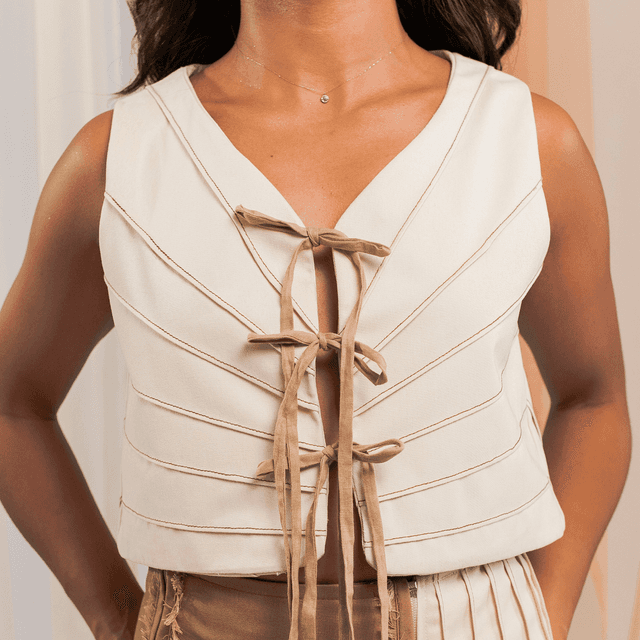
Jess Meany is an American upcycled designer clothing label for women, founded in Los Angeles in 2019 by Jess Meany. Meany started the brand after a 12-year career in textile development left her dreaming about how to love the materials that already exist on the planet. Her designs present layers of loved textiles with femme feelings, inspired by the dust of the West, the keepsake heritage of America and the picnics and pastimes of spring and summer. The collection features loosely tailored, low-impact pieces such as quilt coats, cropped coats, Laguna shirts, Olivia jackets, tops and skirts. Every piece is handmade in the USA, designed and sewn in the brand's Los Angeles studio. Most pieces are one-of-a-kind or limited, because Meany searches across the country for deadstock, vintage, obsolete and forgotten materials, from quilts and redwork embroidery to lace and organza. This upcycled, locally made approach keeps production small and sustainable. Jess Meany has been featured by Voyage LA and Sheesh Magazine, and the label is sold through Garmentory.

OVERALL Office featured image

OVERALL Office

Czechia · Est. 2016 · Affordable

Overall Office is a sustainable, organic European designer clothing label, founded in Prague in 2016 by Kristýna Nováková, Karolína Juříková and Monika Krobová. The three met as students at Prague's UMPRUM academy and gained experience at European studios such as Steven Tai, Reality Studio and Camper before starting the brand as an independent creative platform for ideas, mini collections and objects. Today it is run by Nováková and Juříková. Overall Office is best known for its spiral-cut swimwear, and the range includes swimsuits, bikinis, underwear such as the LEA line, socks, T-shirts, scarves and accessories, including Shell bags made from leather offcuts. Everything is made in Czechia in small series of up to 50 pieces, with specialised ethical factories and individual seamstresses. Fabrics are organic, deadstock or regenerated: swimwear uses ECONYL regenerated nylon, organic cotton comes from Turkey's Aegean region, and orders ship in compostable mailers and recycled paper. The brand avoids trends and discounts, building timeless products over several seasons. Overall Office has created custom projects for Rossmann, Pilsner Urquell and Becherovka, was selected for the EU's S4 Fashion programme and has featured in Vogue CS's Identita project and in CzechDesign and Selectedmag.

Body of Work Studio featured image

Body of Work Studio

Canada · Est. 2020 · Mid-range

Body of Work is a minimalist Canadian activewear label, founded in Toronto in 2020 by Dwayne Vatcher and Brittney MacKinnon. The pair spent around a decade in apparel, MacKinnon at Aritzia's head office in Vancouver and Vatcher as a marketing manager at Reigning Champ, before creating an artisanal design studio that brings a sense of ease to activity. Drawing on vintage sportswear and the tranquility of nature, its products are understated yet not without presence. The unisex range includes T-shirts such as the Calla, the Acacia Legging, sweatpants, French terry sweatshirts, the Poplar Skirt, the Jasper Pull-On Pant, caps and bags, plus sneakers made with Japanese footwear maker Moonstar. Everything is designed, knit, dyed, cut and sewn in Canada, less than an hour from the Toronto studio, with family-owned fabric mills and factories. The label custom develops fabrics with knitting mills and uses natural fibres, organic where possible, along with repurposed and recycled fabrics in small-batch collections. A French terry recycling programme rewards customers who return well-worn pieces. Body of Work has been featured by SHARP, Highsnobiety, NUVO and The New Order, and is stocked by Nepenthes America.

Wandering Silk featured image

Wandering Silk

India · Est. 2011 · Mid-range

Wandering Silk is an Indian sustainable textile and clothing label, founded in Delhi in 2011 by Katherine Neumann. It began with a Kantha embroidery cooperative in Murshidabad, West Bengal, and has grown into House of Wandering Silk, which reimagines India's textile traditions with women makers and master artisans across the country. Its work is built on the values of authenticity, respect and beauty. The range includes robes, wraps, scarves, stoles and home textiles, all handmade in India. Signature pieces include the Jyaamiti Kantha Tussar Silk Robe, natural-dye peace silk wraps and Kantha sari scarves. Pieces are made in small batches with a zero-waste approach, using traditional techniques such as Kantha embroidery, Bandhani tie-dye and Ajrakh block printing. Many designs use upcycled vintage silk saris and natural dyes, so each textile is one of a kind. Wandering Silk is an independent social enterprise led by its founder, working directly with artisan groups in several regions of India.

Natasha Zinko featured image

Natasha Zinko

UK · Est. 2011 · Luxury

Natasha Zinko is a UK luxury designer streetwear label, founded in London in 2011 by designer Natasha Zinko. Originally from Odessa, Ukraine, Zinko graduated with honours in Art and Jewellery Design from Central Saint Martins and became an official member of the British Fashion Council in June 2015. Her label is known for bold, irreverent collections that mix streetwear, experimental silhouettes and statement denim. The range covers dresses, tops, jeans, trousers, shorts, jackets, hoodies and coats, including one-off and limited upcycled pieces. Clothing is made mainly in China and the United Kingdom, and the flagship store WRHS13, an NZ Space with the NATASHKINO matcha café, sits at 17 Brewer Street in Soho. Upcycling is central to the brand, which repurposes vintage garments, particularly denim, and works towards a near-zero-waste, closed-loop production cycle with plastic-free packaging. For its SS20 show, aluminium recycler Alutrade donated 500 cans that were refashioned into corsets, and in 2020 Zinko funded the first reduce-reuse-recycle initiative in Odessa. Natasha Zinko shows at London Fashion Week, where her SS27 show partnered with OnlyFans and featured Katie Price and Kelly Osbourne, and her AW26 show starred Mel B. She has also collaborated with Havaianas.

B SIDES featured image

B SIDES

USA · Est. 2016 · Luxury

B SIDES is an American denim label for women, founded in 2016 by vintage collectors Claire Lampert and Stacy Daily and based in New York. Its name comes from the B side of a record, where the deep cuts live. Rooted in the singular character of vintage Levi's gathered across the American West, the brand began as an archive of rare jeans and has since grown into a full ready-to-wear collection. Alongside reworked vintage Lasso denim, B SIDES makes its own jeans such as the Plein High Straight, the Slim Lasso Jean, the Bec Jean and the Charlot Jean. Its ready-to-wear includes the Classic Cardigan in washed cashmere, Donegal Zip Knit Jackets, Pocket Tanks, the Myrr Snap suede jacket and the Duffel Coat. The brand produces its pieces in small batches from natural fibres such as cotton, wool, cashmere and silk, made by artisans who have spent generations refining their techniques, with product pages naming New York and Los Angeles. Patterns are cut from scratch. B SIDES is independent and run by its co-founders, with a studio in New York City and a store at 445 Warren Street in Hudson, New York.

ODIVI featured image

ODIVI

Czech Republic · Est. 2010 · Mid-range

ODIVI is a Czech sustainable designer label and multidisciplinary creative studio, founded in Prague in 2010 by Iva Burkertová. What began as a fashion brand has grown into a space where clothing, objects, spaces and experiences meet. ODIVI sees clothing as a tool rather than a goal, prioritising function while embracing play, adaptability and testing ideas in real-life conditions, and calls its garments "body layers". The range includes dresses such as the Dark Night Foam Dress and Crease-Effect Long Dress, tops, hoodies like the Explorer Hoodie, pants such as the Oversized Japandi Balloon Pants, skirts, coats, vests and jackets like the No Waste Jacket, plus bags and design objects such as its Coat chair. Clothing is made in Czechia, in Prague, Hradec Králové and Brno, using wool, cashmere, recycled polyester and deadstock fabrics. In 2019 ODIVI sent fifteen nude models down the runway to present its idea of a 100% sustainable collection, and a year later staged a march of 50 people in garments made from 200 upcycled jackets. At Designblok 2022 the studio presented installations built entirely from discarded objects. ODIVI remains independent and founder-led, and also designs spaces and tailor-made journeys.

KUON featured image

KUON

Japan · Est. 2016 · Luxury

KUON is a Japanese designer clothing label for men, founded in Tokyo in 2016 by Arata Fujiwara, with designer Shinichiro Ishibashi. Ishibashi apprenticed with an established Tokyo tailor and worked as a pattern maker at a high-end brand showing in Paris before becoming KUON's designer. The name means eternity, the remote past or the future, and permanence, reflected in its motto: "New things become old, but beautiful things remain beautiful." KUON makes jackets and coats such as the Sashiko Crest Snow Parka and Dorozome MA-1, shirts, T-shirts, sweatshirts, hoodies, vests, hakama trousers and denim, plus caps, bags and one-of-a-kind vintage boro pieces. Everything is made in Japan. The label combines traditional boro patchwork, sashiko stitching, sakiori weaving and mud dyeing with Western clothing, revitalising vintage textiles. It upcycles boro with the Otsuchi Sashiko Project in Iwate, which supports recovery from the 2011 earthquake, and its sakiori is woven by people with disabilities at Sakkora Japan. KUON won the Tokyo Fashion Award in 2018, which took it to Pitti Uomo and the showroom.tokyo in Paris, and runs a flagship store in Tokyo.

HODAKOVA featured image

HODAKOVA

Sweden · Est. 2021 · Luxury

HODAKOVA is a sustainable European designer clothing label for women, founded in Stockholm in 2021 by Ellen Hodakova Larsson. The label converts discarded materials of the finest quality into one-of-a-kind pieces, using methods from the past to tell a story of time. Larsson's stated aim is to build a fully sustainable fashion house and change how people think about the value of existing things. The collection covers dresses, tops, skirts, shirts, blazers, suit trousers, trench coats and leather jackets, alongside bags, shoes and printed matter. Signature pieces include the Pinched Blazer, the Upside Down Trenchcoat, pillowcase dresses and the Riding Boot Bag. Everything is made by hand at its Stockholm atelier in Sweden. HODAKOVA's upcycled garments are draped and composed from repurposed fabrics and objects such as old leather, wool, bed linen and existing clothes. Collections often include a surprising object turned into fashion, such as a dress made from her father's attaché case or a dress built from spoons. The label shows at Paris Fashion Week, and in 2024 Larsson won the LVMH Prize for Young Fashion Designers, which came with a 400,000-euro endowment and a year of mentoring from LVMH.

OUND OUND featured image

OUND OUND

Uruguay · Est. 2015 · Luxury

OUND is a minimalist, handmade luxury clothing label, founded in Uruguay in 2015 by designer Paula Delgado. Delgado previously worked as a fashion designer for two leading global fast fashion corporations, then spent 2015 to 2017 in rural Argentina and Scotland learning about wool production, weaving and knitting and teaching herself botanical dyeing. Inspired by permaculture, she describes OUND as an investigative project rooted in simplicity and humble luxury. The label specialises in hand-knitted undyed wool pullovers and cardigans and naturally dyed silk dresses, alongside tops and trousers. Pieces are one-of-a-kind or made in limited editions in Uruguay, where a network of hand knitters, dyers and embroiderers work from small family studios across the country. OUND uses only natural, renewable and biodegradable fibres such as wool, silk, cotton and linen. Wool comes from Uruguayan Merino and Corriedale sheep raised on open grasslands and is left in its natural colours, while silk is dyed with plants and food waste such as avocado skins, eucalyptus leaves, onion peels and loquat. OUND builds long-term relationships with its artisans, paying fairly and visiting regularly, and its main markets are the United States, Japan and Europe.

The Handloom featured image

The Handloom

USA · Est. 2014 · Mid-range

The Handloom is a sustainable, handmade clothing label for women, founded in Los Angeles in 2014 by Cansu Cansever. A self-taught designer who previously worked in the arts in Los Angeles, she started the label to link Turkey's traditional weaving craft with modern life in the US. The result is relaxed, slow-fashion clothing designed for everyday ease and summer. The range includes maxi and mini dresses, shirts, tops, pants, shorts, kimonos, kaftans and matching sets. Signature pieces include the Aura Low Back Maxi Dress, the Muse Braided Straps Dress, the Lucid Flow Shirt and the Kaya Drawstring Pants. Every piece is hand-loomed in Turkey by artisan partners, many in remote villages, using fabrics created exclusively for the brand from 100% Turkish cotton, organic cotton and Tencel. Hand-loomed production is the label's most important value, and it works on fair trade principles, prioritising safe, clean working conditions and a transparent answer to the question "Who made my clothes?" The Handloom remains independent and founder-led. It has no store of its own and is sold through many retailers around the world, with its main office in Los Angeles.

Facettes Studio featured image

Facettes Studio

France · Est. 2023 · Luxury

Facettes Studio is a minimalist French designer clothing label for women, founded in Paris in 2023 by Marie-Laure Dumon. A Paris-born designer with around ten years of fashion experience, including six in New York, Dumon set out to redefine the modern, timeless wardrobe without compromising on durability. Her signature style is masculine-feminine, with structured yet fluid designs inspired by the 70s and 90s that can be worn from morning until night. The label focuses on tailoring, including blazers, tuxedo-style jackets, trousers, waistcoats, skirts and dresses in wool flannel, wool twill, gabardine, cotton velvet and washed linen. Pieces are designed in Paris and made in France by Atelier Masla, a workshop in the 18th arrondissement, and by carefully selected workshops in the Paris area. Facettes Studio upcycles existing deadstock fabrics from French and Italian luxury houses, with natural fabrics woven in France, Italy or Japan, and bans synthetic fibres such as polyester and polyamide. It works in small editions rather than seasonal collections, with some styles offered on preorder to avoid overproduction. Working without intermediaries, the independent label skips seasonal sales and welcomes customers to its Paris studio by appointment.

General Sleep featured image

General Sleep

New Zealand · Est. 2018 · Affordable

General Sleep is an organic sleepwear and loungewear label, founded in Auckland in 2018 by Bailey Meredith and Greta van der Star. The friends met while working in fashion, Bailey for New Zealand designer Kate Sylvester and Greta as a photographer, and came up with the idea while wishing for lovely pyjamas they could keep wearing at home with a glass of wine. Their pieces are designed for nappers, loungers, dreamers and explorers, blurring the line between what we wear to bed and what we wear outside. The collection includes pyjama sets, sleep shirts, boxer shorts, slips, nightdresses, robes and bed socks in minimalist, trans-seasonal designs. Garments are designed in New Zealand and handcrafted in India, at a family-owned factory in Chennai where hand-weavers and garment makers work in one place. Fabrics are organic cotton and cotton-linen, developed by GOTS and Fairtrade certified manufacturers, and the label supports a community of artisan weavers in Southern India with a living wage. Suppliers use solar power and rainwater harvesting, and offcuts are upcycled into eye masks, scrunchies and labels. General Sleep has been stocked by MatchesFashion and featured by NZ Herald's Viva and Moss Magazine.

Can't find what you're looking for?

We add new sites every week but if you have a specific request, let us know.

About upcycled brands

Understanding Upcycled Products

Upcycling is different from recycling. Recycling breaks materials down to make new raw materials, while upcycling reuses existing materials, such as deadstock fabric, offcuts, vintage garments or food by-products, in a new form. Upcycled brands should explain what they use and where it comes from. Because materials are sourced in limited quantities, pieces are often one of a kind or produced in small runs. Check product descriptions for exact fabric composition and care instructions, since each batch of reclaimed material can behave slightly differently. In beauty, upcycled ingredients may be certified by the Upcycled Food Association. Small runs mean favourites may not return, so buy what you love.

Creativity That Reduces Waste

Huge amounts of perfectly usable fabric and other materials are thrown away every year, from unsold stock to cutting-room scraps. Upcycling gives these materials a second life, reducing waste and the need for new resources. It also encourages creativity, as designers work with what is available rather than starting from scratch. The result is often unique pieces with real character and a story behind them. Choosing upcycled fashion and beauty is a way to enjoy something new while making better use of what already exists.

Frequently asked questions

What does upcycled mean?
Upcycled describes products made by reusing existing materials or items in a new way, creating something of equal or greater value. Examples include clothing made from deadstock fabric or vintage garments, and skincare using ingredients rescued from food production. The original material is reused rather than broken down.
What's the difference between upcycling and recycling?
Recycling breaks materials down into raw materials that are used to make new products. Upcycling keeps materials largely intact, reworking them into something new. Because upcycling skips much of the reprocessing, it can use less energy, and it keeps the character of the original material.
What is deadstock fabric?
Deadstock is unused fabric left over from production, such as surplus rolls, cancelled orders or end-of-line materials. Without a use, it might be stored indefinitely or thrown away. Upcycled fashion brands often buy deadstock to make new garments, giving perfectly good fabric a purpose instead of wasting it.
Why are upcycled pieces often one of a kind?
Upcycled brands work with whatever materials are available, often in limited quantities. Once a particular fabric or batch has been used up, it can't always be replaced. That makes many pieces unique or produced in small runs, which is part of their appeal for people who like something different.
Can beauty products be upcycled?
Yes. Upcycled beauty uses ingredients that would otherwise go to waste, often by-products of the food and drink industry, such as fruit pits, coffee grounds or leftover pulp. These are processed into oils, exfoliants or extracts. Brands should explain where their upcycled ingredients come from.
How do brands join this list of upcycled brands?
They register with From The Labels themselves and explain what they reuse, from deadstock fabric to rescued ingredients. The platform champions homegrown and emerging labels that big names often overshadow, so investor backing is fine, but a brand owned or acquired by a large corporation no longer qualifies. Read each brand's details on its sources.
Are upcycled clothes good quality?
They can be excellent. Many deadstock fabrics come from high-quality production, and skilled designers can turn reclaimed materials into beautifully made pieces. As with any clothing, check construction, fabric details and care instructions. The best upcycled brands are proud to explain how each piece is made.