List of 90+ Upcycled Brands – Page 3

Brands 49–72 of 91. Back to page 1 · Browse brands A–Z

Brands

91 brands

Delarta featured image

Delarta

United Arab Emirates · Est. 2017 · Mid-range

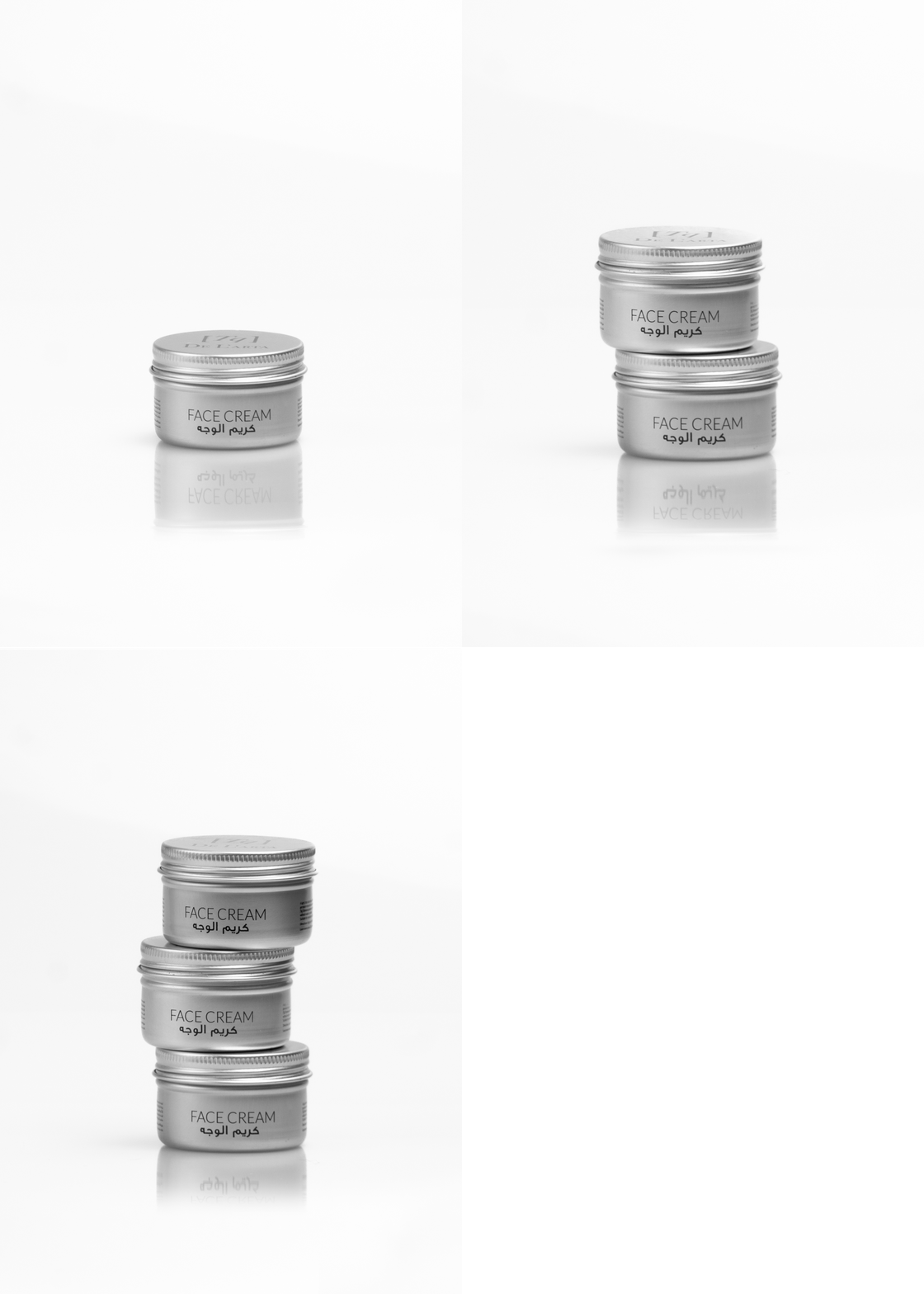
De L’Arta is a UAE beauty brand founded in 2017 by Lina Fayez Yousef, Saeed AlKhoori, and Sarah Yousef and based in Abu Dhabi. The brand combines clean beauty with plant-based ingredients, local production, and a strong sustainability profile. Its cruelty-free positioning makes De L’Arta relevant for shoppers who want animal-friendly products, while paraben-free and sulfate-free formulations add further appeal for ingredient-conscious customers. Sustainability is one of the most distinctive parts of the brand’s identity. Upcycled elements give it an additional environmental dimension, showing an interest in finding value in materials or ingredients that might otherwise be wasted. Locally made production reinforces De L’Arta’s connection to Abu Dhabi and helps the brand stand apart from globally standardized clean-beauty companies. The brand sits within the mid-range beauty category, offering a considered product experience without moving fully into luxury pricing. Its natural beauty positioning also complements the plant-based formulation profile, creating a strong fit for customers who want skincare or beauty products that feel both modern and connected to more conscious ingredient choices. For shoppers exploring Middle Eastern beauty, De L’Arta brings together clean formulation, cruelty-free values, sustainability, upcycling, local production, plant-based ingredients, and practical everyday use in a brand with a distinct UAE identity.

Irene Forte Skincare featured image

Irene Forte Skincare

Italy · Est. 2018 · Luxury

Irene Forte Skincare is a European luxury beauty brand founded in 2018 by Irene Forte and based in Sciacca, Sicily, Italy. The skincare brand combines natural and plant-based ingredients with a premium approach to modern beauty. The brand is vegan and cruelty-free, while clean beauty, ethical sourcing, and sustainability are central to its positioning. Irene Forte Skincare is also associated with organic beauty, helping it appeal to customers looking for elevated formulas rooted in more naturally focused ingredients. Its sustainability approach includes recycled materials, refillable concepts, upcycled elements, and circular beauty practices. Locally made production further strengthens the brand’s connection to Sicily and European craftsmanship. As a B Corp beauty brand, Irene Forte also reflects a broader commitment to responsible business practices alongside product quality. Overall, Irene Forte Skincare is a luxury European beauty brand combining natural and organic skincare, vegan and cruelty-free practices, ethical sourcing, sustainability, recycled and refillable packaging, locally made production, and premium beauty.

Le Prunier featured image

Le Prunier

United States · Est. 2018 · Luxury

Le Prunier is an American skincare brand founded in 2018 by Jacqueline Taylor, Allison Taylor, and Elaine Taylor and based in Yuba City, California. The luxury beauty brand combines clean skincare with a strong connection to natural ingredients, heritage, and more conscious beauty practices. Le Prunier is vegan and cruelty-free, while its formulas are also associated with paraben-free, sulfate-free, and fragrance-free beauty. These qualities make the brand relevant for shoppers seeking premium skincare with a more ingredient-conscious approach. Sustainability and eco-friendly practices are central to the brand’s identity, with upcycled elements adding another dimension to its environmental positioning. Its local California roots and heritage connection further distinguish Le Prunier within American luxury beauty. Minimalist beauty also fits naturally with the brand’s approach, with products designed to integrate easily into everyday routines. Overall, Le Prunier is a luxury American skincare brand combining clean beauty, vegan and cruelty-free formulas, sustainability, upcycling, heritage, locally made beauty, and minimalist everyday skincare.

Shiro featured image

Shiro

Japan · Est. 2009 · Luxury

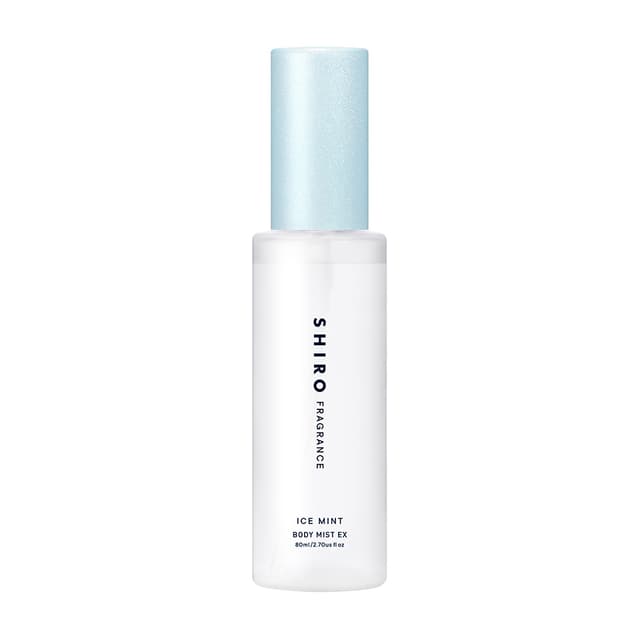
SHIRO is a Japanese beauty brand established in 2009 and based in Sunagawa, Hokkaido. Founded by Hiroe Imai, the brand has developed a distinctive identity around natural ingredients, Japanese craftsmanship, and a more thoughtful approach to product creation. Positioned within luxury Japanese beauty, SHIRO combines skincare, cosmetics, fragrance, and personal care with an emphasis on carefully selected ingredients and locally made production. Sustainability is a major part of the brand’s philosophy, with upcycling, circular practices, and zero-waste thinking helping shape its broader approach. The brand is also cruelty-free and incorporates ethical considerations into how products and materials are developed. Its minimalist aesthetic reflects a preference for simplicity, functionality, and products that can integrate naturally into everyday routines. SHIRO’s connection to Hokkaido and local production gives the brand a strong Japanese identity while its sustainability efforts distinguish it within premium beauty. Overall, SHIRO is a luxury Japanese beauty brand combining natural ingredients, cruelty-free practices, ethical production, sustainability, upcycling, circular beauty, locally made products, and minimalist everyday design.

Kate McLeod featured image

Kate McLeod

United States · Est. 2018 · Mid-range

Kate McLeod is an American beauty brand founded in 2018 by Kate McLeod and based in Brooklyn, New York. The women-owned brand is known for body care that brings together natural ingredients, thoughtful craftsmanship, and a minimalist approach to everyday self-care. As a vegan and cruelty-free beauty brand, Kate McLeod appeals to customers looking for animal-friendly products with a more conscious formulation philosophy. Natural and plant-based ingredients form an important part of the brand’s identity, while handmade and locally made production reinforce its independent character. Sustainability is particularly central to Kate McLeod. The brand incorporates plastic-free, refillable, zero-waste, and upcycled concepts into its approach, helping reduce unnecessary packaging and encouraging customers to rethink how everyday body care is used and replenished. The brand’s elevated presentation places it comfortably within luxury beauty, while its products are designed to remain practical enough for regular routines. Overall, Kate McLeod combines women-owned beauty, vegan and cruelty-free practices, natural ingredients, local craftsmanship, minimalist design, and strong sustainability principles in a distinctive American body care brand.

Emi Jay featured image

Emi Jay

United States · Est. 2009 · Mid-range

Emi Jay is an American beauty brand founded in 2009 by Emily Matson and Julianne Goldmark and based in Los Angeles, California. The brand is best known for hair accessories and beauty essentials designed to make everyday styling feel polished, playful, and easy to wear. Cruelty-free beauty and sustainability are important parts of Emi Jay’s positioning. The brand incorporates biodegradable materials, upcycled elements, and hand-crafted production into parts of its range, helping give its products a more considered approach compared with conventional mass-produced accessories. Emi Jay also has a strong connection to locally made beauty, with its Los Angeles roots influencing both its identity and production. This local focus works naturally alongside the brand’s emphasis on creativity, styling, and practical products designed for regular use. Positioned within the mid-range beauty category, Emi Jay sits between affordable everyday accessories and more premium designer hair products. Its products are designed to be functional while still feeling distinctive and fashion-conscious. Overall, Emi Jay is a Los Angeles beauty brand combining cruelty-free values, sustainable practices, locally made products, upcycled materials, and everyday beauty with a recognizable modern aesthetic.

A

Adept Cosmetics

United States · Est. 2017 · Mid-range

Adept Cosmetics is an American beauty brand established in 2017 and based in Englewood, Colorado. The makeup brand is known for creative color cosmetics, particularly eye makeup designed for beauty enthusiasts who enjoy distinctive finishes and expressive looks. Positioned within the mid-range beauty category, Adept Cosmetics combines performance-focused products with a more conscious approach to beauty. As a vegan and cruelty-free beauty brand, Adept appeals to shoppers looking for cosmetics that align with animal-friendly beauty choices. Ethical and sustainable practices are also part of the brand’s positioning, alongside the use of upcycled elements that help reduce unnecessary material waste. Adept Cosmetics is especially relevant for customers exploring independent American makeup brands that balance creativity with responsible beauty values. Its combination of vegan beauty, cruelty-free practices, ethical considerations, and sustainability gives the brand an identity that goes beyond product performance alone. For shoppers interested in mid-range makeup with bold aesthetics and more thoughtful production choices, Adept Cosmetics offers an alternative to conventional mass-market beauty brands while maintaining a strong focus on modern, expressive cosmetics.

KraveBeauty featured image

KraveBeauty

United States · Est. 2017 · Affordable

KraveBeauty is an American brand founded in 2017 by Liah Yoo, and it is one of very few beauty companies whose marketing actively discourages you from buying. The rallying line is Press Reset on the Skincare Norm. The range splits into a Core series for daily maintenance and a Supplement series for targeted needs. The brand tells customers outright when they do not need a product. Its #SlowDownSkincare campaign rejects the fast-fashion launch cycle the industry runs on. Behind that stance sits real formulation discipline. Great Barrier Relief, built on tamanu and centella, improved damaged barrier function after two weeks in an independent clinical study on twenty participants. Beet The Sun SPF 40 passed six separate tests, including two FDA broad spectrum tests and the ISO 24444 and 24442 protocols. Oat So Simple Water Cream, Matcha Hemp Hydrating Cleanser and Kale-Lalu-yAHA complete the core line, with everything priced between $16 and $28. KraveBeauty is a Certified B Corporation, PETA-certified vegan and cruelty-free, and a member of 1% for the Planet. It commits to including at least one upcycled ingredient in every new launch, using leftover Jeju matcha grinds, rejected UK hemp seeds, ugly Jeju carrots, European wine pomace and Romanian rosehip seeds. Great Barrier Relief is bottled in 100% PCR PET, and refill pouches are available. Formulas are always free of fragrance, colorants, dyes and essential oils. For sustainable, affordable, barrier-first skincare, KraveBeauty is a benchmark. It is one of very few brands whose environmental claims survive close reading.

Sana Jardin featured image

Sana Jardin

United Kingdom · Est. 2017 · Luxury

Sana Jardin is a British fine fragrance house founded by Amy Christiansen Si-Ahmed, and it is one of the clearest examples of social entrepreneurship in luxury perfume. She trained and worked as a social worker with struggling families on Chicago's west side, and she sits on the board of Nest, an NGO focused on ethical supply chains. That background shapes everything. The brand calls its model Beyond Sustainability. Fair trade pays people properly for their labour. Sana Jardin goes further and hands them a business. Morocco's flower-growing region produces about 900 tons of orange blossom waste each year. That waste is what is left once the petals have been distilled. Sana Jardin turns that waste into products. Amazigh women flower harvesters sell them locally. They keep 100% of the proceeds. Two micro-enterprises have been created this way, with business training included. The Sana Jardin Cooperative in Tiddas was founded in 2017 by local female harvesters and makes candles, dried flower sachets and Moroccan heritage crafts. In 2024 the brand launched an Accelerator Program with Nest, giving five cooperatives training and grants. The work supports three UN Sustainable Development Goals. The fragrances themselves are Leaping Bunny certified and packaged in FSC certified materials. They are vegan, using premium synthetics in place of animal-derived musks. Scents include Berber Blonde, Tiger By Her Side, Sandalwood Temple, Vanilla Nomad and Jaipur Chant. For ethical beauty, sustainable beauty or luxury fragrance with real social impact, Sana Jardin rewrote the rules. The waste becomes income. The women keep every penny.

Bloomeffects featured image

Bloomeffects

United States · Est. 2019 · Luxury

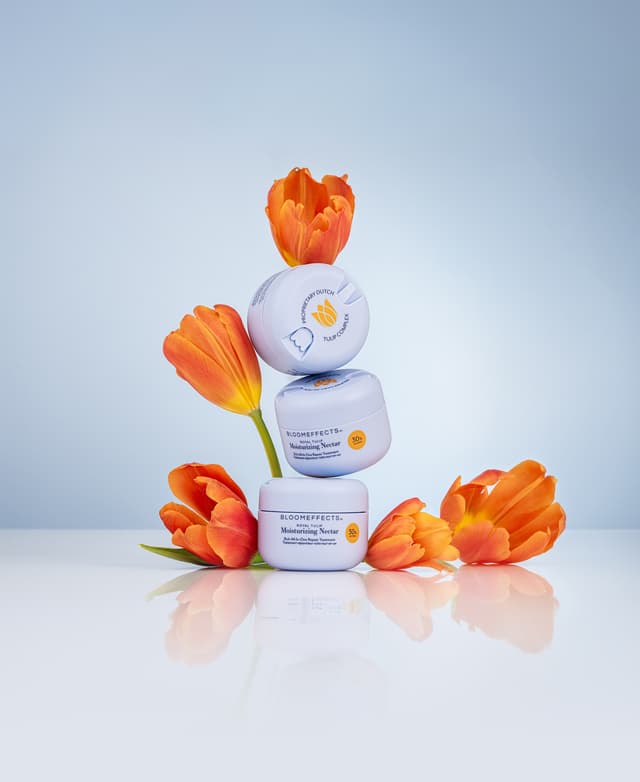
Bloomeffects is a Dutch-American skincare brand founded in 2019 by Kim van Haaster. Its origin is unusual and completely genuine. Her husband Hein is a fourth-generation tulip farmer, and the family farm, H.M. van Haaster, has been running in the Netherlands since 1905. The brand upcycles tulips from that farm into skincare, which is why it calls itself a field-to-formula brand. Tulip bulb stem cells are rich in amino acids, vitamins and antioxidants, and the brand built its proprietary Dutch Tulip Complex around them. Two Dutch government research grants backed the work. Products are formulated and manufactured in the United States, with tulips from the Netherlands. Certification here is stronger than most. All products are Leaping Bunny certified cruelty free. Palm-derived ingredients come from RSPO certified sources. Mica is sourced through the Responsible Mica Initiative, so no child labour is involved. Cartons are FSC certified, made from recycled material and printed with soy ink. The brand is a Pact Collective member, so empties can be returned. Packaging prioritises 50% post-consumer recycled content, with glass, sugarcane-based tubes and PICEA wood tubes. Almost all products are vegan, and the brand names its four exceptions clearly. Skincare is fragrance free, apart from the lip oils. Best sellers include the Royal Tulip Hydrating Bi-Phase Tonic, Tulipscreen Dew Serum, Royal Tulip Moisturizing Nectar and the Black Tulip Regenerative Brightening Serum. For European beauty, sustainable beauty, cruelty-free beauty or upcycled skincare, Bloomeffects is a lovely find. The farm is real. So is the science behind the tulip complex.

TEMPLESPA featured image

TEMPLESPA

United Kingdom · Est. 2000 · Luxury

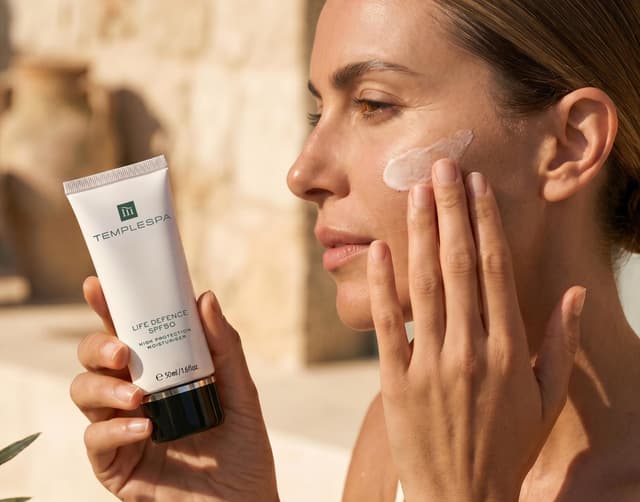
TEMPLESPA is a British spa skincare brand founded by husband and wife Mark and Liz Warom more than twenty-five years ago. The idea came to them on a Mediterranean sabbatical, and the brand was named on the day they renewed their wedding vows in Cyprus. The founding thought is still printed across the range. Your body is a living temple. Honour it, enjoy your life and live it to the full. The positioning is Science with Soul. Mediterranean ingredients such as olive, grape, truffle and citrus meet clinically proven derma science, and products are built to what the brand calls the Power of Three: texture, experience and performance. Products are developed in the UK at head office and are widely used in luxury spas and hotels around the world. All products are now suitable for vegans. TEMPLESPA does not test on animals, and never has. It is upfront that it does not limit itself to natural ingredients, combining naturally derived actives with carefully chosen synthetics. Everything is dermatologically tested and safety assessed by independent toxicologists. Sustainability figures are unusually specific. 92% of components are recyclable in UK homes. 75% of packaging includes at least 30% recycled content or sustainably sourced material. 100% of tubes are recyclable, and all paper and card are certified sustainable. Removing plastic airbags saves over 0.7 tonnes of plastic a year. Best sellers include TRUFFLELIXIR, QUENCH mask, LIFE DEFENCE SPF and SUGAR BUFF. For UK beauty and luxury spa skincare, TEMPLESPA is a standout. The scents are part of the treatment, not an afterthought.

JUNOCO featured image

JUNOCO

United States · Est. 2018 · Affordable

JUNOCO is an affordable American skincare brand developed in California, and it has built a real following on one idea. Skincare should not feel like homework. The brand argues that most products overcomplicate something that ought to feel good, so it makes things you will actually reach for every day. That sounds like marketing until you use the products, which are unusually pleasant to apply. The breakthrough was the Jade Clean 10 Cleansing Balm. It went viral, and it is still the hero, a ten-ingredient balm that melts makeup and sunscreen without leaving a film. It sits alongside the Jade Clarifying Cleansing Powder, the Full Body Nectar Serum, The Body Oil Rinse and the Nail and Cuticle Polishing Gloss. Every product is 100% vegan and cruelty free, with no animal-derived ingredients and no animal testing. Formulas are gluten free and suitable for sensitive skin. Where JUNOCO really stands out is packaging honesty. Refill pods cut plastic use by 78%, and the pods are recyclable polypropylene. The Full Body Nectar Serum and Body Oil Rinse use 50% post-consumer recycled PET. Cartons are FSC certified paper printed with soy ink, and the interior trays are 100% paper. The brand also states plainly which parts are not recyclable, including certain pumps and caps. That kind of disclosure is rare. Prices run from $10.99 to $26. For American beauty, affordable beauty, vegan beauty, cruelty-free beauty or zero-waste routines, JUNOCO offers a genuinely easy place to start. The textures are lovely. The prices are kind.

Santaverde featured image

Santaverde

Germany · Est. 1988 · Mid-range

Santaverde is a German natural beauty brand founded in 1988 by Sabine Beer. It began on a small finca in Andalusia, Spain, where the brand still grows its own aloe vera. The leaves are processed on the farm itself, which keeps the plant fresh and the supply chain short. The founding principle has never changed. Active ingredient instead of water. Where most skincare uses water as its base, Santaverde uses pure aloe vera juice. That single decision is why the formulas feel and perform the way they do. The certification list is exceptional. All products are NATRUE certified and have been since 2014. The range is 100% vegan and carries the Vegan Society flower. The aloe is EU organic certified. Coconut oil is Naturland Fair certified from Sri Lanka. Packaging paper is FSC certified, and promotional material uses Blue Angel 100% recycled paper. Most products contain over 95% organic plant ingredients. Mineral oil derivatives, synthetic colours, synthetic fragrances and synthetic preservatives are all excluded. Airless dispensers and some tubes have used over 40% recycled plastic since 2022. Tube walls were made 30% thinner. The enzyme peeling powder comes in compostable Sulapac packaging. Best sellers include aloepur juice, aloe vera gel pur, age protect cream and the sleep and repair night cream. For German beauty, certified natural beauty, organic beauty or vegan skincare, Santaverde is properly credentialled. Very few brands grow their own hero ingredient. This one does.

PATYKA featured image

PATYKA

France · Est. 2002 · Luxury

Patyka is a French skincare brand born in Paris in 2002. The name comes from the Greek apoteke, meaning pharmacy, and the pharmacy influence runs right through the range. Patyka calls what it makes Biotech Skincare. That means pairing plant actives with biotechnology, borrowing from both aesthetic medicine and herbal tradition. Products are formulated in-house at the brand's own Paris laboratory and made in France. Over half of the plant actives are sourced in France. The certification list is one of the strongest in French beauty. Every product is COSMOS certified by ECOCERT. Patyka was one of the first brands in the world to gain that status, back in 2002. It became a B Corp in 2023 and a member of UEBT the same year, which covers ethical sourcing of shea butter and aloe vera. It holds Engagé RSE at Confirmé level from AFNOR. Since November 2020 it has been an Entreprise à Mission under French law, only the third cosmetics company in France to take that status, with mission reports verified by KPMG. Formulas leave out parabens, SLS, silicones, mineral oils, phenoxyethanol, phthalates, PEGs, EDTA and synthetic dyes. Almost every product is vegan, with three named exceptions that use ethically harvested beeswax. Packaging is 79% recycled plastic, and 19 tonnes of virgin plastic were saved between 2020 and 2023. All glass jars are refillable. Every product has a carbon footprint and life cycle analysis behind it. For French beauty, organic beauty or ethical luxury, Patyka delivers. The claims are all backed by named certifiers. That is rare in this space.

EDOBIO featured image

EDOBIO

Japan · Est. 2018 · Mid-range

EDOBIO is a Japanese skincare brand launched in 2018 by GE Wellness in Tokyo. Two phrases sum it up. Back to Basics, and Biotiful Inside Out. The name joins Edo, Japan's great era of beauty ritual, with bio, for the biotechnology inside every formula. Women in the Edo period used rice bran to cleanse and mask. EDOBIO uses the same starting point in a modern way. Its key ingredient is BiProGE, a lactic acid bacteria complex made from rice bran. It is designed to support the skin's own microbiome. The brand also uses sake lees ferment extract and Kunisato 35 blueberry leaf and stem proanthocyanidins. Everything is made in Japan. Formulas leave out mineral oil, parabens, synthetic fragrance, synthetic colorants, ethanol and petroleum-based surfactants. The brand lists all of this plainly on its own site. Key products include the Intensive Hydration Serum, the Moisture Lock Cream and the Fresh Balancing Toner. The Vegan Black Soap is another favourite. So is the FLORADIANCE Moisturizing Soufflé Soap, which comes in a hinoki cypress box made by hand from thinned forest timber. Sustainability here is about upcycling. The Saketernal line turns sake lees, a by-product of brewing, into skincare. The brand also chooses lower-impact materials for packaging and print where it can. Prices sit in the mid-range, above drugstore but below prestige. For Japanese beauty, clean beauty, natural beauty, paraben-free skincare or microbiome care rooted in real heritage, EDOBIO is a quiet standout. It also makes a lovely gift, thanks to that wooden box.

Whamisa featured image

Whamisa

Republic of Korea · Est. 1999 · Mid-range

Whamisa is a South Korean skincare brand built on fermented organic plants. It holds a rare place in K-beauty. Very few Korean brands carry international organic certification, and Whamisa does. Products are COSMOS certified organic. Ecocert-approved ingredients are marked in the ingredient lists. The brand also shares its organic numbers openly. The Organic Flowers Toner Deep Rich is 97% organic in total, with five organic plant ingredients making up 92.4%. The Organic Pear Blossom Sunscreen is 54% organic. Very few beauty brands anywhere publish figures like that. Whamisa describes itself as sustainable, organic, future forward and earth friendly. The range is grouped by plant family. There are cactus, flowers, seeds, algae, pear blossom, planta, fruits and root vegetable lines. Formulas leave out artificial and synthetic pigments. Fermentation is the heart of the method. Instead of watering plants down, Whamisa ferments flower and plant extracts. That gives high active levels with low irritation. Products are dermatologist tested with an excellent grade. Popular products include the Cactus Wrinkle and Brightening Magic Serum and the Organic Flowers Toner Deep Rich. The Organic Pear Blossom Sunscreen, Organic Fruits Yuja Acne Spot Treatment and organic hydrogel sheet masks are also loved. Boxes are recyclable card and biodegradable paper printed with soy ink. For Korean beauty, organic beauty, natural beauty, clean beauty or fermented skincare, Whamisa is the most credible certified organic option in K-beauty. If you want proof rather than promises, this is the brand. Fermented formulas also tend to feel gentle on reactive skin.

African Botanics featured image

African Botanics

United States · Est. 2017 · Luxury

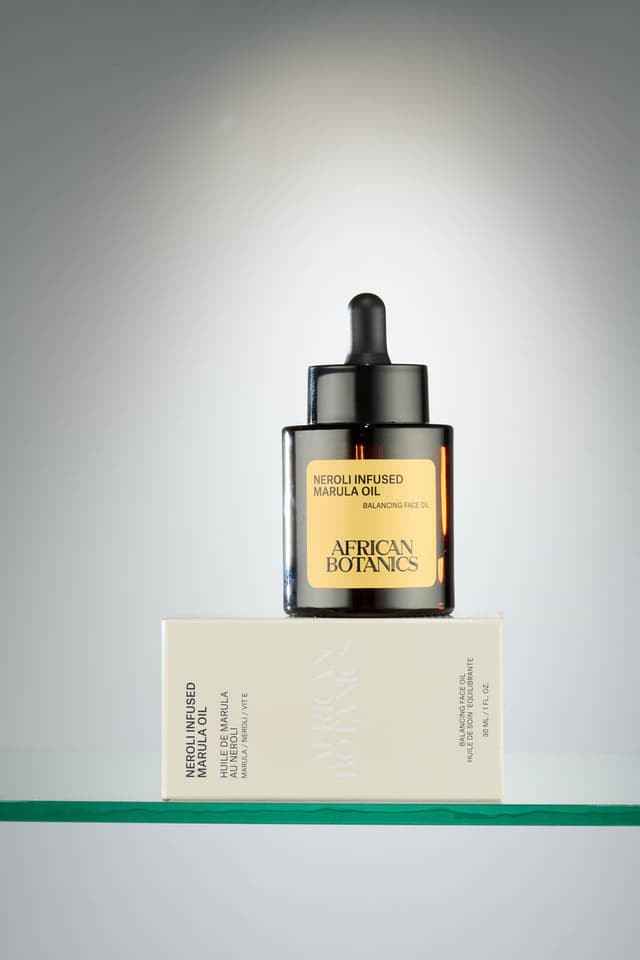
African Botanics is a luxury beauty brand founded in Los Angeles in 2017 by Craig and Julia Noik, with every product developed and made in the heart of South Africa, giving it a dual American-South African identity that sits at the premium end of botanical skincare. The brand's philosophy is to create high-performance skincare that marries nature, research and technology in harmony, embracing wellness for skin, body and spirit in equal balance while practising an abiding respect for the earth. Its formulations are built on wild-harvested Southern African botanicals that are difficult to find elsewhere in prestige beauty: marula, baobab, buchu, Kalahari melon and Cape aloe, all sustainably and ethically harvested. Every product is free from parabens, silicones, phthalates, mineral oil, artificial fragrance, colorants and SLS, and the brand states its products are cruelty-free, using ingredients not tested on animals. Sourcing commitments extend to ethical trade and sustainable biodiversity, with suppliers selected for a proven record of ethical and sustainable practices, and carbon footprint initiatives include recyclable packaging and work with reforestation programmes. Hero products include the Intensive Recovery Oil, the Intensive Recovery Cream, the Advanced Vitamin C and Multi-Peptides Serum, the Firming and Lifting Collagen Activator Serum and Pure Marula Oil, with core treatments priced between one hundred and fifty and two hundred and fifty dollars. For anyone researching luxury beauty brands, African beauty, ethical beauty, sustainable beauty or paraben-free botanical skincare with genuine provenance, African Botanics offers rare Southern African raw materials formulated to international prestige standards, bringing indigenous plant knowledge into a luxury category that rarely looks to the continent for its actives.

By Sarah London featured image

By Sarah London

United Kingdom · Est. 2017 · Mid-range

By Sarah London is a UK beauty brand founded in November 2017 by sisters Sarah and Lauren Brown, and its origin story is unusually personal: Lauren was diagnosed with acute myeloid leukaemia, Sarah became her stem cell donor, and the formulas were developed in response to how profoundly treatment affected Lauren's skin. That history shapes the brand rule applied to every product, that it must be natural, soothing and restorative, gentle enough for sensitive skin and gut yet powerful enough to support lasting health. By Sarah is a Certified B Corporation, meticulous about ingredient sourcing and quality, and carries the Made in Britain and Buy Women Built marks, making it one of the clearest women-owned beauty propositions in the UK market. The range is vegan and cruelty-free, and every product is free from parabens, silicones, synthetic fragrance, sodium lauryl sulphate, propylene glycol, petroleum, mineral oil, palm oil and unnecessary fillers, with core products dermatologically approved for sensitive skin. Hero products include the Hero Facial Oil, the Balancer Cream Cleanser, the Reviver Hydrating Mist, Serene Daily SPF 50+ and the Tender Skin Balm. Packaging uses recycled and recyclable materials wherever possible, with glass bottles designed to be rinsed and recycled at home, and the brand commits to full supply chain transparency and paying everyone who works for it a fair wage. It partners with Macmillan Cancer Support. For anyone researching UK beauty brands, women-owned beauty, vegan beauty, ethical beauty or sensitive-skin skincare, By Sarah London is genuinely distinctive, offering B Corp certified British skincare built by two sisters whose formulations were tested first on skin recovering from cancer treatment.

RAS Luxury Oils featured image

RAS Luxury Oils

India · Est. 2017 · Luxury

RAS Luxury Oils is India's first farm-to-face luxury skincare brand, and the description is literal rather than aspirational. Founded in 2017 by Megha Asher and Pritesh Asher, the brand states its position plainly: RAS for women, built by women, led by purpose. The name comes from Sanskrit, meaning consciously crafted. Ingredients are organically grown on the company's own farms in Raipur, Chhattisgarh or sourced from local farmers under a guaranteed buyback arrangement that protects growers from market fluctuation and provides steady income. The range covers face oils, serums, cleansers, masks and body care, handcrafted in small batches to preserve freshness and potency, with a separate professional line for treatment use. Products are PETA certified vegan and cruelty-free, developed in DSIR-approved laboratories and formulated to strict EU guidelines, always without sulphates, parabens, silicones, phthalates, fillers, mineral oil, synthetic preservatives, synthetic fragrances and dyes, formaldehyde, talc or alcohol. Sustainability is the strongest in Indian beauty. All packaging is recyclable or reusable, the Recycle With RAS programme rewards customers for returning empties, distillation waste is upcycled into incense or compost, khus bio-waste is used in gift boxes, and biodegradable plastic and bubble wrap replace conventional materials. Ten percent of profits go to women's empowerment charities. Priced in the luxury tier, RAS is exceptional for organic, natural, vegan, handmade and genuinely sustainable Indian skincare.

Hyggee featured image

Hyggee

Republic of Korea · Est. 2017 · Mid-range

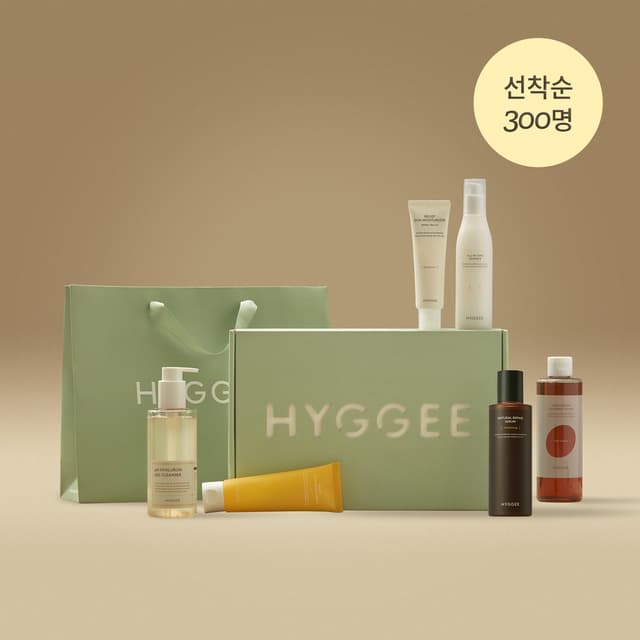
Hyggee is a Korean skincare brand that took its name from the Danish concept of hygge and built an entire formulation philosophy around it: rest, simplicity and the removal of everything unnecessary. Based in Seoul, the brand summarises its purpose as giving relief to both skin and planet, trading under the line FOR US and EARTH. The range is deliberately minimalist, and the All-in-One products that made the brand's reputation collapse several routine steps into a single bottle. Formulations focus on moisture barrier repair using probiotics, hyaluronic acid and Korean botanicals including Jeju-grown Sophora flavescens and red plum extract, with a Natural Repair line and a well-regarded toner pad range. Sunscreens sit at the centre of the catalogue, several of them formulated as vegan and marketed under a clean vegan sun designation, and reef-safe formulation is referenced across the suncare line. Environmental thinking is genuinely embedded rather than decorative. The brand's Earth Beauty positioning covers ingredients, packaging materials and shipping, and it produces an upcycled sun stick using material streams that would otherwise be discarded, which remains rare in the Korean market. Packaging carries recyclability information by material rather than a generic symbol, making disposal straightforward. Priced in the mid-range tier, Hyggee is more considered than mass K-beauty without moving into prestige territory, and the pared-back product count keeps routines short. For shoppers searching for vegan, sustainable and eco-conscious Korean beauty with an everyday, minimalist approach and genuine upcycling credentials, Hyggee offers one of the most disciplined small ranges in K-beauty skincare today.

Fitglow Beauty featured image

Fitglow Beauty

United States · Est. 2014 · Luxury

Fit Glow Beauty is an American clean beauty brand working on a single premise: that makeup should perform as skincare while it sits on your face. Founded in 2014 by Renee Ribeiro, a beauty industry veteran of two decades, it has built its reputation on plant-based biomimetic formulations that mimic the skin's own structures rather than merely covering them. The range spans complexion, colour, skincare and body, with formulas developed specifically for sensitive and rosacea-prone skin. Products are evidence-based and non-comedogenic, backed by comedogenicity studies rather than assumption, which is unusual at any price point. The brand has been Leaping Bunny Certified since 2014 and is entirely vegan. Its exclusion list runs to over 1,300 banned ingredients, and formulations are free of silicones, PEGs, nano-ingredients, fragrance and gluten. Ingredients are described as ethically sourced and bioavailable plant extracts, and the brand publishes its ingredient rationale rather than simply listing what has been left out. Sustainability is handled with specifics rather than slogans. Fit Glow has upcycled more than 95,000 pieces of packaging, uses FSC-certified materials, recyclable glass and post-consumer recycled plastics, and offers refillable solutions for its deodorant, palettes and cleanser. Formulations themselves are biodegradable. Priced in the luxury tier, the brand competes on formulation rigour rather than volume, and its everyday positioning means products are designed for daily wear. For shoppers searching for vegan, silicone-free, Leaping Bunny certified clean beauty from a women-owned American brand with genuine sustainability credentials, Fit Glow Beauty is among the most substantiated options available.

Axiology Beauty featured image

Axiology Beauty

United States · Est. 2013 · Mid-range

Axiology is an American beauty brand that treats packaging as seriously as formulation. Founded by Ericka Rodriguez and based in Bend, Oregon, it built its reputation on a simple provocation: why should a lipstick arrive wrapped in plastic that outlives the person wearing it? The answer became the brand's signature. Axiology products ship in boxes handmade by a women's cooperative in Bali from collected street waste — entirely plastic-free, compostable and recyclable. Its best-known products, the multi-use Balmies crayons, come with no plastic component at all, working across lips, eyes and cheeks so one item replaces three. Formulations are fully vegan and cruelty-free, built on a short list of plant-based, ethically sourced ingredients rather than long synthetic ones. The range now extends beyond colour into foundation and mushroom-infused serums, but the discipline holds throughout: fewer ingredients, fewer products, less waste. Priced in the mid-range tier, Axiology sits alongside conventional prestige makeup while operating to a zero-waste standard almost nobody at that price matches. Its upcycled packaging programme has drawn recognition from Allure, Cosmopolitan and Forbes, and the brand remains women-owned and founder-led. For shoppers searching for vegan, cruelty-free and genuinely sustainable American beauty, Axiology is one of the few brands where the environmental claim is structural rather than cosmetic. If you want ethical makeup that works as hard on waste as it does on pigment, this is the reference point.

Marques'Almeida featured image

Marques'Almeida

United Kingdom · Est. 2011 · Mid-range

Almeida is founded in 2011 by Portuguese designers Marta Marques and Paulo Almeida, who first met at fashion school in Portugal and relocated to London in 2009 to pursue their MA at Central Saint Martins, where they combined their talents and launched the designer clothing brand. They showed their first two seasons under Lulu Kennedy's Fashion East platform, and their LVMH Prize win in 2015 propelled them to international recognition. The brand became synonymous with creative denim, being credited with helping launch the revival of distressed denim in the 2010s, though their broader vision has always been for high-end, cool, raw, and relevant ready-to-wear. Champions of community, sustainability, and inclusive casting, the brand has been worn by Beyonce, Rihanna, and a devoted global following.

Alix of Bohemia featured image

Alix of Bohemia

United States · Est. 2019 · Luxury

an Italian textile legacy and generations of French artists, founder Alix Verley-Pietrafesa was inspired by the mid-century Bohemians of Paris and the Bloomsbury Group while studying art history in Scotland, where she picked up a needle and began making clothes by hand. Formally established in New York City in 2019, this designer clothing brand is rooted in wanderlust, with far-flung travels across Europe, Asia, and the US serving as the canvas for its collections. The brand puts a fresh twist on resort style with block prints, relaxed shirts, and personality pieces, with each item hand-crafted to create a unique, whimsical feel. In 2018, the brand expanded beyond bespoke pieces and began producing seasonal collections, and in 2019 opened its first store on Christopher Street in New York. It continues to offer limited runs, one-of-a-kind pieces, and custom commissions, remaining a truly artisanal label.

Can't find what you're looking for?

We add new sites every week but if you have a specific request, let us know.