#plant-based

List of 90+ Plant-Based Brands

Explore 90+ plant-based brands making beauty, skincare and haircare powered by botanical ingredients. Plant-based products rely mainly on ingredients derived from plants, such as oils, butters, extracts and botanical actives, rather than animal-derived or heavily synthetic ones. Plant-based is not the same as vegan, though, so it is worth checking the full ingredient list if that matters to you. Beauty and skincare lead this list, followed by haircare, with a couple of clothing and swimwear labels. Ideal for nature-led routines. Compare these plant-based beauty brands side by side to find botanical alternatives that suit your skin and hair.

Tagged Brands

Huha featured image

Huha

Canada · Est. 2020 · Affordable

Huha is a Canadian lingerie and underwear label for women, founded in Vancouver in 2020 by Alexa Suter. Suter started designing underwear after a string of recurring UTIs showed her how much underwear needed to breathe, and Huha's Mineral Undies were born. The brand argues that the polyester and nylon used in much cheap underwear doesn't breathe, trapping moisture and warmth, so it designs skin-layer garments for bodies that breathe, sweat, move and live, with a focus on fit, comfort and functional fabrics. Its core product is Mineral Undies in styles such as the Bikini, Brief, Boxer and Cheeky. It also makes bras such as the Crossover Bra and Foundation Bralette, the Tank Bodysuit, the Everywhere Pant and multi-packs. Huha makes its underwear with breathable TENCEL cellulose fibres and OEKO-TEX certified materials, and its signature lining is knit with antimicrobial zinc oxide to help keep the body fresher for longer. The brand's mission is to help people embrace their bodies as they are. Huha is an independent label, led by Suter as founder and CEO.

Edible Beauty featured image

Edible Beauty

Australia · Est. 2014 · Mid-range

Edible Beauty is an Australian skincare brand founded in 2014 by Anna Mitsios and based in Sydney. The women-owned beauty brand brings together clean beauty, natural and organic ingredients, plant-based formulation, and a strong ethical and sustainability profile. Its vegan and cruelty-free positioning gives the brand an animal-friendly foundation, while organic and natural beauty add a more ingredient-conscious dimension. Edible Beauty also sits within paraben-free and sulfate-free beauty, giving shoppers additional formulation standards to consider. Sustainability extends beyond ingredients. Biodegradable elements and recycled materials contribute to the brand’s environmental profile, making its conscious-beauty positioning feel broader than a simple “clean” label. Ethical beauty is another key part of its identity, helping connect product formulation with wider questions around sourcing and responsible production. Although the underlying pricing sits around mid-range, the brand carries a luxury beauty positioning through its presentation and ingredient philosophy. That creates an accessible-premium balance for shoppers who want a more elevated natural skincare experience without reaching the very top of prestige pricing. Edible Beauty is particularly suited to customers who want several conscious beauty priorities addressed together. Clean formulation, organic and plant-based ingredients, vegan and cruelty-free practices, ethical values, recycled materials, sustainability, and women-owned leadership all contribute to a distinctly modern Australian skincare brand.

FINigrana featured image

FINigrana

Germany · Est. 1998 · Affordable

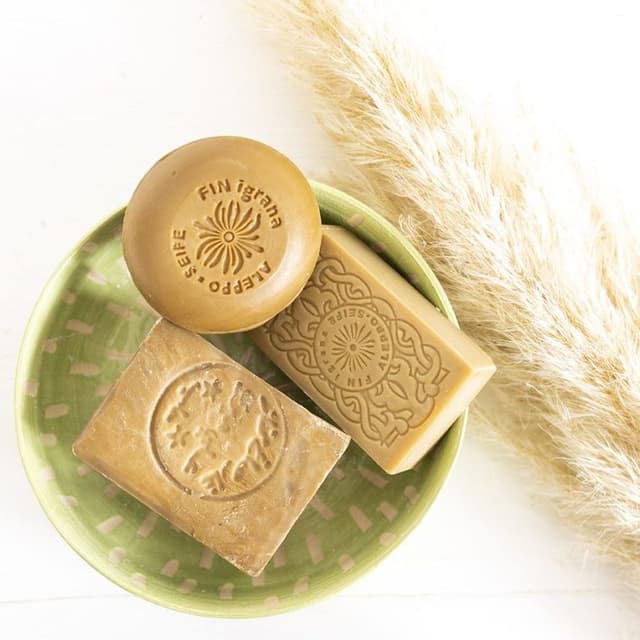
FINigrana is a German beauty brand established in 1998 by Bernhard Bauer and Gabriele Krüger. With more than two decades behind it, the brand brings a sense of heritage to natural beauty that newer plant-based labels cannot easily replicate. Its products are positioned around natural and plant-based ingredients, with vegan beauty forming another important part of the brand’s identity. Handmade production gives FINigrana an artisanal character and helps connect its products to a more traditional approach to personal care. The brand’s heritage is particularly relevant because its focus on natural beauty predates the current wave of clean-beauty marketing. Rather than appearing to have adopted plant-based formulation in response to recent demand, FINigrana has a longer-standing relationship with this category. Ethical and sustainable beauty also fit within its wider subcategory profile, adding a more contemporary layer to the brand’s established natural positioning. Affordability makes FINigrana especially approachable. Customers can explore plant-based, handmade beauty without paying the premium usually attached to artisanal or heritage-led products. Its minimalist and everyday beauty positioning keeps the range practical rather than ceremonial. FINigrana is therefore a good fit for shoppers who value natural formulas, vegan products, craftsmanship, heritage, ethical considerations, and accessible pricing. The brand’s strength lies in combining those qualities with the familiarity of a beauty company that has been operating since the late 1990s.

gitti featured image

gitti

Germany · Est. 2018 · Mid-range

gitti Conscious Beauty is a Berlin-based beauty brand founded in 2018 by Jennifer Baum-Minkus. Its identity is shaped by clean beauty, plant-based formulation, vegan and cruelty-free values, and a strong interest in reducing the environmental footprint of everyday cosmetics. Packaging is an important part of that story. Recycled materials and refillable formats give the sustainability positioning something tangible, allowing customers to reduce reliance on single-use beauty packaging. The brand’s plant-based approach fits naturally alongside vegan beauty, while cruelty-free practices make it relevant for customers who want animal-friendly products throughout their routines. gitti sits within the mid-range beauty segment, which gives the brand an elevated feel without placing its conscious-beauty features exclusively in the luxury category. Locally made production also strengthens its connection to Berlin and European beauty, adding a clearer sense of origin to the brand. What makes gitti interesting is the way formulation and packaging are treated together. Sustainability is not restricted to one material or one product line; it forms part of a broader beauty philosophy. For customers seeking a modern European beauty brand, gitti combines vegan formulas, cruelty-free practices, recycled materials, refillable design, plant-based beauty, local production, and everyday usability. It is particularly relevant for shoppers who want sustainability to be built into how beauty products are used and repurchased.

i+m Naturkosmetik Berlin featured image

i+m Naturkosmetik Berlin

Germany · Est. 1978 · Mid-range

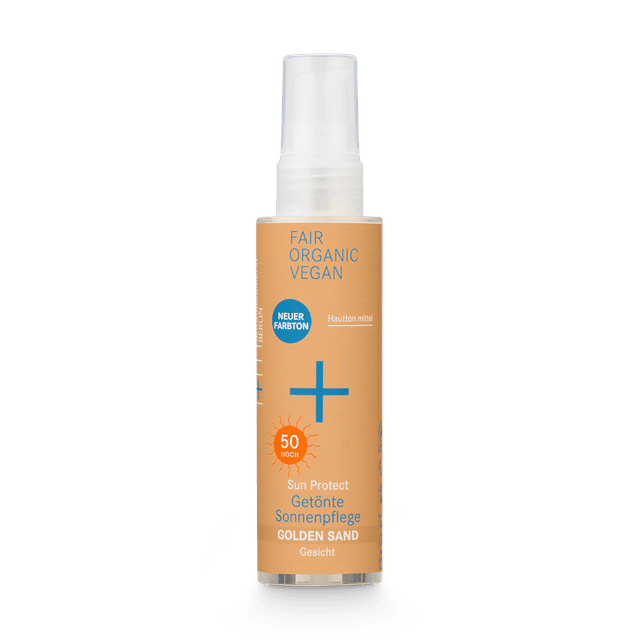
i+m Naturkosmetik Berlin is a German beauty brand founded in 1978 by Inge Stamm and Monika Berg. Its long history gives the brand a particularly interesting place within natural and organic beauty, as it predates much of today’s clean and sustainability-focused skincare movement. Based in Berlin, the brand combines natural and organic ingredients with plant-based formulation, vegan and cruelty-free values, and locally made production. Ethical sourcing is a major part of its profile. Fair-trade principles sit alongside sustainability and eco-friendly practices, giving the brand a broader social and environmental framework rather than focusing solely on ingredient exclusions. The products are also associated with paraben-free and silicone-free beauty, adding further relevance for customers who actively screen formulations. Its mid-range positioning makes this extensive conscious-beauty profile relatively approachable. Customers can access organic, vegan, ethical, and sustainable skincare without stepping fully into luxury pricing. What distinguishes i+m most is its heritage. Established in 1978, it has decades of history behind values that many newer beauty companies have only recently adopted. For shoppers looking for European natural beauty with depth, i+m combines organic skincare, vegan and cruelty-free practices, fair-trade sourcing, ethical production, sustainability, local manufacturing, and everyday usability within one of the more established German conscious-beauty brands.

Ruhi Rituals featured image

Ruhi Rituals

Germany · Est. 2019 · Luxury

RUHI Rituals is a Berlin-based luxury beauty brand founded in 2019 by Britta Hekmat. Its skincare identity is rooted in natural, organic, and plant-based formulation, with a strong emphasis on simplicity and products designed to work within intentional everyday rituals. The brand is vegan and cruelty-free, making it particularly relevant for shoppers looking for premium skincare aligned with animal-friendly values. Fragrance-free beauty adds another important dimension, especially for customers who prefer formulas without added scent. Sensitive-skin-friendly positioning reinforces that gentler approach. Instead of building luxury around complexity, RUHI Rituals leans toward minimalist beauty and products that can be used with purpose. Locally made production keeps the brand closely tied to Berlin and gives its skincare a stronger independent identity than globally standardized prestige labels. Its luxury positioning comes from the combination of formulation, craftsmanship, and a more considered approach to routine rather than simply from exclusivity. RUHI Rituals is best suited to shoppers who want premium European skincare but prefer natural beauty to traditional luxury formulation. Organic and plant-based ingredients, vegan and cruelty-free values, fragrance-free products, sensitive-skin-friendly care, local production, and minimalist routines all work together to create a beauty brand that feels quiet, deliberate, and focused on consistent use.

This Place featured image

This Place

Germany · Est. 2020 · Luxury

This Place is a Berlin-based beauty brand founded in 2020 by Laura Simonow. Its skincare philosophy combines natural and plant-based ingredients with vegan and cruelty-free values, creating a routine that feels particularly suited to customers drawn to minimalist, conscious beauty. The brand’s sensitive-skin-friendly positioning is important because it adds practicality to the natural formulation story. Customers are not simply choosing products because they are plant-based; the range is also positioned around skin comfort and regular use. Sustainability and eco-friendly practices deepen that conscious identity. Locally made production connects the brand to Berlin and gives it a stronger sense of origin, while the minimalist approach naturally supports the idea of choosing fewer, more purposeful products. Although its listed pricing leans toward luxury, the brand sits within a mid-range subcategory, giving it a premium feel without placing it entirely in traditional prestige beauty. This Place works best for shoppers who want skincare to feel calm and intentional rather than complicated. Vegan formulas, cruelty-free values, plant-based ingredients, sensitive-skin-friendly care, sustainability, and local production all reinforce that direction. For customers exploring European natural beauty, This Place offers a modern Berlin interpretation: thoughtful skincare, pared-back routines, and environmental values brought together in products designed for everyday use rather than excess.

Alma K featured image

Alma K

Mid-range

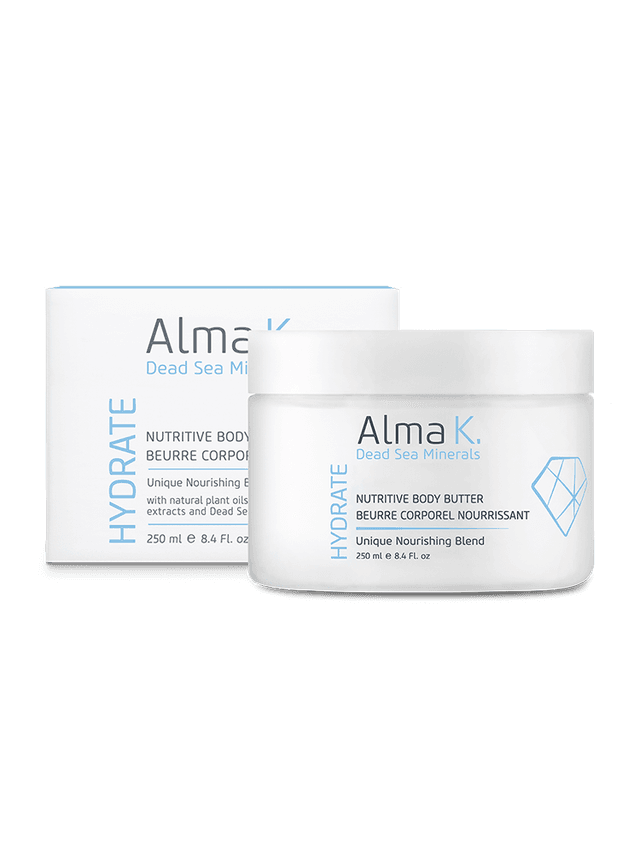
Alma K is a mid-range beauty brand founded by Amy Kafri, with a profile centered on natural ingredients, plant-based skincare, cruelty-free practices, and products intended for everyday use. Natural beauty is the clearest thread running through the brand. Alma K appeals to customers who prefer skincare that feels botanical and approachable rather than heavily trend-driven or built around overly complicated routines. Its cruelty-free positioning adds an important animal-welfare consideration, while plant-based beauty strengthens its connection to naturally focused formulation. The brand also sits within sustainable beauty, with recycled materials forming part of its broader environmental profile. That combination gives Alma K a more rounded identity than a skincare brand focused only on ingredient claims. Customers can consider formulation, packaging, and everyday usability together rather than treating each as a separate purchasing priority. The mid-range positioning makes the brand especially relevant for shoppers who want something more elevated than basic mass-market skincare without stepping fully into luxury pricing. Alma K ultimately works best for customers who want natural skincare that still feels easy to use. Its blend of plant-based beauty, cruelty-free values, recycled materials, sustainability, and everyday practicality gives the brand a straightforward but considered position within contemporary beauty, particularly for shoppers who want conscious choices without making their routine unnecessarily complex.

Dr. Dabour featured image

Dr. Dabour

Israel · Est. 2010 · Mid-range

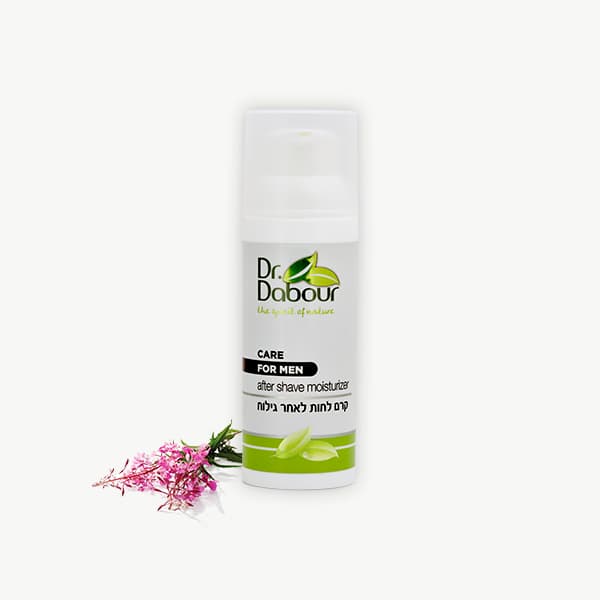
Dr. Dabour is an Israeli beauty brand founded in 2010 by Ziad Dabour and rooted in the Galilee region. Its profile is built around natural, plant-based skincare, local production, heritage, and a strong connection to where its products originate. That sense of place is central to the brand’s character. Rather than presenting natural beauty as a generic global concept, Dr. Dabour combines botanical formulation with locally made production, giving the range a distinctly regional identity. The brand is also vegan, making it relevant for shoppers looking for plant-focused beauty without animal-derived ingredients. Eco-friendly and sustainable beauty principles add a broader environmental dimension, complementing the natural formulation story. Heritage is another important part of Dr. Dabour’s positioning. It gives the brand more depth than a newer clean-beauty label built primarily around contemporary trends. Its products feel connected to a longer tradition of botanical and locally rooted care. Although its listed price range sits around mid-range, the brand carries a luxury beauty positioning through its ingredients, presentation, and emphasis on heritage. For customers looking for natural beauty with a strong regional identity, Dr. Dabour combines vegan skincare, plant-based ingredients, sustainability, local production, and heritage in an Israeli beauty brand designed for regular use as well as a more elevated self-care experience.

Olea Essence featured image

Olea Essence

Israel · Luxury

Olea Essence is an Israeli skincare brand from the Sea of Galilee region, founded by Avner Talmon. Its identity is closely tied to natural beauty, with plant-based ingredients and a formulation philosophy that feels more botanical than clinical. The brand sits within luxury beauty, but its appeal is not simply premium packaging or exclusivity. Olea Essence is better understood as a naturally focused skincare brand for people who want everyday products built around a more ingredient-conscious approach. Its cruelty-free positioning adds an animal-friendly dimension, while paraben-free and sulfate-free formulas make the range particularly relevant to shoppers who actively avoid those ingredients. Sustainability is another part of the brand’s profile, complementing its natural and plant-based positioning rather than feeling like an unrelated add-on. That combination gives Olea Essence a coherent identity: botanical skincare, conscious formulation, and products intended to be used consistently rather than saved for occasional treatments. Its regional roots also give the beauty brand a clear sense of place, distinguishing it from globally standardized skincare labels. For shoppers exploring luxury natural beauty, Olea Essence offers a combination of plant-based skincare, cruelty-free practices, paraben-free and sulfate-free formulations, sustainability, and everyday usability, all connected to its origins in Israel’s Sea of Galilee region.

Senteurs d’Orient featured image

Senteurs d’Orient

Lebanon · Luxury

Senteurs d’Orient is a Lebanese luxury beauty brand founded by Hana Debs Akkari and based in Beirut. The brand brings together clean beauty, plant-based ingredients, traditional craftsmanship, and heritage, creating products that feel closely connected to place rather than simply borrowing regional inspiration. Its vegan and cruelty-free positioning gives the brand a clear conscious-beauty profile, while paraben-free and silicone-free formulations make it particularly relevant for ingredient-conscious shoppers. Handcrafted and handmade production are central to the experience. This artisanal approach reinforces the brand’s Lebanese identity and gives the products a more personal character than mass-manufactured luxury beauty. Ethical and sustainable values extend that philosophy further. Recycled materials and locally made production add environmental considerations without separating them from the brand’s wider heritage story. Senteurs d’Orient sits firmly within luxury beauty, but its premium positioning comes from more than packaging or price. The brand’s strongest asset is the combination of craftsmanship, clean formulation, and cultural identity. For customers seeking luxury beauty with a clear sense of origin, Senteurs d’Orient brings together vegan and cruelty-free practices, plant-based formulas, sustainability, ethical production, recycled materials, local craftsmanship, and Lebanese heritage. It is especially compelling for shoppers who want premium products to feel connected to both place and tradition.

Delarta featured image

Delarta

United Arab Emirates · Est. 2017 · Mid-range

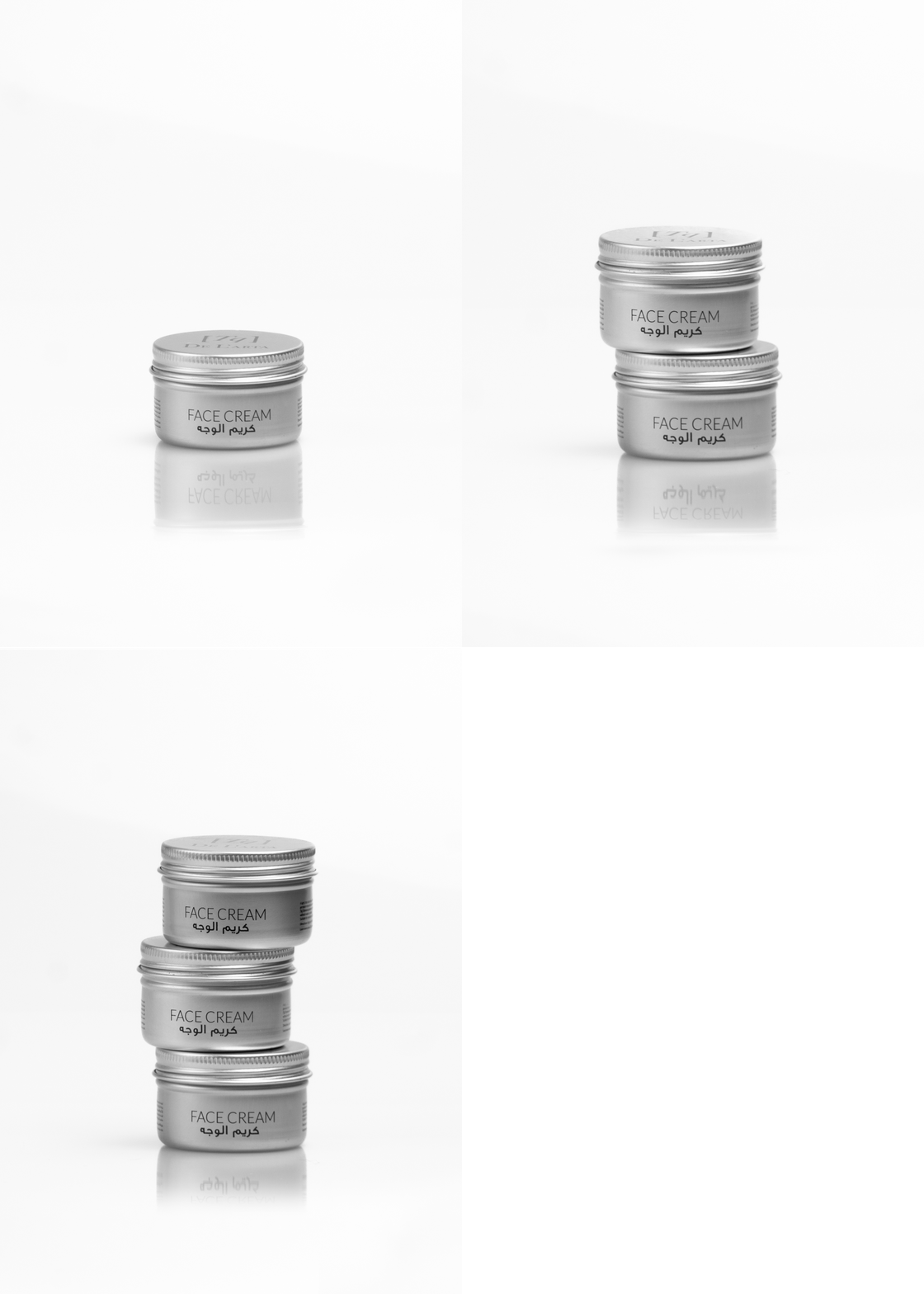
De L’Arta is a UAE beauty brand founded in 2017 by Lina Fayez Yousef, Saeed AlKhoori, and Sarah Yousef and based in Abu Dhabi. The brand combines clean beauty with plant-based ingredients, local production, and a strong sustainability profile. Its cruelty-free positioning makes De L’Arta relevant for shoppers who want animal-friendly products, while paraben-free and sulfate-free formulations add further appeal for ingredient-conscious customers. Sustainability is one of the most distinctive parts of the brand’s identity. Upcycled elements give it an additional environmental dimension, showing an interest in finding value in materials or ingredients that might otherwise be wasted. Locally made production reinforces De L’Arta’s connection to Abu Dhabi and helps the brand stand apart from globally standardized clean-beauty companies. The brand sits within the mid-range beauty category, offering a considered product experience without moving fully into luxury pricing. Its natural beauty positioning also complements the plant-based formulation profile, creating a strong fit for customers who want skincare or beauty products that feel both modern and connected to more conscious ingredient choices. For shoppers exploring Middle Eastern beauty, De L’Arta brings together clean formulation, cruelty-free values, sustainability, upcycling, local production, plant-based ingredients, and practical everyday use in a brand with a distinct UAE identity.

Manucurist featured image

Manucurist

France · Est. 1996 · Mid-range

Manucurist is a French beauty brand founded in 1996 by Gaëlle Lebrat-Personnaz and based in Paris. With roots dating back nearly three decades, the brand combines a long-standing European beauty identity with newer expectations around clean, vegan, and sustainable formulation. Plant-based beauty is central to its current profile. Manucurist is vegan and cruelty-free and is also associated with non-toxic and clean beauty, giving customers a more conscious alternative within its category. Sustainability adds another important layer. The brand’s locally made positioning keeps production closely connected to France, while its wider environmental approach helps distinguish it from conventional beauty companies that focus primarily on finish and performance. What is particularly interesting about Manucurist is the balance between heritage and modern values. Established in 1996, it predates much of the current clean-beauty movement, yet its present identity fits comfortably within vegan, cruelty-free, plant-based, and sustainability-conscious beauty. The mid-range price point also makes these qualities more accessible than traditional luxury products. For shoppers exploring European beauty, Manucurist offers a mature brand identity that combines French production, clean formulation, vegan and cruelty-free values, sustainability, local manufacturing, and everyday usability. Its longevity gives those qualities a different context from brands created specifically around recent conscious-beauty trends.

Dafna’s Skincare featured image

Dafna’s Skincare

Spain · Est. 2014 · Luxury

Dafna’s Skincare is a Spanish luxury beauty brand founded in 2014 by Dafna Shaham. The brand’s profile is strongly rooted in clean beauty, combining natural, organic, and plant-based ingredients with vegan and cruelty-free values. Rather than relying on a single “clean” claim, Dafna’s brings together several areas that matter to conscious skincare shoppers. Its products sit within organic and natural beauty, while the absence of parabens supports a more ingredient-conscious positioning. Vegan and cruelty-free practices add an animal-friendly dimension, and ethical and fair-trade values extend that philosophy into sourcing and production. This makes the brand particularly relevant for customers who want luxury skincare to reflect more than premium packaging. Dafna’s Skincare connects its elevated positioning with questions around where ingredients come from, how they are sourced, and what kinds of formulation standards are used. The brand also carries a sustainable beauty profile, fitting naturally with its focus on plant-based ingredients and ethical sourcing. Yet the products are intended for regular care, not simply occasional indulgence. For shoppers interested in European luxury beauty, Dafna’s Skincare offers a layered proposition: clean formulas, natural and organic ingredients, vegan and cruelty-free values, fair-trade principles, paraben-free beauty, and an ethical approach that gives its premium positioning greater substance.

LIHA Beauty featured image

LIHA Beauty

United Kingdom · Est. 2014 · Luxury

LIHA Beauty is a UK beauty brand founded in 2014 by Liha Okunniwa and Abi Oyepitan. The Black-owned and women-owned luxury brand brings together natural and plant-based beauty with heritage, ethical sourcing, and handmade production. Its vegan and cruelty-free positioning gives the brand a clear animal-friendly identity, while fair-trade and ethical values extend that consciousness into ingredient sourcing and production. Sustainability is another important part of LIHA Beauty’s profile. Combined with locally made and handmade production, it gives the brand an artisanal character that feels very different from conventional prestige beauty built around large-scale manufacturing. Heritage plays an especially meaningful role here. LIHA is not simply positioned as another natural skincare label; its story is closely connected to cultural influences, which gives the products a stronger sense of identity and provenance. Minimalist beauty also fits the brand’s approach. The emphasis is on considered products and intentional routines rather than excess. Overall, LIHA Beauty is a luxury UK beauty brand combining Black-owned and women-owned leadership, natural and plant-based ingredients, vegan and cruelty-free practices, ethical and fair-trade sourcing, sustainability, handmade production, local craftsmanship, and heritage. It is particularly well suited to shoppers who want premium beauty with a strong cultural and conscious foundation.

Kaeme featured image

Kaeme

Ghana · Est. 2016 · Mid-range

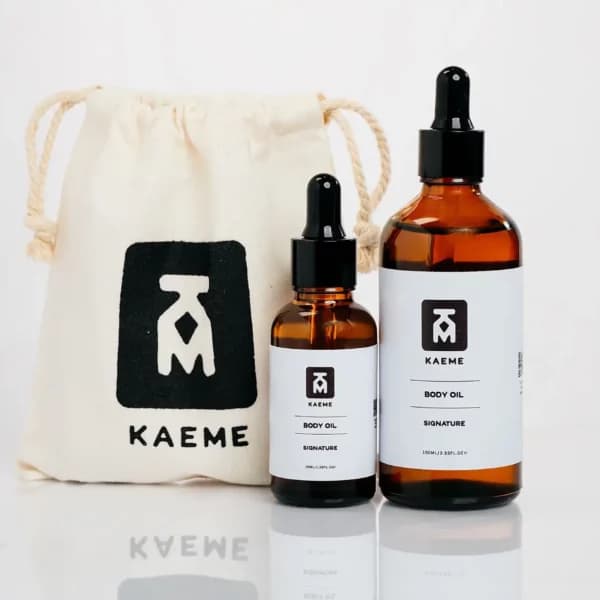
Kaeme is a Ghanaian beauty brand founded in 2016 by Freda Obeng-Ampofo. The women-owned brand is built around natural ingredients, plant-based beauty, local craftsmanship, and a strong connection to heritage. Handmade production plays an important role in Kaeme’s identity. Instead of presenting beauty as something detached from where it comes from, the brand keeps local production and craftsmanship visible, giving its products a stronger sense of origin. Ethical and fair-trade values add depth to that approach. They position Kaeme not simply as a natural beauty brand, but as one that also considers how ingredients and materials move through the supply chain. The brand sits within the mid-range beauty category, which allows it to feel more elevated than basic mass-market personal care while remaining more approachable than traditional luxury. Kaeme is particularly relevant for shoppers who value locally made beauty and products connected to African heritage. Its women-owned identity also gives customers another reason to support the brand beyond formulation alone. Overall, Kaeme combines natural and plant-based beauty, ethical and fair-trade sourcing, handmade production, locally made products, women-owned leadership, heritage, and mid-range pricing in a Ghanaian beauty brand that feels closely connected to both place and craftsmanship.

ORÍKÌ featured image

ORÍKÌ

Nigeria · Est. 2014 · Affordable

ORÍKÌ is a Nigerian beauty and wellness brand founded in 2014 by Joycee Awojoodu and based in Lagos. The Black-owned and women-owned brand draws on natural ingredients, plant-based beauty, heritage, and locally made production to create a distinctly African approach to self-care. Its formulation and sourcing values are a major part of the identity. ORÍKÌ is associated with vegan beauty as well as ethical and fair-trade practices, reflecting an emphasis on how ingredients are sourced and how production connects to local communities. Sustainability sits alongside these values, giving the brand a broader conscious-beauty profile. Its natural and plant-based positioning also helps create a strong connection between the products and the heritage traditions that inform the brand. Although the underlying price data places ORÍKÌ on the more accessible side, its presentation and subcategory positioning lean toward luxury beauty. That gives the brand an interesting balance: premium storytelling and heritage-led self-care without necessarily operating at the highest luxury price point. Overall, ORÍKÌ is a Nigerian beauty brand combining Black-owned and women-owned leadership, natural and plant-based formulas, vegan beauty, ethical and fair-trade sourcing, sustainability, locally made production, and heritage. It is particularly suited to shoppers who want beauty and wellness to feel connected to culture and responsible craftsmanship.

Divana Wellness featured image

Divana Wellness

Thailand · Est. 2001 · Luxury

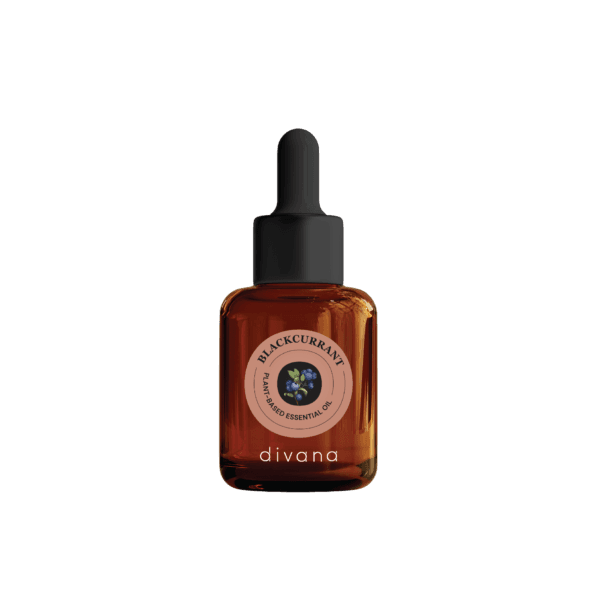
Divana Wellness is a luxury beauty and wellness brand founded in 2001 by Pattanapong Ranuraksa and Thaneth Jiraswakedelok and based in Bangkok, Thailand. The brand brings together natural beauty, plant-based ingredients, local production, and a strong connection to heritage, giving it a distinctly wellness-led identity. Rather than treating beauty as a purely cosmetic routine, Divana’s positioning feels closer to ritual and self-care. Natural and plant-based beauty sit at the center of the brand, while its heritage character helps connect those products to a broader sense of place and tradition. Locally made production is another important part of the story. It gives Divana Wellness a stronger connection to Thailand and helps distinguish the brand from luxury labels whose products are globally standardized with little relationship to where they originate. Sustainability also fits naturally into this approach. Combined with natural ingredients and local production, it supports a more considered form of luxury beauty that is not built only around packaging or exclusivity. For shoppers interested in premium self-care, Divana Wellness offers a different proposition from a conventional skincare or makeup brand. It combines luxury beauty with plant-based ingredients, natural formulation, sustainability, local craftsmanship, and heritage, making the brand especially relevant to customers who see wellness and beauty as part of the same everyday ritual.

Oasis Skin featured image

Oasis Skin

Mid-range

Oasis Skin is a beauty brand built around the idea that skincare can be effective without generating unnecessary waste. Its positioning combines natural and plant-based beauty with vegan values, cruelty-free practices, and a strong emphasis on refillable, low-waste consumption. That makes sustainability part of the brand experience rather than a separate marketing message. Refillable packaging and zero-waste thinking are among the clearest elements of the brand’s identity. For customers who are trying to reduce single-use beauty packaging, Oasis Skin offers a more practical route into sustainable beauty. Its eco-friendly approach is supported by locally made and hand-crafted production, giving the brand a smaller-scale, more intentional feel than mass-manufactured skincare. The formulas sit within natural and organic beauty, while the plant-based and vegan positioning makes the brand relevant for shoppers who want products aligned with animal-friendly values. Minimalist beauty is another natural fit: the focus is on simpler routines, thoughtful consumption, and choosing products with a clear purpose rather than building oversized collections. Oasis Skin sits comfortably in the mid-range beauty space. Its appeal is not just the formula itself, but the wider system around it—refills, reduced waste, hand-crafted production, and locally made care. For conscious shoppers, it brings together natural skincare, vegan beauty, sustainability, zero-waste principles, and everyday practicality in one coherent brand.

Waphyto featured image

Waphyto

Japan · Mid-range

Waphyto is a Japanese beauty brand founded by Atsuko Morita and based in Takasaki, Gunma. Its identity is rooted in the meeting point between clean beauty, natural ingredients, plant-based formulation, and a more elevated approach to everyday care. The result is a brand that feels polished and premium while still keeping sustainability and ingredient choices at the center of the conversation. The formulas align with paraben-free and sulfate-free beauty, while the brand’s ethical and fair-trade positioning adds depth beyond a simple “natural” label. Waphyto also places importance on locally made production, giving the brand a clear connection to Japan rather than presenting itself as a generic global clean-beauty line. Sustainability is one of its most defining themes. Recycled materials, eco-friendly practices, and responsible sourcing help shape the brand’s overall identity. Its women-owned background also makes it relevant for shoppers who actively seek founder-led beauty businesses with a strong point of view. Although the pricing sits around the mid-range, Waphyto has the finish and positioning of a luxury-leaning skincare brand. For shoppers interested in Japanese beauty that combines natural ingredients, clean formulations, ethical sourcing, sustainability, recycled materials, and locally made production, Waphyto offers a more thoughtful and refined alternative to conventional skincare.

FEMMUE featured image

FEMMUE

South Korea · Luxury

FEMMUE is a Korean luxury skincare brand founded by Jung Si-nae and Jung Hae-in and based in Seoul, South Korea. The beauty brand combines clean beauty with natural and plant-based formulations, creating an elevated approach to skincare. FEMMUE is a vegan and cruelty-free beauty brand, making it relevant for customers seeking animal-friendly luxury skincare. Its formulas are also paraben-free, supporting a more considered approach to ingredients. Ethical and sustainable beauty are important parts of the brand’s identity, alongside eco-friendly and biodegradable elements that reflect a broader commitment to reducing environmental impact. Natural beauty remains central to FEMMUE’s positioning, giving the brand a botanical character while still maintaining the polished experience expected from luxury Korean skincare. Overall, FEMMUE is a luxury Korean skincare brand combining clean beauty, vegan and cruelty-free practices, natural and plant-based formulas, paraben-free beauty, ethical sourcing, sustainability, and eco-friendly skincare.

mixsoon featured image

mixsoon

South Korea · Est. 2020 · Mid-range

mixsoon is a Korean skincare brand founded in 2020 by Hwang Joo-up and based in Seoul, South Korea. The beauty brand focuses on natural, ingredient-conscious skincare designed around simplicity and everyday use. Natural beauty is central to mixsoon’s identity, with plant-based and organic ingredients forming an important part of its approach. The brand also fits within clean beauty and emphasizes ethical and sustainable practices. Minimalist beauty is another defining element of mixsoon. Its products are designed to support uncomplicated routines, making the brand relevant for customers who prefer fewer, more purposeful skincare steps. Positioned within the mid-range Korean beauty category, mixsoon balances accessible skincare with a more considered approach to ingredients and sustainability. Overall, mixsoon is a mid-range Korean skincare brand combining natural beauty, plant-based and organic ingredients, ethical values, sustainability, minimalist skincare, and everyday beauty.

TOCOBO featured image

TOCOBO

Est. 2021 · Mid-range

TOCOBO is a Korean skincare brand founded in 2021 by Lee Byung-hoon. The beauty brand focuses on approachable skincare designed for simple, consistent everyday routines. As a vegan and cruelty-free beauty brand, TOCOBO appeals to shoppers looking for animal-friendly Korean skincare. Its plant-based positioning also makes the brand relevant for customers who prefer formulas built around more naturally derived ingredients. Sensitive-skin-friendly beauty is another important part of TOCOBO’s identity. The brand’s products are designed to fit comfortably into regular routines, making them suitable for shoppers who want practical skincare without unnecessary complexity. Positioned within affordable Korean beauty, TOCOBO offers an accessible entry point into modern K-beauty while maintaining a more considered approach to ingredients and formulation. Overall, TOCOBO is an affordable Korean skincare brand combining vegan beauty, cruelty-free practices, plant-based formulas, sensitive-skin-friendly skincare, and practical everyday beauty.

Irene Forte Skincare featured image

Irene Forte Skincare

Italy · Est. 2018 · Luxury

Irene Forte Skincare is a European luxury beauty brand founded in 2018 by Irene Forte and based in Sciacca, Sicily, Italy. The skincare brand combines natural and plant-based ingredients with a premium approach to modern beauty. The brand is vegan and cruelty-free, while clean beauty, ethical sourcing, and sustainability are central to its positioning. Irene Forte Skincare is also associated with organic beauty, helping it appeal to customers looking for elevated formulas rooted in more naturally focused ingredients. Its sustainability approach includes recycled materials, refillable concepts, upcycled elements, and circular beauty practices. Locally made production further strengthens the brand’s connection to Sicily and European craftsmanship. As a B Corp beauty brand, Irene Forte also reflects a broader commitment to responsible business practices alongside product quality. Overall, Irene Forte Skincare is a luxury European beauty brand combining natural and organic skincare, vegan and cruelty-free practices, ethical sourcing, sustainability, recycled and refillable packaging, locally made production, and premium beauty.

Can't find what you're looking for?

We add new sites every week but if you have a specific request, let us know.

About plant-based brands

Checking Plant-Based Ingredients

Plant-based is not a regulated term, and a product can contain a high proportion of plant ingredients while still including some animal-derived or synthetic ones. Look at the ingredient list for botanical names, which often appear in Latin, such as Butyrospermum parkii for shea butter or Simmondsia chinensis for jojoba oil. If you want to avoid animal ingredients entirely, look for vegan certification as well. Plant-based brands that state the percentage of plant-derived ingredients, or hold standards such as COSMOS Natural, give the clearest information. Ingredients are listed in descending order of concentration, so the first few tell you the most about a formula. Phrases such as 'with plant extracts' can describe only a tiny amount.

Putting Botanicals First

Plant oils, butters and extracts have long been valued for nourishing skin and hair, and modern formulations combine them with careful science to create effective products. Choosing plant-based brands can mean relying more on renewable ingredients and less on animal-derived ones. Many people also enjoy the textures and natural scents that botanical ingredients bring to their routine. As with any product, natural ingredients can cause sensitivities, so patch-testing is sensible, but for those who prefer nature-led self-care, these formulas are a thoughtful and appealing option.

Frequently asked questions

What does plant-based mean in beauty?
Plant-based beauty relies mainly on ingredients derived from plants, such as oils, butters, extracts and botanical actives, rather than animal-derived or heavily synthetic ingredients. The proportion of plant ingredients varies from product to product, and the term isn't regulated, so the brand's own explanation is worth reading.
Is plant-based the same as vegan?
No. Vegan means a product contains no animal-derived ingredients at all. Plant-based means plants make up most of the formula, but some products may still contain animal-derived ingredients such as beeswax or honey. If avoiding animal ingredients matters to you, look for a vegan claim or certification too.
Are plant-based products better for sensitive skin?
Not automatically. Many plant ingredients are soothing, but others, including some essential oils and extracts, can irritate. How a formula is made matters more than where its ingredients come from. Check for your known triggers and patch-test new products, just as you would with any other skincare.
Are plant-based products more sustainable?
They can be, as plant ingredients are renewable. However, the impact depends on how crops are farmed, how far they travel and how they're processed. Brands that share where their ingredients are sourced, and whether they're grown responsibly, give you a clearer sense of the overall footprint.
How do I read plant ingredients on a label?
Plant ingredients are often listed by their botanical Latin names, followed by the plant part used, such as seed oil or leaf extract. Ingredients appear in order of concentration, so those near the top make up more of the product. A quick online search will reveal what any unfamiliar name means.
How are brands chosen for this list of plant-based brands?
Brands register themselves and explain the botanical ingredients and values behind their formulas. From The Labels is a curated platform for homegrown and emerging labels, so investor backing is fine but corporate ownership isn't; a brand bought by a large corporation drops out. Check ingredient lists, and look for vegan certification if that matters to you.
Do plant-based haircare products work for all hair types?
Many do, though results depend on the formula and your hair. Rich butters and oils can suit dry or textured hair, while lighter extracts often work better for fine hair. Trying products from the top plant-based brands designed for your hair type is the best way to find what works.