#black-owned

List of 30+ Black-Owned Brands

Explore 30+ Black-owned brands founded and run by Black entrepreneurs across beauty, haircare and fashion. A brand counts as Black-owned when Black founders or owners hold the business, shaping everything from product development to brand story and the communities it serves. Beauty and skincare form the largest group here, followed by a strong haircare selection, plus a few clothing and footwear labels. Great for discovering new favourites for your skin, hair and wardrobe, and getting to know the founders behind them. Use this list of Black-owned beauty brands to compare options and support founders whose products you love.

Tagged Brands

OwnBrown featured image

OwnBrown

Switzerland · Est. 2015 · Affordable

ownbrown is a European lingerie label for women of colour, founded in Bellmund near Biel, Switzerland in 2015 by Nadine Ndjoko Peisker. A lawyer who has worked for the Swiss Federal Department of Foreign Affairs, Ndjoko Peisker started the brand out of frustration: as one of the few Black female lawyers in Switzerland, she could not find skin-coloured tights to wear to court or nude lingerie for under professional dresses and white shirts. ownbrown is built on the belief that freedom and confidence are gifts everyone deserves. The range includes bras, high-waisted briefs, thongs, tights and knee-high hosiery in a choice of nude shades tone-matched to brown skin, rather than treating beige as a universal nude. Pieces are made in Italy and designed to be comfortable and easy to wear. The black-owned, women-owned brand focuses on high-quality basics that let women dress confidently for work and every day, celebrating "your own brown" from London to Lagos. ownbrown has been featured in the Lingerie Journal and The New Black Magazine, and in 2019 its founder collaborated with Sephora.

Topicals featured image

Topicals

United States · Est. 2019 · Mid-range

Topicals is an American beauty brand founded in 2019 by Olamide Olowe and Claudia Teng and based in Los Angeles, California. The Black-owned and women-owned brand sits within the mid-range segment and combines vegan, cruelty-free, and dermatologist-tested beauty with products intended for consistent everyday routines. Founder identity is an important part of the brand’s profile. As a Black-owned and women-owned beauty company, Topicals brings greater representation into a category where ownership has traditionally been concentrated among larger established players. Its formulation values also give shoppers clear points of reference. Vegan and cruelty-free positioning makes the brand relevant for customers who prioritize animal-friendly beauty, while dermatologist testing adds a more clinical element. The everyday beauty focus keeps the brand practical. Rather than positioning its products as occasional luxury treatments, Topicals is designed around routines people can maintain consistently. Its mid-range pricing supports that balance: the brand feels more specialized than basic mass-market beauty without becoming financially inaccessible in the way many prestige skincare labels can. For customers interested in independent American beauty, Topicals brings together Black-owned and women-owned leadership, vegan formulas, cruelty-free practices, dermatologist-tested products, accessible mid-range pricing, and everyday usability. Those qualities give the brand an identity that combines representation, formulation standards, and practical skincare rather than relying on a single trend.

LIHA Beauty featured image

LIHA Beauty

United Kingdom · Est. 2014 · Luxury

LIHA Beauty is a UK beauty brand founded in 2014 by Liha Okunniwa and Abi Oyepitan. The Black-owned and women-owned luxury brand brings together natural and plant-based beauty with heritage, ethical sourcing, and handmade production. Its vegan and cruelty-free positioning gives the brand a clear animal-friendly identity, while fair-trade and ethical values extend that consciousness into ingredient sourcing and production. Sustainability is another important part of LIHA Beauty’s profile. Combined with locally made and handmade production, it gives the brand an artisanal character that feels very different from conventional prestige beauty built around large-scale manufacturing. Heritage plays an especially meaningful role here. LIHA is not simply positioned as another natural skincare label; its story is closely connected to cultural influences, which gives the products a stronger sense of identity and provenance. Minimalist beauty also fits the brand’s approach. The emphasis is on considered products and intentional routines rather than excess. Overall, LIHA Beauty is a luxury UK beauty brand combining Black-owned and women-owned leadership, natural and plant-based ingredients, vegan and cruelty-free practices, ethical and fair-trade sourcing, sustainability, handmade production, local craftsmanship, and heritage. It is particularly well suited to shoppers who want premium beauty with a strong cultural and conscious foundation.

ORÍKÌ featured image

ORÍKÌ

Nigeria · Est. 2014 · Affordable

ORÍKÌ is a Nigerian beauty and wellness brand founded in 2014 by Joycee Awojoodu and based in Lagos. The Black-owned and women-owned brand draws on natural ingredients, plant-based beauty, heritage, and locally made production to create a distinctly African approach to self-care. Its formulation and sourcing values are a major part of the identity. ORÍKÌ is associated with vegan beauty as well as ethical and fair-trade practices, reflecting an emphasis on how ingredients are sourced and how production connects to local communities. Sustainability sits alongside these values, giving the brand a broader conscious-beauty profile. Its natural and plant-based positioning also helps create a strong connection between the products and the heritage traditions that inform the brand. Although the underlying price data places ORÍKÌ on the more accessible side, its presentation and subcategory positioning lean toward luxury beauty. That gives the brand an interesting balance: premium storytelling and heritage-led self-care without necessarily operating at the highest luxury price point. Overall, ORÍKÌ is a Nigerian beauty brand combining Black-owned and women-owned leadership, natural and plant-based formulas, vegan beauty, ethical and fair-trade sourcing, sustainability, locally made production, and heritage. It is particularly suited to shoppers who want beauty and wellness to feel connected to culture and responsible craftsmanship.

Nuban Beauty featured image

Nuban Beauty

Nigeria · Est. 2017 · Affordable

Nuban Beauty is a Nigerian beauty brand founded in 2017 by Stella Ndekile. The Black-owned and women-owned company is positioned within affordable beauty, with products designed to feel approachable enough for everyday routines rather than reserved for premium or occasional use. Accessibility is central to the brand’s appeal. By staying within the affordable segment, Nuban Beauty gives customers more room to explore makeup and beauty products without the higher costs associated with prestige brands. Its ownership also gives the brand a distinctive place within Nigerian beauty. For shoppers interested in supporting Black-owned and women-owned businesses, Nuban Beauty offers a locally rooted alternative to multinational cosmetics companies. The everyday beauty positioning keeps the brand practical. Products are suited to regular routines, allowing customers to use them for work, casual wear, or more polished looks without feeling that the range is built only around trends or professional artistry. Nuban Beauty’s strength lies in the simplicity of that proposition: accessible pricing, locally relevant beauty, and founder-led ownership. It is an affordable Nigerian beauty brand for customers who want everyday products while also supporting a Black-owned and women-owned business with a clear connection to the local beauty market.

House of Tara featured image

House of Tara

Nigeria · Est. 1998 · Affordable

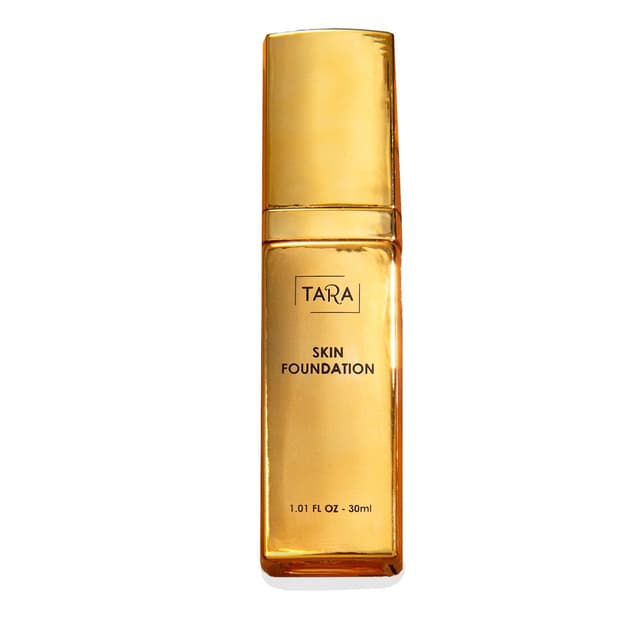
House of Tara is a Nigerian beauty brand founded in 1998 by Tara Fela-Durotoye and based in Lagos. With roots stretching back to the late 1990s, the brand carries a level of heritage that distinguishes it from many newer African beauty companies. Its Black-owned and women-owned identity is central to the story. House of Tara represents founder-led Nigerian beauty with a long-standing local presence, making it relevant not only as a cosmetics business but also as part of the wider development of modern African beauty entrepreneurship. Sustainability and ethical beauty are also part of its current positioning. These values sit alongside its everyday beauty focus, helping the brand remain relevant to customers who want products that are practical while still reflecting broader social and environmental considerations. Pricing places the brand around the accessible to mid-range segment, making it easier for customers to engage with a heritage beauty name without the barriers associated with luxury cosmetics. Overall, House of Tara is a Nigerian beauty brand shaped by heritage, Black-owned and women-owned leadership, sustainability, ethical values, and everyday usability. Its longevity is one of its strongest assets, giving the brand a sense of continuity in a beauty market that often changes quickly.

Suki Suki Naturals featured image

Suki Suki Naturals

South Africa · Est. 2014 · Affordable

Suki Suki Naturals is a South African beauty brand founded in 2014 by Linda Gieskes-Mwamba and based in Johannesburg. The Black-owned and women-owned brand brings together clean beauty, natural ingredients, hand-crafted production, and a strong connection to locally made skincare. Its approach feels distinctly independent. Rather than relying on large-scale manufacturing or a generic global aesthetic, Suki Suki Naturals uses craftsmanship and local production as part of its identity. That gives the brand a closer relationship to its South African roots and to shoppers who prefer smaller founder-led beauty companies. Cruelty-free beauty is another important part of the brand’s positioning, while sustainability adds a broader environmental dimension. These values sit naturally alongside its clean and natural beauty profile. The brand falls around the accessible-to-mid-range segment, giving customers a more considered experience without pushing entirely into luxury pricing. This makes its natural and sustainable approach easier to incorporate into everyday routines. Suki Suki Naturals is especially relevant for shoppers looking for a Black-owned beauty brand that combines clean formulations, natural ingredients, cruelty-free practices, sustainability, women-owned leadership, local craftsmanship, and everyday usability. Its identity is rooted as much in who makes the products and where they come from as in the products themselves.

P

Portia M Skin Solutions

South Africa · Est. 2011 · Affordable

Portia M is a South African skincare brand founded in 2011 by Portia Matshidiso-Mngomezulu and based in Phalaborwa, Limpopo. As a Black-owned and women-owned beauty brand, its identity is closely tied to local entrepreneurship and a distinctly South African approach to everyday skincare. Natural beauty is an important part of the brand’s positioning. That focus, together with locally made production, gives Portia M a grounded sense of place and helps distinguish it from imported skincare labels that may not speak directly to local consumers. Its affordable beauty positioning is also significant. Portia M makes locally rooted skincare accessible to a wider audience, rather than treating natural ingredients or founder-led beauty as premium-only concepts. Everyday beauty is where the brand feels most relevant. Its products are suited to routine use, making the brand less about occasional indulgence and more about consistent care. Portia M’s strongest differentiator is the combination of ownership, accessibility, and local production. For customers who actively seek Black-owned beauty brands, women-owned businesses, natural skincare, and locally made South African products, Portia M offers all of these values within an affordable framework designed for everyday routines rather than luxury consumption.

LYS Beauty featured image

LYS Beauty

United States · Est. 2021 · Mid-range

LYS Beauty is an American makeup brand founded in 2021 by Tisha Thompson and based in Kennesaw, Georgia. The Black-owned beauty brand combines accessible cosmetics with clean beauty principles and products designed for everyday wear. LYS is a vegan and cruelty-free beauty brand with plant-based formulas and an ingredient-conscious approach. Its products are also positioned as paraben-free and sulfate-free, making the brand relevant for customers looking for cleaner formulation standards within modern makeup. Sustainability is another part of the brand’s identity, supported by the use of recycled materials and a broader focus on more responsible beauty choices. Although the brand maintains an accessible approach to pricing, its presentation and formulas give customers an elevated experience without traditional luxury costs. Overall, LYS Beauty is an American clean makeup brand combining Black-owned beauty, vegan and cruelty-free formulas, plant-based ingredients, paraben-free and sulfate-free beauty, recycled materials, sustainability, and everyday cosmetics designed for modern routines.

Arami Essentials featured image

Arami Essentials

Nigeria · Est. 2016 · Affordable

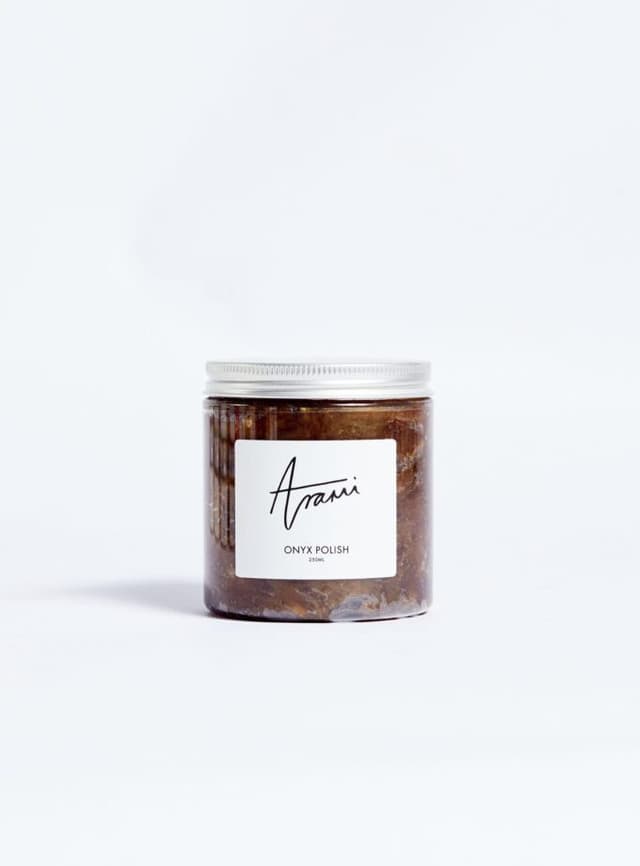
Arami Essentials is a Nigerian skincare and beauty brand founded in 2016 by Ore Runsewe and based in Lagos. The Black-owned beauty brand draws on African beauty traditions while creating practical products designed for modern skincare and personal care routines. Natural beauty is central to Arami Essentials, with products developed around carefully selected ingredients and a non-toxic approach to formulation. The brand is cruelty-free and avoids parabens, sulfates, and silicones, making it relevant for ingredient-conscious shoppers. Sustainability also plays an important role in the brand’s identity. Arami Essentials incorporates refillable and recycled elements, locally made production, and more thoughtful packaging choices into its broader approach. Its hand-crafted character and connection to heritage beauty give the brand a distinct sense of place, while its minimalist philosophy keeps products suitable for straightforward everyday routines. Overall, Arami Essentials is a Nigerian beauty brand combining natural skincare, cruelty-free practices, paraben-free and sulfate-free formulas, sustainable beauty, refillable packaging, locally made craftsmanship, African heritage, and minimalist everyday care.

Nokware Skincare featured image

Nokware Skincare

Ghana · Est. 2017 · Mid-range

Nokware Skincare is a Ghanaian beauty brand founded in 2017 by Tutuwa Ahwoi and Akyaa Ampa-Sowa and based in Accra. The Black-owned and women-owned brand creates skincare inspired by African ingredients, traditional beauty knowledge, and locally rooted craftsmanship. Natural beauty is central to Nokware’s identity, with clean formulations and hand-crafted production supporting its connection to traditional skincare practices. Ethical and fair-trade principles are also important to the brand, particularly in its approach to sourcing and working with local communities. Sustainability forms another major part of Nokware’s positioning. The beauty brand incorporates refillable concepts, eco-friendly practices, and locally made production to help reduce unnecessary environmental impact. Its heritage-inspired approach gives the brand a distinctive identity while its minimalist, everyday products keep the skincare practical and approachable. Overall, Nokware Skincare is a Ghanaian beauty brand combining Black-owned and women-owned leadership, natural skincare, ethical and fair-trade sourcing, sustainability, locally made craftsmanship, refillable beauty, African heritage, and accessible everyday skincare.

lelive featured image

lelive

South Africa · Est. 2021 · Affordable

lelive is a South African skincare brand founded in 2021 by Amanda Du-Pont and based in Cape Town. The Black-owned and women-owned beauty brand creates modern skincare with a strong connection to African beauty, locally made production, and conscious formulation. The brand fits naturally within clean and natural beauty, with vegan and cruelty-free products forming an important part of its identity. Its formulas are also developed without parabens, silicones, and sulfates and are dermatologist-tested for a more considered skincare experience. Sustainability and ethical beauty are central to lelive’s positioning. The brand incorporates eco-friendly practices and locally made production while maintaining a minimalist approach to skincare routines. Its products are designed for everyday use, balancing elevated formulation with practical application. This makes lelive appealing to customers looking for modern African skincare that combines performance with conscious values. Overall, lelive is a South African beauty brand combining Black-owned and women-owned beauty, clean skincare, vegan and cruelty-free formulas, sustainable practices, locally made production, and minimalist everyday beauty.

54 Thrones featured image

54 Thrones

United States · Est. 2016 · Mid-range

54 Thrones is an American beauty brand founded in 2016 by Christina Funke Tegbe and based in Houston, Texas. The Black-owned and women-owned beauty brand draws inspiration from African beauty traditions, ingredients, and rituals, creating skincare and body care that connect modern beauty with heritage. The brand fits naturally within clean and natural beauty, using plant-based and organic ingredients as part of its approach. Ethical sourcing and sustainability are also central to 54 Thrones, reflecting the brand’s emphasis on responsible relationships with ingredients, communities, and traditional beauty practices. Hand-crafted elements further reinforce the brand’s connection to heritage beauty and independent production. Rather than treating African ingredients simply as trends, 54 Thrones builds its identity around their cultural context and long-standing use within beauty and self-care. Positioned within the mid-range beauty category, the brand offers an accessible way to explore elevated natural skincare while maintaining a strong focus on everyday beauty. Overall, 54 Thrones combines Black-owned beauty, women-owned leadership, clean beauty, natural and organic ingredients, ethical sourcing, sustainability, heritage, and plant-based skincare in a distinctive American beauty brand.

Klur featured image

Klur

United States · Est. 2015 · Luxury

KLUR is an American skincare brand founded in 2015 by Lesley Thornton and based in Los Angeles, California. The Black-owned and women-owned beauty brand is positioned within luxury beauty, combining sophisticated skincare with a strong focus on conscious formulation and responsible beauty practices. KLUR is a vegan and cruelty-free beauty brand with plant-based formulas that align closely with clean beauty principles. Its products are also formulated without parabens and sulfates, making the brand relevant for shoppers looking for premium skincare with thoughtfully considered ingredient standards. Sustainability is another important part of KLUR’s identity. The brand incorporates eco-friendly practices and recycled materials into its approach, reflecting a broader commitment to reducing environmental impact while maintaining an elevated presentation. Despite its luxury positioning, KLUR is designed around skincare that can be integrated into everyday beauty routines. This balance between premium formulation and practical use makes it appealing to customers who want sophisticated products without unnecessary complexity. Overall, KLUR combines Black-owned beauty, women-owned leadership, vegan skincare, cruelty-free practices, plant-based formulas, sustainable values, and luxury beauty within a modern Los Angeles skincare brand.

Beneath Your Mask featured image

Beneath Your Mask

United States · Est. 2016 · Luxury

Beneath Your Mask is a luxury American clean beauty brand founded by Dana Jackson, and its origin is medical rather than commercial. In 2011 she was diagnosed with systemic lupus erythematosus and lupus nephritis, and relocated to Los Angeles for treatment. The products available to her were either too harsh for a compromised immune system or too weak to help. She created the first, Heal: Whipped Skin Soufflé, in 2012. The name refers to the figurative masks people wear. The brand's line is that beneath that mask lies a beauty which does not need society's approval to exist. Products are formulated in Los Angeles using mostly certified organic, organic or wild-harvested botanicals, handcrafted rather than mass produced. Formulations exclude parabens, sulfates, harsh detergents, phthalates, synthetic fillers, artificial colours, artificial fragrances and artificial preservatives. Most products are vegan, with the Illuminate mask containing honey and the Remedy lip balm containing beeswax, and the brand names both exceptions openly. Everything is packaged in Miron violet glass, which filters damaging light wavelengths and protects potency without synthetic preservatives. Hero products include Heal: Whipped Skin Soufflé and the Illuminate Clarifying Face Mask. Nourish Skin & Hair Serum, Polish Detoxifying Body Scrub and the Remedy Conditioning Lip Balm complete the line. A quarterly giving programme supports minority women living with lupus and other autoimmune conditions, covering groceries, supplements, bodywork and household help. For anyone researching luxury clean beauty, natural beauty or skincare for autoimmune and highly reactive skin, this brand is exceptional. Few founders understand reactive skin from the inside as well as this one does.

Pholk Beauty featured image

Pholk Beauty

United States · Est. 2018 · Mid-range

Pholk Beauty is an American skincare brand founded by Niambi Cacchioli in Jersey City, New Jersey, and its FAQ states clearly that Pholk is Black woman owned and operated. The brand calls its products soul food for the skin, and the phrase is literal rather than decorative. Formulations are built on heirloom superfoods of the African Diaspora and the American South. The brand's stated interest is supporting healthy melanin function for all skin types, using what it calls sun-adaptive superfoods. Ingredients carry named origins, which is rare at this price. Cold-pressed hibiscus oil comes from Senegal, moringa from Ghana, Kalahari watermelon seed oil from South Africa, white frankincense from Somalia and hemp seed oil from Kentucky, alongside chaga phyto-melanin and okra seed oil. Sourcing is treated as the substance of the brand rather than a footnote. Pholk buys from Black American farmers including Nebedaye Farms in North Carolina and Tall Grass Food Box, and has committed to investing in processing equipment for those farm partners, including a herbal still. The founder describes going to farms with an open mind and co-creating the key ingredient list with the growers themselves. Hero products include The FlexNectar Complexion Oil, The NightNectar, the Glow Replenish Face Wash and the GoldenBod Barrier Balm with chaga phyto-melanin. Prices run from $20 to $45. For anyone researching Black-owned beauty, natural beauty, affordable beauty or skincare with a genuinely traceable agricultural supply chain, Pholk Beauty is one of the most thoughtful independents in America. Every ingredient can be traced back to a named farm.

Scotch Porter featured image

Scotch Porter

United States · Est. 2015 · Mid-range

Scotch Porter is an American men's grooming brand founded in 2015 by Calvin Quallis, and its blog states plainly that it is a Black-owned men's grooming brand. The origin sits in barbershops, first his mother's and later his own experience of a category that offered men either cheap products full of filler or expensive ones with no substance. Scotch Porter closed that gap. The line covers beard, hair, skin and body. It is built on more than twenty-six active ingredients, including biotin liposomes, burdock root, nettle leaf, kale protein, aloe and shea. Most core products stay between $14 and $20. The ingredient philosophy is refreshingly unideological: not all natural ingredients are safe, and not all synthetic ingredients are unsafe. What the brand does exclude is specific and published, covering parabens, sulfates, petroleum and mineral oil, talc, BHA, formaldehyde, silicones, BPA and PFAs, polyethylene and microbeads, toluene, triclosan, carbon black and phthalates. No animal ingredients are used and products are not tested on animals. Hero products include the Beard Oil, Beard Balm, Leave-In Beard Conditioner, Curls & Waves Hair Balm and the Curls & Waves Hair Shampoo. The Social Impact Fund directs a share of sales into education and job training, entrepreneurship and reducing recidivism, working with America on Tech, Manifest Works and Make USA. For anyone researching Black-owned beauty, American beauty, affordable beauty or men's grooming that takes textured hair and beard care seriously, Scotch Porter set the modern standard. It made a category that once ignored Black men take them seriously.

Buttah Skin featured image

Buttah Skin

United States · Est. 2018 · Mid-range

Buttah Skin was founded in 2018 by Dorion Renaud, who grew up in Beaumont, Texas, and built the brand around a problem the industry had ignored: skincare designed specifically for melanin-rich skin. The brand describes itself as proudly Black-founded and led by a team of women, and it markets itself plainly as the best skincare for women of colour. The clinical case behind that positioning is sound. Deeper skin tones are more prone to post-inflammatory hyperpigmentation, and aggressive treatment often makes dark marks worse rather than better, so the formulations aim for results without provoking a reaction. Products are made in the USA, and the Facial Shea Butter uses 100% pure organic virgin shea butter sourced from Ghana. The CocoShea blend of African butters runs through the range. The hero is the Anti-Dark Spot 15% Vitamin C Serum, built with L-ascorbic acid, ferulic acid, turmeric root and green tea. It sits alongside the 0.5% Everlasting Retinol Oil, the CocoShea Revitalizing Cream Moisturizer and the Gentle Cleanser. The Invisible Tinted Mineral Facial Sunscreen SPF 30 is formulated to avoid a white cast. A published four-week third-party clinical study covered thirty-six participants aged thirty to fifty-five, all Fitzpatrick IV to VI. It reported 100% showing marked improvement in brightness, over 80% with significant improvement in evenness, and 90% reporting dark spot improvement. The brand is cruelty-free. Prices run from $17 to $49. For anyone researching Black-founded beauty, American beauty, affordable beauty or hyperpigmentation care for deeper skin, Buttah Skin is essential reading.

Hyper Skin featured image

Hyper Skin

United States · Est. 2019 · Mid-range

Hyper Skin is an American skincare brand founded by Desiree Verdejo, who previously ran the Harlem beauty store Vivrant Beauty. Widely covered in the beauty press as a Black-owned brand, it was built to answer a gap the industry had ignored for decades. Most brightening and dark spot products were developed and tested on light skin, then sold to everyone. Deeper skin tones are more prone to hyperpigmentation and also more likely to react badly to aggressive treatment, which is a difficult formulation problem. Hyper Skin set out to solve exactly that. The brand describes itself as clinical skincare rooted in diversity and joy, developed for all skin types and tones through the lens of skin of colour. Formulas are hyper-balanced, meaning gentle enough for deeper and sensitive skin, yet strong enough to work. The range is small and focused. Hyper Even Brightening Dark Spot Vitamin C Serum is the award-winning hero, built with vitamin C, turmeric and kojic acid. It sits alongside the Hyper Even Fade and Glow AHA Mask, the Gentle Brightening Cleansing Gel and Hyper Daily Invisible for All SPF 50 Sun Drops, a sunscreen made to leave no white cast. The brand is vegan and does not test on animals, testing instead on people across a wide range of skin tones. Parabens, sulfates and phthalates are avoided. Prices run from $28 to $48. For American beauty, affordable beauty, vegan beauty or hyperpigmentation care that actually accounts for deeper skin, Hyper Skin matters. The range is short by design. Every product has a clear job.

ROSEN Skincare featured image

ROSEN Skincare

United States · Est. 2017 · Affordable

Rosen Skincare is an American acne care brand built by someone who could not find a solution that worked for her own skin. Founder Jamika created it after years of searching, and the brand states its ownership directly on its product pages: Black-owned, woman-owned, made in the USA. That plainness runs through everything it does. The proposition is authentic acne care, research-backed and made for real skin. Rosen blends clinical performance with natural ingredients in what it describes as clean, culturally rooted formulas, and its range of cleansers, treatments, masks and moisturisers is built around ingredients that address breakouts without stripping the skin. The brand explicitly focuses on melanated skin, formulating for the post-inflammatory hyperpigmentation that follows acne on deeper skin tones, a problem the mainstream acne market has consistently under-served despite it being the most common complaint among the people it affects. That focus, rather than any single ingredient, is what makes Rosen genuinely useful. The brand's ambition is stated as creating the next generation of mass acne care, which means accessibility rather than exclusivity, and products are priced in the affordable tier so that consistent daily use is realistic rather than rationed. Everything is made in the United States. For shoppers searching for affordable, clean, natural American skincare from a women-owned and Black-owned business with genuine research behind it and formulations designed specifically for melanated skin and everyday acne management, Rosen Skincare is one of the most purposeful independent brands currently working in the category.

The Lip Bar featured image

The Lip Bar

United States · Est. 2012 · Affordable

The Lip Bar is one of the most significant Black-owned beauty businesses in America, and its origin story has become genuinely well known. Founder and CEO Melissa Butler, a Wall Street expat and self-described Shark Tank reject, began making lipstick in her Brooklyn kitchen in 2012 because the shades she wanted did not exist. Today the brand is headquartered in Detroit with its own flagship store and is stocked in Target nationwide. The brand states its ownership plainly on its own site: Black Woman Owned, founded and owned by Women of Color, and the number one independent Black-owned beauty brand among all multicultural colour cosmetics. That is not marketing applied afterwards, it is the reason the company exists. The range spans lips, complexion, eyes and curated Fast Face routine kits, built on the principle of maximum impact with minimal effort. Products are one hundred percent vegan and cruelty-free, formulated with a blend of natural ingredients including shea butter, avocado oil, coconut oil and vitamin E. The brand is careful about what it does not claim, stating openly that its products are not certified organic. All products except one palette are talc-free, no product contains fragrance, and the positioning is unapologetically non-toxic beauty essentials for non-toxic people. Priced in the affordable tier, the brand keeps genuinely pigmented colour accessible. For shoppers searching for affordable, vegan, natural, cruelty-free American beauty from a women-owned and Black-owned business built for a full spectrum of skin tones, The Lip Bar is a landmark.

Fashion Fair featured image

Fashion Fair

United States · Est. 1973 · Mid-range

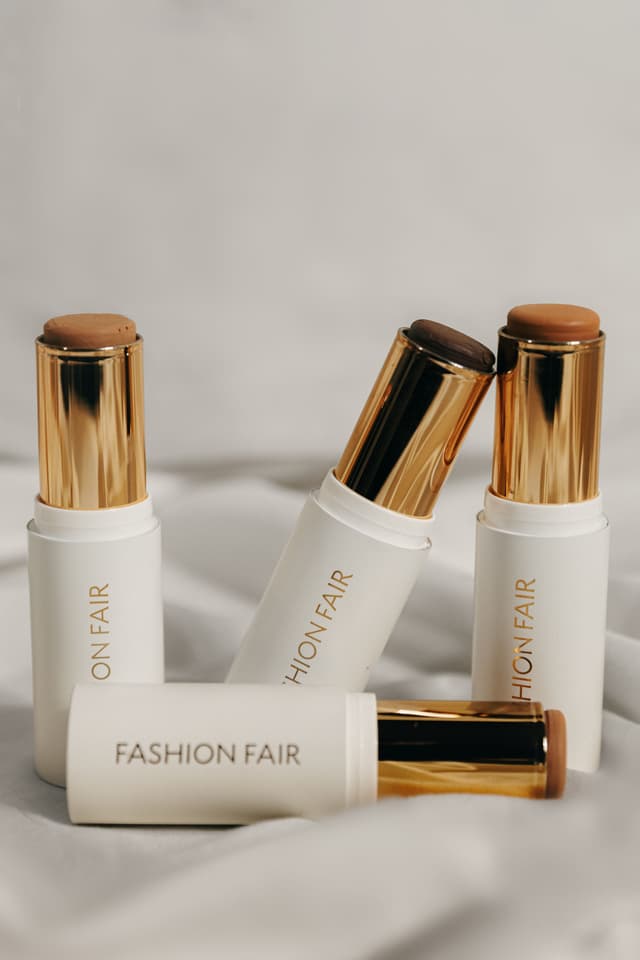
Fashion Fair is a landmark in American beauty and one of the most historically significant Black-owned cosmetics brands ever created. Founded in 1973 by Eunice Johnson of Johnson Publishing, the company behind Ebony, it was the first international prestige cosmetics brand developed for deeper skin tones, sold in stores from Neiman Marcus to Printemps at a time when no major house served those customers at all. That history is the brand's foundation, not its whole story. After acquisition and relaunch, Fashion Fair is once again Black-owned and led by Black women executives, both formerly of Johnson Publishing, continuing a lineage rather than borrowing one. Its return has been widely covered in the American press as a rare example of a heritage Black-owned brand returning to Black ownership. The brand describes itself as celebrating diversity, pioneering beauty and elevating deeper skin tones since 1973, and marks fifty years of Black beauty. The modern range focuses on complexion, built around the unique undertones of deeper hues, with iconic formulas reworked using natural ingredients hand-picked by a product development team working alongside renowned dermatologist Dr Caroline Robinson and celebrity makeup artist Sam Fine. All products are cruelty-free and vegan. Priced in the mid-range tier, Fashion Fair sits where it always has: prestige quality at a price its community can actually access. For shoppers searching for vegan, cruelty-free, women-owned and Black-owned American beauty with genuine heritage behind the claim, Fashion Fair remains without equivalent.

Danessa Myricks Beauty featured image

Danessa Myricks Beauty

United States · Est. 2015 · Mid-range

Danessa Myricks Beauty is an American professional makeup brand built by one of the most respected working artists in the industry. Danessa Myricks is entirely self-taught, and the brand carries that outsider logic throughout: products that break the rules of what a category is supposed to do, designed for artists who improvise rather than follow instructions. The range is defined by multi-use, high-performance formulas that cross conventional boundaries, pigments and balms that work as eye, cheek, lip and skin products depending on how they are applied. Complexion products, blurring balms, illuminators and highly saturated colour sit alongside professional tools, and the brand's Yummy Skin range in particular has become a standard in editorial kits. The founding principle is stated plainly on the brand's own site: race, gender, age and personal style should not limit anyone from experimenting with makeup. That inclusivity is structural, showing up in shade ranges and in products that behave the same across very different skin tones and textures. The brand is cruelty-free. Education is a substantial part of the business. DMB University offers instruction from professional makeup artists, and a dedicated pro tier serves working artists directly, which keeps the brand connected to the people using it hardest. Priced in the mid-range tier, it competes with prestige brands on performance while remaining independent and founder-led. For shoppers seeking cruelty-free, women-owned and Black-owned American beauty with genuine professional credibility and a genuinely inclusive approach to colour, Danessa Myricks Beauty is one of the most respected names working today.

Ace Beauté featured image

Ace Beauté

United States · Est. 2015 · Affordable

Ace Beauté is a Flushing, New York-based colour cosmetics brand and one of the most successful Black-owned beauty businesses to emerge from the American indie scene. Founded by Niye Aniekan-Attang, a Nigerian-American entrepreneur who started the company after struggling to find pigmented, wearable shades made with deeper skin tones in mind, it has grown from a small independent launch into a nationally stocked name. The range covers eyes, face and lips: eyeshadow palettes, glow-boosting highlighters, cream blushes, primers, eyeshadow sticks, eyeliners and lip glosses. Formulas skew dewy and luminous rather than flat and matte, and the brand's marketing centres on personality over trend, inviting shoppers to choose by mood through its "Find Your Persona" approach. Price is a deliberate part of the proposition. With most products falling between roughly $14 and $32, Ace Beauté sits firmly in the affordable beauty tier, which makes it a practical choice for everyday wear and for anyone building a first serious makeup collection rather than buying one hero product at a time. Products are cruelty-free, and the brand does not test on animals. As both a women-owned and Black-owned business, Ace Beauté belongs to a small group of independent American beauty brands that have scaled without giving up founder control. For shoppers looking for affordable, cruelty-free, Black-owned makeup built for everyday wear across an inclusive shade range, it remains one of the more dependable names in the category

Can't find what you're looking for?

We add new sites every week but if you have a specific request, let us know.

About black-owned brands

Finding Black-Owned Labels You'll Love

Black ownership is not a certification, so the clearest information usually comes from a brand's own story, founder interviews and the 'about' pages on its website. Some retailers and directories highlight Black-owned brands, and that can be a helpful starting point for discovery. Beyond ownership, shop as you would for any label: read ingredient lists, check sizing and shade ranges, look at return policies and see what other customers say. Following founders on social media is also a good way to learn about new launches and understand what drives their work.

Why Supporting These Founders Matters

Black founders have historically received a very small share of investment funding and shelf space, despite creating products that many customers had long been waiting for. In beauty and haircare especially, many Black-owned brands began because the founder could not find formulas or shades that worked for them or their families. Choosing these labels helps businesses grow on their own terms and brings more variety into the market for everyone. It is also simply a good way to discover thoughtful, well-made products with a clear point of view and a real story behind them.

Frequently asked questions

What makes a brand Black-owned?
A brand is generally described as Black-owned when Black founders or owners hold the business and guide its direction. Ownership shapes decisions about products, hiring, marketing and the communities a brand serves. It isn't a formal certification for shoppers, so most information comes from the brand itself.
How can I find out if a brand is genuinely Black-owned?
Start with the brand's own story, its founder and leadership pages, and interviews or press features about the business. Many founders speak openly about why they started. Ownership can shift as a business grows or brings in new investors, so recent information is the most reliable guide to who holds the brand today.
Are Black-owned brands only for Black customers?
Not at all. Many Black-owned labels were started to fill gaps the founders noticed, such as shade ranges or formulas for textured hair, but their products are made for anyone who wants them. Good skincare, haircare and clothing simply suit the people they work for.
What kinds of products do Black-owned brands make?
Pretty much everything. Beauty and haircare are well represented, often with a deep understanding of melanin-rich skin and curly, coily or textured hair. You'll also find clothing, footwear and accessories designed with a strong sense of style and culture behind them.
How does From The Labels put together its list of Black-owned brands?
From The Labels was set up to give smaller brands the visibility that big labels usually take in search results. Black-owned brands register themselves and share their founder story and what makes them distinctive. Investors are fine, but a brand acquired by a large corporation no longer qualifies, so the founders' stake in their business stays central.
Is there a meaningful way to support Black-owned businesses beyond buying once?
Yes. Repeat purchases, honest reviews, recommending products to friends and sharing the founders' work on social media all help small brands build a steady customer base. Choosing these labels for gifts or everyday staples, rather than only during awareness months, makes support more consistent.
Where do I start if I'm new to Black-owned beauty?
Pick one product you replace regularly, such as a cleanser, moisturiser or conditioner, and look for a Black-owned alternative. Reading reviews from people with a similar skin or hair type to yours is a reliable way to narrow a list of Black-owned brands down to the ones worth trying first.