Beauty Brands

With hundreds of skincare and makeup companies competing for attention, finding useful information often means opening dozens of tabs. Our 2026 list of 400 beauty brands brings that research into one place. The From The Labels editorial team reviews official brand websites, company pages and other primary sources to document who founded each business, where it began, what it sells, its price point and the practices it publicly supports. The directory includes skincare brands, makeup brands and wider beauty labels from different regions, price levels and formulation philosophies. Browse the profiles below, use the category filters to narrow the list and open any brand to see the research behind it.

Brands

Natio featured image

Natio

Australia · Est. 1993 · Affordable

Natio is an Australian beauty brand established in 1993 by Max Ross and based in Melbourne, Victoria. With more than three decades in the market, the brand has developed a strong everyday identity around natural beauty, cruelty-free practices, and accessible pricing. Its longevity is one of its most meaningful qualities. Natio predates much of the current clean and conscious beauty conversation, giving its natural positioning more history than brands created specifically in response to recent trends. Cruelty-free beauty is part of that profile, while locally made production strengthens its connection to Australia. The brand’s wider subcategory positioning also includes ethical beauty, sustainability, and recycled materials, giving its long-standing natural approach a more contemporary environmental dimension. Affordability has helped Natio remain practical. Natural beauty can quickly become premium-priced, but the brand stays accessible enough for customers to build regular skincare and beauty routines without treating every product as an investment. Everyday beauty is where Natio feels most comfortable. The range is designed for repeat use rather than niche artistry or occasional luxury. For shoppers interested in established Australian beauty brands, Natio combines natural ingredients, cruelty-free practices, ethical considerations, sustainability, recycled materials, local production, and affordable pricing. Its strength lies in familiarity and longevity: a practical beauty brand that has been part of the Australian market since the early 1990s while continuing to align with modern conscious-beauty priorities.

MooGoo featured image

MooGoo

Australia · Est. 2005 · Affordable

MooGoo is an Australian skincare brand established in 2005 by Craig Jones. The brand has built its identity around natural beauty, practical sensitive-skin care, and affordable products designed to be used consistently rather than treated as occasional skincare extras. Sensitive-skin-friendly positioning is one of MooGoo’s strongest characteristics. Its dermatologist-tested profile gives the brand an additional layer of confidence for customers who are cautious about irritation or who prefer skincare that feels more considered for everyday use. Natural beauty remains central, while cruelty-free practices make the brand relevant for shoppers who want animal-friendly skincare. The wider subcategory profile also connects MooGoo with clean beauty, paraben-free formulation, sustainability, recycled materials, and locally made production. These qualities give the brand a broader conscious-beauty identity without losing its accessible character. Affordability is particularly important. Sensitive-skin and dermatologist-tested products are often pushed toward specialist or premium pricing, whereas MooGoo keeps its range within reach of everyday customers. Established in 2005, the brand also has a longer history than many newer clean-beauty names. For shoppers seeking Australian skincare that combines natural ingredients, cruelty-free values, dermatologist testing, sensitive-skin-friendly care, sustainability, local production, and accessible pricing, MooGoo offers a practical and well-established choice built around regular use rather than beauty trends.

Eco Tan featured image

Eco Tan

Australia · Est. 2010 · Mid-range

Eco Tan is an Australian beauty brand founded in 2010 by Sonya Driver and based in Currumbin on Queensland’s Gold Coast. The brand has built a broad conscious-beauty identity around natural and organic ingredients, vegan and cruelty-free values, local production, and sustainability. Its formulation profile is particularly comprehensive. Eco Tan sits within clean beauty and natural beauty while also being associated with non-toxic and sensitive-skin-friendly products. This gives the brand relevance for shoppers who want naturally focused formulas but are equally concerned about how those products feel on more delicate skin. Vegan and cruelty-free positioning adds an animal-friendly dimension, while ethical beauty and sustainability extend the conversation beyond formulation alone. Locally made production is another important feature. It strengthens Eco Tan’s Australian identity and helps connect the brand’s environmental values to a more regionally rooted manufacturing approach. The brand occupies the mid-range beauty segment, making organic and sustainability-led products more approachable than many premium alternatives. Recycled beauty also forms part of its wider subcategory profile, reinforcing the focus on reducing environmental impact. For shoppers who want an Australian beauty brand with multiple conscious credentials in one place, Eco Tan offers natural and organic formulation, vegan and cruelty-free practices, sensitive-skin-friendly products, sustainability, ethical values, recycled materials, and locally made production without pushing the experience into luxury-only territory.

Zove Beauty featured image

Zove Beauty

Australia · Mid-range

Zove Beauty is an Australian beauty brand founded by Adeline Yeak. The women-owned brand combines clean beauty with a strong ingredient-conscious and sustainability-led profile, sitting comfortably within the mid-range segment. Its formulas are associated with paraben-free, sulfate-free, and silicone-free beauty, giving shoppers clear guidance around ingredients they may prefer to avoid. Cruelty-free positioning adds an animal-welfare consideration to that clean formulation story. Sustainability is one of the brand’s stronger themes. Recycled materials and locally made production connect environmental thinking to both packaging and manufacturing, while its Australian identity gives Zove a clearer regional connection. Minimalist beauty also fits naturally with the brand. Instead of encouraging overly complicated routines, the profile suggests a more edited approach built around products that can be used consistently. The mid-range price point helps Zove strike a useful balance between accessibility and a more considered beauty experience. It feels more specialized than entry-level personal care but avoids the exclusivity associated with traditional luxury skincare. For shoppers looking for Australian clean beauty with a practical environmental focus, Zove Beauty brings together paraben-free, sulfate-free and silicone-free formulations, sustainability, recycled materials, local production, women-owned leadership, and minimalist everyday routines. The brand’s strongest appeal lies in how formulation and environmental responsibility are presented as parts of the same beauty philosophy.

Frank Body featured image

Frank Body

Australia · Est. 2013 · Affordable

frank body is an Australian beauty brand founded in 2013 by Bree Johnson, Jess Hatzis, Erika Geraerts, Alex Boffa, and Steve Rowley and based in Melbourne, Victoria. The brand sits firmly within affordable beauty, with an identity built around playful, approachable products intended to make everyday body care feel less formal. Cruelty-free beauty is an important part of the brand’s profile, giving customers an animal-friendly consideration without pushing the products into premium pricing. What makes frank body stand out is its accessible attitude. The brand is not built around complicated skincare language or exclusive luxury rituals; it speaks more naturally to customers who want body care and beauty products that feel easy to use, easy to understand, and simple to fit into normal routines. Its Melbourne roots give frank body a clear Australian identity and help explain the brand’s more casual, contemporary tone compared with traditional spa-led body care labels. Affordability also makes experimentation easier. Customers can try different products or build a routine without treating each purchase as a major investment. Established in 2013, frank body has had time to move beyond the short lifespan of many trend-driven beauty brands. For shoppers seeking affordable Australian beauty, it offers a combination of cruelty-free values, everyday usability, accessible pricing, and a relaxed approach to body care that feels more practical than precious.

The Breakout Hack featured image

The Breakout Hack

Australia · Est. 2020 · Affordable

The Breakout Hack is an Australian beauty brand founded in 2020 by Rachael Wilde. Its identity is intentionally focused on straightforward skincare, with vegan and cruelty-free values, fragrance-free formulation, sensitive-skin-friendly products, and a minimalist approach to everyday routines. The fragrance-free profile is particularly relevant for people who want to reduce potential irritants or simply prefer skincare without added scent. Combined with its sensitive-skin-friendly positioning, this gives the brand a clear practical purpose rather than relying only on lifestyle branding. Vegan and cruelty-free beauty add an animal-friendly dimension, while minimalism keeps the routine manageable. The Breakout Hack is better suited to shoppers who want a smaller number of purposeful products than those who enjoy long, multi-step regimens. Its underlying pricing is relatively affordable even though the brand is positioned around the mid-range category. That makes more targeted, sensitive-skin-conscious skincare easier to access without premium pricing. Everyday beauty is central to the brand’s value. Its products are intended to become repeatable parts of a routine rather than occasional treatments. For customers looking for Australian skincare that feels direct and uncomplicated, The Breakout Hack combines vegan beauty, cruelty-free practices, fragrance-free products, sensitive-skin-friendly care, minimalist routines, and accessible pricing. Its strongest appeal is clarity: fewer distractions, fewer unnecessary layers, and a more focused approach to daily skincare.

Edible Beauty featured image

Edible Beauty

Australia · Est. 2014 · Mid-range

Edible Beauty is an Australian skincare brand founded in 2014 by Anna Mitsios and based in Sydney. The women-owned beauty brand brings together clean beauty, natural and organic ingredients, plant-based formulation, and a strong ethical and sustainability profile. Its vegan and cruelty-free positioning gives the brand an animal-friendly foundation, while organic and natural beauty add a more ingredient-conscious dimension. Edible Beauty also sits within paraben-free and sulfate-free beauty, giving shoppers additional formulation standards to consider. Sustainability extends beyond ingredients. Biodegradable elements and recycled materials contribute to the brand’s environmental profile, making its conscious-beauty positioning feel broader than a simple “clean” label. Ethical beauty is another key part of its identity, helping connect product formulation with wider questions around sourcing and responsible production. Although the underlying pricing sits around mid-range, the brand carries a luxury beauty positioning through its presentation and ingredient philosophy. That creates an accessible-premium balance for shoppers who want a more elevated natural skincare experience without reaching the very top of prestige pricing. Edible Beauty is particularly suited to customers who want several conscious beauty priorities addressed together. Clean formulation, organic and plant-based ingredients, vegan and cruelty-free practices, ethical values, recycled materials, sustainability, and women-owned leadership all contribute to a distinctly modern Australian skincare brand.

Alison Jade featured image

Alison Jade

Australia · Est. 2007 · Mid-range

Alison Jade is an Australian beauty brand established in 2007 and based in Cottesloe, near Perth in Western Australia. The women-owned brand sits within the mid-range category and is built around products that fit comfortably into everyday beauty rather than relying on highly specialized or occasional-use positioning. Its strength lies in practicality. Alison Jade is relevant for customers who want beauty products that can move between casual daily wear and more polished routines without requiring professional-level techniques or luxury spending. Cruelty-free beauty is part of the brand’s subcategory profile, giving shoppers an animal-friendly consideration alongside its everyday focus. The brand’s Western Australian base also provides a clear local identity. In a market crowded with global beauty names, this regional connection gives Alison Jade a stronger sense of place and makes it relevant for customers who prefer supporting Australian-founded businesses. The mid-range pricing offers a useful balance: products feel more elevated than basic entry-level beauty while remaining more approachable than prestige cosmetics. Having been established in 2007 also gives Alison Jade a longer track record than many newer independent beauty brands. That longevity adds a degree of continuity to its identity. For shoppers seeking Australian beauty that is practical, cruelty-free, women-owned, and suitable for regular routines, Alison Jade offers an established mid-range option with a clear focus on everyday wearability.

Natralus featured image

Natralus

Australia · Est. 2010 · Affordable

Natralus is an Australian beauty brand founded in 2010 by John Rowe and based in Adelaide, South Australia. The brand occupies an accessible space within natural beauty, bringing together cruelty-free practices, ingredient-conscious formulations, and locally made products without moving into premium pricing. Natural beauty is the foundation of Natralus, while paraben-free and sulfate-free formulas give shoppers clearer guidance around what they can expect from the range. Sensitive-skin-friendly positioning adds another important dimension, making the brand particularly relevant for customers who want natural products but still need to consider skin comfort. Its cruelty-free profile provides an animal-welfare consideration, while local production gives Natralus a strong Australian identity. That locally made element is especially meaningful for shoppers who prefer supporting brands with a closer connection between formulation, production, and place. Affordability is one of the brand’s strongest advantages. Natural and sensitive-skin-focused beauty often carries a higher price, but Natralus keeps its products within reach of customers building practical everyday routines. The result is a beauty brand that feels straightforward rather than aspirational for its own sake. For shoppers looking for affordable Australian beauty, Natralus combines natural ingredients, cruelty-free values, paraben-free and sulfate-free formulations, sensitive-skin-friendly care, local production, and everyday usability in a way that is easy to understand and easy to incorporate into regular routines.

Cipher Skincare featured image

Cipher Skincare

Australia · Luxury

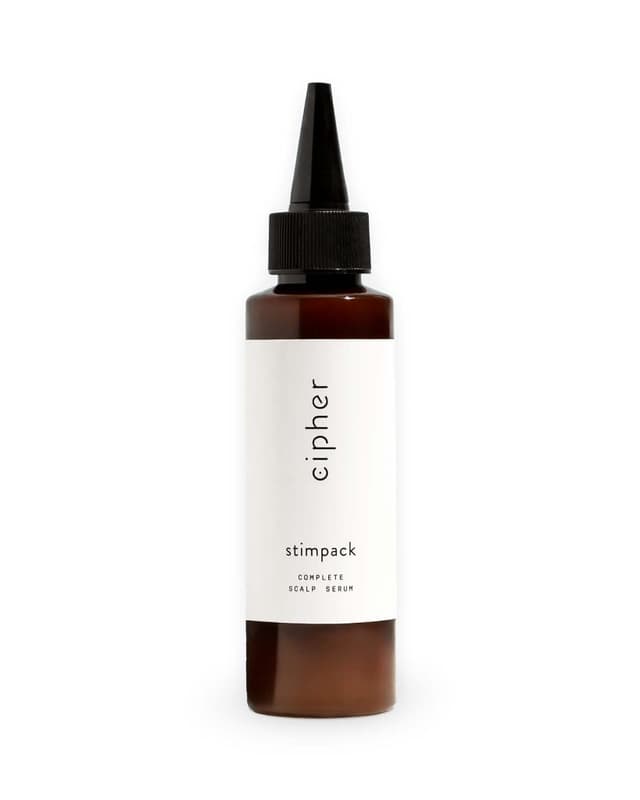
Cipher Skincare is an Australian luxury beauty brand founded by Jenny Hinton and based in Perth, Western Australia. Its profile is intentionally focused, combining vegan beauty, fragrance-free formulation, sensitive-skin-friendly care, and a minimalist approach to skincare. The fragrance-free positioning is especially important. For customers who avoid added scent or find fragrance difficult to tolerate, Cipher offers a more restrained skincare experience that does not rely on fragrance to make products feel premium. Sensitive-skin-friendly beauty follows naturally from that choice. The brand is better suited to shoppers who value skin comfort and routine consistency over highly sensory or complicated products. Minimalism is another defining characteristic. Cipher Skincare does not need to compete through a large number of overlapping steps; its profile is more aligned with purposeful products and streamlined routines. Its luxury positioning gives the brand a more elevated feel, while the Australian origin and Perth base provide a clear regional identity. Cipher is particularly relevant for customers who want premium skincare without unnecessary complexity. Vegan formulation, fragrance-free beauty, sensitive-skin-friendly positioning, and minimalist routines all point toward a quieter interpretation of luxury. Rather than making skincare feel like an elaborate ritual, Cipher Skincare offers a more edited approach—one that prioritizes formulation choices, comfort, and consistency for people who prefer their beauty routine to remain focused.

Cloudicos featured image

Cloudicos

Australia · Est. 2020 · Mid-range

Cloudicos is an Australian beauty brand founded in 2020 by Amy Xu and based in Sydney, New South Wales. The brand combines vegan and cruelty-free values with a sensitive-skin-friendly approach, creating products designed for customers who want everyday beauty without making skin comfort an afterthought. Its vegan and cruelty-free positioning gives Cloudicos a clear animal-friendly identity, while the sensitive-skin focus adds a more practical reason for choosing the brand. This makes it especially relevant for shoppers who want modern Australian beauty products but are cautious about formulas that may feel overly harsh or difficult to tolerate. The brand sits in the mid-range segment, giving it enough space to feel more considered than entry-level beauty while remaining approachable compared with luxury pricing. Everyday usability is central to its appeal. Cloudicos is not positioned around complicated routines or occasional treatments; the products are intended to fit naturally into regular beauty habits. The Sydney base also gives the brand a clear Australian identity, helping distinguish it from internationally manufactured labels with little regional connection. Cloudicos is best suited to shoppers who want conscious beauty to remain straightforward. Vegan formulas, cruelty-free practices, sensitive-skin-friendly products, mid-range pricing, and an everyday approach all work together to create a brand that feels modern and usable rather than overly clinical or trend-driven.

Dr. Hauck featured image

Dr. Hauck

Luxury

Dr. Hauck is a European luxury skincare brand founded by David Hauck and Brigitte Hauck, with a profile centered on natural and organic beauty. The brand sits firmly toward the premium side of skincare, but its identity is shaped more by natural formulation and simplicity than by traditional luxury excess. Natural ingredients form the foundation of the range, while the brand’s subcategory profile also connects it to organic beauty, cruelty-free practices, sustainability, and minimalist skincare. That combination gives Dr. Hauck a relatively restrained approach to luxury. Instead of emphasizing large routines or highly decorative products, the brand is better suited to customers who want premium skincare with a natural focus and fewer, more purposeful steps. Sustainability gives this natural positioning additional depth. It suggests that the brand’s interest in botanical beauty extends beyond formulation to a broader consideration of environmental responsibility. Cruelty-free beauty adds an animal-welfare dimension, making Dr. Hauck relevant for shoppers who want luxury skincare without disconnecting premium positioning from conscious values. For customers who find conventional prestige skincare too complicated or synthetic-feeling, Dr. Hauck offers a quieter alternative. Its combination of natural and organic beauty, minimalist routines, cruelty-free practices, sustainability, and everyday usability places it within a more considered form of European luxury skincare—one where simplicity and formulation take priority over excess.

FINigrana featured image

FINigrana

Germany · Est. 1998 · Affordable

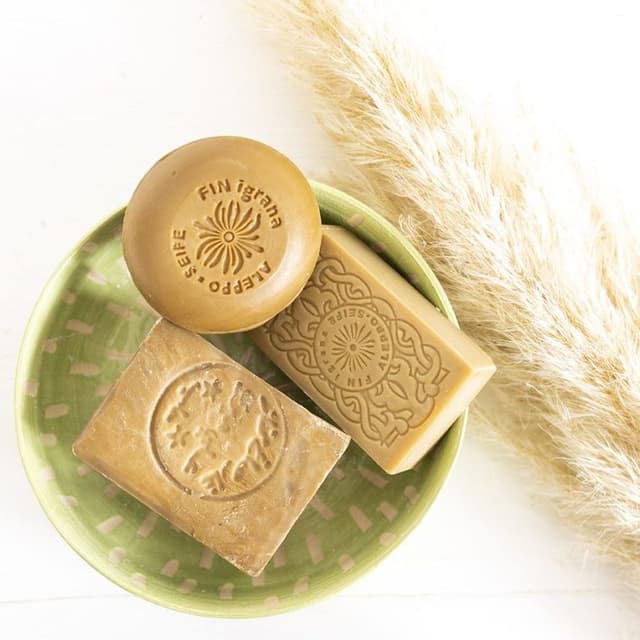
FINigrana is a German beauty brand established in 1998 by Bernhard Bauer and Gabriele Krüger. With more than two decades behind it, the brand brings a sense of heritage to natural beauty that newer plant-based labels cannot easily replicate. Its products are positioned around natural and plant-based ingredients, with vegan beauty forming another important part of the brand’s identity. Handmade production gives FINigrana an artisanal character and helps connect its products to a more traditional approach to personal care. The brand’s heritage is particularly relevant because its focus on natural beauty predates the current wave of clean-beauty marketing. Rather than appearing to have adopted plant-based formulation in response to recent demand, FINigrana has a longer-standing relationship with this category. Ethical and sustainable beauty also fit within its wider subcategory profile, adding a more contemporary layer to the brand’s established natural positioning. Affordability makes FINigrana especially approachable. Customers can explore plant-based, handmade beauty without paying the premium usually attached to artisanal or heritage-led products. Its minimalist and everyday beauty positioning keeps the range practical rather than ceremonial. FINigrana is therefore a good fit for shoppers who value natural formulas, vegan products, craftsmanship, heritage, ethical considerations, and accessible pricing. The brand’s strength lies in combining those qualities with the familiarity of a beauty company that has been operating since the late 1990s.

Sauberkunst featured image

Sauberkunst

Germany · Est. 2012 · Affordable

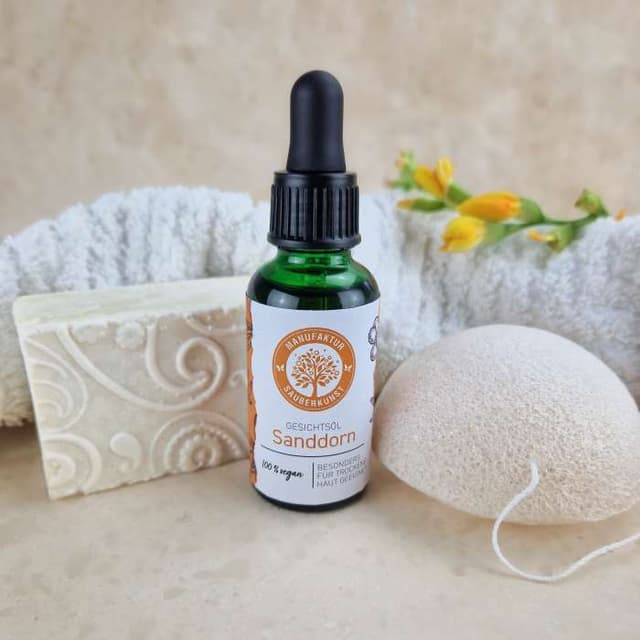
Sauberkunst is a German beauty brand founded in 2012 by Annett Förster and based in Brandenburg. Its identity is strongly shaped by craftsmanship and lower-waste beauty, combining vegan formulas with handmade production, plastic-free choices, and a clear sustainability focus. Fair-trade values add an ethical dimension to the brand’s profile. This is important because Sauberkunst’s positioning does not stop at packaging; it also reflects concern for how ingredients and materials are sourced. The handmade character gives the brand a noticeably different feel from conventional mass-market personal care. Locally made production reinforces that independence and keeps Sauberkunst closely connected to Germany. Plastic-free beauty is one of its most meaningful attributes. For shoppers trying to reduce disposable packaging in their daily routines, the brand offers an alternative to products that rely heavily on bottles, pumps, and multilayer plastic components. Despite these conscious-beauty credentials, Sauberkunst remains in the affordable category. That gives it a particularly useful place in the market, since ethical and sustainable beauty can often become prohibitively expensive. The brand is best suited to customers who want environmental values to be visible in the product itself, not just in marketing. Vegan beauty, fair-trade sourcing, handmade production, plastic-free design, sustainability, local manufacturing, and accessible pricing all contribute to a brand identity centered on practical, everyday conscious beauty.

hello simple featured image

hello simple

Germany · Est. 2016 · Affordable

hello simple is a Berlin beauty brand founded in 2016 by Lisa Mair and Jacqueline Gey. Its name captures the brand’s broader philosophy well: natural and organic beauty should be uncomplicated, lower-waste, and realistic enough to become part of everyday life. The brand is vegan and cruelty-free, but its environmental profile is where it becomes especially distinctive. Plastic-free and zero-waste principles are built into the brand’s positioning, giving shoppers a way to reduce disposable packaging rather than simply switching between different recyclable formats. Handmade and locally made production add a more personal character to the brand. This connection to Berlin helps hello simple stand apart from mass-produced eco-beauty labels and reinforces the sense that the products are developed with small-scale production in mind. Natural and organic ingredients support the same philosophy. The focus is not just on what is left out of the packaging, but also on creating beauty products that feel aligned with a more conscious routine. Its affordable price point is another major advantage. Zero-waste beauty can easily become expensive, but hello simple keeps these values within reach of everyday shoppers. For customers looking for a European beauty brand that combines vegan formulas, natural ingredients, handmade products, local production, plastic-free design, sustainability, and zero-waste thinking, hello simple offers a particularly practical entry into lower-impact beauty.

Dr. Massing Cosmetics featured image

Dr. Massing Cosmetics

Germany · Est. 2014 · Mid-range

Dr. Massing Cosmetics is a German beauty brand founded in 2014 by Erik Massing. The brand sits at the meeting point between natural beauty and more clinically minded skincare, combining natural ingredients with dermatologist-tested products and a strong focus on skin comfort. Sensitive-skin-friendly positioning is one of its clearest strengths. For shoppers who want natural skincare but still prefer products that carry a more considered testing profile, Dr. Massing offers a useful middle ground between botanical beauty and conventional dermatological skincare. Its formulas are also associated with paraben-free beauty, while cruelty-free practices add an animal-welfare consideration. Locally made production gives the brand a clear German identity and supports a more regionally rooted approach to skincare. Sustainability forms part of the broader profile as well, complementing its natural and locally made positioning rather than functioning as a standalone claim. The brand’s underlying price point sits around mid-range even though some of its positioning leans toward luxury. This gives customers a more elevated experience without necessarily entering the highest prestige tier. Dr. Massing Cosmetics is especially relevant for people who want natural skincare to feel both gentle and credible. Its mix of dermatologist testing, sensitive-skin-friendly formulas, cruelty-free values, paraben-free beauty, local production, and everyday usability gives the brand a more balanced identity than purely botanical or purely clinical skincare labels.

Rosenrot featured image

Rosenrot

Germany · Est. 2013 · Affordable

Rosenrot is a German beauty brand founded in 2013 by Karin Ziesmer and based in Heilbronn, Baden-Württemberg. Its identity is built around natural and organic beauty, but what makes the brand particularly interesting is how strongly that formulation philosophy is connected to low-waste product design. Rosenrot is cruelty-free and associated with paraben-free beauty, while biodegradable and plastic-free elements make its sustainability positioning more tangible. Instead of limiting environmental responsibility to recyclable outer boxes, the brand is linked to reducing plastic and using materials that are better suited to lower-waste routines. Locally made production strengthens its German character and gives shoppers a clearer connection between the brand and where its products are produced. That local focus also complements its natural beauty positioning, making the overall approach feel coherent rather than assembled from unrelated claims. Although some of its tags sit around mid-range, Rosenrot is positioned in the affordable beauty segment. That accessibility is important because plastic-free and organic beauty are often priced as premium categories. Its minimalist positioning further supports the idea of buying and using products more intentionally. For customers exploring European beauty, Rosenrot offers a practical combination of natural and organic formulations, cruelty-free values, biodegradable and plastic-free design, local production, sustainability, and everyday usability without turning lower-waste beauty into an expensive niche.

NKM Atelier featured image

NKM Atelier

Germany · Est. 2019 · Mid-range

NKM Atelier is a German skincare brand founded in 2019 by Mareike Peters and Alexander Hefele and based in Munich, Bavaria. The brand is rooted in natural and organic beauty, with handmade production and local craftsmanship playing a central role in how its identity has developed. Rather than presenting skincare as a highly industrial process, NKM Atelier leans into the idea of an atelier: products feel closely connected to making, formulation, and smaller-scale production. That handmade character gives the brand a different tone from many clinical-looking skincare labels and reinforces its place within locally made European beauty. Natural and organic ingredients are at the heart of the brand’s positioning, while vegan and cruelty-free subcategories extend that profile toward animal-friendly beauty. Sustainability is also part of the wider approach, making NKM relevant for shoppers who think about ingredients, production, and environmental impact together. The brand is women-owned and sits around the mid-range price segment, even though some of its presentation has a more premium feel. This balance makes its artisanal and natural positioning more approachable than traditional luxury skincare. For customers interested in German beauty with a hands-on, locally rooted character, NKM Atelier combines organic and natural skincare, handmade production, sustainability, women-owned leadership, local manufacturing, and everyday usability in a way that feels more craft-led than mass-produced.

PURE U featured image

PURE U

Germany · Est. 2019 · Mid-range

Pure U is a German skincare brand founded in 2019 by Carla Ströher and Leonhard Erdsiek and based in Bielefeld, North Rhine-Westphalia. Its approach is built around a restrained version of clean beauty: natural ingredients, vegan and cruelty-free values, fragrance-free formulas, and products designed to make everyday skincare feel easier rather than more complicated. The fragrance-free positioning is particularly important because it gives Pure U a clear relevance for people with sensitive or easily irritated skin. Instead of using scent as part of the product experience, the brand leans toward skin comfort and functional formulation. That fits naturally with its minimalist beauty identity, where the goal is not to build a long routine but to choose products with a clear purpose. Local production strengthens the brand’s German identity and gives its clean beauty positioning a stronger sense of origin. It also distinguishes Pure U from many internationally manufactured skincare labels that rely heavily on minimalist branding without the same local connection. Sitting in the mid-range beauty segment, Pure U offers a step up from basic skincare without moving into luxury pricing. For shoppers looking for a European beauty brand that combines natural skincare, vegan formulas, cruelty-free practices, sensitive-skin-friendly care, fragrance-free products, and locally made production, Pure U offers a focused, practical approach to modern skincare.

puremetics featured image

puremetics

Germany · Est. 2020 · Affordable

puremetics is a Berlin-based beauty brand founded in 2020 by Christopher Cosma and Chidobe Ogbukagu. The brand has one of the clearest environmental identities in this group, with plastic-free and zero-waste beauty positioned alongside vegan and cruelty-free formulation. Its sustainability approach goes beyond a general eco-friendly message. Plastic-free design directly addresses one of the beauty industry’s most persistent waste problems, while zero-waste principles push the brand toward reducing unnecessary materials altogether. Handmade and locally made production add another layer of responsibility and give puremetics a smaller-scale, independent character. Vegan and cruelty-free values make the brand relevant for customers who want their beauty routine to align with animal-friendly choices as well as environmental ones. What makes puremetics particularly accessible is its affordable positioning. Zero-waste and plastic-free beauty are often marketed at premium prices, but the brand brings these ideas into a more attainable category. Minimalist beauty also fits naturally with its philosophy. Reducing packaging, waste, and unnecessary consumption works best when customers are encouraged to buy more intentionally. For shoppers seeking European beauty with a strong sustainability focus, puremetics combines vegan formulas, cruelty-free practices, plastic-free packaging, zero-waste principles, eco-friendly production, handmade products, local manufacturing, and accessible pricing in a modern Berlin beauty brand.

Beyer & Söhne featured image

Beyer & Söhne

Germany · Est. 2011 · Luxury

Beyer & Söhne is a German skincare brand founded in 2011 by Hartmut Beyer, Nico Beyer, and Robby Beyer. Its approach is strongly minimalist, built around straightforward products and formulations designed for customers who prefer focused skincare over large, complicated routines. The brand is vegan and cruelty-free and is associated with fragrance-free and silicone-free beauty. These formulation choices make Beyer & Söhne particularly relevant for shoppers who want to reduce unnecessary ingredients or who prefer skincare with a more restrained profile. Sensitive-skin-friendly positioning adds another practical dimension. Rather than using minimalism only as a visual aesthetic, the brand’s profile suggests a simpler approach that can also suit people who are more selective about what they apply to their skin. Locally made production reinforces its German identity and gives the brand a stronger sense of origin within European beauty. Although its underlying pricing leans toward luxury, the brand sits within the mid-range subcategory, creating a premium but relatively approachable position. Beyer & Söhne is best suited to customers who value clarity over excess. Vegan and cruelty-free practices, fragrance-free and silicone-free formulas, sensitive-skin-friendly products, locally made production, and minimalist everyday skincare form a coherent identity for shoppers who want their routine to feel considered without becoming complicated.

Speick featured image

Speick

Germany · Est. 1928 · Affordable

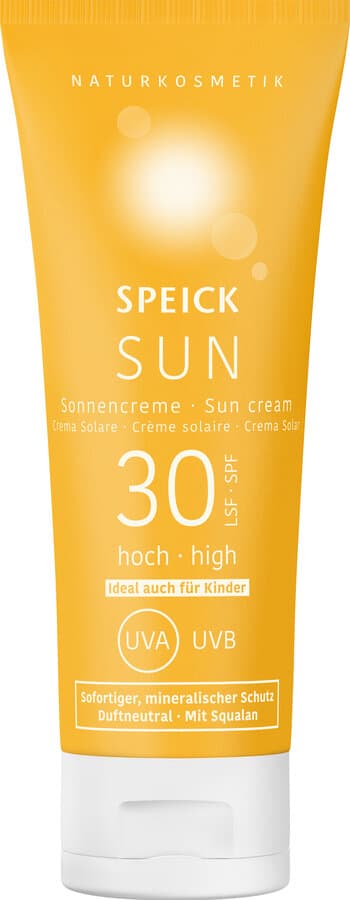
Speick is a German beauty and personal care brand founded in 1928 by Walter Rau and based in Stuttgart-Möhringen, Baden-Württemberg. With almost a century of history, it brings genuine heritage to a category where many brands use tradition primarily as a storytelling device. Natural beauty sits at the heart of Speick’s identity, alongside cruelty-free practices and a long-standing connection to locally made production. Its sustainability profile gives the heritage story a contemporary dimension. Rather than relying entirely on history, the brand also aligns with current expectations around more responsible beauty and everyday product choices. Local production is particularly significant for Speick because it reinforces continuity between the brand’s German origins and how it operates today. The affordable price point keeps the range accessible, which is unusual for a heritage-led beauty brand. Customers can engage with natural and locally made products without paying the premium normally associated with long-established labels. Everyday beauty is where Speick makes the most sense. Its products are intended to become routine essentials rather than occasional luxury purchases. For shoppers interested in European beauty with real historical depth, Speick combines natural ingredients, cruelty-free practices, sustainability, locally made production, affordable pricing, and nearly a century of heritage. That combination gives the brand a character that newer natural beauty companies cannot easily replicate.

SANTE Naturkosmetik featured image

SANTE Naturkosmetik

Germany · Est. 1977 · Affordable

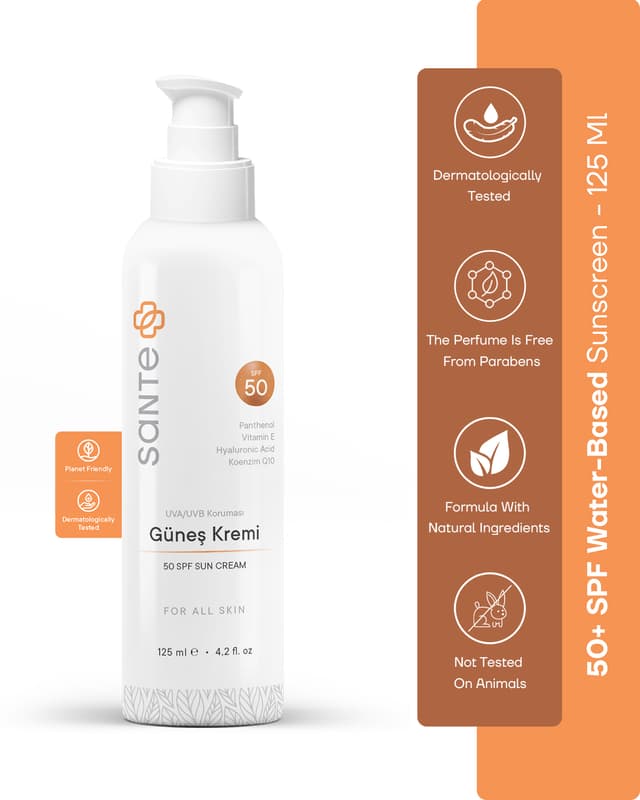
SANTE is a German beauty brand established in 1977 by Hans Hansel. With roots stretching back nearly five decades, the brand has a much longer relationship with natural and organic beauty than many companies that entered the category during the recent clean-beauty boom. Natural ingredients and organic positioning form the core of SANTE’s identity. Cruelty-free beauty adds an animal-friendly consideration, while sustainability contributes a broader environmental perspective. Affordability is especially important to how the brand fits into the market. SANTE makes natural and organic beauty available within a price range suited to everyday purchasing rather than positioning these qualities as premium-only features. That makes the brand particularly relevant for customers who want to build regular routines around more naturally focused products without moving toward luxury prices. Its long history also brings a sense of familiarity and continuity. Beauty trends have changed considerably since 1977, but SANTE’s natural positioning gives the brand a stable foundation that is not dependent on any single moment in the market. For shoppers looking for affordable European beauty, SANTE combines natural and organic formulation, cruelty-free practices, sustainability, and everyday usability within an established German brand. Its strongest appeal lies in making naturally focused beauty approachable, repeatable, and accessible rather than exclusive.

Alva featured image

Alva

Germany · Est. 1988 · Affordable

alva is a German beauty brand established in 1988, giving it more than three decades of history within natural and organic skincare. That longevity is especially notable because the brand was working within natural beauty well before clean and conscious formulations became mainstream marketing categories. Natural and organic ingredients are central to alva’s identity, while cruelty-free practices give the brand an important animal-welfare dimension. Its sustainable beauty positioning and locally made profile add environmental and regional context, connecting the products more closely to Germany rather than presenting them as globally anonymous personal care. Affordability is another defining strength. Organic and natural beauty frequently carries premium pricing, but alva sits within the affordable segment, making these product preferences more realistic for customers building everyday routines. That everyday orientation matters. The brand is not positioned as a luxury indulgence or highly specialist treatment line; it is designed for people who want natural beauty to become part of normal, repeatable care. For shoppers exploring established European beauty brands, alva offers a combination of natural ingredients, organic beauty, cruelty-free values, sustainability, local production, and accessible pricing. Its history also gives it an advantage over younger natural skincare labels: the brand’s connection to this category is long-standing rather than the result of a recent shift toward conscious beauty trends.

Can't find what you're looking for?

We add new sites every week but if you have a specific request, let us know.

About beauty brands on From The Labels

Beauty brands rarely fit into one neat category. A company can be women-owned and locally made while also offering vegan formulas at a mid-range price. That is why the directory connects each profile to relevant categories covering lifestyle, production, ethics, ownership, formulation, price and region.

Terms such as clean, natural and sustainable do not always follow one industry-wide definition. Our profiles record the information a brand publishes and add context from available primary sources rather than treating every label as proof. Where details cannot be confirmed, we avoid filling gaps with assumptions.

Use this beauty brand directory to move between broad discovery and specific needs. You can explore affordable skincare brands, luxury makeup brands, cruelty-free companies or brands from the United States, United Kingdom, Europe, Australia, Japan and Korea. As the list grows, the same research structure makes new and established labels easier to compare.

Frequently asked questions

What can I find in this beauty brand directory?
You can find researched profiles covering brand founders, origins, products, price points, formulations and stated business practices.
Does the list include skincare brands and makeup brands?
Yes. The directory includes skincare brands, makeup brands and companies offering products across multiple beauty categories.
How does From The Labels verify each beauty brand?
Our editorial team reviews official websites, company pages and other primary sources. Claims relating to ingredients, certifications or business practices are recorded with available context.
Can I filter the list of beauty brands?
Yes. You can explore brands by lifestyle, production, ethics, ownership, formulation, price and region.
Does inclusion mean From The Labels recommends a brand?
Not automatically. Inclusion means sufficient information was available to create a researched profile. It should not be treated as a blanket endorsement of every product or claim.
How often is the beauty brands list updated?
New companies are added and existing profiles are revised as more reliable information becomes available.