Minimalist Beauty Brands

Discover minimalist beauty brands built around purposeful products, considered formulas and simpler routines. This collection includes minimalist skincare brands focused on streamlined cleansing, treatment and hydration, alongside minimalist makeup brands offering versatile essentials for everyday use. Compare each label by location, price, product focus, ingredients, certifications and values, then explore its profile to understand what makes its approach genuinely minimalist.

Brands

Zove Beauty featured image

Zove Beauty

Australia · Mid-range

Zove Beauty is an Australian beauty brand founded by Adeline Yeak. The women-owned brand combines clean beauty with a strong ingredient-conscious and sustainability-led profile, sitting comfortably within the mid-range segment. Its formulas are associated with paraben-free, sulfate-free, and silicone-free beauty, giving shoppers clear guidance around ingredients they may prefer to avoid. Cruelty-free positioning adds an animal-welfare consideration to that clean formulation story. Sustainability is one of the brand’s stronger themes. Recycled materials and locally made production connect environmental thinking to both packaging and manufacturing, while its Australian identity gives Zove a clearer regional connection. Minimalist beauty also fits naturally with the brand. Instead of encouraging overly complicated routines, the profile suggests a more edited approach built around products that can be used consistently. The mid-range price point helps Zove strike a useful balance between accessibility and a more considered beauty experience. It feels more specialized than entry-level personal care but avoids the exclusivity associated with traditional luxury skincare. For shoppers looking for Australian clean beauty with a practical environmental focus, Zove Beauty brings together paraben-free, sulfate-free and silicone-free formulations, sustainability, recycled materials, local production, women-owned leadership, and minimalist everyday routines. The brand’s strongest appeal lies in how formulation and environmental responsibility are presented as parts of the same beauty philosophy.
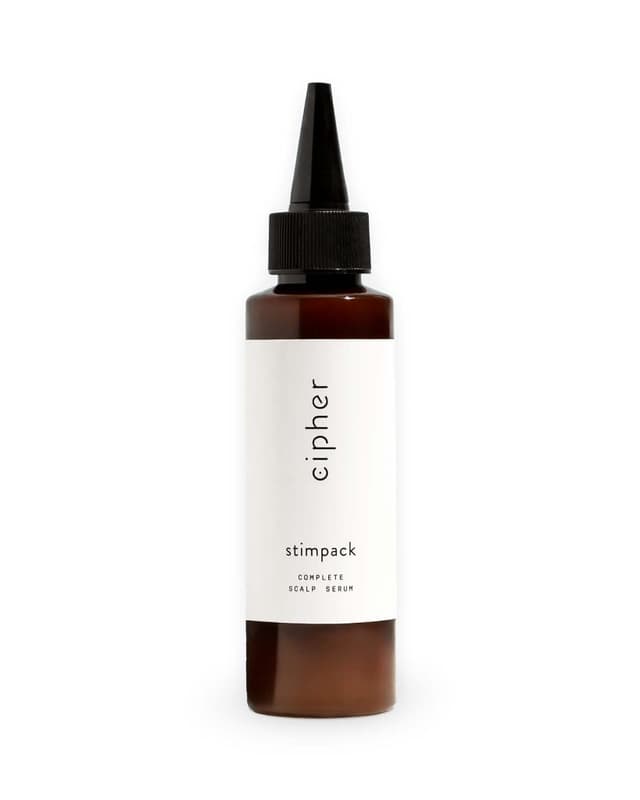
Cipher Skincare featured image

Cipher Skincare

Australia · Luxury

Cipher Skincare is an Australian luxury beauty brand founded by Jenny Hinton and based in Perth, Western Australia. Its profile is intentionally focused, combining vegan beauty, fragrance-free formulation, sensitive-skin-friendly care, and a minimalist approach to skincare. The fragrance-free positioning is especially important. For customers who avoid added scent or find fragrance difficult to tolerate, Cipher offers a more restrained skincare experience that does not rely on fragrance to make products feel premium. Sensitive-skin-friendly beauty follows naturally from that choice. The brand is better suited to shoppers who value skin comfort and routine consistency over highly sensory or complicated products. Minimalism is another defining characteristic. Cipher Skincare does not need to compete through a large number of overlapping steps; its profile is more aligned with purposeful products and streamlined routines. Its luxury positioning gives the brand a more elevated feel, while the Australian origin and Perth base provide a clear regional identity. Cipher is particularly relevant for customers who want premium skincare without unnecessary complexity. Vegan formulation, fragrance-free beauty, sensitive-skin-friendly positioning, and minimalist routines all point toward a quieter interpretation of luxury. Rather than making skincare feel like an elaborate ritual, Cipher Skincare offers a more edited approach—one that prioritizes formulation choices, comfort, and consistency for people who prefer their beauty routine to remain focused.

Dr. Hauck featured image

Dr. Hauck

Luxury

Dr. Hauck is a European luxury skincare brand founded by David Hauck and Brigitte Hauck, with a profile centered on natural and organic beauty. The brand sits firmly toward the premium side of skincare, but its identity is shaped more by natural formulation and simplicity than by traditional luxury excess. Natural ingredients form the foundation of the range, while the brand’s subcategory profile also connects it to organic beauty, cruelty-free practices, sustainability, and minimalist skincare. That combination gives Dr. Hauck a relatively restrained approach to luxury. Instead of emphasizing large routines or highly decorative products, the brand is better suited to customers who want premium skincare with a natural focus and fewer, more purposeful steps. Sustainability gives this natural positioning additional depth. It suggests that the brand’s interest in botanical beauty extends beyond formulation to a broader consideration of environmental responsibility. Cruelty-free beauty adds an animal-welfare dimension, making Dr. Hauck relevant for shoppers who want luxury skincare without disconnecting premium positioning from conscious values. For customers who find conventional prestige skincare too complicated or synthetic-feeling, Dr. Hauck offers a quieter alternative. Its combination of natural and organic beauty, minimalist routines, cruelty-free practices, sustainability, and everyday usability places it within a more considered form of European luxury skincare—one where simplicity and formulation take priority over excess.

FINigrana featured image

FINigrana

Germany · Est. 1998 · Affordable

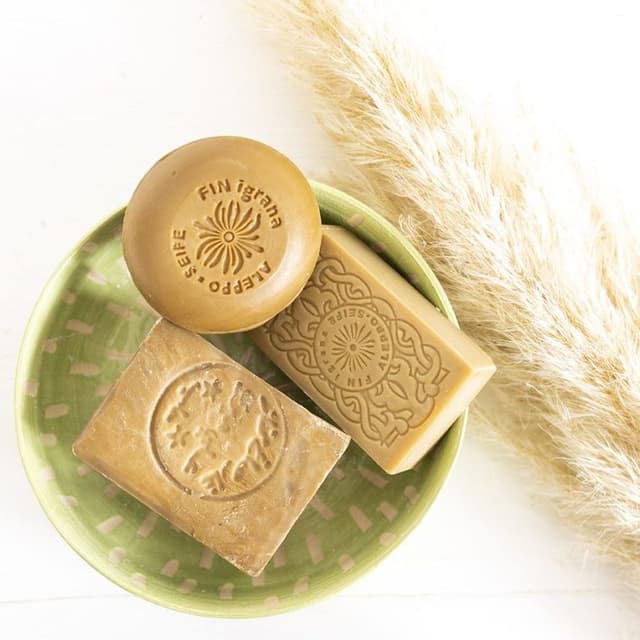
FINigrana is a German beauty brand established in 1998 by Bernhard Bauer and Gabriele Krüger. With more than two decades behind it, the brand brings a sense of heritage to natural beauty that newer plant-based labels cannot easily replicate. Its products are positioned around natural and plant-based ingredients, with vegan beauty forming another important part of the brand’s identity. Handmade production gives FINigrana an artisanal character and helps connect its products to a more traditional approach to personal care. The brand’s heritage is particularly relevant because its focus on natural beauty predates the current wave of clean-beauty marketing. Rather than appearing to have adopted plant-based formulation in response to recent demand, FINigrana has a longer-standing relationship with this category. Ethical and sustainable beauty also fit within its wider subcategory profile, adding a more contemporary layer to the brand’s established natural positioning. Affordability makes FINigrana especially approachable. Customers can explore plant-based, handmade beauty without paying the premium usually attached to artisanal or heritage-led products. Its minimalist and everyday beauty positioning keeps the range practical rather than ceremonial. FINigrana is therefore a good fit for shoppers who value natural formulas, vegan products, craftsmanship, heritage, ethical considerations, and accessible pricing. The brand’s strength lies in combining those qualities with the familiarity of a beauty company that has been operating since the late 1990s.

hello simple featured image

hello simple

Germany · Est. 2016 · Affordable

hello simple is a Berlin beauty brand founded in 2016 by Lisa Mair and Jacqueline Gey. Its name captures the brand’s broader philosophy well: natural and organic beauty should be uncomplicated, lower-waste, and realistic enough to become part of everyday life. The brand is vegan and cruelty-free, but its environmental profile is where it becomes especially distinctive. Plastic-free and zero-waste principles are built into the brand’s positioning, giving shoppers a way to reduce disposable packaging rather than simply switching between different recyclable formats. Handmade and locally made production add a more personal character to the brand. This connection to Berlin helps hello simple stand apart from mass-produced eco-beauty labels and reinforces the sense that the products are developed with small-scale production in mind. Natural and organic ingredients support the same philosophy. The focus is not just on what is left out of the packaging, but also on creating beauty products that feel aligned with a more conscious routine. Its affordable price point is another major advantage. Zero-waste beauty can easily become expensive, but hello simple keeps these values within reach of everyday shoppers. For customers looking for a European beauty brand that combines vegan formulas, natural ingredients, handmade products, local production, plastic-free design, sustainability, and zero-waste thinking, hello simple offers a particularly practical entry into lower-impact beauty.

Rosenrot featured image

Rosenrot

Germany · Est. 2013 · Affordable

Rosenrot is a German beauty brand founded in 2013 by Karin Ziesmer and based in Heilbronn, Baden-Württemberg. Its identity is built around natural and organic beauty, but what makes the brand particularly interesting is how strongly that formulation philosophy is connected to low-waste product design. Rosenrot is cruelty-free and associated with paraben-free beauty, while biodegradable and plastic-free elements make its sustainability positioning more tangible. Instead of limiting environmental responsibility to recyclable outer boxes, the brand is linked to reducing plastic and using materials that are better suited to lower-waste routines. Locally made production strengthens its German character and gives shoppers a clearer connection between the brand and where its products are produced. That local focus also complements its natural beauty positioning, making the overall approach feel coherent rather than assembled from unrelated claims. Although some of its tags sit around mid-range, Rosenrot is positioned in the affordable beauty segment. That accessibility is important because plastic-free and organic beauty are often priced as premium categories. Its minimalist positioning further supports the idea of buying and using products more intentionally. For customers exploring European beauty, Rosenrot offers a practical combination of natural and organic formulations, cruelty-free values, biodegradable and plastic-free design, local production, sustainability, and everyday usability without turning lower-waste beauty into an expensive niche.

PURE U featured image

PURE U

Germany · Est. 2019 · Mid-range

Pure U is a German skincare brand founded in 2019 by Carla Ströher and Leonhard Erdsiek and based in Bielefeld, North Rhine-Westphalia. Its approach is built around a restrained version of clean beauty: natural ingredients, vegan and cruelty-free values, fragrance-free formulas, and products designed to make everyday skincare feel easier rather than more complicated. The fragrance-free positioning is particularly important because it gives Pure U a clear relevance for people with sensitive or easily irritated skin. Instead of using scent as part of the product experience, the brand leans toward skin comfort and functional formulation. That fits naturally with its minimalist beauty identity, where the goal is not to build a long routine but to choose products with a clear purpose. Local production strengthens the brand’s German identity and gives its clean beauty positioning a stronger sense of origin. It also distinguishes Pure U from many internationally manufactured skincare labels that rely heavily on minimalist branding without the same local connection. Sitting in the mid-range beauty segment, Pure U offers a step up from basic skincare without moving into luxury pricing. For shoppers looking for a European beauty brand that combines natural skincare, vegan formulas, cruelty-free practices, sensitive-skin-friendly care, fragrance-free products, and locally made production, Pure U offers a focused, practical approach to modern skincare.

puremetics featured image

puremetics

Germany · Est. 2020 · Affordable

puremetics is a Berlin-based beauty brand founded in 2020 by Christopher Cosma and Chidobe Ogbukagu. The brand has one of the clearest environmental identities in this group, with plastic-free and zero-waste beauty positioned alongside vegan and cruelty-free formulation. Its sustainability approach goes beyond a general eco-friendly message. Plastic-free design directly addresses one of the beauty industry’s most persistent waste problems, while zero-waste principles push the brand toward reducing unnecessary materials altogether. Handmade and locally made production add another layer of responsibility and give puremetics a smaller-scale, independent character. Vegan and cruelty-free values make the brand relevant for customers who want their beauty routine to align with animal-friendly choices as well as environmental ones. What makes puremetics particularly accessible is its affordable positioning. Zero-waste and plastic-free beauty are often marketed at premium prices, but the brand brings these ideas into a more attainable category. Minimalist beauty also fits naturally with its philosophy. Reducing packaging, waste, and unnecessary consumption works best when customers are encouraged to buy more intentionally. For shoppers seeking European beauty with a strong sustainability focus, puremetics combines vegan formulas, cruelty-free practices, plastic-free packaging, zero-waste principles, eco-friendly production, handmade products, local manufacturing, and accessible pricing in a modern Berlin beauty brand.

Beyer & Söhne featured image

Beyer & Söhne

Germany · Est. 2011 · Luxury

Beyer & Söhne is a German skincare brand founded in 2011 by Hartmut Beyer, Nico Beyer, and Robby Beyer. Its approach is strongly minimalist, built around straightforward products and formulations designed for customers who prefer focused skincare over large, complicated routines. The brand is vegan and cruelty-free and is associated with fragrance-free and silicone-free beauty. These formulation choices make Beyer & Söhne particularly relevant for shoppers who want to reduce unnecessary ingredients or who prefer skincare with a more restrained profile. Sensitive-skin-friendly positioning adds another practical dimension. Rather than using minimalism only as a visual aesthetic, the brand’s profile suggests a simpler approach that can also suit people who are more selective about what they apply to their skin. Locally made production reinforces its German identity and gives the brand a stronger sense of origin within European beauty. Although its underlying pricing leans toward luxury, the brand sits within the mid-range subcategory, creating a premium but relatively approachable position. Beyer & Söhne is best suited to customers who value clarity over excess. Vegan and cruelty-free practices, fragrance-free and silicone-free formulas, sensitive-skin-friendly products, locally made production, and minimalist everyday skincare form a coherent identity for shoppers who want their routine to feel considered without becoming complicated.

Lovely Day featured image

Lovely Day

Germany · Est. 2016 · Mid-range

Lovely Day is a German skincare brand founded in 2016 by Josephine Förster and based in Berlin. The brand brings together clean beauty, vegan and cruelty-free values, sensitive-skin-friendly formulation, and a pared-back approach to everyday skincare. Its clean beauty positioning is supported by a natural beauty profile, making the brand particularly relevant for shoppers who prefer more ingredient-conscious routines. Sensitive-skin-friendly care is one of Lovely Day’s strongest characteristics. It gives the brand a practical reason for keeping routines simple: fewer unnecessary steps and more focused products can be especially appealing to customers who do not want to overload reactive skin. The brand is locally made, strengthening its connection to Berlin and giving it a clearer European identity. Sustainability is another part of the profile, complementing local production and its minimalist approach. Lovely Day sits within the mid-range beauty segment, which allows it to feel considered and specialized while avoiding the highest luxury price points. The result is a beauty brand that feels contemporary without being trend-dependent. Vegan formulas, cruelty-free practices, sensitive-skin-friendly positioning, natural beauty, sustainability, local production, and minimalist routines all support the same philosophy. For shoppers who want Berlin skincare that feels straightforward, conscious, and comfortable enough for everyday use, Lovely Day offers a particularly cohesive option.

MERME Berlin featured image

MERME Berlin

Germany · Est. 2014 · Mid-range

MERME Berlin is a German skincare brand founded in 2014 by Claire Ralston and based in Berlin. Its identity is distinctly minimalist, with a focus on straightforward products, vegan and cruelty-free values, and skincare that does not rely on unnecessary complexity. Fragrance-free beauty is an important part of the brand’s profile, giving MERME particular relevance for customers who prefer skincare without added scent. Its sensitive-skin-friendly positioning strengthens that appeal for people who are more cautious about irritation. Dermatologist-tested products add another layer of confidence, creating a useful balance between minimalist beauty and more considered product evaluation. The brand sits within the mid-range European beauty category, providing a more refined experience than basic skincare while remaining more approachable than traditional luxury labels. MERME’s Berlin identity also matters. The brand feels closely aligned with the city’s pared-back, functional aesthetic, and that simplicity carries through its beauty positioning. Instead of asking customers to build long routines, MERME works best for people who prefer a smaller number of purposeful products they can use consistently. For shoppers seeking European skincare that combines vegan and cruelty-free values, fragrance-free formulation, dermatologist-tested products, sensitive-skin-friendly care, minimalist design, and everyday usability, MERME Berlin offers a particularly focused alternative to more elaborate skincare brands.

Ruhi Rituals featured image

Ruhi Rituals

Germany · Est. 2019 · Luxury

RUHI Rituals is a Berlin-based luxury beauty brand founded in 2019 by Britta Hekmat. Its skincare identity is rooted in natural, organic, and plant-based formulation, with a strong emphasis on simplicity and products designed to work within intentional everyday rituals. The brand is vegan and cruelty-free, making it particularly relevant for shoppers looking for premium skincare aligned with animal-friendly values. Fragrance-free beauty adds another important dimension, especially for customers who prefer formulas without added scent. Sensitive-skin-friendly positioning reinforces that gentler approach. Instead of building luxury around complexity, RUHI Rituals leans toward minimalist beauty and products that can be used with purpose. Locally made production keeps the brand closely tied to Berlin and gives its skincare a stronger independent identity than globally standardized prestige labels. Its luxury positioning comes from the combination of formulation, craftsmanship, and a more considered approach to routine rather than simply from exclusivity. RUHI Rituals is best suited to shoppers who want premium European skincare but prefer natural beauty to traditional luxury formulation. Organic and plant-based ingredients, vegan and cruelty-free values, fragrance-free products, sensitive-skin-friendly care, local production, and minimalist routines all work together to create a beauty brand that feels quiet, deliberate, and focused on consistent use.

Xeno Naturkosmetik featured image

Xeno Naturkosmetik

Germany · Est. 2019 · Mid-range

Xeno Naturkosmetik is a German skincare brand founded in 2019 by Lara Schimweg, Lukas Böhnlein, and Fabian Mrowka and based in Hamburg. The brand is built around natural and organic beauty, with a strong emphasis on uncomplicated skincare and locally rooted production. Its natural formulation profile gives Xeno a clear place within European beauty, particularly for shoppers who prefer products shaped by botanical and organic ingredients rather than conventional mass-market formulations. Cruelty-free beauty is another important part of the brand’s identity, while its subcategory positioning also connects Xeno with vegan and paraben-free beauty. Sustainability supports that ingredient-conscious philosophy, making environmental responsibility part of the brand’s wider story. Minimalist beauty is especially relevant to Xeno. The brand suits customers who want a focused routine rather than a crowded shelf of overlapping products. Local production further strengthens that sense of intentionality and keeps the company connected to Germany. The mid-range price point provides a useful balance. Xeno feels more considered than entry-level skincare without pushing customers toward traditional luxury pricing. For shoppers looking for a German beauty brand that combines natural and organic ingredients, cruelty-free values, sustainability, local production, minimalist routines, and everyday practicality, Xeno Naturkosmetik offers a cohesive and distinctly European approach to modern skincare.

This Place featured image

This Place

Germany · Est. 2020 · Luxury

This Place is a Berlin-based beauty brand founded in 2020 by Laura Simonow. Its skincare philosophy combines natural and plant-based ingredients with vegan and cruelty-free values, creating a routine that feels particularly suited to customers drawn to minimalist, conscious beauty. The brand’s sensitive-skin-friendly positioning is important because it adds practicality to the natural formulation story. Customers are not simply choosing products because they are plant-based; the range is also positioned around skin comfort and regular use. Sustainability and eco-friendly practices deepen that conscious identity. Locally made production connects the brand to Berlin and gives it a stronger sense of origin, while the minimalist approach naturally supports the idea of choosing fewer, more purposeful products. Although its listed pricing leans toward luxury, the brand sits within a mid-range subcategory, giving it a premium feel without placing it entirely in traditional prestige beauty. This Place works best for shoppers who want skincare to feel calm and intentional rather than complicated. Vegan formulas, cruelty-free values, plant-based ingredients, sensitive-skin-friendly care, sustainability, and local production all reinforce that direction. For customers exploring European natural beauty, This Place offers a modern Berlin interpretation: thoughtful skincare, pared-back routines, and environmental values brought together in products designed for everyday use rather than excess.

Shirley Conlon Organics featured image

Shirley Conlon Organics

United Arab Emirates · Mid-range

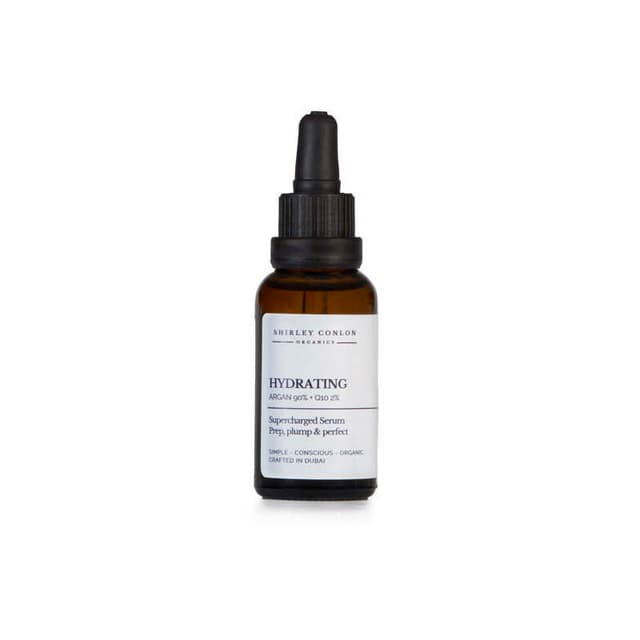
Shirley Conlon Organics is a Dubai-based beauty brand founded by Shirley Conlon. The brand takes a premium approach to clean skincare, combining natural and organic ingredients with vegan, cruelty-free, and non-toxic beauty principles. Handmade and locally made production are central to its character. These qualities give the brand a more artisanal identity and strengthen its connection to Dubai rather than presenting it as a generic international clean-beauty label. Its minimalist beauty positioning also makes the range relevant for customers who prefer fewer, more intentional products. Rather than encouraging complex routines, the brand fits naturally with customers who want straightforward skincare built around high-quality ingredients. Sustainability adds another dimension, connecting the formulation philosophy with a broader environmental perspective. Although the underlying pricing sits closer to mid-range, the brand is positioned within luxury beauty thanks to its ingredient profile, handmade production, and premium presentation. For customers seeking a clean beauty brand from the UAE, Shirley Conlon Organics offers a particularly comprehensive mix of natural and organic ingredients, vegan and cruelty-free values, non-toxic positioning, local craftsmanship, sustainability, and minimalist routines. Its strongest appeal is the coherence between formulation and production: the brand does not simply use “organic” as a label, but builds its wider identity around thoughtful ingredients, small-scale making, and a more intentional approach to everyday skincare.

Iris&Romeo featured image

Iris&Romeo

United States · Est. 2019 · Mid-range

Iris&Romeo is an American beauty brand founded in 2019 by Michele Gough Baril and based in Northern California. The women-owned brand combines clean beauty with a streamlined approach to makeup and skincare, making it especially relevant for customers who want fewer products to do more within their everyday routines. Its formulation standards are a major part of the brand’s appeal. Iris&Romeo is vegan and cruelty-free and is associated with paraben-free and sulfate-free beauty. These choices support its clean beauty positioning and give ingredient-conscious shoppers a clearer reason to consider the brand beyond aesthetics. Sustainability is also built into its profile. The use of recycled materials adds a tangible environmental element, while the brand’s minimalist beauty positioning naturally supports the idea of buying more intentionally rather than building oversized routines. Although its listed price range is mid-range, the brand is positioned within luxury beauty, which reflects its more polished presentation and elevated experience. That combination gives Iris&Romeo an interesting place between accessible prestige and traditional luxury. For shoppers looking for American clean beauty that feels refined but still practical, Iris&Romeo offers a strong mix of vegan formulas, cruelty-free practices, recycled materials, sustainability, women-owned leadership, and minimalist everyday beauty.

Lion Pose featured image

Lion Pose

United States · Luxury

Lion Pose is an American skincare brand founded by Madhu Punjabi and Nisha Phatak, built around a focused approach to high-performance skincare without turning routines into a long list of steps. As a women-owned beauty brand, it sits in the luxury segment while keeping its identity closely tied to practical, everyday use. Its formulation profile is one of the clearest reasons shoppers may consider the brand. Lion Pose is vegan and cruelty-free, with dermatologist-tested products and a sensitive-skin-friendly approach that makes it relevant for customers who want elevated skincare but are still cautious about irritation or overly aggressive formulas. Minimalist beauty is another important part of its positioning. Rather than encouraging customers to layer many overlapping products, the brand works best for people who prefer a smaller set of targeted essentials that can be used consistently. Its American beauty identity is supported by locally made production, giving the brand a stronger sense of origin than many globally manufactured skincare labels. Lion Pose ultimately sits at the intersection of luxury skincare and simplified beauty. It is especially suited to shoppers looking for a women-owned beauty brand that combines vegan and cruelty-free values, dermatologist-tested formulas, sensitive-skin-friendly products, local production, and a minimalist routine that still feels premium and intentional.

Subtl Beauty featured image

Subtl Beauty

United States · Est. 2017 · Affordable

Subtl Beauty is an American beauty brand founded in 2017 by Rachel Reid and based in Pittsburgh, Pennsylvania. The women-owned brand is built around a minimalist approach to makeup, with products intended to simplify everyday routines rather than add more complexity. Its vegan and cruelty-free positioning makes Subtl relevant for customers looking for animal-friendly cosmetics, while fragrance-free and sensitive-skin-friendly qualities give the brand a gentler profile than many traditional makeup lines. Refillable beauty is another significant part of its identity. Instead of treating packaging as disposable, Subtl incorporates a system that supports continued use, making the brand particularly appealing to shoppers interested in reducing waste. Minimalism is what ties these ideas together. The brand is not simply about fewer products aesthetically; its profile points toward a more efficient beauty routine built around practical choices, refillability, and everyday wear. While the listed price range is affordable, its subcategory positioning sits around mid-range beauty, creating an accessible but elevated feel. For shoppers looking for a modern American makeup brand, Subtl Beauty combines women-owned leadership, vegan and cruelty-free values, sensitive-skin-friendly and fragrance-free products, refillable design, and minimalist everyday beauty. It is especially well suited to customers who value portability, simplicity, and a less cluttered relationship with cosmetics.

Deconstruct featured image

Deconstruct

India · Est. 2021 · Affordable

Deconstruct is an Indian skincare brand founded in 2021 by Malini Adapureddy and based in Bengaluru, Karnataka. The brand sits firmly within affordable beauty, but its profile is built around formulation choices more commonly associated with specialist skincare. Its products are vegan and cruelty-free and are developed without parabens, fragrance, sulfates, or silicones. Dermatologist-tested positioning gives the brand an additional layer of reassurance for shoppers who want affordable skincare without abandoning ingredient scrutiny. Deconstruct’s minimalist beauty identity is particularly important. The brand is relevant to customers who prefer to understand what they are using and why, rather than building long routines around overlapping products. This makes it a good fit for everyday skincare and for people who want a more straightforward way to navigate active beauty. Affordability helps broaden that appeal. Ingredient-conscious skincare can quickly become expensive, while Deconstruct brings vegan, cruelty-free, fragrance-free, and paraben-free beauty into a more accessible range. For shoppers exploring Indian beauty brands, Deconstruct represents a practical, formulation-focused alternative to both mass-market basics and premium clinical skincare. Its combination of accessible pricing, dermatologist-tested products, minimalist routines, and clearly defined ingredient exclusions gives the brand a distinctive place within everyday beauty in India.

Les Huilettes featured image

Les Huilettes

France · Est. 2017 · Mid-range

Les Huilettes is a French beauty brand founded in 2017 by Pascale Gal and Claire Auzouy and based in Paris. Its positioning blends clean beauty with natural and organic skincare, creating a premium experience that remains closely tied to ingredients and formulation quality. The brand is vegan, giving it particular relevance for shoppers seeking plant-focused beauty without animal-derived ingredients. Dermatologist-tested products add a more clinical dimension to what might otherwise be seen purely as botanical skincare. Local production is another defining element. By maintaining a connection to France, Les Huilettes fits naturally within European beauty while also appealing to customers who care about where their skincare is made. Its profile leans toward luxury beauty even though the underlying pricing sits closer to mid-range. That makes the brand an interesting option for shoppers who want a more refined skincare experience without necessarily moving into the highest price category. Minimalist beauty also suits Les Huilettes. The natural and organic positioning works best when products are treated as purposeful parts of a routine rather than additions to an excessively complicated regimen. For customers seeking French skincare with clean, vegan, natural, and organic values, Les Huilettes offers a thoughtful mix of dermatologist-tested formulas, local production, sustainability, and minimalist everyday beauty wrapped in a more elevated presentation.

Oden featured image

Oden

France · Mid-range

Oden is a French beauty brand founded by Marion Weber and Laurence Weber, with its identity built around natural skincare, local production, and a deliberately restrained approach to beauty. The brand sits within the mid-range segment while carrying many of the qualities shoppers often associate with premium botanical skincare. Natural and organic beauty are central to Oden’s profile. Its locally made positioning strengthens that connection by keeping the brand closely tied to France rather than relying on a globally anonymous supply chain. Sustainability extends across several aspects of the brand. Oden is associated with biodegradable elements, recycled materials, ethical practices, and a broader commitment to responsible beauty. These qualities make the brand relevant for customers who consider both formulation and environmental impact when choosing skincare. Its minimalist identity is equally important. Oden suits shoppers who prefer simpler routines built around purposeful products rather than long sequences of overlapping treatments. Sensitive-skin-friendly positioning adds another layer of practicality, helping the brand appeal to people who want natural skincare without unnecessary complexity. Oden’s strength is the way these ideas work together: French production, natural and organic ingredients, sustainability, ethical considerations, recycled materials, and minimalist skincare. For customers looking for a mid-range European beauty brand with a strong local and environmental identity, Oden offers a particularly coherent approach.

Espressoh featured image

Espressoh

Italy · Est. 2018 · Mid-range

espressoh is an Italian makeup brand founded in 2018 by Chiara Cascella. The European beauty brand is positioned around modern, uncomplicated cosmetics that feel polished without making everyday makeup more complex than it needs to be. Clean beauty and minimalist beauty are both natural fits for espressoh. The brand’s streamlined approach makes it especially relevant to customers who prefer a smaller, more useful collection rather than accumulating products that serve overlapping purposes. Cruelty-free beauty is part of its positioning, while sustainability adds another layer to the brand’s identity. Locally made production also strengthens espressoh’s Italian character and gives the brand a clearer sense of origin within European beauty. Its mid-range pricing is well matched to this approach. espressoh offers a more elevated experience than basic drugstore makeup while still remaining accessible compared with luxury cosmetics. Everyday beauty is where the brand feels strongest. The products are intended to fit into real routines, making espressoh a good option for customers who value ease, versatility, and a contemporary aesthetic. Overall, espressoh is a mid-range Italian makeup brand combining clean beauty, cruelty-free practices, sustainability, locally made production, minimalist design, and practical everyday cosmetics.

LIHA Beauty featured image

LIHA Beauty

United Kingdom · Est. 2014 · Luxury

LIHA Beauty is a UK beauty brand founded in 2014 by Liha Okunniwa and Abi Oyepitan. The Black-owned and women-owned luxury brand brings together natural and plant-based beauty with heritage, ethical sourcing, and handmade production. Its vegan and cruelty-free positioning gives the brand a clear animal-friendly identity, while fair-trade and ethical values extend that consciousness into ingredient sourcing and production. Sustainability is another important part of LIHA Beauty’s profile. Combined with locally made and handmade production, it gives the brand an artisanal character that feels very different from conventional prestige beauty built around large-scale manufacturing. Heritage plays an especially meaningful role here. LIHA is not simply positioned as another natural skincare label; its story is closely connected to cultural influences, which gives the products a stronger sense of identity and provenance. Minimalist beauty also fits the brand’s approach. The emphasis is on considered products and intentional routines rather than excess. Overall, LIHA Beauty is a luxury UK beauty brand combining Black-owned and women-owned leadership, natural and plant-based ingredients, vegan and cruelty-free practices, ethical and fair-trade sourcing, sustainability, handmade production, local craftsmanship, and heritage. It is particularly well suited to shoppers who want premium beauty with a strong cultural and conscious foundation.

Oasis Skin featured image

Oasis Skin

Mid-range

Oasis Skin is a beauty brand built around the idea that skincare can be effective without generating unnecessary waste. Its positioning combines natural and plant-based beauty with vegan values, cruelty-free practices, and a strong emphasis on refillable, low-waste consumption. That makes sustainability part of the brand experience rather than a separate marketing message. Refillable packaging and zero-waste thinking are among the clearest elements of the brand’s identity. For customers who are trying to reduce single-use beauty packaging, Oasis Skin offers a more practical route into sustainable beauty. Its eco-friendly approach is supported by locally made and hand-crafted production, giving the brand a smaller-scale, more intentional feel than mass-manufactured skincare. The formulas sit within natural and organic beauty, while the plant-based and vegan positioning makes the brand relevant for shoppers who want products aligned with animal-friendly values. Minimalist beauty is another natural fit: the focus is on simpler routines, thoughtful consumption, and choosing products with a clear purpose rather than building oversized collections. Oasis Skin sits comfortably in the mid-range beauty space. Its appeal is not just the formula itself, but the wider system around it—refills, reduced waste, hand-crafted production, and locally made care. For conscious shoppers, it brings together natural skincare, vegan beauty, sustainability, zero-waste principles, and everyday practicality in one coherent brand.

Can't find what you're looking for?

We add new sites every week but if you have a specific request, let us know.

About minimalist beauty brands

Minimalism in beauty is not limited to neutral packaging. It can describe a focused product range, multifunctional formulas, straightforward ingredient communication or products designed to simplify an everyday routine. The minimalist beauty brands featured here approach simplicity in different ways, so each profile explains what the label makes and what distinguishes its philosophy.

Some minimalist skincare brands concentrate on a few essential steps, such as cleansing, targeted treatment, moisturising and sun protection. Others develop versatile formulas intended to address more than one skincare need. Minimalist makeup brands may offer edited collections, wearable shades or multipurpose products that reduce the number of items needed for an everyday look.

From The Labels researches brand information using official websites, certification sources, public company material and updates supplied or verified by brand representatives. However, “minimalist” does not automatically mean natural, vegan, fragrance-free or suitable for sensitive skin. Check the individual profile and current product information before purchasing.

Use this collection to compare minimalist labels by product focus, price, location, formulation and values.

Frequently asked questions

What are minimalist beauty brands?
Minimalist beauty brands generally prioritise focused product collections, functional formulas, clear communication and simpler routines. However, every brand interprets minimalism differently.
What makes minimalist skincare brands different?
Minimalist skincare brands often concentrate on essential routine steps, targeted ingredients or multifunctional products. This can make it easier to understand where each product fits into a routine.
What products do minimalist makeup brands offer?
Minimalist makeup brands commonly offer edited shade ranges, everyday essentials and multipurpose products such as skin tints, lip-and-cheek colours or versatile complexion products.
Does minimalist beauty mean using fewer ingredients?
Not necessarily. A minimalist brand may simplify its product range or routine while still using carefully developed formulas containing several ingredients. Always check the complete ingredient list.
Are all minimalist beauty brands natural or vegan?
No. Minimalist, natural, organic, vegan and cruelty-free describe different brand attributes. Review each profile to determine which claims apply to a particular brand or product.
How does From The Labels identify minimalist beauty brands?
We review the brand’s product range, stated philosophy, formulation approach and publicly available information. Details are researched through official brand websites, certification sources and verified company updates.
Are minimalist products suitable for sensitive skin?
A simple routine may reduce the number of products being layered, but minimalist positioning does not guarantee suitability for sensitive skin. Check the ingredients, directions and relevant testing information for each product.