Japanese Beauty Brands

Japanese beauty is far broader than one skincare routine or familiar aesthetic. This page brings together independent Japanese beauty brands working across skincare, makeup, body care and personal care. Some may build on long-used ingredients and bathing rituals, while others take a laboratory-led approach to formulation, texture and delivery. Each listing leads to a profile explaining the founder, location, price level, product focus and values behind the business. Whether you are comparing Japanese skincare brands or exploring a Japanese beauty brand for the first time, the directory gives you context without reducing every label to the same idea of J-beauty.

Brands

TUNEMAKERS featured image

TUNEMAKERS

Japan · Est. 2006 · Mid-range

TUNEMAKERS is a Japanese skincare brand established in 2006 and based in Tokyo. Its approach is built around flexibility: rather than asking customers to follow a large, fixed routine, the brand fits naturally into minimalist beauty by focusing on targeted products that can be used according to individual skincare needs. That makes TUNEMAKERS particularly relevant for people who prefer to keep their routines functional and easy to adjust. The brand’s everyday beauty positioning is less about elaborate rituals and more about giving customers practical options that can be added, removed, or combined without turning skincare into a complicated process. Its place in the mid-range beauty segment is also part of the appeal. TUNEMAKERS offers a more refined experience than basic mass-market skincare while remaining more approachable than traditional luxury labels. For customers exploring Japanese beauty, that creates a useful middle ground between affordability and premium positioning. The brand’s longevity also matters. Having been established in 2006, TUNEMAKERS predates many of the newer minimalist skincare brands now competing for attention. Its identity feels less driven by short-lived trends and more by a long-standing focus on simple, adaptable care. For shoppers seeking mid-range Japanese skincare, minimalist routines, and products designed for consistent everyday use, TUNEMAKERS offers a practical and established option.

DAMDAM Tokyo featured image

DAMDAM Tokyo

Est. 2019 · Luxury

DAMDAM is a Japanese beauty brand founded in 2019 by Giselle Go and Philippe Terrien. The brand brings a modern lens to Japanese skincare by combining clean beauty with natural ingredients, local production, and a strong respect for heritage. Rather than treating tradition as decoration, DAMDAM uses it as part of a broader philosophy around simplicity, craftsmanship, and conscious beauty. Its vegan and cruelty-free positioning makes the brand relevant for customers who want luxury skincare without animal-derived ingredients or animal testing. DAMDAM is also associated with sensitive-skin-friendly beauty, which gives the range a gentler, more approachable side despite its premium presentation. Sustainability is closely woven into the brand’s identity. Eco-friendly practices and locally made production support a beauty model that feels more intentional and less mass-produced. That local connection also strengthens DAMDAM’s place within Japanese beauty, where provenance and craftsmanship often matter as much as visual presentation. The brand’s minimalist approach keeps routines from feeling overloaded. Products are designed to fit into everyday use rather than encourage excessive layering, making DAMDAM a good match for shoppers who prefer fewer, more purposeful steps. In the luxury beauty space, it stands out for combining vegan formulas, cruelty-free values, natural ingredients, sustainability, sensitive-skin-friendly care, and Japanese heritage in a clean, understated way.

Waphyto featured image

Waphyto

Japan · Mid-range

Waphyto is a Japanese beauty brand founded by Atsuko Morita and based in Takasaki, Gunma. Its identity is rooted in the meeting point between clean beauty, natural ingredients, plant-based formulation, and a more elevated approach to everyday care. The result is a brand that feels polished and premium while still keeping sustainability and ingredient choices at the center of the conversation. The formulas align with paraben-free and sulfate-free beauty, while the brand’s ethical and fair-trade positioning adds depth beyond a simple “natural” label. Waphyto also places importance on locally made production, giving the brand a clear connection to Japan rather than presenting itself as a generic global clean-beauty line. Sustainability is one of its most defining themes. Recycled materials, eco-friendly practices, and responsible sourcing help shape the brand’s overall identity. Its women-owned background also makes it relevant for shoppers who actively seek founder-led beauty businesses with a strong point of view. Although the pricing sits around the mid-range, Waphyto has the finish and positioning of a luxury-leaning skincare brand. For shoppers interested in Japanese beauty that combines natural ingredients, clean formulations, ethical sourcing, sustainability, recycled materials, and locally made production, Waphyto offers a more thoughtful and refined alternative to conventional skincare.

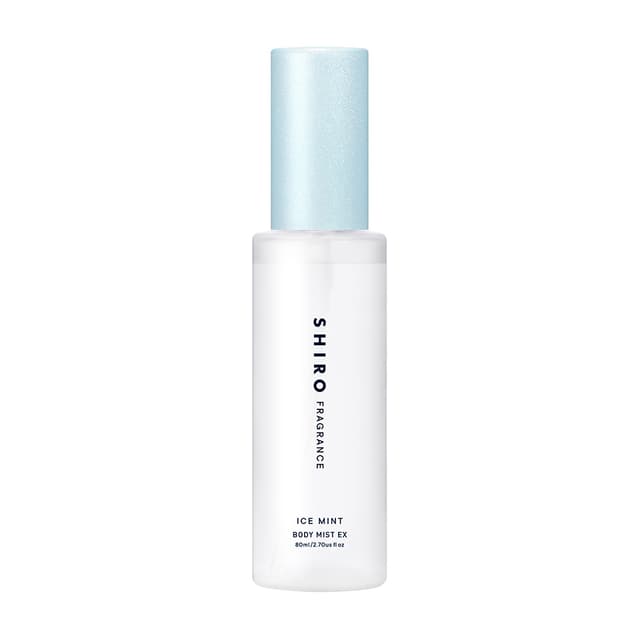
Shiro featured image

Shiro

Japan · Est. 2009 · Luxury

SHIRO is a Japanese beauty brand established in 2009 and based in Sunagawa, Hokkaido. Founded by Hiroe Imai, the brand has developed a distinctive identity around natural ingredients, Japanese craftsmanship, and a more thoughtful approach to product creation. Positioned within luxury Japanese beauty, SHIRO combines skincare, cosmetics, fragrance, and personal care with an emphasis on carefully selected ingredients and locally made production. Sustainability is a major part of the brand’s philosophy, with upcycling, circular practices, and zero-waste thinking helping shape its broader approach. The brand is also cruelty-free and incorporates ethical considerations into how products and materials are developed. Its minimalist aesthetic reflects a preference for simplicity, functionality, and products that can integrate naturally into everyday routines. SHIRO’s connection to Hokkaido and local production gives the brand a strong Japanese identity while its sustainability efforts distinguish it within premium beauty. Overall, SHIRO is a luxury Japanese beauty brand combining natural ingredients, cruelty-free practices, ethical production, sustainability, upcycling, circular beauty, locally made products, and minimalist everyday design.

EDOBIO featured image

EDOBIO

Japan · Est. 2018 · Mid-range

EDOBIO is a Japanese skincare brand launched in 2018 by GE Wellness in Tokyo. Two phrases sum it up. Back to Basics, and Biotiful Inside Out. The name joins Edo, Japan's great era of beauty ritual, with bio, for the biotechnology inside every formula. Women in the Edo period used rice bran to cleanse and mask. EDOBIO uses the same starting point in a modern way. Its key ingredient is BiProGE, a lactic acid bacteria complex made from rice bran. It is designed to support the skin's own microbiome. The brand also uses sake lees ferment extract and Kunisato 35 blueberry leaf and stem proanthocyanidins. Everything is made in Japan. Formulas leave out mineral oil, parabens, synthetic fragrance, synthetic colorants, ethanol and petroleum-based surfactants. The brand lists all of this plainly on its own site. Key products include the Intensive Hydration Serum, the Moisture Lock Cream and the Fresh Balancing Toner. The Vegan Black Soap is another favourite. So is the FLORADIANCE Moisturizing Soufflé Soap, which comes in a hinoki cypress box made by hand from thinned forest timber. Sustainability here is about upcycling. The Saketernal line turns sake lees, a by-product of brewing, into skincare. The brand also chooses lower-impact materials for packaging and print where it can. Prices sit in the mid-range, above drugstore but below prestige. For Japanese beauty, clean beauty, natural beauty, paraben-free skincare or microbiome care rooted in real heritage, EDOBIO is a quiet standout. It also makes a lovely gift, thanks to that wooden box.

Can't find what you're looking for?

We add new sites every week but if you have a specific request, let us know.

About japanese beauty brands

Our editors start with independent labels clearly connected to Japan. We review official websites and public company information to confirm where each business was founded or is based, who is behind it and what it specialises in.

Brand origin and manufacturing location are recorded separately. A company may be Japanese while producing some items elsewhere, just as manufacturing in Japan does not automatically make a business Japanese. Keeping that distinction clear prevents a country label from becoming a vague marketing shortcut.

We then examine the wider range rather than using one product to define the company. Product categories, price positioning, ingredients, formulation choices and stated values help us understand where the label belongs. Japanese skincare brands can approach cleansing, hydration, sun care and treatment differently, while Japanese makeup and personal-care labels add further variety. Each profile brings this information together so readers can compare Japanese beauty brands using meaningful details.

Frequently asked questions

What can I find on this Japanese Beauty Brands page?
This directory brings together independent Japanese beauty brands across skincare, makeup, body care and personal care. Each listing links to a profile covering the business, products, pricing, location and values.
How does From The Labels verify Japanese beauty brands?
Our editors review official websites and public company information, carefully checking each label’s location, founder or ownership background, product focus, price positioning, manufacturing statements and published formulation details before inclusion.
What qualifies as a Japanese beauty brand?
A Japanese beauty brand needs a clear business connection to Japan, such as its founding location, headquarters or company origin. A Japanese-inspired name, aesthetic or product alone does not qualify.
Does a Japanese beauty brand always manufacture in Japan?
Brand origin and manufacturing are separate details. A Japanese company may manufacture elsewhere, while a company from another country may produce in Japan, so we carefully record both points independently.
How do Japanese skincare brands differ from one another?
Japanese skincare brands vary in philosophy, ingredients and formulation. Some draw from different established beauty practices, while others emphasise cosmetic science, specialised delivery systems or straightforward products for everyday routines.
Does this directory include makeup and personal-care brands?
Yes. Japanese beauty extends beyond skincare, so the directory may include independent makeup, body-care and personal-care labels whenever their business background and product focus clearly meet the category’s inclusion criteria.
How can I compare the listed Japanese beauty brands?
Each profile presents the brand’s location, founder, main categories, price level, values and distinguishing details. Reading these points together makes comparison easier without reducing every label to one J-beauty stereotype.