Sulfate-Free Beauty Brands

Sulfates do a practical job: they help water lift oil and dirt while creating foam in cleansers. Some brands choose alternative cleansing systems to produce a different texture and after-feel. This page brings together independent sulfate-free beauty brands using that approach across skincare, makeup, grooming and personal care. Each listing leads to a brand profile covering the founder, location, price level, product focus and formulation details that explain why the label sits within this category.

Brands

Zove Beauty featured image

Zove Beauty

Australia · Mid-range

Zove Beauty is an Australian beauty brand founded by Adeline Yeak. The women-owned brand combines clean beauty with a strong ingredient-conscious and sustainability-led profile, sitting comfortably within the mid-range segment. Its formulas are associated with paraben-free, sulfate-free, and silicone-free beauty, giving shoppers clear guidance around ingredients they may prefer to avoid. Cruelty-free positioning adds an animal-welfare consideration to that clean formulation story. Sustainability is one of the brand’s stronger themes. Recycled materials and locally made production connect environmental thinking to both packaging and manufacturing, while its Australian identity gives Zove a clearer regional connection. Minimalist beauty also fits naturally with the brand. Instead of encouraging overly complicated routines, the profile suggests a more edited approach built around products that can be used consistently. The mid-range price point helps Zove strike a useful balance between accessibility and a more considered beauty experience. It feels more specialized than entry-level personal care but avoids the exclusivity associated with traditional luxury skincare. For shoppers looking for Australian clean beauty with a practical environmental focus, Zove Beauty brings together paraben-free, sulfate-free and silicone-free formulations, sustainability, recycled materials, local production, women-owned leadership, and minimalist everyday routines. The brand’s strongest appeal lies in how formulation and environmental responsibility are presented as parts of the same beauty philosophy.

Edible Beauty featured image

Edible Beauty

Australia · Est. 2014 · Mid-range

Edible Beauty is an Australian skincare brand founded in 2014 by Anna Mitsios and based in Sydney. The women-owned beauty brand brings together clean beauty, natural and organic ingredients, plant-based formulation, and a strong ethical and sustainability profile. Its vegan and cruelty-free positioning gives the brand an animal-friendly foundation, while organic and natural beauty add a more ingredient-conscious dimension. Edible Beauty also sits within paraben-free and sulfate-free beauty, giving shoppers additional formulation standards to consider. Sustainability extends beyond ingredients. Biodegradable elements and recycled materials contribute to the brand’s environmental profile, making its conscious-beauty positioning feel broader than a simple “clean” label. Ethical beauty is another key part of its identity, helping connect product formulation with wider questions around sourcing and responsible production. Although the underlying pricing sits around mid-range, the brand carries a luxury beauty positioning through its presentation and ingredient philosophy. That creates an accessible-premium balance for shoppers who want a more elevated natural skincare experience without reaching the very top of prestige pricing. Edible Beauty is particularly suited to customers who want several conscious beauty priorities addressed together. Clean formulation, organic and plant-based ingredients, vegan and cruelty-free practices, ethical values, recycled materials, sustainability, and women-owned leadership all contribute to a distinctly modern Australian skincare brand.

Natralus featured image

Natralus

Australia · Est. 2010 · Affordable

Natralus is an Australian beauty brand founded in 2010 by John Rowe and based in Adelaide, South Australia. The brand occupies an accessible space within natural beauty, bringing together cruelty-free practices, ingredient-conscious formulations, and locally made products without moving into premium pricing. Natural beauty is the foundation of Natralus, while paraben-free and sulfate-free formulas give shoppers clearer guidance around what they can expect from the range. Sensitive-skin-friendly positioning adds another important dimension, making the brand particularly relevant for customers who want natural products but still need to consider skin comfort. Its cruelty-free profile provides an animal-welfare consideration, while local production gives Natralus a strong Australian identity. That locally made element is especially meaningful for shoppers who prefer supporting brands with a closer connection between formulation, production, and place. Affordability is one of the brand’s strongest advantages. Natural and sensitive-skin-focused beauty often carries a higher price, but Natralus keeps its products within reach of customers building practical everyday routines. The result is a beauty brand that feels straightforward rather than aspirational for its own sake. For shoppers looking for affordable Australian beauty, Natralus combines natural ingredients, cruelty-free values, paraben-free and sulfate-free formulations, sensitive-skin-friendly care, local production, and everyday usability in a way that is easy to understand and easy to incorporate into regular routines.

Talia Skincare featured image

Talia Skincare

Est. 2010 · Luxury

Talia Skincare is a beauty brand founded in 2010 by Eran Windman and positioned around natural skincare, clean formulation, and products designed for consistent everyday use. Its strongest identity comes from the balance between natural beauty and a more modern ingredient-conscious approach. The brand sits within clean beauty and is associated with vegan products, while paraben-free and sulfate-free formulations make it particularly relevant for shoppers who prefer to avoid those ingredients. Sustainability is another part of Talia Skincare’s profile, giving the brand an environmental dimension alongside its formulation standards. Although the underlying price data leans toward luxury, the brand is categorized within mid-range beauty, which places it in an interesting space between accessible skincare and a more premium experience. That can appeal to customers who want elevated products without moving into the highest prestige tier. Everyday beauty remains important. Talia Skincare is not positioned purely around occasional treatments or indulgent rituals; its products are intended to form part of regular routines. For shoppers looking for a beauty brand that brings together natural skincare, clean beauty, vegan formulation, paraben-free and sulfate-free products, sustainability, and everyday practicality, Talia Skincare offers a well-rounded option with a more polished feel than basic mass-market skincare.

Olea Essence featured image

Olea Essence

Israel · Luxury

Olea Essence is an Israeli skincare brand from the Sea of Galilee region, founded by Avner Talmon. Its identity is closely tied to natural beauty, with plant-based ingredients and a formulation philosophy that feels more botanical than clinical. The brand sits within luxury beauty, but its appeal is not simply premium packaging or exclusivity. Olea Essence is better understood as a naturally focused skincare brand for people who want everyday products built around a more ingredient-conscious approach. Its cruelty-free positioning adds an animal-friendly dimension, while paraben-free and sulfate-free formulas make the range particularly relevant to shoppers who actively avoid those ingredients. Sustainability is another part of the brand’s profile, complementing its natural and plant-based positioning rather than feeling like an unrelated add-on. That combination gives Olea Essence a coherent identity: botanical skincare, conscious formulation, and products intended to be used consistently rather than saved for occasional treatments. Its regional roots also give the beauty brand a clear sense of place, distinguishing it from globally standardized skincare labels. For shoppers exploring luxury natural beauty, Olea Essence offers a combination of plant-based skincare, cruelty-free practices, paraben-free and sulfate-free formulations, sustainability, and everyday usability, all connected to its origins in Israel’s Sea of Galilee region.

Minus 417 featured image

Minus 417

Israel · Mid-range

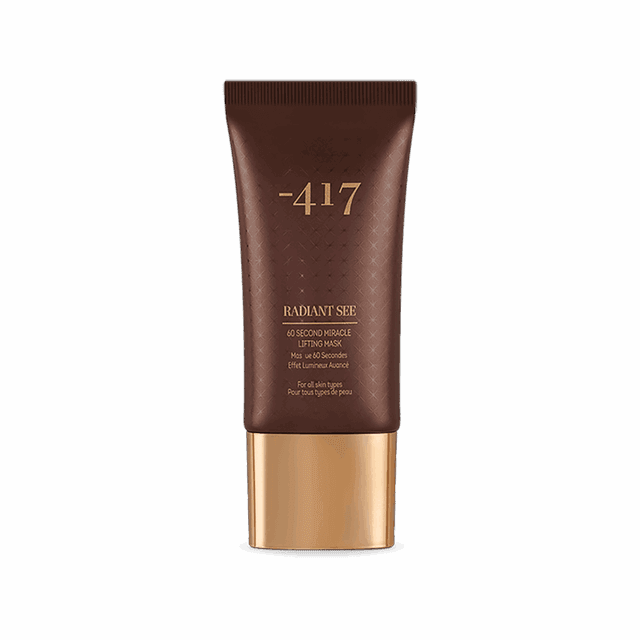
MINUS 417 is an Israeli beauty brand founded by Moty Fridman. The brand sits in the luxury skincare space, with natural ingredients and cruelty-free practices forming key parts of its identity. Its clean beauty positioning is supported by paraben-free and sulfate-free formulations, giving shoppers a clearer sense of the brand’s ingredient standards. For customers who actively avoid certain commonly used ingredients, this makes MINUS 417 easier to place within a more conscious skincare routine. Natural beauty is another important part of the brand’s profile. Rather than focusing exclusively on clinical or laboratory-driven language, MINUS 417 maintains a connection to ingredient-led skincare while still presenting the products in a premium way. Despite the luxury positioning, the products are designed for everyday beauty, helping the brand remain relevant to customers who want consistent skincare rather than occasional indulgence. Its listed price range sits closer to mid-range, creating an interesting balance between an elevated brand image and a more accessible price point. MINUS 417 is therefore best suited to shoppers who want natural skincare with a premium feel and clearly defined formulation standards. The brand combines clean beauty, natural ingredients, cruelty-free practices, paraben-free and sulfate-free positioning, and everyday usability without requiring customers to move fully into the highest luxury tier.

Delarta featured image

Delarta

United Arab Emirates · Est. 2017 · Mid-range

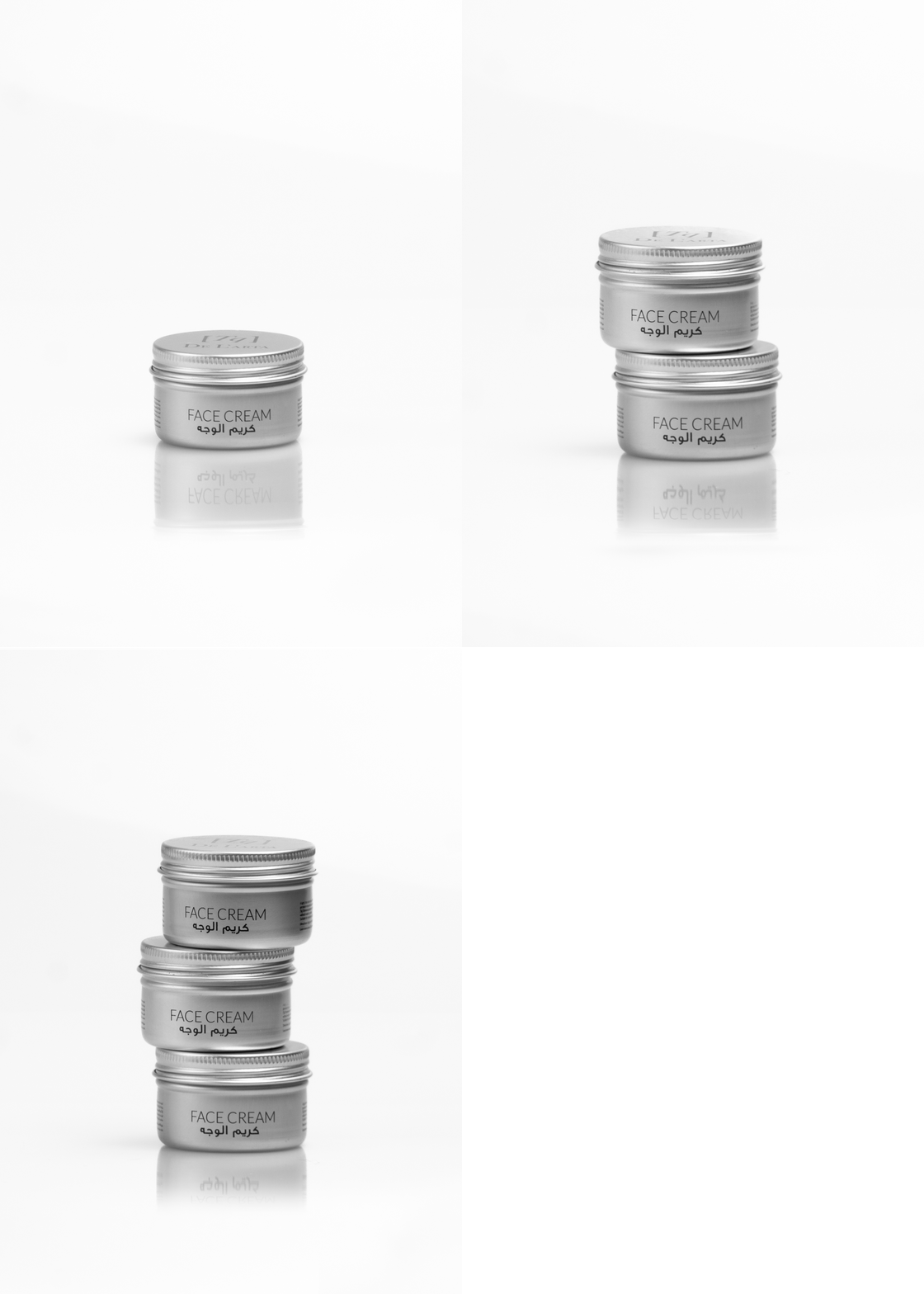
De L’Arta is a UAE beauty brand founded in 2017 by Lina Fayez Yousef, Saeed AlKhoori, and Sarah Yousef and based in Abu Dhabi. The brand combines clean beauty with plant-based ingredients, local production, and a strong sustainability profile. Its cruelty-free positioning makes De L’Arta relevant for shoppers who want animal-friendly products, while paraben-free and sulfate-free formulations add further appeal for ingredient-conscious customers. Sustainability is one of the most distinctive parts of the brand’s identity. Upcycled elements give it an additional environmental dimension, showing an interest in finding value in materials or ingredients that might otherwise be wasted. Locally made production reinforces De L’Arta’s connection to Abu Dhabi and helps the brand stand apart from globally standardized clean-beauty companies. The brand sits within the mid-range beauty category, offering a considered product experience without moving fully into luxury pricing. Its natural beauty positioning also complements the plant-based formulation profile, creating a strong fit for customers who want skincare or beauty products that feel both modern and connected to more conscious ingredient choices. For shoppers exploring Middle Eastern beauty, De L’Arta brings together clean formulation, cruelty-free values, sustainability, upcycling, local production, plant-based ingredients, and practical everyday use in a brand with a distinct UAE identity.

Shirley Conlon Organics featured image

Shirley Conlon Organics

United Arab Emirates · Mid-range

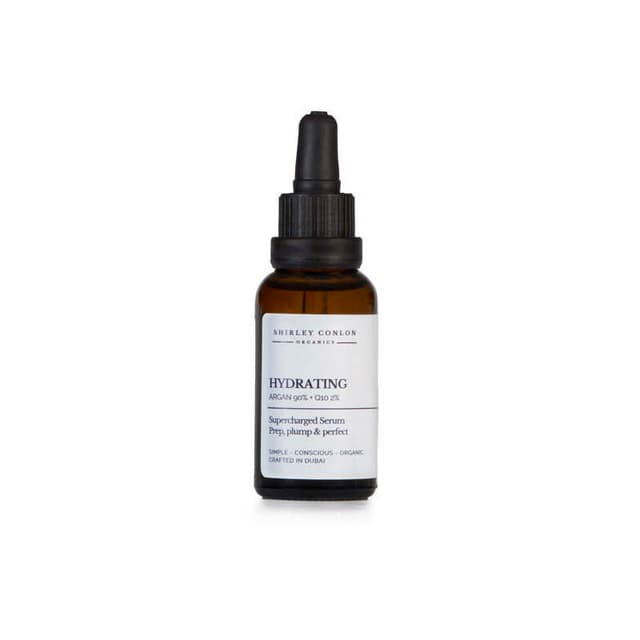
Shirley Conlon Organics is a Dubai-based beauty brand founded by Shirley Conlon. The brand takes a premium approach to clean skincare, combining natural and organic ingredients with vegan, cruelty-free, and non-toxic beauty principles. Handmade and locally made production are central to its character. These qualities give the brand a more artisanal identity and strengthen its connection to Dubai rather than presenting it as a generic international clean-beauty label. Its minimalist beauty positioning also makes the range relevant for customers who prefer fewer, more intentional products. Rather than encouraging complex routines, the brand fits naturally with customers who want straightforward skincare built around high-quality ingredients. Sustainability adds another dimension, connecting the formulation philosophy with a broader environmental perspective. Although the underlying pricing sits closer to mid-range, the brand is positioned within luxury beauty thanks to its ingredient profile, handmade production, and premium presentation. For customers seeking a clean beauty brand from the UAE, Shirley Conlon Organics offers a particularly comprehensive mix of natural and organic ingredients, vegan and cruelty-free values, non-toxic positioning, local craftsmanship, sustainability, and minimalist routines. Its strongest appeal is the coherence between formulation and production: the brand does not simply use “organic” as a label, but builds its wider identity around thoughtful ingredients, small-scale making, and a more intentional approach to everyday skincare.

Asteri Beauty featured image

Asteri Beauty

Saudi Arabia · Est. 2023 · Mid-range

Asteri Beauty is a Saudi Arabian beauty brand founded in 2023 by Sara Alrashed. Despite being relatively new, the brand has built a clear identity around vegan and cruelty-free beauty, ingredient-conscious formulation, and more sustainable packaging. Its products are associated with paraben-free and sulfate-free beauty, making Asteri relevant for customers who want modern cosmetics with clearly defined formulation standards. Sustainability is especially visible through recycled materials and refillable formats. These choices give the brand a stronger environmental profile than labels that rely only on recyclable outer packaging. Ethical beauty is also part of Asteri’s positioning, helping connect product design, formulation, and responsible business values within the same brand story. Its mid-range beauty position makes this approach relatively accessible. Asteri feels more polished than basic mass-market cosmetics but does not depend on traditional luxury pricing to create a premium experience. Everyday beauty remains central, ensuring that the brand’s sustainability and formulation values do not make the products feel overly niche or impractical. For shoppers looking for a Middle Eastern beauty brand with a contemporary conscious-beauty perspective, Asteri combines vegan formulas, cruelty-free practices, paraben-free and sulfate-free beauty, recycled materials, refillable design, sustainability, ethical positioning, and wearable everyday products in a particularly modern package.

LABRAINS featured image

LABRAINS

Latvia · Luxury

LABRAINS is a Latvian skincare brand founded by Līga Brūniņa and based in Riga. The brand sits toward the premium end of European beauty, combining natural ingredients with vegan formulations, dermatologist-tested products, and a minimalist approach to skincare. Its sensitive-skin-friendly positioning is one of the strongest parts of its identity. LABRAINS is relevant for customers who want elevated skincare but still need formulas that feel considered for more reactive or easily irritated skin. The brand is also associated with clean beauty and products made without parabens or sulfates. These formulation choices give customers a clearer way to understand how LABRAINS differs from more conventional luxury skincare. Minimalist beauty plays an equally important role. Rather than emphasizing large routines or unnecessary layering, the brand is best suited to shoppers who prefer a smaller number of focused products. Sustainability adds another dimension to LABRAINS, making its premium positioning feel more contemporary and responsible. The result is a luxury-leaning European skincare brand that does not rely solely on exclusivity. LABRAINS combines natural beauty, vegan formulas, dermatologist-tested products, sensitive-skin-friendly care, paraben-free and sulfate-free positioning, sustainability, and minimalist routines. It is particularly relevant for customers who want premium skincare to feel both sophisticated and purposeful.

SIMIHAZE Beauty featured image

SIMIHAZE Beauty

United States · Est. 2021 · Mid-range

SIMIHAZE BEAUTY is an American makeup brand founded in 2021 by sisters Simi and Haze Khadra and based in Los Angeles, California. The brand brings a highly visual, fashion-aware perspective to beauty, but its identity goes beyond creative presentation through a strong clean and conscious formulation profile. SIMIHAZE is vegan and cruelty-free and is associated with paraben-free and sulfate-free beauty. These qualities make it relevant for customers who want luxury-leaning makeup while still paying attention to ingredient standards and animal welfare. Sensitive-skin-friendly positioning gives the brand another layer of practicality, helping balance its bold, design-led image with products that can still fit comfortably into everyday routines. Sustainability and eco-friendly practices are also part of its profile, giving customers more than one reason to consider the brand from a conscious beauty perspective. As a women-owned Los Angeles beauty brand, SIMIHAZE has a clear founder-led identity and a strong connection to contemporary American beauty culture. Its listed pricing sits closer to mid-range, but the brand is positioned within luxury beauty thanks to its presentation and aesthetic direction. For shoppers seeking modern makeup that combines clean beauty, vegan and cruelty-free values, sensitive-skin-friendly formulas, sustainability, and a strong creative identity, SIMIHAZE stands out as a more expressive alternative to conventional luxury cosmetics.

Iris&Romeo featured image

Iris&Romeo

United States · Est. 2019 · Mid-range

Iris&Romeo is an American beauty brand founded in 2019 by Michele Gough Baril and based in Northern California. The women-owned brand combines clean beauty with a streamlined approach to makeup and skincare, making it especially relevant for customers who want fewer products to do more within their everyday routines. Its formulation standards are a major part of the brand’s appeal. Iris&Romeo is vegan and cruelty-free and is associated with paraben-free and sulfate-free beauty. These choices support its clean beauty positioning and give ingredient-conscious shoppers a clearer reason to consider the brand beyond aesthetics. Sustainability is also built into its profile. The use of recycled materials adds a tangible environmental element, while the brand’s minimalist beauty positioning naturally supports the idea of buying more intentionally rather than building oversized routines. Although its listed price range is mid-range, the brand is positioned within luxury beauty, which reflects its more polished presentation and elevated experience. That combination gives Iris&Romeo an interesting place between accessible prestige and traditional luxury. For shoppers looking for American clean beauty that feels refined but still practical, Iris&Romeo offers a strong mix of vegan formulas, cruelty-free practices, recycled materials, sustainability, women-owned leadership, and minimalist everyday beauty.

Flow Cosmetics featured image

Flow Cosmetics

Finland · Est. 2004 · Mid-range

Flow Cosmetics is a Finnish beauty brand founded in 2004 by Riitta Jänkälä and based in Riihimäki. With more than two decades of experience, the brand has developed around natural and organic beauty rather than adopting those ideas only after they became mainstream trends. Its ingredient profile is broad and clearly defined. Flow Cosmetics is cruelty-free and associated with formulas made without parabens or sulfates, while natural and organic ingredients form the foundation of the brand’s positioning. Sustainability is closely connected to how the products are made and presented. Recycled materials and locally made production reinforce the company’s Finnish roots, giving the brand a strong sense of origin. Sensitive-skin-friendly positioning further extends its appeal to customers who want natural skincare but need products suited to more reactive skin. Flow Cosmetics sits in the mid-range beauty category, giving shoppers access to an elevated natural skincare experience without entering traditional luxury pricing. Its longevity is one of its more interesting qualities. Established in 2004, the brand has existed through several waves of clean and natural beauty trends, giving its positioning a sense of continuity. For shoppers looking for European beauty with organic ingredients, cruelty-free practices, sustainable packaging, local Finnish production, and sensitive-skin-friendly options, Flow Cosmetics offers a well-established and practical choice.

Terres d’Afrique featured image

Terres d’Afrique

Est. 2013 · Luxury

Terres d’Afrique is a luxury beauty brand founded in 2013 by Stephan Helary. Its identity is built around natural and organic skincare, with ethical sourcing and sustainability positioned as fundamental parts of the brand rather than optional additions. The formulation profile is particularly strong. Terres d’Afrique is vegan and cruelty-free and is also associated with paraben-free, sulfate-free, and silicone-free beauty. This makes it relevant for shoppers who want premium skincare while paying close attention to both ingredients and animal welfare. Ethical and fair-trade values add another important dimension. The brand’s positioning suggests a beauty model that considers how ingredients are sourced and how production affects the communities connected to them. Handmade and locally made qualities give the brand an artisanal character, while its natural and organic focus keeps the experience closely connected to botanical beauty rather than conventional luxury formulation. Terres d’Afrique therefore fits best for customers who want luxury skincare with a strong ethical framework. It combines natural beauty, organic ingredients, vegan and cruelty-free practices, fair-trade principles, sustainability, local craftsmanship, and formulation standards that avoid parabens, sulfates, and silicones. The result is a beauty brand where premium positioning and responsible values are closely intertwined.

Sensatia Botanicals featured image

Sensatia Botanicals

Indonesia · Est. 2000 · Mid-range

Sensatia Botanicals is an Indonesian beauty brand established in 2000 by Michael Lorenti. With more than two decades in the market, the brand has had time to build a clear identity around clean beauty, natural ingredients, responsible production, and products intended for regular use rather than short-lived trends. Its formulation profile is one of its strongest features. Sensatia Botanicals is associated with cruelty-free beauty and products made without parabens, sulfates, or silicones, giving it a straightforward appeal for ingredient-conscious shoppers. Natural beauty sits at the core of the brand rather than functioning as a secondary label. The brand also has a strong ethical and environmental side. Eco-friendly and sustainable practices, together with locally made production, connect Sensatia Botanicals closely to Indonesia and give its beauty products a more grounded sense of origin. That local production is especially important in distinguishing the brand from global labels that use natural positioning without the same regional connection. Sitting in the mid-range beauty segment, Sensatia Botanicals offers a more considered experience than basic mass-market personal care while remaining practical enough for everyday routines. Its long-standing presence, clean formulation approach, cruelty-free values, and sustainability focus make it a strong option for shoppers looking for natural Indonesian skincare and beauty with a well-established identity.

Waphyto featured image

Waphyto

Japan · Mid-range

Waphyto is a Japanese beauty brand founded by Atsuko Morita and based in Takasaki, Gunma. Its identity is rooted in the meeting point between clean beauty, natural ingredients, plant-based formulation, and a more elevated approach to everyday care. The result is a brand that feels polished and premium while still keeping sustainability and ingredient choices at the center of the conversation. The formulas align with paraben-free and sulfate-free beauty, while the brand’s ethical and fair-trade positioning adds depth beyond a simple “natural” label. Waphyto also places importance on locally made production, giving the brand a clear connection to Japan rather than presenting itself as a generic global clean-beauty line. Sustainability is one of its most defining themes. Recycled materials, eco-friendly practices, and responsible sourcing help shape the brand’s overall identity. Its women-owned background also makes it relevant for shoppers who actively seek founder-led beauty businesses with a strong point of view. Although the pricing sits around the mid-range, Waphyto has the finish and positioning of a luxury-leaning skincare brand. For shoppers interested in Japanese beauty that combines natural ingredients, clean formulations, ethical sourcing, sustainability, recycled materials, and locally made production, Waphyto offers a more thoughtful and refined alternative to conventional skincare.

Le Prunier featured image

Le Prunier

United States · Est. 2018 · Luxury

Le Prunier is an American skincare brand founded in 2018 by Jacqueline Taylor, Allison Taylor, and Elaine Taylor and based in Yuba City, California. The luxury beauty brand combines clean skincare with a strong connection to natural ingredients, heritage, and more conscious beauty practices. Le Prunier is vegan and cruelty-free, while its formulas are also associated with paraben-free, sulfate-free, and fragrance-free beauty. These qualities make the brand relevant for shoppers seeking premium skincare with a more ingredient-conscious approach. Sustainability and eco-friendly practices are central to the brand’s identity, with upcycled elements adding another dimension to its environmental positioning. Its local California roots and heritage connection further distinguish Le Prunier within American luxury beauty. Minimalist beauty also fits naturally with the brand’s approach, with products designed to integrate easily into everyday routines. Overall, Le Prunier is a luxury American skincare brand combining clean beauty, vegan and cruelty-free formulas, sustainability, upcycling, heritage, locally made beauty, and minimalist everyday skincare.

Moira Beauty featured image

Moira Beauty

United States · Affordable

MOIRA Beauty is an American makeup brand based in Commerce, California and founded by Christine Ko. The beauty brand focuses on accessible cosmetics designed for customers who enjoy experimenting with makeup while keeping products practical enough for everyday use. As a vegan and cruelty-free beauty brand, MOIRA appeals to shoppers looking for animal-friendly makeup at an affordable price point. Its formulas are also associated with paraben-free and sulfate-free beauty, adding another layer of consideration for ingredient-conscious customers. Affordability is an important part of the brand’s positioning. MOIRA provides a way for shoppers to explore different makeup categories, shades, and looks without relying on premium or luxury pricing. Its everyday beauty focus makes the range suitable for regular routines while still allowing room for more expressive makeup styles. Overall, MOIRA Beauty is an affordable American makeup brand combining vegan beauty, cruelty-free practices, paraben-free and sulfate-free formulas, accessible pricing, and everyday cosmetics for a broad beauty audience.

Gen See featured image

Gen See

United States · Est. 2020 · Mid-range

Gen See is an American beauty brand founded in 2020 by Danya Klein and Tamar Yaniv and based in Montebello, New York. The makeup brand focuses on clean, modern cosmetics designed to integrate easily into everyday beauty routines. As a vegan and cruelty-free beauty brand, Gen See appeals to shoppers seeking animal-friendly makeup with a more thoughtful formulation approach. Its products are also associated with fragrance-free, paraben-free, and sulfate-free beauty, reinforcing the brand’s clean beauty positioning. Ethical and sustainable practices are important parts of Gen See’s identity. The use of recycled materials adds another environmental consideration, helping the brand appeal to customers who think about packaging and impact alongside product performance. Positioned within the mid-range beauty category, Gen See offers an elevated but approachable alternative to both mass-market cosmetics and traditional luxury makeup. Overall, Gen See is a mid-range American makeup brand combining clean beauty, vegan and cruelty-free practices, ethical values, sustainable packaging, recycled materials, and everyday cosmetics.

LYS Beauty featured image

LYS Beauty

United States · Est. 2021 · Mid-range

LYS Beauty is an American makeup brand founded in 2021 by Tisha Thompson and based in Kennesaw, Georgia. The Black-owned beauty brand combines accessible cosmetics with clean beauty principles and products designed for everyday wear. LYS is a vegan and cruelty-free beauty brand with plant-based formulas and an ingredient-conscious approach. Its products are also positioned as paraben-free and sulfate-free, making the brand relevant for customers looking for cleaner formulation standards within modern makeup. Sustainability is another part of the brand’s identity, supported by the use of recycled materials and a broader focus on more responsible beauty choices. Although the brand maintains an accessible approach to pricing, its presentation and formulas give customers an elevated experience without traditional luxury costs. Overall, LYS Beauty is an American clean makeup brand combining Black-owned beauty, vegan and cruelty-free formulas, plant-based ingredients, paraben-free and sulfate-free beauty, recycled materials, sustainability, and everyday cosmetics designed for modern routines.

Arami Essentials featured image

Arami Essentials

Nigeria · Est. 2016 · Affordable

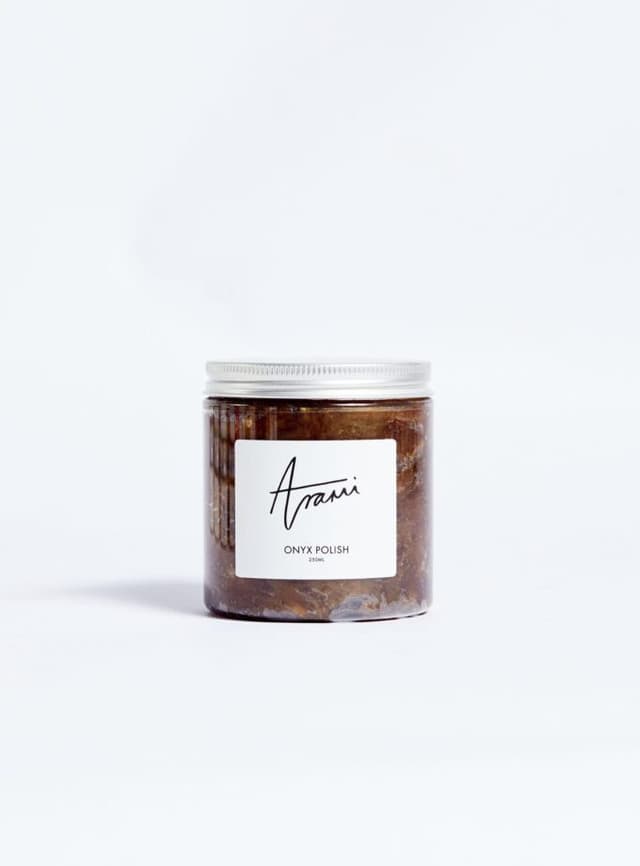
Arami Essentials is a Nigerian skincare and beauty brand founded in 2016 by Ore Runsewe and based in Lagos. The Black-owned beauty brand draws on African beauty traditions while creating practical products designed for modern skincare and personal care routines. Natural beauty is central to Arami Essentials, with products developed around carefully selected ingredients and a non-toxic approach to formulation. The brand is cruelty-free and avoids parabens, sulfates, and silicones, making it relevant for ingredient-conscious shoppers. Sustainability also plays an important role in the brand’s identity. Arami Essentials incorporates refillable and recycled elements, locally made production, and more thoughtful packaging choices into its broader approach. Its hand-crafted character and connection to heritage beauty give the brand a distinct sense of place, while its minimalist philosophy keeps products suitable for straightforward everyday routines. Overall, Arami Essentials is a Nigerian beauty brand combining natural skincare, cruelty-free practices, paraben-free and sulfate-free formulas, sustainable beauty, refillable packaging, locally made craftsmanship, African heritage, and minimalist everyday care.

lelive featured image

lelive

South Africa · Est. 2021 · Affordable

lelive is a South African skincare brand founded in 2021 by Amanda Du-Pont and based in Cape Town. The Black-owned and women-owned beauty brand creates modern skincare with a strong connection to African beauty, locally made production, and conscious formulation. The brand fits naturally within clean and natural beauty, with vegan and cruelty-free products forming an important part of its identity. Its formulas are also developed without parabens, silicones, and sulfates and are dermatologist-tested for a more considered skincare experience. Sustainability and ethical beauty are central to lelive’s positioning. The brand incorporates eco-friendly practices and locally made production while maintaining a minimalist approach to skincare routines. Its products are designed for everyday use, balancing elevated formulation with practical application. This makes lelive appealing to customers looking for modern African skincare that combines performance with conscious values. Overall, lelive is a South African beauty brand combining Black-owned and women-owned beauty, clean skincare, vegan and cruelty-free formulas, sustainable practices, locally made production, and minimalist everyday beauty.

Klur featured image

Klur

United States · Est. 2015 · Luxury

KLUR is an American skincare brand founded in 2015 by Lesley Thornton and based in Los Angeles, California. The Black-owned and women-owned beauty brand is positioned within luxury beauty, combining sophisticated skincare with a strong focus on conscious formulation and responsible beauty practices. KLUR is a vegan and cruelty-free beauty brand with plant-based formulas that align closely with clean beauty principles. Its products are also formulated without parabens and sulfates, making the brand relevant for shoppers looking for premium skincare with thoughtfully considered ingredient standards. Sustainability is another important part of KLUR’s identity. The brand incorporates eco-friendly practices and recycled materials into its approach, reflecting a broader commitment to reducing environmental impact while maintaining an elevated presentation. Despite its luxury positioning, KLUR is designed around skincare that can be integrated into everyday beauty routines. This balance between premium formulation and practical use makes it appealing to customers who want sophisticated products without unnecessary complexity. Overall, KLUR combines Black-owned beauty, women-owned leadership, vegan skincare, cruelty-free practices, plant-based formulas, sustainable values, and luxury beauty within a modern Los Angeles skincare brand.

FRÉ Skincare featured image

FRÉ Skincare

Israel · Est. 2016 · Luxury

FRÉ Skincare was founded in 2016 in Tel Aviv by co-CEOs Michael Azoulay and Mickael Bensadoun. The idea came from watching a jogger on the beach fight sunscreen that ran, stung and simply gave up under sweat. That observation defined the brand. FRÉ positions itself as a clean suncare and well-aging specialist. It engineers 100% mineral SPF and antioxidant skincare for skin that is active, sweating and sun-exposed, rather than for skin sitting still indoors. Up to 90% of visible skin ageing is attributed to sun exposure. Treating sun protection as a well-aging product rather than a summer purchase is therefore a defensible strategy. The signature technology is the patented Argania Active Complex. It combines leaf extract, oil and stem cells from the desert argan tree, a species that survives extreme heat and drought. In-vitro research on the complex has been conducted with the Dead Sea-Arava Science Center. Hero products include PROTECT ME Moisturizing Mineral SPF in 30 and 50, and GLOW ME + Tinted Mineral SPF. The C ME Brightening Serum, RECOVER ME Restorative Night Cream and PURIFY ME Hydrating Facial Cleanser complete the routine. All products are vegan, cruelty-free, clinically and dermatologically tested, non-comedogenic and hypoallergenic, and are free from parabens, sulfates, gluten, mineral oil, propylene glycol, phthalates, formaldehyde and DEA. Formulas are reef safe and compliant with Hawaii's Reef Act 104. Packaging includes 50% post-consumer recycled plastic and sugarcane bioplastic, an argan tree is planted in Morocco for every set sold, and 1% of revenue supports environmental causes.

Can't find what you're looking for?

We add new sites every week but if you have a specific request, let us know.

About sulfate-free beauty brands

Sulfates are surfactants, a group of ingredients that help water mix with oil and dirt so they can be rinsed away. Sodium lauryl sulfate, sodium laureth sulfate and ammonium lauryl sulfate are among the names commonly found in personal-care formulas.

The sulfate-free beauty brands listed here choose other cleansing or emulsifying ingredients for the relevant products in their ranges. These alternatives can create different levels of foam, cleansing strength and texture.

Sulfate-free skincare brands commonly apply this approach to facial cleansers, body washes and other rinse-off products. Their wider ranges may also include moisturisers, serums, masks and treatments developed under the same formulation philosophy.

Sulfates play a smaller role in colour cosmetics, so sulfate-free makeup brands may use the term as part of a wider ingredient policy covering complexion, lip, cheek and eye products.

Sulfate-free describes one part of a formula rather than its complete ingredient profile. Each brand page provides more context about the company’s products, founders, price positioning and other relevant formulation choices, helping readers understand the independent label beyond a single ingredient claim.

Frequently asked questions

What are sulfates in beauty products?
Sulfates are surfactants used primarily for cleansing and foaming. They help water spread across a surface and remove oil, dirt and product buildup, which is why they commonly appear in facial cleansers, body washes and shampoos.
What does sulfate-free mean?
Sulfate-free means that a formula has been created without specified sulfate-based surfactants. Brands typically replace them with alternative cleansing agents chosen according to the desired foam, texture and cleansing performance.
Which sulfate ingredients commonly appear on beauty labels?
Common examples include sodium lauryl sulfate, sodium laureth sulfate and ammonium lauryl sulfate. These may also be written as SLS, SLES and ALS in educational or product information.
Why do some beauty brands avoid sulfates?
Some brands prefer alternative surfactants because they create a different cleansing experience, level of foam or after-feel. The decision can also form part of a wider formulation philosophy centred on particular ingredient preferences.
Can sulfate-free cleansers still foam?
Yes. Ingredients such as glucosides, isethionates, betaines and amino-acid-based surfactants can create foam and remove buildup without using the common sulfates associated with traditional cleansers.
Is sulfate-free the same as soap-free?
Sulfate-free and soap-free describe separate formulation choices. A product can avoid sulfate surfactants while containing soap-based cleansing ingredients, or use non-soap surfactants while following a sulfate-free approach.
Is sulfate-free the same as paraben-free or silicone-free?
Sulfate-free, paraben-free and silicone-free each refer to different ingredient groups. A brand may follow one of these formulation approaches or combine several across its product range.
What do sulfate-free skincare brands offer?
Sulfate-free skincare brands commonly offer facial cleansers, body cleansers and other rinse-off products using alternative surfactants. Their ranges may also include serums, moisturisers, masks, oils and targeted treatments.
What does sulfate-free mean for makeup brands?
Sulfates are less central to most colour cosmetics than to cleansing products. Sulfate-free makeup brands may use the term as part of a broader formulation standard applied across foundations, lip products, blushes and eye makeup.
Does sulfate-free mean a product contains only natural ingredients?
Sulfate-free describes the absence of specified sulfate ingredients. The remaining formula may contain naturally derived ingredients, synthetic ingredients or a combination of both.
How does From The Labels select brands for this category?
From The Labels editors review the independent brand’s ingredient policies, formulation information and product range before assigning it to the Sulfate-Free Beauty Brands category.
Are all the brands on this page independent?
Yes. Every company listed here is an independent beauty brand, with an individual profile covering its founders, background, products and defining attributes.