#organic

List of 250+ Organic Brands

Explore 250+ organic brands making clothing, beauty and haircare with organically grown materials and ingredients. Organic crops are grown without synthetic pesticides, herbicides or fertilisers and without genetic modification, and standards such as GOTS for textiles and COSMOS Organic or NATRUE for cosmetics certify products that meet strict requirements. Clothing is the largest category here, followed by beauty and haircare, with some swimwear and jewellery labels. Ideal for organic cotton basics, gentle skincare and cleaner hair routines. Compare these organic clothing and beauty brands side by side and look out for certification details when choosing.

Tagged Brands

Outsiders Division featured image

Outsiders Division

Spain · Est. 2012 · Luxury

Outsiders Division is a European designer streetwear label for men and women, founded in Barcelona in 2012 by David Méndez Alonso. Méndez started the brand because he was tired of seeing the same old things in fashion, where everything felt generic. What began as an idea to create something different became a project to challenge the norm, and one of his biggest goals was to make the brand inclusive, with gender-neutral clothing for all ages. The range covers knitwear, tees, tanks, shirts, shorts, skirts, jackets and statement dresses, plus caps and scarves, known for playful colour, bold graphics and slogans. Signature pieces include sweaters such as Midnight Call, Plastic Bouquet and Star Social Club, the Antoine Shirt, the Unlicensed Athlete Tee and the Business Department jacket. Everything is designed in Barcelona and made mainly in Spain and Portugal. Most collections use organic cotton, including nearly all of its knitwear and 70% of its jackets, and it uses recycled polyester where possible. It works in small batches with partners that ensure fair wages and safe working conditions, so its artisans are not overburdened or rushed. Outsiders Division sells through its own online store.

Still Here featured image

Still Here

USA · Est. 2018 · Luxury

Still Here is an American designer denim label for women, founded in New York in 2018 by husband and wife Sonia Mosseri and Maurice Mosseri. The high school sweethearts grew up in Brooklyn, where Sonia studied philosophy at Brooklyn College before working as a design assistant to Rosie Assoulin. She launched the brand on Instagram with a small line of hand-painted denim, celebrating classic American jeans through everyday dressing. Still Here makes 100% cotton jeans meant to be ripped, faded, patched and handed down, led by the low-rise, waistband-free Cool Jean alongside the Sport Jean, Everyday Jean and 11 Jean. It also offers the Barn Jacket, the Car Jacket and Colors, its line of T-shirts and sweatshirts. Its denim is made in Turkey, Peru and Mexico, while Colors is made in Los Angeles. The jeans are designed to last for years and gain sentimental value as they wear, and the Still Here Café recycles denim waste into fertiliser. Still Here's first season launched at Barneys New York in 2019. It has stores in Nolita, Madison Avenue, Williamsburg, the West Village and on Melrose Avenue, and has been worn by Zoë Kravitz and Hailey Bieber.

Story mfg. featured image

Story mfg.

UK · Est. 2013 · Luxury

Story mfg. is a sustainable UK designer clothing label for men and women, founded in Brighton in 2013 by husband-and-wife team Saeed and Katy Al-Rubeyi. With backgrounds in trend forecasting and menswear, the couple set out to make garments that did not already exist, starting with a naturally dyed, handwoven denim and developing their own fabrics from scratch rather than buying ready-made cloth. Its gender-neutral collections include bomber jackets, shirts, knitwear, trousers, shorts and tees, with signature pieces such as the Seed Bomber, the Greenhouse Shirt and the Grateful Tee. Everything is handmade in India by a team of artisan dyers, weavers, embroiderers and tailors. Story mfg. uses only natural plant dyes such as myrobalan, Indian redwood, pomegranate and natural indigo fermented in a large vat whose water is reused. Craft techniques include hand embroidery, block printing, appliqué, hand crochet and patchwork made from production offcuts, and the label is vegan. Early on it sold from a pop-up shop on the founders' London canal boat. It has since been stocked by LN-CC and Goodhood, profiled by British Vogue and i-D, and opened its first permanent store in Brighton in 2022.

Uncle Studios featured image

Uncle Studios

Canada · Est. 2017 · Mid-range

Uncle Studios is a designer streetwear label founded in Toronto in 2017 by Allegra Shaw and Shirin Soltani. It began with a single white tee printed with art by Allegra's cousin Bobby Dunn, whose childhood nickname, "Uncle Bobby", gave the brand its name. Built on a sense of yearning and nostalgia, the label designs relaxed everyday clothing with a '90s and 2000s feel. The range covers tees, tanks, sweatshirts, jeans, skirts, dresses and outerwear, plus caps and belts. Pieces are made in Portugal, Canada and Turkey, and signature styles include The Little Tee, The Baby Tank, The Big Zip, The Varsity Crewneck, The Straight Leg Jean and The Baggy Jeans. Uncle Studios makes every product carbon neutral by investing in verified offset projects, including reforestation, renewable energy, forest conservation and energy efficiency. Orders ship in recyclable or compostable packaging. The brand is still run independently by its two co-founders, and its first shop is on Ossington Avenue in Toronto, the city that shaped the label from the start.

Diarrablu featured image

Diarrablu

Senegal · Est. 2013 · Mid-range

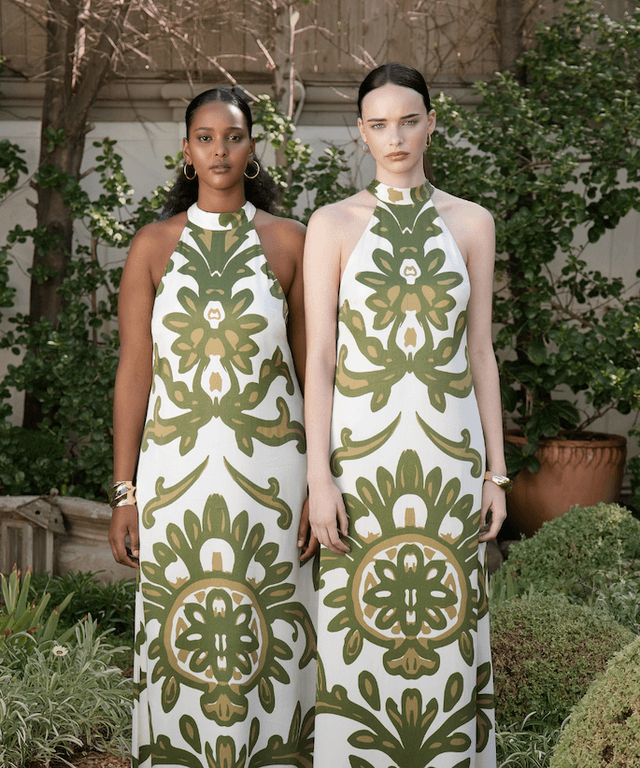
Diarrablu is a sustainable designer clothing label for women, founded in 2013 by Senegalese designer Diarra Bousso. Born in Dakar, Bousso earned a master's degree in mathematics at Stanford and worked on Wall Street as a structured products trader before resigning to follow her passion for design. The brand launched its first ready-to-wear collection in 2015, aiming to merge the worlds of artisans and algorithms. Diarrablu sells bold-printed dresses such as the Tubi and Satu Dress, Genie and Jant Pants, kimonos, swimsuits, skirts and jumpsuits in sizes XS to 3XL, plus headwraps and bags. Most pieces are designed in California and handcrafted in a family-run workshop in Dakar, Senegal. The label combines traditional Senegalese artisan techniques with creative mathematics and AI. Bousso uses her own algorithms to design prints and silhouettes virtually, and every garment is made to order to avoid excess stock and textile waste. Many designs are convertible, and fabrics include linen, organic cotton, lyocell, cupro and FSC-certified viscose. Diarrablu has been featured by Vogue, and Bousso, a TED speaker, has spoken at institutions such as Harvard, Stanford and MIT.

Mosey Me featured image

Mosey Me

Australia · Est. 2016 · Affordable

Mosey Me is an Australian design label for the home and loungewear, founded in Melbourne in 2016 by Eliza O'Sullivan. The founder and creative director turned her love of print, colour and design into a passion project that has grown into a colourful homewares brand, created to bring more joy into everyday life at home. Its designs balance playfulness with sophistication and celebrate creativity, individuality and inclusivity. Every print begins in its Brunswick studio, where it is hand-painted before being brought to life on fabric. The range covers printed bedding, quilted throws, towels, bathmats, tableware and décor, plus accessories such as scrunchies and a small loungewear line of seersucker nighties, short pyjama sets and robes. Mosey Me works with skilled artisans and family-run businesses in Portugal, India and China, and its team visits the factories in person. Collections are made in small production runs to keep prints special and reduce waste, and its bathmats and terry towels now use GOTS-certified organic cotton. The brand often collaborates with like-minded creatives on limited-edition ranges, reflecting its interest in female connection and community.

wol hide featured image

wol hide

USA · Est. 2015 · Mid-range

Wol Hide is an American sustainable knitwear and clothing label for women and men, founded in Philadelphia in 2015 by Leah D'Ambrosio. Raised in western Connecticut and trained in textile design, D'Ambrosio believed fashion could be done better, with empathy, quality and respect for everyone from farmers and mill workers to customers. The label is built on a love for materials in their natural state and on comfort that brings confidence and ease. Wol Hide is known for textural sweaters, cardigans and vests, such as the Box Bomber and Lattice Henley, along with its organic cotton Easy Collection of sweatpants, leggings and sweatshirts, plus hats. It is made in the USA and Peru: wool is spun in Virginia and knit in New York, cotton milled in the Carolinas is sewn in Pennsylvania, and some knits, including alpaca pieces, are hand-loomed in Peru. Its Field Fiber yarn blends Sally Fox's naturally coloured organic cotton with undyed Rambouillet wool, and it uses Texas Organic Cotton Co-Op cotton and RWS and Nativa Regen certified Shaniko merino, with minimal dyeing. Wol Hide has been featured by Philadelphia magazine and Suitcase, and is stocked by boutiques including MayerWasner and Vagabond.

Bibico featured image

Bibico

UK · Est. 2007 · Mid-range

Bibico is a sustainable UK clothing label for women, founded in Bath in 2007 by designer Snow (Nieves). Raised in northern Spain, Snow studied fashion in France and designed for Zara and other high street retailers in Madrid, Sydney and London, before leaving to find a fairer way of making clothes. Her husband Tim joined as COO in 2009, and the name comes from her childhood nickname, Bibi. Bibico makes simple clothes with unique details: jumpers such as the Layla and Alma Jumper, wool vests and gilets, dresses, blouses like the Ada Blouse, Anna Trousers, skirts and jackets. Two collections a year are produced in small runs, mainly in India and Nepal, with knitwear also made in Bulgaria. The label uses natural and sustainable fabrics such as organic cotton, wool and Tencel. It works with a women's cooperative in Mumbai and a knitting cooperative in Kathmandu, and two of its main makers belong to the World Fair Trade Organization. Bibico's first collection sold at Topshop Oxford Circus. In 2010 it won best ethical fashion brand at the Ethical Fashion Show in Paris, and it opened its Bath shop in 2017.

Cou Cou Intimates featured image

Cou Cou Intimates

UK · Est. 2021 · Affordable

Cou Cou Intimates is a British lingerie and underwear label for women, founded in London in 2021 by Rose Colcord. Colcord founded the brand to change the fact that only 7% of intimates are sustainably sourced, launching with three pieces: the thong, the high-rise and the cami. Cou Cou bridges the gap between everyday underwear and top-drawer basics, offering intimates and elevated essentials that don't compromise comfort for confidence and style, guided by a philosophy of doing less, better. Its underwear includes The Brazilian, The High Rise, The Thong and The Brief, alongside bras like The Triangle and The Teacup Bra. The range has grown to include The Baby Tee, The Scoop Tank, The Cardigan, shorts, skirts, The Pajama Pant and The Fleur Slip. Every piece is made from 100% organic cotton, grown in the Izmir region of Türkiye. Cou Cou works with a small group of partner factories in Türkiye, Portugal and Morocco, and its trims are OEKO-TEX Standard 100 certified. Cou Cou Intimates is an independent, female-founded brand led by Colcord. It is a certified B Corp and a member of 1% for the Planet.

SIZ featured image

SIZ

Portugal · Est. 2016 · Mid-range

SIZ is an ethical, sustainable European designer clothing label for women, founded in Sesimbra, Portugal in 2016 by twin sisters Raquel Rodrigues and Sofia Rodrigues. The sisters studied fashion together at the University of Lisbon's Faculty of Architecture and launched the brand after their internships, wanting to prove that sustainable fashion could be creative, colourful and fun. Its style pairs "clean and crafty" in an urban, casual look. The collection includes dresses, tops, shirts, trousers, skirts, jackets, jumpsuits and coordinated sets. Signature pieces include striped sets introduced in 2020 and a thin-strap summer dress reinterpreted every year. Garments are made in Portugal: the sisters design, make patterns, cut and sew in their Sesimbra atelier, working with local seamstresses in small batches produced to the rhythm of sales. Each yearly collection is built around an environmental or social cause, from climate change to ocean pollution and overconsumption. Much of the clothing uses deadstock fabrics, with organic and natural fibres used when deadstock runs short, while a take-back programme keeps garments out of landfill. SIZ has been profiled by the Portuguese magazine NiT and A Sustainable Closet, and in 2026 opened a two-month pop-up in Lisbon.

MaisonCléo featured image

MaisonCléo

France · Est. 2016 · Mid-range

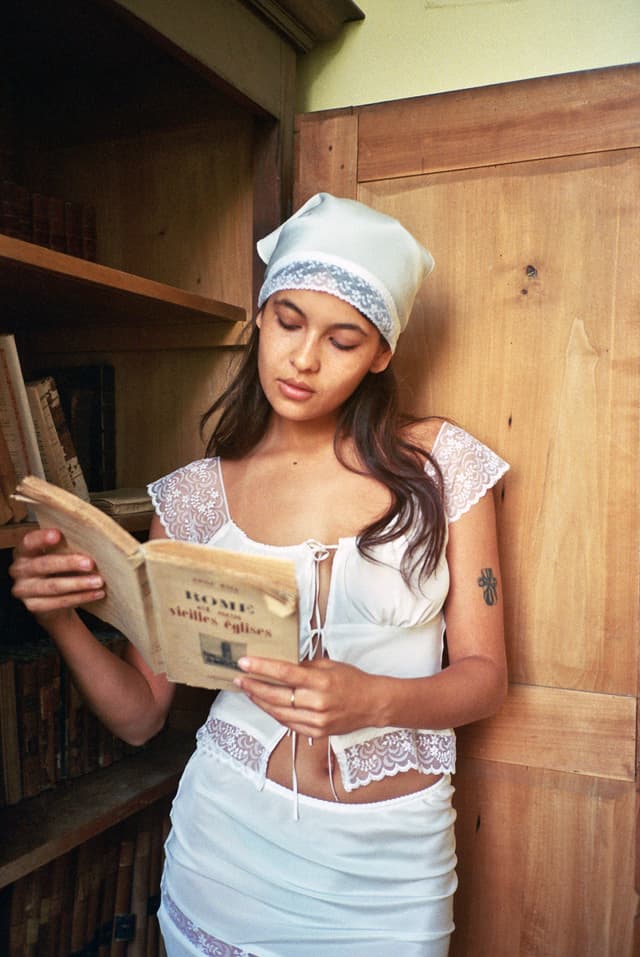
MaisonCléo is a French designer label for women, founded in Calais in 2016 by Marie Dewet and her mother, Nathalie, who sewed the brand's first garments. The mother-daughter label makes romantic, feminine clothing by hand and to order, with a focus on silk dresses and blouses trimmed with Calais lace. The range includes dresses, blouses, skirts, cardigans, coats, bridal pieces and accessories. Every piece is handmade to order in its studio-atelier in the north of France, and any design can be made to measure. Signature pieces include the Madeleine silk dress with a Calais lace train, the Isaure muslin silk dress, the Constance silk blouse, the Javotte flared silk skirt, the Ramona lace cardigan and the Berthe organza veil. MaisonCléo uses only leftover fabrics from French couture houses and factories, such as silk and Calais lace. It is also transparent about how each garment is made, sharing details such as fabric costs and making time. The brand remains independent and run by Marie Dewet, and it has created exclusive pieces for Net-a-Porter, Selfridges and Printemps.

The Knotty Ones featured image

The Knotty Ones

USA · Est. 2014 · Mid-range

The Knotty Ones is a European handmade knitwear label for women, founded in 2014 by Lithuanian friends Danutė Rasimavičiūtė, Sandra Pangonytė and Akvilė Meškauskaitė-Dobrajs, and based between Vilnius and New York. The three met at grad school in 2011, having grown up in knits made by their grandmothers. Proud of their Baltic heritage, they design elevated, timeless pieces inspired by the Baltic Sea, Lithuanian meadows and the country's pagan roots. The collection includes merino wool sweaters such as the Bangos, cardigans and vests, silk and mohair dresses like the Eglutė, crochet cotton dresses, tops, shorts, socks and accessories. Every piece is made in Lithuania, hand-knitted by a community of more than 40 female artisans, many of them mothers in rural villages and small towns. The female-founded brand pays its knitters a living wage and gives them financial independence and a voice in their communities. It uses only 100% natural yarns, OEKO-TEX certified dyes and plastic-free buttons and packaging, works with local artists who hand-dye with herbs and produces in small batches. The Knotty Ones has been worn by Hilary Duff and Margaret Qualley.

Flore Flore featured image

Flore Flore

Netherlands · Est. 2021 · Mid-range

Flore Flore is a Dutch designer label for women, founded in Amsterdam in 2021 by Flòrian van Zuilen. Fashion runs in her lineage, as her mother and grandmother both worked in the field, and she previously worked in fashion from New York to Copenhagen. The label creates understated, chic cotton classics for the modern woman, with designs that promote freedom and ease and balance romance with classic tailoring. The range includes basics such as bandeau tops, bodies, turtlenecks and tanks, polos like the Lauren Polo, dresses, cardigans, shirts such as the Rosie Shirt, skirts and trousers, plus scarves and box sets. Its organic cotton staples are clean and simple, made to be worn every day. Garments are produced in Portugal by family-owned factories: the cotton basics in a factory run by a mother-daughter duo, and the shirting, in fabrics from Albini in Bergamo, in Portugal's oldest shirting factory. Production uses organic materials and a small, considered supply chain, with FSC-certified packaging. As a member of 1% for the Planet, Flore Flore gives 1% of annual sales to the Women's Earth Alliance. The label remains independent and founder-led.

Milkbarn featured image

Milkbarn

USA · Est. 2006 · Affordable

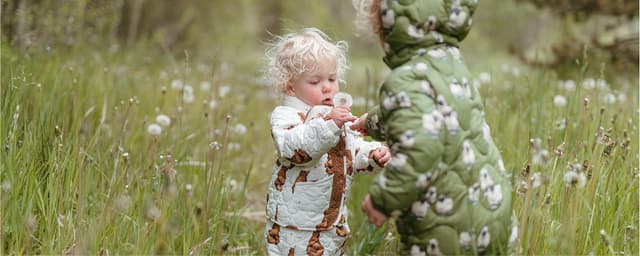
Milkbarn is an American organic kids' clothing label, founded in 2006 by Stacy Phillips. Phillips began sewing bibs inspired by her seven-month-old son, and the family farmhouse kitchen table soon doubled as a design studio as bibs and accessories gave way to a small apparel collection. The brand's roots lie in dairy country in the rolling hills north of San Francisco, and its look mixes vintage and modern, country and urban, celebrating a child's imagination. Milkbarn makes baby and children's clothing such as its Zipper Footed Romper, along with bibs, blankets, nursery essentials, toys, gifts and a series of children's books. Its original prints are a mother-daughter collaboration: Phillips' daughter, Haley Hunt, paints the artwork used on its fabrics and illustrates the books. Clothing is made from GOTS-certified organic cotton and bamboo rayon, coloured with low-impact dyes and free of chemical flame retardants, and production takes place in China. Phillips now lives in Leiper's Fork, Tennessee, and the brand ships from a warehouse in Petersburg, Tennessee, selling online and through stockists around the world.

indi & cold featured image

indi & cold

Spain · Est. 2012 · Mid-range

indi & cold is a Spanish clothing label for women, founded in San Sebastián in 2012 by brothers Diego and Gonzalo Santaolalla. The brothers started their first labels, Indiwoman and Cold Alaska, in San Sebastián in 1991, and the two merged in 2012 to form indi & cold, with Cristina Villar as creative director. Under the motto "Dress the journey", the brand makes relaxed, natural-style clothing: timeless, quality pieces in natural fabrics with careful design. The range includes knitwear, shirts, blouses, coats, jackets, trousers, skirts, dresses and accessories. Pieces include the Wool Maxi Coat with Hood, the Double-Breasted Wool Coat, the Reversible Quilted Trench Coat and the Brushed-Effect Plaid Sweater, as well as ethnic-print dresses, skirts and blouses, corduroy trousers and leather Chelsea boots. indi & cold works with materials such as wool, mohair, alpaca and organic cotton, along with some recycled fibres. The independent company is run by its founders and has its own store on Calle Arrasate in San Sebastián. It runs about 20 stores across Spain, including in Madrid, Barcelona, Bilbao and Valencia, plus corners in El Corte Inglés stores in Madrid, Valencia and Lisbon.

Cordera featured image

Cordera

Spain · Est. 2008 · Luxury

Cordera is a Spanish knitwear and designer label for women, founded in A Coruña in 2008 by sisters Mónica and María Cordera. The sisters are also its creative directors, and the brand was first called Mónica Cordera. Focused on exceptional materials, meticulous craftsmanship and timeless design, Cordera embraces an aesthetic that transcends fleeting trends, and it describes its approach as fashion with purpose, merging luxury, sustainability and social impact. The label is known for minimalist clothing with a focus on knitwear and fine materials. Its range includes sweaters, cardigans, shirts, trousers, dresses, outerwear, shoes, bags and belts, with pieces such as the Merino & Cashmere Sweater, the Speckled Cardigan, the Carrot Pants, the Curved Baggy Jeans, the Classic Trench, the Shearling Coat, the Pointy Crocodile Loafer and handmade beaded bags. Based in Galicia, Cordera carries out almost all of its production in Spain, using locally sourced materials and ancestral techniques with a trusted network of family-run ateliers and specialist workshops. It also partners with a women-led workshop in Guatemala, where each embroidery is handcrafted. Cordera is an independent, family-run brand led by its founders.

JESSE KAMM featured image

JESSE KAMM

USA · Est. 2005 · Luxury

Jesse Kamm is an American designer label for women, founded in Los Angeles in 2005 by Jesse Kamm. She grew up on seven acres amid the corn and wheat fields of rural Illinois, in a creative household with a draftsman father and a potter mother. After working as a therapist and a model and travelling the world, she took a sewing class, began making clothes for herself and found people paying attention. She still handles all of the brand's press and sales herself, travelling to New York twice a year to meet her buyers. The label is best known for its high-waisted, wide-leg Sailor Pants. Other signatures include the California Wides barrel-leg pants, the 225's straight-leg pants and the Alta Jeans, along with the Alberta Shirt, the Bowery Tee, the Classic Turtleneck, the Slip Dress and the Studded Ranch Jacket. Every product has been made in Los Angeles since 2005, using sturdy fabrics such as organic cotton. The small family business deliberately limits production to about 8,000 garments a year, guided by its motto "Don't grow out of business." Jesse Kamm also keeps its retail partners to about 30 stores worldwide.

Indigenous featured image

Indigenous

USA · Est. 1994 · Affordable

Indigenous is an American organic, fair trade clothing label for women and men, founded in Sebastopol in 1994 by Scott Leonard and Matt Reynolds. For three decades the company has worked with artisans to create sustainable clothing that is soft on the earth and on the skin, and it has helped set industry standards for organic and fair trade fashion. Leonard serves as CEO and Reynolds as president. The range includes tees, tops, dresses, pants, sweaters and cardigans, plus a small edit of other ethical brands. Signature pieces include the Essential Rib Boatneck Tee, the Shaggy Knit Pullover, the Essential Wide Leg Pant and the Hudson Cardigan. Clothing is handmade in Peru by fair trade artisans and knitting cooperatives, including women-led partner Sama Knits. Indigenous uses organic cotton, alpaca and other natural fibres, and its fair trade model follows World Fair Trade Organization standards, with fair wages, safe conditions and skills training. Indigenous is a founding B Corp. It is independent and led by its co-founders, and sells online and through retail partners.

Alabama Chanin featured image

Alabama Chanin

USA · Est. 2006 · Luxury

Alabama Chanin is an American slow fashion label for women, founded in Florence in 2006 by Natalie Chanin. Chanin returned to Florence, Alabama, in 2000 and created Project Alabama, a collection of 200 hand-sewn T-shirts. In 2005 Project Alabama was a finalist for the CFDA/Vogue Fashion Fund and the Cooper Hewitt National Design Awards, and in 2006 it became Alabama Chanin, built on cultural preservation, local making and Southern craft traditions. The label makes hand-sewn, made-to-order tops, tunics, dresses, skirts, pants, coats and jackets from organic cotton jersey, many of them hand-painted, embroidered, beaded or appliquéd. Pieces include the Quartz Dress, the Godwin Coat, the Halcyon Top, the Waffle Crew and the Zeta Pant. It also sells fabric, DIY sewing kits and books, and runs workshops through The School of Making. Everything is made in the USA at The Factory in Florence and by artisan sewers across northern Alabama and southern Tennessee. Its organic cotton comes from the Texas Organic Cotton Marketing Cooperative in Lubbock and is traced from field to fabric. In 2013 Chanin won the CFDA/Lexus Eco-Fashion Challenge, and the nonprofit Project Threadways carries on its work on textile heritage.

Gabriela Coll Garments featured image

Gabriela Coll Garments

Spain · Est. 2016 · Luxury

Gabriela Coll Garments is a minimalist Spanish luxury designer clothing label, founded in Barcelona in 2016 by Gabriela Coll. Combining a fine arts background with the inspiration of her Spanish Mediterranean history, Coll is concerned with the classical and inherent character of fabrics. In pursuit of a permanent wardrobe, her garments are rooted in permanence and austerity. Rather than seasonal collections, the label presents numbered, seasonless Series of pieces that layer, coexist and evolve, and it has now reached Series 15. The range covers pieces for men and women, including leather jackets, coats, trousers and skirts, alongside bags, accessories and footwear such as its Sendra boots. Everything is made in Spain, crafted in the Barcelona studio or by independent local manufacturers. Traces of thoughtful artisanship are visible in each garment, linking the final piece to its origin and production process. As a service for clients, all garments are available custom tailored, and private studio visits and made-to-measure appointments can be booked at the Barcelona office. Gabriela Coll Garments has a strong selection of international stockists and private clients, including Assembly New York and Maidens Shop, and has released exclusive collections with Japan's Super A Market.

Nagnata featured image

Nagnata

Australia · Est. 2015 · Mid-range

Nagnata is an Australian designer, sustainable activewear label for women, founded in Byron Bay in 2015 by Laura May and Hannah Gibbs. Laura May founded the label with a vision to contribute to a more sustainable business model in fashion, and her sister Hannah joined as co-founder, making it the collaborative creation of a sister design duo. Its considered approach respects honesty of material and its impact on both the body and the planet, and its founding mantra is Movements Not Seasons. The range spans knit tops, bralets, leggings, shorts, bodysuits, sweaters, denim and outerwear, blurring the lines between technical sportswear and fashion from studio to street. Signature pieces include the Highlighter Tee, the Classic Wool Bralet, the Ballet Legging and the Brushed Alpaca Cardigan. Clothing is made in China, chosen for technical knitwear innovation and yarn availability. Nagnata merges organic and renewable fibres, such as merino wool and GOTS-certified organic cotton, with technology and innovation. In 2020 it introduced SAMA, its first genderless movement. Nagnata is stocked by Bergdorf Goodman, David Jones, Revolve and LuisaViaRoma, has stores in Byron Bay and Sydney, and was profiled by Forbes for rethinking seasonal drops and sales.

Only Hearts featured image

Only Hearts

USA · Est. 1978 · Affordable

Only Hearts is an American lingerie label for women, founded in New York in 1978 by Helena Stuart. It began as a tiny boutique on Columbus Avenue devoted to all things heart-shaped, from vintage lockets to corsets, and became a destination for collectors and romantics. Stuart went on to create fashion's first Inner Outerwear collection, lingerie-inspired pieces made to be seen and worn out, and today she runs the family brand with her daughter, Kaya. The range covers bralettes, bras, undies, slips, sleepwear and loungewear, described by the brand as sensuous, natural and just a little bit naughty. Collections include So Fine, Whisper, Bed of Roses and Organic Cotton Heritage Hearts, with pieces such as the Joey Bralette, Whisper Balconette Bra and Butterfly Brief, plus silk slips and pyjamas. Everything is made in New York City in small batches to reduce waste and overproduction, using local, deadstock, organic and Made in Green-certified textiles. Its organic line uses organic Pima cotton grown in Peru. Only Hearts says its pieces have been worn by Kate Moss, Chloë Sevigny, Bella Hadid, Kendall Jenner, Nicole Kidman and Scarlett Johansson, among others.

Miista featured image

Miista

UK · Est. 2010 · Luxury

Miista is a European designer footwear and clothing label for women, founded in London in 2010 by Laura Villasenin. The Spanish designer, a graduate of London's Cordwainers, built the brand around distinctive shoes and boots with a bold, sculptural point of view, and it remains a self-funded, family-run company that she leads with her brother and business partner, Pablo. Boots are at the core of the range, with styles such as the Evie, Pearl and Brenda ankle boots alongside other shoes. In 2021 the brand added a ready-to-wear clothing line, including dresses such as the Nila, the Joia and the Teah rib knit dress. Miista's shoes are made in Alicante, Spain, and in Portugal, using leathers from Italy, Spain and Portugal. Its clothing is made in its own factory in A Coruña, Galicia, which opened in 2020, giving the brand direct control over how its garments are produced. The company runs a showroom in Bethnal Green, East London, and a warehouse in Porto, Portugal, and sells through its own online store worldwide.

Botanica Workshop featured image

Botanica Workshop

USA · Est. 2014 · Affordable

Botanica Workshop is an American organic lingerie and loungewear label for women, founded in Los Angeles in 2014 by Misa Miyagawa. Born and raised in Silver Lake, Miyagawa studied fashion design at Parsons in New York and Central Saint Martins in London, and started the brand from a need for responsibly produced intimates with a designer aesthetic and quality to match. The name joins Botanica, for its ecologically minded use of materials, with Workshop, for the experiential nature of designing and producing handcrafted goods. The collection has grown from bralettes and briefs into everyday essentials, including the Aya Bralette, Astra Hi-Waist Brief and Lila Bikini Brief, camisoles, slip dresses and loungewear. Pieces are made in the USA, in small runs produced in Los Angeles with local artisans and technicians. Each collection is approached with the sensibility of a ready-to-wear wardrobe and the handcrafted feel and technical construction of vintage undergarments. The label uses organic cotton, stretch silk and recycled and upcycled materials. Botanica Workshop has been featured by The Wall Street Journal, Who What Wear, Vogue.com and Racked LA, and collaborated with artist Amelia Giller on a lookbook.

Can't find what you're looking for?

We add new sites every week but if you have a specific request, let us know.

About organic brands

Looking for Recognised Organic Standards

In many countries, the word organic is legally protected for food and farming, but rules for cosmetics and textiles are often looser, so certifications matter. For clothing, the Global Organic Textile Standard, known as GOTS, covers both organic fibre content and processing, while the Organic Content Standard confirms the amount of organic material. For beauty, COSMOS Organic and NATRUE certification set rules on organic ingredients and processing. Organic brands with certification will usually display the logo and licence number, which you can check with the certifier. Phrases such as 'made with organic ingredients' may only apply to a small part of the formula.

Why Organic Growing Matters

Organic farming avoids synthetic pesticides and fertilisers and focuses on soil health, biodiversity and careful water use. Cotton, for example, is a crop that has traditionally relied heavily on chemicals, so choosing organic can reduce the impact on farmers, wildlife and waterways. In skincare and haircare, organic ingredients are grown to the same farming standards. While organic does not automatically mean better for every person, it supports agricultural systems that work with nature rather than against it, and offers clearer standards than many other terms on labels.

Frequently asked questions

What does organic mean for clothing and beauty?
Organic refers to how raw materials are grown: without synthetic pesticides, herbicides or fertilisers, and without genetic modification. In clothing, that usually applies to fibres such as cotton; in beauty, to plant ingredients. Certified products have been checked against a recognised standard rather than relying on the brand's word.
How can I tell if a product is genuinely organic?
Look for a recognised certification logo on the product or its page, ideally with a licence number you can check with the certifier. Phrases like made with organic ingredients can apply to only part of a formula or garment, so read the details to see how much of the product is organic.
Is organic skincare better for your skin?
Not necessarily better, but some people prefer it. Organic standards relate to how ingredients are farmed and processed, not to whether a product suits your skin type. Organic formulas can still contain ingredients that irritate sensitive skin, so choose by your skin's needs and patch-test as usual.
Why is organic cotton considered better?
Conventional cotton farming has traditionally relied heavily on chemical pesticides and fertilisers. Organic cotton avoids synthetic inputs and focuses on soil health, which can benefit farmers, wildlife and waterways. Certification that covers processing as well as growing also limits harsh chemicals used later in production.
Is organic the same as natural?
No. Natural describes where an ingredient or fibre comes from, while organic describes how it was grown and, under some standards, processed. Organic claims are often backed by certification, whereas natural is loosely used. A natural product isn't necessarily organic, and organic products may still include some permitted non-organic ingredients.
How does From The Labels choose brands for this organic brands list?
From The Labels gives smaller organic labels a space where they aren't overshadowed by corporate giants in search. Homegrown and emerging brands register themselves and share their organic materials, ingredients and certifications. Investors are fine, but a brand acquired by a large corporation no longer qualifies. Check certification details on individual products before you buy.
Are organic products worth the higher price?
For many people, yes, particularly for items worn next to the skin or used daily. The higher cost often reflects more labour-intensive farming and certification. If budget is a concern, start with the products you use most, and choose from the top organic brands for those essentials first.