List of 250+ Organic Brands – Page 4

Brands 73–96 of 265. Back to page 1 · Browse brands A–Z

Brands

265 brands

Rita Row featured image

Rita Row

Spain · Est. 2013 · Mid-range

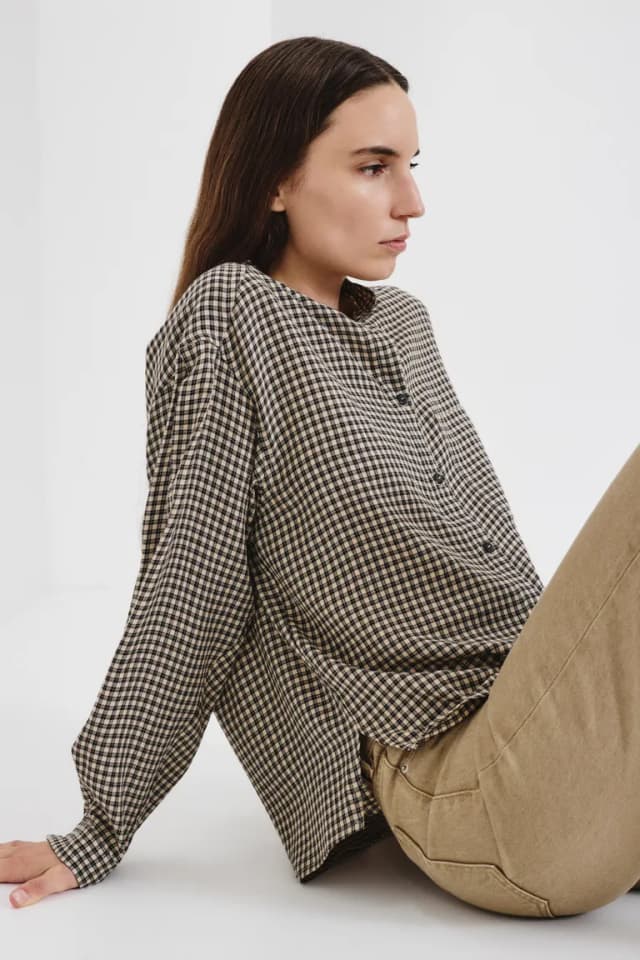
Rita Row is a European sustainable designer clothing label for women, founded in Figueres, Spain in 2013 by Imma Serra and Xènia Semis. The complementary duo launched the brand in June 2013 in the creative landscape of Girona, guided by a shared vision of comfort, versatility and beauty. Their pursuit of a simple, slow life close to nature shapes collections created for Rita, the brand's muse, a woman of effortless sophistication and refined simplicity. The label makes contemporary coats, jackets, knitwear, trousers, shirts, tops and dresses, along with bags, shoes and jewellery. Pieces include the Rona Oversize Trench, the Cedar Coat, the Brio Cardigan and the Feixa Pants. Its clothing is ethically made in Spain and Portugal, with threads and fabrics sourced mainly from Spain, Italy and France. Rita Row prioritises natural and recycled materials such as organic and recycled cotton, Better Cotton, ECOVERO viscose, Tencel and wool, and works with factories audited under BSCI and SMETA. The women-led, self-financed company is run by a team of ten women from its atelier in L'Empordà, sells in Europe, North America and Asia, and has shown at CIFF and Mandatory CPH in Copenhagen.

BOBO CHOSES featured image

BOBO CHOSES

Spain · Est. 2008 · Mid-range

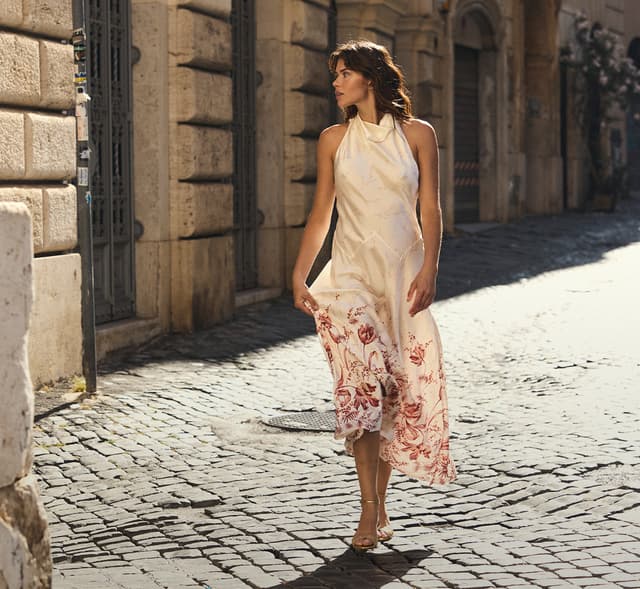
BOBO CHOSES is a Spanish kidswear and womenswear label, founded in Barcelona in 2008 by illustrator Adriana Esperalba with partner Laia Aguilar. The brand grew out of a graphic design studio, and Esperalba has guided its design ever since. Bobo Choses celebrates life's curiosities with a spirit of play, and its love of storytelling brings each collection to life through illustrated books. It makes playful, colourful clothing for babies and children, plus a womenswear and adult line. The range includes graphic tees, sweatshirts and hoodies, jacquard jumpers such as the Mush Monster, striped wool-blend knits, trousers, dresses, reversible anoraks, and accessories. Based in an old toy factory in Barcelona, Bobo Choses makes most of its garments locally, mainly in Spain and Portugal, with some items made in China. Over half of its latest collection uses organic or BCI cotton, and its denim and outerwear use recycled fibres. The brand is owned by the Esperalba family, which took full control in 2017, with Adriana Esperalba as creative director and her brother Pim as CEO. It is sold in more than 46 countries through hundreds of retailers, with a flagship store in Barcelona.

Kente Gentlemen featured image

Kente Gentlemen

Côte d'Ivoire · Est. 2017 · Luxury

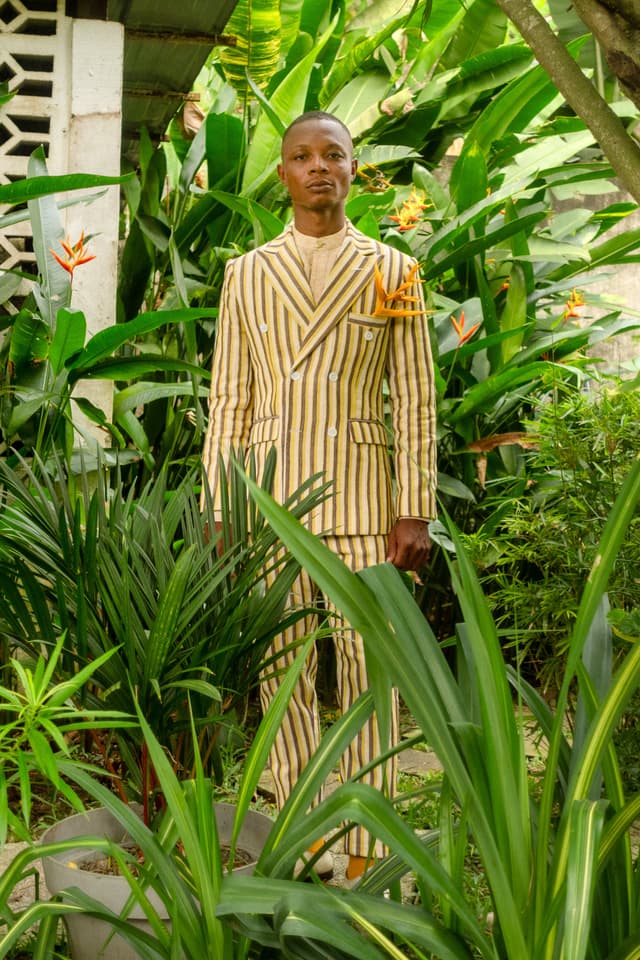
Kente Gentlemen is an Ivorian designer label for men and women, founded in Abidjan in 2017 by Aristide Loua, its creative director. Having lived in Côte d'Ivoire, India and across the United States, Loua built the brand around his love of handwoven kente cloth. Its aesthetic balances colour, poetry and culture: "Color is the emotion. Poetry is the messenger. Culture is my voice." The range includes shirts such as the Tema, pants like the Misa, jackets and overcoats like the Ella, suit jackets such as the Pervenche, trench coats like the Morelle, and skirts, plus accessories. Signature tailoring comes in bold, royal colours. Every piece is made to order in the brand's in-house ateliers in Côte d'Ivoire. Kente Gentlemen works directly with artisans across Côte d'Ivoire and West Africa who handweave its textiles in small batches, sometimes taking weeks, using linen, organic cotton and silk, including hand tie-dyed cotton from Bassam. The independent label made its Lagos Fashion Week debut in 2023, moving further into womenswear, and has been covered by Vogue and OkayAfrica. It runs a showroom in Abidjan.

Aligne featured image

Aligne

UK · Est. 2020 · Luxury

Aligne is a UK designer clothing label for women, founded in London in 2020 by Dalbir Bains. It began as a wholesale womenswear brand with a focus on sustainable fabrics and accessible everyday pieces. Ginny Seymour joined in 2022, relaunched the label in 2023 with a direct-to-consumer focus and became CEO in 2024, shaping it around design-led clothes for confident, working women. The collection covers elevated denim, tailoring, blazers, coats such as the Giselle Trench Coat, knitwear like the Rhianna Ombre Knitted Jumper, dresses, trousers, skirts, waistcoats and leather pieces. Clothing is designed in its East London studio and made mainly in China, Turkey and Romania. Materials include denim, wool, linen, leather and organic cotton, and the label's early collections were built around more sustainable fabric choices. Aligne has partnered with England footballer Lucy Bronze since 2024, runs a Women in Sport content series and has collaborated with The Observer. In April 2026 it launched in the Irish department store Brown Thomas, marking a move back into physical retail alongside its own stores.

One Wolf featured image

One Wolf

Latvia · Est. 2012 · Mid-range

One Wolf is a Latvian unisex designer label, founded in Riga in 2012 by designer Agnese Narņicka. Its ready-to-wear collections blend functionality with wit, intelligence and asceticism, reflecting the designer's take on the savage aesthetics of the contemporary urbanite. Experiments with construction and silhouette break conventions of gender and clothing, mixing classic, casual and sporty pieces. Denim is its icon: raw and stone-washed jeans with bold lines and clever details. The range also includes bamboo T-shirts and shorts, sweatshirts, shirts, jackets like the Everyday Uniform Jacket, parkas, ponchos and vests for adults and kids, plus socks, beanies, tote bags and gift boxes. One Wolf is made in small factories in Latvia, providing work for experienced craftspeople and preserving local traditions. It uses high-quality textiles from Italy, Denmark and Belgium, including denim, organic cotton, wool and bamboo, with finishes such as stone wash, silk-screen printing and laser treatment. The label has shown at Riga Fashion Week and is listed among the Treasures of Latvia exporting brands. It remains independent and founder-led, with a philosophy of inspiring wearers to be bold, free and creative.

Pomandère featured image

Pomandère

Italy · Est. 2008 · Mid-range

Pomandère is a minimalist Italian designer label for women, founded in Zanè in 2008 by Carlo Zanuso. His family had spent more than 30 years making shirts for other brands in a historic Veneto fashion district before launching their own label, and that sartorial know-how still shapes its style, which the brand sums up as rigour and fluidity, androgyny and femininity: tailored pieces in pure geometries and soft, natural tones, made to be worn every day for years. The shirt is the heart of the collection, from striped poplin and habutai silk styles to shantung shirts in viscose, linen and silk. Around it sit shirt dresses, dresses, trousers, skirts, knitwear, coats, shoes and accessories. Production is entirely Italian, with most garments made in the family's own factory near Vicenza using local suppliers. Pomandère favours natural materials such as linen, cotton and silk, and shares its environmental work through its Pomandère for Green and Transparency Project pages. It also makes a line of fragrances for the home and the person. The brand opened its first flagship store at 26 Rue Saint-Sulpice in Paris's Saint-Germain neighbourhood, and sells online across Europe, the US and other markets.

Paper Label featured image

Paper Label

Canada · Est. 2013 · Affordable

Paper Label is a Canadian minimalist clothing label for women, founded in Vancouver in 2013 by Teresa Lake. Lake started the brand to make modern, comfortable sleepwear in breathable fabrics, and it has since grown into a wardrobe of timeless, easy everyday wear and loungewear designed for comfort. The collection now spans sweaters, cardigans, tops, trousers, dresses, skirts and sleepwear. Pieces include the Serena Cropped Cardigan, the Cecilia Pullover, the Simone Button Up, the Lorne Oversized Sweatshirt, the Donna Shirt Dress and its Night Suit. Everything is designed and developed in Vancouver and manufactured overseas by a small group of long-term factory partners. Paper Label chooses fabrics by looking at their overall impact, from water and pesticide use to processing, care, longevity and biodegradability. It works with materials such as TENCEL, recycled nylon, organic and BCI cotton and LENZING ECOVERO viscose, lists certifications including GOTS, GRS, RWS and WRAP, and ships in compostable packaging to cut plastic waste. The independent label is woman-owned and women-run, and it sells online and through stockists across Canada and the US.

Waltz Studio featured image

Waltz Studio

USA · Est. 2014 · Mid-range

Waltz is a minimalist American designer clothing label for women, founded in San Francisco in 2014 by Danielle Colen. A native New Yorker with a background in landscape and architectural photography, Colen earned an MFA in fashion design at the Academy of Art University and worked as a patternmaker before launching her own line. Her love of strong lines and precise shapes runs through every collection, built on the belief that fashion should elevate the everyday without frills or excess. Inspired by the simplicity of menswear but cut for a woman's body, Waltz makes seasonless wardrobe staples: dresses, shirts, tops, trousers, jeans, skirts, jumpsuits, jackets and knitwear in natural fabrics such as cotton, organic cotton, linen, wool and lyocell. Patterns are cut in the San Francisco studio and garments are made in the USA. The label's ethical approach rests on domestic manufacturing, careful tailoring and long-lasting pieces designed to slip into an existing wardrobe rather than chase trends. Racked named Waltz a San Francisco womenswear brand to watch in 2016, and the label has been featured in Metal Magazine. Its collections have been stocked by West Coast boutiques including Voyager, Anaise and Anomie.

Metiseko featured image

Metiseko

Vietnam · Est. 2011 · Mid-range

Metiseko is a sustainable Vietnamese designer clothing label for women and men, founded in Hoi An in 2011 by French couple Erwan Perzo and Florence Mussou. Taken by the local customs and landscapes of Vietnam's central coast, the founders set out to capture the essence of the country in original prints, creating a European-chic line with an East-meets-West spirit. The collection includes women's dresses, tops, jumpsuits, pants, skirts and kimono jackets, men's shirts, pants and jackets, and silk scarves, ties, bags, jewellery, cushion covers and fabric by the metre. Garments are made in Vietnam in its own sewing workshop, where one tailor creates each piece from start to finish and signs the label in pencil. As a slow fashion brand, Metiseko partners with local artisans. Its 100% mulberry silk is produced locally, supporting traditional silk making in Bao Loc, then dyed with non-toxic dyes and hand screen printed by local craftsmen. Its GOTS-certified organic cotton comes from India and is dyed and printed with a partner near Saigon using reactive dyes. Metiseko has been featured by ELLE Vietnam, Vietcetera and Oi Vietnam for its sustainable, locally made approach to fashion.

DÔEN featured image

DÔEN

USA · Est. 2016 · Luxury

DÔEN is a romantic, sustainable designer label for women, founded in Los Angeles in 2016 by sisters Margaret and Katherine Kleveland. Born in Santa Barbara, the sisters brought together a collective of LA-based women creatives and business leaders, all equity owners, to launch a women-run business inspired by a nostalgia for the coastal California of decades past. The range includes dresses, blouses, knitwear, skirts, coats, sleepwear and slips, plus suede slides. Pieces are made with partner factories mainly in China, India and Vietnam, and signature styles include the Aristea Dress, the Adalie Dress, the Amari Dress, the Adalyn Top, the Burke Cashmere Sweater and the Farrow Coat. DÔEN uses materials such as organic cotton, silk, cashmere and merino wool and publishes an Impact Report on its progress. In 2020 it deepened its partnership with a longtime vendor, the owners of one of its partner factories, to share risk and reward more fairly across the supply chain. The brand connects with its community through its online editorial presence, its own jewel-box retail spaces and selected wholesale partners.

correll correll featured image

correll correll

Germany · Est. 2006 · Mid-range

correll correll is a sustainable designer label for women, founded in Berlin in 2006 by twin sisters Daphne Correll and Vera Correll. The German-born textile artists launched the label with handmade knitwear and later moved to New York, and today they work between a workshop in Brooklyn and a studio in Berlin. Their approach reinterprets traditional crafts such as dyeing, knitting, weaving and crocheting in the context of luxury fashion, built around circles, squares and triangles. The label makes unisex and womenswear including T-shirts, longsleeves, sweatshirts, tanks, dresses and skirts, plus silk velvet pillows and kids' styles. Pieces include the Velvet Circle Sweatshirt, the Gin Pon Tee, the Boucle Dress, the Long Summer Waves Button Dress and the Triangle Silk Skirt, and its gradient circle T-shirts are hand-dyed in the New York workshop. Production happens in-house in Brooklyn with local knitters and seamstresses. The sisters choose certified organic cotton, cupro, Tencel, hemp and recycled blends, and they cut and shred deadstock fabric and vintage T-shirts into raw material for their knits. In 2012 correll correll was one of the winners of the Ecco Domani Fashion Foundation award.

paloma wool featured image

paloma wool

Spain · Est. 2014 · Mid-range

Paloma Wool is a Spanish designer label for women and men, founded in Barcelona in 2014 by Paloma Lanna. Lanna describes paloma wool as both her name and a project about getting dressed and the ideas created around that act, spanning photography, clothing and other experiments. It began within Intermalla, the company behind her parents' label Nice Things, and became independent in 2020 under her own company, Puro Paseo. Collections cover knitwear, tops, shirts, trousers and outerwear, with numbered designs like the no 1093 Alexia cupro trousers and the Orlando suit trousers. It also makes Big Dry and Vega leather bags, belts and shoes. Most pieces are made in Spain, with many others made in Portugal and a few in France. Since 2014 the brand has mainly worked with local suppliers and regularly visits every workshop involved in its production. Its principal knitwear maker, a third-generation family business about 73km from its head office, has made its knits since the first collection. Fabrics include cotton, wool, linen and leather, with organic and recycled materials in some styles. Paloma Wool has a flagship on Barcelona's Avenida Diagonal and permanent stores in New York's SoHo and London.

Julia Jentzsch featured image

Julia Jentzsch

USA · Est. 2007 · Luxury

Julia Jentzsch is an American sustainable luxury label for women, founded in New York in 2007 by designer Julia Jentzsch. Born in France and raised in Germany, she studied fashion design in Hamburg, worked for John Galliano in London and completed an MA at the Royal College of Art, where her graduate collection was featured in British Vogue. Over 15 years she designed alongside Jil Sander, Alber Elbaz, Tom Ford and Stefano Pilati at Yves Saint Laurent, and at Calvin Klein. Its design follows modernist and Bauhaus principles: "less, but better", true materials and form follows function. The collection interprets luxurious fabrics in simple, wearable silhouettes, with shirts, sweaters, dresses, skirts, trousers, jackets and coats. Pieces include the ARION hand-knitted recycled silk and cotton sweater, the CONRAN undyed organic cotton shirt, the BIRCH shirt dress, the BRENDAN trench and the CHRISTOPHER duffle coat. Clothing is produced locally in New York's Garment District, using fabrics from responsible mills in Italy and Japan, including organic cotton, undyed fibres and recycled silk. Since 2020 the brand has embraced reuse, repurposing, recycling and repair. Jentzsch has also taught at Parsons The New School since 2022.

MUNTHE featured image

MUNTHE

Denmark · Est. 1994 · Mid-range

MUNTHE is a Danish designer label for women, founded in Copenhagen in 1994 by creative director Naja Munthe. She created it as an artistic, craft-focused alternative to the contemporary fashion industry, and it has grown into an established Danish fashion house that blends fashion with art. Its signature is a fusion of contrasts, soft silhouettes with a tailored touch, designed as timeless, expressive staples that change with how they are styled. Collections cover dresses, tops, knitwear, outerwear, skirts and denim, along with bags, with pieces such as the BASIL dress, the CALIFORNIA knit, the VINETH coat and BOHDI denim pants. MUNTHE pays close attention to the inside of its clothes as well as the outside, from fabric choice to the details of coatings and linings. Production is spread across suppliers mainly in China and Turkey, with smaller shares in India and Portugal. The brand produces only to order to avoid deadstock, and its MUNTHE FABRIC JOURNEY styles use at least 50% recycled, certified organic or Lenzing materials. MUNTHE describes itself as 100% female founded and owned, and in 2025 pledged 10% of its pre-tax profits to initiatives for women and girls.

Magpie Goose featured image

Magpie Goose

Australia · Est. 2015 · Mid-range

Magpie Goose is an Australian ethical clothing label, founded in 2015 by Laura Egan and Maggie McGowan and based in Brisbane. The pair set up the brand while working in remote communities, aiming to create economic opportunities for Aboriginal and Torres Strait Islander people through art and clothing. Each limited-edition piece carries a design by an Aboriginal or Torres Strait Islander artist and tells the story behind the art and the community it comes from. The label makes shirts, shorts, pants, overalls, dresses, playsuits, jumpsuits, kaftans, T-shirts, baby rompers and kids' overalls, plus bucket hats and scrunchies. Pieces include the Aretha Brown Overalls, the Relaxed Pants in Bungwal Ferns, a Short Sleeve Collared Shirt printed with Aheyenenhe (Snakes) and the Woven in History Kaftan. All collections are designed, hand screen-printed and produced in Australia using natural textiles, and garment offcuts are made into accessories at Second Stitch in Melbourne. Since March 2021, Magpie Goose has been 100% Aboriginal owned by Amanda Hayman (Wakka Wakka/Kalkadoon) and Troy Casey (Kamilaroi), who run it as a family business and social enterprise. Its pieces are stocked at Aboriginal Art Co in West End, Brisbane.

Cleobella featured image

Cleobella

USA · Est. 2006 · Mid-range

Cleobella is an American bohemian clothing label for women, founded in 2006 by Angela O'Brien and Jim O'Brien and based in California. Angela, a former model, and her husband Jim set off on a year of global travels in 2006, and the first Cleobella product was created in collaboration with artisans they met along the way. From the start, the vision was to offer globally inspired products that uplift the cultures and traditions of the people who make them. Cleobella makes dresses, tops, skirts, jackets and swimwear, plus bags, jewellery, children's clothing and homeware. Pieces include the Adria Ankle Dress, the Alicia Blouse, the Asher Leather Jacket, the Beckett swim top and the Casablanca Weekender, many featuring hand woodblock prints, embroidery, weaving, dyeing and beadwork. Everything is designed in California and handmade by artisan partners in India, Sri Lanka and Bali, Indonesia, and many of these relationships span more than a decade. Cleobella donates 1% of profits to organisations that empower women, such as CARE, and has partnered with Bloom India to fund pre-college STEM courses for young women. It is a family-run business with a flagship store in Sunset Beach.

Envelope1976 featured image

Envelope1976

Norway · Est. 2018 · Luxury

Envelope1976 is a Scandinavian designer label for women, founded in Oslo in 2018 by Celine Aagaard and Pia Nordskaug. Both founders have long experience in fashion and design, and they set out to create a wardrobe centred on longevity, ease and a modern aesthetic. The brand's philosophy is versatility and modern refinement, with timeless silhouettes designed to move between occasions and be worn season after season. The range includes coats, leather and shearling jackets, knitwear, trousers, dresses and swimwear, released in two curated collections a year. Signature pieces include the Woodstock coat, the Alaska and Biarritz jackets, the Cloud and Hardanger knits, the Everyday hoodie in cashmere and the Monaco and Lenny pants. Envelope1976 prioritises natural materials such as wool, silk, cashmere and leather, and works with suppliers mainly in China, Turkey and India. The focus on fewer, well-made pieces reflects its aim of a more considered way of dressing. The brand remains independent, owned through its founders' companies with Celine Aagaard as majority shareholder, and ships its collections across Europe.

One Less featured image

One Less

India · Est. 2020 · Affordable

One Less is an Indian sustainable, ethical clothing label for men and women, founded in Pune in 2020 by Hansika Chhabria. Chhabria started the brand to rethink fashion's impact on the people who make clothes and the land that grows their fibres. Its design approach is simple, gender-neutral everyday comfort: soft, breathable basics and loungewear that can be worn at home, at work and on the move, made in a way that is kinder to both people and the planet. The range covers organic cotton T-shirts, shirts, shorts, sweatpants and hoodies, hemp-bamboo shirt-and-shorts sets, TENCEL Modal pyjama sets and loungewear, plus bamboo socks and raffia bags. Everything is made in India with ethical production partners. One Less works with low-impact natural fibres, including GOTS-certified organic cotton, bamboo, TENCEL and hemp-bamboo blends, and colours them with OEKO-TEX-certified, azo-free dyes. Through its "one tree" initiative, purchases support tree planting. The brand sells online across India and has been featured by YourStory for its approach to workers and land, and by Fibre2Fashion in an interview with its founder.

Vege Threads featured image

Vege Threads

Australia · Est. 2013 · Mid-range

Vege Threads is an Australian organic, minimalist clothing label for women and men, founded in Melbourne in 2013 by Amy Roberts. Roberts started the brand driven by a passion for sustainable clothing and a commitment to supporting local makers. Its considered designs are everyday basics made in limited numbers, and the brand aims to connect with people who share its values and grow its community. The range covers tees, singlets, long sleeves, sweaters, track pants and lounge pants, plus merino socks. Signature pieces include the Organic Classic Tee, the Hemp Crop Tee, the Merino Skivvy, the Organic Relaxed Sweater, the Organic Relaxed Track Pant and the Winter Twill Pant. Everything is made in Australia, mainly at a Melbourne factory it has worked with for about a decade. Vege Threads uses organic, eco-conscious materials. Its 100% organic cotton and merino fabrics are knitted and dyed at its Melbourne mill, and its hemp and organic cotton blend is chosen for its lower environmental impact and distinctive texture. The brand works closely with some of Australia's last remaining fabric mills and dye houses, helping to preserve local textile skills and industry.

SEEKER featured image

SEEKER

USA · Est. 2016 · Mid-range

SEEKER is a gender-neutral, organic American clothing label, founded in Los Angeles in 2016 by designer Ally Ferguson. A Los Angeles native with more than 15 years in fashion, Ferguson worked at labels including G-Star Raw, Ed Hardy and Field Scout and founded Metta Agency, a design and manufacturing platform for celebrity brands such as Tyler, the Creator's Golf Wang and Kimoji. Inspired by the utilitarian clothing of spiritual cultures she met while travelling, she created SEEKER as an ethical, effortless daily uniform. The minimalist collection includes gender-inclusive shirts, tops, trousers, jackets, robes, shorts and socks in relaxed, adaptable fits for different genders, ages and bodies. Garments are made in small batches in Los Angeles, using organic hemp, organic cotton and other natural fibres, with occasional silk. Hemp is central to the brand's sustainability story: it needs roughly half the water of cotton, little to no pesticide and returns nutrients to the soil. Ferguson's manifesto also champions regenerative agriculture and clothing as a daily ritual rather than a disposable purchase. Ferguson competed on Season 2 of Amazon Prime Video's Making the Cut, which brought SEEKER global exposure, and the brand has been featured by Cannabis Now.

Love Stories featured image

Love Stories

Netherlands · Est. 2013 · Mid-range

Love Stories is a Dutch lingerie label for women, founded in Amsterdam in 2013 by Marloes Hoedeman. A former interior stylist, Hoedeman set out to bring fun back into lingerie and break its rules, designing pieces that are fashion-forward, self-expressive and comfortable, made for women to wear for themselves rather than for someone else. For more than ten years the brand has positioned itself as a playful provocateur in a male-dominated industry, designing from a female perspective. Its First Layer lingerie is built on "perfect mismatches", mix-and-match sets that create a playful, feminine and sensual style. The range includes unpadded bralettes such as the Darling and Love Lace, padded bras like the Bonnie and Tori, and strings, briefs and shorts. Its Second Layer, called Whateverwear, pushes back against categories with camisoles, tees, skirts and knits such as the Miranda. Love Stories works largely with lace, and many Whateverwear pieces are made from lightweight cotton, silk or rayon, with some styles in organic cotton. Hoedeman remains creative director. The brand has a store on Amsterdam's Herengracht and Houses of Love boutiques in cities including Antwerp, Barcelona, Berlin, Madrid and Paris, plus an Archive store in London.

Eco Tan featured image

Eco Tan

Australia · Est. 2010 · Mid-range

Eco Tan is an Australian beauty brand founded in 2010 by Sonya Driver and based in Currumbin on Queensland’s Gold Coast. The brand has built a broad conscious-beauty identity around natural and organic ingredients, vegan and cruelty-free values, local production, and sustainability. Its formulation profile is particularly comprehensive. Eco Tan sits within clean beauty and natural beauty while also being associated with non-toxic and sensitive-skin-friendly products. This gives the brand relevance for shoppers who want naturally focused formulas but are equally concerned about how those products feel on more delicate skin. Vegan and cruelty-free positioning adds an animal-friendly dimension, while ethical beauty and sustainability extend the conversation beyond formulation alone. Locally made production is another important feature. It strengthens Eco Tan’s Australian identity and helps connect the brand’s environmental values to a more regionally rooted manufacturing approach. The brand occupies the mid-range beauty segment, making organic and sustainability-led products more approachable than many premium alternatives. Recycled beauty also forms part of its wider subcategory profile, reinforcing the focus on reducing environmental impact. For shoppers who want an Australian beauty brand with multiple conscious credentials in one place, Eco Tan offers natural and organic formulation, vegan and cruelty-free practices, sensitive-skin-friendly products, sustainability, ethical values, recycled materials, and locally made production without pushing the experience into luxury-only territory.

Edible Beauty featured image

Edible Beauty

Australia · Est. 2014 · Mid-range

Edible Beauty is an Australian skincare brand founded in 2014 by Anna Mitsios and based in Sydney. The women-owned beauty brand brings together clean beauty, natural and organic ingredients, plant-based formulation, and a strong ethical and sustainability profile. Its vegan and cruelty-free positioning gives the brand an animal-friendly foundation, while organic and natural beauty add a more ingredient-conscious dimension. Edible Beauty also sits within paraben-free and sulfate-free beauty, giving shoppers additional formulation standards to consider. Sustainability extends beyond ingredients. Biodegradable elements and recycled materials contribute to the brand’s environmental profile, making its conscious-beauty positioning feel broader than a simple “clean” label. Ethical beauty is another key part of its identity, helping connect product formulation with wider questions around sourcing and responsible production. Although the underlying pricing sits around mid-range, the brand carries a luxury beauty positioning through its presentation and ingredient philosophy. That creates an accessible-premium balance for shoppers who want a more elevated natural skincare experience without reaching the very top of prestige pricing. Edible Beauty is particularly suited to customers who want several conscious beauty priorities addressed together. Clean formulation, organic and plant-based ingredients, vegan and cruelty-free practices, ethical values, recycled materials, sustainability, and women-owned leadership all contribute to a distinctly modern Australian skincare brand.

hello simple featured image

hello simple

Germany · Est. 2016 · Affordable

hello simple is a Berlin beauty brand founded in 2016 by Lisa Mair and Jacqueline Gey. Its name captures the brand’s broader philosophy well: natural and organic beauty should be uncomplicated, lower-waste, and realistic enough to become part of everyday life. The brand is vegan and cruelty-free, but its environmental profile is where it becomes especially distinctive. Plastic-free and zero-waste principles are built into the brand’s positioning, giving shoppers a way to reduce disposable packaging rather than simply switching between different recyclable formats. Handmade and locally made production add a more personal character to the brand. This connection to Berlin helps hello simple stand apart from mass-produced eco-beauty labels and reinforces the sense that the products are developed with small-scale production in mind. Natural and organic ingredients support the same philosophy. The focus is not just on what is left out of the packaging, but also on creating beauty products that feel aligned with a more conscious routine. Its affordable price point is another major advantage. Zero-waste beauty can easily become expensive, but hello simple keeps these values within reach of everyday shoppers. For customers looking for a European beauty brand that combines vegan formulas, natural ingredients, handmade products, local production, plastic-free design, sustainability, and zero-waste thinking, hello simple offers a particularly practical entry into lower-impact beauty.

Can't find what you're looking for?

We add new sites every week but if you have a specific request, let us know.