List of 250+ Organic Brands – Page 5

Brands 97–120 of 265. Back to page 1 · Browse brands A–Z

Brands

265 brands

Rosenrot featured image

Rosenrot

Germany · Est. 2013 · Affordable

Rosenrot is a German beauty brand founded in 2013 by Karin Ziesmer and based in Heilbronn, Baden-Württemberg. Its identity is built around natural and organic beauty, but what makes the brand particularly interesting is how strongly that formulation philosophy is connected to low-waste product design. Rosenrot is cruelty-free and associated with paraben-free beauty, while biodegradable and plastic-free elements make its sustainability positioning more tangible. Instead of limiting environmental responsibility to recyclable outer boxes, the brand is linked to reducing plastic and using materials that are better suited to lower-waste routines. Locally made production strengthens its German character and gives shoppers a clearer connection between the brand and where its products are produced. That local focus also complements its natural beauty positioning, making the overall approach feel coherent rather than assembled from unrelated claims. Although some of its tags sit around mid-range, Rosenrot is positioned in the affordable beauty segment. That accessibility is important because plastic-free and organic beauty are often priced as premium categories. Its minimalist positioning further supports the idea of buying and using products more intentionally. For customers exploring European beauty, Rosenrot offers a practical combination of natural and organic formulations, cruelty-free values, biodegradable and plastic-free design, local production, sustainability, and everyday usability without turning lower-waste beauty into an expensive niche.

NKM Atelier featured image

NKM Atelier

Germany · Est. 2019 · Mid-range

NKM Atelier is a German skincare brand founded in 2019 by Mareike Peters and Alexander Hefele and based in Munich, Bavaria. The brand is rooted in natural and organic beauty, with handmade production and local craftsmanship playing a central role in how its identity has developed. Rather than presenting skincare as a highly industrial process, NKM Atelier leans into the idea of an atelier: products feel closely connected to making, formulation, and smaller-scale production. That handmade character gives the brand a different tone from many clinical-looking skincare labels and reinforces its place within locally made European beauty. Natural and organic ingredients are at the heart of the brand’s positioning, while vegan and cruelty-free subcategories extend that profile toward animal-friendly beauty. Sustainability is also part of the wider approach, making NKM relevant for shoppers who think about ingredients, production, and environmental impact together. The brand is women-owned and sits around the mid-range price segment, even though some of its presentation has a more premium feel. This balance makes its artisanal and natural positioning more approachable than traditional luxury skincare. For customers interested in German beauty with a hands-on, locally rooted character, NKM Atelier combines organic and natural skincare, handmade production, sustainability, women-owned leadership, local manufacturing, and everyday usability in a way that feels more craft-led than mass-produced.

SANTE Naturkosmetik featured image

SANTE Naturkosmetik

Germany · Est. 1977 · Affordable

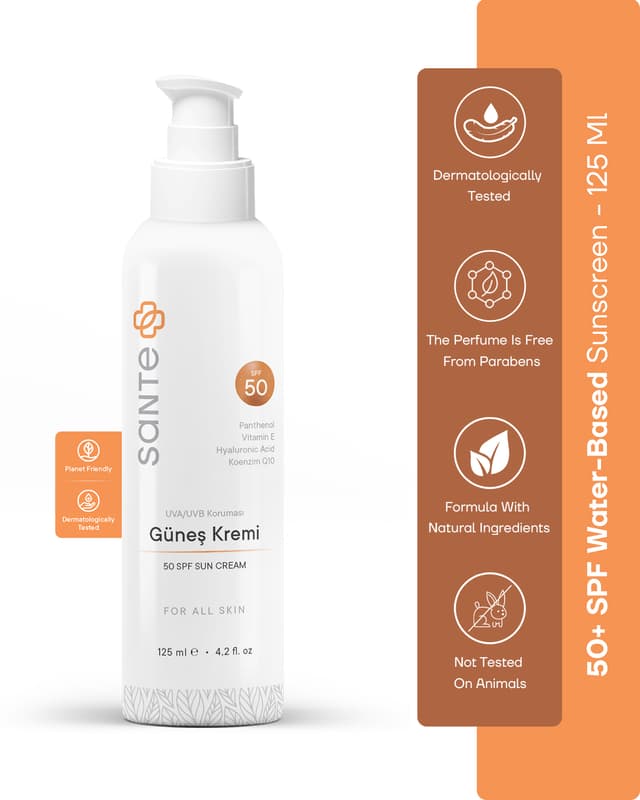
SANTE is a German beauty brand established in 1977 by Hans Hansel. With roots stretching back nearly five decades, the brand has a much longer relationship with natural and organic beauty than many companies that entered the category during the recent clean-beauty boom. Natural ingredients and organic positioning form the core of SANTE’s identity. Cruelty-free beauty adds an animal-friendly consideration, while sustainability contributes a broader environmental perspective. Affordability is especially important to how the brand fits into the market. SANTE makes natural and organic beauty available within a price range suited to everyday purchasing rather than positioning these qualities as premium-only features. That makes the brand particularly relevant for customers who want to build regular routines around more naturally focused products without moving toward luxury prices. Its long history also brings a sense of familiarity and continuity. Beauty trends have changed considerably since 1977, but SANTE’s natural positioning gives the brand a stable foundation that is not dependent on any single moment in the market. For shoppers looking for affordable European beauty, SANTE combines natural and organic formulation, cruelty-free practices, sustainability, and everyday usability within an established German brand. Its strongest appeal lies in making naturally focused beauty approachable, repeatable, and accessible rather than exclusive.

Alva featured image

Alva

Germany · Est. 1988 · Affordable

alva is a German beauty brand established in 1988, giving it more than three decades of history within natural and organic skincare. That longevity is especially notable because the brand was working within natural beauty well before clean and conscious formulations became mainstream marketing categories. Natural and organic ingredients are central to alva’s identity, while cruelty-free practices give the brand an important animal-welfare dimension. Its sustainable beauty positioning and locally made profile add environmental and regional context, connecting the products more closely to Germany rather than presenting them as globally anonymous personal care. Affordability is another defining strength. Organic and natural beauty frequently carries premium pricing, but alva sits within the affordable segment, making these product preferences more realistic for customers building everyday routines. That everyday orientation matters. The brand is not positioned as a luxury indulgence or highly specialist treatment line; it is designed for people who want natural beauty to become part of normal, repeatable care. For shoppers exploring established European beauty brands, alva offers a combination of natural ingredients, organic beauty, cruelty-free values, sustainability, local production, and accessible pricing. Its history also gives it an advantage over younger natural skincare labels: the brand’s connection to this category is long-standing rather than the result of a recent shift toward conscious beauty trends.

i+m Naturkosmetik Berlin featured image

i+m Naturkosmetik Berlin

Germany · Est. 1978 · Mid-range

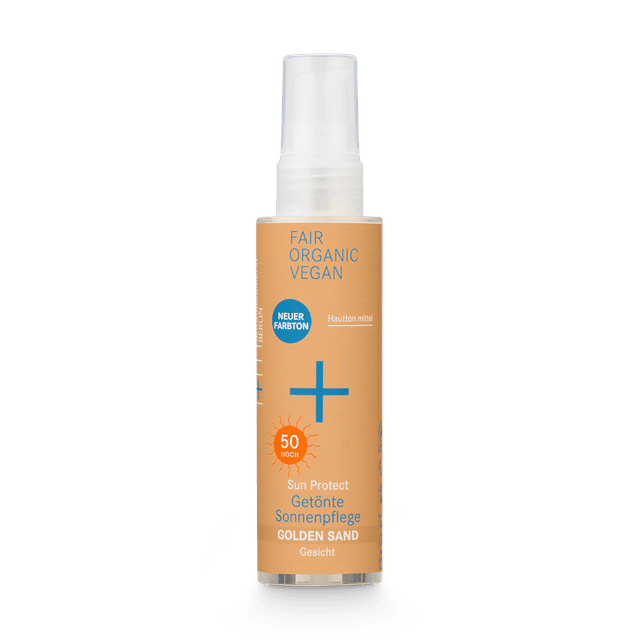
i+m Naturkosmetik Berlin is a German beauty brand founded in 1978 by Inge Stamm and Monika Berg. Its long history gives the brand a particularly interesting place within natural and organic beauty, as it predates much of today’s clean and sustainability-focused skincare movement. Based in Berlin, the brand combines natural and organic ingredients with plant-based formulation, vegan and cruelty-free values, and locally made production. Ethical sourcing is a major part of its profile. Fair-trade principles sit alongside sustainability and eco-friendly practices, giving the brand a broader social and environmental framework rather than focusing solely on ingredient exclusions. The products are also associated with paraben-free and silicone-free beauty, adding further relevance for customers who actively screen formulations. Its mid-range positioning makes this extensive conscious-beauty profile relatively approachable. Customers can access organic, vegan, ethical, and sustainable skincare without stepping fully into luxury pricing. What distinguishes i+m most is its heritage. Established in 1978, it has decades of history behind values that many newer beauty companies have only recently adopted. For shoppers looking for European natural beauty with depth, i+m combines organic skincare, vegan and cruelty-free practices, fair-trade sourcing, ethical production, sustainability, local manufacturing, and everyday usability within one of the more established German conscious-beauty brands.

Ruhi Rituals featured image

Ruhi Rituals

Germany · Est. 2019 · Luxury

RUHI Rituals is a Berlin-based luxury beauty brand founded in 2019 by Britta Hekmat. Its skincare identity is rooted in natural, organic, and plant-based formulation, with a strong emphasis on simplicity and products designed to work within intentional everyday rituals. The brand is vegan and cruelty-free, making it particularly relevant for shoppers looking for premium skincare aligned with animal-friendly values. Fragrance-free beauty adds another important dimension, especially for customers who prefer formulas without added scent. Sensitive-skin-friendly positioning reinforces that gentler approach. Instead of building luxury around complexity, RUHI Rituals leans toward minimalist beauty and products that can be used with purpose. Locally made production keeps the brand closely tied to Berlin and gives its skincare a stronger independent identity than globally standardized prestige labels. Its luxury positioning comes from the combination of formulation, craftsmanship, and a more considered approach to routine rather than simply from exclusivity. RUHI Rituals is best suited to shoppers who want premium European skincare but prefer natural beauty to traditional luxury formulation. Organic and plant-based ingredients, vegan and cruelty-free values, fragrance-free products, sensitive-skin-friendly care, local production, and minimalist routines all work together to create a beauty brand that feels quiet, deliberate, and focused on consistent use.

Xeno Naturkosmetik featured image

Xeno Naturkosmetik

Germany · Est. 2019 · Mid-range

Xeno Naturkosmetik is a German skincare brand founded in 2019 by Lara Schimweg, Lukas Böhnlein, and Fabian Mrowka and based in Hamburg. The brand is built around natural and organic beauty, with a strong emphasis on uncomplicated skincare and locally rooted production. Its natural formulation profile gives Xeno a clear place within European beauty, particularly for shoppers who prefer products shaped by botanical and organic ingredients rather than conventional mass-market formulations. Cruelty-free beauty is another important part of the brand’s identity, while its subcategory positioning also connects Xeno with vegan and paraben-free beauty. Sustainability supports that ingredient-conscious philosophy, making environmental responsibility part of the brand’s wider story. Minimalist beauty is especially relevant to Xeno. The brand suits customers who want a focused routine rather than a crowded shelf of overlapping products. Local production further strengthens that sense of intentionality and keeps the company connected to Germany. The mid-range price point provides a useful balance. Xeno feels more considered than entry-level skincare without pushing customers toward traditional luxury pricing. For shoppers looking for a German beauty brand that combines natural and organic ingredients, cruelty-free values, sustainability, local production, minimalist routines, and everyday practicality, Xeno Naturkosmetik offers a cohesive and distinctly European approach to modern skincare.

UND GRETEL featured image

UND GRETEL

Germany · Est. 2015 · Mid-range

UND GRETEL is a German beauty brand founded in 2015 by Christina Roth and Stephanie Dettmann and based in Berlin. The brand sits at the intersection of natural beauty and luxury cosmetics, with a strong emphasis on clean formulation, organic ingredients, and more responsible product choices. Its cruelty-free positioning is central to that identity. UND GRETEL is also associated with non-toxic beauty and formulas made without parabens or silicones, giving ingredient-conscious shoppers a clear set of standards. Natural and organic beauty are particularly important here because the brand does not frame them as alternatives to premium performance. Instead, the aim is to combine a more elevated beauty experience with formulations that align with conscious ingredient preferences. Ethical and sustainable beauty further shape the brand’s profile. These values give UND GRETEL a broader sense of responsibility beyond product formulation alone. The Berlin base also matters, placing the brand firmly within modern European beauty and giving it a locally rooted identity in a market often dominated by multinational cosmetics companies. UND GRETEL is best suited to shoppers who want luxury beauty without abandoning natural and cruelty-free values. Its mix of organic ingredients, clean formulation, ethical positioning, sustainability, paraben-free and silicone-free products, and everyday usability creates a distinctly modern approach to premium German beauty.

Shirley Conlon Organics featured image

Shirley Conlon Organics

United Arab Emirates · Mid-range

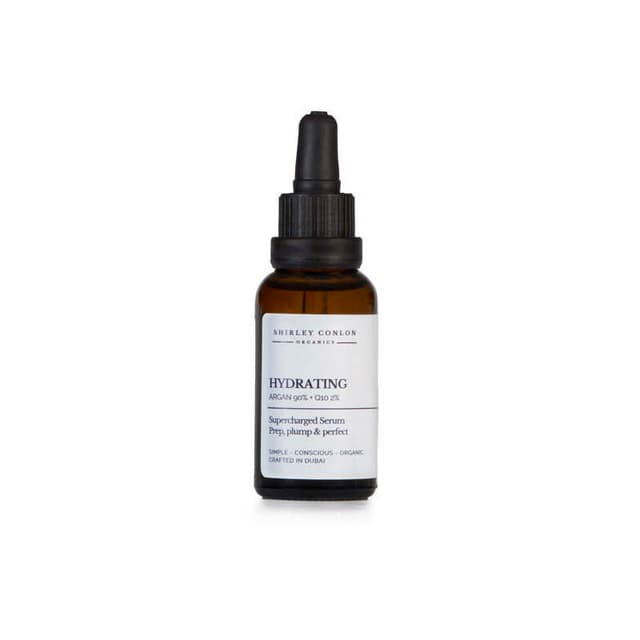
Shirley Conlon Organics is a Dubai-based beauty brand founded by Shirley Conlon. The brand takes a premium approach to clean skincare, combining natural and organic ingredients with vegan, cruelty-free, and non-toxic beauty principles. Handmade and locally made production are central to its character. These qualities give the brand a more artisanal identity and strengthen its connection to Dubai rather than presenting it as a generic international clean-beauty label. Its minimalist beauty positioning also makes the range relevant for customers who prefer fewer, more intentional products. Rather than encouraging complex routines, the brand fits naturally with customers who want straightforward skincare built around high-quality ingredients. Sustainability adds another dimension, connecting the formulation philosophy with a broader environmental perspective. Although the underlying pricing sits closer to mid-range, the brand is positioned within luxury beauty thanks to its ingredient profile, handmade production, and premium presentation. For customers seeking a clean beauty brand from the UAE, Shirley Conlon Organics offers a particularly comprehensive mix of natural and organic ingredients, vegan and cruelty-free values, non-toxic positioning, local craftsmanship, sustainability, and minimalist routines. Its strongest appeal is the coherence between formulation and production: the brand does not simply use “organic” as a label, but builds its wider identity around thoughtful ingredients, small-scale making, and a more intentional approach to everyday skincare.

Ahal featured image

Ahal

Mexico · Est. 2008 · Mid-range

AHAL is a Mexican beauty brand founded in 2008 by Iliana Loza Garza and based in Monterrey, Nuevo León. The women-owned brand has a strong natural and organic identity, combining clean beauty with ethical sourcing, sustainability, and locally made production. Cruelty-free beauty is an important part of AHAL’s positioning, while hypoallergenic products make the brand especially relevant for customers who want more considered formulas within a natural beauty routine. Its ethical and fair-trade profile adds depth beyond ingredient selection. Rather than focusing only on what goes into the product, AHAL’s positioning also reflects concern for how ingredients are sourced and how production connects to people and communities. Sustainability fits naturally within that approach, while locally made production reinforces the brand’s connection to Mexico and gives it a stronger regional identity. The brand sits within the mid-range beauty segment, making natural and organic products more accessible than traditional luxury clean-beauty labels. AHAL’s strongest appeal lies in how these ideas work together: natural ingredients, organic beauty, cruelty-free values, hypoallergenic positioning, fair-trade practices, sustainability, women-owned leadership, and Mexican production. For shoppers who want conscious beauty with a clear sense of origin and ethical purpose, AHAL offers a particularly well-rounded alternative to globally standardized skincare and cosmetics brands.

Tilk! featured image

Tilk!

Estonia · Mid-range

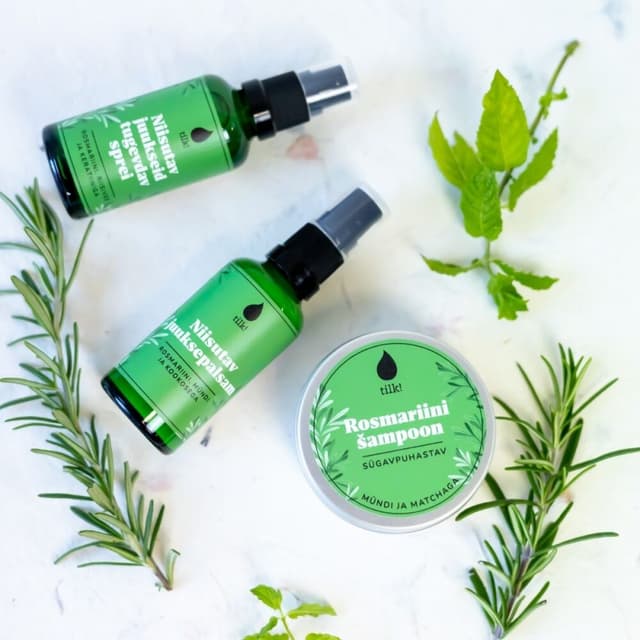
Tilk! is an Estonian skincare brand founded by Pille Lengi and based in Kuressaare on Saaremaa Island. The brand’s identity is closely tied to natural beauty, local production, and an ingredient-conscious approach that reflects its island roots. Natural and organic ingredients form an important part of Tilk!’s positioning, while vegan and cruelty-free values make the brand especially relevant for customers looking for animal-friendly European skincare. Sustainability is also central to the story. Locally made production gives the brand a stronger connection to Estonia and helps create a more transparent sense of origin than many globally manufactured skincare lines. Tilk! sits within the mid-range beauty category, which makes its natural and conscious positioning accessible without placing it entirely in the premium or luxury segment. The brand is also associated with paraben-free beauty, giving ingredient-conscious shoppers another point of reference when choosing products. What gives Tilk! its strongest identity is the combination of place and formulation. Its Saaremaa base, natural and organic focus, vegan values, cruelty-free practices, and sustainability profile all reinforce one another rather than feeling like disconnected claims. For customers exploring European skincare, Tilk! offers a locally rooted option that brings together natural beauty, conscious ingredients, local craftsmanship, and everyday usability with a clear Estonian character.

JOIK featured image

JOIK

Estonia · Est. 2005 · Affordable

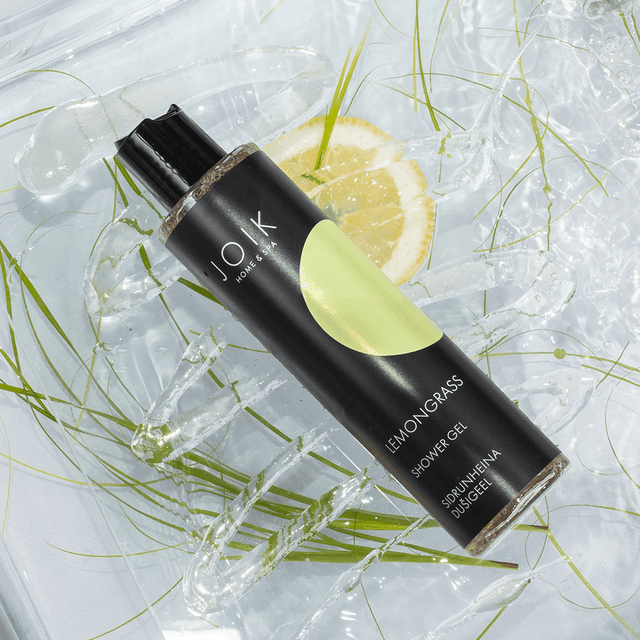
JOIK is an Estonian beauty brand founded in 2005 by Eva-Maria Õunapuu. With two decades of experience, the brand has developed around natural and organic beauty rather than adopting these ideas only after they became mainstream trends. Its formulation profile is closely tied to natural ingredients, organic beauty, vegan products, and cruelty-free values. This combination makes JOIK relevant for customers who want a more plant-conscious approach to skincare and beauty without stepping into the highest price categories. Sustainability is another important part of the brand’s identity. Locally made production connects JOIK strongly to Estonia and gives the range a clear European origin, while its broader environmental positioning makes the brand particularly appealing to shoppers who care about how and where products are made. The brand sits around the affordable-to-mid-range segment, offering a more accessible route into natural and organic beauty than many prestige labels. JOIK’s longevity is also worth noting. Established in 2005, it has operated through several major shifts in the clean and natural beauty market, giving its positioning more continuity than newer brands built primarily around recent trends. For shoppers looking for European beauty that combines natural ingredients, organic formulation, cruelty-free practices, sustainability, locally made production, and everyday usability, JOIK offers a well-established Estonian alternative.

Baims featured image

Baims

Brazil · Est. 2017 · Mid-range

BAIMS is a beauty brand founded in 2017 by Luisa Baims Albrecht and Bernd Albrecht, with its location listed as Brazil. Its positioning sits at the intersection of clean beauty, natural and organic ingredients, vegan formulation, cruelty-free practices, and sustainability. The brand’s formulation profile is especially comprehensive. BAIMS is associated with non-toxic beauty and products developed without parabens or silicones, giving ingredient-conscious shoppers several clear reasons to consider the range. Environmental responsibility extends beyond formulation. Biodegradable elements and refillable formats support a more circular approach to beauty, while sustainability forms a broader part of the brand’s identity. Although BAIMS carries a luxury sensibility, its listed pricing sits closer to the mid-range category. That creates an interesting balance: shoppers can access a premium-feeling natural beauty brand without necessarily entering the highest price tier. The combination of organic and natural ingredients with vegan and cruelty-free values makes BAIMS particularly relevant for customers who want several conscious beauty priorities addressed within the same brand. Rather than focusing solely on “clean” ingredients, BAIMS connects formulation, packaging, animal welfare, and environmental impact. For shoppers looking for a more comprehensive approach to conscious beauty, it brings together natural and organic cosmetics, refillable design, biodegradable materials, sustainable practices, and modern mid-range accessibility.

Flow Cosmetics featured image

Flow Cosmetics

Finland · Est. 2004 · Mid-range

Flow Cosmetics is a Finnish beauty brand founded in 2004 by Riitta Jänkälä and based in Riihimäki. With more than two decades of experience, the brand has developed around natural and organic beauty rather than adopting those ideas only after they became mainstream trends. Its ingredient profile is broad and clearly defined. Flow Cosmetics is cruelty-free and associated with formulas made without parabens or sulfates, while natural and organic ingredients form the foundation of the brand’s positioning. Sustainability is closely connected to how the products are made and presented. Recycled materials and locally made production reinforce the company’s Finnish roots, giving the brand a strong sense of origin. Sensitive-skin-friendly positioning further extends its appeal to customers who want natural skincare but need products suited to more reactive skin. Flow Cosmetics sits in the mid-range beauty category, giving shoppers access to an elevated natural skincare experience without entering traditional luxury pricing. Its longevity is one of its more interesting qualities. Established in 2004, the brand has existed through several waves of clean and natural beauty trends, giving its positioning a sense of continuity. For shoppers looking for European beauty with organic ingredients, cruelty-free practices, sustainable packaging, local Finnish production, and sensitive-skin-friendly options, Flow Cosmetics offers a well-established and practical choice.

Les Huilettes featured image

Les Huilettes

France · Est. 2017 · Mid-range

Les Huilettes is a French beauty brand founded in 2017 by Pascale Gal and Claire Auzouy and based in Paris. Its positioning blends clean beauty with natural and organic skincare, creating a premium experience that remains closely tied to ingredients and formulation quality. The brand is vegan, giving it particular relevance for shoppers seeking plant-focused beauty without animal-derived ingredients. Dermatologist-tested products add a more clinical dimension to what might otherwise be seen purely as botanical skincare. Local production is another defining element. By maintaining a connection to France, Les Huilettes fits naturally within European beauty while also appealing to customers who care about where their skincare is made. Its profile leans toward luxury beauty even though the underlying pricing sits closer to mid-range. That makes the brand an interesting option for shoppers who want a more refined skincare experience without necessarily moving into the highest price category. Minimalist beauty also suits Les Huilettes. The natural and organic positioning works best when products are treated as purposeful parts of a routine rather than additions to an excessively complicated regimen. For customers seeking French skincare with clean, vegan, natural, and organic values, Les Huilettes offers a thoughtful mix of dermatologist-tested formulas, local production, sustainability, and minimalist everyday beauty wrapped in a more elevated presentation.

Huygens featured image

Huygens

France · Est. 2013 · Mid-range

Huygens is a Paris-based beauty brand founded in 2013 by Daan Sins. The French brand combines clean beauty with natural and organic ingredients, giving its skincare a formulation-led identity while maintaining an approachable mid-range position. Ingredient standards are a major part of the brand’s appeal. Huygens is associated with cruelty-free beauty and formulas made without parabens, silicones, or sulfates. For customers who actively filter beauty products according to what they contain—or avoid—those characteristics make the brand easier to understand. Its locally made positioning reinforces the brand’s connection to French beauty, while sustainability and recycled materials bring an environmental dimension to its profile. That combination is important because Huygens does not present natural beauty as something separate from responsible packaging or production. Despite the emphasis on clean and organic beauty, the brand remains practical enough for everyday use. Its mid-range pricing creates a balance between accessible skincare and the more elevated experience associated with French beauty. Huygens is therefore well suited to shoppers who want natural and organic skincare without moving into luxury pricing. The brand brings together cruelty-free practices, paraben-free and sulfate-free formulas, clean beauty principles, recycled materials, sustainability, locally made production, and a distinctly European identity in products designed to become part of regular routines.

Oden featured image

Oden

France · Mid-range

Oden is a French beauty brand founded by Marion Weber and Laurence Weber, with its identity built around natural skincare, local production, and a deliberately restrained approach to beauty. The brand sits within the mid-range segment while carrying many of the qualities shoppers often associate with premium botanical skincare. Natural and organic beauty are central to Oden’s profile. Its locally made positioning strengthens that connection by keeping the brand closely tied to France rather than relying on a globally anonymous supply chain. Sustainability extends across several aspects of the brand. Oden is associated with biodegradable elements, recycled materials, ethical practices, and a broader commitment to responsible beauty. These qualities make the brand relevant for customers who consider both formulation and environmental impact when choosing skincare. Its minimalist identity is equally important. Oden suits shoppers who prefer simpler routines built around purposeful products rather than long sequences of overlapping treatments. Sensitive-skin-friendly positioning adds another layer of practicality, helping the brand appeal to people who want natural skincare without unnecessary complexity. Oden’s strength is the way these ideas work together: French production, natural and organic ingredients, sustainability, ethical considerations, recycled materials, and minimalist skincare. For customers looking for a mid-range European beauty brand with a strong local and environmental identity, Oden offers a particularly coherent approach.

Dafna’s Skincare featured image

Dafna’s Skincare

Spain · Est. 2014 · Luxury

Dafna’s Skincare is a Spanish luxury beauty brand founded in 2014 by Dafna Shaham. The brand’s profile is strongly rooted in clean beauty, combining natural, organic, and plant-based ingredients with vegan and cruelty-free values. Rather than relying on a single “clean” claim, Dafna’s brings together several areas that matter to conscious skincare shoppers. Its products sit within organic and natural beauty, while the absence of parabens supports a more ingredient-conscious positioning. Vegan and cruelty-free practices add an animal-friendly dimension, and ethical and fair-trade values extend that philosophy into sourcing and production. This makes the brand particularly relevant for customers who want luxury skincare to reflect more than premium packaging. Dafna’s Skincare connects its elevated positioning with questions around where ingredients come from, how they are sourced, and what kinds of formulation standards are used. The brand also carries a sustainable beauty profile, fitting naturally with its focus on plant-based ingredients and ethical sourcing. Yet the products are intended for regular care, not simply occasional indulgence. For shoppers interested in European luxury beauty, Dafna’s Skincare offers a layered proposition: clean formulas, natural and organic ingredients, vegan and cruelty-free values, fair-trade principles, paraben-free beauty, and an ethical approach that gives its premium positioning greater substance.

PuroBIO Cosmetics featured image

PuroBIO Cosmetics

Italy · Est. 2014 · Affordable

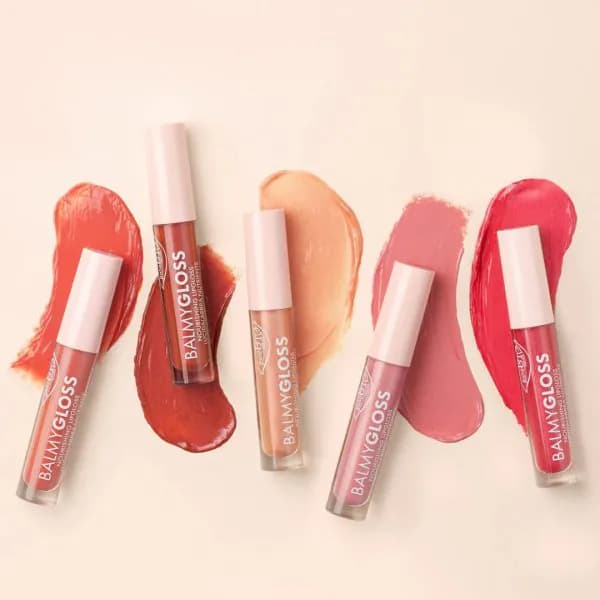
puroBIO Cosmetics is an Italian makeup brand founded in 2014 by Massimo Bruno and Michele D'Onghia and based in Noci, Bari, in the Puglia region. The brand brings natural and organic beauty into the affordable cosmetics space, giving customers a more ingredient-conscious alternative without requiring luxury-level spending. Its vegan and cruelty-free positioning is central to the brand’s appeal. For shoppers who want animal-friendly makeup, puroBIO combines those values with natural and organic formulations rather than treating them as separate product attributes. The brand’s Italian roots also give it a strong European beauty identity. Its location in Puglia helps distinguish puroBIO from generic international clean-beauty labels and gives the range a clearer connection to local beauty culture. Affordability is particularly important because organic and natural cosmetics are often positioned at a premium. puroBIO makes these categories more accessible, allowing customers to build everyday makeup routines around natural, organic, vegan, and cruelty-free products without paying luxury prices. Overall, puroBIO Cosmetics is an affordable European makeup brand combining natural beauty, organic formulations, vegan and cruelty-free practices, Italian identity, and practical everyday products. It is a strong fit for shoppers who want more conscious makeup choices while keeping their beauty routine accessible.

Terres d’Afrique featured image

Terres d’Afrique

Est. 2013 · Luxury

Terres d’Afrique is a luxury beauty brand founded in 2013 by Stephan Helary. Its identity is built around natural and organic skincare, with ethical sourcing and sustainability positioned as fundamental parts of the brand rather than optional additions. The formulation profile is particularly strong. Terres d’Afrique is vegan and cruelty-free and is also associated with paraben-free, sulfate-free, and silicone-free beauty. This makes it relevant for shoppers who want premium skincare while paying close attention to both ingredients and animal welfare. Ethical and fair-trade values add another important dimension. The brand’s positioning suggests a beauty model that considers how ingredients are sourced and how production affects the communities connected to them. Handmade and locally made qualities give the brand an artisanal character, while its natural and organic focus keeps the experience closely connected to botanical beauty rather than conventional luxury formulation. Terres d’Afrique therefore fits best for customers who want luxury skincare with a strong ethical framework. It combines natural beauty, organic ingredients, vegan and cruelty-free practices, fair-trade principles, sustainability, local craftsmanship, and formulation standards that avoid parabens, sulfates, and silicones. The result is a beauty brand where premium positioning and responsible values are closely intertwined.

Kew Organics featured image

Kew Organics

Est. 2014 · Luxury

Kew Organics is a luxury skincare brand founded in 2014 by Lily Kew, with a clear focus on clean beauty and ingredient-conscious care. The women-owned beauty brand brings together natural, organic, and non-toxic positioning with a more premium skincare experience, making it well suited to customers who want both formulation standards and a sense of refinement. The brand’s vegan and cruelty-free values are important to its identity, while its sensitive-skin-friendly positioning gives the range a more practical edge. Kew Organics is not simply framed as indulgent skincare; it is designed for people who also care about how products feel on skin that may be more reactive or easily irritated. Natural and organic beauty sit at the center of the brand, helping Kew Organics appeal to shoppers who prefer a cleaner ingredient philosophy over conventional luxury formulas. Locally made production adds another layer of character, reinforcing the sense that the brand is independently developed rather than built around large-scale global manufacturing. What distinguishes Kew Organics is the balance between clean beauty and luxury beauty. It offers the polish expected from a premium skincare brand while retaining vegan, cruelty-free, non-toxic, and sensitive-skin-friendly values. For shoppers looking for a women-owned beauty brand with natural and organic positioning, it provides a more considered route into luxury skincare.

mixsoon featured image

mixsoon

South Korea · Est. 2020 · Mid-range

mixsoon is a Korean skincare brand founded in 2020 by Hwang Joo-up and based in Seoul, South Korea. The beauty brand focuses on natural, ingredient-conscious skincare designed around simplicity and everyday use. Natural beauty is central to mixsoon’s identity, with plant-based and organic ingredients forming an important part of its approach. The brand also fits within clean beauty and emphasizes ethical and sustainable practices. Minimalist beauty is another defining element of mixsoon. Its products are designed to support uncomplicated routines, making the brand relevant for customers who prefer fewer, more purposeful skincare steps. Positioned within the mid-range Korean beauty category, mixsoon balances accessible skincare with a more considered approach to ingredients and sustainability. Overall, mixsoon is a mid-range Korean skincare brand combining natural beauty, plant-based and organic ingredients, ethical values, sustainability, minimalist skincare, and everyday beauty.

May Lindstrom featured image

May Lindstrom

United States · Est. 2011 · Luxury

May Lindstrom is an American skincare brand founded in 2011 by May Lindstrom and based in Los Angeles, California. The luxury beauty brand creates elevated skincare built around natural and organic ingredients, hand-crafted production, and a more ritual-focused approach to everyday beauty. Cruelty-free beauty is an important part of the brand’s identity, while ethical and fair-trade sourcing further supports its conscious approach to ingredients and production. Sustainability is also central to May Lindstrom’s positioning, helping connect its luxury skincare experience with more responsible beauty practices. Locally made and hand-crafted production give the brand a strong independent character and reinforce its connection to Los Angeles. Its products are designed for customers who see skincare as both practical care and a more intentional self-care experience. Overall, May Lindstrom is a luxury American skincare brand combining natural and organic beauty, cruelty-free practices, ethical and fair-trade sourcing, sustainable values, hand-crafted production, and locally made skincare.

Josh Rosebrook featured image

Josh Rosebrook

United States · Est. 2008 · Luxury

Josh Rosebrook is an American skincare and beauty brand founded in 2008 by Josh Rosebrook and based in Los Angeles, California. The luxury beauty brand focuses on natural and organic formulations designed for customers seeking elevated skincare with a strong connection to conscious ingredient choices. Clean beauty is central to the brand’s identity, alongside cruelty-free practices, ethical sourcing, and fair-trade principles. Sustainability is also an important part of Josh Rosebrook’s positioning, supported by biodegradable elements, eco-friendly practices, and recycled materials. Locally made production adds another dimension to the brand’s American beauty identity and allows its luxury positioning to remain closely connected to craftsmanship and formulation. Its products are designed to fit into everyday beauty routines while still providing the experience expected from premium skincare. Overall, Josh Rosebrook is a luxury American skincare brand combining clean beauty, natural and organic ingredients, cruelty-free practices, ethical and fair-trade values, sustainability, recycled materials, and locally made production.

Can't find what you're looking for?

We add new sites every week but if you have a specific request, let us know.