You May Also Like
Discover more brands you might be interested in

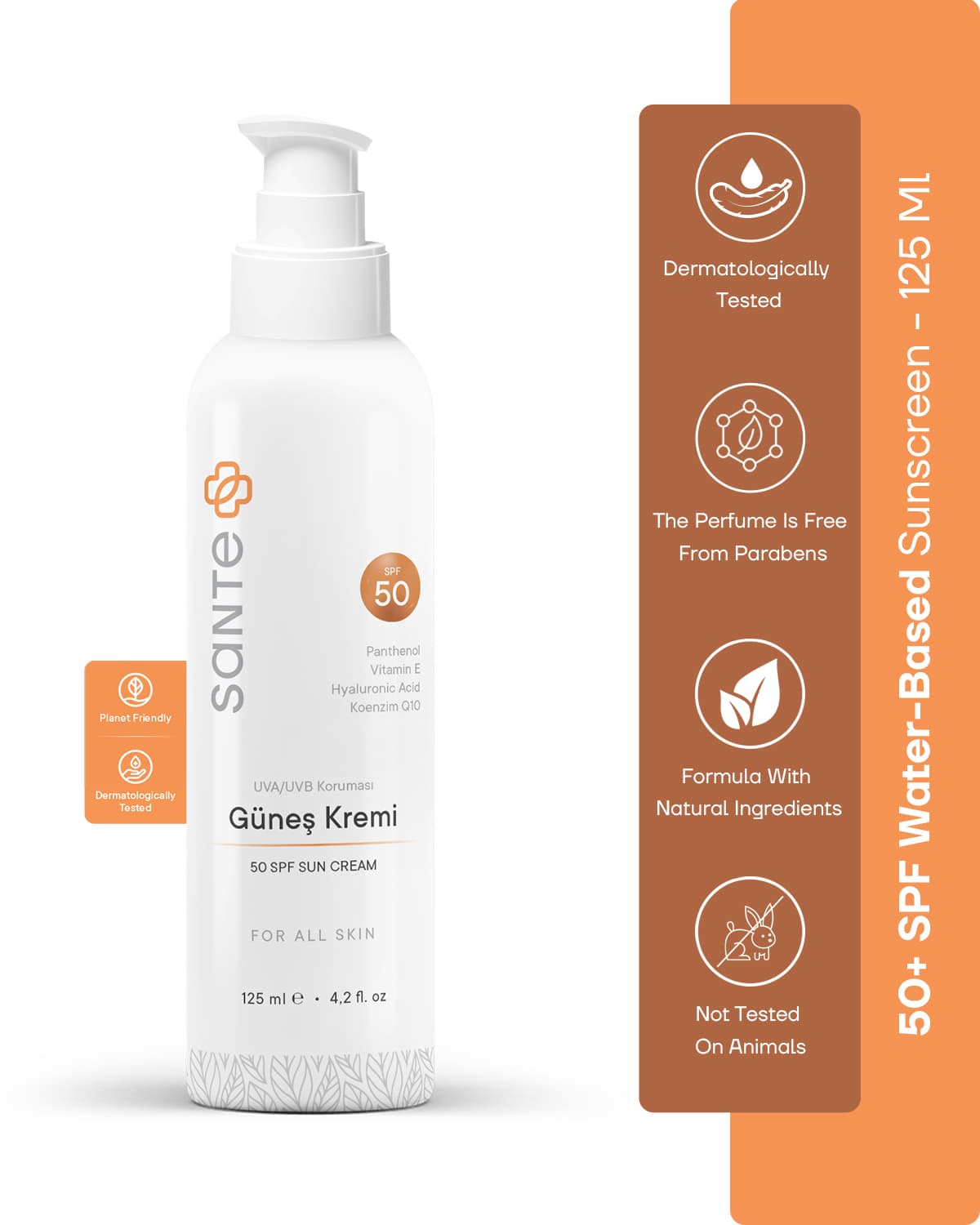
UND GRETEL
Germany · Est. 2015 · Mid-range
UND GRETEL is a German beauty brand founded in 2015 by Christina Roth and Stephanie Dettmann and based in Berlin. The brand sits at the intersection of natural beauty and luxury cosmetics, with a strong emphasis on clean formulation, organic ingredients, and more responsible product choices.
Its cruelty-free positioning is central to that identity. UND GRETEL is also associated with non-toxic beauty and formulas made without parabens or silicones, giving ingredient-conscious shoppers a clear set of standards.
Natural and organic beauty are particularly important here because the brand does not frame them as alternatives to premium performance. Instead, the aim is to combine a more elevated beauty experience with formulations that align with conscious ingredient preferences.
Ethical and sustainable beauty further shape the brand’s profile. These values give UND GRETEL a broader sense of responsibility beyond product formulation alone.
The Berlin base also matters, placing the brand firmly within modern European beauty and giving it a locally rooted identity in a market often dominated by multinational cosmetics companies.
UND GRETEL is best suited to shoppers who want luxury beauty without abandoning natural and cruelty-free values. Its mix of organic ingredients, clean formulation, ethical positioning, sustainability, paraben-free and silicone-free products, and everyday usability creates a distinctly modern approach to premium German beauty.
FINigrana
Germany · Est. 1998 · Affordable
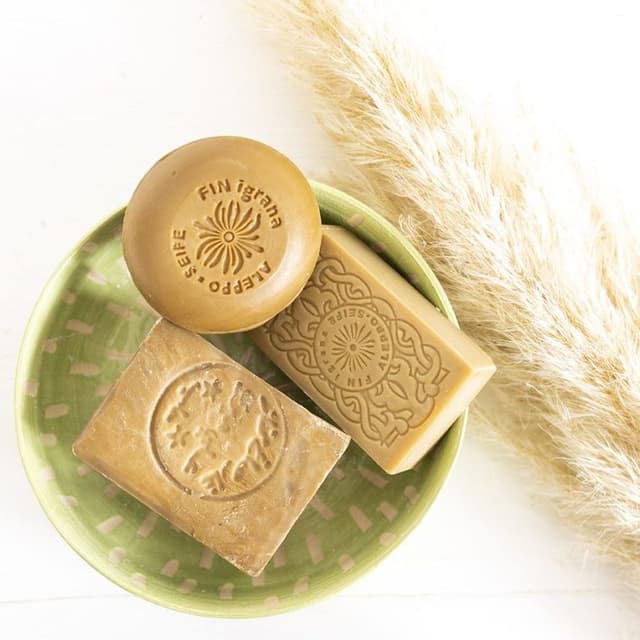
FINigrana is a German beauty brand established in 1998 by Bernhard Bauer and Gabriele Krüger. With more than two decades behind it, the brand brings a sense of heritage to natural beauty that newer plant-based labels cannot easily replicate.
Its products are positioned around natural and plant-based ingredients, with vegan beauty forming another important part of the brand’s identity. Handmade production gives FINigrana an artisanal character and helps connect its products to a more traditional approach to personal care.
The brand’s heritage is particularly relevant because its focus on natural beauty predates the current wave of clean-beauty marketing. Rather than appearing to have adopted plant-based formulation in response to recent demand, FINigrana has a longer-standing relationship with this category.
Ethical and sustainable beauty also fit within its wider subcategory profile, adding a more contemporary layer to the brand’s established natural positioning.
Affordability makes FINigrana especially approachable. Customers can explore plant-based, handmade beauty without paying the premium usually attached to artisanal or heritage-led products.
Its minimalist and everyday beauty positioning keeps the range practical rather than ceremonial. FINigrana is therefore a good fit for shoppers who value natural formulas, vegan products, craftsmanship, heritage, ethical considerations, and accessible pricing. The brand’s strength lies in combining those qualities with the familiarity of a beauty company that has been operating since the late 1990s.

Sauberkunst
Germany · Est. 2012 · Affordable
Sauberkunst is a German beauty brand founded in 2012 by Annett Förster and based in Brandenburg. Its identity is strongly shaped by craftsmanship and lower-waste beauty, combining vegan formulas with handmade production, plastic-free choices, and a clear sustainability focus.
Fair-trade values add an ethical dimension to the brand’s profile. This is important because Sauberkunst’s positioning does not stop at packaging; it also reflects concern for how ingredients and materials are sourced.
The handmade character gives the brand a noticeably different feel from conventional mass-market personal care. Locally made production reinforces that independence and keeps Sauberkunst closely connected to Germany.
Plastic-free beauty is one of its most meaningful attributes. For shoppers trying to reduce disposable packaging in their daily routines, the brand offers an alternative to products that rely heavily on bottles, pumps, and multilayer plastic components.
Despite these conscious-beauty credentials, Sauberkunst remains in the affordable category. That gives it a particularly useful place in the market, since ethical and sustainable beauty can often become prohibitively expensive.
The brand is best suited to customers who want environmental values to be visible in the product itself, not just in marketing. Vegan beauty, fair-trade sourcing, handmade production, plastic-free design, sustainability, local manufacturing, and accessible pricing all contribute to a brand identity centered on practical, everyday conscious beauty.