#mid-range

List of 550+ Mid-Range Brands

Explore 550+ mid-range brands across fashion, beauty and footwear that balance quality with sensible prices. Mid-range brands sit between budget and luxury labels, typically offering better materials, construction and design than fast fashion or mass-market products, without the premium attached to luxury names. Clothing leads this list, followed by beauty and footwear, with a few haircare, jewellery and swimwear labels. Ideal when you want pieces that last without overspending. Compare these mid-range fashion and beauty brands side by side to find well-made alternatives that offer real value for money and suit your everyday wardrobe or routine.

Tagged Brands

Indigene featured image

Indigene

India · Est. 2011 · Mid-range

Indigene is an Indian designer, sustainable handmade clothing label for women, founded in Noida in 2011 by Ruchi Tripathi and Jaya Bhatt. The two designers met while studying textile design at NIFT Delhi and spent years working with craft organisations and artisan clusters before starting their own label. Their focus is conscious clothing that is easy and comfortable to wear, made with artisans rather than in factories. The range includes kurtas, dresses, tops, shirts, pants, jackets and overlays, plus home accents and bags. Signature pieces include the Aasman Blue Chanderi Kurta, the Ajrakh Striped Modal Kurta, the Acru Hand Embroidered Tie Up Kurta, the Anemone Smocked Slip Dress, the Adel Oversized Linen Jacket and the Double Ikat Chaupad Overlay. Everything is made in India. Indigene works with natural fibres and traditional crafts, including handloom, ajrakh and hand block printing, ikat, embroidery, appliqué, tie-dye and natural dyeing. Each piece is handcrafted by artisans, and customers can request customised pieces. Indigene is a member of the Fashion Design Council of India and has been featured by YourStory as a Make in India label and by Platform magazine.
SEP featured image

SEP

Switzerland · Est. 2013 · Mid-range

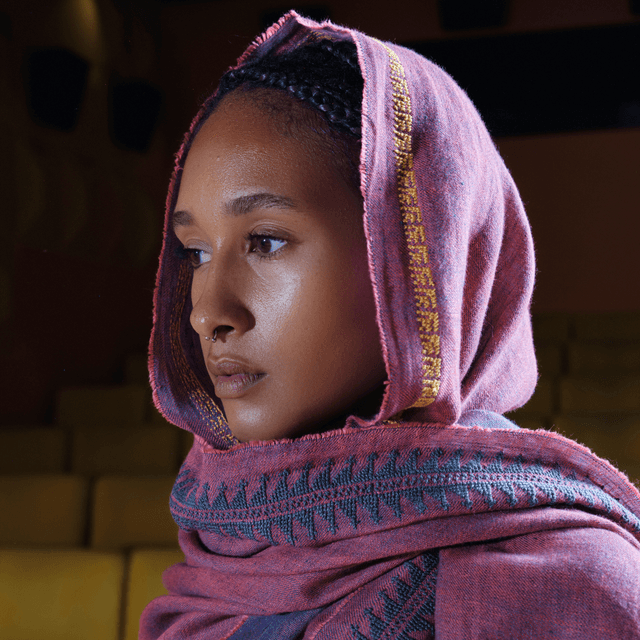
SEP is an ethical, handmade luxury label, founded in Geneva in 2013 by former investment manager Roberta Ventura and Stefano D'Ambrosio. SEP started as a project designed to become a brand that gives refugees dignified, fairly paid work, reinterpreting traditional Palestinian cross-stitch embroidery in contemporary fashion and lifestyle pieces. The range includes embroidered keffiyehs, linen, cashmere and silk shawls, cashmere hoodies, scarves, beanies and T-shirts, plus bags and home linens. Signature pieces include the Alhambra Keffiyeh, the Sultan Han hoodie, the Beehive cashmere hoodie and embroidered linen tablecloths. Every piece is hand-embroidered by Palestinian and Syrian refugee artists in Jordan's Jerash and Azraq camps, while many base fabrics, such as linen and cashmere, are made in Italy. SEP Jordan was founded in 2014 and began operations in 2015, and the business model is built to directly advance at least six of the UN Sustainable Development Goals, including no poverty and reduced inequalities. SEP is a certified B Corp and an independent social enterprise, incorporated in Jordan and Switzerland. It runs a boutique in Geneva and has collaborated with artivist Charlotte Ensaigne on a limited edition briefcase.

Lindsay Nicholas New York featured image

Lindsay Nicholas New York

USA · Est. 2015 · Mid-range

Lindsay Nicholas New York is an American designer label for women, founded in New York City in 2015 by Lindsay Nicholas. Known as LiNNY, the brand was born from its founder and creative director's wish for a wardrobe that moves seamlessly between professional and personal life, expressive yet polished and suited to a global lifestyle. A graduate of Parsons School of Design and the Fashion Institute of Technology, Nicholas reimagines classic silhouettes for the modern executive woman, with a focus on quiet confidence. The collections cover tops, blouses, shirts, sweaters, trousers, dresses, shorts, jackets and coats, plus bags and accessories. Pieces include the Lexington Avenue Jacket and Trouser, the Marcia Oversized Shirt, the Wellesley Sweater, the Tuxedo Dress and coats such as the Broadway and Sophie. Most garments are made in Melbourne, Australia, at a family-run manufacturer accredited by Ethical Clothing Australia, with a few pieces made in New York City. The brand designs seasonless pieces meant to be worn for many years and uses silk, wool, recycled polyester and some remnant fabrics. Beyond the collection, Nicholas hosts The Well-Dressed Mind, a podcast on style, ambition, reinvention and personal identity.

XíRENA featured image

XíRENA

USA · Est. 2013 · Mid-range

XíRENA is an American minimalist clothing label for women, founded in Los Angeles in 2013 by creative director Dierdre Roffoni with her husband Tony Graham. The couple are the fashion veterans behind Findings, the multi-brand showroom founded in 1989 that represents labels such as Isabel Marant and Ulla Johnson. Roffoni was inspired on holiday in Formentera, Spain, by local girls riding Vespas in white shirts, and the name comes from sirena, Spanish for mermaid. Xírena began with colourful cotton lingerie and then set out to make the perfect white shirt. Its signature Beau shirt, a relaxed cotton poplin button-down, sits alongside the Channing and Scout shirts, gauze dresses, knits, denim, swimwear and accessories. Most of the collection is made in the USA, in Los Angeles. The label's philosophy is clothes made to live in, with effortless, slightly rumpled cotton poplin, gauze, linen and silk. Its design and sample studio is in LA's Fashion District, and fabric for its printed lingerie has been sourced from upcycled material. Xírena is sold at more than 500 retail doors, including Merci in Paris and Fred Segal in Los Angeles, and opened its first store at Palisades Village.

HAUS LABEL featured image

HAUS LABEL

USA · Est. 2022 · Mid-range

HAUS LABEL is a minimalist American activewear label for women, founded in New York in 2022 by Karina Trofimova. The brand was born from Haus Agency, the Lower East Side showroom and brand development firm Trofimova started in 2018, after a friend complimented an outfit she wore for a bike ride and cocktails. It offers timeless pieces for the active, outfit-repeating woman who values simplified decision making but understands the power of expressing herself through style. The core collection includes tops, bodysuits, bike shorts, leggings, capris, micro mini skirts, bikini tops and briefs that translate from day to night, from Pilates to work and from a bike ride to dinner with friends. Pieces are ethically made in Latvia, Trofimova's home country, at a factory she has visited many times. The brand uses Italian nylon made from recovered ocean waste and post-consumer plastic bottles, double lined with sweat-wicking material. Rather than releasing four collections a year, it keeps a core range and adds new colourways only when needed. HAUS LABEL's first collaboration was with model and DJ Gilly Chan, and the brand has been featured by Garmentory and Raydar Magazine.

3sixteen featured image

3sixteen

USA · Est. 2003 · Mid-range

3sixteen is an American designer clothing label for men, founded in New York in 2003 by Andrew Chen and Johan Lam. It began as a graphic T-shirt side project, and released its first jeans, the SL-100x, in 2008. The brand describes itself first and foremost as a denim company, with every piece designed to age well and become a permanent part of the wearer's wardrobe. The collection is built around raw selvedge jeans such as the CS-225x Classic Straight, alongside Big Oxford shirts, Crosscut Flannels, work pants, outerwear, knitwear, tees and accessories. Much of it is made in the USA, with other pieces produced in India and Portugal. 3sixteen's denim is woven to its own specification by Kuroki Mills in Okayama, Japan, on vintage shuttle looms, giving it a fabric no one else can buy. Details are built for longevity, from a tucked chainstitch waistband to heavyweight English bridle leather patches made by Tanner Goods in Portland. The brand runs a flagship store in Nolita and is sold by stockists such as Huckberry and Franklin & Poe. It also publishes an interview series, Singularities, and runs the artist collaboration project Vanguard.

K M by L A N G E featured image

K M by L A N G E

Ukraine · Est. 2016 · Mid-range

K M by L A N G E is a sustainable designer clothing label for women, founded in Barcelona and Vinnytsia in 2016 by Kateryna Lanhe and her sister Marina Lange. Kateryna, known as Kati, studied international law in Madrid and worked in a Barcelona law firm before turning to fashion, inspired by childhood memories of her mother crafting clothes from scratch in Soviet-era Ukraine. The brand creates timeless pieces rooted in Ukrainian heritage. The collection includes womenswear and jewellery across capsules such as Zemlia, Motanka, Palyanytsia and Hà Nội, alongside an upcycled capsule and curated vintage. About 85% of pieces are designed, developed and crafted in Ukraine and the rest are made in Spain, often in runs of five to ten units. Ukrainian craftswomen over 60 hand-embroider and crochet selected pieces, and the women behind every piece are paid fairly. Around 85% of its fabrics are organic, recycled or deadstock, and the brand upcycles vintage clothing to minimise waste. K M by L A N G E has shown at 080 Barcelona Fashion and been profiled by Traveler and Vanitatis. Part of its profits support Ukrainian associations helping women and children affected by the war.

Loup featured image

Loup

USA · Est. 2009 · Mid-range

Loup is an American designer label for women, founded in New York in 2009 by designer Danielle Ribner. Inspired by 1960s Paris, the Brooklyn-based brand designs for the slightly curvy woman and is famous for its "life-changing" fit and curve-friendly styles. Its collections recreate beloved classics from the past in new ways so they stand the test of time. Loup is best known for high-waisted pants such as the Agnes High Rise Painter Pants and the Simone Wide Crop Jeans. It also makes tops like the Bessette Soft Washed Tee and Miranda Pointelle Tee, jumpsuits including the Billy and the Claire, dresses, the Anjelica Work Jacket, the Michelle Cable-Knit Collar Cardigan, skirts and shorts, in sizes from XXS to 4X. Clothing is made in New York City in small quantities, so no materials go to waste, and the brand reuses its remnant fabric every season. It works closely with its factories to ensure fair wages and minimal environmental impact, and offers free repairs so garments can last a lifetime. Loup's pants have been featured in New York Magazine, and the brand has a store at 508 Warren Street in Hudson, New York.

Uncle Studios featured image

Uncle Studios

Canada · Est. 2017 · Mid-range

Uncle Studios is a designer streetwear label founded in Toronto in 2017 by Allegra Shaw and Shirin Soltani. It began with a single white tee printed with art by Allegra's cousin Bobby Dunn, whose childhood nickname, "Uncle Bobby", gave the brand its name. Built on a sense of yearning and nostalgia, the label designs relaxed everyday clothing with a '90s and 2000s feel. The range covers tees, tanks, sweatshirts, jeans, skirts, dresses and outerwear, plus caps and belts. Pieces are made in Portugal, Canada and Turkey, and signature styles include The Little Tee, The Baby Tank, The Big Zip, The Varsity Crewneck, The Straight Leg Jean and The Baggy Jeans. Uncle Studios makes every product carbon neutral by investing in verified offset projects, including reforestation, renewable energy, forest conservation and energy efficiency. Orders ship in recyclable or compostable packaging. The brand is still run independently by its two co-founders, and its first shop is on Ossington Avenue in Toronto, the city that shaped the label from the start.

Diarrablu featured image

Diarrablu

Senegal · Est. 2013 · Mid-range

Diarrablu is a sustainable designer clothing label for women, founded in 2013 by Senegalese designer Diarra Bousso. Born in Dakar, Bousso earned a master's degree in mathematics at Stanford and worked on Wall Street as a structured products trader before resigning to follow her passion for design. The brand launched its first ready-to-wear collection in 2015, aiming to merge the worlds of artisans and algorithms. Diarrablu sells bold-printed dresses such as the Tubi and Satu Dress, Genie and Jant Pants, kimonos, swimsuits, skirts and jumpsuits in sizes XS to 3XL, plus headwraps and bags. Most pieces are designed in California and handcrafted in a family-run workshop in Dakar, Senegal. The label combines traditional Senegalese artisan techniques with creative mathematics and AI. Bousso uses her own algorithms to design prints and silhouettes virtually, and every garment is made to order to avoid excess stock and textile waste. Many designs are convertible, and fabrics include linen, organic cotton, lyocell, cupro and FSC-certified viscose. Diarrablu has been featured by Vogue, and Bousso, a TED speaker, has spoken at institutions such as Harvard, Stanford and MIT.

wol hide featured image

wol hide

USA · Est. 2015 · Mid-range

Wol Hide is an American sustainable knitwear and clothing label for women and men, founded in Philadelphia in 2015 by Leah D'Ambrosio. Raised in western Connecticut and trained in textile design, D'Ambrosio believed fashion could be done better, with empathy, quality and respect for everyone from farmers and mill workers to customers. The label is built on a love for materials in their natural state and on comfort that brings confidence and ease. Wol Hide is known for textural sweaters, cardigans and vests, such as the Box Bomber and Lattice Henley, along with its organic cotton Easy Collection of sweatpants, leggings and sweatshirts, plus hats. It is made in the USA and Peru: wool is spun in Virginia and knit in New York, cotton milled in the Carolinas is sewn in Pennsylvania, and some knits, including alpaca pieces, are hand-loomed in Peru. Its Field Fiber yarn blends Sally Fox's naturally coloured organic cotton with undyed Rambouillet wool, and it uses Texas Organic Cotton Co-Op cotton and RWS and Nativa Regen certified Shaniko merino, with minimal dyeing. Wol Hide has been featured by Philadelphia magazine and Suitcase, and is stocked by boutiques including MayerWasner and Vagabond.

Michel & Amazonka featured image

Michel & Amazonka

Mongolia · Est. 2015 · Mid-range

Michel & Amazonka is a Mongolian luxury designer clothing label for women and men, founded in Ulaanbaatar in 2015 by sisters Yanjindulam "Michel" Choigaalaa and Nyamkhand "Amazonka" Choigaalaa. The fashion house is led by their third sister, CEO Munkhjargal Choigaalaa, and is known for "prêt-à-couture" that reinterprets traditional Mongolian garments such as the deel. Its collections include evening gowns, couture bridal pieces, bespoke designs and limited ready-to-wear lines for women and men, as well as kids' clothing, gifts and home items. Everything is made in Mongolia, using techniques such as hand embroidery and appliqué. The designs combine symbolic Mongolian details, such as archer's sleeves, birds, mountains and the Nine White Banners, with European-inspired silhouettes, using cashmere, wool, silk and cotton. From the outset the brand has committed to becoming one of the first sustainable fashion houses in the region. Michel & Amazonka designed Team Mongolia's uniforms for the Tokyo 2020 Olympics, and its flag-bearer uniforms for Beijing 2022 were selected for the Olympic Museum. Its deel-inspired Paris 2024 Olympic uniforms went viral worldwide, drawing coverage from Dazed and WWD, and the brand was profiled by Forbes in 2019.

MIRTH featured image

MIRTH

USA · Est. 2016 · Mid-range

MIRTH is an American contemporary womenswear label, founded in Houston in 2016 by sisters Katie McClure and Erin Breen. After years of travel, the sisters landed in India in 2014 and were inspired by its vibrant communities, rich culture and heritage textiles. There they found the "mirth" behind the name, meaning amusement expressed in laughter, and the mission to start their own line. The label began with caftans and now makes easy, modern resort wear designed for long voyaging and slow living. Its range includes caftans and dresses such as the Alba Dress and Barcelona Short Dress, tops like the Adelaide Pointelle Knit Top, the Baden Pant, knitwear including the Aspen Pullover and Cusco Waterlily Cardigan, robes such as the Laos Robe, and bandanas. MIRTH is ethically produced in India and Peru, with knitwear made in Peru since 2022. Most of its fabrics are handmade and sourced from artisan communities, and the sisters design their own fabrics with makers using techniques such as handloom weaving and hand block printing. Nearly all of the work happens in rural villages, helping sustain heritage crafts and bringing consistent, dignified employment. The family-owned brand has a store in Houston.

Éterne featured image

Éterne

USA · Est. 2020 · Mid-range

Éterne is an American luxury basics label for women, founded in Los Angeles in 2020 by stylist Chloé Bartoli, with HauteLook founder Adam Bernard as co-founder. Bartoli started the brand after struggling to find the perfect basics for her clients, setting out to create the go-to destination for timeless, seasonless essentials. With a clear vision for the key items in a woman's wardrobe and how they should fit and function, the label follows guiding principles of high-quality craftsmanship and wearable luxury, with minimal designs and perfectly fitted tailoring. Éterne built its name on tanks and tees such as the Cropped Rib Tank, 90s Tank and Short Sleeve Baby Tee. It also makes cashmere sweaters like the Francis and Keaton, lounge and foldover pants, terry sweatsuits, French terry sweatshirts, denim, 90s Tank Mini Dresses, swimwear and socks. Its first collection was made in Los Angeles from domestically sourced cotton, according to Vogue, and the brand now develops custom fabrics with mills, including an Italian matte jersey. Éterne is a privately held, founder-led brand. It sells online and through luxury retailers such as Bergdorf Goodman and online stores like Ssense.

MEGEST 1994 featured image

MEGEST 1994

USA · Est. 1994 · Mid-range

MEG is an American designer clothing label for women, founded in New York's East Village in 1994 by Meghan Kinney. Growing up around her mother's and grandmother's stores, Kinney designed her first garment at 14 and moved to New York at 17 to attend the Fashion Institute of Technology. After working alongside designers including Byron Lars, Christian Francis Roth and Randolph Duke, she launched MEG as a wholesale collection for independent boutiques, built on the belief that women should not have to choose between looking incredible and feeling comfortable. The label designs dresses, tops, trousers, knitwear and outerwear that move from work to weekends, travel and dinner, including its MEG Movement line. Collections are designed in Brooklyn and produced in small batches primarily in North America, in New York and Canada. Long before sustainability became a trend, MEG produced locally and encouraged customers to buy less but better. Its MEG Archive takes back previously loved pieces for store credit and resells them, donating 20% of Archive sales to Planned Parenthood. MEG opened its first boutique in the East Village in 1996, has grown to stores in Manhattan, Brooklyn and Toronto, and remains proudly independent.

HERMAN featured image

HERMAN

Netherlands · Est. 2022 · Mid-range

HERMAN is a minimalist womenswear label founded in 's-Hertogenbosch in 2022 by Sanne Christina Molenaar. The brand is named after her father, whose clothes were the first garments she truly became attached to. That story shapes its approach: HERMAN brings the essence of menswear into the women's wardrobe, with relaxed, masculine proportions and clean, everyday designs. Inspired by the durability, craftsmanship and modern sophistication of menswear classics, HERMAN designs pieces that combine elegance with everyday practicality. Its philosophy is about doing more with less, paring each garment back to timeless form, refined function and subtle strength. Its collections cover tailoring, coats, jackets, shirts, knitwear and trousers. Signature pieces include the Double-Breasted Coat, the Car Coat, the Harrington Jacket, the Oversized Jacket, Dad's Shirt, the Relaxed Shirt, the Fisherman Knit, the Mock Neck Sweater and Pleated Trousers. HERMAN works mostly with natural fibres, including wool, merino, cotton, alpaca, cashmere, silk and linen. The brand does not publicly state where its garments are made. The label launched in December 2022 and is led by Molenaar as founder and creative director. It presents its collections to buyers in Paris.

Bibico featured image

Bibico

UK · Est. 2007 · Mid-range

Bibico is a sustainable UK clothing label for women, founded in Bath in 2007 by designer Snow (Nieves). Raised in northern Spain, Snow studied fashion in France and designed for Zara and other high street retailers in Madrid, Sydney and London, before leaving to find a fairer way of making clothes. Her husband Tim joined as COO in 2009, and the name comes from her childhood nickname, Bibi. Bibico makes simple clothes with unique details: jumpers such as the Layla and Alma Jumper, wool vests and gilets, dresses, blouses like the Ada Blouse, Anna Trousers, skirts and jackets. Two collections a year are produced in small runs, mainly in India and Nepal, with knitwear also made in Bulgaria. The label uses natural and sustainable fabrics such as organic cotton, wool and Tencel. It works with a women's cooperative in Mumbai and a knitting cooperative in Kathmandu, and two of its main makers belong to the World Fair Trade Organization. Bibico's first collection sold at Topshop Oxford Circus. In 2010 it won best ethical fashion brand at the Ethical Fashion Show in Paris, and it opened its Bath shop in 2017.

Vega Lucia featured image

Vega Lucia

USA · Mid-range

Vega Lucia is a sustainable, handmade clothing label for women, founded in the Florida Keys by designer Taylor Albury. Each piece starts with a fabric she can't stop thinking about and is made slowly, one at a time, in her small studio in Florida. The label's relaxed, coastal style is inspired by life in the Keys. The range includes skirts, tops, boleros and dresses, and Vega Lucia also offers alterations. Pieces have included the Buttonwood Midi Skirt, the Drift Wrap Skirt, the Birch Bolero, the Gold Lace Halter Top and the Seaside Scarf Dress. Every piece is made from thrifted, vintage or reclaimed materials, so most designs are one of one and cannot be repeated. This upcycled approach keeps existing fabrics in use and gives each garment its own character. Vega Lucia is a small, independent label owned by its founder, and it sells its pieces online. The brand and the story behind it have been featured in the Florida Keys Free Press.

R

Revivall

USA · Est. 2008 · Mid-range

Revivall is a sustainable, handmade clothing label for women, founded in Bozeman in 2008 by Laura Lee Laroux. After seeing the scale of waste in New York's fashion industry in the early 2000s, Laura vowed to use recycled materials in her creations, and she has been upcycling ever since. Revivall describes itself as a slow fashion lifestyle brand encouraging the revival of a simpler way of life through responsibly sourced, folk-inspired goods. The label makes modern homestead clothing with a vintage, prairie feel: skirts, pinafores, dresses, tops and vintage-style petticoats. Recent pieces include the White Bear Skirt, the Cotton Prairie Skirt, the Long Wool Pinafore and the Vintage-Style White Cotton Petticoat. Its approach rests on three pillars: responsible sourcing, zero-ish waste and local making. Products are made from recycled materials and deadstock fabrics, keeping hundreds of bolts of fabric out of landfill each year, and even small scraps are turned into new pieces. Everything is handmade in the USA by a team of independent seamstresses. Revivall is women-owned and operated, and it sells mainly through its own online store.

Adroit Atelier featured image

Adroit Atelier

Canada · Est. 2020 · Mid-range

Adroit Atelier is a Canadian designer clothing label for women, founded in Montreal in 2020 by Christine Larente. Styled Adrøit Atelier, the brand epitomises contemporary women's fashion for a confident, worldly woman who is resourceful, clever and ingenious, with a relaxed femininity and a subtly sexy, casually elegant look. Its collection is built on interchangeability, with clothing crafted to be effortlessly mixed and matched to maximise the value of every piece in a wardrobe. Outerwear is at the heart of the range, from the Polly long faux fur coat and the Dallas moto vegan leather jacket to the Bennett double-breasted wool blend coat, trench coats and the Chelsea hooded raincoat. It also offers blazers, blouses, shirts, skirts, trousers, knits and a collection of coats for dogs. Its styles are proudly made in Canada. The brand supports local craftsmanship and the Canadian fashion industry, while working with trusted overseas experts for high-quality materials and workmanship. Its designs are made to transition from day to night and from casual outings to formal events. Adroit Atelier sells online in English and French and is stocked by boutiques including Gallery Couture and Carriage Trade.

twenty-seven names featured image

twenty-seven names

New Zealand · Est. 2006 · Mid-range

twenty-seven names is a New Zealand designer label for women, founded in Wellington in 2006 by Rachel Easting and Anjali Burnett. The two have been friends since they met at Karori Normal Primary School in Wellington, where Rachel introduced Anjali to her family's art books, and that love of art still shapes the label's playful, feminine clothing with a quirky, artful edge. The range includes tops, knit polos, dresses, skirts, trousers, jackets, coats and accessories. Signature pieces include the Alchemist Polo, the Eliza long-sleeved polo, the Connections tee, the Anderson, Capulet and Esoteric dresses, the Step into my office jacket and the A Cat May Look at a Queen jacket. twenty-seven names makes its clothing in New Zealand so that the people who make it enjoy the same protections as those who wear it. It favours natural fibres such as silk, cotton and merino wool and sources most of its plain fabrics from deadstock. The label remains independent and is run by its two co-founders from Wellington.

Le Petit Trou featured image

Le Petit Trou

Poland · Est. 2014 · Mid-range

Le Petit Trou is a Polish lingerie and designer label for women, founded in Warsaw in 2014 by Zuzanna Kuczyńska. Kuczyńska came up with the idea while working as a stylist, and her Warsaw apartment served as the brand's first showroom. What began as lingerie has grown into a full women's ready-to-wear collection that the brand says is designed to create an extraordinary everyday. The lingerie includes signature briefs and soft bras such as the Chocolat, Pavot and Madonna styles, along with loungewear. Its clothing covers tops, shirts, skirts, trousers, jeans, jackets and coats, with pieces such as organic cotton ruffle-hem styles, the Maxime corduroy shirt, the Thierry denim dungarees and LUCAS jeans, plus leather boots, pumps and bags. Products are made in Poland, where the brand works with women-led sewing companies and restocks monthly to avoid overproduction. It uses natural materials such as linen and cotton alongside recycled polyester, and ships orders in compostable mailers. Le Petit Trou is majority-owned by Kuczyńska and has its design studio and flagship store in Warsaw, selling online internationally.

SIZ featured image

SIZ

Portugal · Est. 2016 · Mid-range

SIZ is an ethical, sustainable European designer clothing label for women, founded in Sesimbra, Portugal in 2016 by twin sisters Raquel Rodrigues and Sofia Rodrigues. The sisters studied fashion together at the University of Lisbon's Faculty of Architecture and launched the brand after their internships, wanting to prove that sustainable fashion could be creative, colourful and fun. Its style pairs "clean and crafty" in an urban, casual look. The collection includes dresses, tops, shirts, trousers, skirts, jackets, jumpsuits and coordinated sets. Signature pieces include striped sets introduced in 2020 and a thin-strap summer dress reinterpreted every year. Garments are made in Portugal: the sisters design, make patterns, cut and sew in their Sesimbra atelier, working with local seamstresses in small batches produced to the rhythm of sales. Each yearly collection is built around an environmental or social cause, from climate change to ocean pollution and overconsumption. Much of the clothing uses deadstock fabrics, with organic and natural fibres used when deadstock runs short, while a take-back programme keeps garments out of landfill. SIZ has been profiled by the Portuguese magazine NiT and A Sustainable Closet, and in 2026 opened a two-month pop-up in Lisbon.

MaisonCléo featured image

MaisonCléo

France · Est. 2016 · Mid-range

MaisonCléo is a French designer label for women, founded in Calais in 2016 by Marie Dewet and her mother, Nathalie, who sewed the brand's first garments. The mother-daughter label makes romantic, feminine clothing by hand and to order, with a focus on silk dresses and blouses trimmed with Calais lace. The range includes dresses, blouses, skirts, cardigans, coats, bridal pieces and accessories. Every piece is handmade to order in its studio-atelier in the north of France, and any design can be made to measure. Signature pieces include the Madeleine silk dress with a Calais lace train, the Isaure muslin silk dress, the Constance silk blouse, the Javotte flared silk skirt, the Ramona lace cardigan and the Berthe organza veil. MaisonCléo uses only leftover fabrics from French couture houses and factories, such as silk and Calais lace. It is also transparent about how each garment is made, sharing details such as fabric costs and making time. The brand remains independent and run by Marie Dewet, and it has created exclusive pieces for Net-a-Porter, Selfridges and Printemps.

Can't find what you're looking for?

We add new sites every week but if you have a specific request, let us know.

About mid-range brands

Finding Real Value in the Middle

Mid-range pricing should mean a noticeable step up in quality from fast fashion, so it is worth checking where that extra money goes. Look at fabric weight and composition, stitching, linings and finishings in clothing, and at construction and materials in footwear. In beauty, compare ingredient lists and product sizes rather than just prices. Mid-range brands that share where they manufacture and how they choose materials make it easier to judge value. Reading reviews about fit and how items hold up after washing can also be very helpful. Waiting for a considered purchase rather than an impulse buy usually leads to better value.

Quality Without the Luxury Mark-Up

Mid-range labels occupy a sweet spot for many shoppers, offering better materials and design than cheaper options without the premium that comes with a luxury name. Many keep costs reasonable by focusing on a tighter range, selling directly online or investing in quality over heavy marketing. The result is clothing, footwear and beauty products that last longer and feel better to use. For people building a wardrobe or routine over time, choosing mid-range brands often delivers the best balance between price, quality and long-term value.

Frequently asked questions

What is a mid-range brand?
A mid-range brand sits between budget and luxury labels on price. Typically, it offers better materials, construction and design than fast fashion or mass-market products, without the premium attached to a luxury name. For many shoppers, it's where quality and price find the most comfortable balance.
Is mid-range better value than budget brands?
Often, yes, especially for things you'll use regularly. Better fabrics, stronger seams and more considered formulas tend to last longer, so the cost per use can be lower than repeatedly replacing cheaper items. It's still worth checking each product, as price alone doesn't guarantee quality.
How is mid-range different from luxury?
Luxury brands usually charge a significant premium for rare materials, intricate craftsmanship, exclusivity and their name. Mid-range labels focus on solid quality and good design at more accessible prices. You may not get the same level of finish or service, but the step up from budget options is often noticeable.
What should I look for when shopping mid-range?
Check fabric weight and composition, stitching and finishing in clothing, materials and sole construction in footwear, and ingredient lists and sizes in beauty. Reviews that mention how products hold up after months of use are especially helpful, as they show whether the extra spend has been worth it.
Can mid-range brands be ethical and sustainable?
Many are. Plenty of mid-range labels combine fair pricing with responsible materials, transparent manufacturing and durable design. Because they often sell directly or keep ranges focused, they can invest in quality without luxury mark-ups. Combining this tag with values-based tags can help you find them.
How does From The Labels decide which brands go in this list of mid-range brands?
Brands register themselves, sharing where their prices sit and what makes them distinctive. From The Labels features homegrown and emerging brands only, so a label can have investors but not a large corporate owner. Prices vary by country and change over time, so check current pricing, shipping and returns on each brand's website.
When does it make sense to choose mid-range over luxury?
For everyday wardrobe pieces, work clothes and core skincare, the top mid-range brands often deliver much of the quality you need at a more manageable price. Saving luxury purchases for a few special pieces, and relying on well-made mid-range options for the rest, keeps a wardrobe both practical and enjoyable.