#recycled

List of 300+ Recycled Brands

Explore 300+ recycled brands turning existing materials into new swimwear, beauty products, clothing and more. Recycled products are made from materials that have already been used, such as plastic bottles, fishing nets, textile waste, glass or metal, which are processed and turned into new fibres, packaging or components, reducing the need for virgin resources. Swimwear makes up the largest group here, followed by beauty and clothing, with some footwear and jewellery labels. Great for swimwear and activewear shopping in particular. Compare these recycled fashion and swimwear brands side by side to find alternatives made with less new material.

Tagged Brands

Outsiders Division featured image

Outsiders Division

Spain · Est. 2012 · Luxury

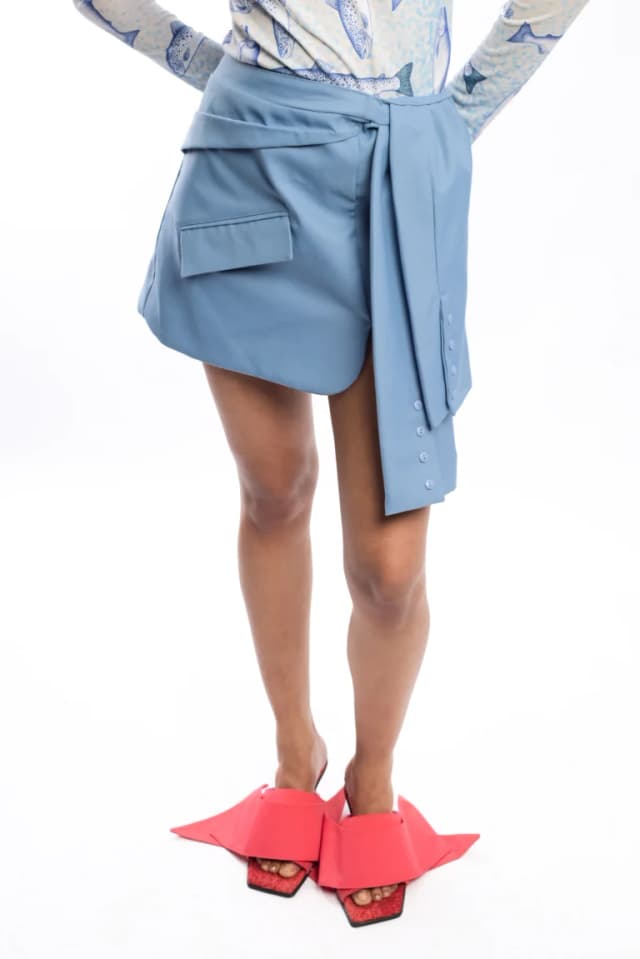
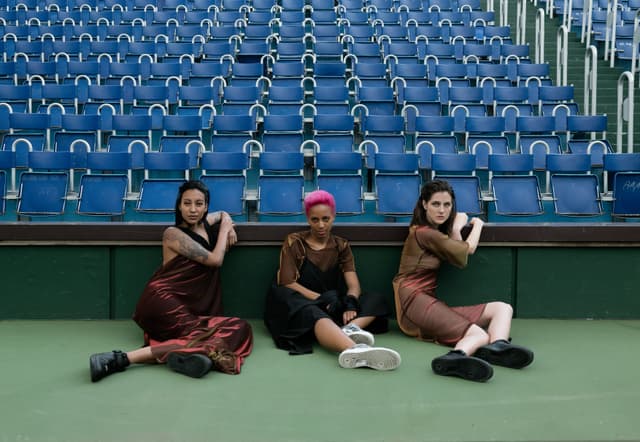
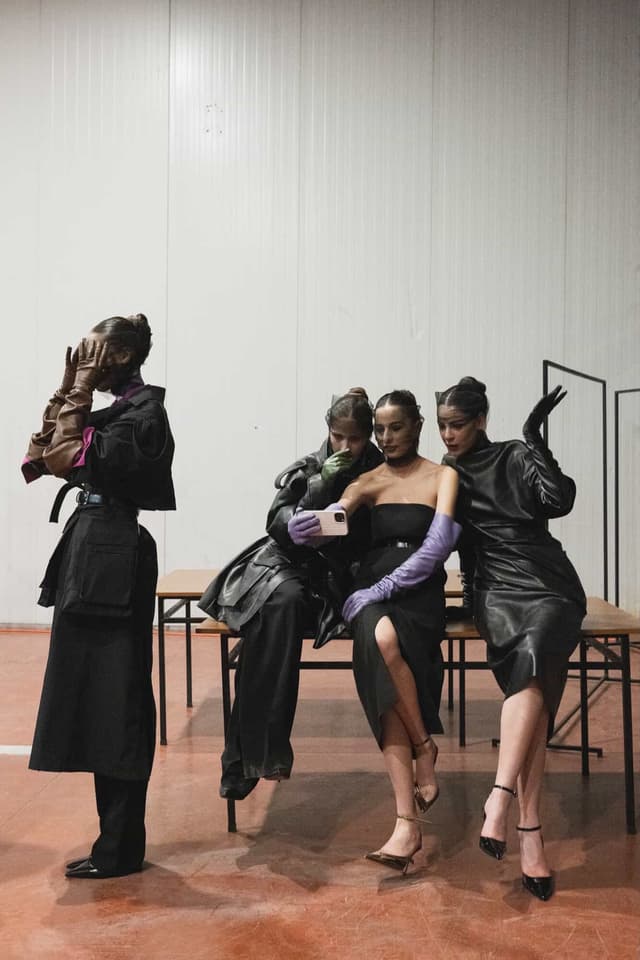
Outsiders Division is a European designer streetwear label for men and women, founded in Barcelona in 2012 by David Méndez Alonso. Méndez started the brand because he was tired of seeing the same old things in fashion, where everything felt generic. What began as an idea to create something different became a project to challenge the norm, and one of his biggest goals was to make the brand inclusive, with gender-neutral clothing for all ages. The range covers knitwear, tees, tanks, shirts, shorts, skirts, jackets and statement dresses, plus caps and scarves, known for playful colour, bold graphics and slogans. Signature pieces include sweaters such as Midnight Call, Plastic Bouquet and Star Social Club, the Antoine Shirt, the Unlicensed Athlete Tee and the Business Department jacket. Everything is designed in Barcelona and made mainly in Spain and Portugal. Most collections use organic cotton, including nearly all of its knitwear and 70% of its jackets, and it uses recycled polyester where possible. It works in small batches with partners that ensure fair wages and safe working conditions, so its artisans are not overburdened or rushed. Outsiders Division sells through its own online store.

Lindsay Nicholas New York featured image

Lindsay Nicholas New York

USA · Est. 2015 · Mid-range

Lindsay Nicholas New York is an American designer label for women, founded in New York City in 2015 by Lindsay Nicholas. Known as LiNNY, the brand was born from its founder and creative director's wish for a wardrobe that moves seamlessly between professional and personal life, expressive yet polished and suited to a global lifestyle. A graduate of Parsons School of Design and the Fashion Institute of Technology, Nicholas reimagines classic silhouettes for the modern executive woman, with a focus on quiet confidence. The collections cover tops, blouses, shirts, sweaters, trousers, dresses, shorts, jackets and coats, plus bags and accessories. Pieces include the Lexington Avenue Jacket and Trouser, the Marcia Oversized Shirt, the Wellesley Sweater, the Tuxedo Dress and coats such as the Broadway and Sophie. Most garments are made in Melbourne, Australia, at a family-run manufacturer accredited by Ethical Clothing Australia, with a few pieces made in New York City. The brand designs seasonless pieces meant to be worn for many years and uses silk, wool, recycled polyester and some remnant fabrics. Beyond the collection, Nicholas hosts The Well-Dressed Mind, a podcast on style, ambition, reinvention and personal identity.

HAUS LABEL featured image

HAUS LABEL

USA · Est. 2022 · Mid-range

HAUS LABEL is a minimalist American activewear label for women, founded in New York in 2022 by Karina Trofimova. The brand was born from Haus Agency, the Lower East Side showroom and brand development firm Trofimova started in 2018, after a friend complimented an outfit she wore for a bike ride and cocktails. It offers timeless pieces for the active, outfit-repeating woman who values simplified decision making but understands the power of expressing herself through style. The core collection includes tops, bodysuits, bike shorts, leggings, capris, micro mini skirts, bikini tops and briefs that translate from day to night, from Pilates to work and from a bike ride to dinner with friends. Pieces are ethically made in Latvia, Trofimova's home country, at a factory she has visited many times. The brand uses Italian nylon made from recovered ocean waste and post-consumer plastic bottles, double lined with sweat-wicking material. Rather than releasing four collections a year, it keeps a core range and adds new colourways only when needed. HAUS LABEL's first collaboration was with model and DJ Gilly Chan, and the brand has been featured by Garmentory and Raydar Magazine.

The Blender featured image

The Blender

China · Est. 2018 · Affordable

THE BLENDER is an affordable designer lingerie and bodywear label for women, founded in Shanghai in 2018. The name reflects the idea of blending colour, architecture, art and modern culture, and the brand explores the relationship between clothing and the body as coexistence rather than control. Designer and COO Bridget Gao studied architecture at Tongji University and worked in luxury fashion before bringing architectural thinking to lingerie design. The range includes wire-free bras, underwear, bodysuits, camisoles, lounge tops, dresses, pants and swimwear for everyday comfort and layering. Pieces are made in China, with seamless knitting central to their soft, stretchy construction, and collections have drawn on films such as Pulp Fiction and The Fifth Element. Its GREEEN line uses recycled Tactel ecomade yarn, made with recycled textile waste, and seamless knitting helps reduce fabric waste during production. THE BLENDER won first place at the 2019 Young Label Award, a competition for emerging lingerie designers, and is stocked by the Tokyo lingerie boutique feast.

R

Revivall

USA · Est. 2008 · Mid-range

Revivall is a sustainable, handmade clothing label for women, founded in Bozeman in 2008 by Laura Lee Laroux. After seeing the scale of waste in New York's fashion industry in the early 2000s, Laura vowed to use recycled materials in her creations, and she has been upcycling ever since. Revivall describes itself as a slow fashion lifestyle brand encouraging the revival of a simpler way of life through responsibly sourced, folk-inspired goods. The label makes modern homestead clothing with a vintage, prairie feel: skirts, pinafores, dresses, tops and vintage-style petticoats. Recent pieces include the White Bear Skirt, the Cotton Prairie Skirt, the Long Wool Pinafore and the Vintage-Style White Cotton Petticoat. Its approach rests on three pillars: responsible sourcing, zero-ish waste and local making. Products are made from recycled materials and deadstock fabrics, keeping hundreds of bolts of fabric out of landfill each year, and even small scraps are turned into new pieces. Everything is handmade in the USA by a team of independent seamstresses. Revivall is women-owned and operated, and it sells mainly through its own online store.
Le Petit Trou featured image

Le Petit Trou

Poland · Est. 2014 · Mid-range

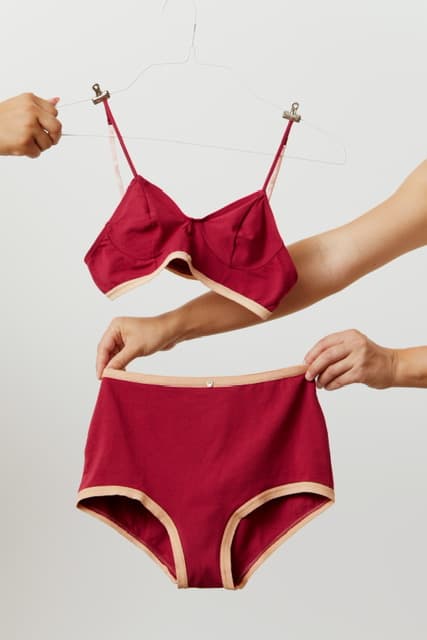
Le Petit Trou is a Polish lingerie and designer label for women, founded in Warsaw in 2014 by Zuzanna Kuczyńska. Kuczyńska came up with the idea while working as a stylist, and her Warsaw apartment served as the brand's first showroom. What began as lingerie has grown into a full women's ready-to-wear collection that the brand says is designed to create an extraordinary everyday. The lingerie includes signature briefs and soft bras such as the Chocolat, Pavot and Madonna styles, along with loungewear. Its clothing covers tops, shirts, skirts, trousers, jeans, jackets and coats, with pieces such as organic cotton ruffle-hem styles, the Maxime corduroy shirt, the Thierry denim dungarees and LUCAS jeans, plus leather boots, pumps and bags. Products are made in Poland, where the brand works with women-led sewing companies and restocks monthly to avoid overproduction. It uses natural materials such as linen and cotton alongside recycled polyester, and ships orders in compostable mailers. Le Petit Trou is majority-owned by Kuczyńska and has its design studio and flagship store in Warsaw, selling online internationally.

SIZ featured image

SIZ

Portugal · Est. 2016 · Mid-range

SIZ is an ethical, sustainable European designer clothing label for women, founded in Sesimbra, Portugal in 2016 by twin sisters Raquel Rodrigues and Sofia Rodrigues. The sisters studied fashion together at the University of Lisbon's Faculty of Architecture and launched the brand after their internships, wanting to prove that sustainable fashion could be creative, colourful and fun. Its style pairs "clean and crafty" in an urban, casual look. The collection includes dresses, tops, shirts, trousers, skirts, jackets, jumpsuits and coordinated sets. Signature pieces include striped sets introduced in 2020 and a thin-strap summer dress reinterpreted every year. Garments are made in Portugal: the sisters design, make patterns, cut and sew in their Sesimbra atelier, working with local seamstresses in small batches produced to the rhythm of sales. Each yearly collection is built around an environmental or social cause, from climate change to ocean pollution and overconsumption. Much of the clothing uses deadstock fabrics, with organic and natural fibres used when deadstock runs short, while a take-back programme keeps garments out of landfill. SIZ has been profiled by the Portuguese magazine NiT and A Sustainable Closet, and in 2026 opened a two-month pop-up in Lisbon.

indi & cold featured image

indi & cold

Spain · Est. 2012 · Mid-range

indi & cold is a Spanish clothing label for women, founded in San Sebastián in 2012 by brothers Diego and Gonzalo Santaolalla. The brothers started their first labels, Indiwoman and Cold Alaska, in San Sebastián in 1991, and the two merged in 2012 to form indi & cold, with Cristina Villar as creative director. Under the motto "Dress the journey", the brand makes relaxed, natural-style clothing: timeless, quality pieces in natural fabrics with careful design. The range includes knitwear, shirts, blouses, coats, jackets, trousers, skirts, dresses and accessories. Pieces include the Wool Maxi Coat with Hood, the Double-Breasted Wool Coat, the Reversible Quilted Trench Coat and the Brushed-Effect Plaid Sweater, as well as ethnic-print dresses, skirts and blouses, corduroy trousers and leather Chelsea boots. indi & cold works with materials such as wool, mohair, alpaca and organic cotton, along with some recycled fibres. The independent company is run by its founders and has its own store on Calle Arrasate in San Sebastián. It runs about 20 stores across Spain, including in Madrid, Barcelona, Bilbao and Valencia, plus corners in El Corte Inglés stores in Madrid, Valencia and Lisbon.

Juan de Dios featured image

Juan de Dios

Colombia · Est. 2017 · Luxury

Juan de Dios is a Colombian designer, sustainable luxury resortwear label for women and children, founded in Cali in 2017 by María Fernanda Valencia. Known as Nana, Valencia is a painter, designer and mother of two who is deeply inspired by the natural world and the quiet beauty of everyday rhythms. Through the brand she found a space for her creativity while championing a meaningful mission. Her vision is rooted in authenticity and a deep respect for craft, culture and community. The lifestyle brand brings together swimwear, resortwear, ready-to-wear and home collections. Signature pieces include the Gorgona Top, the Saint Tropez One Piece, the Tucan Embroidered One Piece, the Antonia Linen Midi Dress, the Cayetana Silk Crepe Blouse and the Carlota Satin Silk Maxi Skirt, plus Mini swimsuits for kids. Everything is made in Colombia. Pieces are handcrafted by women heads of household and Latin American artisans, many working from home through partner workshops, using local techniques such as hand embroidery. Some swimwear uses ECONYL regenerated nylon. Season after season, the label spotlights the artisanal talent of Latin America, and it has been featured by Vogue México and Vanity Fair Spain.

Nagnata featured image

Nagnata

Australia · Est. 2015 · Mid-range

Nagnata is an Australian designer, sustainable activewear label for women, founded in Byron Bay in 2015 by Laura May and Hannah Gibbs. Laura May founded the label with a vision to contribute to a more sustainable business model in fashion, and her sister Hannah joined as co-founder, making it the collaborative creation of a sister design duo. Its considered approach respects honesty of material and its impact on both the body and the planet, and its founding mantra is Movements Not Seasons. The range spans knit tops, bralets, leggings, shorts, bodysuits, sweaters, denim and outerwear, blurring the lines between technical sportswear and fashion from studio to street. Signature pieces include the Highlighter Tee, the Classic Wool Bralet, the Ballet Legging and the Brushed Alpaca Cardigan. Clothing is made in China, chosen for technical knitwear innovation and yarn availability. Nagnata merges organic and renewable fibres, such as merino wool and GOTS-certified organic cotton, with technology and innovation. In 2020 it introduced SAMA, its first genderless movement. Nagnata is stocked by Bergdorf Goodman, David Jones, Revolve and LuisaViaRoma, has stores in Byron Bay and Sydney, and was profiled by Forbes for rethinking seasonal drops and sales.

Only Hearts featured image

Only Hearts

USA · Est. 1978 · Affordable

Only Hearts is an American lingerie label for women, founded in New York in 1978 by Helena Stuart. It began as a tiny boutique on Columbus Avenue devoted to all things heart-shaped, from vintage lockets to corsets, and became a destination for collectors and romantics. Stuart went on to create fashion's first Inner Outerwear collection, lingerie-inspired pieces made to be seen and worn out, and today she runs the family brand with her daughter, Kaya. The range covers bralettes, bras, undies, slips, sleepwear and loungewear, described by the brand as sensuous, natural and just a little bit naughty. Collections include So Fine, Whisper, Bed of Roses and Organic Cotton Heritage Hearts, with pieces such as the Joey Bralette, Whisper Balconette Bra and Butterfly Brief, plus silk slips and pyjamas. Everything is made in New York City in small batches to reduce waste and overproduction, using local, deadstock, organic and Made in Green-certified textiles. Its organic line uses organic Pima cotton grown in Peru. Only Hearts says its pieces have been worn by Kate Moss, Chloë Sevigny, Bella Hadid, Kendall Jenner, Nicole Kidman and Scarlett Johansson, among others.

Botanica Workshop featured image

Botanica Workshop

USA · Est. 2014 · Affordable

Botanica Workshop is an American organic lingerie and loungewear label for women, founded in Los Angeles in 2014 by Misa Miyagawa. Born and raised in Silver Lake, Miyagawa studied fashion design at Parsons in New York and Central Saint Martins in London, and started the brand from a need for responsibly produced intimates with a designer aesthetic and quality to match. The name joins Botanica, for its ecologically minded use of materials, with Workshop, for the experiential nature of designing and producing handcrafted goods. The collection has grown from bralettes and briefs into everyday essentials, including the Aya Bralette, Astra Hi-Waist Brief and Lila Bikini Brief, camisoles, slip dresses and loungewear. Pieces are made in the USA, in small runs produced in Los Angeles with local artisans and technicians. Each collection is approached with the sensibility of a ready-to-wear wardrobe and the handcrafted feel and technical construction of vintage undergarments. The label uses organic cotton, stretch silk and recycled and upcycled materials. Botanica Workshop has been featured by The Wall Street Journal, Who What Wear, Vogue.com and Racked LA, and collaborated with artist Amelia Giller on a lookbook.

Norse Projects featured image

Norse Projects

Denmark · Est. 2004 · Mid-range

Norse Projects is a minimalist European designer clothing label for men and women, founded in Copenhagen in 2004 by Tobia Sloth, Anton Juul and Mikkel Grønnebæk. The three met at the Copenhagen skate shop Street Machine and opened Norse Projects as a streetwear store with an art gallery in the basement. In 2009 they launched a full wholesale menswear line, aiming to create a modern sportswear company in the spirit of Nordic functionalism. Rooted in skateboarding and street culture, the collection is built for an adaptable, all-season wardrobe: shirting in poplin, organic oxford and Italian flannel, Norse Standard tees and sweatshirts, Aran and lambswool knitwear, trousers such as the Volda Pleated Trouser, and GORE-TEX shells and wool coats. Womenswear followed for Fall/Winter 2015. Production is spread across partners in Portugal, Turkey and Tunisia. Fabrics are chosen for function as much as form, from organic cotton and merino to recycled nylon and weatherproof textiles developed with mills including Japan's Komatsu. Complex named Norse Projects the best Scandinavian menswear brand in 2013, and the label is known for collaborations with adidas.

Enza Costa featured image

Enza Costa

USA · Est. 2007 · Mid-range

Enza Costa is an American minimalist label for women, founded in Los Angeles in 2007 by designer Enza Costa. She set out to create the perfect T-shirt, one that was impeccably cut, made from the most touchable fabrics and finished with great attention to detail. The brand aims to transform everyday basics into luxury essentials, with an effortless style that accentuates the silhouette through cool formalism and casual expression, guided by transparency, layering, femininity and sensuality. Its first collection caught the eye of discerning stores worldwide, and the brand has since grown into a contemporary collection of never-take-off essentials cut from featherweight blends of Supima cotton, cashmere and silk. It is known for elevated tops such as the Bold Sheath Tank, Supima Cotton New Classic tees and Fluid Silk Rib tops, along with Everywhere pants, cashmere sweaters, gauzy voile shirts, leather and suiting skirts, and jersey dresses like the Dolman Curve Dress. Each Enza Costa piece is made in Los Angeles with fine fabrics from Italy, Japan and California. Enza Costa is an independent, designer-owned label led by its namesake founder, and it sells online and through stores worldwide.

Annaiss Yucra featured image

Annaiss Yucra

Peru · Est. 2018 · Mid-range

Annaiss Yucra is a Peruvian designer, sustainable handmade clothing label for women and girls, founded in Lima in 2018 by Annaiss Yucra. Born in Lima, the designer, whose full name is Isabel Annaiss Yucra Mancilla, uses colour, heritage and what she calls artivism to communicate social issues through fashion. Her bold, artisanal womenswear is designed to carry a message as well as celebrate Peruvian culture. The range includes dresses, tops, pants, skirts, jackets and sets, plus girls' T-shirts and accessories. Signature pieces include the Vertical Wave Dress, the Rallin Dress, the Musa Maxi Dress, the Trucha Top, the Claveles Pants, the Rafia Puffer Jacket and the Sinchi Set. Everything is made in Peru. Yucra works with local and Indigenous artisans, including weavers from Santiago de Chuco, to preserve traditional techniques and provide fair work. Through her COMPOST TEXTIL project, textile waste is turned into new materials, part of the label's focus on sustainable, handcrafted fashion. Yucra is an alumna of the Redress Design Award, the sustainable fashion competition, and in 2022 she won Best Positive-Impact Project in Latin America at the Latin American Fashion Summit, a win covered by El Comercio.

Vuori featured image

Vuori

USA · Est. 2015 · Affordable

Vuori is an American activewear label for men and women, founded in Encinitas in 2015 by Joe Kudla. A former model and accountant, Kudla began developing the idea in 2014 to create premium performance apparel inspired by the active coastal California lifestyle, an integration of fitness, surf, sport and art. The name means mountain in Finnish, a nod to his love of climbing, and the brand aims to evolve the definition of traditional activewear. The range began with versatile men's activewear and now spans shorts, joggers, leggings, tees, hoodies, outerwear and denim, with signature pieces such as the Kore Short and the Ponto Performance Jogger. Its clothing is made by overseas manufacturing partners, including factories in China, which must follow its Vendor Code of Conduct. Vuori increases its use of preferred materials each year, including recycled polyester and fibres certified to standards such as GRS, OCS and RWS. Since 2019 it has partnered on removing plastic waste from coastal communities. From a pop-up and first store in Encinitas, Vuori has grown to dozens of stores, including flagships in SoHo and on London's Regent Street, and is sold through REI, Nordstrom and Equinox.

OVERALL Office featured image

OVERALL Office

Czechia · Est. 2016 · Affordable

Overall Office is a sustainable, organic European designer clothing label, founded in Prague in 2016 by Kristýna Nováková, Karolína Juříková and Monika Krobová. The three met as students at Prague's UMPRUM academy and gained experience at European studios such as Steven Tai, Reality Studio and Camper before starting the brand as an independent creative platform for ideas, mini collections and objects. Today it is run by Nováková and Juříková. Overall Office is best known for its spiral-cut swimwear, and the range includes swimsuits, bikinis, underwear such as the LEA line, socks, T-shirts, scarves and accessories, including Shell bags made from leather offcuts. Everything is made in Czechia in small series of up to 50 pieces, with specialised ethical factories and individual seamstresses. Fabrics are organic, deadstock or regenerated: swimwear uses ECONYL regenerated nylon, organic cotton comes from Turkey's Aegean region, and orders ship in compostable mailers and recycled paper. The brand avoids trends and discounts, building timeless products over several seasons. Overall Office has created custom projects for Rossmann, Pilsner Urquell and Becherovka, was selected for the EU's S4 Fashion programme and has featured in Vogue CS's Identita project and in CzechDesign and Selectedmag.

Body of Work Studio featured image

Body of Work Studio

Canada · Est. 2020 · Mid-range

Body of Work is a minimalist Canadian activewear label, founded in Toronto in 2020 by Dwayne Vatcher and Brittney MacKinnon. The pair spent around a decade in apparel, MacKinnon at Aritzia's head office in Vancouver and Vatcher as a marketing manager at Reigning Champ, before creating an artisanal design studio that brings a sense of ease to activity. Drawing on vintage sportswear and the tranquility of nature, its products are understated yet not without presence. The unisex range includes T-shirts such as the Calla, the Acacia Legging, sweatpants, French terry sweatshirts, the Poplar Skirt, the Jasper Pull-On Pant, caps and bags, plus sneakers made with Japanese footwear maker Moonstar. Everything is designed, knit, dyed, cut and sewn in Canada, less than an hour from the Toronto studio, with family-owned fabric mills and factories. The label custom develops fabrics with knitting mills and uses natural fibres, organic where possible, along with repurposed and recycled fabrics in small-batch collections. A French terry recycling programme rewards customers who return well-worn pieces. Body of Work has been featured by SHARP, Highsnobiety, NUVO and The New Order, and is stocked by Nepenthes America.

Maggie Marilyn featured image

Maggie Marilyn

New Zealand · Est. 2016 · Mid-range

Maggie Marilyn is a New Zealand designer, sustainable luxury clothing label for women, founded in Auckland in 2016 by Maggie Hewitt. Hewitt launched the brand at 21, and her vision grew out of a treasured childhood in New Zealand's Bay of Islands. It is grounded in the values she cares about most: transparent supply chains from farm to finished garment, lasting relationships with its makers and a commitment to high-quality regenerative and recycled materials. The range includes dresses, tops, T-shirts, knitwear, pants, shorts and tailoring across its Forever and Somewhere collections. Signature pieces include the Cool About It Maxi Dress, the High Hopes Blazer Dress, the Keep Your Edges Soft Blouse, The Freddie Jean, the Long Sleeve Breton Tee and the Cashmere Twin Set. Everything is made in New Zealand. The label focuses on organic, regenerative and recycled materials, such as buttery soft organic cotton, and ethical production with its makers. Its debut collection was picked up by Net-a-Porter, making it the first New Zealand label selected by the retailer, and Hewitt was shortlisted for the LVMH Prize in 2017. Maggie Marilyn became a certified B Corp in 2022.

Albaray featured image

Albaray

UK · Est. 2021 · Mid-range

Albaray is a sustainable UK clothing label for women, founded in London in 2021 by Paula Stewart, Karen Peacock and Kirstie Di Stazio. The three friends met while working at a high street brand and spent decades in the fashion industry before deciding, during the pause of 2020, to build a label that balanced style with responsibility. The name combines "alba", Spanish and Italian for dawn, with "ray", a ray of light or hope. Albaray designs ethical, everyday clothing with a capsule wardrobe in mind: dresses, tops, knitwear, outerwear, trousers, jeans, skirts, jumpsuits and swimwear, such as the Cosy Drop Shoulder Jumper and the Cord Midi Dress. Karen Peacock leads design, and clothing is made by long-standing suppliers mainly in China and India. All fabrics are responsibly sourced, including organic cotton, recycled polyester and LENZING ECOVERO viscose. Packaging uses FSC-certified paper, swing tags and labels are recycled and recyclable, returns are fully digital and shipping is carbon neutral. Its Albaray Re-Loved service resells pre-owned pieces. Albaray runs a shop in Bath and is also sold through UK retailers including John Lewis and Next.

ODIVI featured image

ODIVI

Czech Republic · Est. 2010 · Mid-range

ODIVI is a Czech sustainable designer label and multidisciplinary creative studio, founded in Prague in 2010 by Iva Burkertová. What began as a fashion brand has grown into a space where clothing, objects, spaces and experiences meet. ODIVI sees clothing as a tool rather than a goal, prioritising function while embracing play, adaptability and testing ideas in real-life conditions, and calls its garments "body layers". The range includes dresses such as the Dark Night Foam Dress and Crease-Effect Long Dress, tops, hoodies like the Explorer Hoodie, pants such as the Oversized Japandi Balloon Pants, skirts, coats, vests and jackets like the No Waste Jacket, plus bags and design objects such as its Coat chair. Clothing is made in Czechia, in Prague, Hradec Králové and Brno, using wool, cashmere, recycled polyester and deadstock fabrics. In 2019 ODIVI sent fifteen nude models down the runway to present its idea of a 100% sustainable collection, and a year later staged a march of 50 people in garments made from 200 upcycled jackets. At Designblok 2022 the studio presented installations built entirely from discarded objects. ODIVI remains independent and founder-led, and also designs spaces and tailor-made journeys.

Named Collective featured image

Named Collective

UK · Est. 2017 · Mid-range

Named Collective is a British designer streetwear label for men and women, founded in London in 2017 by Georgie and Sam. The brand began as Georgie's bedroom project customising second-hand clothing, which she started at 15. When demand grew beyond what she could handle alone, Sam left his job to join her as co-founder, and together they turned it into an independent East London leisurewear label. Its mission is simple: to redefine leisurewear for a new generation. The gender-neutral range covers hoodies, sweatpants, tops, shorts, bikinis, underwear, activewear and outerwear, known for rhinestone embellishment and maximalist graphics. Signature pieces include the Dusk Rhinestone Zip Hoodie, the Chains Sweatpants, the Cryptic Rhinestone Tank Top, the Feral Faux Fur Reversible Bomber Jacket, Named Classics logo underwear and the Nth Active range. Clothing is listed as made in the UK. The label releases limited-run drops rather than mass collections and describes itself as co-creating the future of leisurewear with the community at its core. Named Collective has been featured by Clash magazine, New Wave Magazine and LDNFASHION, and it calls itself a brand, a community and a revolution.

Eckhaus Latta featured image

Eckhaus Latta

USA · Est. 2011 · Luxury

Eckhaus Latta is an American designer label for women and men, founded in 2011 by Mike Eckhaus and Zoe Latta and based between Los Angeles and New York. The pair met as students at the Rhode Island School of Design, where Eckhaus studied sculpture and Latta studied textiles. The label is known for experimental, art-driven collections that blur fashion and fine art, and it describes itself as having become the downtown uniform of creatives. Eckhaus Latta makes ready-to-wear and accessories. Current pieces include Wide Leg, Baggy and Unzipped jeans, Base tanks and longsleeves with a hand-embroidered EL logo, and the Snatched Hoodie, along with its signature bags such as The Snap, The Crescent and The Bucket. The brand does not publish a full breakdown of where its clothing is made, though some pieces, such as its wide leg jeans, are made in Los Angeles. Some of its denim uses American deadstock fabric. In 2018 the Whitney Museum of American Art staged Eckhaus Latta: Possessed, an exhibition of the label's work. Eckhaus Latta is an independent label led by its co-founders and co-designers, with its own stores in Los Angeles and New York.

Materiel Tbilisi featured image

Materiel Tbilisi

Georgia · Est. 2014 · Luxury

Materiel Tbilisi is a Georgian luxury designer label for women, founded in Tbilisi in 2014 by entrepreneur Maia Gogiberidze, its CEO. The brand grew from Fashion House Materia, one of Georgia's oldest apparel manufacturers, which became a leading regional company after the collapse of the USSR. Gogiberidze gave the company a new direction, building Materiel as an incubator for young Georgian designers. The range includes dresses such as the Draped Waist and Long Scarf Dresses, coats like the High Neck 6-Button Coat, eco-leather jackets, pants and coats, blazers and skirts. It also makes leather bags such as the Rectangular Buckle Tote. Its core aesthetic contrasts structural tailoring with feminine, draped silhouettes. Clothing is made in Georgia, while leather bags are made in Portugal. The label focuses on natural, recycled and responsible fabrics such as silk, recycled wool, cupro and eco leather, and a collective team of designers now leads its design department. Materiel's strong tailoring and unconventional palette have been worn by members of the Kardashian-Jenner family, Cardi B and Hailey Bieber. The independent label is a fixture of Tbilisi's fashion scene, and Forbes has called it a Georgian breakout fashion star.

Can't find what you're looking for?

We add new sites every week but if you have a specific request, let us know.

About recycled brands

Checking Recycled Content

Recycled claims are most useful when they are specific. Look for the percentage of recycled material and what it was made from, such as plastic bottles, fishing nets, textile waste or post-consumer glass. Certifications such as the Global Recycled Standard and the Recycled Claim Standard verify recycled content through the supply chain. In swimwear and activewear, regenerated nylon and recycled polyester are common. Recycled brands should also explain care, since washing synthetic fabrics releases microfibres, and a wash bag or cooler wash can help reduce this. Claims such as 'made with recycled materials' are more meaningful when the percentage is stated.

Giving Materials a Second Life

Making products from recycled materials reduces the need for new raw resources and helps divert waste from landfill and the oceans. Recycled swimwear made from reclaimed fishing nets, for example, turns a serious source of marine pollution into something useful. In beauty, recycled glass, aluminium and plastic packaging cut demand for virgin materials. Recycling is not a complete solution on its own, but combined with good design, long-lasting quality and buying thoughtfully, it is a meaningful way to make fashion and beauty work more efficiently with what already exists.

Frequently asked questions

What does it mean when a brand uses recycled materials?
It means products or packaging are made, at least partly, from materials that have already been used, such as plastic bottles, fishing nets, textile waste, glass or metal. These are processed into new fibres or components, reducing the need for virgin resources. How much recycled content is used varies a lot between products.
What's the difference between pre-consumer and post-consumer recycled?
Pre-consumer recycled material comes from waste created during manufacturing, such as fabric offcuts or production scraps. Post-consumer material has been used by people and then discarded, such as bottles or worn clothing. Both reduce waste, but post-consumer content tackles items that would otherwise end up in landfill or the environment.
Is recycled polyester actually better?
Recycled polyester generally needs fewer virgin resources than new polyester and gives used plastic a second life. It still sheds microfibres when washed and can be hard to recycle again, so it's not a perfect solution. Washing at cooler temperatures and less frequently helps reduce shedding.
Why is recycled swimwear so common?
Swimwear relies on stretchy synthetic fabrics, and regenerated nylon made from waste such as old fishing nets and fabric scraps can offer similar performance to new nylon. That makes recycled fibres a practical swap for swimwear and activewear, where natural fibres often can't provide the same stretch and durability.
How can I check how much recycled content a product has?
Look for a stated percentage on the product page or label, and ideally a recognised certification that verifies it through the supply chain. Phrases such as made with recycled materials can mean a small proportion, so specific figures from the brand are much more useful than general wording.
How are brands chosen for this list of recycled brands?
From The Labels was set up because smaller brands rarely get seen next to the big names in search. Homegrown and emerging brands register themselves and share the recycled materials they use. Investor backing is fine; acquisition by a large corporation isn't. Look for stated percentages and verified certifications to see how much recycled content a product contains.
Can recycled products be recycled again?
Some can. Glass and aluminium can be recycled repeatedly, while many textiles, particularly blends, are much harder to recycle. Choosing single-material products and checking whether a brand offers take-back schemes makes it more likely that items from the top recycled brands can enjoy another life later.