List of 300+ Recycled Brands – Page 3

Brands 49–72 of 338. Back to page 1 · Browse brands A–Z

Brands

338 brands

Pomandère featured image

Pomandère

Italy · Est. 2008 · Mid-range

Pomandère is a minimalist Italian designer label for women, founded in Zanè in 2008 by Carlo Zanuso. His family had spent more than 30 years making shirts for other brands in a historic Veneto fashion district before launching their own label, and that sartorial know-how still shapes its style, which the brand sums up as rigour and fluidity, androgyny and femininity: tailored pieces in pure geometries and soft, natural tones, made to be worn every day for years. The shirt is the heart of the collection, from striped poplin and habutai silk styles to shantung shirts in viscose, linen and silk. Around it sit shirt dresses, dresses, trousers, skirts, knitwear, coats, shoes and accessories. Production is entirely Italian, with most garments made in the family's own factory near Vicenza using local suppliers. Pomandère favours natural materials such as linen, cotton and silk, and shares its environmental work through its Pomandère for Green and Transparency Project pages. It also makes a line of fragrances for the home and the person. The brand opened its first flagship store at 26 Rue Saint-Sulpice in Paris's Saint-Germain neighbourhood, and sells online across Europe, the US and other markets.

Argent featured image

Argent

USA · Est. 2015 · Mid-range

Argent is an American designer workwear label for women based in New York, founded in 2015 by Sali Christeson and Eleanor Turner. Christeson spent a decade in the Bay Area's finance and technology scene struggling to find work clothes that were both bold and practical, while Turner, a Savannah College of Art and Design graduate, designed for J.Crew, Tory Burch and Tommy Hilfiger. The name comes from the Argent lumber company founded by Christeson's great-grandfather, and the brand champions self-expression and radical equality at work. Argent is known for its Seasonless Wool suiting, including the Chelsea and Cooper blazers and matching trousers, along with silk charmeuse tops and dresses, linen separates, skirts and coats, all with functional details like real pockets. Most of its pieces are made in the USA with imported components. Its primary wool fabrics are Responsible Wool Standard certified, and it also uses European Flax certified linen and regenerative cotton. Argent's #VotingSuitsYou campaign with Supermajority turned its hot pink suit into a get-out-the-vote symbol worn by Kerry Washington, Amy Schumer and Alicia Keys, covered by The New York Times. It opened a SoHo flagship in 2022 and has been featured in Vogue.

Paper Label featured image

Paper Label

Canada · Est. 2013 · Affordable

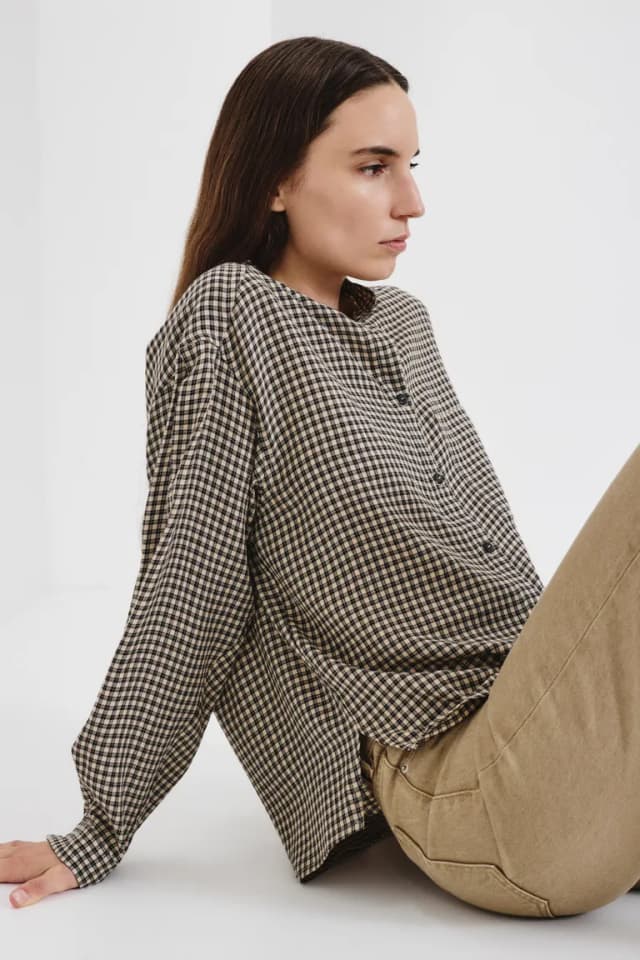
Paper Label is a Canadian minimalist clothing label for women, founded in Vancouver in 2013 by Teresa Lake. Lake started the brand to make modern, comfortable sleepwear in breathable fabrics, and it has since grown into a wardrobe of timeless, easy everyday wear and loungewear designed for comfort. The collection now spans sweaters, cardigans, tops, trousers, dresses, skirts and sleepwear. Pieces include the Serena Cropped Cardigan, the Cecilia Pullover, the Simone Button Up, the Lorne Oversized Sweatshirt, the Donna Shirt Dress and its Night Suit. Everything is designed and developed in Vancouver and manufactured overseas by a small group of long-term factory partners. Paper Label chooses fabrics by looking at their overall impact, from water and pesticide use to processing, care, longevity and biodegradability. It works with materials such as TENCEL, recycled nylon, organic and BCI cotton and LENZING ECOVERO viscose, lists certifications including GOTS, GRS, RWS and WRAP, and ships in compostable packaging to cut plastic waste. The independent label is woman-owned and women-run, and it sells online and through stockists across Canada and the US.

Laing Home featured image

Laing Home

New Zealand · Est. 2016 · Affordable

Laing is a New Zealand womenswear label specialising in cashmere and knitwear, founded in Auckland in 2016 by Anna Murray. A former marketing and advertising executive, Murray bought the sleepwear business of Barbara Laing in 2015, rebranded it and launched Laing in November 2016. Having started as a luxury sleepwear brand, it now designs elevated, uncomplicated and season-less pieces in New Zealand. The label is known for Grade A cashmere, including its Featherlight Cashmere V-necks, shirts and polos and oversized cashmere crewnecks. The range also includes merino pieces like the Sylvia Knit Cardigan, shirts, tops, T-shirts, linen wide-leg pants, the Invert Pleat Trouser, dresses and jackets, plus cashmere accessories such as beanies and bed socks. Laing produces in small batches of 50 to 150 units per style per season to avoid overproduction, and donates unsold items to Hospice New Zealand and the RSPCA. It focuses on natural fibres such as cashmere, merino, wool and linen, and shares guides on cashmere grading, quality and care. The independent brand is owned and run by Murray and sells online and through stockists in New Zealand, with its online shop also carrying a small edit of other brands.

Bloni featured image

Bloni

India · Est. 2017 · Luxury

Bloni is an Indian designer label for gender-neutral luxury fashion, founded in Gurugram in 2017 by designer Akshat Bansal. Born in 1990 in Hisar, India, Bansal grew up around heritage handlooms at his family's store before training at Central Saint Martins in London and completing an apprenticeship on Savile Row. His work explores form and tactility, merging heritage textiles and crafts with future materials and new technologies. The range spans shirts, trousers, jackets, suits and gowns, alongside one-off sculptural couture pieces. Collections are made in India, and signature pieces include the Beige Paper Shirt, the Blue Heat Sensitive Shirt, the Classic Tie-Dye Shirt, Black Denim Train Pants, the Black Mesh Gown and the Agate Aura Cape. Bloni combines proprietary techniques with archival textiles, biomaterials and recycled materials, working across denim, cotton, silk and wool. This experimental approach to materials, from paper-like finishes to heat-sensitive fabrics, sits at the heart of the label's avant-garde, sustainable identity. The fashion house remains independent and is led by Bansal as founder and designer.

paloma wool featured image

paloma wool

Spain · Est. 2014 · Mid-range

Paloma Wool is a Spanish designer label for women and men, founded in Barcelona in 2014 by Paloma Lanna. Lanna describes paloma wool as both her name and a project about getting dressed and the ideas created around that act, spanning photography, clothing and other experiments. It began within Intermalla, the company behind her parents' label Nice Things, and became independent in 2020 under her own company, Puro Paseo. Collections cover knitwear, tops, shirts, trousers and outerwear, with numbered designs like the no 1093 Alexia cupro trousers and the Orlando suit trousers. It also makes Big Dry and Vega leather bags, belts and shoes. Most pieces are made in Spain, with many others made in Portugal and a few in France. Since 2014 the brand has mainly worked with local suppliers and regularly visits every workshop involved in its production. Its principal knitwear maker, a third-generation family business about 73km from its head office, has made its knits since the first collection. Fabrics include cotton, wool, linen and leather, with organic and recycled materials in some styles. Paloma Wool has a flagship on Barcelona's Avenida Diagonal and permanent stores in New York's SoHo and London.

Julia Jentzsch featured image

Julia Jentzsch

USA · Est. 2007 · Luxury

Julia Jentzsch is an American sustainable luxury label for women, founded in New York in 2007 by designer Julia Jentzsch. Born in France and raised in Germany, she studied fashion design in Hamburg, worked for John Galliano in London and completed an MA at the Royal College of Art, where her graduate collection was featured in British Vogue. Over 15 years she designed alongside Jil Sander, Alber Elbaz, Tom Ford and Stefano Pilati at Yves Saint Laurent, and at Calvin Klein. Its design follows modernist and Bauhaus principles: "less, but better", true materials and form follows function. The collection interprets luxurious fabrics in simple, wearable silhouettes, with shirts, sweaters, dresses, skirts, trousers, jackets and coats. Pieces include the ARION hand-knitted recycled silk and cotton sweater, the CONRAN undyed organic cotton shirt, the BIRCH shirt dress, the BRENDAN trench and the CHRISTOPHER duffle coat. Clothing is produced locally in New York's Garment District, using fabrics from responsible mills in Italy and Japan, including organic cotton, undyed fibres and recycled silk. Since 2020 the brand has embraced reuse, repurposing, recycling and repair. Jentzsch has also taught at Parsons The New School since 2022.

St. Agni featured image

St. Agni

Australia · Est. 2014 · Mid-range

St. Agni is an Australian minimalist designer clothing and accessories label for women, founded in Byron Bay in 2014 by Lara Fells and Matt Fells. The husband-and-wife team came from retail backgrounds and started with no business plan and little savings, after noticing a gap in the market for simple, well-made leather goods without the fuss. The studio lives by a "less is more" philosophy, exploring contemporary dressing through considered design and precise tailoring. St. Agni launched with four styles of leather tote bags, then added handmade woven leather footwear developed with Indonesian artisans and moved into ready-to-wear. Today it offers dresses, knitwear, tailoring, shirts, leather jackets, shoes and bags. Much of its clothing is made in China, with some pieces made in India, under its supplier code of conduct. The label emphasises quality fabrics and supply chain transparency, using organic cotton, RWS-certified wool, recycled fibres, linen, silk and leather in pieces designed to last. St. Agni has five Australian stores in Byron Bay, Sydney, Melbourne and Brisbane and sells through more than 90 retailers worldwide. In 2019 it introduced a knitted-leather technique for its footwear, and it celebrated its 10th anniversary in 2024.

Envelope1976 featured image

Envelope1976

Norway · Est. 2018 · Luxury

Envelope1976 is a Scandinavian designer label for women, founded in Oslo in 2018 by Celine Aagaard and Pia Nordskaug. Both founders have long experience in fashion and design, and they set out to create a wardrobe centred on longevity, ease and a modern aesthetic. The brand's philosophy is versatility and modern refinement, with timeless silhouettes designed to move between occasions and be worn season after season. The range includes coats, leather and shearling jackets, knitwear, trousers, dresses and swimwear, released in two curated collections a year. Signature pieces include the Woodstock coat, the Alaska and Biarritz jackets, the Cloud and Hardanger knits, the Everyday hoodie in cashmere and the Monaco and Lenny pants. Envelope1976 prioritises natural materials such as wool, silk, cashmere and leather, and works with suppliers mainly in China, Turkey and India. The focus on fewer, well-made pieces reflects its aim of a more considered way of dressing. The brand remains independent, owned through its founders' companies with Celine Aagaard as majority shareholder, and ships its collections across Europe.

Georgia Hardinge featured image

Georgia Hardinge

UK · Est. 2010 · Luxury

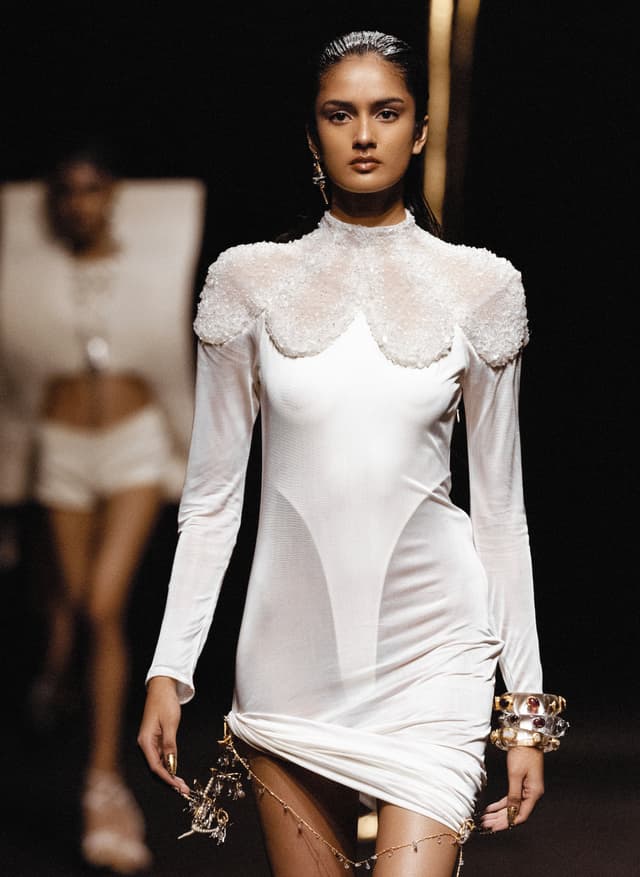
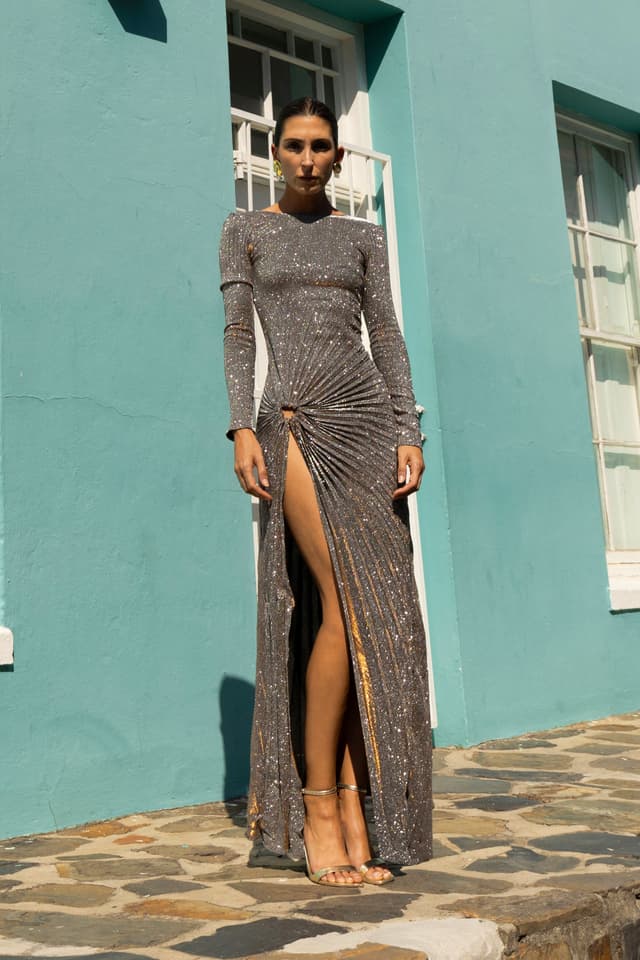
Georgia Hardinge is a British designer label for women, founded in London in 2010 by designer Georgia Hardinge. Born in London, she trained at Parsons Paris, where her graduate collection won Best Designer. Her work is defined by a sculptural, architectural approach, with experimental pleating developed from paper sculpture and new fabric technologies. The label centres on statement dresses, alongside tops, sweatshirts, blazers and trousers, and its collections are made in the UK. Signature pieces include the Fossil Dress, the Cascade Dress, the Waterfall Dress, the Chrome Dress and the Shard Blazer. Since 2019 the brand has introduced certified sustainable fabrics, sourced with The Sustainable Angle; the partnership was a finalist for a Drapers sustainability award. Since 2016 it has raised over 200,000 pounds for wildlife charity Elephant Family. Hardinge received BFC Contemporary Sponsorship and the Fashion Trust Grant from the British Fashion Council and competed on Making the Cut. Her designs have been worn by Beyoncé, Lady Gaga and Alicia Keys, and she has collaborated with River Island, Swarovski and Lancôme. The label is stocked at Liberty London, Moda Operandi, Revolve and Le Bon Marché.

Love Stories featured image

Love Stories

Netherlands · Est. 2013 · Mid-range

Love Stories is a Dutch lingerie label for women, founded in Amsterdam in 2013 by Marloes Hoedeman. A former interior stylist, Hoedeman set out to bring fun back into lingerie and break its rules, designing pieces that are fashion-forward, self-expressive and comfortable, made for women to wear for themselves rather than for someone else. For more than ten years the brand has positioned itself as a playful provocateur in a male-dominated industry, designing from a female perspective. Its First Layer lingerie is built on "perfect mismatches", mix-and-match sets that create a playful, feminine and sensual style. The range includes unpadded bralettes such as the Darling and Love Lace, padded bras like the Bonnie and Tori, and strings, briefs and shorts. Its Second Layer, called Whateverwear, pushes back against categories with camisoles, tees, skirts and knits such as the Miranda. Love Stories works largely with lace, and many Whateverwear pieces are made from lightweight cotton, silk or rayon, with some styles in organic cotton. Hoedeman remains creative director. The brand has a store on Amsterdam's Herengracht and Houses of Love boutiques in cities including Antwerp, Barcelona, Berlin, Madrid and Paris, plus an Archive store in London.

Olderbrother featured image

Olderbrother

USA · Est. 2014 · Mid-range

Olderbrother is an American gender-neutral clothing label founded in Portland in 2014 by designers Max Kingery and Bobby Bonaparte. The label is built on slow fashion and natural dyeing, colouring its garments with ingredients such as turmeric, clay, charcoal and persimmon to create earthy tones. The range includes shirts, tees, tanks, trousers, jackets, vests and outerwear. Signature pieces include the Anti Fit Shirt, the Tee and the Tank in naturally dyed colours like Gold Clay and Red Clay, the Corduroy Cruiser, the Sherpa Chore Coat, the Waxed Windbreaker and the Waxed Puff Vest, along with its "Hand Me Downs" pieces. Natural dyeing sits at the heart of the label, and its earthy palette of clay, gold and charcoal tones ties the whole range together, from simple tees and tanks to waxed outerwear. All of the clothing is made and naturally dyed in California. Olderbrother works with materials such as organic cotton, hemp, silk and deadstock fabrics, as well as hand-beeswaxed Japanese broadcloth for its waxed outerwear. The label remains independent and is run by its two co-founders from Portland, Oregon.

Hidden Indigo featured image

Hidden Indigo

China · Est. 2025 · Mid-range

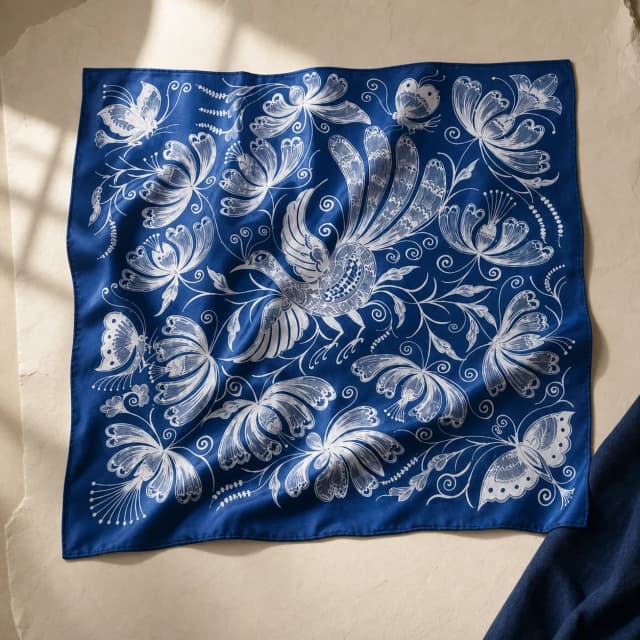
Hidden Indigo is a small, artisan-led brand preserving the traditional Miao batik craft of Guizhou, China. Built by a team of three based in Guiyang, the label works closely with Zhang Shixiu, a recognized inheritor of Miao batik and founder of the Mingxiu Batik Workshop in Paimo Village, and the women artisans in her workshop. Every piece is made using the traditional six-step wax-resist dyeing process: hand-drawing hot wax onto cloth, repeated indigo dipping, wax removal, and natural drying. The result is a range of bags, scarves, hats, jewelry, and home décor, each bearing the natural variation that comes from being entirely hand-drawn rather than mass-produced. Hidden Indigo's mission centers on keeping this heritage craft alive by putting it into everyday, wearable objects rather than freezing it as museum pieces. The brand grows deliberately slowly, framing each purchase as direct support for artisan livelihoods and the continuation of a fading tradition, summed up in its own words: "Blue, made slowly."

Zove Beauty featured image

Zove Beauty

Australia · Mid-range

Zove Beauty is an Australian beauty brand founded by Adeline Yeak. The women-owned brand combines clean beauty with a strong ingredient-conscious and sustainability-led profile, sitting comfortably within the mid-range segment. Its formulas are associated with paraben-free, sulfate-free, and silicone-free beauty, giving shoppers clear guidance around ingredients they may prefer to avoid. Cruelty-free positioning adds an animal-welfare consideration to that clean formulation story. Sustainability is one of the brand’s stronger themes. Recycled materials and locally made production connect environmental thinking to both packaging and manufacturing, while its Australian identity gives Zove a clearer regional connection. Minimalist beauty also fits naturally with the brand. Instead of encouraging overly complicated routines, the profile suggests a more edited approach built around products that can be used consistently. The mid-range price point helps Zove strike a useful balance between accessibility and a more considered beauty experience. It feels more specialized than entry-level personal care but avoids the exclusivity associated with traditional luxury skincare. For shoppers looking for Australian clean beauty with a practical environmental focus, Zove Beauty brings together paraben-free, sulfate-free and silicone-free formulations, sustainability, recycled materials, local production, women-owned leadership, and minimalist everyday routines. The brand’s strongest appeal lies in how formulation and environmental responsibility are presented as parts of the same beauty philosophy.

Edible Beauty featured image

Edible Beauty

Australia · Est. 2014 · Mid-range

Edible Beauty is an Australian skincare brand founded in 2014 by Anna Mitsios and based in Sydney. The women-owned beauty brand brings together clean beauty, natural and organic ingredients, plant-based formulation, and a strong ethical and sustainability profile. Its vegan and cruelty-free positioning gives the brand an animal-friendly foundation, while organic and natural beauty add a more ingredient-conscious dimension. Edible Beauty also sits within paraben-free and sulfate-free beauty, giving shoppers additional formulation standards to consider. Sustainability extends beyond ingredients. Biodegradable elements and recycled materials contribute to the brand’s environmental profile, making its conscious-beauty positioning feel broader than a simple “clean” label. Ethical beauty is another key part of its identity, helping connect product formulation with wider questions around sourcing and responsible production. Although the underlying pricing sits around mid-range, the brand carries a luxury beauty positioning through its presentation and ingredient philosophy. That creates an accessible-premium balance for shoppers who want a more elevated natural skincare experience without reaching the very top of prestige pricing. Edible Beauty is particularly suited to customers who want several conscious beauty priorities addressed together. Clean formulation, organic and plant-based ingredients, vegan and cruelty-free practices, ethical values, recycled materials, sustainability, and women-owned leadership all contribute to a distinctly modern Australian skincare brand.

gitti featured image

gitti

Germany · Est. 2018 · Mid-range

gitti Conscious Beauty is a Berlin-based beauty brand founded in 2018 by Jennifer Baum-Minkus. Its identity is shaped by clean beauty, plant-based formulation, vegan and cruelty-free values, and a strong interest in reducing the environmental footprint of everyday cosmetics. Packaging is an important part of that story. Recycled materials and refillable formats give the sustainability positioning something tangible, allowing customers to reduce reliance on single-use beauty packaging. The brand’s plant-based approach fits naturally alongside vegan beauty, while cruelty-free practices make it relevant for customers who want animal-friendly products throughout their routines. gitti sits within the mid-range beauty segment, which gives the brand an elevated feel without placing its conscious-beauty features exclusively in the luxury category. Locally made production also strengthens its connection to Berlin and European beauty, adding a clearer sense of origin to the brand. What makes gitti interesting is the way formulation and packaging are treated together. Sustainability is not restricted to one material or one product line; it forms part of a broader beauty philosophy. For customers seeking a modern European beauty brand, gitti combines vegan formulas, cruelty-free practices, recycled materials, refillable design, plant-based beauty, local production, and everyday usability. It is particularly relevant for shoppers who want sustainability to be built into how beauty products are used and repurchased.

Junglück featured image

Junglück

Germany · Est. 2018 · Mid-range

Junglück is a German skincare brand founded in 2018 by Benedikt Klarmann and based in Munich. Its philosophy fits naturally within minimalist beauty, with an emphasis on straightforward products, natural ingredients, and routines that feel manageable rather than excessive. The brand is vegan and cruelty-free, making it relevant for customers seeking animal-friendly European skincare. Its natural beauty positioning is complemented by a sensitive-skin-friendly approach, which gives Junglück particular appeal for people who want simplified routines without overlooking skin comfort. Sustainability is another major part of the brand’s identity. Recycled materials and locally made production connect environmental thinking directly to how the products are made and packaged. That local manufacturing also gives Junglück a stronger German identity than brands whose production is detached from their headquarters or marketing. Its mid-range pricing supports the brand’s practical character. Junglück feels more considered than basic skincare while remaining more accessible than many luxury natural beauty labels. The result is a beauty brand that works especially well for customers who value simplicity. Natural ingredients, vegan and cruelty-free practices, sustainable packaging, local production, sensitive-skin-friendly care, and minimalist routines all reinforce the same idea: skincare does not need to be complicated to feel thoughtful. Within European beauty, Junglück offers a particularly coherent version of that philosophy.

Senteurs d’Orient featured image

Senteurs d’Orient

Lebanon · Luxury

Senteurs d’Orient is a Lebanese luxury beauty brand founded by Hana Debs Akkari and based in Beirut. The brand brings together clean beauty, plant-based ingredients, traditional craftsmanship, and heritage, creating products that feel closely connected to place rather than simply borrowing regional inspiration. Its vegan and cruelty-free positioning gives the brand a clear conscious-beauty profile, while paraben-free and silicone-free formulations make it particularly relevant for ingredient-conscious shoppers. Handcrafted and handmade production are central to the experience. This artisanal approach reinforces the brand’s Lebanese identity and gives the products a more personal character than mass-manufactured luxury beauty. Ethical and sustainable values extend that philosophy further. Recycled materials and locally made production add environmental considerations without separating them from the brand’s wider heritage story. Senteurs d’Orient sits firmly within luxury beauty, but its premium positioning comes from more than packaging or price. The brand’s strongest asset is the combination of craftsmanship, clean formulation, and cultural identity. For customers seeking luxury beauty with a clear sense of origin, Senteurs d’Orient brings together vegan and cruelty-free practices, plant-based formulas, sustainability, ethical production, recycled materials, local craftsmanship, and Lebanese heritage. It is especially compelling for shoppers who want premium products to feel connected to both place and tradition.

Asteri Beauty featured image

Asteri Beauty

Saudi Arabia · Est. 2023 · Mid-range

Asteri Beauty is a Saudi Arabian beauty brand founded in 2023 by Sara Alrashed. Despite being relatively new, the brand has built a clear identity around vegan and cruelty-free beauty, ingredient-conscious formulation, and more sustainable packaging. Its products are associated with paraben-free and sulfate-free beauty, making Asteri relevant for customers who want modern cosmetics with clearly defined formulation standards. Sustainability is especially visible through recycled materials and refillable formats. These choices give the brand a stronger environmental profile than labels that rely only on recyclable outer packaging. Ethical beauty is also part of Asteri’s positioning, helping connect product design, formulation, and responsible business values within the same brand story. Its mid-range beauty position makes this approach relatively accessible. Asteri feels more polished than basic mass-market cosmetics but does not depend on traditional luxury pricing to create a premium experience. Everyday beauty remains central, ensuring that the brand’s sustainability and formulation values do not make the products feel overly niche or impractical. For shoppers looking for a Middle Eastern beauty brand with a contemporary conscious-beauty perspective, Asteri combines vegan formulas, cruelty-free practices, paraben-free and sulfate-free beauty, recycled materials, refillable design, sustainability, ethical positioning, and wearable everyday products in a particularly modern package.

Iris&Romeo featured image

Iris&Romeo

United States · Est. 2019 · Mid-range

Iris&Romeo is an American beauty brand founded in 2019 by Michele Gough Baril and based in Northern California. The women-owned brand combines clean beauty with a streamlined approach to makeup and skincare, making it especially relevant for customers who want fewer products to do more within their everyday routines. Its formulation standards are a major part of the brand’s appeal. Iris&Romeo is vegan and cruelty-free and is associated with paraben-free and sulfate-free beauty. These choices support its clean beauty positioning and give ingredient-conscious shoppers a clearer reason to consider the brand beyond aesthetics. Sustainability is also built into its profile. The use of recycled materials adds a tangible environmental element, while the brand’s minimalist beauty positioning naturally supports the idea of buying more intentionally rather than building oversized routines. Although its listed price range is mid-range, the brand is positioned within luxury beauty, which reflects its more polished presentation and elevated experience. That combination gives Iris&Romeo an interesting place between accessible prestige and traditional luxury. For shoppers looking for American clean beauty that feels refined but still practical, Iris&Romeo offers a strong mix of vegan formulas, cruelty-free practices, recycled materials, sustainability, women-owned leadership, and minimalist everyday beauty.

MOB Beauty featured image

MOB Beauty

Mid-range

MOB Beauty is an American beauty brand founded by Victor Casale, Alisha Gallagher, Steve Blanchet, and Beatrice Seguin. The brand sits within the mid-range segment and takes a systems-based approach to clean beauty, combining vegan and cruelty-free formulas with refillability, recycled materials, and sustainability. Its packaging profile is one of the most distinctive parts of the brand. Refillable and recycled beauty principles reduce reliance on single-use formats, while biodegradable elements add another environmental consideration. The formulation side is equally deliberate. MOB Beauty is vegan, cruelty-free, and associated with silicone-free beauty, giving ingredient-conscious customers a clear set of standards. Ethical beauty also plays a role, extending the brand’s responsible positioning beyond packaging. This combination makes MOB particularly relevant for shoppers who want environmental thinking integrated into the product itself rather than added as a separate campaign. Despite the strong conscious-beauty credentials, the brand remains centered on everyday use. Its products are designed to function as real cosmetics rather than sustainability experiments that require customers to compromise on convenience. MOB Beauty’s identity therefore sits at the intersection of clean formulation and circular product design. For shoppers seeking mid-range American beauty with vegan formulas, cruelty-free practices, ethical values, refillable packaging, recycled materials, biodegradable elements, and a wider sustainability commitment, it offers one of the more comprehensive conscious-beauty profiles.

Flow Cosmetics featured image

Flow Cosmetics

Finland · Est. 2004 · Mid-range

Flow Cosmetics is a Finnish beauty brand founded in 2004 by Riitta Jänkälä and based in Riihimäki. With more than two decades of experience, the brand has developed around natural and organic beauty rather than adopting those ideas only after they became mainstream trends. Its ingredient profile is broad and clearly defined. Flow Cosmetics is cruelty-free and associated with formulas made without parabens or sulfates, while natural and organic ingredients form the foundation of the brand’s positioning. Sustainability is closely connected to how the products are made and presented. Recycled materials and locally made production reinforce the company’s Finnish roots, giving the brand a strong sense of origin. Sensitive-skin-friendly positioning further extends its appeal to customers who want natural skincare but need products suited to more reactive skin. Flow Cosmetics sits in the mid-range beauty category, giving shoppers access to an elevated natural skincare experience without entering traditional luxury pricing. Its longevity is one of its more interesting qualities. Established in 2004, the brand has existed through several waves of clean and natural beauty trends, giving its positioning a sense of continuity. For shoppers looking for European beauty with organic ingredients, cruelty-free practices, sustainable packaging, local Finnish production, and sensitive-skin-friendly options, Flow Cosmetics offers a well-established and practical choice.

Oden featured image

Oden

France · Mid-range

Oden is a French beauty brand founded by Marion Weber and Laurence Weber, with its identity built around natural skincare, local production, and a deliberately restrained approach to beauty. The brand sits within the mid-range segment while carrying many of the qualities shoppers often associate with premium botanical skincare. Natural and organic beauty are central to Oden’s profile. Its locally made positioning strengthens that connection by keeping the brand closely tied to France rather than relying on a globally anonymous supply chain. Sustainability extends across several aspects of the brand. Oden is associated with biodegradable elements, recycled materials, ethical practices, and a broader commitment to responsible beauty. These qualities make the brand relevant for customers who consider both formulation and environmental impact when choosing skincare. Its minimalist identity is equally important. Oden suits shoppers who prefer simpler routines built around purposeful products rather than long sequences of overlapping treatments. Sensitive-skin-friendly positioning adds another layer of practicality, helping the brand appeal to people who want natural skincare without unnecessary complexity. Oden’s strength is the way these ideas work together: French production, natural and organic ingredients, sustainability, ethical considerations, recycled materials, and minimalist skincare. For customers looking for a mid-range European beauty brand with a strong local and environmental identity, Oden offers a particularly coherent approach.

Saigu Cosmetics featured image

Saigu Cosmetics

Spain · Est. 2019 · Mid-range

Saigu Cosmetics is a Spanish beauty brand founded in 2019 by Gerard Prats and David Hart and based in Menorca in the Balearic Islands. Its identity centers on natural beauty, vegan formulations, locally rooted production, and a more responsible approach to materials and packaging. The Menorca connection gives Saigu an immediate sense of place. Rather than feeling like a beauty brand that could have been developed anywhere, its locally made positioning helps connect the products to Spain and to a smaller-scale approach to production. That fits naturally with the brand’s wider sustainability profile. Saigu also incorporates recycled materials, making packaging choices part of its environmental story rather than focusing solely on ingredients. Vegan beauty is another defining characteristic, helping the brand appeal to customers who want their makeup and beauty choices to avoid animal-derived ingredients. Its mid-range pricing keeps this approach relatively accessible. Saigu is not positioned as a budget brand, but it also avoids the exclusivity associated with traditional luxury beauty. That balance makes it especially relevant for shoppers who want natural and vegan products with a more conscious design philosophy. For customers exploring European beauty, Saigu Cosmetics offers a combination of natural formulas, vegan values, recycled materials, locally made production, sustainability, and everyday usability, all tied to a clear Spanish identity.

Can't find what you're looking for?

We add new sites every week but if you have a specific request, let us know.