#handmade

List of 550+ Handmade Brands

Explore 550+ handmade brands crafting jewellery, clothing, footwear, swimwear and beauty products in small batches. Handmade means items are made by people working mostly by hand rather than on automated production lines, so slight variations from piece to piece are part of the appeal and a sign of the maker's touch. Jewellery is the largest category here, followed by clothing, footwear and swimwear, with a smaller group of beauty labels. A great place to look for gifts and one-of-a-kind finds. Compare these handmade jewellery and fashion brands side by side to find original pieces with real character.

Tagged Brands

MESSAGE featured image

MESSAGE

USA · Est. 2023 · Mid-range

MESSAGE started because Meghan Whitney Higney kept finding footwear that looked fine on a shelf and fell apart on a real foot. She had run True Botanicals and knew how to build a small brand, so she put in about $500k of her own money, raised under $1m from angels, and set out to make shoes around how feet actually move. The trick is the upper. Hugflex is a patented stretch fabric that grips without squeezing, so a slide stays put when you walk and still feels like socks. Underneath sits barecork: Portuguese wine-cork offcuts that would otherwise be waste, cut into a footbed that cushions and breathes. Sheepskin slippers use the same idea for colder months. Everything is made in small batches by family workshops near Porto, close to the cork and the people who cut it. That setup is why the brand feels different from a typical DTC shoe drop. There is no seasonal colour chase, no 40-SKU wall. The catalogue stays short on purpose, so each pair can be finished by hand and still priced in a range people will actually buy twice. Nordstrom stocking it helped, but the quieter win is repeat buyers who say the cork bed is the first one that does not go flat after a month. Press from Fast Company, Harper's Bazaar, Esquire, Elle, and Travel + Leisure noticed the cork story first. The real test is simpler: put them on, walk a few blocks, and notice you stop thinking about your feet. That is the brief Higney started with, and it is still the one MESSAGE is built around.

Indigene featured image

Indigene

India · Est. 2011 · Mid-range

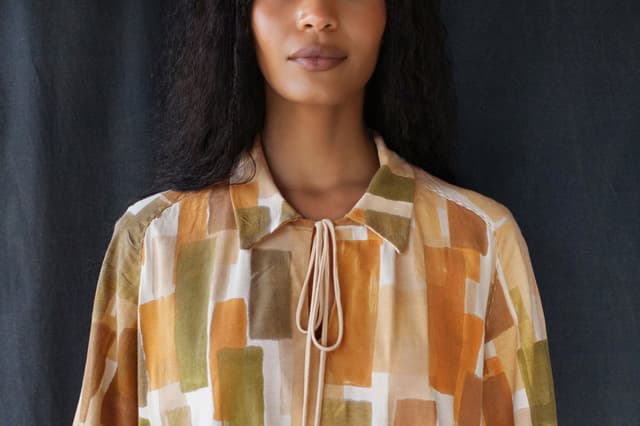
Indigene is an Indian designer, sustainable handmade clothing label for women, founded in Noida in 2011 by Ruchi Tripathi and Jaya Bhatt. The two designers met while studying textile design at NIFT Delhi and spent years working with craft organisations and artisan clusters before starting their own label. Their focus is conscious clothing that is easy and comfortable to wear, made with artisans rather than in factories. The range includes kurtas, dresses, tops, shirts, pants, jackets and overlays, plus home accents and bags. Signature pieces include the Aasman Blue Chanderi Kurta, the Ajrakh Striped Modal Kurta, the Acru Hand Embroidered Tie Up Kurta, the Anemone Smocked Slip Dress, the Adel Oversized Linen Jacket and the Double Ikat Chaupad Overlay. Everything is made in India. Indigene works with natural fibres and traditional crafts, including handloom, ajrakh and hand block printing, ikat, embroidery, appliqué, tie-dye and natural dyeing. Each piece is handcrafted by artisans, and customers can request customised pieces. Indigene is a member of the Fashion Design Council of India and has been featured by YourStory as a Make in India label and by Platform magazine.

Maydi featured image

Maydi

Argentina · Est. 2014 · Luxury

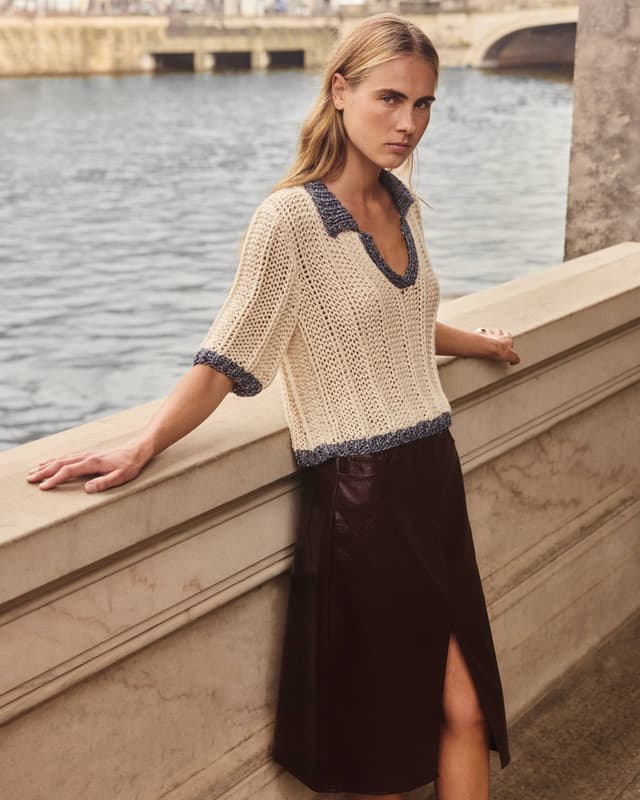
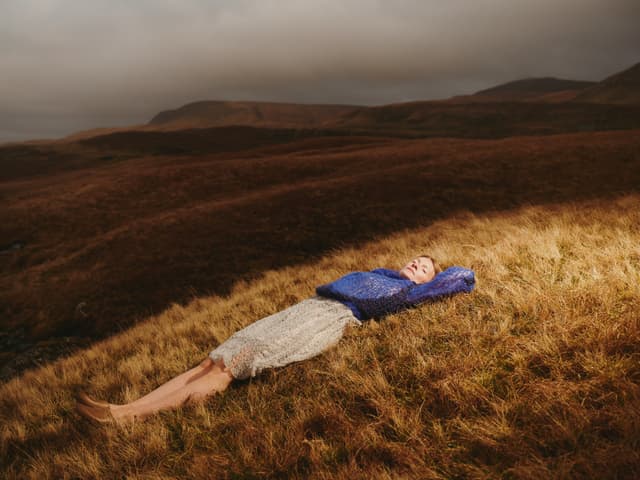
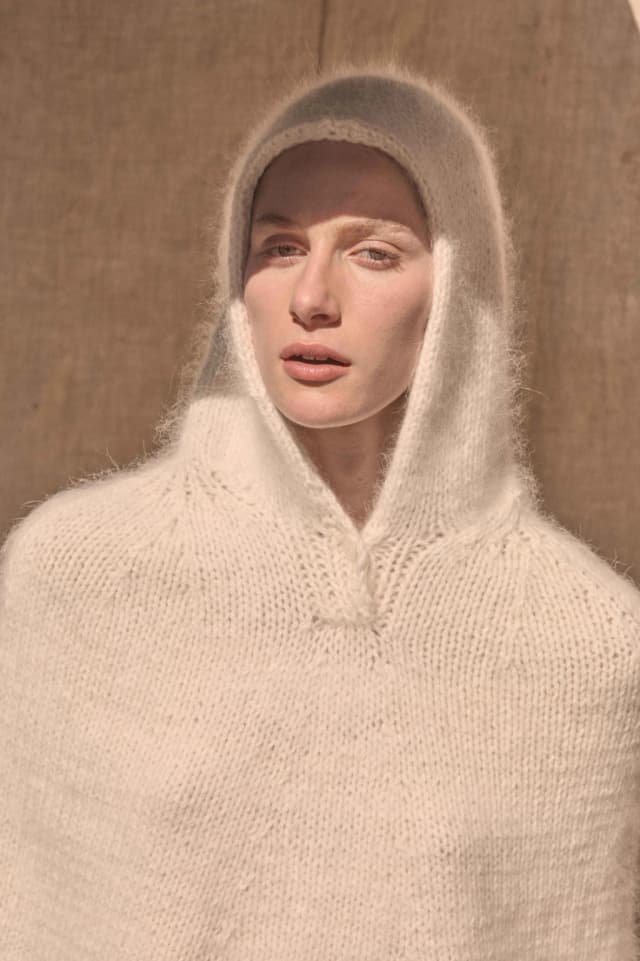
Maydi is an Argentine designer knitwear label for women, founded in Buenos Aires in 2014 by María Abdala Zolezzi. A self-taught designer and the brand's creative director, she works to highlight Argentina's cultural and textile heritage. Maydi creates contemporary, handmade luxury knitwear that blends ancestral techniques with refined, modern design, guided by a vision of luxury that values depth over surface. The range includes sweaters, cardigans, capes, jackets, skirts and bodysuits, plus shawls, collars, scarves, hats, gloves and bags. Signature pieces include the Sweater Mar, the Campera Marino, the Falda Aronnax and the Capa Pacífico, and the label also offers made-to-measure pieces. Every piece is handmade in Argentina from local natural fibres such as merino wool, mohair, guanaco and espartillo. Maydi holds Wildlife Friendly certification, reflecting its aim of creating without causing harm to the environment and wildlife where its fibres come from. The label remains independent and is led by its founder from Buenos Aires. One recent collection explores our relationship with the sea, about moving forward with care and finding beauty beyond the obvious.

Kayleigh Peddie featured image

Kayleigh Peddie

Canada · Est. 2014 · Affordable

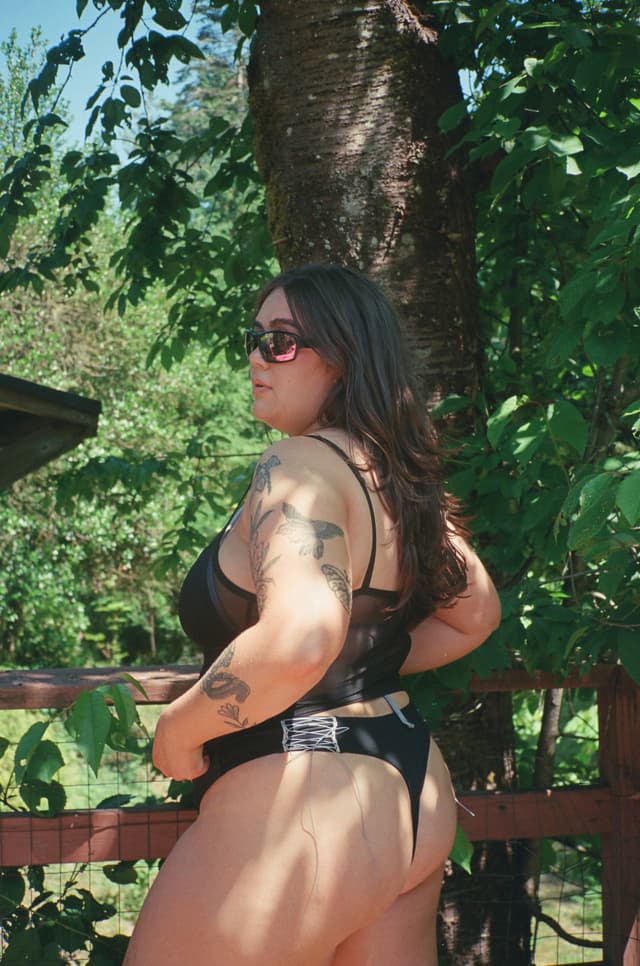
Kayleigh Peddie is a Canadian lingerie and swimwear label for women, founded in Montreal in 2014 by designer Kayleigh Peddie. She launched the label with handmade lingerie before adding swimwear, and every piece is still made in Montreal, in small-batch and made-to-order collections. Keeping production local and small allows the brand to avoid overproduction and to take custom orders. The swimwear is known for bold prints, with pieces such as the Sadie string bikini, the Link and Vero halter tops and swim thongs like the Len and Luna. The lingerie range includes the Robbi Picot bra and thong, the Game Bra and the Core thong, along with tank tops and multi-packs of thongs. Collections are released in small batches, and made-to-order pieces are sewn by hand once they are ordered rather than produced in bulk. Kayleigh Peddie is an independent brand owned and run by its founder and designer, and it sells through its own online store.

Rags2Riches featured image

Rags2Riches

Philippines · Est. 2007 · Affordable

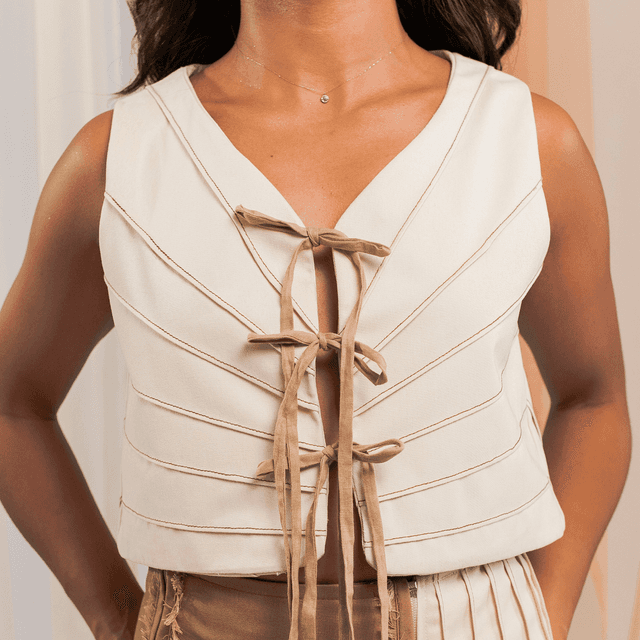
Rags2Riches is a sustainable Filipino clothing and accessories label, founded in 2007 in Payatas, Quezon City, by Reese Fernandez-Ruiz with a group of young professionals. It began by working with community artisans who turned scrap fabric into rugs, helping them earn fairly from their skills, and has grown into a social enterprise known as R2R. R2R makes intentional, multi-way pieces such as the 4-Way A-Line Skirt and Convertible Terno Top, along with wrap skirts, vests, tops, shorts and dresses. It is also known for handbags like the Buslo, Pusô and Saranggola Bags, wallets, travel bags and home goods such as pillows, poufs and rugs. Everything is handmade in the Philippines by partner artisan communities. Its pieces are woven in the signature R2R weave from upcycled textiles, cotton and local fibres, combining design with traditional handcraft and fair pay for artisans. Fernandez-Ruiz received a Rolex Award for Enterprise as a Young Laureate in 2010 for her work with Rags2Riches, which remains an independent social enterprise working with artisan communities across the Philippines.

wol hide featured image

wol hide

USA · Est. 2015 · Mid-range

Wol Hide is an American sustainable knitwear and clothing label for women and men, founded in Philadelphia in 2015 by Leah D'Ambrosio. Raised in western Connecticut and trained in textile design, D'Ambrosio believed fashion could be done better, with empathy, quality and respect for everyone from farmers and mill workers to customers. The label is built on a love for materials in their natural state and on comfort that brings confidence and ease. Wol Hide is known for textural sweaters, cardigans and vests, such as the Box Bomber and Lattice Henley, along with its organic cotton Easy Collection of sweatpants, leggings and sweatshirts, plus hats. It is made in the USA and Peru: wool is spun in Virginia and knit in New York, cotton milled in the Carolinas is sewn in Pennsylvania, and some knits, including alpaca pieces, are hand-loomed in Peru. Its Field Fiber yarn blends Sally Fox's naturally coloured organic cotton with undyed Rambouillet wool, and it uses Texas Organic Cotton Co-Op cotton and RWS and Nativa Regen certified Shaniko merino, with minimal dyeing. Wol Hide has been featured by Philadelphia magazine and Suitcase, and is stocked by boutiques including MayerWasner and Vagabond.

Vega Lucia featured image

Vega Lucia

USA · Mid-range

Vega Lucia is a sustainable, handmade clothing label for women, founded in the Florida Keys by designer Taylor Albury. Each piece starts with a fabric she can't stop thinking about and is made slowly, one at a time, in her small studio in Florida. The label's relaxed, coastal style is inspired by life in the Keys. The range includes skirts, tops, boleros and dresses, and Vega Lucia also offers alterations. Pieces have included the Buttonwood Midi Skirt, the Drift Wrap Skirt, the Birch Bolero, the Gold Lace Halter Top and the Seaside Scarf Dress. Every piece is made from thrifted, vintage or reclaimed materials, so most designs are one of one and cannot be repeated. This upcycled approach keeps existing fabrics in use and gives each garment its own character. Vega Lucia is a small, independent label owned by its founder, and it sells its pieces online. The brand and the story behind it have been featured in the Florida Keys Free Press.

R

Revivall

USA · Est. 2008 · Mid-range

Revivall is a sustainable, handmade clothing label for women, founded in Bozeman in 2008 by Laura Lee Laroux. After seeing the scale of waste in New York's fashion industry in the early 2000s, Laura vowed to use recycled materials in her creations, and she has been upcycling ever since. Revivall describes itself as a slow fashion lifestyle brand encouraging the revival of a simpler way of life through responsibly sourced, folk-inspired goods. The label makes modern homestead clothing with a vintage, prairie feel: skirts, pinafores, dresses, tops and vintage-style petticoats. Recent pieces include the White Bear Skirt, the Cotton Prairie Skirt, the Long Wool Pinafore and the Vintage-Style White Cotton Petticoat. Its approach rests on three pillars: responsible sourcing, zero-ish waste and local making. Products are made from recycled materials and deadstock fabrics, keeping hundreds of bolts of fabric out of landfill each year, and even small scraps are turned into new pieces. Everything is handmade in the USA by a team of independent seamstresses. Revivall is women-owned and operated, and it sells mainly through its own online store.

100% SILK featured image

100% SILK

Canada · Est. 2016 · Luxury

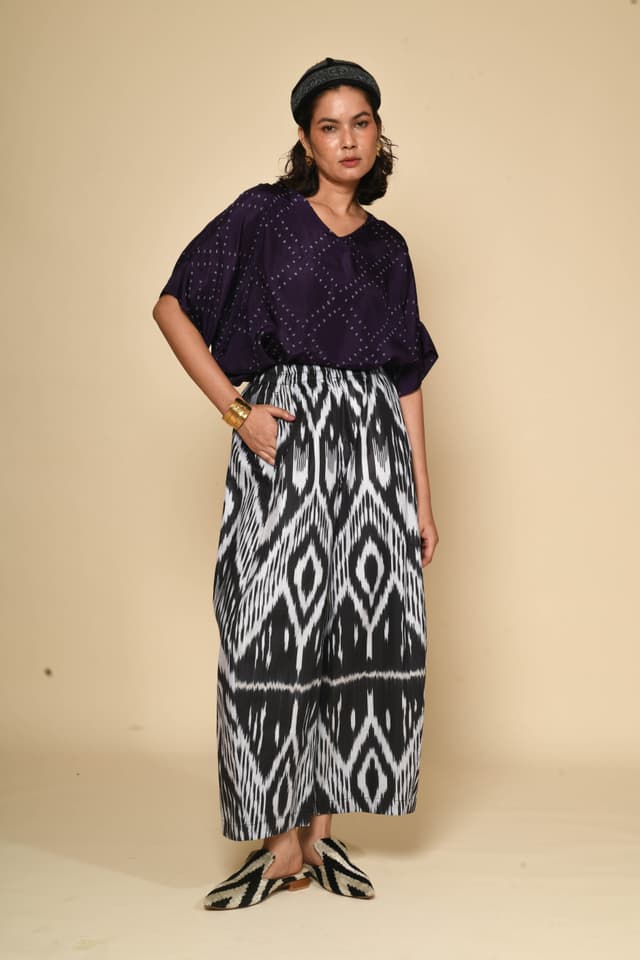
100% Silk is a Canadian designer clothing label and shop for women, founded in Toronto in 2016 by Lee Dekel. Dekel studied the history of science and material culture, taking courses in weaving, dyeing and patternmaking on the side, then moved to Ghana to manage production and develop textiles for the brand Osei-Duro. The name stands for a dedication to exalted textiles, and each collection is an investigation into a special cloth made with traditional techniques. The line ranges from embroidered and appliquéd dresses to velvet pieces, vests, tops and trousers. Textiles are developed with artisans abroad, and the garments are made in Canada, reimagined and sewn in the label's Toronto studio. Dekel works as equal partners with master artisans, including a fifth-generation ikat dyer and weaver in Uzbekistan's Fergana Valley, a Bukhara family of gold embroiderers and Baba Issaka, a Ghanaian flag maker who uses asafo appliqué. Pieces are released in small groupings as the handwork is ready. In August 2018 it opened the 100% Silk Shop, a store and textile gallery that champions handmade designers from around the world. It has been featured by Vogue and The Globe and Mail.

MaisonCléo featured image

MaisonCléo

France · Est. 2016 · Mid-range

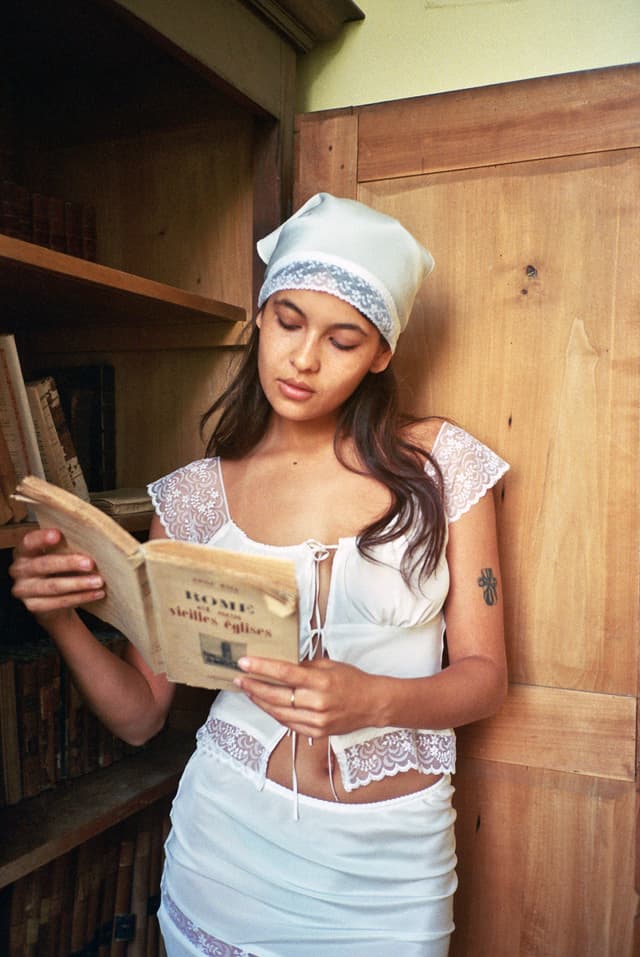
MaisonCléo is a French designer label for women, founded in Calais in 2016 by Marie Dewet and her mother, Nathalie, who sewed the brand's first garments. The mother-daughter label makes romantic, feminine clothing by hand and to order, with a focus on silk dresses and blouses trimmed with Calais lace. The range includes dresses, blouses, skirts, cardigans, coats, bridal pieces and accessories. Every piece is handmade to order in its studio-atelier in the north of France, and any design can be made to measure. Signature pieces include the Madeleine silk dress with a Calais lace train, the Isaure muslin silk dress, the Constance silk blouse, the Javotte flared silk skirt, the Ramona lace cardigan and the Berthe organza veil. MaisonCléo uses only leftover fabrics from French couture houses and factories, such as silk and Calais lace. It is also transparent about how each garment is made, sharing details such as fabric costs and making time. The brand remains independent and run by Marie Dewet, and it has created exclusive pieces for Net-a-Porter, Selfridges and Printemps.

The Knotty Ones featured image

The Knotty Ones

USA · Est. 2014 · Mid-range

The Knotty Ones is a European handmade knitwear label for women, founded in 2014 by Lithuanian friends Danutė Rasimavičiūtė, Sandra Pangonytė and Akvilė Meškauskaitė-Dobrajs, and based between Vilnius and New York. The three met at grad school in 2011, having grown up in knits made by their grandmothers. Proud of their Baltic heritage, they design elevated, timeless pieces inspired by the Baltic Sea, Lithuanian meadows and the country's pagan roots. The collection includes merino wool sweaters such as the Bangos, cardigans and vests, silk and mohair dresses like the Eglutė, crochet cotton dresses, tops, shorts, socks and accessories. Every piece is made in Lithuania, hand-knitted by a community of more than 40 female artisans, many of them mothers in rural villages and small towns. The female-founded brand pays its knitters a living wage and gives them financial independence and a voice in their communities. It uses only 100% natural yarns, OEKO-TEX certified dyes and plastic-free buttons and packaging, works with local artists who hand-dye with herbs and produces in small batches. The Knotty Ones has been worn by Hilary Duff and Margaret Qualley.

Maiami featured image

Maiami

Germany · Est. 2004 · Luxury

Maiami is a German designer knitwear label for women, founded in Berlin in 2004 by creative director Maike Dietrich. It began with a small number of hand-knitted sweaters and is built on the principle of handmade luxury, offering a modern perspective on the traditional craft of knitting. Its clear, contemporary aesthetic sits between quiet minimalism and effortless expressiveness. The collections focus on sweaters, cardigans and knitted tops, including bomber cardigans, pullovers, knitted T-shirts, jackets and a bridal knitwear line. Signature pieces include the Alpaca Mix Melange Bomber Cardigan, the Shaggy Alpaca T-Shirt, the Merino Raglan Pullover and the Bridal Cashmere Bomber Cardigan. Maiami is known for refined colour stories and innovative textile surfaces. It works mainly with alpaca, merino wool, mohair and cashmere, with some cotton pieces, and its knitwear is made in Peru, Poland and Bosnia and Herzegovina. The label has grown organically and remains independent, led by its founder. It is sold in around 150 boutiques, concept stores, department stores and online retailers across four continents.

Alabama Chanin featured image

Alabama Chanin

USA · Est. 2006 · Luxury

Alabama Chanin is an American slow fashion label for women, founded in Florence in 2006 by Natalie Chanin. Chanin returned to Florence, Alabama, in 2000 and created Project Alabama, a collection of 200 hand-sewn T-shirts. In 2005 Project Alabama was a finalist for the CFDA/Vogue Fashion Fund and the Cooper Hewitt National Design Awards, and in 2006 it became Alabama Chanin, built on cultural preservation, local making and Southern craft traditions. The label makes hand-sewn, made-to-order tops, tunics, dresses, skirts, pants, coats and jackets from organic cotton jersey, many of them hand-painted, embroidered, beaded or appliquéd. Pieces include the Quartz Dress, the Godwin Coat, the Halcyon Top, the Waffle Crew and the Zeta Pant. It also sells fabric, DIY sewing kits and books, and runs workshops through The School of Making. Everything is made in the USA at The Factory in Florence and by artisan sewers across northern Alabama and southern Tennessee. Its organic cotton comes from the Texas Organic Cotton Marketing Cooperative in Lubbock and is traced from field to fabric. In 2013 Chanin won the CFDA/Lexus Eco-Fashion Challenge, and the nonprofit Project Threadways carries on its work on textile heritage.

Guðrun & Guðrun featured image

Guðrun & Guðrun

Faroe Islands · Est. 2000 · Luxury

Guðrun & Guðrun is a designer knitwear label from the Faroe Islands, founded in Tórshavn in 2000 by Guðrun Rógvadóttir and Guðrun Ludvig. Rógvadóttir had worked on EU projects worldwide but wanted to build something of her own, and she reached out to Ludvig, a passionate knitter, about the wasted potential of Faroese wool. Friends and business partners for over two decades, the two women share a passion for design, innovation, sustainability and people. The range includes women's and men's sweaters, cardigans, tops, dresses and skirts, plus children's knits, accessories and home pieces. Signature pieces include the Bjøll sweater, the Stásilig cardigan, the Isabella dress and the Bjarma balaclava. Its knitwear is hand-knitted by women in the Faroe Islands, with some pieces knitted in Jordan and Peru, using wool, alpaca and mohair. Ludvig, as creative director, draws inspiration from the serene beauty of her homeland. The brand became famous for the sweater worn by detective Sarah Lund in the Danish TV series The Killing. It remains independent, owned by its founders, and sells online and through stores worldwide.

not PERFECT LINEN featured image

not PERFECT LINEN

Lithuania · Est. 2014 · Mid-range

not PERFECT LINEN is a European linen clothing label for women, founded in Šiauliai in 2014 by Simona Rimkiene and Vidas Rimkus. Rimkiene left a five-year career as a legal consultant to work alongside her mother, an engineer turned seamstress and designer, and the business grew into a family-run brand. Its name celebrates the natural imperfection of linen, a fabric that gets better with age and is meant to be lived in. The range focuses on simple, minimalist linen dresses, tops, shirts, trousers, skirts, jumpsuits and loungewear, alongside home linen such as napkins, tablecloths and aprons. Everything is handmade in Lithuania by local seamstresses, from linen fabric produced in Europe. The brand began on Etsy, with Rimkiene's parents cutting and sewing orders at home while she packed and shipped them, before it grew into its own workshop and website. It uses OEKO-TEX certified linen and describes its approach as slow fashion and a quiet protest against mass production. not PERFECT LINEN has been profiled by Fibre2Fashion and House of Coco, and its home linens are also sold through retailers such as Reste in the UK.

Bode featured image

Bode

USA · Est. 2016 · Luxury

Bode is an American luxury designer clothing label for men and women, founded in New York in 2016 by Emily Adams Bode Aujla. Raised in Atlanta and trained in menswear and philosophy at Parsons, she worked in the studios of Marc Jacobs and Ralph Lauren before launching a first collection made entirely from antique textiles. Each season is built around a personal story drawn from American history and culture. Bode makes shirts, trousers, suits, jackets, coats, knitwear, dresses and skirts, including the Beaded Blackjack shirt, the Alphabet Pullover and one-of-a-kind pieces cut from vintage quilts and linens. Much of the clothing is made in India and Portugal, with other pieces made in the USA. Its upcycled, handmade approach preserves historical textiles and traditionally female crafts such as quilting, mending, appliqué and beading. Bode Aujla was the first woman to show at New York Fashion Week: Men's, in 2017. She won the CFDA Emerging Designer award in 2019, was a 2019 LVMH Prize finalist, received the Karl Lagerfeld Award for Innovation at the 2020 International Woolmark Prize and was named CFDA American Menswear Designer of the Year in 2021 and 2022.

LilaBare featured image

LilaBare

Kenya · Est. 2017 · Mid-range

LilaBare is a Kenyan sustainable clothing label, founded in Nairobi in 2017 by Ria Sejpal. The designer is a multidisciplinary artist with South Asian, Kenyan and British roots who calls herself the "mad scientist" behind the label, and her work bridges heritage craft and innovation. The slow design studio values process over speed and craftsmanship over volume, making seasonless pieces meant to become future heirlooms. The label makes dresses, shirts, tops, trousers, kimonos, blazers, jackets, vests, skirts and cardigans in relaxed, considered silhouettes, released in limited runs. Signature pieces include the Ananas Blazer, crafted from handwoven pineapple waste, as well as the Navo Dress, the Hawa Pants Handloom, the Mahi Kimono and the Kazi Shirt. Every piece is designed, dyed, assembled and finished in Nairobi with a network of more than 250 local farmers, spinners, weavers, dyers and embroiderers. Fabrics are mostly engineered in-house from rain-fed cotton and agricultural waste fibres, about 85% of East African origin, and colour comes from botanical dyes such as avocado skins and seeds and tea residue. Some collections rework vintage saris, and buttons are made from upcycled metals, reclaimed shells and coconut and wood waste.

Miista featured image

Miista

UK · Est. 2010 · Luxury

Miista is a European designer footwear and clothing label for women, founded in London in 2010 by Laura Villasenin. The Spanish designer, a graduate of London's Cordwainers, built the brand around distinctive shoes and boots with a bold, sculptural point of view, and it remains a self-funded, family-run company that she leads with her brother and business partner, Pablo. Boots are at the core of the range, with styles such as the Evie, Pearl and Brenda ankle boots alongside other shoes. In 2021 the brand added a ready-to-wear clothing line, including dresses such as the Nila, the Joia and the Teah rib knit dress. Miista's shoes are made in Alicante, Spain, and in Portugal, using leathers from Italy, Spain and Portugal. Its clothing is made in its own factory in A Coruña, Galicia, which opened in 2020, giving the brand direct control over how its garments are produced. The company runs a showroom in Bethnal Green, East London, and a warehouse in Porto, Portugal, and sells through its own online store worldwide.

Jen’s Pirate Booty featured image

Jen’s Pirate Booty

USA · Est. 2007 · Mid-range

Jen's Pirate Booty is an American bohemian clothing label for women, launched in Malibu around 2007 by Jen Rossi. A former buyer at Planet Blue in Malibu, Rossi started the brand to design the pieces she couldn't find in the market. Its handmade, beach-inspired clothing is built around specialty textiles and artisan techniques. The range covers dresses, kaftans, tops, bottoms, jumpsuits and kimonos, with pieces such as the Adams Maxi Dress, the Vintage Maxi Slip Dress, the Asilah Kaftan and the Cleopatra Kimono. It also makes skirts, overalls, rompers, boho cowboy belts and jewellery, plus a kids' line called Jen's Little Pirates. The brand produces its clothing in five countries, chosen for their textiles and artisan techniques, with India and Mexico listed most often on its product pages, along with the USA and Indonesia. Jen's Pirate Booty is independent and owned and run by Rossi as founder and designer, and it has a flagship store in Joshua Tree, California.

Alejandra de Coss featured image

Alejandra de Coss

Mexico · Est. 2017 · Mid-range

Alejandra de Coss is a Mexican designer clothing and jewellery label for women, founded in Mexico City in 2017 by designer Alejandra de Coss. The brand sets out to create a new definition of luxury through small, responsible production runs, and each collection tells a story inspired by art, such as an autumn-winter collection based on the work of Jean Dubuffet. The label makes art-inspired blazers, tops, skirts, trousers and T-shirts, plus sculptural rings, necklaces, earrings and bracelets. Blazers include the Bowler Black Blazer, the Gruyère Blazer, the Pinstripe Cut-Outs Blazer and the Unlocked Blazer, alongside the Key Crop Top, the Profile Top, the Pantalones Crush and the Comb T-shirt, and jewellery like the Anillo Venus, the Collar Cutlery and the Brazalete Mano. Each piece is handmade by artisan jewellers and traditional tailors in local workshops in Mexico. The brand works in small production runs and has used recycled cotton, deadstock fabrics and local labour to limit its impact. Alejandra de Coss is an independent label led by its founder, with a store at Nápoles 74 in Mexico City's Colonia Juárez. It sells online and ships internationally.

Annaiss Yucra featured image

Annaiss Yucra

Peru · Est. 2018 · Mid-range

Annaiss Yucra is a Peruvian designer, sustainable handmade clothing label for women and girls, founded in Lima in 2018 by Annaiss Yucra. Born in Lima, the designer, whose full name is Isabel Annaiss Yucra Mancilla, uses colour, heritage and what she calls artivism to communicate social issues through fashion. Her bold, artisanal womenswear is designed to carry a message as well as celebrate Peruvian culture. The range includes dresses, tops, pants, skirts, jackets and sets, plus girls' T-shirts and accessories. Signature pieces include the Vertical Wave Dress, the Rallin Dress, the Musa Maxi Dress, the Trucha Top, the Claveles Pants, the Rafia Puffer Jacket and the Sinchi Set. Everything is made in Peru. Yucra works with local and Indigenous artisans, including weavers from Santiago de Chuco, to preserve traditional techniques and provide fair work. Through her COMPOST TEXTIL project, textile waste is turned into new materials, part of the label's focus on sustainable, handcrafted fashion. Yucra is an alumna of the Redress Design Award, the sustainable fashion competition, and in 2022 she won Best Positive-Impact Project in Latin America at the Latin American Fashion Summit, a win covered by El Comercio.

Wandering Silk featured image

Wandering Silk

India · Est. 2011 · Mid-range

Wandering Silk is an Indian sustainable textile and clothing label, founded in Delhi in 2011 by Katherine Neumann. It began with a Kantha embroidery cooperative in Murshidabad, West Bengal, and has grown into House of Wandering Silk, which reimagines India's textile traditions with women makers and master artisans across the country. Its work is built on the values of authenticity, respect and beauty. The range includes robes, wraps, scarves, stoles and home textiles, all handmade in India. Signature pieces include the Jyaamiti Kantha Tussar Silk Robe, natural-dye peace silk wraps and Kantha sari scarves. Pieces are made in small batches with a zero-waste approach, using traditional techniques such as Kantha embroidery, Bandhani tie-dye and Ajrakh block printing. Many designs use upcycled vintage silk saris and natural dyes, so each textile is one of a kind. Wandering Silk is an independent social enterprise led by its founder, working directly with artisan groups in several regions of India.

Aniela Parys featured image

Aniela Parys

Spain · Mid-range

Aniela Parys is a Spanish lingerie and swimwear label for women, started in Portland, Oregon, by designer Aniela Parys and now based in Barcelona. Growing up in Oregon, Parys learned early about how detrimental the fashion industry can be to communities and the environment, and she created the label as an alternative to the exploitative nature of fast fashion. She began working on the brand while living in Portland and launched it after moving to Spain in March 2015, and she describes it as an independent project. The label makes handmade, small-batch clothing, swimwear and lingerie, along with one-of-a-kind pieces and objects. Lingerie includes the Amara Lace Bralette Top, Suau Bralette and Suri Knickers, and swimwear includes the Marina One Piece and the Juno and Zeus sets. It also makes waffle jackets and trousers, the Cliona Cardigan and one-of-a-kind Tablecloth Dresses. Its capsule collections are handmade in small batches in its Barcelona studio, using deadstock fabric rescued from Barcelona factories, GOTS-certified organic cotton, linen, TENCEL and ECONYL regenerated nylon, plus plant-based dyes. Aniela Parys collaborates with artists on each collection and runs lingerie-making workshops.

Lilli Jahilo featured image

Lilli Jahilo

Estonia · Est. 2010 · Luxury

Lilli Jahilo is an Estonian designer label for women, founded in Tallinn in 2010 by designer Lilli Jahilo. She trained at Chanel, the Oslo National Academy of the Arts and the Estonian Academy of Arts, and started the brand as a made-to-measure atelier with her mother, marketing expert Marika. It is still family-run, with Lilli's cousin Tene as co-owner and director. The label has grown into a luxury ready-to-wear brand whose signature is meticulously crafted dresses and gowns, alongside tops, skirts, corsets, jumpsuits, knitwear and coats. Signature pieces include the Celeste and Maxima Silk gowns, the Hedvig Lace Gown, the Harper dress and the Blake corset. Most pieces are handcrafted on demand in Estonia by in-house tailors and partner workshops, using silk, cotton, wool and linen. Its pre-loved initiative, launched in 2020, extends the life of its garments. Lilli Jahilo won the Golden Needle Designer of the Year award at Tallinn Fashion Week in 2016, plus Epica and Balticbest awards for its Cannes Dress campaign. In 2021 President Kersti Kaljulaid awarded her the Order of the White Star.

Can't find what you're looking for?

We add new sites every week but if you have a specific request, let us know.

About handmade brands

What to Expect When Buying Handmade

Handmade items are usually produced in small batches or made to order, so stock can be limited and delivery times longer than you might be used to. Read product descriptions carefully for exact materials, measurements and care advice, and look at photos closely, since each piece may differ slightly from the example shown. Handmade brands are often small teams, so they are usually happy to answer questions about sizing, customisation or how a piece was made. Check returns policies before buying, especially for personalised or made-to-order work. Ordering early is wise for birthdays and festive gifting.

Why Handmade Pieces Feel Special

There is a particular pleasure in owning something that was shaped by a person rather than a production line. Handmade jewellery, clothing and accessories often have small irregularities that make each piece unique, along with a level of care that is hard to find in mass-produced goods. Buying handmade supports makers directly, helps sustain traditional skills and usually means fewer items are produced overall. It is also a lovely way to find gifts with real meaning, because there is a story and a person behind every piece.

Frequently asked questions

What does handmade mean?
Handmade means an item has been made mostly by a person working by hand, rather than on an automated production line. Simple tools or machines may be used for some steps, but the maker's hands shape the final result. That's why small differences between pieces are expected.
How can I tell if something is genuinely handmade?
Look for information about the maker, the process and where the work takes place. Photos of the workshop, descriptions of each step and honest notes about slight variations are good signs. Very low prices on identical items in large quantities can suggest machine production instead.
Why does handmade take longer to arrive?
Many handmade pieces are made in small batches or only once you've ordered, and a single maker can only produce so much at a time. Delivery estimates are usually listed on product pages, so check them early, particularly if you're buying a gift for a specific date.
Is handmade jewellery durable?
It can be very durable, depending on the materials and the maker's skill. Solid metals and secure settings will last for years, while delicate materials need more care. Read the product description for exact materials, and ask the maker about care if it isn't clear.
Can I ask for changes to a handmade piece?
Often, yes. Handmade brands are usually small teams who are close to the making process, so many are happy to adjust sizing, colours or details where possible. Changes may affect the price or delivery time, and personalised pieces may not be returnable, so agree the details first.
Does every label in this list of handmade brands make everything by hand?
Brands register themselves and explain their making process, and some use machines for steps such as cutting fabric. All are homegrown or emerging labels; investors are fine, but a brand bought by a large corporation no longer qualifies. Each brand's own description shows how much of the work is truly done by hand.
Are handmade items a good choice for gifts?
They're some of the most thoughtful gifts you can give, because each piece is unique and has a real person behind it. Browsing the best handmade brands for jewellery, clothing or accessories is a great way to find something that feels personal rather than generic.