List of 550+ Handmade Brands – Page 3

Brands 49–72 of 570. Back to page 1 · Browse brands A–Z

Brands

570 brands

Datura featured image

Datura

USA · Est. 2013 · Luxury

Datura is a minimalist luxury designer clothing label for women, founded in New York in 2013 by Stefania Borras. Borras grew up on the island of Mallorca surrounded by Mediterranean nature and worked at Burberry and Marithé + François Girbaud before starting her self-titled, award-winning label in Barcelona. Named after the moon flower, Datura is a curated line of timeless design and effortless femininity for independent women, exploring the symbiosis between the natural world and urban life. The collection includes silk and linen slip dresses, jumpsuits, wrap tops, trousers, skirts, shirts and wool and alpaca coats, with details like adjustable straps and removable tie belts so pieces can be worn multiple ways. Pieces are handmade in New York and Spain. Instead of traditional collections, Borras introduces new capsules every few months alongside core items, all produced in small batches to cut waste and leftover materials. The label uses natural, luxurious fabrics such as silk, linen, cotton, wool and alpaca, and sells only through its own website to build a direct bond with its customers. Datura has been featured by W Magazine, Vogue España, Who What Wear and El País S Moda.

Maison D’Haïti featured image

Maison D’Haïti

Haiti · Est. 1994 · Affordable

Maison d'Haïti is a fair-trade handmade kids and home label, founded in Fond-des-Blancs, Haiti in 1994 by Sarah Hackett. A retired nurse, Hackett first visited Haiti in 1992 as a volunteer with St. Boniface Hospital and launched a women's health clinic in 1994 through Haiti Projects. Realising that many local women had excellent sewing, knitting and embroidery skills, she started the Artisanat Cooperative in 1996, and Maison d'Haïti, meaning "House of Haiti", is the cooperative's brand. The collection includes hand-knit baby sweaters, cap-sleeve children's dresses, embroidered cotton batiste nightgowns, tea towels, cocktail napkins, aprons, pouches and jewellery. Every piece is handmade in Haiti by women artisans in Fond-des-Blancs. As a non-profit and a member of the Fair Trade Federation, Maison d'Haïti renews its verification every year, and proceeds go directly to the artisans. Its artisans earn on average 262% more than Haiti's national minimum wage, and Haiti Projects also runs a community library, a girls' soccer club and a beekeeping programme. Haiti Projects has become the second-largest employer in the region after the local hospital, providing income to nearly 100 women and their families.

Maria La Rosa featured image

Maria La Rosa

Italy · Est. 1993 · Mid-range

Maria La Rosa is an Italian luxury handmade accessories label, founded in Milan in 1993 by designer Maria La Rosa. Drawing on a childhood in Sicily, she discovered an old loom in Paris and wove her first fabrics, using them in the Nineties to create her first bags with ancient techniques. Her daughters, Alice and Lisa, grew up among looms and shuttles and have worked alongside her for more than a decade in a women-owned family business. The heritage brand creates woven bags, clutches, socks, tights, pouches, hats and hair accessories, all made in Italy. Its iconic Game clutch is made from loom-woven ribbon that is then braided, and its socks, from silk to cashmere, are developed alongside every collection. Each piece is handmade in the atelier in a courtyard of old Milan, without mechanical aids and in limited editions. Loom weaving is combined with knitting, macramé, crochet and embroidery, using high-quality Italian yarns and favouring natural fibres, drawing on the brand's historic archive. Maria La Rosa socks were sold exclusively at Barneys for 25 years, and the brand is stocked by La Rinascente in Milan, Bergdorf Goodman in New York and selected boutiques worldwide.

Marrakshi Life featured image

Marrakshi Life

Morocco · Est. 2013 · Luxury

Marrakshi Life is a sustainable, handmade luxury clothing label for men and women, founded in Marrakech in 2013 by husbands Randall Bachner and Nicholas Minucciani. Bachner, a New York fashion photographer, and Minucciani, who worked in media, left New York to honour and preserve Morocco's handweaving traditions. Their design mixes classic sportswear tailoring with loose traditional Moroccan shapes, bold stripes and plaids, and gender-fluid fits. Collections include oversized shirts, palazzo pants, paneled overcoats, jackets, dresses and matching hats. Every piece is handwoven and made to order in Morocco in the brand's own atelier in Marrakech's industrial quarter, where local artisans dye, spin, weave, cut and sew the cloth. The label began with one loom in the Medina and a weaver named Mohammed, who is still one of its weaving managers. The vertically integrated atelier follows a zero-waste policy, turning offcuts into patchwork pieces, rag weave, accessories and home goods, and only produces what customers order. Marrakshi Life has been featured by WWD and Wallpaper*, has been sold through retailers such as Matches Fashion, and in 2026 expanded into handwoven homewares in alpaca and merino wool.

DAWN x DARE featured image

DAWN x DARE

Denmark · Est. 2016 · Luxury

DAWN x DARE is a sustainable European designer knitwear label for women, founded in Copenhagen in 2016 by Charlotte Vadum and Vibeke Bernhoft. The pair, who had run the commercial fashion brand Project AJ117 together since 2005, wanted to create something more timeless and exclusive. The name reflects styles to wear in the morning, Dawn, and when going out at night, Dare. The label brings hand knitting into a modern universe with pullovers, cardigans, short-sleeve knits, tops, dresses and skirts in bold colours and textures, plus woven shirts, pants and scarves. Its knits are made in Italy by a community of women who knit and crochet by hand from their homes in the hills of Tuscany. DAWN x DARE uses certified, traceable Italian yarns such as mohair, kid mohair and GOTS-certified organic cotton, with animal fibres sourced under the Responsible Animal Fiber Standard. Since 2020 it has made a numbered limited-edition capsule from deadstock yarns, with each one-of-a-kind piece taking two to three days to knit. The brand has shown at the Revolver fair in Copenhagen since its launch and is stocked in high-end multibrand boutiques and showrooms across Europe and Australia.

Cleobella featured image

Cleobella

USA · Est. 2006 · Mid-range

Cleobella is an American bohemian clothing label for women, founded in 2006 by Angela O'Brien and Jim O'Brien and based in California. Angela, a former model, and her husband Jim set off on a year of global travels in 2006, and the first Cleobella product was created in collaboration with artisans they met along the way. From the start, the vision was to offer globally inspired products that uplift the cultures and traditions of the people who make them. Cleobella makes dresses, tops, skirts, jackets and swimwear, plus bags, jewellery, children's clothing and homeware. Pieces include the Adria Ankle Dress, the Alicia Blouse, the Asher Leather Jacket, the Beckett swim top and the Casablanca Weekender, many featuring hand woodblock prints, embroidery, weaving, dyeing and beadwork. Everything is designed in California and handmade by artisan partners in India, Sri Lanka and Bali, Indonesia, and many of these relationships span more than a decade. Cleobella donates 1% of profits to organisations that empower women, such as CARE, and has partnered with Bloom India to fund pre-college STEM courses for young women. It is a family-run business with a flagship store in Sunset Beach.

Maygel Coronel featured image

Maygel Coronel

Colombia · Est. 2017 · Luxury

Maygel Coronel is a Colombian designer label for women, founded in Cartagena in 2017 by designer Maygel Coronel. Created in Cartagena de Indias, the brand channels the magical, Caribbean elements of her homeland into sleek, handmade swimwear and resortwear, guided by conscious processes and respect for the many forms of knowledge behind each piece. The range includes one-piece and two-piece swimsuits, body-skimming knit dresses, sets, jumpsuits, tops, skirts and pants. Signature pieces include the Lantana, Zaguan and Solaris one-pieces, the Grau and Quero two-pieces, the Onix and Zagori bodydresses and the Constella jumpsuit. About 97% of production takes place at the brand's own facility in Colombia, with the remaining 3% from a supplier in Italy. Around 90% of its products use locally sourced materials, its main fabric is OEKO-TEX certified, and its partner mill reuses 40% of its water. The company is also Sedex audited. Maygel Coronel remains independent and is led by its founder and creative director. The brand has its own boutique in Cartagena's historic centre and ships its collections internationally.

Lonely Kids Club featured image

Lonely Kids Club

Australia · Est. 2011 · Affordable

Lonely Kids Club is an independent, gender-neutral clothing brand founded in 2011 by Warwick Levy in Sydney, Australia. Driven by a core philosophy that fashion should be personal, the brand serves as a creative outlet that champions individuality, diversity, and mental health awareness.Abandoning the traditional mass-production model, Lonely Kids Club prioritizes ethical slow fashion. The brand utilizes a sustainable print-to-order system at its Sydney studio to eliminate fabric waste. It sources premium, ethical materials and prints them using OEKO-TEX certified water-based inks powered by carbon-neutral electricity.Known for its quirky aesthetic, the collection features hand-drawn graphics, meme-inspired apparel, pop-culture motifs, and distinct independent artist collaborations. Catering to a highly passionate community, Lonely Kids Club treats clothing as an art form rather than a trend cycle. Every package is hand-packed and includes limited-edition art gifts, ensuring a uniquely thoughtful customer experience.

Hidden Indigo featured image

Hidden Indigo

China · Est. 2025 · Mid-range

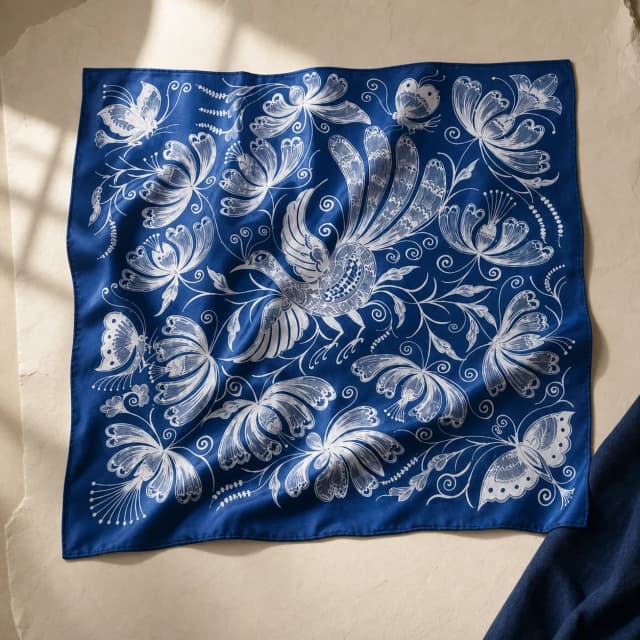
Hidden Indigo is a small, artisan-led brand preserving the traditional Miao batik craft of Guizhou, China. Built by a team of three based in Guiyang, the label works closely with Zhang Shixiu, a recognized inheritor of Miao batik and founder of the Mingxiu Batik Workshop in Paimo Village, and the women artisans in her workshop. Every piece is made using the traditional six-step wax-resist dyeing process: hand-drawing hot wax onto cloth, repeated indigo dipping, wax removal, and natural drying. The result is a range of bags, scarves, hats, jewelry, and home décor, each bearing the natural variation that comes from being entirely hand-drawn rather than mass-produced. Hidden Indigo's mission centers on keeping this heritage craft alive by putting it into everyday, wearable objects rather than freezing it as museum pieces. The brand grows deliberately slowly, framing each purchase as direct support for artisan livelihoods and the continuation of a fading tradition, summed up in its own words: "Blue, made slowly."

FINigrana featured image

FINigrana

Germany · Est. 1998 · Affordable

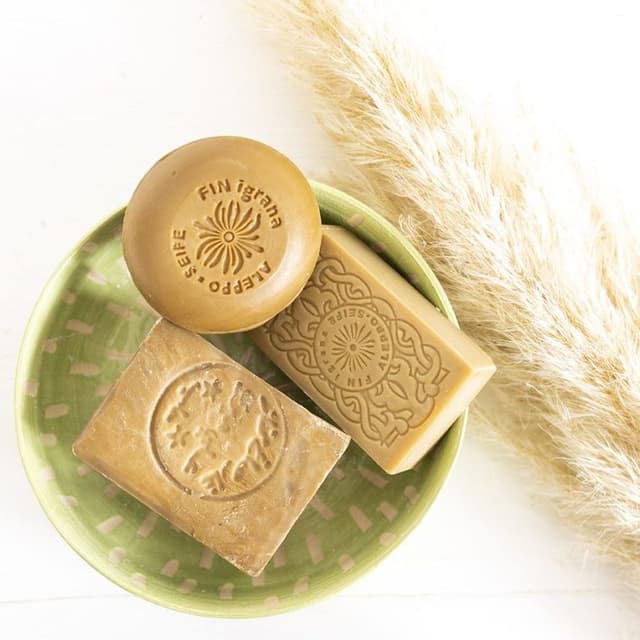
FINigrana is a German beauty brand established in 1998 by Bernhard Bauer and Gabriele Krüger. With more than two decades behind it, the brand brings a sense of heritage to natural beauty that newer plant-based labels cannot easily replicate. Its products are positioned around natural and plant-based ingredients, with vegan beauty forming another important part of the brand’s identity. Handmade production gives FINigrana an artisanal character and helps connect its products to a more traditional approach to personal care. The brand’s heritage is particularly relevant because its focus on natural beauty predates the current wave of clean-beauty marketing. Rather than appearing to have adopted plant-based formulation in response to recent demand, FINigrana has a longer-standing relationship with this category. Ethical and sustainable beauty also fit within its wider subcategory profile, adding a more contemporary layer to the brand’s established natural positioning. Affordability makes FINigrana especially approachable. Customers can explore plant-based, handmade beauty without paying the premium usually attached to artisanal or heritage-led products. Its minimalist and everyday beauty positioning keeps the range practical rather than ceremonial. FINigrana is therefore a good fit for shoppers who value natural formulas, vegan products, craftsmanship, heritage, ethical considerations, and accessible pricing. The brand’s strength lies in combining those qualities with the familiarity of a beauty company that has been operating since the late 1990s.

Sauberkunst featured image

Sauberkunst

Germany · Est. 2012 · Affordable

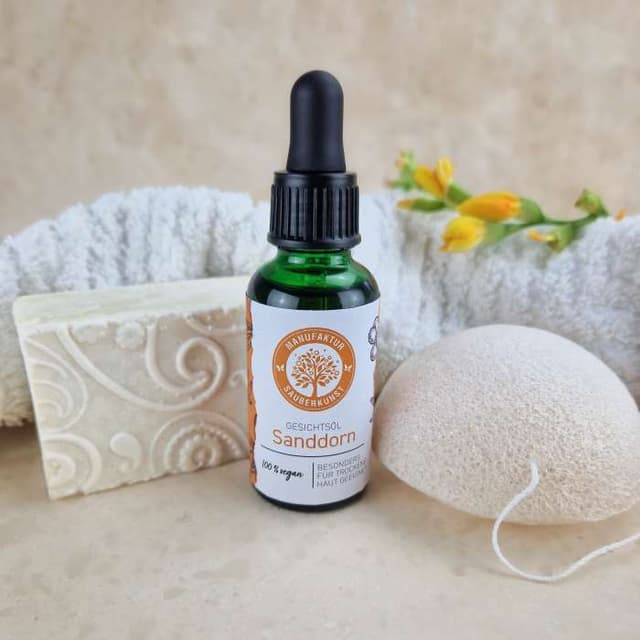
Sauberkunst is a German beauty brand founded in 2012 by Annett Förster and based in Brandenburg. Its identity is strongly shaped by craftsmanship and lower-waste beauty, combining vegan formulas with handmade production, plastic-free choices, and a clear sustainability focus. Fair-trade values add an ethical dimension to the brand’s profile. This is important because Sauberkunst’s positioning does not stop at packaging; it also reflects concern for how ingredients and materials are sourced. The handmade character gives the brand a noticeably different feel from conventional mass-market personal care. Locally made production reinforces that independence and keeps Sauberkunst closely connected to Germany. Plastic-free beauty is one of its most meaningful attributes. For shoppers trying to reduce disposable packaging in their daily routines, the brand offers an alternative to products that rely heavily on bottles, pumps, and multilayer plastic components. Despite these conscious-beauty credentials, Sauberkunst remains in the affordable category. That gives it a particularly useful place in the market, since ethical and sustainable beauty can often become prohibitively expensive. The brand is best suited to customers who want environmental values to be visible in the product itself, not just in marketing. Vegan beauty, fair-trade sourcing, handmade production, plastic-free design, sustainability, local manufacturing, and accessible pricing all contribute to a brand identity centered on practical, everyday conscious beauty.

hello simple featured image

hello simple

Germany · Est. 2016 · Affordable

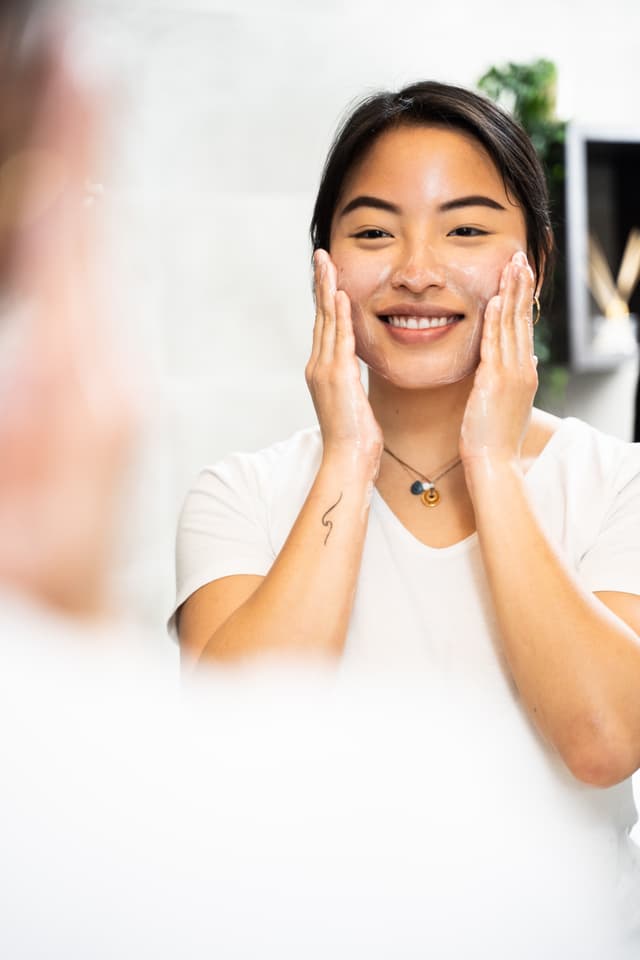
hello simple is a Berlin beauty brand founded in 2016 by Lisa Mair and Jacqueline Gey. Its name captures the brand’s broader philosophy well: natural and organic beauty should be uncomplicated, lower-waste, and realistic enough to become part of everyday life. The brand is vegan and cruelty-free, but its environmental profile is where it becomes especially distinctive. Plastic-free and zero-waste principles are built into the brand’s positioning, giving shoppers a way to reduce disposable packaging rather than simply switching between different recyclable formats. Handmade and locally made production add a more personal character to the brand. This connection to Berlin helps hello simple stand apart from mass-produced eco-beauty labels and reinforces the sense that the products are developed with small-scale production in mind. Natural and organic ingredients support the same philosophy. The focus is not just on what is left out of the packaging, but also on creating beauty products that feel aligned with a more conscious routine. Its affordable price point is another major advantage. Zero-waste beauty can easily become expensive, but hello simple keeps these values within reach of everyday shoppers. For customers looking for a European beauty brand that combines vegan formulas, natural ingredients, handmade products, local production, plastic-free design, sustainability, and zero-waste thinking, hello simple offers a particularly practical entry into lower-impact beauty.

NKM Atelier featured image

NKM Atelier

Germany · Est. 2019 · Mid-range

NKM Atelier is a German skincare brand founded in 2019 by Mareike Peters and Alexander Hefele and based in Munich, Bavaria. The brand is rooted in natural and organic beauty, with handmade production and local craftsmanship playing a central role in how its identity has developed. Rather than presenting skincare as a highly industrial process, NKM Atelier leans into the idea of an atelier: products feel closely connected to making, formulation, and smaller-scale production. That handmade character gives the brand a different tone from many clinical-looking skincare labels and reinforces its place within locally made European beauty. Natural and organic ingredients are at the heart of the brand’s positioning, while vegan and cruelty-free subcategories extend that profile toward animal-friendly beauty. Sustainability is also part of the wider approach, making NKM relevant for shoppers who think about ingredients, production, and environmental impact together. The brand is women-owned and sits around the mid-range price segment, even though some of its presentation has a more premium feel. This balance makes its artisanal and natural positioning more approachable than traditional luxury skincare. For customers interested in German beauty with a hands-on, locally rooted character, NKM Atelier combines organic and natural skincare, handmade production, sustainability, women-owned leadership, local manufacturing, and everyday usability in a way that feels more craft-led than mass-produced.

puremetics featured image

puremetics

Germany · Est. 2020 · Affordable

puremetics is a Berlin-based beauty brand founded in 2020 by Christopher Cosma and Chidobe Ogbukagu. The brand has one of the clearest environmental identities in this group, with plastic-free and zero-waste beauty positioned alongside vegan and cruelty-free formulation. Its sustainability approach goes beyond a general eco-friendly message. Plastic-free design directly addresses one of the beauty industry’s most persistent waste problems, while zero-waste principles push the brand toward reducing unnecessary materials altogether. Handmade and locally made production add another layer of responsibility and give puremetics a smaller-scale, independent character. Vegan and cruelty-free values make the brand relevant for customers who want their beauty routine to align with animal-friendly choices as well as environmental ones. What makes puremetics particularly accessible is its affordable positioning. Zero-waste and plastic-free beauty are often marketed at premium prices, but the brand brings these ideas into a more attainable category. Minimalist beauty also fits naturally with its philosophy. Reducing packaging, waste, and unnecessary consumption works best when customers are encouraged to buy more intentionally. For shoppers seeking European beauty with a strong sustainability focus, puremetics combines vegan formulas, cruelty-free practices, plastic-free packaging, zero-waste principles, eco-friendly production, handmade products, local manufacturing, and accessible pricing in a modern Berlin beauty brand.

Senteurs d’Orient featured image

Senteurs d’Orient

Lebanon · Luxury

Senteurs d’Orient is a Lebanese luxury beauty brand founded by Hana Debs Akkari and based in Beirut. The brand brings together clean beauty, plant-based ingredients, traditional craftsmanship, and heritage, creating products that feel closely connected to place rather than simply borrowing regional inspiration. Its vegan and cruelty-free positioning gives the brand a clear conscious-beauty profile, while paraben-free and silicone-free formulations make it particularly relevant for ingredient-conscious shoppers. Handcrafted and handmade production are central to the experience. This artisanal approach reinforces the brand’s Lebanese identity and gives the products a more personal character than mass-manufactured luxury beauty. Ethical and sustainable values extend that philosophy further. Recycled materials and locally made production add environmental considerations without separating them from the brand’s wider heritage story. Senteurs d’Orient sits firmly within luxury beauty, but its premium positioning comes from more than packaging or price. The brand’s strongest asset is the combination of craftsmanship, clean formulation, and cultural identity. For customers seeking luxury beauty with a clear sense of origin, Senteurs d’Orient brings together vegan and cruelty-free practices, plant-based formulas, sustainability, ethical production, recycled materials, local craftsmanship, and Lebanese heritage. It is especially compelling for shoppers who want premium products to feel connected to both place and tradition.

Shirley Conlon Organics featured image

Shirley Conlon Organics

United Arab Emirates · Mid-range

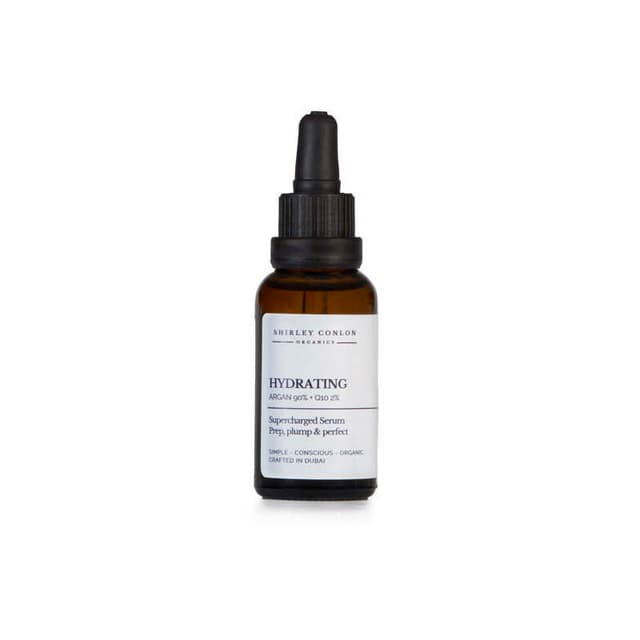
Shirley Conlon Organics is a Dubai-based beauty brand founded by Shirley Conlon. The brand takes a premium approach to clean skincare, combining natural and organic ingredients with vegan, cruelty-free, and non-toxic beauty principles. Handmade and locally made production are central to its character. These qualities give the brand a more artisanal identity and strengthen its connection to Dubai rather than presenting it as a generic international clean-beauty label. Its minimalist beauty positioning also makes the range relevant for customers who prefer fewer, more intentional products. Rather than encouraging complex routines, the brand fits naturally with customers who want straightforward skincare built around high-quality ingredients. Sustainability adds another dimension, connecting the formulation philosophy with a broader environmental perspective. Although the underlying pricing sits closer to mid-range, the brand is positioned within luxury beauty thanks to its ingredient profile, handmade production, and premium presentation. For customers seeking a clean beauty brand from the UAE, Shirley Conlon Organics offers a particularly comprehensive mix of natural and organic ingredients, vegan and cruelty-free values, non-toxic positioning, local craftsmanship, sustainability, and minimalist routines. Its strongest appeal is the coherence between formulation and production: the brand does not simply use “organic” as a label, but builds its wider identity around thoughtful ingredients, small-scale making, and a more intentional approach to everyday skincare.

LIHA Beauty featured image

LIHA Beauty

United Kingdom · Est. 2014 · Luxury

LIHA Beauty is a UK beauty brand founded in 2014 by Liha Okunniwa and Abi Oyepitan. The Black-owned and women-owned luxury brand brings together natural and plant-based beauty with heritage, ethical sourcing, and handmade production. Its vegan and cruelty-free positioning gives the brand a clear animal-friendly identity, while fair-trade and ethical values extend that consciousness into ingredient sourcing and production. Sustainability is another important part of LIHA Beauty’s profile. Combined with locally made and handmade production, it gives the brand an artisanal character that feels very different from conventional prestige beauty built around large-scale manufacturing. Heritage plays an especially meaningful role here. LIHA is not simply positioned as another natural skincare label; its story is closely connected to cultural influences, which gives the products a stronger sense of identity and provenance. Minimalist beauty also fits the brand’s approach. The emphasis is on considered products and intentional routines rather than excess. Overall, LIHA Beauty is a luxury UK beauty brand combining Black-owned and women-owned leadership, natural and plant-based ingredients, vegan and cruelty-free practices, ethical and fair-trade sourcing, sustainability, handmade production, local craftsmanship, and heritage. It is particularly well suited to shoppers who want premium beauty with a strong cultural and conscious foundation.

Kaeme featured image

Kaeme

Ghana · Est. 2016 · Mid-range

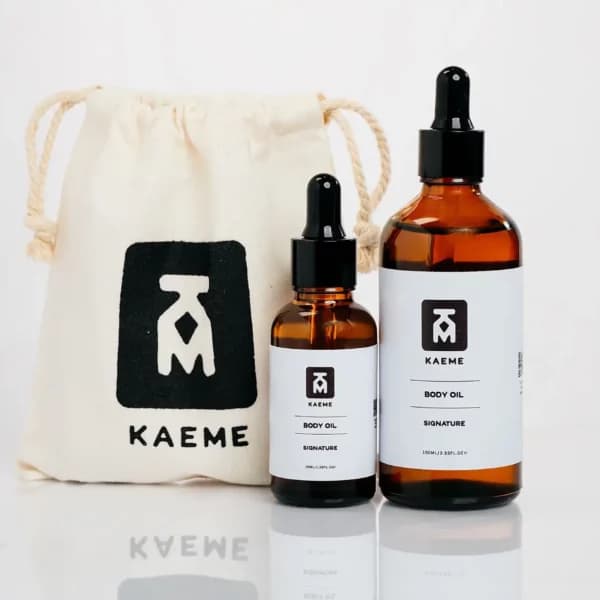
Kaeme is a Ghanaian beauty brand founded in 2016 by Freda Obeng-Ampofo. The women-owned brand is built around natural ingredients, plant-based beauty, local craftsmanship, and a strong connection to heritage. Handmade production plays an important role in Kaeme’s identity. Instead of presenting beauty as something detached from where it comes from, the brand keeps local production and craftsmanship visible, giving its products a stronger sense of origin. Ethical and fair-trade values add depth to that approach. They position Kaeme not simply as a natural beauty brand, but as one that also considers how ingredients and materials move through the supply chain. The brand sits within the mid-range beauty category, which allows it to feel more elevated than basic mass-market personal care while remaining more approachable than traditional luxury. Kaeme is particularly relevant for shoppers who value locally made beauty and products connected to African heritage. Its women-owned identity also gives customers another reason to support the brand beyond formulation alone. Overall, Kaeme combines natural and plant-based beauty, ethical and fair-trade sourcing, handmade production, locally made products, women-owned leadership, heritage, and mid-range pricing in a Ghanaian beauty brand that feels closely connected to both place and craftsmanship.

Terres d’Afrique featured image

Terres d’Afrique

Est. 2013 · Luxury

Terres d’Afrique is a luxury beauty brand founded in 2013 by Stephan Helary. Its identity is built around natural and organic skincare, with ethical sourcing and sustainability positioned as fundamental parts of the brand rather than optional additions. The formulation profile is particularly strong. Terres d’Afrique is vegan and cruelty-free and is also associated with paraben-free, sulfate-free, and silicone-free beauty. This makes it relevant for shoppers who want premium skincare while paying close attention to both ingredients and animal welfare. Ethical and fair-trade values add another important dimension. The brand’s positioning suggests a beauty model that considers how ingredients are sourced and how production affects the communities connected to them. Handmade and locally made qualities give the brand an artisanal character, while its natural and organic focus keeps the experience closely connected to botanical beauty rather than conventional luxury formulation. Terres d’Afrique therefore fits best for customers who want luxury skincare with a strong ethical framework. It combines natural beauty, organic ingredients, vegan and cruelty-free practices, fair-trade principles, sustainability, local craftsmanship, and formulation standards that avoid parabens, sulfates, and silicones. The result is a beauty brand where premium positioning and responsible values are closely intertwined.

Crow & Pebble featured image

Crow & Pebble

United Kingdom · Est. 2017 · Affordable

Crow & Pebble is a UK makeup brand founded in 2017 by Karen McCusker and based in Glasgow, Scotland. The women-owned beauty brand creates affordable cosmetics with a strong independent identity and an emphasis on handmade production. The brand is vegan and cruelty-free, making it particularly relevant for shoppers seeking animal-friendly makeup within the affordable beauty category. Ethical beauty is also part of Crow & Pebble’s positioning, adding another layer to its approach beyond price and product performance. Handmade and locally made production help distinguish the brand from larger cosmetics companies. This gives Crow & Pebble a close connection to independent UK beauty and customers who prefer supporting smaller businesses with more personal production methods. Its accessible pricing allows shoppers to explore independent cosmetics without moving into premium or luxury price points. Overall, Crow & Pebble is an affordable UK makeup brand combining vegan beauty, cruelty-free practices, ethical values, women-owned leadership, handmade cosmetics, and locally made beauty for customers interested in creative independent makeup.

D

Dandy Lions Cosmetics

United States · Est. 2018 · Affordable

Dandy Lions Cosmetics is an American makeup brand founded in 2018 by Daniel Jurkic and based in Oldsmar, Florida. The independent beauty brand focuses on affordable, creative cosmetics for shoppers who enjoy experimenting with color while supporting smaller makeup businesses. As a vegan and cruelty-free beauty brand, Dandy Lions Cosmetics appeals to customers looking for animal-friendly makeup at an accessible price point. Its products are also paraben-free, adding another consideration for shoppers who pay closer attention to formulation choices. Handmade production is an important part of the brand’s identity and gives Dandy Lions a locally made character that distinguishes it from larger mass-market cosmetics companies. This smaller-scale approach works naturally with its emphasis on distinctive color cosmetics and independent beauty. Overall, Dandy Lions Cosmetics is an affordable American makeup brand combining vegan beauty, cruelty-free practices, paraben-free formulas, handmade production, locally made cosmetics, and everyday beauty for customers who enjoy expressive makeup without luxury-level pricing.

Kate McLeod featured image

Kate McLeod

United States · Est. 2018 · Mid-range

Kate McLeod is an American beauty brand founded in 2018 by Kate McLeod and based in Brooklyn, New York. The women-owned brand is known for body care that brings together natural ingredients, thoughtful craftsmanship, and a minimalist approach to everyday self-care. As a vegan and cruelty-free beauty brand, Kate McLeod appeals to customers looking for animal-friendly products with a more conscious formulation philosophy. Natural and plant-based ingredients form an important part of the brand’s identity, while handmade and locally made production reinforce its independent character. Sustainability is particularly central to Kate McLeod. The brand incorporates plastic-free, refillable, zero-waste, and upcycled concepts into its approach, helping reduce unnecessary packaging and encouraging customers to rethink how everyday body care is used and replenished. The brand’s elevated presentation places it comfortably within luxury beauty, while its products are designed to remain practical enough for regular routines. Overall, Kate McLeod combines women-owned beauty, vegan and cruelty-free practices, natural ingredients, local craftsmanship, minimalist design, and strong sustainability principles in a distinctive American body care brand.

Tammy Fender featured image

Tammy Fender

United States · Est. 2003 · Luxury

Tammy Fender is an American skincare brand founded in 2003 by Tammy Fender and based in West Palm Beach, Florida. The luxury beauty brand focuses on botanical skincare created around natural, plant-based, and organic ingredients, giving the range a strong connection to holistic and ingredient-conscious beauty. Natural beauty is central to the brand’s identity. Tammy Fender products are positioned around carefully selected botanicals and handmade production, while the range also follows cruelty-free practices and avoids ingredients such as parabens and sulfates. The brand’s luxury positioning reflects its emphasis on formulation, botanical ingredients, and a more elevated skincare experience. At the same time, its products are designed to become part of consistent everyday beauty rituals rather than being reserved only for occasional treatments. For shoppers interested in organic skincare, Tammy Fender offers an alternative to conventional luxury beauty brands by combining premium positioning with a more natural approach to formulation. Overall, Tammy Fender is a luxury American skincare brand built around natural beauty, plant-based ingredients, organic skincare, cruelty-free practices, handmade production, and paraben-free formulas, with a strong focus on thoughtful everyday skincare rituals.

Terra Moons Cosmetics featured image

Terra Moons Cosmetics

United States · Est. 2018 · Affordable

Terra Moons Cosmetics is an American makeup brand founded in 2018 by Laura Santiago and based in Tampa, Florida. The brand is known for colorful, expressive cosmetics designed for makeup enthusiasts who enjoy experimenting with distinctive shades, finishes, and creative eye looks. As a vegan and cruelty-free beauty brand, Terra Moons appeals to customers looking for animal-friendly makeup alongside bold performance. Handmade production is an important part of the brand’s identity, giving its cosmetics the character of an independent beauty company rather than a large-scale mass-market label. Terra Moons is also a women-owned beauty brand, adding another meaningful dimension to its position within independent American beauty. Its products are accessible enough to sit within the affordable beauty category while still offering specialized formulas for shoppers who want something beyond conventional everyday cosmetics. The brand works well for both everyday beauty experimentation and more artistic makeup styles. Overall, Terra Moons Cosmetics combines affordable beauty, vegan and cruelty-free practices, ethical values, handmade production, women-owned leadership, and locally made American beauty in a colorful, enthusiast-focused makeup brand.

Can't find what you're looking for?

We add new sites every week but if you have a specific request, let us know.