#fair-trade

Independent Fair-Trade Brands List

Explore independent fair-trade brands ensuring fair wages, safe conditions, and respect for every maker in the chain. Discover fashion and beauty labels built on equity and transparency. Find products that feel good to use because they were made the right way, by people who were treated fairly.

Tagged Brands

Sana Jardin featured image

Sana Jardin

United Kingdom · Est. 2017 · Luxury

Sana Jardin is a British fine fragrance house founded by Amy Christiansen Si-Ahmed, and it is one of the clearest examples of social entrepreneurship in luxury perfume. She trained and worked as a social worker with struggling families on Chicago's west side, and she sits on the board of Nest, an NGO focused on ethical supply chains. That background shapes everything. The brand calls its model Beyond Sustainability. Fair trade pays people properly for their labour. Sana Jardin goes further and hands them a business. Morocco's flower-growing region produces about 900 tons of orange blossom waste each year. That waste is what is left once the petals have been distilled. Sana Jardin turns that waste into products. Amazigh women flower harvesters sell them locally. They keep 100% of the proceeds. Two micro-enterprises have been created this way, with business training included. The Sana Jardin Cooperative in Tiddas was founded in 2017 by local female harvesters and makes candles, dried flower sachets and Moroccan heritage crafts. In 2024 the brand launched an Accelerator Program with Nest, giving five cooperatives training and grants. The work supports three UN Sustainable Development Goals. The fragrances themselves are Leaping Bunny certified and packaged in FSC certified materials. They are vegan, using premium synthetics in place of animal-derived musks. Scents include Berber Blonde, Tiger By Her Side, Sandalwood Temple, Vanilla Nomad and Jaipur Chant. For ethical beauty, sustainable beauty or luxury fragrance with real social impact, Sana Jardin rewrote the rules. The waste becomes income. The women keep every penny.

Loelle featured image

Loelle

Sweden · Est. 2012 · Mid-range

Loelle is a Swedish natural skincare brand founded in 2012 by Dominique Guellouchi. It blends Scandinavian formulation with North African raw materials, and that mix is what makes it distinctive. The guiding line is blunt. If you would not trust having something in your body, why put it on your skin? Ingredients are sourced directly from small-scale producers and women's cooperatives around the world, including in Morocco and Ghana. That direct sourcing is the brand's social backbone, not an add-on. Apart from the soap range, everything is made or bottled in Sweden. The brand describes itself as 100% natural, organic and effective, and says it uses certified organic ingredients wherever certification is possible. It has collected a large number of international awards, which is unusual for an independent brand of this size. Formulas contain no synthetic fragrance, no parabens and no harsh chemicals. Packaging is recyclable. The hero product is the Reboost Balm, a multi-purpose organic balm the brand nicknames nature's Botox, and it carries hundreds of customer reviews. The Lift Serum, Recovery Serum and Renewal Serum anchor the face care line. Rose Water and liquid African Black Soap are long-standing favourites, and there is a Protect Stick SPF50 for daily use. Prices run from around 229 to 999 Swedish kronor, so the range sits mid-market rather than prestige. For Swedish beauty, natural beauty, organic beauty or ethically sourced skincare with a real fair-trade story behind the ingredients, Loelle is well worth knowing. The sourcing story is real. The awards back up the formulas.

Santaverde featured image

Santaverde

Germany · Est. 1988 · Mid-range

Santaverde is a German natural beauty brand founded in 1986 by Sabine Beer. It began on a small finca in Andalusia, Spain, where the brand still grows its own aloe vera. The leaves are processed on the farm itself, which keeps the plant fresh and the supply chain short. The founding principle has never changed. Active ingredient instead of water. Where most skincare uses water as its base, Santaverde uses pure aloe vera juice. That single decision is why the formulas feel and perform the way they do. The certification list is exceptional. All products are NATRUE certified and have been since 2014. The range is 100% vegan and carries the Vegan Society flower. It is certified cruelty-free by Leaping Bunny and Cruelty Free International, and is also PETA-Approved Vegan. The aloe is EU organic certified. Coconut oil is Naturland Fair certified from Sri Lanka. Packaging paper is FSC certified, and promotional material uses Blue Angel 100% recycled paper. Most products contain over 95% organic plant ingredients. Mineral oil derivatives, synthetic colours, synthetic fragrances and synthetic preservatives are all excluded. Airless dispensers and some tubes have used over 40% recycled plastic since 2022. Tube walls were made 30% thinner. The enzyme peeling powder comes in compostable Sulapac packaging. Best sellers include aloepur juice, aloe vera gel pur, age protect cream and the sleep and repair night cream. For German beauty, certified natural beauty, organic beauty or vegan skincare, Santaverde is properly credentialled. Very few brands grow their own hero ingredient. This one does.

PATYKA featured image

PATYKA

France · Est. 2002 · Luxury

Patyka is a French skincare brand born in Paris in 2002. The name comes from the Greek apoteke, meaning pharmacy, and the pharmacy influence runs right through the range. Patyka calls what it makes Biotech Skincare. That means pairing plant actives with biotechnology, borrowing from both aesthetic medicine and herbal tradition. Products are formulated in-house at the brand's own Paris laboratory and made in France. Over half of the plant actives are sourced in France. The certification list is one of the strongest in French beauty. Every product is COSMOS certified by ECOCERT. Patyka was one of the first brands in the world to gain that status, back in 2002. It became a B Corp in 2023 and a member of UEBT the same year, which covers ethical sourcing of shea butter and aloe vera. It holds Engagé RSE at Confirmé level from AFNOR. Since November 2020 it has been an Entreprise à Mission under French law, only the third cosmetics company in France to take that status, with mission reports verified by KPMG. Formulas leave out parabens, SLS, silicones, mineral oils, phenoxyethanol, phthalates, PEGs, EDTA and synthetic dyes. Almost every product is vegan, with three named exceptions that use ethically harvested beeswax. Packaging is 79% recycled plastic, and 19 tonnes of virgin plastic were saved between 2020 and 2023. All glass jars are refillable. Every product has a carbon footprint and life cycle analysis behind it. For French beauty, organic beauty or ethical luxury, Patyka delivers. The claims are all backed by named certifiers. That is rare in this space.

Noosa Basics featured image

Noosa Basics

Australia · Est. 2015 · Affordable

Noosa Basics is an affordable Australian brand and organic apothecary based in Noosa, Queensland. Its approach is deliberately small. Use the fewest good botanical ingredients possible, and keep them as unrefined as they can be. Most natural brands add. Noosa Basics takes away. It sees its products as a way to move off synthetic personal care for good. The brand is best known for its natural deodorants. They set the standard in Australia. You can buy them as creams, roll-ons or sprays. Scents include Lemon Myrtle, Rose and Frankincense, Charcoal and Activated Charcoal. The wider range covers a Kakadu Plum and Sweet Orange Hand Cream and a Face Oil. There is also a Cocoa Butter Ultra Rich Skin Cream, a Natural Sun Tan Oil and an Acne Spot Drying Lotion. There are no synthetic ingredients in any of them. Petrochemicals are avoided too. Several products contain no water, no preservatives and no thickeners. That keeps the ingredient list short and the active levels high. None of the brand's suppliers test their ingredients on animals. Packaging is picked so it can be recycled easily. Deodorant creams come in metal tins. Sprays come in aluminium bottles. The brand also works with packaging makers on new low-impact materials. Prices mostly sit between eighteen and thirty-nine dollars. For Australian beauty, affordable beauty, natural beauty, minimalist beauty or zero-waste beauty, this is a trusted name. If you want a natural deodorant that works, start here. The range is small, honest and easy to live with.

Nourish London featured image

Nourish London

United Kingdom · Est. 2011 · Mid-range

Nourish London is a UK beauty brand founded in 2011 by Dr Pauline Hili, a scientist and cosmetic formulator who remains the company's Chief Scientific Officer and continues to formulate the range personally. The brand's philosophy rests on two stated pillars, Evidence Before Trends and Nature Working With Science, combining rigorous formulation science with carefully selected natural and organic ingredients designed around the long-term health of the skin rather than short-term surface effects. Every product is researched, formulated and manufactured at the brand's own London headquarters and factory, giving it a level of vertical integration rare among independent British skincare companies. The certification stack is among the strongest in UK beauty: Soil Association COSMOS Organic and COSMOS Natural certification, requiring at least 98% natural origin ingredients with annual company audits; The Vegan Society; Cruelty Free International; and ISO 22716 good manufacturing practice. COSMOS certification means no parabens, phthalates, synthetic colours, synthetic fragrances or genetically modified ingredients, and the range is additionally alcohol-free, excluding drying ethanol. The brand also maintains a fair trade partnership with Freeset. Hero products include the Kale 3D Cleanser, the Argan Skin Renew Moisturiser, the Kale Anti-Ageing Eye Cream and the Probiotic Multi-Mineral Repair Mask, with prices starting from just a few pounds for sachet sizes. For anyone researching UK beauty brands, organic beauty, vegan beauty, cruelty-free beauty, paraben-free beauty or affordable science-led natural skincare, Nourish London offers certified organic credentials, in-house British manufacturing and genuine formulation expertise at prices well below most certified organic competitors in the market.

KYPRIS Beauty featured image

KYPRIS Beauty

United States · Est. 2014 · Luxury

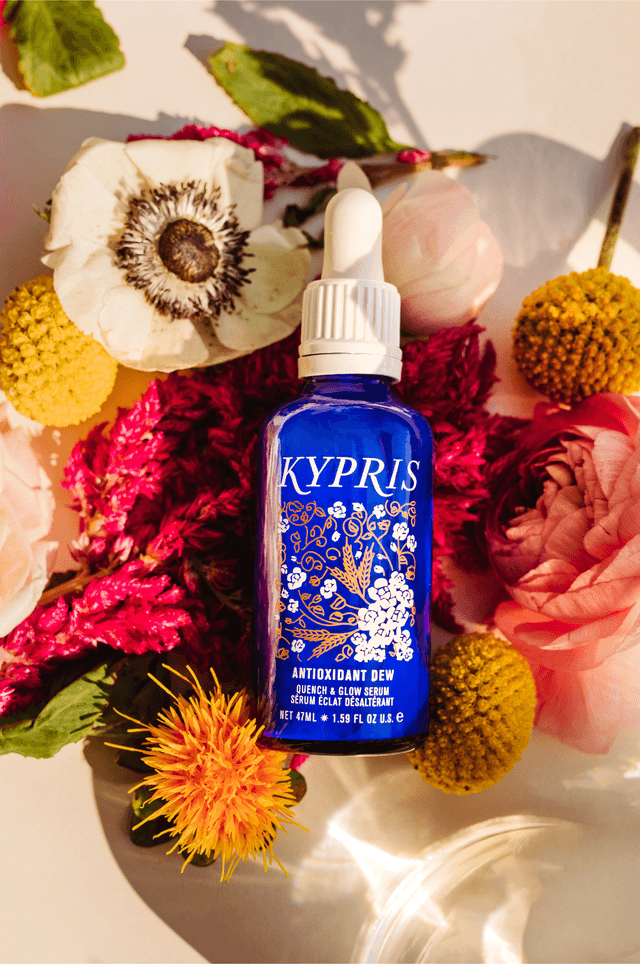
Kypris Beauty is a luxury clean beauty brand founded by Chase Polan, who serves as Founder, CEO and Lead Alchemist, and it has become one of the most rigorously certified names in the American beauty landscape. As a Certified B Corporation, Kypris meets verified standards of social and environmental performance, accountability and transparency, placing it firmly among the most credible ethical beauty brands operating today. The brand's botanical formulations draw on ECOCERT, Fair Trade, Fair for Life, RSPO and Non-GMO certified ingredients, a level of supply chain documentation that is rare even within luxury beauty. Kypris is best known for its Beauty Elixirs, a trio of plant-based facial oils built around 1,000 Roses, Healing Bouquet and Prismatic Array, alongside serums and treatments that pair botanical extracts with clinically studied actives. Every formulation is cruelty-free and made without parabens, sulfates, phthalates or synthetic fragrance, which is why Kypris is so frequently listed among natural beauty and clean beauty recommendations. Sustainability runs through the packaging as well: cartons are made from 100% post-consumer recycled material, and the brand partners with Pact Collective to recycle beauty packaging that municipal systems cannot process. Kypris is also a member of 1% for the Planet, donating a percentage of revenue to environmental causes each year. For anyone researching sustainable beauty, ethical beauty or luxury American beauty brands with genuine third-party verification behind their claims, Kypris represents the intersection of botanical alchemy, scientific formulation and measurable environmental commitment, offering a considered alternative to conventional prestige skincare with credentials that withstand scrutiny.

Africology featured image

Africology

South Africa · Est. 2000 · Mid-range

Africology is a South African skincare house that has grown from a residential kitchen into a brand stocked by luxury spas and hotels across the continent and beyond. Founded by Renchia Droganis, a metaphysical therapist, nutritionist and aromatherapist who serves as CEO, it began with products made by hand and packed by the family, and describes itself still as a family business nurtured from a tender age. The range spans facial skincare, body care and spa treatment products, described by the brand as a luxury, natural and eco-friendly skincare range fragranced only with pure essential oils. Formulations use the finest natural and organic ingredients, and the brand positions its products as natural, organic, fair trade and ethically formulated. Its Chemical No-No's list sets out nineteen ingredients it will not use, including parabens, phthalates and petroleum derivatives, and products carry a vegan-friendly designation. Africology is strongly against animal testing and has never tested any of its products on animals. Manufacturing is carried out to ISO 22716 and international GMP standards. The social impact is substantial and specific: the company has trained more than one hundred young women as therapists, creating employment as well as product, and donates to PinkDrive and Nourish. It has planted over twenty thousand trees through One Tree Planted. Priced in the mid-range tier and rooted in what the brand calls the essence of Africa, it is a compelling option for anyone seeking natural, organic, vegan, paraben-free and fair-trade cruelty-free skincare from a women-owned business.

Kimirica featured image

Kimirica

India · Est. 2013 · Mid-range

Kimirica is an Indian luxury lifestyle brand that has quietly become one of the country's most credentialed bath, body and fragrance houses. Based in Indore and founded by four family members, Mohit Jain as CEO, Kimi Jain leading brand experience, Rajat Jain as olfactory expert and Rica Jain heading quality assurance, it combines a genuinely luxury sensibility with unusually rigorous certification. The range spans bath and body care, fine fragrance and an extensive gifting collection, alongside a substantial hotel amenity business that has put the brand into luxury properties worldwide. Its own description, a golden space where modern science meets Ayurveda, captures the formulation approach: products are described as both one hundred percent herbal and Ayurvedic, built on natural extracts and ingredients of natural origin. Certification is where Kimirica stands apart. It holds one hundred percent vegan product manufacturer certification from PETA and is certified one hundred percent cruelty-free, alongside IFRA certification for its fragrances, ISO 9001 accreditation and GMP and FDA compliance. Products are one hundred percent paraben free, SLS and sulfate free, phthalate-free, non-toxic and dermatologically tested, and the brand displays a Fairtrade and natural-origin ingredient badge. Formulations are designed in Canada with fragrances developed in France and Switzerland, but the entire manufacturing operation takes place in India, which the brand sums up as made locally, served globally. Priced in the mid-range tier, Kimirica is an excellent option for anyone seeking Ayurvedic, vegan, natural, paraben-free and PETA-certified cruelty-free luxury from a locally made Indian business.

Vilvah featured image

Vilvah

India · Est. 2017 · Affordable

Vilvah is an Indian skincare brand with an origin story that explains its entire product philosophy. It began in 2017 in Kruthika Kumaran's home kitchen in Coimbatore, where she formulated first for her mother's sensitive skin and then for her daughter's eczema, and it has since grown into what the brand describes as India's first milk-based skincare company. Goat milk sits at the centre of the range, valued for its gentleness on reactive skin, alongside a dedicated vegan milk collection built on rice, soy, almond and coconut milk for customers who prefer it. The brand's farm-to-face model is literal: ingredients are one hundred percent farmed and sourced locally, and the company works directly with what it calls its organic family of farmers under fair-trade principles. Products are handcrafted and made entirely in-house rather than outsourced, with formulations that are plant-derived, dermatologically and clinically tested, and free from parabens, sulfates, silicones and artificial colour or fragrance. Vilvah is cruelty-free, never testing on animals and refusing to support those who do. Sustainability is structural rather than symbolic. The office and production units run on solar power, recyclable materials are chosen for products and packaging, and the company operates from a twenty-five thousand square foot green facility in Coimbatore. Priced in the affordable tier and grounded in nature while powered by science, Vilvah is a strong option for anyone seeking natural, paraben-free, sulfate-free, cruelty-free and fair-trade skincare from a women-owned Indian business that is genuinely handmade and locally made.

SKIN CREAMERY featured image

SKIN CREAMERY

South Africa · Est. 2014 · Mid-range

Skin Creamery is a South African skincare brand founded in 2014 by Hannah Rubin, whose childhood in the lush Garden Route and later experience in luxury spas shaped a brand built around what it calls slow beauty and well ageing. Made in Cape Town, it has become the most awarded clean skincare brand in South Africa. The range is deliberately compact and multi-functional, favouring thoughtful simplicity over long routines: cleansers, creams, oils and treatments designed to work together rather than accumulate. Formulations use naturally derived ingredients including nutrient-rich African botanicals, cold-pressed oils and plant extracts, and are free of synthetic fragrance, parabens, harsh alcohols and soaps. Products are made in small batches to protect freshness and potency. The range is vegan with the single exception of the Honey Mask, which the brand identifies rather than glosses over, and it is cruelty-free, guaranteed by Beauty Without Cruelty, South Africa's own certifying body. Sourcing is genuinely ethical: the brand uses premium fair-trade and organic oils from sustainable projects, works with suppliers aligned to its values, buys honey from local farms and prioritises South African businesses to support local job creation. Sustainability is handled honestly. The Everyday Cream and Oil-Milk Cleanser are refillable, packaging is recyclable glass, single-use plastics have been substantially reduced and compostable alternatives are being trialled, while the brand admits its refill sachets are not yet recyclable. Priced mid-range, it is exceptional for vegan, natural, handmade and fair-trade clean skincare from a women-owned business.

Cheekbone Beauty featured image

Cheekbone Beauty

Canada · Est. 2016 · Mid-range

Cheekbone Beauty is an Indigenous-owned Canadian cosmetics brand and one of the most credentialed independents in North American beauty. Founded in 2016 by Jenn Harper, who is Ojibwe and a member of Northwest Angle #33 First Nation, it operates from St. Catharines, Ontario, on traditional Haudenosaunee and Anishinaabe territory, and was built around representation as much as product. The range covers lips, eyes and face: lipsticks, glosses, liners and oils, shadows, liners and mascara, primer, blush, bronzer, setting powder, contour and multi-use pencils, sold individually and in kits. Colour payoff is strong, and the brand is explicit that its formulas are made for a full spectrum of skin tones rather than adapted to them afterwards. Its ethics are verified rather than asserted. Cheekbone Beauty is a Certified B Corporation, meeting independently audited standards for social and environmental performance, and it sources only Fair-Trade Certified, vegan ingredients that are never tested on animals. Packaging must be plantable seed paper, refillable or reusable, mailers are recyclable or made from recycled material, and the brand works to circular-economy principles. Products are made in Canada and sit in the mid-range tier, competing on performance with far larger brands. For shoppers searching for vegan, cruelty-free, fair-trade and B Corp certified clean beauty from a women-owned, Indigenous-owned business, Cheekbone Beauty is genuinely without peer, and one of the very few brands where every ethical claim carries third-party proof.

Can't find what you're looking for?

We add new sites every week but if you have a specific request, let us know.

About fair-trade brands

This Independent Fair-Trade Brands List is a curated collection of fashion and beauty brands that trade fairly. Fair-trade brands make sure the people behind their products are paid fairly, work in safe conditions, and are treated with respect at every step of the supply chain.

You'll find brands here across clothing, footwear, jewellery, skincare, and haircare. Each one earns its place by sourcing responsibly and supporting the workers and communities involved in making its products. Gathering them in one list makes it easier to shop in line with your values.

To help you choose, every brand profile comes with a short description, the categories it covers, and tags such as ethical, sustainable, or organic. A quick filter by category or tag narrows things down to what suits you best.

What ties these brands together is their independence. They're usually smaller labels that are open about how their products are made, so fair trade is a real part of how they operate, not just a logo.

Take a look through the Independent Fair-Trade Brands List above, filter by what matters to you, and click any brand to learn more. If you want products made fairly, this list is a great starting point.

Frequently asked questions

What is the Fair-Trade Brands List?
The Fair-Trade Brands List brings together independent fashion and beauty brands that trade fairly. It covers clothing, footwear, jewellery, skincare, and haircare in one place.
What does fair-trade mean?
Fair-trade means the people who make a brand's products are paid fairly, work in safe conditions, and are treated with respect across the supply chain. It often involves better terms for producers in developing countries.
Do these brands have fair-trade certification?
Some hold formal certification, while others follow fair-trade principles without an official label. Each brand's description and tags help you see where it stands.
How is fair-trade different from ethical?
Fair-trade is a specific approach focused on fair pay and conditions for producers, often backed by certification. Ethical is a broader term that can cover fair trade alongside other responsible practices.
Are all the brands here independent?
Yes. Every brand listed is independent rather than a large mainstream label, so you'll often come across smaller, conscientious brands you might not find elsewhere.
How do I pick the right brand for me?
Each brand has a short description and tags such as ethical, sustainable, or organic, making it easy to see what it offers and choose the ones that suit you.