#women-owned

List of 300+ Women-Owned Brands

Explore 300+ women-owned brands founded and led by women across beauty, fashion and haircare. A business is generally considered women-owned when women hold the majority of it and lead its day-to-day direction, from product design to brand strategy. Beauty and skincare make up the largest share of this list, followed by clothing and haircare, with footwear and a single jewellery label. A great way to discover new founders and the fresh perspectives they bring to their industries. Browse these women-owned beauty and fashion brands side by side to compare products and find alternatives that support women in business.

Tagged Brands

Pashion Footwear featured image

Pashion Footwear

USA · Est. 2016 · Mid-range

Pashion began with an injury. In 2016, Haley Pavone, then a business student at Cal Poly San Luis Obispo, had taken off her heels at a university formal when another dancer's stiletto went straight through her bare foot. Her question was simple: why should women choose between heels that hurt and going barefoot? The name is short for "practical fashion". Industry veterans called a heel that turns into a flat impossible. It took about two and a half years of student-led R&D before Pashion launched online in June 2019. The breakthrough is the Stelo™, a patented, removable arch support. A quarter turn releases the heel and Stelo together, and the flexible sole relaxes into a flat. Heel kits in 1.5, 3 and 4 inch block, stiletto and flare shapes swap onto any pair, so one shoe covers the office, a wedding and the walk home. Engineers with Nike and Adidas experience shaped the design, and the shoes passed two years of professional wear-testing. On Shark Tank in 2021, Pavone turned down a royalty-based offer to keep reinvesting revenue. Wide-width styles, wide-calf boots and a bridal line extend the range.

R

Revivall

USA · Est. 2008 · Mid-range

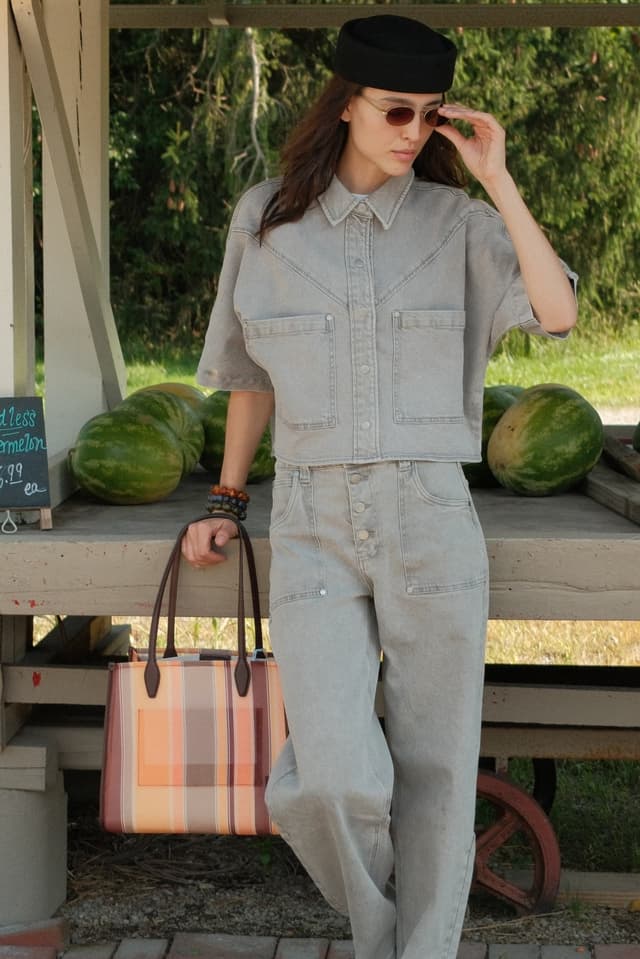
Revivall is a sustainable, handmade clothing label for women, founded in Bozeman in 2008 by Laura Lee Laroux. After seeing the scale of waste in New York's fashion industry in the early 2000s, Laura vowed to use recycled materials in her creations, and she has been upcycling ever since. Revivall describes itself as a slow fashion lifestyle brand encouraging the revival of a simpler way of life through responsibly sourced, folk-inspired goods. The label makes modern homestead clothing with a vintage, prairie feel: skirts, pinafores, dresses, tops and vintage-style petticoats. Recent pieces include the White Bear Skirt, the Cotton Prairie Skirt, the Long Wool Pinafore and the Vintage-Style White Cotton Petticoat. Its approach rests on three pillars: responsible sourcing, zero-ish waste and local making. Products are made from recycled materials and deadstock fabrics, keeping hundreds of bolts of fabric out of landfill each year, and even small scraps are turned into new pieces. Everything is handmade in the USA by a team of independent seamstresses. Revivall is women-owned and operated, and it sells mainly through its own online store.

SIZ featured image

SIZ

Portugal · Est. 2016 · Mid-range

SIZ is an ethical, sustainable European designer clothing label for women, founded in Sesimbra, Portugal in 2016 by twin sisters Raquel Rodrigues and Sofia Rodrigues. The sisters studied fashion together at the University of Lisbon's Faculty of Architecture and launched the brand after their internships, wanting to prove that sustainable fashion could be creative, colourful and fun. Its style pairs "clean and crafty" in an urban, casual look. The collection includes dresses, tops, shirts, trousers, skirts, jackets, jumpsuits and coordinated sets. Signature pieces include striped sets introduced in 2020 and a thin-strap summer dress reinterpreted every year. Garments are made in Portugal: the sisters design, make patterns, cut and sew in their Sesimbra atelier, working with local seamstresses in small batches produced to the rhythm of sales. Each yearly collection is built around an environmental or social cause, from climate change to ocean pollution and overconsumption. Much of the clothing uses deadstock fabrics, with organic and natural fibres used when deadstock runs short, while a take-back programme keeps garments out of landfill. SIZ has been profiled by the Portuguese magazine NiT and A Sustainable Closet, and in 2026 opened a two-month pop-up in Lisbon.

TT Studios featured image

TT Studios

USA · Est. 2018 · Mid-range

TT Studios is a minimalist American designer clothing label for women, founded in New York in 2018 by designer Niki Usher. Usher studied fashion design at Drexel University before moving to New York to launch the brand, originally known as NTK, with a boxy leather jacket before turning her focus to denim. "Timeless Threads" is the brand's philosophy: pieces that balance utility with understated elegance and are made to last beyond trends. The collection centres on refined denim, including jeans, jackets, trench coats, jumpsuits, skirts, shorts and tanks, alongside shirts, T-shirts, sweaters, dresses and outerwear. Many styles carry New York street names, such as the Linda Union Sq denim jacket and Tivoli Atlantic Ave trench coat. Clothing is made in China. The designs focus on fit and detail, aiming to combine softness and structure so pieces work from day to night and across everyday wardrobes. TT Studios has been covered by Glamour, Who What Wear, Fashionista and Byrdie, and is stocked by the online boutique Cult Mia. As NTK, the brand presented at the Coterie trade show and held pop-ups in New York, Philadelphia and Los Angeles.

Slate Wearables featured image

Slate Wearables

Canada · Est. 2020 · Mid-range

Slate Wearables is an ethical, minimalist designer clothing label for women, founded in Vancouver in 2020 by designer Shelby Wick. The brand began as Wick's capstone project at Ryerson University in Toronto, inspired by the relaxed linen styles she encountered while studying in Australia. After showing early designs at Vancouver's Little Black Dress Gala in 2018 and 2019, she launched Slate in August 2020 with a small summer line. The collection centres on timeless linen dresses, trousers, shorts, button-up shirts, tops and matching sets with simple, versatile silhouettes. Everything is made in Vancouver, Canada, in small batches with a local manufacturer, a decision Wick made at the start of the pandemic to support local artisans and businesses. Slate chooses natural fabrics for their texture and lower impact. Linen, made from flax that needs little water or pesticide to grow, is breathable, durable and softens with every wear and wash. Orders ship with low-emission methods in biodegradable or recycled paper packaging. Slate Wearables describes itself as a local, women-run business, with a mission to change the way people buy clothes by favouring considered, long-lasting pieces over fast fashion.

Jess Meany featured image

Jess Meany

USA · Est. 2019 · Mid-range

Jess Meany is an American upcycled designer clothing label for women, founded in Los Angeles in 2019 by Jess Meany. Meany started the brand after a 12-year career in textile development left her dreaming about how to love the materials that already exist on the planet. Her designs present layers of loved textiles with femme feelings, inspired by the dust of the West, the keepsake heritage of America and the picnics and pastimes of spring and summer. The collection features loosely tailored, low-impact pieces such as quilt coats, cropped coats, Laguna shirts, Olivia jackets, tops and skirts. Every piece is handmade in the USA, designed and sewn in the brand's Los Angeles studio. Most pieces are one-of-a-kind or limited, because Meany searches across the country for deadstock, vintage, obsolete and forgotten materials, from quilts and redwork embroidery to lace and organza. This upcycled, locally made approach keeps production small and sustainable. Jess Meany has been featured by Voyage LA and Sheesh Magazine, and the label is sold through Garmentory.

Runaway Bicycle featured image

Runaway Bicycle

India · Est. 2014 · Mid-range

Runaway Bicycle is a sustainable Indian designer clothing label for women, founded in Mumbai in 2014 by Preeti Verma. Verma built the first collection in a one-bedroom apartment after work hours while holding a day job in advertising, driven by a personal need for clothes that felt comfortable before they looked good. Her lack of fashion training was offset by knowledge of traditional weaving and a belief that the most comfortable clothes are worn by children and people in physical work, such as painters, mechanics and road workers. The label makes dresses, tops, shirts, trousers, skirts and jackets, along with accessories and home décor. Everything is handmade in India, linking traditional weavers and dyers across the country, including handloom weavers in Bengal, with craftspeople in its Mumbai studio. Runaway Bicycle works with handloom and hand-spun cotton, silk, linen and wool, with some pieces hand-painted or naturally dyed. Its ethical philosophy is to make less: clothes designed to outlast trends and seasons, soften with age and withstand many washes, so customers buy less and wear longer. The label has shown at Lakmé Fashion Week and been featured by Vogue India, Vogue Singapore, Elle India and Mint.

SAEMDI featured image

SAEMDI

France · Est. 2023 · Mid-range

SÆMDI is a luxury European designer clothing label for women, founded in Paris in 2023. The female-founded womenswear brand takes its name from the French word samedi, meaning Saturday, and is inspired by the spontaneity and anticipation of the weekend. Its aim is to bring a Saturday feeling to every day through a curated wardrobe of elevated silhouettes and playful details, designed to reveal the extrovert in every introvert. The collection includes dresses, trousers, jeans, skirts, tops, knitwear, blazers and jackets for everyday dressing that can easily be dressed up or down. Pieces are made in South Korea, using materials such as polyester, cotton, Tencel, silk and wool. The designs combine minimalist foundations with fashion-forward details such as sheer mesh, draping, oversized tailoring, faux leather, denim and fitted silhouettes, drawing inspiration from vintage fashion while staying contemporary. Signature pieces include the Milla oversized faux leather jacket, Gaia lace-up faux leather trousers, draped mesh dresses and halterneck dresses. The brand works from its Paris address on Rue Bouchardon in the 10th arrondissement, where it offers showroom appointments for buyers.

OVERALL Office featured image

OVERALL Office

Czechia · Est. 2016 · Affordable

Overall Office is a sustainable, organic European designer clothing label, founded in Prague in 2016 by Kristýna Nováková, Karolína Juříková and Monika Krobová. The three met as students at Prague's UMPRUM academy and gained experience at European studios such as Steven Tai, Reality Studio and Camper before starting the brand as an independent creative platform for ideas, mini collections and objects. Today it is run by Nováková and Juříková. Overall Office is best known for its spiral-cut swimwear, and the range includes swimsuits, bikinis, underwear such as the LEA line, socks, T-shirts, scarves and accessories, including Shell bags made from leather offcuts. Everything is made in Czechia in small series of up to 50 pieces, with specialised ethical factories and individual seamstresses. Fabrics are organic, deadstock or regenerated: swimwear uses ECONYL regenerated nylon, organic cotton comes from Turkey's Aegean region, and orders ship in compostable mailers and recycled paper. The brand avoids trends and discounts, building timeless products over several seasons. Overall Office has created custom projects for Rossmann, Pilsner Urquell and Becherovka, was selected for the EU's S4 Fashion programme and has featured in Vogue CS's Identita project and in CzechDesign and Selectedmag.

Two New York featured image

Two New York

USA · Est. 2010 · Luxury

Two New York is a minimalist designer clothing label for women, founded in Brooklyn, New York in 2010 by Monica Patel-Cohn. Before launching the line, Patel-Cohn worked in creative roles at Barneys and at Prada in Milan. With an Indian father and an Italian mother, she was inspired by the saris her family wore at her wedding in Italy and set out to create a modern, minimal take on caftans, tunics and easy dresses in handwoven fabrics. The collection includes caftans, tunics, dresses, shirts, blouses and trousers, along with scarves and accessories, designed for travel, a staycation or the city. Fabrics are designed in house or sourced from artisans and weavers across India, ranging from hand-spun khadi cotton in indigo dyes to Jamdani saris, ikat and dabu prints. Garments are made in the USA, and the caftan has been the label's signature since its first collection. Two works in small quantities to support handloom weavers and their livelihoods, treating the hand-loomed sari as a craft worth preserving. The brand's studio sits on Main Street in DUMBO and is open by appointment. Two has been featured in Vogue, Yolo Journal and The Flair Index.

OUND OUND featured image

OUND OUND

Uruguay · Est. 2015 · Luxury

OUND is a minimalist, handmade luxury clothing label, founded in Uruguay in 2015 by designer Paula Delgado. Delgado previously worked as a fashion designer for two leading global fast fashion corporations, then spent 2015 to 2017 in rural Argentina and Scotland learning about wool production, weaving and knitting and teaching herself botanical dyeing. Inspired by permaculture, she describes OUND as an investigative project rooted in simplicity and humble luxury. The label specialises in hand-knitted undyed wool pullovers and cardigans and naturally dyed silk dresses, alongside tops and trousers. Pieces are one-of-a-kind or made in limited editions in Uruguay, where a network of hand knitters, dyers and embroiderers work from small family studios across the country. OUND uses only natural, renewable and biodegradable fibres such as wool, silk, cotton and linen. Wool comes from Uruguayan Merino and Corriedale sheep raised on open grasslands and is left in its natural colours, while silk is dyed with plants and food waste such as avocado skins, eucalyptus leaves, onion peels and loquat. OUND builds long-term relationships with its artisans, paying fairly and visiting regularly, and its main markets are the United States, Japan and Europe.

Muse The Label featured image

Muse The Label

Australia · Est. 2016 · Mid-range

Muse The Label is an Australian designer clothing label for women, founded in Melbourne in 2016 by Christine and Sarah, a mother-daughter duo. Christine has sewn and made patterns for as long as her daughter can remember, while Sarah Kourim studied fashion at RMIT and worked as a womenswear designer for around ten years. The pair started by selling handfuls of pieces at markets before taking the label online during the pandemic, describing Muse as bold colour combinations, subtle femininity and architectural silhouettes. The collection includes dresses, tops, skirts, trousers, knitwear, outerwear and accessories, with effortless shapes, intricate techniques and artisanal touches. Pieces are made with local talent and accredited manufacturers in China, Bali and India, alongside in-house production by Christine in Melbourne. The label releases small, seasonless batches based on slow fashion principles, using natural fabrics such as silk, cotton and cashmere as well as deadstock fabric. The founders stay hands-on in every step, from design to answering emails and packing orders. Muse The Label has been profiled by Fashion Journal and Garmentory and is sold through stockists including Brunswick boutique Better with Friends.

Parentezi featured image

Parentezi

USA · Est. 2024 · Mid-range

Parentezi is a minimalist American luxury designer clothing label for women, founded in Miami in 2024 by Cheryl Herger. Herger, who also founded and creatively directs the Miami womenswear label Nonchalant, has navigated the fashion world for most of her life and created Parentezi as an essentials line to bring more joy, practicality and ease to getting dressed. The brand presents itself as a road map and set of building blocks for the perfect elegant wardrobe. The collection covers trousers, jeans, blazers, blazer dresses, shirts, tops, sweaters, dresses and skirts, designed as everyday essentials that pair easily with trendier pieces. Clothing is made in China, using materials such as linen, viscose, silk, wool and cashmere. Its signatures come from Herger's own personal uniform: the perfect black trouser in cigarette or pleated cuts, classic and novelty white poplin shirts, the indispensable blazer or blazer dress for modern evening wear, and cashmere knits that work as layering staples across seasons. Parentezi focuses on looks that are travel and business-trip friendly, helping women build an individual, practical wardrobe without sacrificing elegance.

sønderhaus featured image

sønderhaus

USA · Est. 2022 · Mid-range

Sønderhaus is an ethical, minimalist American clothing label for women, founded in American Fork, Utah in 2022 by Olive Redd. Described as a slow fashion studio rooted in heritage, family and craftsmanship, the brand is run by three sisters and their best friend. Its designs draw on vintage silhouettes, Scandinavian heritage and lakeside summers in the Midwest, reflecting the values of kinship, simplicity and connection the founders were raised on. The collection covers dresses, sweaters, cardigans, tops, T-shirts, trousers, jeans, skirts, shorts, matching sets, sleepwear and swimwear, designed in Utah for everyday wear. Garments are produced in small batches with partner factories mainly in Turkey, China and Vietnam, along with India, and the shop also carries accessories from other small makers. Sønderhaus prioritises natural fibres such as cotton, linen and wool that can be recycled or composted, using only recycled synthetics when a garment's construction requires them. Every factory is vetted by its third-party partner Calico through self-assessments and regular quality checks. Its Sønderhaus Seconds initiative offers imperfect pieces to reduce waste while keeping quality clothing accessible.

NOM*d featured image

NOM*d

New Zealand · Est. 1986 · Mid-range

NOM*d is a New Zealand designer label, founded in Dunedin in 1986 by designer Margarita Robertson and her husband, Chris Robertson. The label continues to embrace the gothic character of its southern home city, offering a wardrobe that is understated and subversive. Its irreverent approach to tailored silhouettes and utilitarian textiles, with deconstruction and unexpected reworking, creates garments that are experimental yet can be worn as a uniform. Collections mix sharp jackets and coats with relaxed dresses, shirts, trousers, skirts and knitwear, along with the ICONIC range of graphic tees, tank dresses and hoodies. Popular pieces include the Boyfriend Jacket, the Swing Coat, the Big Crest Tee and the Archive Short Sleeve. The own-label clothing is made in New Zealand. Over more than three decades, NOM*d has built its reputation as a label that honours the intelligence and individuality of the wearer, and it showed at London Fashion Week in 1998 as one of the "New Zealand Four". The brand is independently owned by Margarita and Chris Robertson, and its George Street store in Dunedin sells NOM*d alongside an edit of international designers.

Sydney Pimbley featured image

Sydney Pimbley

UK · Est. 2019 · Luxury

Sydney Pimbley is an upcycled UK designer clothing label for women, founded in London in 2019 by designer Sydney Pimbley. A graduate of Central Saint Martins' BA Fashion Design with Knitwear and a recipient of the LVMH Grand Prix Scholarship, Pimbley worked in the couture studio of Maison Margiela, assisting John Galliano, before launching her slow fashion brand. Inspired by her Welsh heritage, she builds ethical luxury collections on the principles of sustainability and authenticity. The label creates dresses, skirts, trousers, shorts, jackets, tops and accessories, many of them one-of-a-kind or made in very small runs. Pieces are handmade in the United Kingdom, using fabrics, trims and embroidery collaged from vintage sources and finished with layers of hand detailing. Her upcycled approach reworks antique and vintage textiles such as silk, cotton and wool rather than relying on new fabric. After the birth of her first child in 2025, Pimbley dedicated her 2026 collection to celebrating the female body through lush antique fabrics. Sydney Pimbley's work has appeared in Vogue Italia, i-D, The Face, Teen Vogue, WWD, Sleek and Metal Magazine. She took part in P.LACE.S, a SHOWstudio and MoMu Antwerp lace exhibition and film.

Merritt Charles featured image

Merritt Charles

USA · Est. 2011 · Mid-range

Merritt Charles is an American womenswear label from Southern California, founded in 2011 by Lacey Horning. The California native came up with the brand while flying home to Los Angeles after a Hawaii holiday with her sister, and named it after her grandfather, Merritt, who dedicated his life to helping others. In 2019 the brand's purpose came into focus: creating merit in people by encouraging better actions, with beautiful clothing as the vessel. The label makes relaxed, luxury-casual pieces, many in silk and linen. Its range includes blouses such as the Bardot Blouse, silk dresses like the Florence slip dress and the Canyon dress, silk tanks including the Ada and Coco, the Charles Sweater, slip skirts such as the Kendall and Madison, and the Daisy Two Piece Linen Set. Most of its products are made in Los Angeles. Merritt Charles mostly uses natural, biodegradable materials such as silk, linen, cotton, rayon and Tencel, and buys pre-existing materials. The independent brand is owned and run by Horning, and describes its mission as inspiring women to be good, do good and make the world a better place.

The Series NY featured image

The Series NY

USA · Est. 2016 · Mid-range

The Series NY is a gender-neutral, upcycled American designer clothing label, founded in New York in 2016 by Ella Wiznia. Wiznia started the brand while recovering from an eating disorder, wanting to make clothing that felt different from the unrealistic bodies she saw in fashion advertising. Learning about the industry's environmental impact, she committed to working only with secondhand and sustainable materials, and the label champions clothing without gender, for all bodies. The Series makes one-of-a-kind jackets, quilted chore jackets, shirts, shorts, jeans, pinafores and accessories from vintage quilts, crochet blankets, embroidery, antique and deadstock textiles. Every piece is made from start to finish in New York by its small in-studio team or skilled local artisans. The brand celebrates crafts long tied to domesticity and undervalued as "women's work", choosing damaged or unfinished quilts rather than cutting up pieces in perfect condition. Apart from some crochet made with organic fibres, garments use only pre-existing materials, and its makers set their own rates to earn a living wage. The Series has been featured in Lampoon Magazine, appeared in Vogue's street style coverage of New York Fashion Week and held a residency at Burke Mercantile.

Kasih Co-op featured image

Kasih Co-op

USA · Est. 2012 · Affordable

Kasih Co-op is a sustainable, handmade American accessories and home label, founded in Manhattan Beach in 2012 by Ivana Darmawan. Darmawan grew up immersed in Indonesian culture before attending UCLA, and after college she followed her passion for traditional crafts and her desire to empower women artisans. Kasih means love or care in Indonesian, while Co-op refers to the collaborative groups of makers the woman-owned business works with. The range includes hand-dyed batik bandanas, scarves, head wraps, kimono robes, napkins and other textiles, all designed in the US and made in Indonesia. The brand began with batik jewellery and ikat poufs before evolving into hand-dyed textiles and wooden goods, with pieces made from natural, soft cotton. Each batik piece is crafted by hand using traditional wax-resist techniques, stamped with copper plates or drawn with a canting tool. Kasih Co-op supports 18 artisan partnerships across Java, Bali, Sulawesi and Jakarta, over 80% of them women-owned, and ensures every artisan is paid fairly. Darmawan was a participant in the Build a Nest Sustainability Artisan Accelerator, and one of the brand's batik bandanas appeared as a prop in Idina Menzel's Broadway musical Redwood.

Pari Desai featured image

Pari Desai

USA · Est. 2014 · Mid-range

Pari Desai is a luxury American designer clothing label for women, founded in Los Angeles in 2014 by Pari Desai. An Indo-Canadian native of Toronto, Desai studied traditional tailoring and millinery before becoming an in-house designer at one of the last knitting factories operating in North America. Working directly with craftspeople and mills sparked her passion for textile innovation, and she designed for TSE and Calvin Klein in New York before launching her collection, an elemental, modern expression of luxury. The label offers dresses, sweaters, cardigans, tops, shirts, skirts, trousers and jackets, plus swimwear, shoes, handbags and jewellery. Clothing is made in Peru through small-scale production with family-owned factories and artisans using techniques passed down through generations, including knitwear in baby alpaca blends and Pima cotton. Material and craft innovation remain the creative focus. Desai selects pure, luxurious raw materials such as silk, organic cotton and wool that are grown responsibly or regenerated from industrial refuse, and the brand applies circular and regenerative systems that consider the full life cycle of each piece. The label describes its partnerships with makers as mutually beneficial, equitable and non-exploitative, and its knitwear is also sold through Garmentory.

Rita Row featured image

Rita Row

Spain · Est. 2013 · Mid-range

Rita Row is a European sustainable designer clothing label for women, founded in Figueres, Spain in 2013 by Imma Serra and Xènia Semis. The complementary duo launched the brand in June 2013 in the creative landscape of Girona, guided by a shared vision of comfort, versatility and beauty. Their pursuit of a simple, slow life close to nature shapes collections created for Rita, the brand's muse, a woman of effortless sophistication and refined simplicity. The label makes contemporary coats, jackets, knitwear, trousers, shirts, tops and dresses, along with bags, shoes and jewellery. Pieces include the Rona Oversize Trench, the Cedar Coat, the Brio Cardigan and the Feixa Pants. Its clothing is ethically made in Spain and Portugal, with threads and fabrics sourced mainly from Spain, Italy and France. Rita Row prioritises natural and recycled materials such as organic and recycled cotton, Better Cotton, ECOVERO viscose, Tencel and wool, and works with factories audited under BSCI and SMETA. The women-led, self-financed company is run by a team of ten women from its atelier in L'Empordà, sells in Europe, North America and Asia, and has shown at CIFF and Mandatory CPH in Copenhagen.

Salua Lingerie featured image

Salua Lingerie

USA · Est. 1993 · Affordable

Salua Lingerie is an American ethical lingerie and sleepwear label for women, founded in 1993 by Yolanda Navarro and based in Seattle. Navarro began making lightweight sleepwear for friends in her home town of Santa Marta, Colombia, naming the label after one of her daughters. Her daughter Shadia K'David, who grew up watching her mother at the cutting table, moved to Seattle in 2009 and grew the family business in the US, opening a boutique there. Salua makes classic, mostly cotton nightgowns, pajamas, sleep shirts, chemises, robes, bralettes and underwear. Signature pieces include its brushed Pima cotton pajama sets and sleep shirts, the Sofia Eyelash Lace Chemise and the Bloomer bralette. Its silks and cotton-silk gowns are made in Navarro's original workshop in Santa Marta, and its Pima cotton loungewear is made by a small, family-owned workshop in Medellín. The label works with makers it knows personally and favours natural fibres such as Pima cotton, silk and lace, with long-serving workshop staff and an emphasis on handmade craftsmanship. Salua has been sold in more than 60 boutiques across the United States and featured in Bride & Groom Magazine and The Lingerie Addict.

perfectwhitetee featured image

perfectwhitetee

USA · Est. 2020 · Mid-range

Perfectwhitetee is a minimalist American basics label for women, founded in Los Angeles in 2020 by Lisa Hickey and Jen Menchaca. The two friends and colleagues have more than 30 years of combined experience in fashion: Menchaca previously founded a t-shirt brand in the women's contemporary market, and Hickey owns a multi-line New York showroom and three stores selling upscale casual basics. They launched on National White T-Shirt Day, 11 February 2020, with seven styles, three of which are still top sellers. The brand, styled perfectwhitetee, focuses on seasonless essentials that customers can restock year-round. Signature pieces include the Harley boxy crewneck tee, the Hendrix V-neck tee and the Blondie rib tank, alongside the Ziggy reverse fleece sweatshirt, French terry sweatpants, sweaters and Harper cropped jeans. About 90% of the line is produced in the US, with core tees made in Los Angeles from fabrics milled in California and a small share of sweaters and fleece sourced overseas. Materials include Supima cotton, modal and recycled fibres. Women-owned and run by its co-founders, perfectwhitetee sells online and through its store on Elizabeth Street in New York.

La Fille d’O featured image

La Fille d’O

Belgium · Est. 2003 · Mid-range

La Fille d'O is a Belgian luxury designer lingerie label, founded in Ghent in 2003 by Murielle Henriette Victorine Scherre. Scherre started the brand to challenge an industry she found hard to reconcile with her conscience, creating avant-garde lingerie that is stunningly beautiful, surprising and fairly made. Her company remains fully owned by her. The collection includes bras, tops, briefs, bodysuits and swimwear in opaque and see-through fabrics, built on her own Easy Sizing system, which fits most bodies without the clutter of adjustable straps. All production is made in Belgium, with fabrics sourced as locally as possible, including fabrics from Penn Italy. La Fille d'O was the first brand to design a lingerie collection with both AMAB and AFAB bodies in mind, and most designs can be adjusted for prostheses at its Ghent studio. The brand avoids recycled fibres in favour of long-lasting, high-quality materials and offers made-to-measure alterations in its own stores in Ghent and Antwerp. La Fille d'O has earned the Handmade in Belgium label, and its bras have been worn by Rihanna and Lady Gaga. Scherre also sat on the jury of the LA Fashion Film Festival.

Can't find what you're looking for?

We add new sites every week but if you have a specific request, let us know.

About women-owned brands

Discovering Women-Owned Labels

Women ownership is not a certification for most shoppers, though some businesses are certified through organisations such as WEConnect International. The clearest information usually comes from a brand's own story, its founder and leadership team, and interviews or features about the business. Women-owned brands often share the reasons behind their products, which can help you understand who a product is designed for. As with any label, compare materials and ingredients, check sizing and returns policies, and read customer reviews before you buy. Following founders online is a good way to hear about new launches and the thinking behind them.

Supporting Women in Business

Women founders still receive a much smaller share of investment funding than men, despite building successful businesses across fashion, beauty and beyond. Many women-owned labels grew from a personal need, such as a product that did not exist, a size range that was missing or a better way to care for skin and hair. Choosing these brands helps them grow, create jobs and bring more diverse perspectives into the industry. It is also a great way to discover thoughtful products with a clear sense of purpose and the people behind them.

Frequently asked questions

What makes a brand women-owned?
A brand is generally considered women-owned when women hold the majority of the business and lead its direction, from product decisions to strategy. Ownership can change as companies grow or take on investment, so the most reliable information usually comes from the brand's own recent story and leadership details.
How can I verify that a brand is women-owned?
Start with the brand's about page, founder profiles and interviews or press coverage. Some businesses also hold formal certification through organisations that verify ownership. Ownership can shift when a business brings in new partners or investors, so recent information gives the clearest picture of who holds the majority today.
Is women-owned the same as women-led?
Not exactly. Women-owned refers to who holds the business, while women-led refers to who runs it day to day. A company can be led by a woman without being majority owned by women, and vice versa. Many founders are both owners and leaders of their brands.
Why do people choose to support women-owned brands?
Women founders have historically received a smaller share of investment funding, so customer support can play a big role in helping their businesses grow. Many women-owned labels started from a personal need, such as a missing product or size range, and bring fresh perspectives to fashion, beauty and haircare.
Are women-owned brands only for women?
No. Women-owned refers to who owns and leads the business, not who the products are for. You'll find skincare, haircare, clothing and accessories suitable for everyone. It's simply a way of supporting founders and discovering new labels with a strong sense of purpose.
How do brands qualify for this list of women-owned brands?
Women-owned labels register with From The Labels themselves and share their founder story and what makes them distinctive. The platform was created to give smaller brands visibility next to big labels, so investors are fine, but a brand acquired by a large corporation no longer qualifies. Check each brand's current leadership details too.
How else can I support women-owned businesses?
Beyond buying, leave honest reviews, recommend products to friends and share founders' work on social media. Choosing the best women-owned brands for gifts and everyday staples, not just during awareness campaigns, gives small businesses the steady support they need to grow.