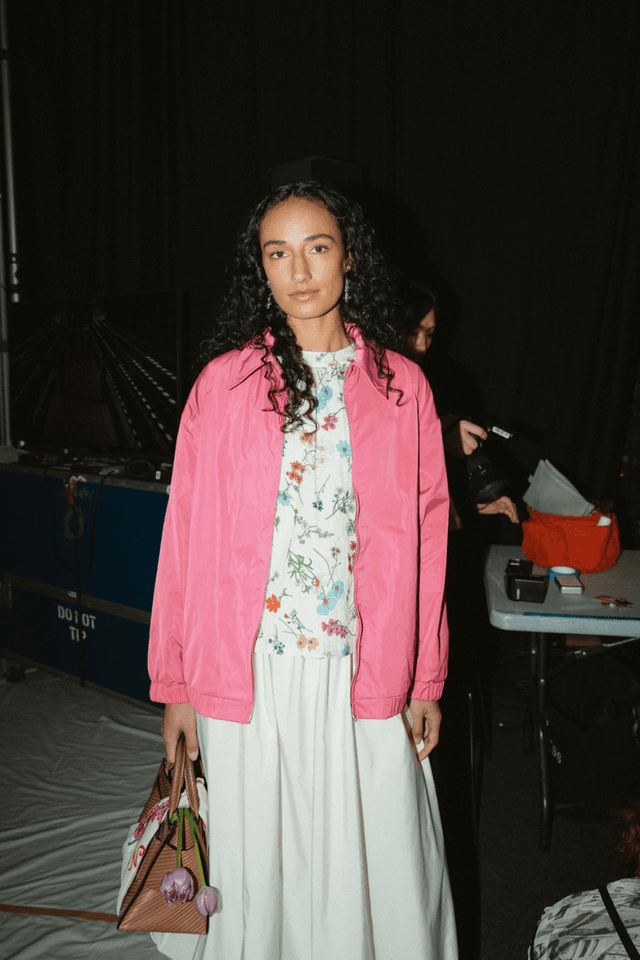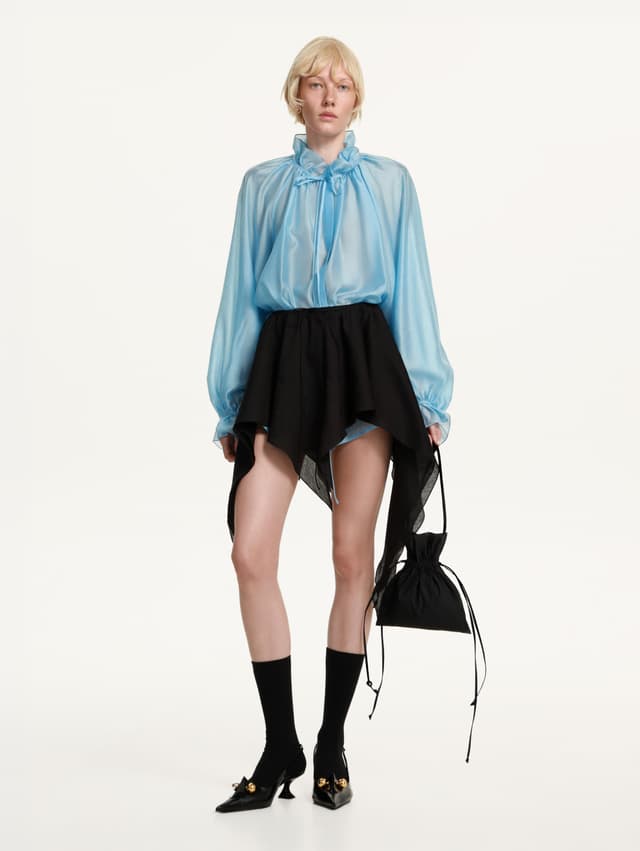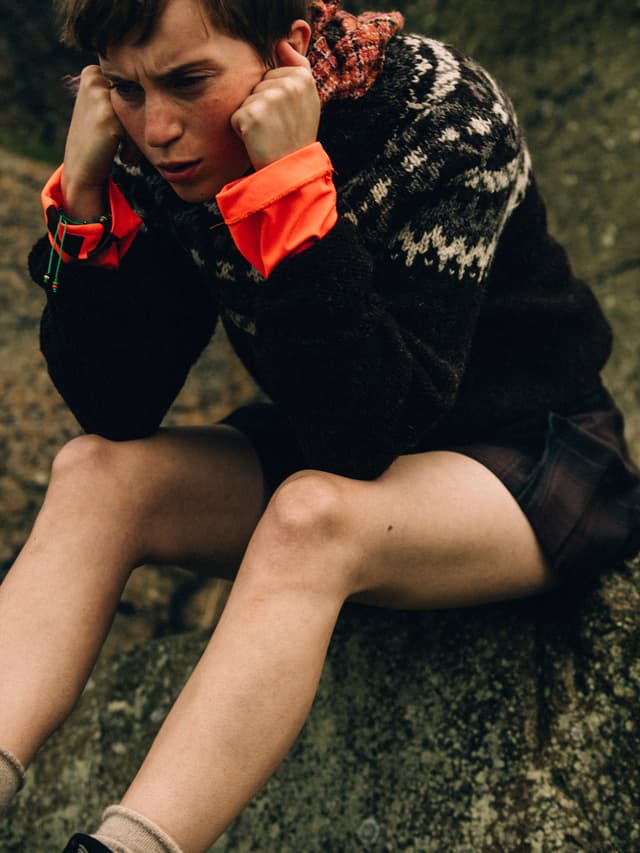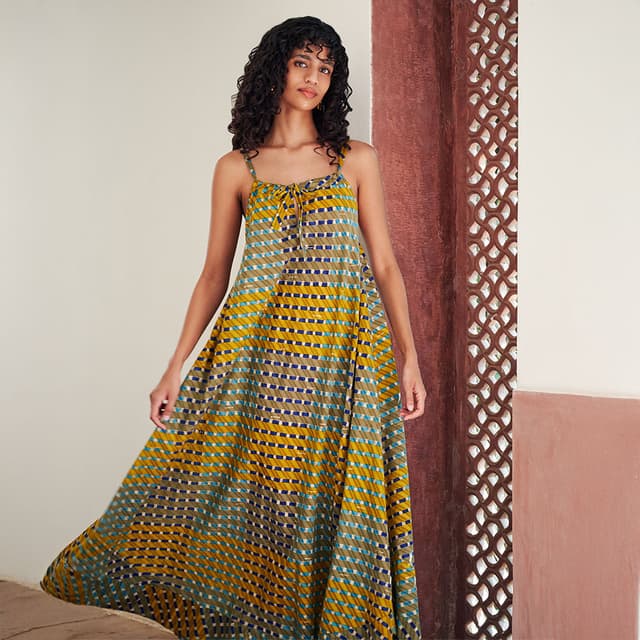
#hand-crafted

List of 350+ Handcrafted Brands

Explore 350+ hand-crafted brands where skilled makers shape clothing, jewellery and footwear using traditional techniques. Hand-crafted products are made largely by hand or with hand tools, relying on the expertise of artisans in processes such as weaving, stitching, metalsmithing, leatherwork and embroidery, rather than fully automated production. Clothing leads this list, followed by jewellery and footwear, with a smaller group of beauty labels. Ideal if you value craftsmanship, durability and pieces with a personal story. Browse these handcrafted fashion and jewellery brands side by side to compare techniques and find considered alternatives to mass-produced goods.

Tagged Brands

SEP featured image

SEP

Switzerland · Est. 2013 · Mid-range

SEP is an ethical, handmade luxury label, founded in Geneva in 2013 by former investment manager Roberta Ventura and Stefano D'Ambrosio. SEP started as a project designed to become a brand that gives refugees dignified, fairly paid work, reinterpreting traditional Palestinian cross-stitch embroidery in contemporary fashion and lifestyle pieces. The range includes embroidered keffiyehs, linen, cashmere and silk shawls, cashmere hoodies, scarves, beanies and T-shirts, plus bags and home linens. Signature pieces include the Alhambra Keffiyeh, the Sultan Han hoodie, the Beehive cashmere hoodie and embroidered linen tablecloths. Every piece is hand-embroidered by Palestinian and Syrian refugee artists in Jordan's Jerash and Azraq camps, while many base fabrics, such as linen and cashmere, are made in Italy. SEP Jordan was founded in 2014 and began operations in 2015, and the business model is built to directly advance at least six of the UN Sustainable Development Goals, including no poverty and reduced inequalities. SEP is a certified B Corp and an independent social enterprise, incorporated in Jordan and Switzerland. It runs a boutique in Geneva and has collaborated with artivist Charlotte Ensaigne on a limited edition briefcase.

Story mfg. featured image

Story mfg.

UK · Est. 2013 · Luxury

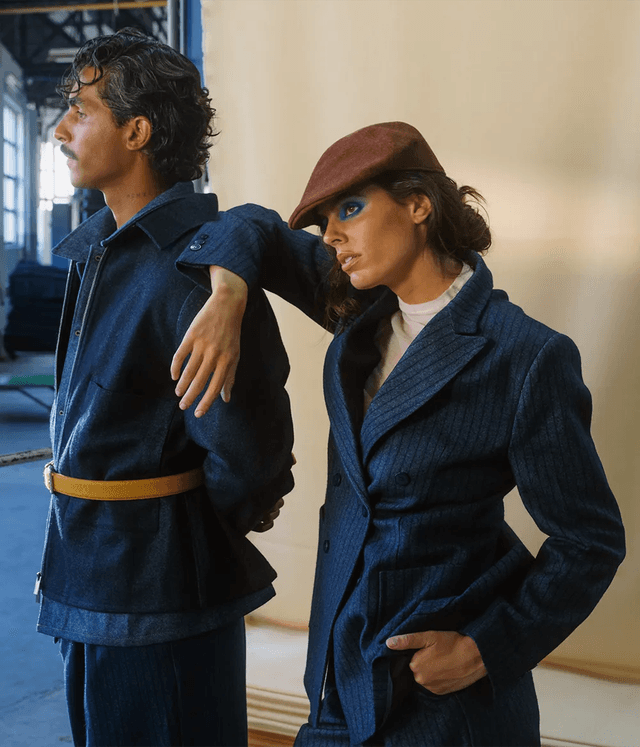
Story mfg. is a sustainable UK designer clothing label for men and women, founded in Brighton in 2013 by husband-and-wife team Saeed and Katy Al-Rubeyi. With backgrounds in trend forecasting and menswear, the couple set out to make garments that did not already exist, starting with a naturally dyed, handwoven denim and developing their own fabrics from scratch rather than buying ready-made cloth. Its gender-neutral collections include bomber jackets, shirts, knitwear, trousers, shorts and tees, with signature pieces such as the Seed Bomber, the Greenhouse Shirt and the Grateful Tee. Everything is handmade in India by a team of artisan dyers, weavers, embroiderers and tailors. Story mfg. uses only natural plant dyes such as myrobalan, Indian redwood, pomegranate and natural indigo fermented in a large vat whose water is reused. Craft techniques include hand embroidery, block printing, appliqué, hand crochet and patchwork made from production offcuts, and the label is vegan. Early on it sold from a pop-up shop on the founders' London canal boat. It has since been stocked by LN-CC and Goodhood, profiled by British Vogue and i-D, and opened its first permanent store in Brighton in 2022.

Payal Khandwala featured image

Payal Khandwala

India · Est. 2012 · Luxury

Payal Khandwala is an Indian designer, minimalist luxury clothing label for women, founded in Mumbai in 2012 by Payal Khandwala and Vikram Ramchandani. Born in Bombay in 1974, Khandwala grew up among painters and dressmakers and graduated with honours in Fine Arts and Illustration from Parsons School of Design in New York. She painted full time for a decade before showing at fashion week in 2012, and her husband Vikram now runs the business while she leads design. Known for colour-blocking, pleats and sculptural silhouettes, the label makes kurtas, shirts, tops, trousers, skirts, dresses, jumpsuits, jackets, capes and lehengas, plus dupattas and jewellery, with pieces such as the Pleated Kurta, the Pleated Kimono Cape and the Silk Brocade Lehenga. Everything is made in India. Its textiles are conceived at the source on its own looms in Benares and Bengal, woven by master weavers it has worked with from the start, and garments are hand-finished at its Colaba atelier. Pieces are limited in quantity and never on sale, because it believes the world needs better clothes, not more. Khandwala, a member of the Fashion Design Council of India, won Society magazine's Young Achievers Award for Fine Arts in 2007.

3sixteen featured image

3sixteen

USA · Est. 2003 · Mid-range

3sixteen is an American designer clothing label for men, founded in New York in 2003 by Andrew Chen and Johan Lam. It began as a graphic T-shirt side project, and released its first jeans, the SL-100x, in 2008. The brand describes itself first and foremost as a denim company, with every piece designed to age well and become a permanent part of the wearer's wardrobe. The collection is built around raw selvedge jeans such as the CS-225x Classic Straight, alongside Big Oxford shirts, Crosscut Flannels, work pants, outerwear, knitwear, tees and accessories. Much of it is made in the USA, with other pieces produced in India and Portugal. 3sixteen's denim is woven to its own specification by Kuroki Mills in Okayama, Japan, on vintage shuttle looms, giving it a fabric no one else can buy. Details are built for longevity, from a tucked chainstitch waistband to heavyweight English bridle leather patches made by Tanner Goods in Portland. The brand runs a flagship store in Nolita and is sold by stockists such as Huckberry and Franklin & Poe. It also publishes an interview series, Singularities, and runs the artist collaboration project Vanguard.

Lukhanyo Mdingi featured image

Lukhanyo Mdingi

South Africa · Est. 2015 · Luxury

Lukhanyo Mdingi is a South African designer, luxury clothing label for men and women, founded in Cape Town in 2015 by Lukhanyo Mdingi. Born in the Eastern Cape in 1992, Mdingi is a multidisciplinary designer and creative director whose eponymous label is built on consideration, community and research. His refined, minimalist approach centres on lineage-building and long-term relationships with the people who make his textiles. The label produces collections of tailoring, knitwear, shirts, trousers, dresses and outerwear, released as seasonal capsules, alongside a publication and print shop. The clothing is made in South Africa. Through its partnership with the Ethical Fashion Initiative of the United Nations, the label works with social enterprise CABES-GIE in Burkina Faso, a network of more than 2,000 artisans, on handwoven Faso Dan Fani cloth, including GOTS-certified organic cotton. The collaboration has created new weaving patterns and built artisans' skills, with a focus on supporting women. Mdingi received the LVMH Prize's Karl Lagerfeld Prize in 2021 and was a finalist for the ANDAM Prize in 2022. In 2023 he won the AMIRI Prize and a GQ Designer of the Year award, and he was named to the BoF 500 class of 2024.

MIRTH featured image

MIRTH

USA · Est. 2016 · Mid-range

MIRTH is an American contemporary womenswear label, founded in Houston in 2016 by sisters Katie McClure and Erin Breen. After years of travel, the sisters landed in India in 2014 and were inspired by its vibrant communities, rich culture and heritage textiles. There they found the "mirth" behind the name, meaning amusement expressed in laughter, and the mission to start their own line. The label began with caftans and now makes easy, modern resort wear designed for long voyaging and slow living. Its range includes caftans and dresses such as the Alba Dress and Barcelona Short Dress, tops like the Adelaide Pointelle Knit Top, the Baden Pant, knitwear including the Aspen Pullover and Cusco Waterlily Cardigan, robes such as the Laos Robe, and bandanas. MIRTH is ethically produced in India and Peru, with knitwear made in Peru since 2022. Most of its fabrics are handmade and sourced from artisan communities, and the sisters design their own fabrics with makers using techniques such as handloom weaving and hand block printing. Nearly all of the work happens in rural villages, helping sustain heritage crafts and bringing consistent, dignified employment. The family-owned brand has a store in Houston.

twenty-seven names featured image

twenty-seven names

New Zealand · Est. 2006 · Mid-range

twenty-seven names is a New Zealand designer label for women, founded in Wellington in 2006 by Rachel Easting and Anjali Burnett. The two have been friends since they met at Karori Normal Primary School in Wellington, where Rachel introduced Anjali to her family's art books, and that love of art still shapes the label's playful, feminine clothing with a quirky, artful edge. The range includes tops, knit polos, dresses, skirts, trousers, jackets, coats and accessories. Signature pieces include the Alchemist Polo, the Eliza long-sleeved polo, the Connections tee, the Anderson, Capulet and Esoteric dresses, the Step into my office jacket and the A Cat May Look at a Queen jacket. twenty-seven names makes its clothing in New Zealand so that the people who make it enjoy the same protections as those who wear it. It favours natural fibres such as silk, cotton and merino wool and sources most of its plain fabrics from deadstock. The label remains independent and is run by its two co-founders from Wellington.

Swoon featured image

Swoon

India · Est. 2017 · Affordable

Swoon is a minimalist Indian designer clothing label for women and kids, founded in Gurugram in 2017 by designer Sakshi Astir. Its designs are relaxed, comfortable and fluid yet distinctive, with a slightly bohemian, vintage sensibility that reflects a wanderer's experience told through contemporary cuts and luxurious Indian fabrics. Most outfits come in pristine whites, ivory, ecru and earthy pastels and are versatile enough to wear from day to night. The range includes women's dresses, co-ord sets, tops and trousers, alongside Swoon baby and kids' clothing such as rompers, dresses, coordinated sets, gift sets, bibs and hair accessories. Everything is made in India from soft cottons and voiles, with signature styles like the Amour Dress pairing embroidery with contrasting lace. Handcraft sits at the heart of the label. Swoon actively works to revive handmade lace in India and specialises in French lace, crochet, handmade lace and macramé, combined with pleats and pin tucks. Collections such as Earthen use breathable crochet fabric in earthy hues, produced in small batches. The brand follows a zero-waste initiative, using all its waste fabric in packaging as part of a sustainable, eco-friendly approach to manufacturing.

Amrich featured image

Amrich

India · Est. 2011 · Luxury

Amrich is an Indian designer, handmade luxury clothing label for women, founded in New Delhi in 2011 by Richard Pandav and Amit Vijaya. The textile and clothing label is a labour of love for the two designers, both graduates of the National Institute of Design in Ahmedabad, who draw on their long engagement with Indian handlooms and craft traditions. It was conceived as a statement on the luxury of the handmade and the richness of Indian artisanship. The label offers chic separates, including shirts, tops, tunics, dresses, trousers, jackets, coats and overlays, with pieces such as the Alina Dress, the Diana Dress, the Charli Shirt, the Alize Tunic, the Juna Trousers, the Aviva Jacket and the Mehri Coat. Everything is made in India. Amrich's signature techniques are shibori and other resist dyeing, hand block printing and hand-weaving, using hand-crafted natural textiles. It focuses on smaller-batch production, treating each piece as a work of art. Its collections often begin with an artistic idea; the AW 2021/22 Colour Play collection was inspired by the light paintings of artist Stephen Knapp. It has its own store in Sujan Singh Park, New Delhi.

100% SILK featured image

100% SILK

Canada · Est. 2016 · Luxury

100% Silk is a Canadian designer clothing label and shop for women, founded in Toronto in 2016 by Lee Dekel. Dekel studied the history of science and material culture, taking courses in weaving, dyeing and patternmaking on the side, then moved to Ghana to manage production and develop textiles for the brand Osei-Duro. The name stands for a dedication to exalted textiles, and each collection is an investigation into a special cloth made with traditional techniques. The line ranges from embroidered and appliquéd dresses to velvet pieces, vests, tops and trousers. Textiles are developed with artisans abroad, and the garments are made in Canada, reimagined and sewn in the label's Toronto studio. Dekel works as equal partners with master artisans, including a fifth-generation ikat dyer and weaver in Uzbekistan's Fergana Valley, a Bukhara family of gold embroiderers and Baba Issaka, a Ghanaian flag maker who uses asafo appliqué. Pieces are released in small groupings as the handwork is ready. In August 2018 it opened the 100% Silk Shop, a store and textile gallery that champions handmade designers from around the world. It has been featured by Vogue and The Globe and Mail.

GUNIA Project featured image

GUNIA Project

Ukraine · Est. 2019 · Luxury

GUNIA Project is a Ukrainian designer label for handmade clothing and objects, founded in Kyiv in 2019 by Natalia Kamenska and Maria Gavryliuk. The two designers met while working in fashion and began with ethnographic expeditions across Ukraine, meeting artisans and exploring museum archives. Their goal is not to replicate tradition but to reinterpret it for everyday life. The range includes embroidered shirts, dresses, coats, knitwear, silk headscarves and jewellery, plus glassware and ceramics. Signature pieces include the Afiia, Aneta and Arsena embroidered shirts, the Tomila Embroidered Dress, the Solomiia Coat and the Adam and Eve Silk Headscarf. The first collection, of naive icon-inspired ceramics, guta glass and silk scarves, was presented at the National Museum of Ukrainian Folk Decorative Art. GUNIA works with more than 150 artisans across Ukraine and nine techniques, including embroidery, weaving, knitting, glassblowing, wood carving and ceramics. Since 2022 it has initiated or supported over 30 charitable and community projects. Its pieces have been presented to figures such as Emperor Naruhito and Brigitte Macron. The brand remains independent and run by its co-founders.

Le Kilt featured image

Le Kilt

UK · Est. 2014 · Luxury

Le Kilt is a Scottish designer label for women, founded in Edinburgh in 2014 by Samantha McCoach. Born and raised in Leith and trained at the Royal College of Art in London, McCoach explores the origins and meaning of garments, reframing Scottish tradition for a modern audience that wants a connection with its clothes. Her grandmother Lena, a kilt-maker, helped her make the first samples. The label is best known for contemporary kilts, which it sees as a blank canvas for self-expression, alongside knitwear and other wardrobe classics. The range includes kilts, mini dresses, wrap skirts, cardigans, crew necks, knitted tanks and Aran vests, plus scarves and sterling silver kilt pins. Signature pieces include the 01 Classic Kilt, the Midi Kilt, the Hand Knitted Aran Vest and the Merino Guernsey. Le Kilt is made in Scotland by expert craftspeople at a handful of small British manufacturers. It mainly uses wool, including Scottish tartans and tweeds, plus cashmere and lambswool. The label remains a small, independent business led by its founder, rooted in both the Scottish Highlands and city life.

Cordera featured image

Cordera

Spain · Est. 2008 · Luxury

Cordera is a Spanish knitwear and designer label for women, founded in A Coruña in 2008 by sisters Mónica and María Cordera. The sisters are also its creative directors, and the brand was first called Mónica Cordera. Focused on exceptional materials, meticulous craftsmanship and timeless design, Cordera embraces an aesthetic that transcends fleeting trends, and it describes its approach as fashion with purpose, merging luxury, sustainability and social impact. The label is known for minimalist clothing with a focus on knitwear and fine materials. Its range includes sweaters, cardigans, shirts, trousers, dresses, outerwear, shoes, bags and belts, with pieces such as the Merino & Cashmere Sweater, the Speckled Cardigan, the Carrot Pants, the Curved Baggy Jeans, the Classic Trench, the Shearling Coat, the Pointy Crocodile Loafer and handmade beaded bags. Based in Galicia, Cordera carries out almost all of its production in Spain, using locally sourced materials and ancestral techniques with a trusted network of family-run ateliers and specialist workshops. It also partners with a women-led workshop in Guatemala, where each embroidery is handcrafted. Cordera is an independent, family-run brand led by its founders.

Khajoor Studio featured image

Khajoor Studio

India · Est. 2022 · Affordable

Khajoor Studio is an Indian sustainable designer label, founded in Jaipur in 2022 by Muskan Soni. Raised in Rajasthan, she grew up surrounded by hand block printing, painted facades, bustling bazaars and artisans at work, and her lifelong love of painting shapes the label's use of colour and storytelling. She studied Knitwear Design at NIFT New Delhi and Creative Management at IIM Ahmedabad before founding the studio to explore contemporary Indian folklore through clothing. The range includes dresses, co-ord sets, resort shirts, trousers, shorts, merino wool coats and knit beanies. Signature pieces include the Abstract Dawn Wrap Dress, the Botanical Vine Resort Shirt, the Desert Bluebell Shorts and the Sun Merino Wool Coat. Collections are designed in Jaipur and handcrafted in small batches with skilled artisans across India, combining hand block printing, crochet, knitwear and playful prints. The label sources from local Indian wool and cotton farmers, uses only natural or conscious fabrics and aims to empower female artisans and their communities. Khajoor Studio remains independent and is led by its founder, shipping its slow, artisanal collections worldwide.

Indigenous featured image

Indigenous

USA · Est. 1994 · Affordable

Indigenous is an American organic, fair trade clothing label for women and men, founded in Sebastopol in 1994 by Scott Leonard and Matt Reynolds. For three decades the company has worked with artisans to create sustainable clothing that is soft on the earth and on the skin, and it has helped set industry standards for organic and fair trade fashion. Leonard serves as CEO and Reynolds as president. The range includes tees, tops, dresses, pants, sweaters and cardigans, plus a small edit of other ethical brands. Signature pieces include the Essential Rib Boatneck Tee, the Shaggy Knit Pullover, the Essential Wide Leg Pant and the Hudson Cardigan. Clothing is handmade in Peru by fair trade artisans and knitting cooperatives, including women-led partner Sama Knits. Indigenous uses organic cotton, alpaca and other natural fibres, and its fair trade model follows World Fair Trade Organization standards, with fair wages, safe conditions and skills training. Indigenous is a founding B Corp. It is independent and led by its co-founders, and sells online and through retail partners.

Anokhi featured image

Anokhi

India · Est. 1970 · Affordable

Anokhi is a sustainable Indian clothing label, founded in Jaipur in 1970 by John and Faith Singh. They started the brand when Jaipur's block-printing industry was at a very low ebb, working with block carvers, printers, dyers, embroiderers and bead workers in and around the city and committing to provide them with sustained work throughout the year. Anokhi began with small clothing collections, reimagining traditional prints as evening dresses, bolero jackets and kaftans sold through boutiques in England. Today it makes hand-block printed kurtas, tunics, dresses, tops, skirts and pants, along with scarves, quilts, bed linen and other home textiles, all made in India. Its designers develop contemporary ranges around artisans' traditional techniques, and the brand has long been seen as a role model for good business practice and the revival of textile skills. In the mid-1990s the next generation took over, and Anokhi now has shops across India. In 2005 Anokhi founded the Anokhi Museum of Hand Printing in a restored haveli in Amber, dedicated to collecting, preserving and interpreting block-printed fabric. The haveli's restoration won a UNESCO award for cultural heritage conservation.

Gabriela Coll Garments featured image

Gabriela Coll Garments

Spain · Est. 2016 · Luxury

Gabriela Coll Garments is a minimalist Spanish luxury designer clothing label, founded in Barcelona in 2016 by Gabriela Coll. Combining a fine arts background with the inspiration of her Spanish Mediterranean history, Coll is concerned with the classical and inherent character of fabrics. In pursuit of a permanent wardrobe, her garments are rooted in permanence and austerity. Rather than seasonal collections, the label presents numbered, seasonless Series of pieces that layer, coexist and evolve, and it has now reached Series 15. The range covers pieces for men and women, including leather jackets, coats, trousers and skirts, alongside bags, accessories and footwear such as its Sendra boots. Everything is made in Spain, crafted in the Barcelona studio or by independent local manufacturers. Traces of thoughtful artisanship are visible in each garment, linking the final piece to its origin and production process. As a service for clients, all garments are available custom tailored, and private studio visits and made-to-measure appointments can be booked at the Barcelona office. Gabriela Coll Garments has a strong selection of international stockists and private clients, including Assembly New York and Maidens Shop, and has released exclusive collections with Japan's Super A Market.

Ulla Johnson featured image

Ulla Johnson

USA · Est. 1999 · Luxury

Ulla Johnson is an American luxury clothing label for women, founded in New York in 1999 by Ulla Johnson. Born and raised in Manhattan as the daughter of archaeologists, Johnson honed her signature style between the streets of New York and the far-flung destinations of her family's travels, and launched her eponymous line just after graduating from university. It quickly earned the support of Barneys New York. The label is known for romantic printed and ruffled dresses and gowns such as the Ethel Dress, hand-crochet dresses, blouses, knits, denim, coats and swimwear, along with the Paloma and Charlotte handbags and jewellery. It is made in India, Peru, Italy and other countries, with denim handcrafted in Los Angeles. Every collection is built on natural fibres, beautiful finishing and ease of fit, with close attention to construction. Johnson works closely with artisan partners around the world, including embroiderers in India, crochet makers in Peru and makers in Kenya. The brand has created ULLA Eaux de Parfum with British perfumer Lyn Harris and candles with ceramicist Jonathan Yamakami. It runs a Manhattan flagship and other boutiques, and is sold by retailers across the US, Europe, Australia and Asia.

BASHAQUES' featured image

BASHAQUES'

Turkey · Est. 2014 · Luxury

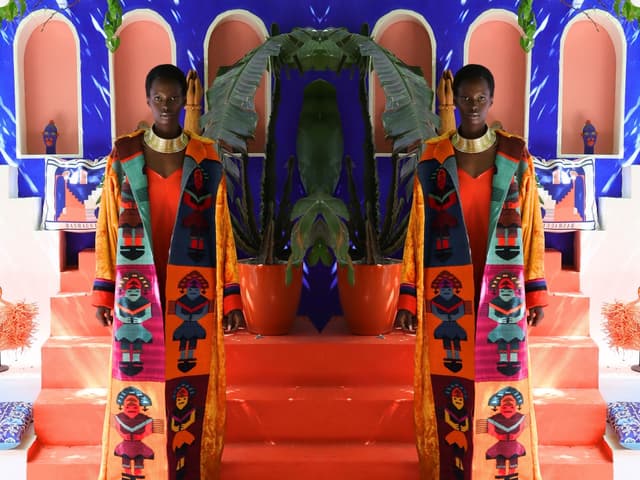
BASHAQUES' is a Turkish wearable art label, founded in Istanbul and Alaçatı in 2014 by designer and visual storyteller Başak Cankeş. Born in Izmir, she holds a Master of Fine Arts and took courses at Central Saint Martins. After presenting her collections at Mercedes-Benz Fashion Week Istanbul, she left the conventional catwalk system to pioneer theatrical fashion performances that blend fashion with illustration, performance and storytelling. The label makes wearable art pieces such as jackets, coats, dresses and statement garments, all with her own patterns, from collections including Golden Age, The Truth and Funeral of Love. It has also created traditional Turkish quilts with silk-printed miniatures, surrealist hand-painted Turkish hammam slippers and costume designs. Every piece is made in Turkey, using materials such as alpaca wool, sheep wool, cotton and leather. Cankeş staged Turkey's first one-hour ticketed fashion performance, The Truth, and in 2023 created the immersive Medusa's Scream at Istanbul's Basilica Cistern. Her accolades include the Mediterranean Fashion Prize in Marseille and recognition from the Centre for Fashion Enterprise in the UK. The independent label sells through gallery-showroom stores in Alaçatı and Istanbul.

Chidiyaa featured image

Chidiyaa

India · Est. 2015 · Affordable

Chidiyaa is an Indian handmade, sustainable clothing label for women, founded in Pune in 2015 by Pooja Rajput. An engineer by training, Rajput left a corporate career to follow her love of sarees, art and traditional craft, and named the brand after the house sparrow. She designs every collection herself, favouring minimal, understated motifs, natural fabrics and a slow-fashion pace. Chidiyaa is best known for hand block printed cotton sarees and handwoven linen zari sarees, alongside blouses, kurtis, kurta sets, dresses and tops. Pieces such as the Afternoon Nap saree, the Aparna Block Printed Cotton Kurta and the Arika Mashru Silk Blouse show its mix of print and weave. Everything is made in India. The brand began with Rajput sourcing fabrics and artisan work directly from villages, and it still works with artisan communities across India, including hand block printers and handloom weavers in West Bengal. Its fabrics are mainly cotton, linen and mashru silk, and it uses traditional prints such as ajrak. Chidiyaa has grown into one of India's well-known online saree labels and has been profiled by YourStory and The Indian Express.

Burel Factory featured image

Burel Factory

Portugal · Est. 2010 · Mid-range

Burel Factory is a Portuguese sustainable wool label, founded in Manteigas in 2010 by Isabel Costa and João Tomás. While building their mountain hotel, Casa das Penhas Douradas, the pair went looking for burel, the coarse felted wool cloth of the Serra da Estrela, and found the Lanifícios Império mill facing insolvency. They restored and bought the factory to save its workers and their knowledge, keeping its 19th-century machines and adding colour to a fabric that had only come in natural wool shades. The brand makes coats, jackets, blazers, sweaters, skirts, trousers, dresses and T-shirts, along with burel fabric, blankets, cushions, acoustic wall panels, bags and shoes. Pieces include the Canadiana Xadrez, the Sobretudo Cocoon, the Blazer Príncipe de Gales, the Camisola Tradicional and the Capa Pastor. Everything is made at the restored mill in Manteigas, where veteran loom masters train younger weavers. It uses wool from Bordaleira and Churra sheep grazing in the Serra da Estrela, plus Portuguese Merino from the Alentejo, and follows a strict zero-waste policy. Burel Factory has stores in Lisbon's Chiado and in Porto, and in 2021 it also bought a historic wool processing factory in Covilhã.

Botanica Workshop featured image

Botanica Workshop

USA · Est. 2014 · Affordable

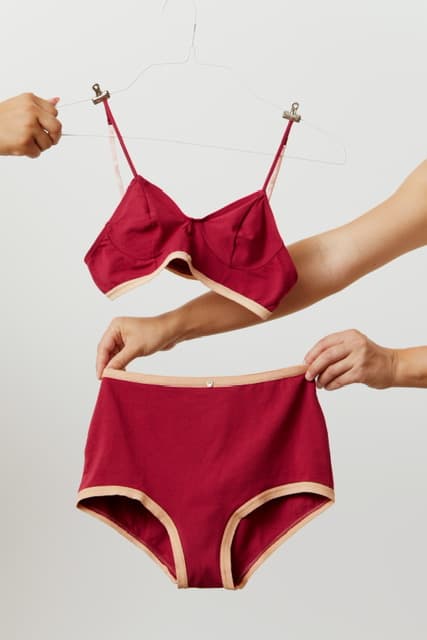
Botanica Workshop is an American organic lingerie and loungewear label for women, founded in Los Angeles in 2014 by Misa Miyagawa. Born and raised in Silver Lake, Miyagawa studied fashion design at Parsons in New York and Central Saint Martins in London, and started the brand from a need for responsibly produced intimates with a designer aesthetic and quality to match. The name joins Botanica, for its ecologically minded use of materials, with Workshop, for the experiential nature of designing and producing handcrafted goods. The collection has grown from bralettes and briefs into everyday essentials, including the Aya Bralette, Astra Hi-Waist Brief and Lila Bikini Brief, camisoles, slip dresses and loungewear. Pieces are made in the USA, in small runs produced in Los Angeles with local artisans and technicians. Each collection is approached with the sensibility of a ready-to-wear wardrobe and the handcrafted feel and technical construction of vintage undergarments. The label uses organic cotton, stretch silk and recycled and upcycled materials. Botanica Workshop has been featured by The Wall Street Journal, Who What Wear, Vogue.com and Racked LA, and collaborated with artist Amelia Giller on a lookbook.

La' Agra featured image

La' Agra

USA · Est. 2022 · Luxury

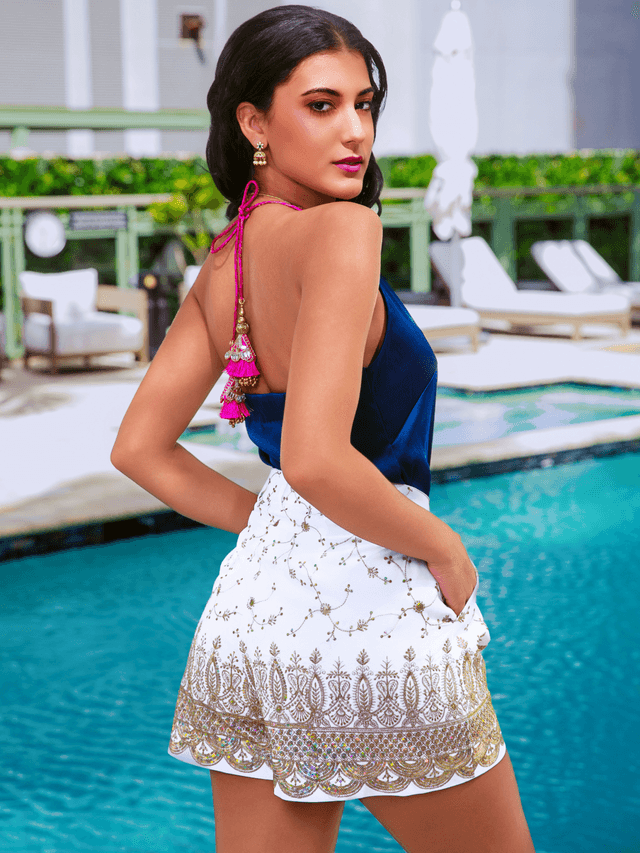
La' Agra is an American designer label for women, founded in Miami in 2022 by Rekha Ananthanpillai. The daughter of Indian immigrants, Ananthanpillai grew up just outside Washington, D.C., and started the brand after finding the market split between modern Indian clothing made only for the Indian community and Western labels using South Asian prints without real connection or respect. Her aim is to make South Asian fashion accessible and approachable to women of all ethnicities. La' Agra first launched with cocktail dresses that highlighted South Asian prints and traditional techniques such as pleating. The range now covers dresses, tops, skirts and jackets plus headbands, scarves and bags, including the Dolce Top, the Belle Skirt, the Mirage Dress, the Luminara Jacket and the Viviana Dress. Designs draw on tassels, brocades, embroidery, lace and other artisan details. Everything is made by skilled artisans in small batches in Dubai, using limited fabrics with no restocks, so pieces stay rare. The brand says its handcrafting methods minimise waste and that it supports artisan communities with fair wages. It also runs Behind the Thread, an interview series in which the founder talks about the craft behind each collection.

Jess Meany featured image

Jess Meany

USA · Est. 2019 · Mid-range

Jess Meany is an American upcycled designer clothing label for women, founded in Los Angeles in 2019 by Jess Meany. Meany started the brand after a 12-year career in textile development left her dreaming about how to love the materials that already exist on the planet. Her designs present layers of loved textiles with femme feelings, inspired by the dust of the West, the keepsake heritage of America and the picnics and pastimes of spring and summer. The collection features loosely tailored, low-impact pieces such as quilt coats, cropped coats, Laguna shirts, Olivia jackets, tops and skirts. Every piece is handmade in the USA, designed and sewn in the brand's Los Angeles studio. Most pieces are one-of-a-kind or limited, because Meany searches across the country for deadstock, vintage, obsolete and forgotten materials, from quilts and redwork embroidery to lace and organza. This upcycled, locally made approach keeps production small and sustainable. Jess Meany has been featured by Voyage LA and Sheesh Magazine, and the label is sold through Garmentory.

Can't find what you're looking for?

We add new sites every week but if you have a specific request, let us know.

About hand-crafted brands

How to Recognise Real Craftsmanship

Hand-crafted is not a protected term, so look for details that show how something was made. Good signs include information about the makers or workshops involved, the techniques used, such as hand weaving, hand stitching or hand engraving, and how long a piece takes to produce. Small variations in colour, texture or finish are usually part of the character rather than flaws. Hand-crafted brands should also explain care properly, since natural materials and traditional finishes often need a little more attention than mass-produced alternatives. Asking how a piece can be repaired is also a good test of a maker's confidence in their work.

The Value of Skilled Hands

Craft skills such as weaving, leatherwork, metalsmithing and embroidery take years to master, and many are passed down through families and communities. When you buy hand-crafted pieces, you help keep those skills alive and support the people who practise them. The finished products tend to be more durable and easier to repair, because they are built with care rather than speed. They also carry a sense of human touch that is hard to find elsewhere, making them pieces you are more likely to value, look after and keep for many years.

Frequently asked questions

What does hand-crafted mean?
Hand-crafted describes products made largely by skilled people using their hands and hand tools, rather than fully automated production. It often involves traditional techniques such as weaving, stitching, metalwork or leatherwork. Some machine help may be involved, but human skill drives the shape, finish and quality of the piece.
Is there a difference between hand-crafted and handmade?
The two are often used interchangeably. Hand-crafted tends to emphasise craftsmanship and the skill of an artisan, while handmade simply means made by hand. In practice, both describe items shaped by people rather than production lines, so the brand's own explanation of its process is the best guide.
Why do hand-crafted products cost more?
They take time, skill and often years of training to make well. Small production runs mean costs can't be spread across huge volumes, and fair pay for makers is part of the price. In return, you usually get a durable piece built with care and attention that mass production rarely matches.
Are small variations in hand-crafted items a flaw?
Usually not. Slight differences in stitching, colour, texture or shape are a natural result of handwork and part of what makes each piece unique. Brands should still meet a consistent standard of quality, so ask if you're unsure whether a particular mark is intentional.
How does buying hand-crafted support makers?
It helps keep traditional skills in use and gives artisans a living from their craft. Many techniques survive only because there's still demand for them. Brands that are open about who their makers are, and how they're paid, let you see how your purchase supports those people.
How are brands picked for this list of handcrafted brands?
From The Labels gives homegrown and emerging makers the visibility that large labels usually claim in search results. Brands register themselves and describe their artisans, techniques and workshops. They can have investors, but they can't be owned or acquired by a large corporation. Read each label's details to see how and by whom its pieces are made.
How should I care for hand-crafted pieces?
Follow the maker's care instructions closely, as natural materials and traditional finishes can be more delicate. Hand washing, gentle cleaning and proper storage go a long way. Many of the best handcrafted brands also offer repairs or advice, which helps a well-made piece last for many years.