#locally made

List of 450+ Locally Made Brands

Explore 450+ locally made brands producing fashion, beauty, swimwear and haircare close to where they are based. Locally made generally means products are designed and manufactured in the same country or region as the brand, which can mean shorter supply chains, closer oversight of production and support for local makers and economies. Clothing and beauty are the largest categories here, followed by swimwear, with a smaller haircare selection. Ideal for supporting the communities behind your purchases. Browse these locally made fashion and beauty brands side by side and find alternatives to goods shipped halfway around the world.

Tagged Brands

Lindsay Nicholas New York featured image

Lindsay Nicholas New York

USA · Est. 2015 · Mid-range

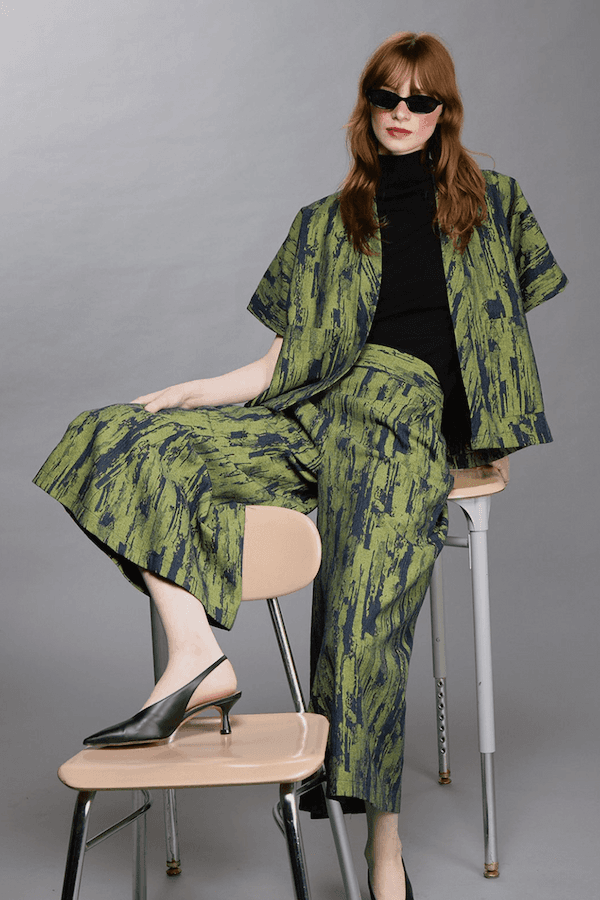
Lindsay Nicholas New York is an American designer label for women, founded in New York City in 2015 by Lindsay Nicholas. Known as LiNNY, the brand was born from its founder and creative director's wish for a wardrobe that moves seamlessly between professional and personal life, expressive yet polished and suited to a global lifestyle. A graduate of Parsons School of Design and the Fashion Institute of Technology, Nicholas reimagines classic silhouettes for the modern executive woman, with a focus on quiet confidence. The collections cover tops, blouses, shirts, sweaters, trousers, dresses, shorts, jackets and coats, plus bags and accessories. Pieces include the Lexington Avenue Jacket and Trouser, the Marcia Oversized Shirt, the Wellesley Sweater, the Tuxedo Dress and coats such as the Broadway and Sophie. Most garments are made in Melbourne, Australia, at a family-run manufacturer accredited by Ethical Clothing Australia, with a few pieces made in New York City. The brand designs seasonless pieces meant to be worn for many years and uses silk, wool, recycled polyester and some remnant fabrics. Beyond the collection, Nicholas hosts The Well-Dressed Mind, a podcast on style, ambition, reinvention and personal identity.
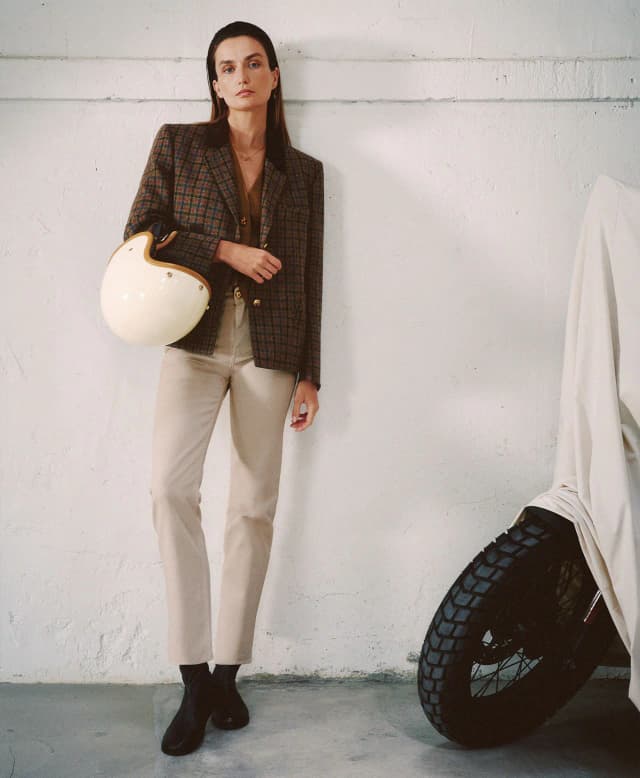
Blazé Milano featured image

Blazé Milano

Italy · Est. 2013 · Luxury

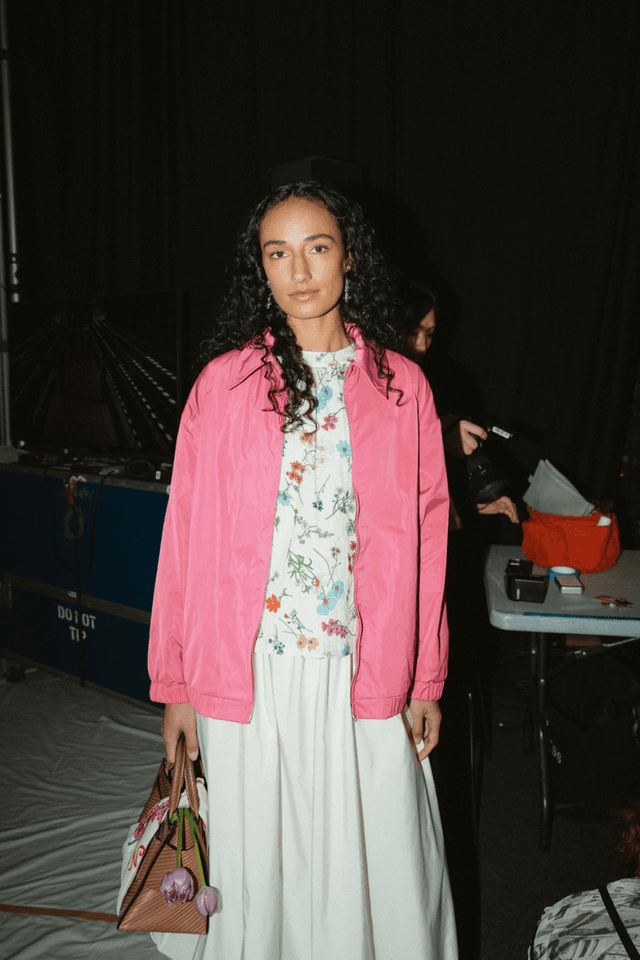
Blazé Milano is an Italian luxury tailoring label for women, founded in Milan in 2013 by Corrada Rodriguez d'Acri, Delfina Pinardi and Maria Sole Torlonia. The three stylists met through Elle Italia, and they have worked with international photographers, top designers and prestigious fashion houses. Drawing on their long experience in luxury fashion and a passion for haute couture, they set out to reinterpret the blazer for women who believe dignity and elegance are the foundations of their style. The label is best known for its tailored blazers, including the Everyday, Everynight and Charmer styles, many with its signature smiley-shaped pockets. It also makes knitwear like the Highland, Fox pants, Ara long skirts and leather jackets. Blazé Milano makes its pieces in Italy with Italian artisans. Its made-to-order service, BLAZÉ Atelier, creates personalised blazers with horsehair half-canvas construction, silk linings, hand-sewn buttonholes and fabrics from prestigious mills, and it holds dedicated trunk shows. The label is led by its three co-founders, with Rodriguez d'Acri running creative and design, Pinardi communication and marketing, and Torlonia commercial and sales. It sells online, in its own stores and through stockists.

XíRENA featured image

XíRENA

USA · Est. 2013 · Mid-range

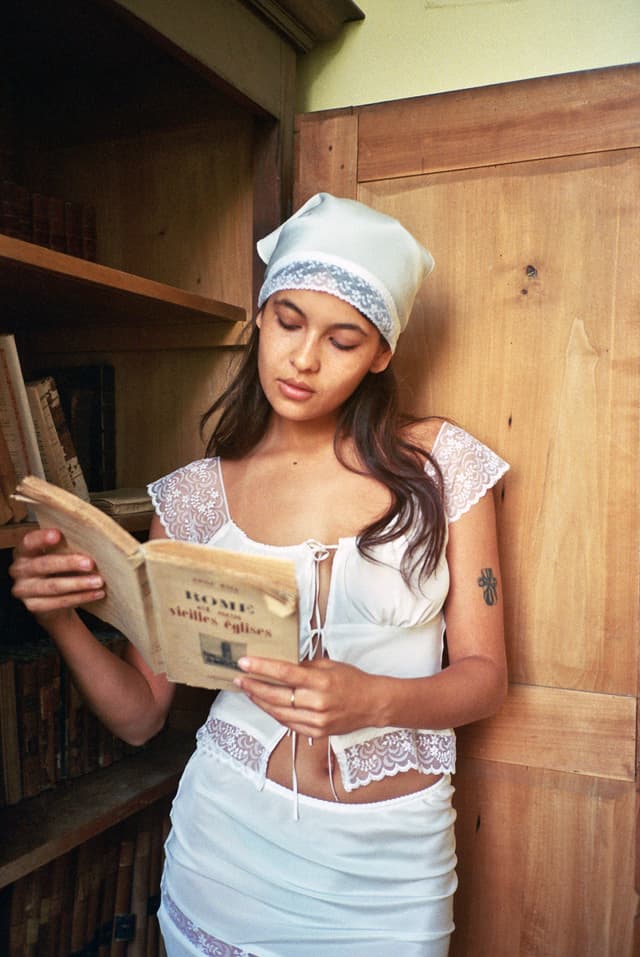
XíRENA is an American minimalist clothing label for women, founded in Los Angeles in 2013 by creative director Dierdre Roffoni with her husband Tony Graham. The couple are the fashion veterans behind Findings, the multi-brand showroom founded in 1989 that represents labels such as Isabel Marant and Ulla Johnson. Roffoni was inspired on holiday in Formentera, Spain, by local girls riding Vespas in white shirts, and the name comes from sirena, Spanish for mermaid. Xírena began with colourful cotton lingerie and then set out to make the perfect white shirt. Its signature Beau shirt, a relaxed cotton poplin button-down, sits alongside the Channing and Scout shirts, gauze dresses, knits, denim, swimwear and accessories. Most of the collection is made in the USA, in Los Angeles. The label's philosophy is clothes made to live in, with effortless, slightly rumpled cotton poplin, gauze, linen and silk. Its design and sample studio is in LA's Fashion District, and fabric for its printed lingerie has been sourced from upcycled material. Xírena is sold at more than 500 retail doors, including Merci in Paris and Fred Segal in Los Angeles, and opened its first store at Palisades Village.

Chillax featured image

Chillax

Turkey · Est. 2014 · Affordable

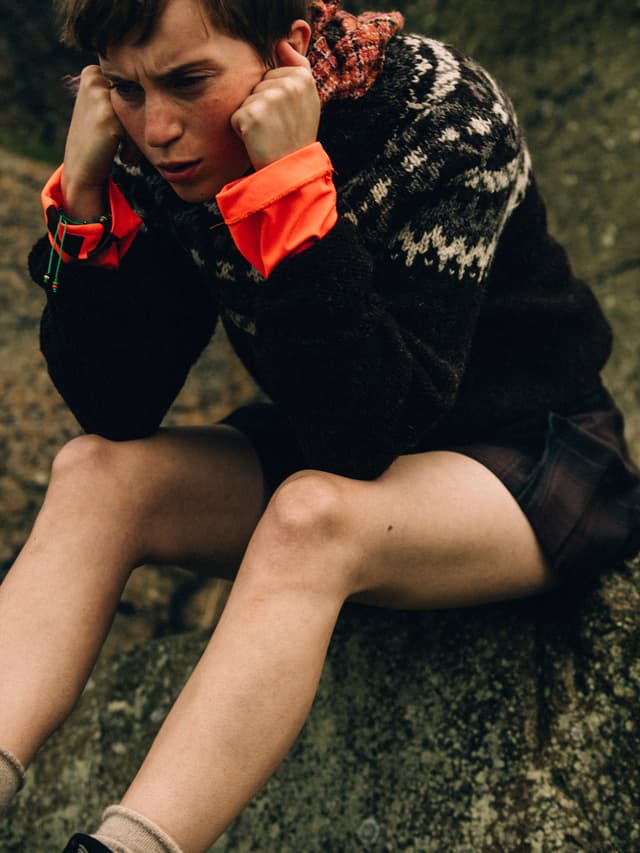
Chillax is a sustainable, handmade Turkish clothing label for women, founded in Istanbul in 2014 by Figen Ceken Bayraktar and Guvenc Bayraktar. A family business, the brand takes its name from chill and relax, reflecting its philosophy of enjoying every moment while feeling comfortable physically and mentally. It was born from a love of natural fabrics, an appreciation for handcraft and a desire to act with an environmentally conscious approach, believing women should not have to choose between fashion and the future. The collection centres on everyday resort wear, including kimonos, kaftans, maxi dresses, matching sets, tops and trousers, alongside crochet pieces, hats and bags. Clothing is made in Turkey, with every cut, stitch and fastening done by hand in limited editions. Chillax prefers deadstock fabrics such as cotton, viscose and linen, giving pre-existing fabric a new life. Tailors place patterns to minimise waste, and leftover fabric is upcycled into scrunchies, tops and shorts. A local workshop supports women collaborators in home-based production, and packaging is made from recyclable materials. Chillax sells its slow fashion pieces through its own online store and ships worldwide from Istanbul.

Maydi featured image

Maydi

Argentina · Est. 2014 · Luxury

Maydi is an Argentine designer knitwear label for women, founded in Buenos Aires in 2014 by María Abdala Zolezzi. A self-taught designer and the brand's creative director, she works to highlight Argentina's cultural and textile heritage. Maydi creates contemporary, handmade luxury knitwear that blends ancestral techniques with refined, modern design, guided by a vision of luxury that values depth over surface. The range includes sweaters, cardigans, capes, jackets, skirts and bodysuits, plus shawls, collars, scarves, hats, gloves and bags. Signature pieces include the Sweater Mar, the Campera Marino, the Falda Aronnax and the Capa Pacífico, and the label also offers made-to-measure pieces. Every piece is handmade in Argentina from local natural fibres such as merino wool, mohair, guanaco and espartillo. Maydi holds Wildlife Friendly certification, reflecting its aim of creating without causing harm to the environment and wildlife where its fibres come from. The label remains independent and is led by its founder from Buenos Aires. One recent collection explores our relationship with the sea, about moving forward with care and finding beauty beyond the obvious.

Payal Khandwala featured image

Payal Khandwala

India · Est. 2012 · Luxury

Payal Khandwala is an Indian designer, minimalist luxury clothing label for women, founded in Mumbai in 2012 by Payal Khandwala and Vikram Ramchandani. Born in Bombay in 1974, Khandwala grew up among painters and dressmakers and graduated with honours in Fine Arts and Illustration from Parsons School of Design in New York. She painted full time for a decade before showing at fashion week in 2012, and her husband Vikram now runs the business while she leads design. Known for colour-blocking, pleats and sculptural silhouettes, the label makes kurtas, shirts, tops, trousers, skirts, dresses, jumpsuits, jackets, capes and lehengas, plus dupattas and jewellery, with pieces such as the Pleated Kurta, the Pleated Kimono Cape and the Silk Brocade Lehenga. Everything is made in India. Its textiles are conceived at the source on its own looms in Benares and Bengal, woven by master weavers it has worked with from the start, and garments are hand-finished at its Colaba atelier. Pieces are limited in quantity and never on sale, because it believes the world needs better clothes, not more. Khandwala, a member of the Fashion Design Council of India, won Society magazine's Young Achievers Award for Fine Arts in 2007.

Kayleigh Peddie featured image

Kayleigh Peddie

Canada · Est. 2014 · Affordable

Kayleigh Peddie is a Canadian lingerie and swimwear label for women, founded in Montreal in 2014 by designer Kayleigh Peddie. She launched the label with handmade lingerie before adding swimwear, and every piece is still made in Montreal, in small-batch and made-to-order collections. Keeping production local and small allows the brand to avoid overproduction and to take custom orders. The swimwear is known for bold prints, with pieces such as the Sadie string bikini, the Link and Vero halter tops and swim thongs like the Len and Luna. The lingerie range includes the Robbi Picot bra and thong, the Game Bra and the Core thong, along with tank tops and multi-packs of thongs. Collections are released in small batches, and made-to-order pieces are sewn by hand once they are ordered rather than produced in bulk. Kayleigh Peddie is an independent brand owned and run by its founder and designer, and it sells through its own online store.

Rags2Riches featured image

Rags2Riches

Philippines · Est. 2007 · Affordable

Rags2Riches is a sustainable Filipino clothing and accessories label, founded in 2007 in Payatas, Quezon City, by Reese Fernandez-Ruiz with a group of young professionals. It began by working with community artisans who turned scrap fabric into rugs, helping them earn fairly from their skills, and has grown into a social enterprise known as R2R. R2R makes intentional, multi-way pieces such as the 4-Way A-Line Skirt and Convertible Terno Top, along with wrap skirts, vests, tops, shorts and dresses. It is also known for handbags like the Buslo, Pusô and Saranggola Bags, wallets, travel bags and home goods such as pillows, poufs and rugs. Everything is handmade in the Philippines by partner artisan communities. Its pieces are woven in the signature R2R weave from upcycled textiles, cotton and local fibres, combining design with traditional handcraft and fair pay for artisans. Fernandez-Ruiz received a Rolex Award for Enterprise as a Young Laureate in 2010 for her work with Rags2Riches, which remains an independent social enterprise working with artisan communities across the Philippines.

wol hide featured image

wol hide

USA · Est. 2015 · Mid-range

Wol Hide is an American sustainable knitwear and clothing label for women and men, founded in Philadelphia in 2015 by Leah D'Ambrosio. Raised in western Connecticut and trained in textile design, D'Ambrosio believed fashion could be done better, with empathy, quality and respect for everyone from farmers and mill workers to customers. The label is built on a love for materials in their natural state and on comfort that brings confidence and ease. Wol Hide is known for textural sweaters, cardigans and vests, such as the Box Bomber and Lattice Henley, along with its organic cotton Easy Collection of sweatpants, leggings and sweatshirts, plus hats. It is made in the USA and Peru: wool is spun in Virginia and knit in New York, cotton milled in the Carolinas is sewn in Pennsylvania, and some knits, including alpaca pieces, are hand-loomed in Peru. Its Field Fiber yarn blends Sally Fox's naturally coloured organic cotton with undyed Rambouillet wool, and it uses Texas Organic Cotton Co-Op cotton and RWS and Nativa Regen certified Shaniko merino, with minimal dyeing. Wol Hide has been featured by Philadelphia magazine and Suitcase, and is stocked by boutiques including MayerWasner and Vagabond.

ESSE Studios featured image

ESSE Studios

Australia · Est. 2017 · Luxury

ESSE Studios is an Australian designer, minimalist luxury clothing label for women, founded in Sydney in 2017 by Charlotte Hicks. Hicks built the label around slow-release capsule collections and conscious consumption, creating minimalist, considered pieces designed to be worn for years rather than seasons. The range includes dresses, tops, trousers, jackets, blazers and coats. Signature pieces include the Cartia Halter Dress, the Lume Dress, the Alto Drape Top, the Alto Trouser, the Portia Duo Blazer, the Taro Trench and the Bocla Teddy Coat. Much of the clothing is made in Sydney, with other pieces made in China and Italy. ESSE publishes a sustainability page covering its materials and production. It says about 95% of its fabrics are certified, works with local manufacturers in Sydney, and supports transparent supply-chain practices and local artisans. ESSE Studios won Australia's National Designer Award, as reported by WWD. It has a by-appointment ESSE Atelier in Paddington, Sydney, and has run pop-up stores, including one at Chatswood Chase in 2022.

Michel & Amazonka featured image

Michel & Amazonka

Mongolia · Est. 2015 · Mid-range

Michel & Amazonka is a Mongolian luxury designer clothing label for women and men, founded in Ulaanbaatar in 2015 by sisters Yanjindulam "Michel" Choigaalaa and Nyamkhand "Amazonka" Choigaalaa. The fashion house is led by their third sister, CEO Munkhjargal Choigaalaa, and is known for "prêt-à-couture" that reinterprets traditional Mongolian garments such as the deel. Its collections include evening gowns, couture bridal pieces, bespoke designs and limited ready-to-wear lines for women and men, as well as kids' clothing, gifts and home items. Everything is made in Mongolia, using techniques such as hand embroidery and appliqué. The designs combine symbolic Mongolian details, such as archer's sleeves, birds, mountains and the Nine White Banners, with European-inspired silhouettes, using cashmere, wool, silk and cotton. From the outset the brand has committed to becoming one of the first sustainable fashion houses in the region. Michel & Amazonka designed Team Mongolia's uniforms for the Tokyo 2020 Olympics, and its flag-bearer uniforms for Beijing 2022 were selected for the Olympic Museum. Its deel-inspired Paris 2024 Olympic uniforms went viral worldwide, drawing coverage from Dazed and WWD, and the brand was profiled by Forbes in 2019.

Saint Siena featured image

Saint Siena

South Africa · Affordable

Saint Siena is a South African designer clothing label for women, based in Cape Town. The brand grew out of its founder's lifelong love of clothing, which the founder says is in their blood, but its website does not publicly name the founder or launch year. Its mission is refined, timeless clothing that empowers self-expression through simplicity, designed so women feel beautiful, confident and excited to wear something special. The collection covers tees, tanks, tops, shorts, pants, dresses and knitwear, plus its own jewellery and sunglasses. Signature pieces include the Casey Drawstring Pants, the Casey Trousers, the Frankie Balloon Pants, the Ava Tee Top, the Adriana Wrap Top and the Amelia Smock Dress. Most styles are made in Cape Town, supporting local production and craftsmanship. The label focuses on fit, quality and feel, using mostly natural fabrics that are kind to the skin and the environment and made to last. Alongside its in-house label, Saint Siena's store curates pieces from other South African brands, including Sunny The Label, Sitting Pretty, Julz Shoes, Cape Island and Nguni Menswear.

MEGEST 1994 featured image

MEGEST 1994

USA · Est. 1994 · Mid-range

MEG is an American designer clothing label for women, founded in New York's East Village in 1994 by Meghan Kinney. Growing up around her mother's and grandmother's stores, Kinney designed her first garment at 14 and moved to New York at 17 to attend the Fashion Institute of Technology. After working alongside designers including Byron Lars, Christian Francis Roth and Randolph Duke, she launched MEG as a wholesale collection for independent boutiques, built on the belief that women should not have to choose between looking incredible and feeling comfortable. The label designs dresses, tops, trousers, knitwear and outerwear that move from work to weekends, travel and dinner, including its MEG Movement line. Collections are designed in Brooklyn and produced in small batches primarily in North America, in New York and Canada. Long before sustainability became a trend, MEG produced locally and encouraged customers to buy less but better. Its MEG Archive takes back previously loved pieces for store credit and resells them, donating 20% of Archive sales to Planned Parenthood. MEG opened its first boutique in the East Village in 1996, has grown to stores in Manhattan, Brooklyn and Toronto, and remains proudly independent.

Kamperett featured image

Kamperett

USA · Est. 2015 · Luxury

Kamperett is an American luxury womenswear label, founded in San Francisco in 2015 by Anna Chiu and Valerie Santillo. The name blends their mothers' maiden names. Chiu previously worked at Ksubi and Santillo is a former Cynthia Rowley designer, and together they built a collection focused on quality fabric, refined tailoring and timeless design for the modern, discerning woman. Styled KAMPERETT, the label is known for romantic, refined dresses, especially sheer silk organza pieces with considered details. Its dresses include the Metronome Gown and Midi, the Agnes and Caroline slip dresses and the Adelaide Midi, with gowns such as the Glissade and Ines. It also makes the Anemoia Blouse, Alix silk crepe pants, the Orere Blazer, Orra swimwear, basics, outerwear, wedding dresses and bridal accessories such as veils. Kamperett takes an intentional approach to sustainability, with every piece designed and made in California. It works with high-quality fabrics such as silk organza and silk crepe, and says all its deliveries are carbon neutral. The independent brand is owned and run by its co-founders and has a flagship at 3686 20th Street in San Francisco's Mission District, open by appointment, as well as other retailers.

Vega Lucia featured image

Vega Lucia

USA · Mid-range

Vega Lucia is a sustainable, handmade clothing label for women, founded in the Florida Keys by designer Taylor Albury. Each piece starts with a fabric she can't stop thinking about and is made slowly, one at a time, in her small studio in Florida. The label's relaxed, coastal style is inspired by life in the Keys. The range includes skirts, tops, boleros and dresses, and Vega Lucia also offers alterations. Pieces have included the Buttonwood Midi Skirt, the Drift Wrap Skirt, the Birch Bolero, the Gold Lace Halter Top and the Seaside Scarf Dress. Every piece is made from thrifted, vintage or reclaimed materials, so most designs are one of one and cannot be repeated. This upcycled approach keeps existing fabrics in use and gives each garment its own character. Vega Lucia is a small, independent label owned by its founder, and it sells its pieces online. The brand and the story behind it have been featured in the Florida Keys Free Press.

R

Revivall

USA · Est. 2008 · Mid-range

Revivall is a sustainable, handmade clothing label for women, founded in Bozeman in 2008 by Laura Lee Laroux. After seeing the scale of waste in New York's fashion industry in the early 2000s, Laura vowed to use recycled materials in her creations, and she has been upcycling ever since. Revivall describes itself as a slow fashion lifestyle brand encouraging the revival of a simpler way of life through responsibly sourced, folk-inspired goods. The label makes modern homestead clothing with a vintage, prairie feel: skirts, pinafores, dresses, tops and vintage-style petticoats. Recent pieces include the White Bear Skirt, the Cotton Prairie Skirt, the Long Wool Pinafore and the Vintage-Style White Cotton Petticoat. Its approach rests on three pillars: responsible sourcing, zero-ish waste and local making. Products are made from recycled materials and deadstock fabrics, keeping hundreds of bolts of fabric out of landfill each year, and even small scraps are turned into new pieces. Everything is handmade in the USA by a team of independent seamstresses. Revivall is women-owned and operated, and it sells mainly through its own online store.

Adroit Atelier featured image

Adroit Atelier

Canada · Est. 2020 · Mid-range

Adroit Atelier is a Canadian designer clothing label for women, founded in Montreal in 2020 by Christine Larente. Styled Adrøit Atelier, the brand epitomises contemporary women's fashion for a confident, worldly woman who is resourceful, clever and ingenious, with a relaxed femininity and a subtly sexy, casually elegant look. Its collection is built on interchangeability, with clothing crafted to be effortlessly mixed and matched to maximise the value of every piece in a wardrobe. Outerwear is at the heart of the range, from the Polly long faux fur coat and the Dallas moto vegan leather jacket to the Bennett double-breasted wool blend coat, trench coats and the Chelsea hooded raincoat. It also offers blazers, blouses, shirts, skirts, trousers, knits and a collection of coats for dogs. Its styles are proudly made in Canada. The brand supports local craftsmanship and the Canadian fashion industry, while working with trusted overseas experts for high-quality materials and workmanship. Its designs are made to transition from day to night and from casual outings to formal events. Adroit Atelier sells online in English and French and is stocked by boutiques including Gallery Couture and Carriage Trade.

twenty-seven names featured image

twenty-seven names

New Zealand · Est. 2006 · Mid-range

twenty-seven names is a New Zealand designer label for women, founded in Wellington in 2006 by Rachel Easting and Anjali Burnett. The two have been friends since they met at Karori Normal Primary School in Wellington, where Rachel introduced Anjali to her family's art books, and that love of art still shapes the label's playful, feminine clothing with a quirky, artful edge. The range includes tops, knit polos, dresses, skirts, trousers, jackets, coats and accessories. Signature pieces include the Alchemist Polo, the Eliza long-sleeved polo, the Connections tee, the Anderson, Capulet and Esoteric dresses, the Step into my office jacket and the A Cat May Look at a Queen jacket. twenty-seven names makes its clothing in New Zealand so that the people who make it enjoy the same protections as those who wear it. It favours natural fibres such as silk, cotton and merino wool and sources most of its plain fabrics from deadstock. The label remains independent and is run by its two co-founders from Wellington.

SALT Attire featured image

SALT Attire

India · Est. 2016 · Affordable

SALT Attire is an Indian workwear label for women, founded in Gurugram in 2016 by Dipti Tolani. Tolani, who had worked in New York as a financial risk consultant, launched the brand in July 2016 after struggling to find well-made workwear in India. SALT Attire calls itself India's first business casuals brand for women, offering what it calls 9to9 clothing that takes women from desk to dinner. The brand makes formals, semi-formals and business casuals, with fits perfected over time for Indian body types. Its range includes tops, shirts, dresses, pants, skirts, blazers and co-ord sets, such as the Avelin Belted Shirt Dress, the Agnes Longline Rib Knit Dress, the Andorra Front Pleat Top, the Emily High Rise Flared Trouser, the Berlin Single Breasted Blazer and blazer-and-pant sets like Editor on the Move. SALT Attire makes all of its garments in-house in its own workshop in India, and it offers alterations and bespoke tailoring so customers can get the right fit. Its staples are designed to last. SALT Attire is led by Tolani as founder and CEO, and it sells online and through stores in Delhi and Mumbai.

Le Petit Trou featured image

Le Petit Trou

Poland · Est. 2014 · Mid-range

Le Petit Trou is a Polish lingerie and designer label for women, founded in Warsaw in 2014 by Zuzanna Kuczyńska. Kuczyńska came up with the idea while working as a stylist, and her Warsaw apartment served as the brand's first showroom. What began as lingerie has grown into a full women's ready-to-wear collection that the brand says is designed to create an extraordinary everyday. The lingerie includes signature briefs and soft bras such as the Chocolat, Pavot and Madonna styles, along with loungewear. Its clothing covers tops, shirts, skirts, trousers, jeans, jackets and coats, with pieces such as organic cotton ruffle-hem styles, the Maxime corduroy shirt, the Thierry denim dungarees and LUCAS jeans, plus leather boots, pumps and bags. Products are made in Poland, where the brand works with women-led sewing companies and restocks monthly to avoid overproduction. It uses natural materials such as linen and cotton alongside recycled polyester, and ships orders in compostable mailers. Le Petit Trou is majority-owned by Kuczyńska and has its design studio and flagship store in Warsaw, selling online internationally.

Amrich featured image

Amrich

India · Est. 2011 · Luxury

Amrich is an Indian designer, handmade luxury clothing label for women, founded in New Delhi in 2011 by Richard Pandav and Amit Vijaya. The textile and clothing label is a labour of love for the two designers, both graduates of the National Institute of Design in Ahmedabad, who draw on their long engagement with Indian handlooms and craft traditions. It was conceived as a statement on the luxury of the handmade and the richness of Indian artisanship. The label offers chic separates, including shirts, tops, tunics, dresses, trousers, jackets, coats and overlays, with pieces such as the Alina Dress, the Diana Dress, the Charli Shirt, the Alize Tunic, the Juna Trousers, the Aviva Jacket and the Mehri Coat. Everything is made in India. Amrich's signature techniques are shibori and other resist dyeing, hand block printing and hand-weaving, using hand-crafted natural textiles. It focuses on smaller-batch production, treating each piece as a work of art. Its collections often begin with an artistic idea; the AW 2021/22 Colour Play collection was inspired by the light paintings of artist Stephen Knapp. It has its own store in Sujan Singh Park, New Delhi.

SIZ featured image

SIZ

Portugal · Est. 2016 · Mid-range

SIZ is an ethical, sustainable European designer clothing label for women, founded in Sesimbra, Portugal in 2016 by twin sisters Raquel Rodrigues and Sofia Rodrigues. The sisters studied fashion together at the University of Lisbon's Faculty of Architecture and launched the brand after their internships, wanting to prove that sustainable fashion could be creative, colourful and fun. Its style pairs "clean and crafty" in an urban, casual look. The collection includes dresses, tops, shirts, trousers, skirts, jackets, jumpsuits and coordinated sets. Signature pieces include striped sets introduced in 2020 and a thin-strap summer dress reinterpreted every year. Garments are made in Portugal: the sisters design, make patterns, cut and sew in their Sesimbra atelier, working with local seamstresses in small batches produced to the rhythm of sales. Each yearly collection is built around an environmental or social cause, from climate change to ocean pollution and overconsumption. Much of the clothing uses deadstock fabrics, with organic and natural fibres used when deadstock runs short, while a take-back programme keeps garments out of landfill. SIZ has been profiled by the Portuguese magazine NiT and A Sustainable Closet, and in 2026 opened a two-month pop-up in Lisbon.

MaisonCléo featured image

MaisonCléo

France · Est. 2016 · Mid-range

MaisonCléo is a French designer label for women, founded in Calais in 2016 by Marie Dewet and her mother, Nathalie, who sewed the brand's first garments. The mother-daughter label makes romantic, feminine clothing by hand and to order, with a focus on silk dresses and blouses trimmed with Calais lace. The range includes dresses, blouses, skirts, cardigans, coats, bridal pieces and accessories. Every piece is handmade to order in its studio-atelier in the north of France, and any design can be made to measure. Signature pieces include the Madeleine silk dress with a Calais lace train, the Isaure muslin silk dress, the Constance silk blouse, the Javotte flared silk skirt, the Ramona lace cardigan and the Berthe organza veil. MaisonCléo uses only leftover fabrics from French couture houses and factories, such as silk and Calais lace. It is also transparent about how each garment is made, sharing details such as fabric costs and making time. The brand remains independent and run by Marie Dewet, and it has created exclusive pieces for Net-a-Porter, Selfridges and Printemps.

Le Kilt featured image

Le Kilt

UK · Est. 2014 · Luxury

Le Kilt is a Scottish designer label for women, founded in Edinburgh in 2014 by Samantha McCoach. Born and raised in Leith and trained at the Royal College of Art in London, McCoach explores the origins and meaning of garments, reframing Scottish tradition for a modern audience that wants a connection with its clothes. Her grandmother Lena, a kilt-maker, helped her make the first samples. The label is best known for contemporary kilts, which it sees as a blank canvas for self-expression, alongside knitwear and other wardrobe classics. The range includes kilts, mini dresses, wrap skirts, cardigans, crew necks, knitted tanks and Aran vests, plus scarves and sterling silver kilt pins. Signature pieces include the 01 Classic Kilt, the Midi Kilt, the Hand Knitted Aran Vest and the Merino Guernsey. Le Kilt is made in Scotland by expert craftspeople at a handful of small British manufacturers. It mainly uses wool, including Scottish tartans and tweeds, plus cashmere and lambswool. The label remains a small, independent business led by its founder, rooted in both the Scottish Highlands and city life.

Can't find what you're looking for?

We add new sites every week but if you have a specific request, let us know.

About locally made brands

Checking Where Products Are Really Made

Locally made can mean different things, from a single workshop in one town to production somewhere within a country, so look for specifics. The most useful brands name the city, region or workshops they work with and explain which stages happen locally, since design, materials and manufacturing can all take place in different places. 'Designed in' is not the same as 'made in'. Consumer protection rules in many countries prohibit misleading origin claims, so a clear 'made in' statement carries more weight than vague wording. Some brands also publish a list of their makers, which is a helpful extra check.

The Benefits of Making Close to Home

Producing closer to where a brand is based often means shorter supply chains, fewer transport miles and closer relationships with the people making each product. It allows locally made brands to keep a close eye on quality and working conditions, and to respond quickly when they need to adjust designs or quantities. Buying from them also supports local jobs, skills and economies. For shoppers, it can be easier to learn how and where things are made, which builds a stronger connection between you and what you wear and use.

Frequently asked questions

What does locally made mean?
Locally made generally means a product is designed and manufactured in the same country or region where the brand is based. Some brands define local very narrowly, such as a single town or workshop, while others mean anywhere within a country, so it's worth checking exactly what each one means.
What's the difference between designed in and made in?
Designed in tells you where the creative work happened, while made in tells you where the product was actually manufactured. A label saying designed in one city may still be produced on another continent. If local production matters to you, look specifically for a made-in claim.
Why choose locally made products?
Making things closer to home can mean shorter supply chains, fewer transport miles and closer oversight of quality and working conditions. It also supports local jobs and skills. For shoppers, it's often easier to learn how and where a product was made, and sometimes to visit the makers themselves.
Is locally made always more sustainable?
Not automatically. Transport is only one part of a product's footprint, and materials, energy use and manufacturing methods matter too. A locally made item using high-impact materials may not beat a well-made import. Locally made is a strong starting point, though, especially when combined with good materials and durable design.
Does locally made mean the materials are local too?
Not always. A garment may be cut and sewn locally from fabric produced elsewhere, or a skincare product made locally with imported ingredients. Brands that explain where both materials and manufacturing take place give the fullest picture of their supply chain.
How is this list of locally made brands put together?
From The Labels was built so that smaller labels aren't buried beneath big brands in search results. Homegrown and emerging brands register themselves and explain where and how they make their products. Investor support is allowed, but corporate ownership or acquisition rules a brand out. Check each label's details to see which production steps happen close to home.
How can I find locally made brands near me?
Many brands say where they're based and where they manufacture on their about or product pages. Browsing the best locally made brands and checking those details is a good way to find makers close to you, or in a region whose crafts and traditions you'd like to support.