List of 550+ Mid-Range Brands – Page 4

Brands 73–96 of 599. Back to page 1 · Browse brands A–Z

Brands

599 brands

Laman featured image

Laman

Afghanistan · Est. 2015 · Mid-range

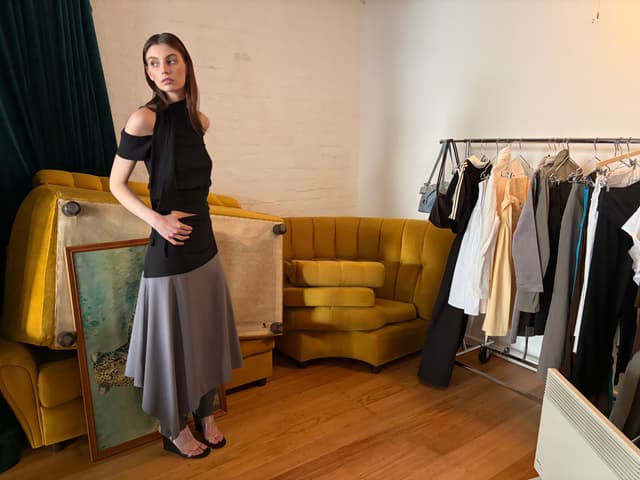
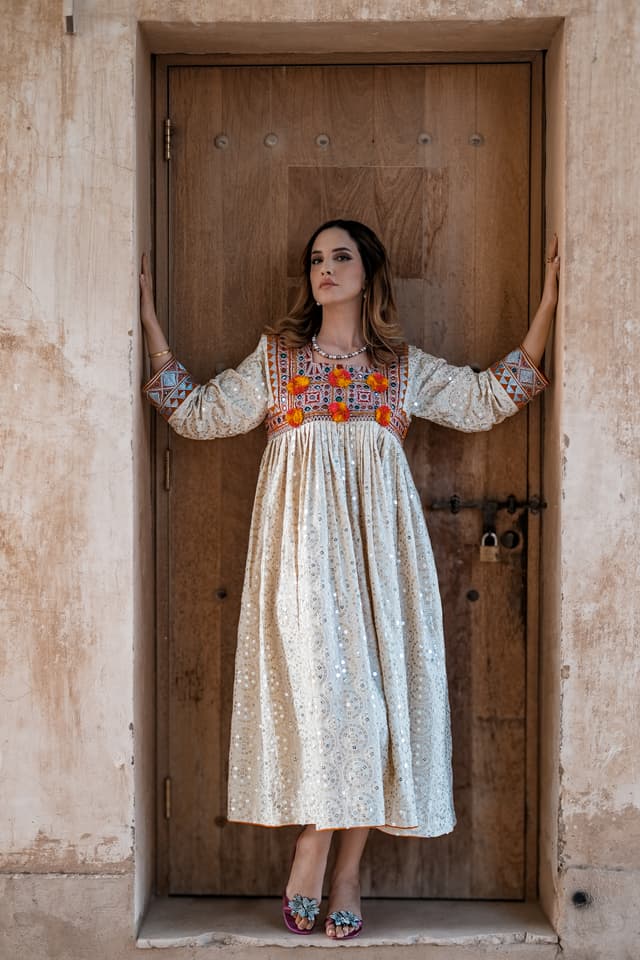
Laman is an Afghan designer label for women, founded in Afghanistan in 2015 by Rahiba Rahimi, her brother Haseeb Rahimi and Khalid Wardak. Rahiba leads the brand as creative director. Laman creates one-of-a-kind pieces that blend Western styles with traditional Afghan elements, introducing a fresh perspective on Afghan fashion to the modern world. The range focuses on embroidered dresses and chapan coats. Signature pieces include the Desert Pearl Mirrorwork Dress, the Hand-embroidery Nooristani Woven Jewels Dress, the Balouchi Embroidered Flower Pattern Dress and the Ikat Print Chapan, many of them using hand embroidery, mirrorwork and vintage textiles. Every piece is handcrafted in Afghanistan, mainly by women artisans who have inherited their embroidery skills over generations. Laman rediscovers almost forgotten traditional crafts and combines them with contemporary designs, supporting local artisans while aiming to preserve and rejuvenate Afghanistan's cultural heritage. Laman remains an independent brand owned by its founders, and it sells its collections online to customers around the world.

Knickerbocker featured image

Knickerbocker

USA · Est. 2013 · Mid-range

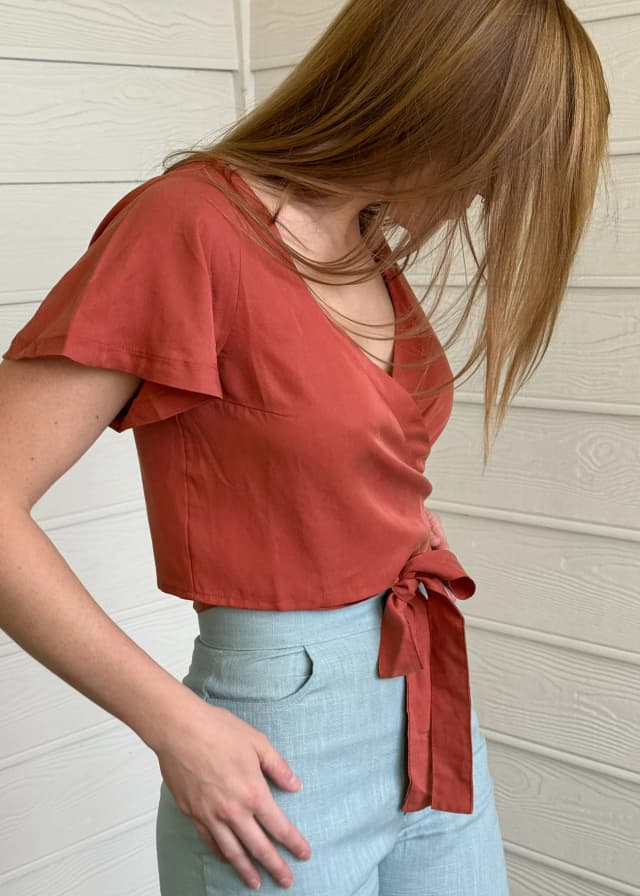
Knickerbocker is an American designer clothing label for men, founded in New York in 2013 by Andrew Livingston. Livingston had been making hats with a 60-year-old factory on the border of Brooklyn and Queens when the owner offered to sell him the space. Funded by a Kickstarter campaign, he and friends Daniel McRorie and Kyle Mosholder set up Knickerbocker Manufacturing Co. there, making clothing for other labels while building their own. The collection blends classic American style with workwear, military and outdoor references, covering shirts such as the Pacific Corduroy Shirt, Miles pleated trousers and suit jackets, Harbor Twill Pants, coats, knitwear, tees, sweatshirts, K102 jeans and caps. After closing the New York factory in 2018, Livingston moved most production to family-owned mills and factories in Northern Portugal. Watch caps are still made in the USA and alpaca sweaters in Peru, with fabrics sourced from Japan and Europe. Pieces use mainly cotton and wool, and its manufacturing partners hold certifications including GOTS, OCS, GRS and OEKO-TEX Standard 100. In 2021 Knickerbocker opened its flagship store on Canal and Wooster Street in Soho, and it also has a store in Melbourne.

Aniela Parys featured image

Aniela Parys

Spain · Mid-range

Aniela Parys is a Spanish lingerie and swimwear label for women, started in Portland, Oregon, by designer Aniela Parys and now based in Barcelona. Growing up in Oregon, Parys learned early about how detrimental the fashion industry can be to communities and the environment, and she created the label as an alternative to the exploitative nature of fast fashion. She began working on the brand while living in Portland and launched it after moving to Spain in March 2015, and she describes it as an independent project. The label makes handmade, small-batch clothing, swimwear and lingerie, along with one-of-a-kind pieces and objects. Lingerie includes the Amara Lace Bralette Top, Suau Bralette and Suri Knickers, and swimwear includes the Marina One Piece and the Juno and Zeus sets. It also makes waffle jackets and trousers, the Cliona Cardigan and one-of-a-kind Tablecloth Dresses. Its capsule collections are handmade in small batches in its Barcelona studio, using deadstock fabric rescued from Barcelona factories, GOTS-certified organic cotton, linen, TENCEL and ECONYL regenerated nylon, plus plant-based dyes. Aniela Parys collaborates with artists on each collection and runs lingerie-making workshops.

Cúbreme featured image

Cúbreme

Argentina · Est. 2004 · Mid-range

Cúbreme is an Argentine sustainable designer label for knitwear and clothing, founded in Buenos Aires in 2004 by designer Alejandra Gottelli. The brand makes purist, genderless pieces from natural fibres, aiming to offer a kinder, more sustainable way of producing clothing with a focus on wildlife conservation. Its work brings together traditional crafts, manual skill, care for detail and forward-looking design. The range includes coats, shirts, knitwear, berets, hats, mittens and socks, plus baby knits, bags and home goods. Signature pieces include the Cuervo maxi coat, the Gabán Arthur, the Estepa Largo coat, the Boina Beret and the Medias Kei. Cúbreme is made in Argentina: its knits are made on manual machines and its coats by Argentine tailors. It uses Patagonian merino wool, llama fibre from northern Argentina, organic linen and organic cotton. The label works actively with WCS Argentina and the Wildlife Friendly Enterprise Network on holistic sheep and goat farming that follows strict standards for conserving the flora and fauna of Patagonia. Cúbreme remains independent and founder-led, selling its collections online.

Named Collective featured image

Named Collective

UK · Est. 2017 · Mid-range

Named Collective is a British designer streetwear label for men and women, founded in London in 2017 by Georgie and Sam. The brand began as Georgie's bedroom project customising second-hand clothing, which she started at 15. When demand grew beyond what she could handle alone, Sam left his job to join her as co-founder, and together they turned it into an independent East London leisurewear label. Its mission is simple: to redefine leisurewear for a new generation. The gender-neutral range covers hoodies, sweatpants, tops, shorts, bikinis, underwear, activewear and outerwear, known for rhinestone embellishment and maximalist graphics. Signature pieces include the Dusk Rhinestone Zip Hoodie, the Chains Sweatpants, the Cryptic Rhinestone Tank Top, the Feral Faux Fur Reversible Bomber Jacket, Named Classics logo underwear and the Nth Active range. Clothing is listed as made in the UK. The label releases limited-run drops rather than mass collections and describes itself as co-creating the future of leisurewear with the community at its core. Named Collective has been featured by Clash magazine, New Wave Magazine and LDNFASHION, and it calls itself a brand, a community and a revolution.

Marcela London featured image

Marcela London

UK · Mid-range

Marcela London is a minimalist womenswear label based in London, where it runs as an online studio; the brand does not publicly name its founder or founding year. Its focus is on elevated everyday basics with modern cuts and fluid silhouettes, made for a clean and understated wardrobe. Drawing inspiration from the contemporary woman's lifestyle, Marcela London designs pieces that blend functionality and simplicity. Each item is meant to complement the next, so a polished daily outfit comes together with minimal effort, an approach the brand describes as luxury basics. The range includes coats, jackets, blazers, knitwear, dresses, tops, trousers and skirts. Signature pieces include the Fraye Funnel Neck Trench, the Neve Cocoon Coat, the Meo Wool Cape Jacket, the Leesa Cashmere Blend Wrap Jacket, the Soléne Silk Button Top, the Shay Sleeveless Turtleneck and the Kenza Wool Silk Trousers. Marcela London works with quality fabrics such as wool, cashmere blends, silk, cotton and Tencel. The brand does not publicly state where its pieces are made. It sells directly through its own online store, which also takes preorders on selected styles.

Chula Fashion featured image

Chula Fashion

Vietnam · Est. 2005 · Mid-range

Chula Fashion is a hand-painted womenswear label, founded in Hanoi in 2005 by Spanish designers Diego Cortizas and Laura Fontan. The couple met at university in Madrid, where Diego studied architecture and Laura political science, and in 2003 they left their jobs in Galicia for a sabbatical year in Hanoi. In Spanish, chula means beautiful in a bold, confident way, and the label's first skirts, painted with playful sketches, were sold at Ipa-Nema in Hanoi's Old Quarter. Today Chula makes gowns, dresses, tunics, blouses, shirts, boleros, coats, capes and trousers inspired by Asian cities and culture. Pieces include the Hanoian Gate Gown, the Countdown Gown, the Hoi An Lanterns Shirt, the Tokyo Chōchin Bolero and the Anaglyph Coat. Everything is made by hand at its atelier in Hanoi's Tây Hồ District. More than 70% of its artisans are women living with a disability, a commitment that began in 2006 when the founders hired their first tailor, Duong, through the NGO Hoa Sua. Chula also works textiles from Vietnam's Mông, Thái and Cơ Tu communities into patchwork jackets and kimonos, and it showed its first themed collection at the Vietnam Fine Arts Museum in 2007.

Folk Clothing featured image

Folk Clothing

UK · Est. 2002 · Mid-range

Folk is a British designer clothing label for men and women, founded in London in 2002 by Cathal McAteer. The brand describes McAteer as a restless creative and tireless wanderer who set out to create a relevant and charismatic clothing brand that makes cult classics rather than pop hits. Folk calls its clothing quietly stylish and enriched by subtle details, offering style without drama, and says its name implies something democratic, for everyone. The label makes shirts, trousers, jeans, outerwear, knitwear, T-shirts, sweatshirts, shorts, skirts and dresses. Signature pieces include the Curve Shirt and Soft Collar shirts, Assembly jackets, pants and shorts, Drawcord trousers and barrel leg jeans, along with knits such as the Assembly Crew Jumper, Rivet sweats and quilted gilets. Folk also collaborates with artists, musicians and writers on twice-yearly collections. Most of its own clothing is made in Portugal and India, with some pieces made in Italy, China and Scotland. Each season it works toward its sustainable production goals with organic cottons, recycled polyesters, natural trims and upcycled fabrics. Folk is independent and led by McAteer, with London stores in Shoreditch, Holborn and Soho.

Donni featured image

Donni

USA · Est. 2009 · Mid-range

Donni is an American sustainable clothing and accessories label for women, founded in Los Angeles in 2009 by Alyssa Wasko. It all started when Wasko lost her father, lovingly known as Donny, and turned to creativity for comfort by designing a scarf by hand. As word spread, her designs caught the attention of women across the country, and a brand was born, shaped by her background at Chanel, a love of vintage menswear and a signature approach to colour. Donni grew from scarves into ready-to-wear in 2018 and now makes effortlessly wearable pieces designed to be thrown on and lived in. Its range includes the Pointelle Simple Crop Pant, the Silk Taffeta Cargo Pant, the Jersey Baseball Tee, heavy cotton knit sweaters and silk scrunchies and bows. Every piece is made in Los Angeles from locally milled or sourced fabrics. Most of its vendors, factories, cutting houses, knitting mills and patternmakers are women-owned or women-led, and natural fibres and eco-friendly materials form the core of its collections. Donni has grown through a drop model of limited releases, which Forbes covered in 2021. It remains independent and is owned and run by Wasko.

Black Crane featured image

Black Crane

USA · Est. 2009 · Mid-range

Black Crane is an American minimalist label for women, founded in Los Angeles in 2009 by Alexander Yamaguchi and Momoko Suzuki. The husband-and-wife duo both moved to Los Angeles from Tokyo and launched the line in fall 2009. Yamaguchi, a former graphic designer, previously ran a men's line under his own name, while Suzuki, the brand's designer, has a background in environmental art and architecture. Black Crane believes clothes are essential tools for living, and it designs comfortable, functional wardrobe essentials with inclusive silhouettes that complement supple lines. The range includes tops, pants, dresses, ponchos and scarves in natural fibres such as organic cotton cashmere, alpaca and wool. Pieces include its Wide Pants and Army Pants, organic cotton cashmere leggings and sweatpants, draped and raglan tops, the Organic Cotton Twisted Dress and the Alpaca Short Poncho. Black Crane has made its collections in Los Angeles since it began, working closely with a long-term local manufacturing partner. It uses renewable, biodegradable natural fibres and low-impact dyes, and it limits waste with two seasons a year and cut-to-order production. Black Crane is independent and run by its founders, with Yamaguchi as director and Suzuki as designer.

Howlin’ Knitwear featured image

Howlin’ Knitwear

Belgium · Est. 2009 · Mid-range

Howlin' is a Belgian knitwear label for men and women, founded in Antwerp in 2009 by brothers Jan and Patrick Olyslager. The family's roots in knitwear go back to 1981, when their parents began producing traditional Scottish knitwear under the Morrison label, and Howlin', Scottish slang for smelly, gave the brothers the freedom to build something of their own while staying true to that craft. The brand sums up its approach as good yarns, strange ideas, timeless craftsmanship and a little cosmic twist. It makes playful, traditionally crafted sweaters, cardigans and knit accessories, such as the Birth Of The Cool sweater, Shaggy Bear cardigans, the Brain Freezer Hat and Bandana Lover scarves. The range also includes the Cosmic Pants, the Coach Your Jacket, T-shirts and bags like the Astro Bag. Collections are made by specialist manufacturers in Scotland, Ireland and Belgium. In Scotland, Howlin' aims to bring a fresh, slightly twisted approach to traditional knitwear, combining time-honoured techniques with new colours, patterns and ideas, using natural yarns from local Scottish mills, and each garment is individually handled. The independent, family-run brand has a store at Nationalestraat 20 in Antwerp.

House of Sunny featured image

House of Sunny

UK · Est. 2011 · Mid-range

House of Sunny is a British designer label for women and men, founded in London in 2011 by Sunny Williams. A trained tailor, Williams started the label in a studio flat in East London, and he now runs it with his wife, Camilla Williams, as managing director. Describing itself as crafted, conscious and independent, the Hackney brand focuses on craft and aims to make "a staple of the moment with a feeling that lasts", with an aesthetic it calls uniquely its own. House of Sunny is known for 1970s-inspired prints, knits and bright colours. Its range includes double-layer second-skin mesh tops, Peggy cardigans, knit dresses such as the Hockney, 13oz straight-leg denim and outerwear like the Hustle Fur Patchwork Coat, along with skirts, swimwear and bags. The brand produces two small collections a year, often on pre-order, and uses faux fur and vegan materials in many pieces. It has said its clothing is manufactured in Turkey, China, Thailand and Italy. In 2021 House of Sunny turned its Hackney showroom into its first store, and its Hockney dress became a social media favourite.

Precious Trust featured image

Precious Trust

UAE · Est. 2018 · Mid-range

Precious Trust is an Emirati designer streetwear label for men and women, founded in Dubai in 2018 by Wathek Allal. An Algerian native, Allal moved to Dubai as a teenager and began by making tracksuits for friends, turning the response into a brand. Precious Trust blends the dynamic of contemporary Western fashion with rich Algerian heritage, drawing on sportswear, skateboarding culture and urban art, and it is seen as a testament to cultural fusion within the local fashion industry. The range covers graphic T-shirts, shirts, pants, denim, jackets and headwear. Signature pieces include the Late Night Drive Tee, the Ode To Mazzy Tee, the PT Militia Tee, the PT Adventure Gear Pants, PT Victory Denim and the PT Distressed Denim Jacket. Everything is made in the UAE. The label combines an intuitive understanding of style with craftsmanship, and many of its graphics reference Algerian and Amazigh heritage. Precious Trust was profiled by Vogue as one of the labels redefining fashion in Dubai and has been featured by Nataal. It has collaborated with Pot Plant Club and released a PT x Number10 x Nike collection.

The Handloom featured image

The Handloom

USA · Est. 2014 · Mid-range

The Handloom is a sustainable, handmade clothing label for women, founded in Los Angeles in 2014 by Cansu Cansever. A self-taught designer who previously worked in the arts in Los Angeles, she started the label to link Turkey's traditional weaving craft with modern life in the US. The result is relaxed, slow-fashion clothing designed for everyday ease and summer. The range includes maxi and mini dresses, shirts, tops, pants, shorts, kimonos, kaftans and matching sets. Signature pieces include the Aura Low Back Maxi Dress, the Muse Braided Straps Dress, the Lucid Flow Shirt and the Kaya Drawstring Pants. Every piece is hand-loomed in Turkey by artisan partners, many in remote villages, using fabrics created exclusively for the brand from 100% Turkish cotton, organic cotton and Tencel. Hand-loomed production is the label's most important value, and it works on fair trade principles, prioritising safe, clean working conditions and a transparent answer to the question "Who made my clothes?" The Handloom remains independent and founder-led. It has no store of its own and is sold through many retailers around the world, with its main office in Los Angeles.

Nöl Collective featured image

Nöl Collective

Palestine · Est. 2017 · Mid-range

Nöl Collective is a Palestinian ethical, handmade clothing label, founded in Ramallah in 2017 by Yasmeen Mjalli. It grew out of her label BabyFist, launched that year, and took its current name in 2020. Using fashion as a medium for storytelling, the collective sees its garments as visual manuscripts of craft, tradition, community and land in Palestine, highlighting the hands that made them. The range includes graphic tees such as the Fairouz Tee, dresses, tops, trousers, abayas and hand-embroidered thobes, plus bandanas, scrunchies, tote bags, pouches, jewellery and home pieces. Signature pieces include tatreez vests and jackets, the Thob Skirt Sets and the Anisa hand-woven bag. Production is hyper-local, with family-run sewing workshops, artisan studios and women's cooperatives from the hills of Jerusalem to Gaza, Ramallah and Bethlehem. The label uses Palestinian tatreez embroidery by dozens of village embroiderers, handwoven cotton Majdalawi fabric from the Gaza region and natural dyes from local plants, insects and roots. Nöl Collective remains independent and founder-led, and shares its design and production process openly to reshape how people relate to their clothes and the people who make them.

ELEVEN SIX featured image

ELEVEN SIX

USA · Est. 2015 · Mid-range

Eleven Six is an American knitwear label for women, men and kids, founded in 2015 by British couple Catherine and Nick Carnevale and based in Kingston, New York. The pair launched the brand in February 2015 after a trip to Peru's Sacred Valley. Catherine, its designer, was previously Senior Director of Knitwear at Club Monaco, while Nick was a men's fashion buyer. The brand is styled ELEVEN SIX. Its range includes sweaters, cardigans, knit tanks, skirts and dresses, crochet tops and skirts, shorts, scarves and hats. Sweaters include styles like the Layla, Terra and Clara, alongside cardigans like the Isla and Sara, knit tanks like the Tia, tube skirts like the Emma, sweater dresses like the Vera and crochet pieces like the Iola top. Eleven Six has its knitwear made mainly in Peru by artisan knitters, using Peruvian alpaca and pima cotton. Its alpaca comes from two fair-trade-certified Peruvian mills, and it produces to order to reduce waste. Eleven Six is an independent, family-run brand owned and led by the Carnevales. It has a design studio and an appointment-only store in Kingston's historic Fuller Building, and it sells online and through stockists.

Penny Sage featured image

Penny Sage

New Zealand · Est. 2009 · Mid-range

Penny Sage is a New Zealand designer label for women, founded in 2009 by Kate Megaw and based in Auckland. Megaw learned to sew and knit from her mother and grandmother and worked in designers' workrooms before starting the label from a hilltop tin shed near Taihape, later moving it to Auckland. Her clothes are colourful and easy to wear, released in small collections made to be worn often. The range covers dresses, shirts, tops, trousers, shorts, skirts, knitwear, outerwear and accessories, with pieces such as the Roberta Dress, the Evie Shirt, the Paz Cardigan, the Tom Skirt and the Leo Trench. Every piece is made locally in New Zealand, with cutters, sewers and knitters all working within 30km of its studio in Grey Lynn. Penny Sage mostly uses natural fibres such as silk, cotton, linen and wool. It sources deadstock fabrics from local suppliers and imports specialty materials from countries including Italy and Japan. The self-funded label is owned and run by Megaw, and its store at 598 Great North Road in Grey Lynn also carries a small selection of clothing, homeware and jewellery from other makers.

Oui featured image

Oui

Germany · Est. 1972 · Mid-range

Oui is a European clothing label for women, founded in Munich in 1972 by the Gottesdiener family, whose business began with the LaGotte children's label started by Paula Gottesdiener and her husband Mendel in the early 1950s. Their son Nathan and his wife Yael moved the company into young womenswear as Miss Lagotte before adopting the name Oui, chosen to express a positive attitude to life. Since 1998 the family business has been run by the third generation, Daniel Gottesdiener. Under the motto "Knit. Passion. Love.", Oui is best known for cosy, high-quality knitwear, alongside sweaters, cardigans, T-shirts, blouses, dresses, trousers, jeans, skirts, jackets, coats and accessories. Its design team creates monthly collections of casual, detail-focused styles in materials such as cotton, viscose, wool, cashmere and linen. Collections are designed and developed in Munich. The headquarters in the north of Munich has been the company's creative hub for more than five decades, bringing design, styling, marketing and e-commerce teams together under one roof. Oui is sold through more than 1,000 points of sale in Germany and around 1,500 abroad, as well as its own stores and online shop.

Kardo featured image

Kardo

India · Est. 2013 · Mid-range

Kardo is an Indian designer, sustainable handmade clothing label for men, founded in New Delhi in 2013 by Rikki Kher. Born and raised in London to a Punjabi family, Kher moved to India in 2004 to work in garment sourcing, including for Spanish department store El Corte Inglés, before starting Kardo to slow things down and attend to the small details of menswear. It began in a small Delhi workshop with one tailor, one pattern cutter and one sewing machine. The range covers shirts, T-shirts, shorts, trousers, kurtas and jackets, plus a womenswear line and accessories. Signature pieces include the Rohit and Kunal shirts, the Alghero shorts, the Antonio trousers, the Gulab kurta and the Bodhi jacket. Everything is made in India at its own workshop with master tailor Jahid Ali. Kardo works with handloom weaving communities across India, using natural-dyed handloom, block printing, ikat, natural indigo denim, shibori and chikankari. Its ONExONE production means each garment is cut and sewn by a single tailor, and a tag names the hands involved. Kardo is stocked by Mr Porter, END. and Beams, has collaborated with Monitaly, and has been covered by The Guardian, Hypebeast and Vogue Business.

All My Love featured image

All My Love

USA · Est. 2021 · Mid-range

All My Love is an American mid-range clothing label for women, founded in Los Angeles in 2021 by Georgie Dorfman. A Los Angeles native, Dorfman graduated from the University of Wisconsin-Madison in 2020 with a major in retail and consumer behaviour and minors in textile and fashion design and business, and worked in fashion in Los Angeles, New York and London. What began as designing pieces for herself became a female-led brand named for the love she puts into every design and detail. The label creates high-quality, long-lasting essentials with perfect fit and ease, designed to be worn interchangeably and year-round. Signature pieces include cashmere knits such as the Jess and Katie sweaters and the Ava and Tara Shawl tops, the Kayla pants, the Daisy Jacket and Daisy Skirt, denim and the Sloan PJ Set. All pieces are ethically produced and made in the USA, Italy and China. All My Love has built sustainable practices into its business from the start, using recycled mailers, tissue paper and note cards, and donates a portion of its profits to the LEAP Foundation. Alongside its own online store, All My Love is stocked by Shopbop and Cosimo.

Lady White Co. featured image

Lady White Co.

USA · Est. 2015 · Mid-range

Lady White Co. is a minimalist American designer clothing label for men, founded in Los Angeles in 2015 by Phillip Proyce. Proyce previously worked at the denim brand Rising Sun Jeans, and launched Lady White with a single product: a tubular-knit white jersey T-shirt. The brand describes its approach as "an uncommon approach to familiar classics", shaped by its view of American aesthetics. From that first tee, the collection has grown into everyday sportswear, including Our T-Shirt, the Athens and Municipal tees, rugby shirts, raglan thermals, heavy gusset crewnecks, hoodies, polos, button-downs, knitwear, jeans and outerwear. It also sells caps, socks and a selection of photography books. Everything is made in the USA. Lady White's custom jerseys and fleeces are knitted locally from domestically grown cotton and sewn by family-owned factories within ten miles of its design headquarters in Los Angeles. That locally made production gives the label close control over fabric weight, fit and finishing, and lets it develop its own knits rather than buying stock fabric. The result is a tightly edited range of natural-fibre basics designed for everyday wear and long use rather than seasonal trends.

Livid Jeans featured image

Livid Jeans

Norway · Est. 2010 · Mid-range

Livid is a Norwegian denim and designer label for men and women, founded in Trondheim in 2010 by Jens Olav Dankertsen. With no formal training, Dankertsen started it as a one-man jeans factory, working with three colleagues under the name Junkie Jeans before building the business into Livid. Today it describes itself as an independent Norwegian brand making contemporary menswear and womenswear with Japanese denim, premium materials and European craftsmanship. Jeans remain the core of the label, with styles such as the Jone cut from denim by renowned mills in Japan and Europe. Around them sit shirts like the Work Shirt in Japanese chambray, Keller tees, alpaca knits such as the Kerin sweater, trousers, skirts, suiting and outerwear including the Polo Coat. The ready-to-wear collection is made mainly in northern Portugal, with some pieces made in Italy and China, while its bespoke jeans have been made in-house in Trondheim. In 2016 Livid launched a Transparency initiative to open up its full value chain, and it offers free first-time repairs and resells returned garments through its Saved programme. Livid runs stores in Norwegian cities including Oslo, Bergen, Stavanger and Trondheim, and its webshop also carries vintage clothing.

Jane Valken featured image

Jane Valken

South Africa · Mid-range

Jane Valken is a South African designer, sustainable clothing label for women, based in Cape Town and run by owners Sarah Jane Bosman and Cecil Valken Bosman. Bohemian in its roots, the brand is built around colour, which it calls the backbone of the entire operation, from soft to bold prints and patterns. The couple aim to create a light-hearted space where colour and comfort come together, designed for the free-spirited and sun-loving. The range includes dresses, handloom dresses, shirts and pants, plus jewellery, scarves, ornaments and gifts. Signature pieces include the Rio Dress, the Picnic Knot Dress, the Gentle Breeze Dress, the Daphne Dress Handloom, the Rosa Dress Handloom and the High Waisted Pants Handloom. Everything is made in South Africa, in small batches it describes as made in handfuls. Its handloom and silk-cotton ranges are the embodiment of slow fashion: hand-spun, hand-stitched cottons and silk blends with motifs woven into the fabric, and a single handloom garment can take up to 27 days to complete. Other pieces use hand-carved block prints. Jane Valken sells online and from its boutique in the Alfred Mall at the V&A Waterfront in Cape Town.

Muse The Label featured image

Muse The Label

Australia · Est. 2016 · Mid-range

Muse The Label is an Australian designer clothing label for women, founded in Melbourne in 2016 by Christine and Sarah, a mother-daughter duo. Christine has sewn and made patterns for as long as her daughter can remember, while Sarah Kourim studied fashion at RMIT and worked as a womenswear designer for around ten years. The pair started by selling handfuls of pieces at markets before taking the label online during the pandemic, describing Muse as bold colour combinations, subtle femininity and architectural silhouettes. The collection includes dresses, tops, skirts, trousers, knitwear, outerwear and accessories, with effortless shapes, intricate techniques and artisanal touches. Pieces are made with local talent and accredited manufacturers in China, Bali and India, alongside in-house production by Christine in Melbourne. The label releases small, seasonless batches based on slow fashion principles, using natural fabrics such as silk, cotton and cashmere as well as deadstock fabric. The founders stay hands-on in every step, from design to answering emails and packing orders. Muse The Label has been profiled by Fashion Journal and Garmentory and is sold through stockists including Brunswick boutique Better with Friends.

Can't find what you're looking for?

We add new sites every week but if you have a specific request, let us know.