#zero-waste

List of 17 Zero-Waste Brands

Explore 17 zero-waste brands designing beauty and skincare products to minimise waste from production to disposal. Zero-waste aims to send as little as possible to landfill or incineration, typically through package-free or compostable packaging, refills, solid formats such as bars, and products designed to be reused or fully used up. Beauty and skincare make up almost all of this list, with a couple of clothing labels and one footwear label. Ideal for low-waste bathrooms and travel kits. Compare these zero-waste beauty brands side by side to find simple swaps that help you cut waste at home.

Tagged Brands

Permanent Vacation featured image

Permanent Vacation

France · Est. 2017 · Mid-range

Permanent Vacation is an upcycled, gender-neutral designer clothing label, founded in New Delhi and Paris in 2017 by Caroline Piccot. After years in the refined world of Parisian luxury fashion, Piccot began making singular garments for friends, and the project found new purpose when she immersed herself in Indian handcraft. Its first pieces took shape during the monsoon in Goa in 2017, made from vintage saris, before the studio found its home in New Delhi. The label makes shirts, dresses, tops, skirts, jackets, trench coats, trousers and hats, often as unique pieces or limited editions not tied to gender. Everything is handmade in India in close collaboration with skilled artisans in small workshops with fair working conditions. Collections do not follow the fashion calendar but unfold as stories inspired by the fabrics found. Each piece begins with a journey through India to collect vintage cotton and silk saris, alongside khadi, ikat, linen and silk. The brand also uses deadstock fabric from factories and turns every leftover scrap into small accessories or patchwork, aiming for zero waste. Permanent Vacation has been featured by NZZ Bellevue, Platform Magazine, Blumenhaus and LBB Delhi.

Loclaire featured image

Loclaire

New Zealand · Est. 2019 · Mid-range

Loclaire is a New Zealand designer label for women, founded in Auckland in 2019 by partners Frances Lowe and Adi Komari. They launched it to be as modern in its morals as in its aesthetics, and with an estimated 80% of a product's environmental impact decided at the design stage, Lowe begins with rigorous fabric research. Collections are small and considered, defined by premium fabrics, impeccable tailoring and quality craftsmanship, balancing the timeless with the extraordinary. The range includes tops such as the Bunny Longsleeve and Butterfly Blouse, the Bennetts Pant and Celeste Bubble Miniskirt, dresses like the Demi Wrap Dress and Eclipse Dress, and outerwear including the Reefs Trench Coat and Bao Blazer, plus silk scrunchies. In October 2020 Loclaire moved to a made-to-order model with zero waste, inclusive sizing, full transparency and local production, and its collections are made in Auckland. It has used only organic cotton since the end of 2020, with no polyester, alongside ZQ-certified New Zealand merino and deadstock fabrics. Waste is reduced through clever patternmaking, small one-off projects and donating offcuts, and orders ship in recycled packaging. The brand aligns its work with the UN Sustainable Development Goals.

hello simple featured image

hello simple

Germany · Est. 2016 · Affordable

hello simple is a Berlin beauty brand founded in 2016 by Lisa Mair and Jacqueline Gey. Its name captures the brand’s broader philosophy well: natural and organic beauty should be uncomplicated, lower-waste, and realistic enough to become part of everyday life. The brand is vegan and cruelty-free, but its environmental profile is where it becomes especially distinctive. Plastic-free and zero-waste principles are built into the brand’s positioning, giving shoppers a way to reduce disposable packaging rather than simply switching between different recyclable formats. Handmade and locally made production add a more personal character to the brand. This connection to Berlin helps hello simple stand apart from mass-produced eco-beauty labels and reinforces the sense that the products are developed with small-scale production in mind. Natural and organic ingredients support the same philosophy. The focus is not just on what is left out of the packaging, but also on creating beauty products that feel aligned with a more conscious routine. Its affordable price point is another major advantage. Zero-waste beauty can easily become expensive, but hello simple keeps these values within reach of everyday shoppers. For customers looking for a European beauty brand that combines vegan formulas, natural ingredients, handmade products, local production, plastic-free design, sustainability, and zero-waste thinking, hello simple offers a particularly practical entry into lower-impact beauty.

puremetics featured image

puremetics

Germany · Est. 2020 · Affordable

puremetics is a Berlin-based beauty brand founded in 2020 by Christopher Cosma and Chidobe Ogbukagu. The brand has one of the clearest environmental identities in this group, with plastic-free and zero-waste beauty positioned alongside vegan and cruelty-free formulation. Its sustainability approach goes beyond a general eco-friendly message. Plastic-free design directly addresses one of the beauty industry’s most persistent waste problems, while zero-waste principles push the brand toward reducing unnecessary materials altogether. Handmade and locally made production add another layer of responsibility and give puremetics a smaller-scale, independent character. Vegan and cruelty-free values make the brand relevant for customers who want their beauty routine to align with animal-friendly choices as well as environmental ones. What makes puremetics particularly accessible is its affordable positioning. Zero-waste and plastic-free beauty are often marketed at premium prices, but the brand brings these ideas into a more attainable category. Minimalist beauty also fits naturally with its philosophy. Reducing packaging, waste, and unnecessary consumption works best when customers are encouraged to buy more intentionally. For shoppers seeking European beauty with a strong sustainability focus, puremetics combines vegan formulas, cruelty-free practices, plastic-free packaging, zero-waste principles, eco-friendly production, handmade products, local manufacturing, and accessible pricing in a modern Berlin beauty brand.

Oasis Skin featured image

Oasis Skin

Mid-range

Oasis Skin is a beauty brand built around the idea that skincare can be effective without generating unnecessary waste. Its positioning combines natural and plant-based beauty with vegan values, cruelty-free practices, and a strong emphasis on refillable, low-waste consumption. That makes sustainability part of the brand experience rather than a separate marketing message. Refillable packaging and zero-waste thinking are among the clearest elements of the brand’s identity. For customers who are trying to reduce single-use beauty packaging, Oasis Skin offers a more practical route into sustainable beauty. Its eco-friendly approach is supported by locally made and hand-crafted production, giving the brand a smaller-scale, more intentional feel than mass-manufactured skincare. The formulas sit within natural and organic beauty, while the plant-based and vegan positioning makes the brand relevant for shoppers who want products aligned with animal-friendly values. Minimalist beauty is another natural fit: the focus is on simpler routines, thoughtful consumption, and choosing products with a clear purpose rather than building oversized collections. Oasis Skin sits comfortably in the mid-range beauty space. Its appeal is not just the formula itself, but the wider system around it—refills, reduced waste, hand-crafted production, and locally made care. For conscious shoppers, it brings together natural skincare, vegan beauty, sustainability, zero-waste principles, and everyday practicality in one coherent brand.

Shiro featured image

Shiro

Japan · Est. 2009 · Luxury

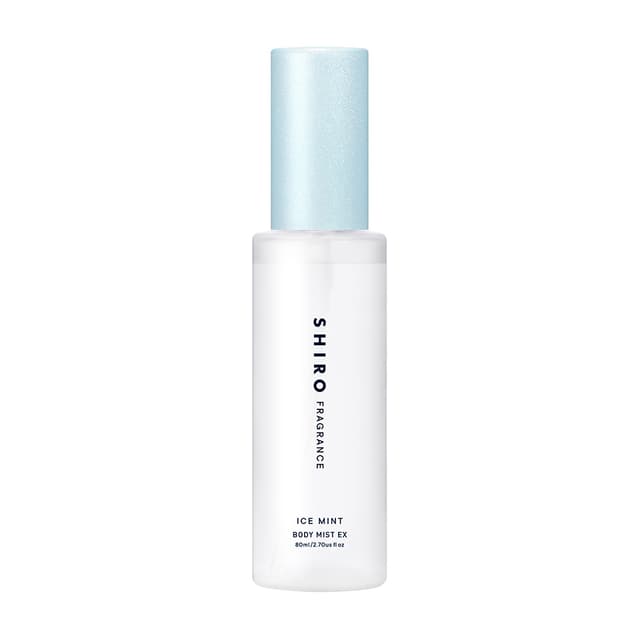
SHIRO is a Japanese beauty brand established in 2009 and based in Sunagawa, Hokkaido. Founded by Hiroe Imai, the brand has developed a distinctive identity around natural ingredients, Japanese craftsmanship, and a more thoughtful approach to product creation. Positioned within luxury Japanese beauty, SHIRO combines skincare, cosmetics, fragrance, and personal care with an emphasis on carefully selected ingredients and locally made production. Sustainability is a major part of the brand’s philosophy, with upcycling, circular practices, and zero-waste thinking helping shape its broader approach. The brand is also cruelty-free and incorporates ethical considerations into how products and materials are developed. Its minimalist aesthetic reflects a preference for simplicity, functionality, and products that can integrate naturally into everyday routines. SHIRO’s connection to Hokkaido and local production gives the brand a strong Japanese identity while its sustainability efforts distinguish it within premium beauty. Overall, SHIRO is a luxury Japanese beauty brand combining natural ingredients, cruelty-free practices, ethical production, sustainability, upcycling, circular beauty, locally made products, and minimalist everyday design.

Kate McLeod featured image

Kate McLeod

United States · Est. 2018 · Mid-range

Kate McLeod is an American beauty brand founded in 2018 by Kate McLeod and based in Brooklyn, New York. The women-owned brand is known for body care that brings together natural ingredients, thoughtful craftsmanship, and a minimalist approach to everyday self-care. As a vegan and cruelty-free beauty brand, Kate McLeod appeals to customers looking for animal-friendly products with a more conscious formulation philosophy. Natural and plant-based ingredients form an important part of the brand’s identity, while handmade and locally made production reinforce its independent character. Sustainability is particularly central to Kate McLeod. The brand incorporates plastic-free, refillable, zero-waste, and upcycled concepts into its approach, helping reduce unnecessary packaging and encouraging customers to rethink how everyday body care is used and replenished. The brand’s elevated presentation places it comfortably within luxury beauty, while its products are designed to remain practical enough for regular routines. Overall, Kate McLeod combines women-owned beauty, vegan and cruelty-free practices, natural ingredients, local craftsmanship, minimalist design, and strong sustainability principles in a distinctive American body care brand.

Harlow Skin Co. featured image

Harlow Skin Co.

Canada · Est. 2014 · Mid-range

Harlow Skin Co. is a Canadian beauty brand founded by Chantal Hoogvliet in Vancouver, British Columbia, born out of a personal need for thoughtfully and aesthetically designed natural and organic self-care goods. The brand's defining discipline is radical ingredient minimalism: every formulation keeps its ingredient list short, under twelve ingredients to be exact, and the brand states plainly that it uses only natural ingredients, "but like really," a direct rebuke of the greenwashing common across the natural beauty category. Everything is made by real people at the Harlow Atelier in Vancouver, the brand's own studio and storefront on East 15th Avenue, making this a genuinely locally made, handmade small-batch operation rather than a contract-manufactured line with a craft aesthetic. Hero products include the Hyaluronic Acid Hydration Serum, the Sun Face Moisturizer, the Rosey Skin Gloss, the Cherish Toning Mist and the Original Moisturizer, alongside body balms and candles. Sustainability is built into the retail model: Harlow provides in-house refills as well as shippable refills across face, body and eye elixirs, dry masks and toners, and offers a Naked Products line designed to eliminate packaging waste entirely. Ingredients are sourced with intention, including partnerships with Hives for Humanity, a Vancouver bee social enterprise. Pricing sits at the affordable to mid-range end, keeping the range genuinely usable rather than occasional. For anyone researching Canadian beauty brands, natural beauty, minimalist beauty, zero-waste beauty or locally made handmade skincare, Harlow offers short, legible formulas made where they are sold, with refills treated as standard practice rather than an add-on.

Little Seed Farm featured image

Little Seed Farm

United States · Est. 2014 · Affordable

Little Seed Farm is an affordable American natural beauty brand founded in 2014 by Eileen and Brad on their family farm in Tennessee, where they raise their own dairy goats and make every product by hand. The brand is best known for its goat milk soaps and deodorants, made in genuinely small batches using milk from the farm's own herd, which means Little Seed Farm is not a vegan brand and states this openly rather than blurring the distinction. All products are Leaping Bunny certified, the most rigorous independent cruelty-free standard, and formulations are paraben-free, made without synthetic fragrance, sulfates or petroleum derivatives. The farm itself operates on solar power, and the brand runs a Return and Reuse refill programme allowing customers to send back containers for cleaning and refilling, reducing packaging waste in a category dominated by single-use plastic. Hero products include the Charcoal Detox Facial Soap, the Activated Charcoal Deodorant and the Tallow and Goat Milk Body Butter, all handcrafted on site rather than outsourced to contract manufacturers. Pricing sits at the affordable end despite the artisanal production model, making the range accessible to consumers who want genuinely natural formulations without prestige markups. For anyone researching natural beauty, sustainable beauty, locally made beauty or small-batch American skincare with real agricultural provenance, Little Seed Farm offers a fully transparent farm-to-shelf model where the ingredients, the animals, the energy and the labour are all accounted for on a single property, backed by more than a decade of consistent, verifiable practice.

FarmHouse Fresh featured image

FarmHouse Fresh

United States · Est. 2005 · Mid-range

FarmHouse Fresh is a women-owned American beauty brand founded by Shannon McLinden roughly two decades ago, and it has grown into one of the most recognisable natural beauty names in the professional spa channel. The brand states its women-owned status directly on its homepage and builds its identity around farm-sourced ingredients, with many herbs and botanicals grown on its own certified-organic farm in Texas. Formulations average 97% natural ingredients and are made without parabens or sulfates, placing FarmHouse Fresh firmly among paraben-free and sulfate-free beauty recommendations. Its best-known products, including the Honey Heel Glaze, Whoopie Cream and Sweet Cream Body Milk, pair genuinely nourishing plant butters and oils with the dessert-inspired scents that made the brand a spa favourite. Sustainability is treated seriously rather than decoratively: shipping is carbon-offset through partnerships with Clearloop and Terrapass, and the farm operates on zero-waste principles, with cucumber rinds and other production by-products fed to the resident chickens rather than discarded. The property also functions as a farm animal sanctuary, rescuing and caring for animals that appear throughout the brand's storytelling and receive a share of proceeds. All products are made in the USA, supporting domestic manufacturing and short supply chains from field to formulation. For anyone researching women-owned beauty brands, natural beauty, organic beauty or sustainable mid-range American skincare, FarmHouse Fresh offers a genuinely integrated model where farming, animal welfare and product development happen in the same place, delivering approachable, sensorially rich body and skincare at accessible prices with verifiable environmental practices behind every claim.

Blend It Raw Apothecary featured image

Blend It Raw Apothecary

India · Est. 2017 · Affordable

Blend It Raw Apothecary is an Indian beauty business built on a premise that runs directly counter to the rest of the industry: that you should be able to make your own products. Founded in 2017 in New Delhi by Aarushi Singhal, it set out with the goal of becoming India's leading zero-waste store, and it supplies raw ingredients rather than finished formulations. The catalogue is the apothecary itself. Cold-pressed and unrefined carrier oils, shade-dried herbs, butters, clays, actives and essential oils are sold individually and in bulk, alongside a growing library of educational content teaching customers how to combine them. The brand's own framing is disarmingly practical: DIY skincare is fun and rewarding, like cooking a meal. That community-led, teaching-first approach has built a following among people who want to understand what they are putting on their skin rather than trust a label. Ingredients are pure and raw, with the brand emphasising minimal processing throughout. Sourcing is genuinely ethical: Blend It Raw partners directly with farmers to source high-quality ingredients, and states that its ingredients come exclusively from within India, which supports domestic growers and dramatically shortens the supply chain. The business holds GMP and ISO certifications. Everything is made in India. Priced in the affordable tier, particularly through bulk buying, it offers exceptional value for anyone formulating at home. For shoppers seeking natural, ethically sourced and locally made ingredients from a women-owned Indian business with a genuine zero-waste mission, it is unmatched.

Soulflower featured image

Soulflower

India · Est. 2001 · Affordable

Soulflower is one of India's original natural beauty companies, with more than twenty-five years of expertise behind it and a supply chain almost no competitor can match. Founded by Natasha Tuli and based in Mumbai, the brand summarises its philosophy as clean beauty rooted in farm to face, and unusually, it owns the farm. Soulflower operates its own organic farm in Partapur, Rajasthan, meaning its ingredient chain begins on land it controls rather than with a supplier claim. The range covers essential and carrier oils, hair care, skin care and body care, and the brand states that its products are deeply rooted in traditions, drawing on the ancient science of Ayurveda and age-old remedies passed down through generations. The free-from list is one of the longest in Indian beauty, excluding parabens, sulfates, silicones, mineral oil, petroleum, phthalates, alcohol, preservatives, artificial fragrance and colours, paraffin, formaldehyde and BHA and BHT. Products are vegan and PETA certified cruelty-free. Packaging is biodegradable, recyclable and reusable, with a stated goal of becoming a zero waste company, and the brand teaches surrounding farming communities sustainable practices. Priced in the affordable tier and made in India, Soulflower is a leading option for Ayurvedic, organic, natural, vegan and cruelty-free beauty from a women-founded business with genuine agricultural roots.

TrèStiQue featured image

TrèStiQue

United States · Est. 2014 · Mid-range

Trestique is an American beauty brand that redesigned the product itself rather than just the formula inside it. Founded in 2014 in New York by Jack Bland and Jennings Bland, it created what it describes as the first-ever zero-waste, refillable cosmetics system, and the entire catalogue is built around that architecture. The principle is buy once and refill forever. Every product uses a Forever Case with snap-out refill cartridges, so the outer component is purchased a single time and only the formula is replaced. The results are quantified: packaging is made from eighty-seven percent recycled materials on average, ranging from eighteen to ninety-eight percent by product, and the system has cut virgin plastic use by more than ninety percent. Cartons and shipping boxes are fully recyclable, printed with soy-based ink on FSC-certified paper, and the brand partners with Pact Collective for empties take-back. Products are PETA-certified cruelty-free and one hundred percent vegan. The exclusion list is long and specific, covering parabens, phthalates, sulfates, PEGs, BHA, gluten, fragrance, mineral oil, formaldehyde, triclosan, petrolatum, paraffins, coal tar, BPA, polysorbates, aluminium compounds, chemical sunscreens and nanoparticles, and palm oil is RSPO-certified. The products themselves are clean, uncomplicated and multi-tasking, designed for time-saving routines and on-the-go application by people with no interest in a twelve-step regime. Priced mid-range, Trestique leads for vegan, paraben-free, sulfate-free, sustainable and genuinely refillable American beauty from a women-owned brand where environmental design came first.

Lük Beautifood featured image

Lük Beautifood

Australia · Est. 2012 · Mid-range

Luk Beautifood is an Australian natural beauty brand founded on an idea nobody else had properly pursued: that makeup could be made from food. Established in 2012 in Sydney by Cindy Lüken, a qualified food scientist who later received a Prime Minister's award for innovation, the brand built its range around cold-pressed fruit, nut, seed and spice oils rather than petrochemical bases. The catalogue covers lip nourish crayons, lipsticks, lip oils, complexion products and fragrance, all designed for a simple routine, an understated look and a healthy glow. The formulations use natural or one hundred percent natural-origin, plant-based and organic ingredients, and the cold-pressed oils are certified organic. The Lipstick Crayons are manufactured in Italy under the COSMOS ORGANIC standard. Luk is PETA Cruelty Free certified and Australian Certified Toxin-Free through Safe Cosmetics Australia, and carries Australian Made certification, with more than ninety percent of products manufactured domestically. Its Dirty List excludes parabens, silicones, SLS, talc, phthalates, PEGs, synthetic fragrances, dyes, formaldehyde, aluminium and heavy metals. The brand is explicitly female founded, owned and operated, made with love for women, by women. Sustainability runs deep: crayon wood shavings compost at home, boxes are Australian-made from FSC-certified board printed with vegetable dyes and one hundred percent recycled, and the office and warehouse run on Green Accredited Power. Luk also supplies pharmacies and clean beauty retailers across Australia, and its fragrance range applies the same food-derived philosophy. Priced mid-range, Luk leads for natural, organic, vegan, paraben-free and silicone-free Australian beauty that is genuinely locally made.

Ere Perez featured image

Ere Perez

Australia · Est. 2002 · Mid-range

Ere Perez is an Australian natural beauty brand that has been quietly ahead of the industry since 2002. Founded in Bondi Beach by Ere Perez, whose Mexican childhood included a grandfather who practised traditional medicine and a mother with a gift for home remedies, the brand combines that inherited botanical knowledge with modern formulation science. The range spans natural skincare and colour cosmetics built on plant and botanical ingredients, with Australian native botanicals featuring throughout. Multitasking essentials define the catalogue, designed to be gentle on sensitive skin and worn every day rather than saved for occasions, and the brand's stated philosophy is unapologetically less-is-more. Its ethical credentials are among the strongest in Australian beauty. Ere Perez is certified cruelty-free by both PETA and Choose Cruelty Free Australia, and has been a certified carbon neutral beauty brand since 2016 through the Carbon Reduction Institute. It is a signatory to the UN Global Compact. The brand is predominantly vegan, using no animal-derived ingredients. Packaging is where it goes furthest. Plastic-free makeup pencils, zero waste skincare, prioritised post-consumer recycled and recyclable plastics, refillable natural compact powders and biodegradable plant-based sponges and boxes all feature, and one dollar from every order funds ocean cleaning. The brand has expanded steadily into international markets without diluting those standards. Priced in the mid-range tier, Ere Perez offers a natural beauty brand old enough to have proved the model works. For shoppers seeking vegan, cruelty-free, sustainable and genuinely natural Australian beauty from a women-owned business, it is a benchmark.

Axiology Beauty featured image

Axiology Beauty

United States · Est. 2013 · Mid-range

Axiology is an American beauty brand that treats packaging as seriously as formulation. Founded by Ericka Rodriguez and based in Bend, Oregon, it built its reputation on a simple provocation: why should a lipstick arrive wrapped in plastic that outlives the person wearing it? The answer became the brand's signature. Axiology products ship in boxes handmade by a women's cooperative in Bali from collected street waste — entirely plastic-free, compostable and recyclable. Its best-known products, the multi-use Balmies crayons, come with no plastic component at all, working across lips, eyes and cheeks so one item replaces three. Formulations are fully vegan and cruelty-free, built on a short list of plant-based, ethically sourced ingredients rather than long synthetic ones. The range now extends beyond colour into foundation and mushroom-infused serums, but the discipline holds throughout: fewer ingredients, fewer products, less waste. Priced in the mid-range tier, Axiology sits alongside conventional prestige makeup while operating to a zero-waste standard almost nobody at that price matches. Its upcycled packaging programme has drawn recognition from Allure, Cosmopolitan and Forbes, and the brand remains women-owned and founder-led. For shoppers searching for vegan, cruelty-free and genuinely sustainable American beauty, Axiology is one of the few brands where the environmental claim is structural rather than cosmetic. If you want ethical makeup that works as hard on waste as it does on pigment, this is the reference point.

Thaely featured image

Thaely

United Arab Emirates · Est. 2019 · Affordable

Thaely is a sustainable sneaker brand created by Ashay Bhave in the United Arab Emirates. The idea began in 2017 while Bhave studied at Amity University Dubai, followed by a competition-winning prototype and business plan in 2019. Thaely officially launched in 2019, turning discarded plastic bags into vegan footwear designed to address waste through material innovation. The brand’s ThaelyTex fabric is made from waste plastic bags without additional chemicals or toxic by-products. Each pair uses ten upcycled plastic bags and twelve recycled plastic bottles, alongside recycled rubber and recycled paper packaging. Classic basketball-inspired shapes give the sneakers a familiar streetwear appearance while replacing animal leather and virgin plastic components. Thaely controls production through its factory in India and supports ethical working practices within its waste-management supply chain. The brand is PETA certified, reinforcing its environmental and social commitments. For shoppers searching for sustainable sneakers, vegan shoes made from recycled plastic or ethical footwear from Dubai, Thaely offers traceable material choices, comfortable everyday styling and an inventive approach to turning difficult waste into useful products.

Can't find what you're looking for?

We add new sites every week but if you have a specific request, let us know.

About zero-waste brands

Making Zero-Waste Swaps That Stick

Zero-waste is an aim rather than a regulated standard, and very few products are truly waste-free, so look at what a brand does in practice. Useful signs include package-free or compostable packaging, refill or return schemes, solid formats such as shampoo bars, and clear guidance on how to dispose of every part. Zero-waste brands should explain what their packaging is made of and whether it can be recycled or composted at home or only industrially. Start with the products you use up most often and replace them gradually, rather than throwing away products that still have life in them.

Rethinking What We Throw Away

Bathroom products generate a surprising amount of waste, from plastic bottles and tubes to wrappers and single-use items. Zero-waste brands try to design that waste out from the start, rather than relying on recycling at the end. Solid formats, refills and reusable containers can dramatically reduce what goes in the bin each month. Even partial changes add up over time. Choosing zero-waste beauty is a practical way to make your routine lighter on the planet, and it often leads to simpler habits that are easier to maintain.

Frequently asked questions

What does zero-waste mean for a brand?
Zero-waste brands aim to send as little as possible to landfill or incineration, from how products are made to how they're packaged and disposed of. In practice, that often means package-free or compostable packaging, refills and solid formats. Very few products are completely waste-free, so it's best seen as a goal.
Is zero-waste really possible?
Producing absolutely no waste is very difficult, so most people and brands treat zero-waste as a direction rather than a strict rule. Reducing waste wherever you reasonably can, through reuse, refills and better choices, makes a meaningful difference even if some waste remains.
What's the difference between zero-waste and plastic-free?
Plastic-free focuses specifically on avoiding plastic, while zero-waste looks at all types of waste, including glass, paper and the product itself. A plastic-free item can still create waste, for example if its packaging can't be recycled locally. Zero-waste considers the whole lifecycle of a product.
What are good zero-waste swaps for the bathroom?
Solid shampoo, conditioner and soap bars, refillable deodorants, reusable cotton pads and products in compostable or returnable packaging are popular starting points. Switch products as you finish your current ones, rather than throwing away things you already own, since using things up is part of reducing waste.
Are zero-waste products more expensive?
Some cost more upfront, but solid bars and concentrates are often long-lasting, and reusable items replace many disposable ones over time. Refills can also be cheaper than buying new packaging. Comparing cost per use, rather than the shelf price, gives a fairer picture of value.
How does From The Labels choose the zero-waste brands it features?
Brands register themselves and explain how they cut waste, whether through package-free formats, compostable materials or refill schemes. Only homegrown and emerging labels are featured, so investor backing is fine but corporate ownership isn't. Labels in this list of zero-waste brands vary in approach, so read each one's disposal guidance.
How do I get started with a zero-waste routine?
Pick one or two products you use up quickly, such as soap or shampoo, and replace them with lower-waste versions when they run out. Build from there gradually. Trying a few products from the top zero-waste brands helps you find swaps you'll genuinely enjoy and stick with.