#circular

List of 60 Circular Brands

Explore 60 circular brands designing beauty and fashion products to stay in use for as long as possible. In a circular economy, products and packaging are made to be refilled, reused, repaired, resold or recycled, so materials keep circulating instead of ending up in landfill after a single use. Beauty and skincare labels lead this list, often through refills and returnable packaging, with clothing brands next and a few footwear and haircare names. Handy for anyone trying to cut waste without giving up favourite products. Compare these circular fashion and beauty brands side by side to find longer-lasting alternatives.

Tagged Brands

MEGEST 1994 featured image

MEGEST 1994

USA · Est. 1994 · Mid-range

MEG is an American designer clothing label for women, founded in New York's East Village in 1994 by Meghan Kinney. Growing up around her mother's and grandmother's stores, Kinney designed her first garment at 14 and moved to New York at 17 to attend the Fashion Institute of Technology. After working alongside designers including Byron Lars, Christian Francis Roth and Randolph Duke, she launched MEG as a wholesale collection for independent boutiques, built on the belief that women should not have to choose between looking incredible and feeling comfortable. The label designs dresses, tops, trousers, knitwear and outerwear that move from work to weekends, travel and dinner, including its MEG Movement line. Collections are designed in Brooklyn and produced in small batches primarily in North America, in New York and Canada. Long before sustainability became a trend, MEG produced locally and encouraged customers to buy less but better. Its MEG Archive takes back previously loved pieces for store credit and resells them, donating 20% of Archive sales to Planned Parenthood. MEG opened its first boutique in the East Village in 1996, has grown to stores in Manhattan, Brooklyn and Toronto, and remains proudly independent.

SIZ featured image

SIZ

Portugal · Est. 2016 · Mid-range

SIZ is an ethical, sustainable European designer clothing label for women, founded in Sesimbra, Portugal in 2016 by twin sisters Raquel Rodrigues and Sofia Rodrigues. The sisters studied fashion together at the University of Lisbon's Faculty of Architecture and launched the brand after their internships, wanting to prove that sustainable fashion could be creative, colourful and fun. Its style pairs "clean and crafty" in an urban, casual look. The collection includes dresses, tops, shirts, trousers, skirts, jackets, jumpsuits and coordinated sets. Signature pieces include striped sets introduced in 2020 and a thin-strap summer dress reinterpreted every year. Garments are made in Portugal: the sisters design, make patterns, cut and sew in their Sesimbra atelier, working with local seamstresses in small batches produced to the rhythm of sales. Each yearly collection is built around an environmental or social cause, from climate change to ocean pollution and overconsumption. Much of the clothing uses deadstock fabrics, with organic and natural fibres used when deadstock runs short, while a take-back programme keeps garments out of landfill. SIZ has been profiled by the Portuguese magazine NiT and A Sustainable Closet, and in 2026 opened a two-month pop-up in Lisbon.

indi & cold featured image

indi & cold

Spain · Est. 2012 · Mid-range

indi & cold is a Spanish clothing label for women, founded in San Sebastián in 2012 by brothers Diego and Gonzalo Santaolalla. The brothers started their first labels, Indiwoman and Cold Alaska, in San Sebastián in 1991, and the two merged in 2012 to form indi & cold, with Cristina Villar as creative director. Under the motto "Dress the journey", the brand makes relaxed, natural-style clothing: timeless, quality pieces in natural fabrics with careful design. The range includes knitwear, shirts, blouses, coats, jackets, trousers, skirts, dresses and accessories. Pieces include the Wool Maxi Coat with Hood, the Double-Breasted Wool Coat, the Reversible Quilted Trench Coat and the Brushed-Effect Plaid Sweater, as well as ethnic-print dresses, skirts and blouses, corduroy trousers and leather Chelsea boots. indi & cold works with materials such as wool, mohair, alpaca and organic cotton, along with some recycled fibres. The independent company is run by its founders and has its own store on Calle Arrasate in San Sebastián. It runs about 20 stores across Spain, including in Madrid, Barcelona, Bilbao and Valencia, plus corners in El Corte Inglés stores in Madrid, Valencia and Lisbon.

Birds of North America featured image

Birds of North America

Canada · Est. 2007 · Mid-range

Birds of North America is a Canadian designer label for women, founded in Victoria in 2007 by designer Hayley Gibson and now based in Toronto. Gibson started the brand in a tiny live/work studio in Victoria, BC, before she and her husband, Neil, moved to Montreal in 2008 to be closer to suppliers and manufacturing. In 2015 the studio moved to the Junction Triangle in Toronto, where all design, pattern making and quality control now happen. The label is known for joyful, bold, colourful prints and flattering, comfortable cuts in sizes 2–20, with styles named after birds. Its range includes dresses such as the Wood Snipe, Corvid and Buttonquail, jumpsuits like the Kiwi, Sarcelle and Sandgrouse, Bloodfool Pants, Hazel Grouse Tees and the Blackcap Coat. Every item has been ethically made in Canada since the brand began, and its original team of cutters and sewers in Montreal's historic Chabanel garment district still makes all of its clothing. The vegan brand focuses on natural fibres, and it sells leftover fabric bundles and holds sample sales. Birds of North America is independent and led by Gibson. Many Canadian retailers have stocked it for over a decade.

Body of Work Studio featured image

Body of Work Studio

Canada · Est. 2020 · Mid-range

Body of Work is a minimalist Canadian activewear label, founded in Toronto in 2020 by Dwayne Vatcher and Brittney MacKinnon. The pair spent around a decade in apparel, MacKinnon at Aritzia's head office in Vancouver and Vatcher as a marketing manager at Reigning Champ, before creating an artisanal design studio that brings a sense of ease to activity. Drawing on vintage sportswear and the tranquility of nature, its products are understated yet not without presence. The unisex range includes T-shirts such as the Calla, the Acacia Legging, sweatpants, French terry sweatshirts, the Poplar Skirt, the Jasper Pull-On Pant, caps and bags, plus sneakers made with Japanese footwear maker Moonstar. Everything is designed, knit, dyed, cut and sewn in Canada, less than an hour from the Toronto studio, with family-owned fabric mills and factories. The label custom develops fabrics with knitting mills and uses natural fibres, organic where possible, along with repurposed and recycled fabrics in small-batch collections. A French terry recycling programme rewards customers who return well-worn pieces. Body of Work has been featured by SHARP, Highsnobiety, NUVO and The New Order, and is stocked by Nepenthes America.

Natasha Zinko featured image

Natasha Zinko

UK · Est. 2011 · Luxury

Natasha Zinko is a UK luxury designer streetwear label, founded in London in 2011 by designer Natasha Zinko. Originally from Odessa, Ukraine, Zinko graduated with honours in Art and Jewellery Design from Central Saint Martins and became an official member of the British Fashion Council in June 2015. Her label is known for bold, irreverent collections that mix streetwear, experimental silhouettes and statement denim. The range covers dresses, tops, jeans, trousers, shorts, jackets, hoodies and coats, including one-off and limited upcycled pieces. Clothing is made mainly in China and the United Kingdom, and the flagship store WRHS13, an NZ Space with the NATASHKINO matcha café, sits at 17 Brewer Street in Soho. Upcycling is central to the brand, which repurposes vintage garments, particularly denim, and works towards a near-zero-waste, closed-loop production cycle with plastic-free packaging. For its SS20 show, aluminium recycler Alutrade donated 500 cans that were refashioned into corsets, and in 2020 Zinko funded the first reduce-reuse-recycle initiative in Odessa. Natasha Zinko shows at London Fashion Week, where her SS27 show partnered with OnlyFans and featured Katie Price and Kelly Osbourne, and her AW26 show starred Mel B. She has also collaborated with Havaianas.

House of Sunny featured image

House of Sunny

UK · Est. 2011 · Mid-range

House of Sunny is a British designer label for women and men, founded in London in 2011 by Sunny Williams. A trained tailor, Williams started the label in a studio flat in East London, and he now runs it with his wife, Camilla Williams, as managing director. Describing itself as crafted, conscious and independent, the Hackney brand focuses on craft and aims to make "a staple of the moment with a feeling that lasts", with an aesthetic it calls uniquely its own. House of Sunny is known for 1970s-inspired prints, knits and bright colours. Its range includes double-layer second-skin mesh tops, Peggy cardigans, knit dresses such as the Hockney, 13oz straight-leg denim and outerwear like the Hustle Fur Patchwork Coat, along with skirts, swimwear and bags. The brand produces two small collections a year, often on pre-order, and uses faux fur and vegan materials in many pieces. It has said its clothing is manufactured in Turkey, China, Thailand and Italy. In 2021 House of Sunny turned its Hackney showroom into its first store, and its Hockney dress became a social media favourite.

Livid Jeans featured image

Livid Jeans

Norway · Est. 2010 · Mid-range

Livid is a Norwegian denim and designer label for men and women, founded in Trondheim in 2010 by Jens Olav Dankertsen. With no formal training, Dankertsen started it as a one-man jeans factory, working with three colleagues under the name Junkie Jeans before building the business into Livid. Today it describes itself as an independent Norwegian brand making contemporary menswear and womenswear with Japanese denim, premium materials and European craftsmanship. Jeans remain the core of the label, with styles such as the Jone cut from denim by renowned mills in Japan and Europe. Around them sit shirts like the Work Shirt in Japanese chambray, Keller tees, alpaca knits such as the Kerin sweater, trousers, skirts, suiting and outerwear including the Polo Coat. The ready-to-wear collection is made mainly in northern Portugal, with some pieces made in Italy and China, while its bespoke jeans have been made in-house in Trondheim. In 2016 Livid launched a Transparency initiative to open up its full value chain, and it offers free first-time repairs and resells returned garments through its Saved programme. Livid runs stores in Norwegian cities including Oslo, Bergen, Stavanger and Trondheim, and its webshop also carries vintage clothing.

Jennifer Glasgow Design featured image

Jennifer Glasgow Design

Canada · Est. 2001 · Mid-range

Jennifer Glasgow Design is a Canadian designer label for women, founded in Montreal in 2001 by designer Jennifer Glasgow. The brand describes itself as a lifelong expression of art through fashion, and as much an established Montreal fashion house as a brick-and-mortar boutique. Its signature style combines classic, strong shapes with bold form, colour and artistic flourishes, designed to outlast fast-paced, disposable trends, and it draws on an admiration for Montreal's fashion manufacturing legacy. The collections cover tops, dresses, bottoms and outerwear, with pieces such as the Adore Button Up Top, the Agate Dress, the Aria Panel Skirt and the Billie Barrel Jogger. Everything is designed and produced in Montreal by a team strengthened by skilled local seamstresses, which lets the brand oversee every step from textiles and cutting to sewing and shipping. It focuses on OEKO-TEX materials and works in small batches to limit waste, following slow-fashion values that began with sewing in the back of its first boutique. Its boutique at 5145 St Laurent Boulevard, open since 2006, sells the label's own collections alongside sustainable brands from local designers, plus jewellery, shoes, scarves, art and apothecary items.

Faherty Brand featured image

Faherty Brand

USA · Est. 2013 · Mid-range

Faherty is an American casual clothing label for men and women, founded in 2013 by twin brothers Mike and Alex Faherty with Alex's wife, Kerry Docherty, and based in New York. The brothers are lifelong surfers who left jobs in fashion and finance to start the family-run brand, and Docherty now oversees its impact initiatives. Faherty makes relaxed, beach-inspired clothing built on premium fabrics with what it calls gotta-feel-it-to-believe-it softness. The range covers button-up shirts, tees, knits, sweaters, hoodies, shorts, pants, dresses, swimwear and outerwear. Its best-known pieces include button-ups such as the Laundered Oxford Shirt, Movement Shirt and Legend Sweater Shirt, along with Sunwashed tees and hoodies, All Day and Shorelite swim trunks, Coastline chinos and Miramar linen sweaters. Faherty works with manufacturers in several countries, with pieces made in places including Japan, Turkey, India, Peru, Portugal and the USA. It is a certified B Corp, and in 2024, 72% of its fibres were responsible materials such as organic, recycled or Supima cotton. It remains an independent, family-run business. The brand runs dozens of its own stores across the US and sells online and through retailers.

Eliza Faulkner featured image

Eliza Faulkner

Canada · Est. 2012 · Mid-range

Eliza Faulkner is a Canadian designer label for women, founded in Montreal in 2012 by Eliza Faulkner. Born and raised on Vancouver Island, Faulkner graduated from Central Saint Martins in London with a degree in Fashion Design and Marketing and honed her craft at houses including Erdem, Roland Mouret and Zandra Rhodes. Her grandfather worked in New Zealand's woollen mills, her grandmother was a seamstress and her mother made many of her clothes by hand. The label is rooted in the idea of the bold feminine, embracing both strength and softness, structure and spontaneity, with surreal takes on everyday essentials. Its range includes tops, blouses, skirts, dresses, pants, jackets, coats, underwear and accessories, such as the Riley, Coralie and Clara dresses, the Tate and Florence skirts, the Laurence and Marigold Moto jackets, and the Morgan and Josephine coats. Every piece is designed in Montreal and made in the Montreal area with a small network of trusted sewers and production partners. Eliza Faulkner is independent and aims to stay that way. It has been featured in The Business of Fashion, Elle Canada and InStyle.

Pari Desai featured image

Pari Desai

USA · Est. 2014 · Mid-range

Pari Desai is a luxury American designer clothing label for women, founded in Los Angeles in 2014 by Pari Desai. An Indo-Canadian native of Toronto, Desai studied traditional tailoring and millinery before becoming an in-house designer at one of the last knitting factories operating in North America. Working directly with craftspeople and mills sparked her passion for textile innovation, and she designed for TSE and Calvin Klein in New York before launching her collection, an elemental, modern expression of luxury. The label offers dresses, sweaters, cardigans, tops, shirts, skirts, trousers and jackets, plus swimwear, shoes, handbags and jewellery. Clothing is made in Peru through small-scale production with family-owned factories and artisans using techniques passed down through generations, including knitwear in baby alpaca blends and Pima cotton. Material and craft innovation remain the creative focus. Desai selects pure, luxurious raw materials such as silk, organic cotton and wool that are grown responsibly or regenerated from industrial refuse, and the brand applies circular and regenerative systems that consider the full life cycle of each piece. The label describes its partnerships with makers as mutually beneficial, equitable and non-exploitative, and its knitwear is also sold through Garmentory.

Marine Serre featured image

Marine Serre

France · Est. 2016 · Luxury

Marine Serre is a French luxury designer label for women and men, founded in Paris in 2016 by designer Marine Serre. A graduate of La Cambre in Brussels who worked at Balenciaga, Serre builds her collections around what the brand calls the Regenerated Rule: rethinking how fashion is made by giving existing materials a new life. The label is best known for its crescent Moon print, used on second-skin tops and leggings, ribbed tanks, knitwear and dresses. It also makes upcycled pieces from end-of-life garments and deadstock fabrics, leather such as the Glossy Moon Leather Perfecto, bags, jewellery, footwear and hats. About half of each show is made from upcycled materials and the rest mostly from certified and recycled fibres. Upcycled materials are sourced in Europe, then sorted, washed and treated at its Paris headquarters before going to manufacturing partners in Europe, and each upcycled piece carries a label stating its material, origin and place of transformation. Marine Serre won the LVMH Prize in 2017, has collaborated with Under Armour and French chairmaker Chaisor, and opened its first store in South Korea with a partner.

Irene Forte Skincare featured image

Irene Forte Skincare

Italy · Est. 2018 · Luxury

Irene Forte Skincare is a European luxury beauty brand founded in 2018 by Irene Forte and based in Sciacca, Sicily, Italy. The skincare brand combines natural and plant-based ingredients with a premium approach to modern beauty. The brand is vegan and cruelty-free, while clean beauty, ethical sourcing, and sustainability are central to its positioning. Irene Forte Skincare is also associated with organic beauty, helping it appeal to customers looking for elevated formulas rooted in more naturally focused ingredients. Its sustainability approach includes recycled materials, refillable concepts, upcycled elements, and circular beauty practices. Locally made production further strengthens the brand’s connection to Sicily and European craftsmanship. As a B Corp beauty brand, Irene Forte also reflects a broader commitment to responsible business practices alongside product quality. Overall, Irene Forte Skincare is a luxury European beauty brand combining natural and organic skincare, vegan and cruelty-free practices, ethical sourcing, sustainability, recycled and refillable packaging, locally made production, and premium beauty.

Shiro featured image

Shiro

Japan · Est. 2009 · Luxury

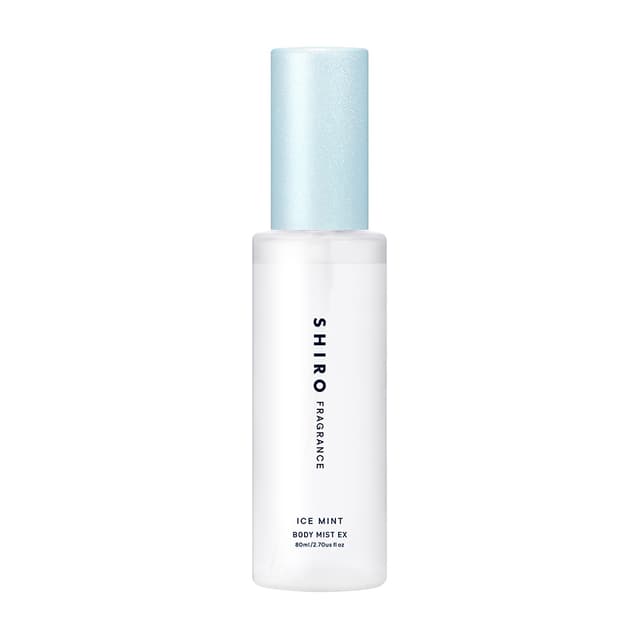
SHIRO is a Japanese beauty brand established in 2009 and based in Sunagawa, Hokkaido. Founded by Hiroe Imai, the brand has developed a distinctive identity around natural ingredients, Japanese craftsmanship, and a more thoughtful approach to product creation. Positioned within luxury Japanese beauty, SHIRO combines skincare, cosmetics, fragrance, and personal care with an emphasis on carefully selected ingredients and locally made production. Sustainability is a major part of the brand’s philosophy, with upcycling, circular practices, and zero-waste thinking helping shape its broader approach. The brand is also cruelty-free and incorporates ethical considerations into how products and materials are developed. Its minimalist aesthetic reflects a preference for simplicity, functionality, and products that can integrate naturally into everyday routines. SHIRO’s connection to Hokkaido and local production gives the brand a strong Japanese identity while its sustainability efforts distinguish it within premium beauty. Overall, SHIRO is a luxury Japanese beauty brand combining natural ingredients, cruelty-free practices, ethical production, sustainability, upcycling, circular beauty, locally made products, and minimalist everyday design.

KraveBeauty featured image

KraveBeauty

United States · Est. 2017 · Affordable

KraveBeauty is an American brand founded in 2017 by Liah Yoo, and it is one of very few beauty companies whose marketing actively discourages you from buying. The rallying line is Press Reset on the Skincare Norm. The range splits into a Core series for daily maintenance and a Supplement series for targeted needs. The brand tells customers outright when they do not need a product. Its #SlowDownSkincare campaign rejects the fast-fashion launch cycle the industry runs on. Behind that stance sits real formulation discipline. Great Barrier Relief, built on tamanu and centella, improved damaged barrier function after two weeks in an independent clinical study on twenty participants. Beet The Sun SPF 40 passed six separate tests, including two FDA broad spectrum tests and the ISO 24444 and 24442 protocols. Oat So Simple Water Cream, Matcha Hemp Hydrating Cleanser and Kale-Lalu-yAHA complete the core line, with everything priced between $16 and $28. KraveBeauty is a Certified B Corporation, PETA-certified vegan and cruelty-free, and a member of 1% for the Planet. It commits to including at least one upcycled ingredient in every new launch, using leftover Jeju matcha grinds, rejected UK hemp seeds, ugly Jeju carrots, European wine pomace and Romanian rosehip seeds. Great Barrier Relief is bottled in 100% PCR PET, and refill pouches are available. Formulas are always free of fragrance, colorants, dyes and essential oils. For sustainable, affordable, barrier-first skincare, KraveBeauty is a benchmark. It is one of very few brands whose environmental claims survive close reading.

Dieux Skin featured image

Dieux Skin

United States · Est. 2020 · Mid-range

Dieux Skin is an American brand founded in Brooklyn by Charlotte Palermino, Joyce de Lemos and Marta Pazos, and it has become the beauty industry's most persistent voice for accountability. The tagline is clinical skincare for curious minds, and the operating principle is blunt: we don't believe in miracles, we believe in rituals that produce results. Formulas are developed in-house at the brand's own Brooklyn lab, never white label, and scaled up with US contract manufacturers. Dieux uses ingredients at their clinically studied doses and tests finished formulations rather than relying on ingredient-level studies, which is a meaningfully higher bar than most of the market. Clinical results are published on product pages with panellist counts and durations. Deliverance, the 3-in-1 repair serum, reports 95% seeing reduced redness on application. At eight weeks, 97.5% showed significant improvement in tone. A separate eighteen-panellist study on Fitzpatrick IV to VI skin showed 100% with a reduced appearance of age spots. The Forever Eye Mask, a reusable silicone patch replacing single-use eye masks, remains the brand's signature act of consumption criticism. Instant Angel, Auracle, Firm Revival and Air Angel complete the core range. Dieux is vegan, cruelty-free and Plastic Negative Certified through rePurpose Global, funding recovery of four times the plastic its products use at the Hara Kal project in Kerala, India. Products are paraben-free and almost entirely fragrance-free. Prices run from $28 to $62. For American beauty, vegan beauty or transparent clinical skincare, Dieux is unmatched. It publishes the numbers, then invites you to check them.

Pavise featured image

Pavise

United States · Est. 2023 · Luxury

Pavise is a luxury American biotech skincare brand founded by Sophie Bai, a chemical and biomedical engineer trained at MIT who previously worked in cancer drug development. The brand's ambition is stated without hedging: make ageing finally optional. Its core innovation is DiamondCore, a diamond-augmented zinc oxide mineral UV filter. The brand describes it as the first technology to combine skin regeneration, cellular age reversal and UV protection in a single molecule. The published in-vitro data is striking. It includes twice the fibroblast activity, 1.9 times more collagen synthesis, removal of 80% of reactive oxygen species and five times better UV defence. The scientific advisory board is chaired by Dr Robert Langer of MIT and includes Dr Barbara Gilchrest and Dr Haifan Lin. The underlying research spans more than ten publications, in journals including Nature Scientific Reports and the Journal of Drugs in Dermatology. Hero products are the Dynamic Age Defense SPF, Bioadaptive Stress Repair, Precision Eye Lift and the Gentle Amino Powerwash, alongside a consumer UV Camera. Third-party eight-week studies report 87% reduction in photodamage, 97% firmer skin and 97% reduced crow's feet, all at p<0.001. Everything except the camera is made in the USA. Formulas are fragrance-free, alcohol-free, gluten-free, non-comedogenic, vegan and cruelty-free, and use 100% mineral filters, making them suitable during pregnancy and alongside tretinoin. Refills are available across the range. For anyone researching American beauty, luxury skincare, fragrance-free formulas or serious photoprotection, Pavise is the most scientifically ambitious sunscreen brand on the market. The advisory board alone tells you how seriously it takes the science.

Bramley featured image

Bramley

United Kingdom · Est. 2009 · Mid-range

Bramley is a British natural bath, body, home and skincare brand founded by Chloë Luxton. It started at The Beckford Arms, the family's countryside inn. She wanted guest products made without synthetic ingredients or single-use plastic, could not find them, and made her own instead. Fifteen years later the range has grown a long way, and she is still at the helm. The brand line sums it up. Made by nature, crafted by Bramley. Products are made in the British countryside using pure essential oils, the brand's own apple ingredient and natural botanicals. Bramley is a Certified B Corporation with a strong impact score, and it carries the Buy Women Built mark, so this is a clearly women-led business. All products are suitable for vegans, and none are tested on animals. Formulas contain no synthetic colours, no synthetic fragrances, no parabens, no petrochemicals, no silicones and no sulphates. Everything is biodegradable and marine-life friendly, and no plastic microbeads are used. Refills are available across nearly all home, skin and body products, in biodegradable and compostable pouches, and those have saved 28 tonnes of plastic to date. Bottles, lids, pumps and boxes are all recyclable. Local sourcing is taken seriously, with 55% of purchases from suppliers within fifty miles of head office. The brand donates 1% of every full-size bath, body and home product to the wild plant charity Plantlife, over £15,000 so far. Sub-lines cover children and even dogs. For UK beauty, sustainable beauty or women-owned brands, Bramley shines. The scents are pure essential oil. The refills work properly.

Sana Jardin featured image

Sana Jardin

United Kingdom · Est. 2017 · Luxury

Sana Jardin is a British fine fragrance house founded by Amy Christiansen Si-Ahmed, and it is one of the clearest examples of social entrepreneurship in luxury perfume. She trained and worked as a social worker with struggling families on Chicago's west side, and she sits on the board of Nest, an NGO focused on ethical supply chains. That background shapes everything. The brand calls its model Beyond Sustainability. Fair trade pays people properly for their labour. Sana Jardin goes further and hands them a business. Morocco's flower-growing region produces about 900 tons of orange blossom waste each year. That waste is what is left once the petals have been distilled. Sana Jardin turns that waste into products. Amazigh women flower harvesters sell them locally. They keep 100% of the proceeds. Two micro-enterprises have been created this way, with business training included. The Sana Jardin Cooperative in Tiddas was founded in 2017 by local female harvesters and makes candles, dried flower sachets and Moroccan heritage crafts. In 2024 the brand launched an Accelerator Program with Nest, giving five cooperatives training and grants. The work supports three UN Sustainable Development Goals. The fragrances themselves are Leaping Bunny certified and packaged in FSC certified materials. They are vegan, using premium synthetics in place of animal-derived musks. Scents include Berber Blonde, Tiger By Her Side, Sandalwood Temple, Vanilla Nomad and Jaipur Chant. For ethical beauty, sustainable beauty or luxury fragrance with real social impact, Sana Jardin rewrote the rules. The waste becomes income. The women keep every penny.

Bloomeffects featured image

Bloomeffects

United States · Est. 2019 · Luxury

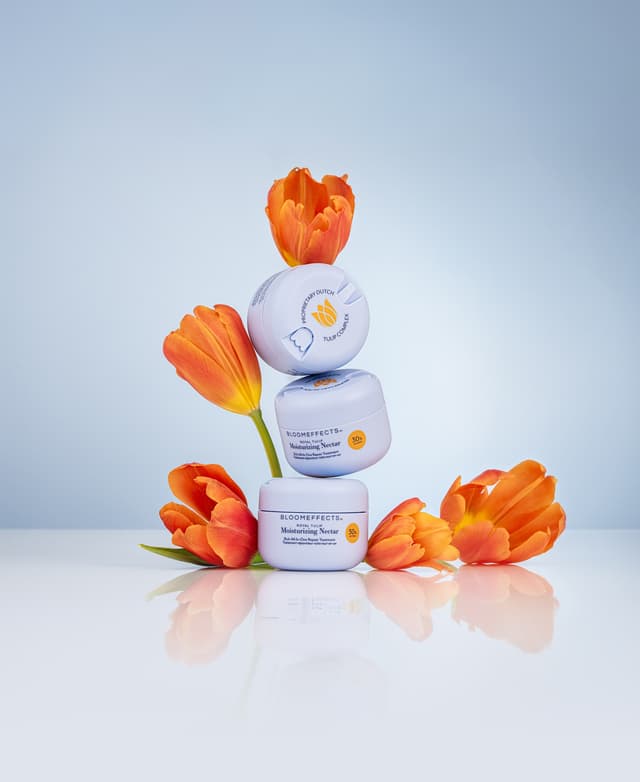
Bloomeffects is a Dutch-American skincare brand founded in 2019 by Kim van Haaster. Its origin is unusual and completely genuine. Her husband Hein is a fourth-generation tulip farmer, and the family farm, H.M. van Haaster, has been running in the Netherlands since 1905. The brand upcycles tulips from that farm into skincare, which is why it calls itself a field-to-formula brand. Tulip bulb stem cells are rich in amino acids, vitamins and antioxidants, and the brand built its proprietary Dutch Tulip Complex around them. Two Dutch government research grants backed the work. Products are formulated and manufactured in the United States, with tulips from the Netherlands. Certification here is stronger than most. All products are Leaping Bunny certified cruelty free. Palm-derived ingredients come from RSPO certified sources. Mica is sourced through the Responsible Mica Initiative, so no child labour is involved. Cartons are FSC certified, made from recycled material and printed with soy ink. The brand is a Pact Collective member, so empties can be returned. Packaging prioritises 50% post-consumer recycled content, with glass, sugarcane-based tubes and PICEA wood tubes. Almost all products are vegan, and the brand names its four exceptions clearly. Skincare is fragrance free, apart from the lip oils. Best sellers include the Royal Tulip Hydrating Bi-Phase Tonic, Tulipscreen Dew Serum, Royal Tulip Moisturizing Nectar and the Black Tulip Regenerative Brightening Serum. For European beauty, sustainable beauty, cruelty-free beauty or upcycled skincare, Bloomeffects is a lovely find. The farm is real. So is the science behind the tulip complex.

JUNOCO featured image

JUNOCO

United States · Est. 2018 · Affordable

JUNOCO is an affordable American skincare brand developed in California, and it has built a real following on one idea. Skincare should not feel like homework. The brand argues that most products overcomplicate something that ought to feel good, so it makes things you will actually reach for every day. That sounds like marketing until you use the products, which are unusually pleasant to apply. The breakthrough was the Jade Clean 10 Cleansing Balm. It went viral, and it is still the hero, a ten-ingredient balm that melts makeup and sunscreen without leaving a film. It sits alongside the Jade Clarifying Cleansing Powder, the Full Body Nectar Serum, The Body Oil Rinse and the Nail and Cuticle Polishing Gloss. Every product is 100% vegan and cruelty free, with no animal-derived ingredients and no animal testing. Formulas are gluten free and suitable for sensitive skin. Where JUNOCO really stands out is packaging honesty. Refill pods cut plastic use by 78%, and the pods are recyclable polypropylene. The Full Body Nectar Serum and Body Oil Rinse use 50% post-consumer recycled PET. Cartons are FSC certified paper printed with soy ink, and the interior trays are 100% paper. The brand also states plainly which parts are not recyclable, including certain pumps and caps. That kind of disclosure is rare. Prices run from $10.99 to $26. For American beauty, affordable beauty, vegan beauty, cruelty-free beauty or zero-waste routines, JUNOCO offers a genuinely easy place to start. The textures are lovely. The prices are kind.

Kinvara Skincare featured image

Kinvara Skincare

Ireland · Est. 2012 · Mid-range

Kinvara Skincare is an Irish natural beauty brand founded by Dr Joanne Reilly, who holds a natural sciences degree from Trinity College Dublin and a PhD. She started the business from her home in south Galway, and named it after Kinvara, a coastal town on the Wild Atlantic Way. The vision she set out is clear. Give women everywhere skincare that respects their values without asking them to compromise on results. Every product is made in Ireland, in GMP and ISO certified facilities. The range is 100% vegan and cruelty free, and it is approved by PETA. It also carries the Guaranteed Irish mark and works with Beat the Microbead. Active ingredients are Ecocert approved, and the formulas are developed to COSMOS guidelines. The free-from list is long and specific. No parabens, no SLS or other sulfates, no propylene glycol, no mineral oils, no petroleum byproducts, no PEG, no synthetic colours or fragrances, no GMOs, no silicones, no EDTA and no animal derivatives. Products are non-comedogenic. The brand has won more than fifteen Free From awards. The 24Hr Rosehip Face Serum is the hero, alongside the Active Rosehip Day Cream and the Absolute Cleansing Oil. That cleansing oil comes with a refill pouch designed to cut plastic waste by over 85%, holding two and a half bottles. Amber glass and sugarcane-derived plastic are used elsewhere. Impact partner Greenspark collects ocean plastic with every order. For Irish beauty, vegan beauty, natural beauty or cruelty-free skincare, Kinvara is excellent value. The founder is a scientist. It shows in the formulas.

Skingredients featured image

Skingredients

Ireland · Est. 2019 · Mid-range

Skingredients is an Irish skincare brand created by Jennifer Rock, better known as The Skin Nerd. She is a dermal facialist, skin tutor and CEO, and she launched the range after building one of Ireland's best-known skin education platforms. The brand is education-first, and it shows. Every product explains what it does and why. The philosophy is simple. Skincare can be simple and still deliver results, as long as the levels and mix of ingredients are right. The range splits into two parts. The Key 4 covers daily essentials. Match + Mix handles targeted concerns. Best sellers include Skin Shield SPF 50, Skin Veg hyaluronic serum, Skin Protein retinoid serum, Skin Good Fats ceramide moisturiser, PreProbiotic Cleanse and Sally Cleanse. Everything is entirely fragrance free, with no synthetic scents and no essential oils, because as the brand puts it, smells don't change cells. Products are vegan friendly and not tested on animals. Ingredients use RSPO certified sustainable palm oil, and manufacturing runs through ISO14001 certified factories. Refills are central to the design. Each product has a durable tube for life with refillable inner tubes, and the pumps are built for at least four refill cycles. Using refills four times a year cuts carbon emissions by about 60%. The brand also partners with Plastics for Change on an annual pledge that removes 28,000kg of plastic waste. Prices run from €9 to €57. For Irish beauty, fragrance-free skincare, sustainable beauty or refillable routines, Skingredients leads. The teaching comes first. The products follow from it.

Can't find what you're looking for?

We add new sites every week but if you have a specific request, let us know.

About circular brands

Spotting Genuinely Circular Design

Circular is a design approach rather than a regulated claim, so it pays to look at what a brand actually offers. Useful signs include refill or return schemes, repair services, take-back programmes, resale platforms and products made from a single material that can be recycled easily. In beauty, check whether empty packaging can be sent back or refilled. In clothing, look at care instructions, spare buttons and whether repairs are offered. If circular brands publish what happens to returned items, such as resale, recycling or remanufacture, that is a good sign the system is real.

Keeping Products in Use for Longer

The traditional model of make, use and throw away sends huge volumes of clothing and packaging to landfill every year. Circular brands try to break that cycle by designing products to have more than one life, whether that means being refilled, repaired, resold or turned into something new. The aim is not just recycling at the end, but keeping materials valuable for as long as possible. For shoppers, this often means better quality, lower waste and a closer relationship with the brands you buy from, because the conversation continues long after the first purchase.

Frequently asked questions

What is a circular brand?
A circular brand designs its products and packaging to stay in use for as long as possible, rather than being thrown away after one life. That might mean refills, repairs, resale, take-back schemes or materials chosen so they can be recycled easily. The aim is to keep resources valuable and out of landfill.
How is circular different from sustainable?
Sustainable is a broad umbrella covering environmental and social impact. Circular is more specific: it focuses on what happens to products and materials after you've bought them, and on designing out waste from the start. A circular brand should be able to show you a concrete system for that second life.
Is recycling the same as being circular?
Recycling is one part of it, but usually the last resort. Circular thinking prioritises keeping a product in use first, through refilling, repair or resale, before it's broken down into raw materials. Recycling still matters, but the most circular option is usually the one that keeps the item intact for longest.
What happens to items I send back through a take-back scheme?
It depends on the brand. Returned items might be cleaned and resold, repaired, used for parts, or recycled into new materials. The better schemes explain clearly what happens next and what condition items need to be in. If that information isn't easy to find, it's worth asking before you post anything.
Do the best circular brands cost more?
Sometimes the first purchase costs a little more, because durable containers or well-made garments are built to last. Over time, refills, repairs and resale value can balance that out. Thinking in terms of cost per use is a fairer way to compare circular options with single-use alternatives.
How does From The Labels choose the circular brands featured here?
From The Labels is a curated platform for homegrown and emerging brands that rarely surface above major labels in search. Brands register themselves and describe their refill, repair, resale or take-back schemes. To qualify, a label can have investors but mustn't be owned or acquired by a large corporation. Browse this list of circular brands with those schemes in mind.
How can I make my own shopping more circular?
Use what you already own for longer, take advantage of repair and refill services, and sell or pass on things you no longer need. When you do buy new, choosing products designed for a second life makes it much easier to keep the loop going.