#heritage

Independent Heritage Brands List

Explore independent heritage brands carrying forward traditions, techniques, and stories passed down through generations. Discover fashion and beauty labels rooted in history and lasting craftsmanship. Find pieces with real provenance and meaning, where the past shapes everything they make today.

Tagged Brands

Hidden Indigo featured image

Hidden Indigo

China · Est. 2025 · Mid-range

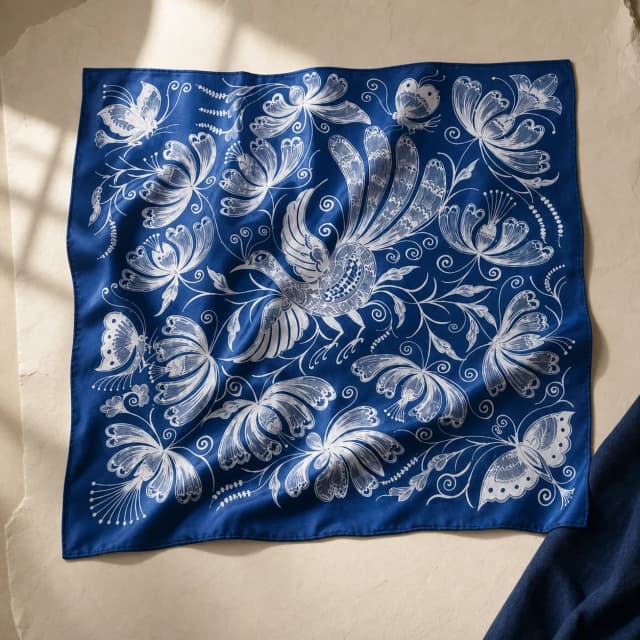
Hidden Indigo is a small, artisan-led brand preserving the traditional Miao batik craft of Guizhou, China. Built by a team of three based in Guiyang, the label works closely with Zhang Shixiu, a recognized inheritor of Miao batik and founder of the Mingxiu Batik Workshop in Paimo Village, and the women artisans in her workshop. Every piece is made using the traditional six-step wax-resist dyeing process: hand-drawing hot wax onto cloth, repeated indigo dipping, wax removal, and natural drying. The result is a range of bags, scarves, hats, jewelry, and home décor, each bearing the natural variation that comes from being entirely hand-drawn rather than mass-produced. Hidden Indigo's mission centers on keeping this heritage craft alive by putting it into everyday, wearable objects rather than freezing it as museum pieces. The brand grows deliberately slowly, framing each purchase as direct support for artisan livelihoods and the continuation of a fading tradition, summed up in its own words: "Blue, made slowly."

FINigrana featured image

FINigrana

Germany · Est. 1998 · Affordable

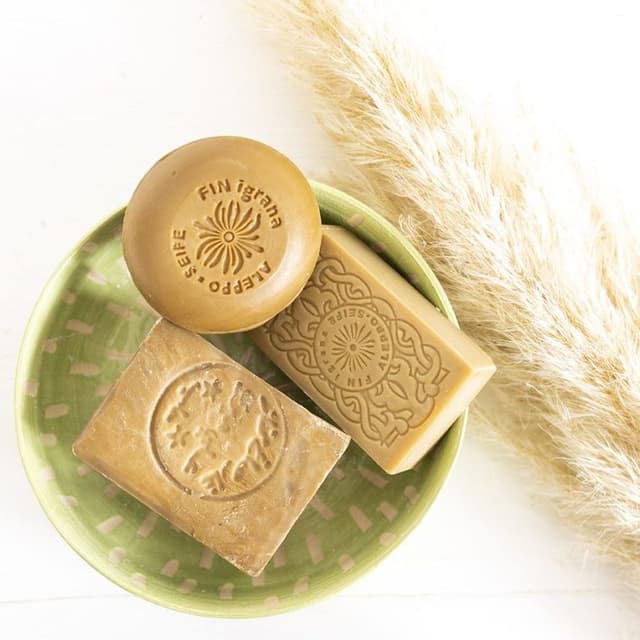
FINigrana is a German beauty brand established in 1998 by Bernhard Bauer and Gabriele Krüger. With more than two decades behind it, the brand brings a sense of heritage to natural beauty that newer plant-based labels cannot easily replicate. Its products are positioned around natural and plant-based ingredients, with vegan beauty forming another important part of the brand’s identity. Handmade production gives FINigrana an artisanal character and helps connect its products to a more traditional approach to personal care. The brand’s heritage is particularly relevant because its focus on natural beauty predates the current wave of clean-beauty marketing. Rather than appearing to have adopted plant-based formulation in response to recent demand, FINigrana has a longer-standing relationship with this category. Ethical and sustainable beauty also fit within its wider subcategory profile, adding a more contemporary layer to the brand’s established natural positioning. Affordability makes FINigrana especially approachable. Customers can explore plant-based, handmade beauty without paying the premium usually attached to artisanal or heritage-led products. Its minimalist and everyday beauty positioning keeps the range practical rather than ceremonial. FINigrana is therefore a good fit for shoppers who value natural formulas, vegan products, craftsmanship, heritage, ethical considerations, and accessible pricing. The brand’s strength lies in combining those qualities with the familiarity of a beauty company that has been operating since the late 1990s.

Speick featured image

Speick

Germany · Est. 1928 · Affordable

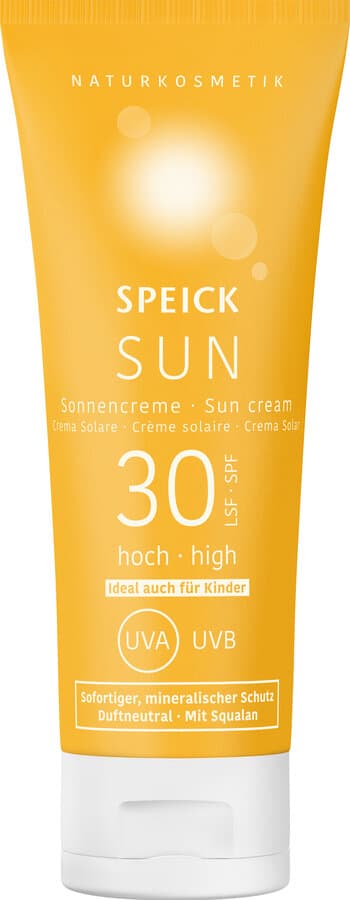
Speick is a German beauty and personal care brand founded in 1928 by Walter Rau and based in Stuttgart-Möhringen, Baden-Württemberg. With almost a century of history, it brings genuine heritage to a category where many brands use tradition primarily as a storytelling device. Natural beauty sits at the heart of Speick’s identity, alongside cruelty-free practices and a long-standing connection to locally made production. Its sustainability profile gives the heritage story a contemporary dimension. Rather than relying entirely on history, the brand also aligns with current expectations around more responsible beauty and everyday product choices. Local production is particularly significant for Speick because it reinforces continuity between the brand’s German origins and how it operates today. The affordable price point keeps the range accessible, which is unusual for a heritage-led beauty brand. Customers can engage with natural and locally made products without paying the premium normally associated with long-established labels. Everyday beauty is where Speick makes the most sense. Its products are intended to become routine essentials rather than occasional luxury purchases. For shoppers interested in European beauty with real historical depth, Speick combines natural ingredients, cruelty-free practices, sustainability, locally made production, affordable pricing, and nearly a century of heritage. That combination gives the brand a character that newer natural beauty companies cannot easily replicate.

Dr. Dabour featured image

Dr. Dabour

Israel · Est. 2010 · Mid-range

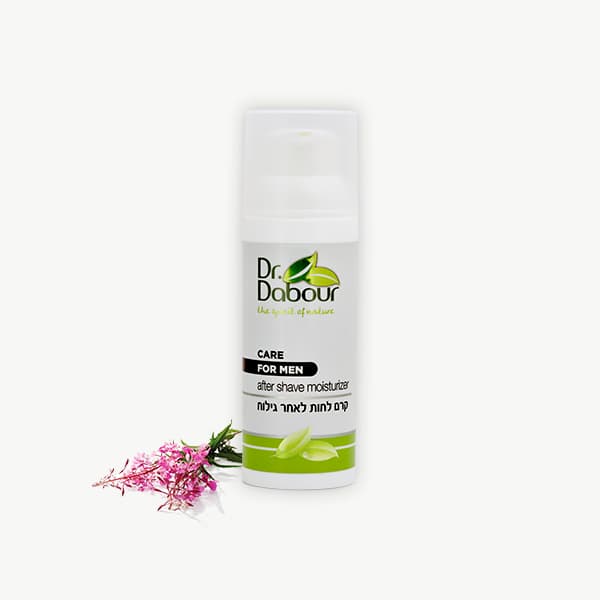
Dr. Dabour is an Israeli beauty brand founded in 2010 by Ziad Dabour and rooted in the Galilee region. Its profile is built around natural, plant-based skincare, local production, heritage, and a strong connection to where its products originate. That sense of place is central to the brand’s character. Rather than presenting natural beauty as a generic global concept, Dr. Dabour combines botanical formulation with locally made production, giving the range a distinctly regional identity. The brand is also vegan, making it relevant for shoppers looking for plant-focused beauty without animal-derived ingredients. Eco-friendly and sustainable beauty principles add a broader environmental dimension, complementing the natural formulation story. Heritage is another important part of Dr. Dabour’s positioning. It gives the brand more depth than a newer clean-beauty label built primarily around contemporary trends. Its products feel connected to a longer tradition of botanical and locally rooted care. Although its listed price range sits around mid-range, the brand carries a luxury beauty positioning through its ingredients, presentation, and emphasis on heritage. For customers looking for natural beauty with a strong regional identity, Dr. Dabour combines vegan skincare, plant-based ingredients, sustainability, local production, and heritage in an Israeli beauty brand designed for regular use as well as a more elevated self-care experience.

Senteurs d’Orient featured image

Senteurs d’Orient

Lebanon · Luxury

Senteurs d’Orient is a Lebanese luxury beauty brand founded by Hana Debs Akkari and based in Beirut. The brand brings together clean beauty, plant-based ingredients, traditional craftsmanship, and heritage, creating products that feel closely connected to place rather than simply borrowing regional inspiration. Its vegan and cruelty-free positioning gives the brand a clear conscious-beauty profile, while paraben-free and silicone-free formulations make it particularly relevant for ingredient-conscious shoppers. Handcrafted and handmade production are central to the experience. This artisanal approach reinforces the brand’s Lebanese identity and gives the products a more personal character than mass-manufactured luxury beauty. Ethical and sustainable values extend that philosophy further. Recycled materials and locally made production add environmental considerations without separating them from the brand’s wider heritage story. Senteurs d’Orient sits firmly within luxury beauty, but its premium positioning comes from more than packaging or price. The brand’s strongest asset is the combination of craftsmanship, clean formulation, and cultural identity. For customers seeking luxury beauty with a clear sense of origin, Senteurs d’Orient brings together vegan and cruelty-free practices, plant-based formulas, sustainability, ethical production, recycled materials, local craftsmanship, and Lebanese heritage. It is especially compelling for shoppers who want premium products to feel connected to both place and tradition.

LIHA Beauty featured image

LIHA Beauty

United Kingdom · Est. 2014 · Luxury

LIHA Beauty is a UK beauty brand founded in 2014 by Liha Okunniwa and Abi Oyepitan. The Black-owned and women-owned luxury brand brings together natural and plant-based beauty with heritage, ethical sourcing, and handmade production. Its vegan and cruelty-free positioning gives the brand a clear animal-friendly identity, while fair-trade and ethical values extend that consciousness into ingredient sourcing and production. Sustainability is another important part of LIHA Beauty’s profile. Combined with locally made and handmade production, it gives the brand an artisanal character that feels very different from conventional prestige beauty built around large-scale manufacturing. Heritage plays an especially meaningful role here. LIHA is not simply positioned as another natural skincare label; its story is closely connected to cultural influences, which gives the products a stronger sense of identity and provenance. Minimalist beauty also fits the brand’s approach. The emphasis is on considered products and intentional routines rather than excess. Overall, LIHA Beauty is a luxury UK beauty brand combining Black-owned and women-owned leadership, natural and plant-based ingredients, vegan and cruelty-free practices, ethical and fair-trade sourcing, sustainability, handmade production, local craftsmanship, and heritage. It is particularly well suited to shoppers who want premium beauty with a strong cultural and conscious foundation.

Kaeme featured image

Kaeme

Ghana · Est. 2016 · Mid-range

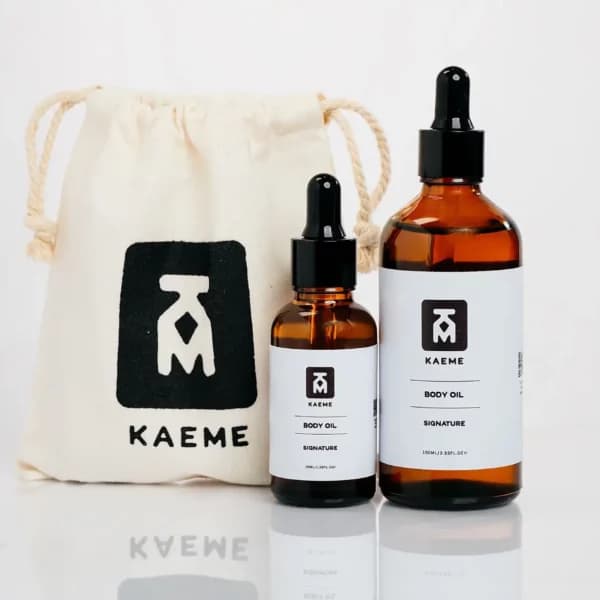
Kaeme is a Ghanaian beauty brand founded in 2016 by Freda Obeng-Ampofo. The women-owned brand is built around natural ingredients, plant-based beauty, local craftsmanship, and a strong connection to heritage. Handmade production plays an important role in Kaeme’s identity. Instead of presenting beauty as something detached from where it comes from, the brand keeps local production and craftsmanship visible, giving its products a stronger sense of origin. Ethical and fair-trade values add depth to that approach. They position Kaeme not simply as a natural beauty brand, but as one that also considers how ingredients and materials move through the supply chain. The brand sits within the mid-range beauty category, which allows it to feel more elevated than basic mass-market personal care while remaining more approachable than traditional luxury. Kaeme is particularly relevant for shoppers who value locally made beauty and products connected to African heritage. Its women-owned identity also gives customers another reason to support the brand beyond formulation alone. Overall, Kaeme combines natural and plant-based beauty, ethical and fair-trade sourcing, handmade production, locally made products, women-owned leadership, heritage, and mid-range pricing in a Ghanaian beauty brand that feels closely connected to both place and craftsmanship.

ORÍKÌ featured image

ORÍKÌ

Nigeria · Est. 2014 · Affordable

ORÍKÌ is a Nigerian beauty and wellness brand founded in 2014 by Joycee Awojoodu and based in Lagos. The Black-owned and women-owned brand draws on natural ingredients, plant-based beauty, heritage, and locally made production to create a distinctly African approach to self-care. Its formulation and sourcing values are a major part of the identity. ORÍKÌ is associated with vegan beauty as well as ethical and fair-trade practices, reflecting an emphasis on how ingredients are sourced and how production connects to local communities. Sustainability sits alongside these values, giving the brand a broader conscious-beauty profile. Its natural and plant-based positioning also helps create a strong connection between the products and the heritage traditions that inform the brand. Although the underlying price data places ORÍKÌ on the more accessible side, its presentation and subcategory positioning lean toward luxury beauty. That gives the brand an interesting balance: premium storytelling and heritage-led self-care without necessarily operating at the highest luxury price point. Overall, ORÍKÌ is a Nigerian beauty brand combining Black-owned and women-owned leadership, natural and plant-based formulas, vegan beauty, ethical and fair-trade sourcing, sustainability, locally made production, and heritage. It is particularly suited to shoppers who want beauty and wellness to feel connected to culture and responsible craftsmanship.

House of Tara featured image

House of Tara

Nigeria · Est. 1998 · Affordable

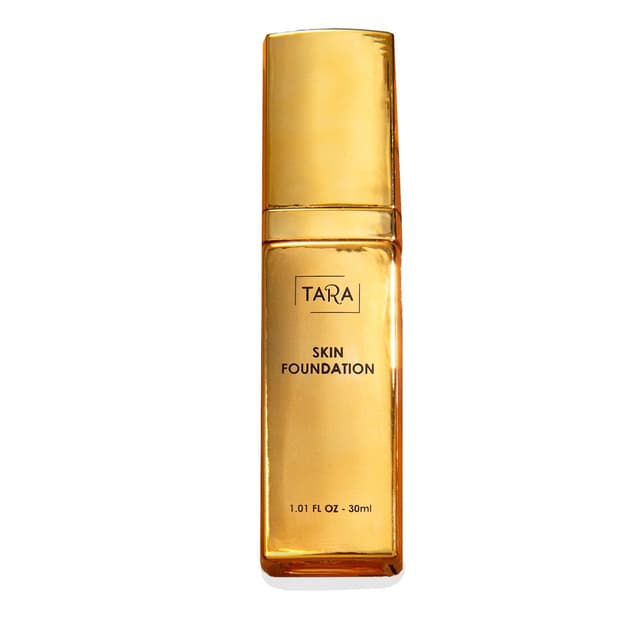
House of Tara is a Nigerian beauty brand founded in 1998 by Tara Fela-Durotoye and based in Lagos. With roots stretching back to the late 1990s, the brand carries a level of heritage that distinguishes it from many newer African beauty companies. Its Black-owned and women-owned identity is central to the story. House of Tara represents founder-led Nigerian beauty with a long-standing local presence, making it relevant not only as a cosmetics business but also as part of the wider development of modern African beauty entrepreneurship. Sustainability and ethical beauty are also part of its current positioning. These values sit alongside its everyday beauty focus, helping the brand remain relevant to customers who want products that are practical while still reflecting broader social and environmental considerations. Pricing places the brand around the accessible to mid-range segment, making it easier for customers to engage with a heritage beauty name without the barriers associated with luxury cosmetics. Overall, House of Tara is a Nigerian beauty brand shaped by heritage, Black-owned and women-owned leadership, sustainability, ethical values, and everyday usability. Its longevity is one of its strongest assets, giving the brand a sense of continuity in a beauty market that often changes quickly.

Divana Wellness featured image

Divana Wellness

Thailand · Est. 2001 · Luxury

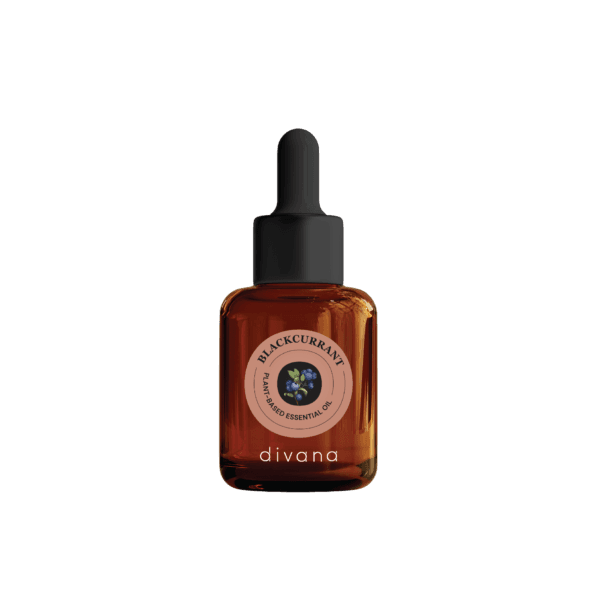
Divana Wellness is a luxury beauty and wellness brand founded in 2001 by Pattanapong Ranuraksa and Thaneth Jiraswakedelok and based in Bangkok, Thailand. The brand brings together natural beauty, plant-based ingredients, local production, and a strong connection to heritage, giving it a distinctly wellness-led identity. Rather than treating beauty as a purely cosmetic routine, Divana’s positioning feels closer to ritual and self-care. Natural and plant-based beauty sit at the center of the brand, while its heritage character helps connect those products to a broader sense of place and tradition. Locally made production is another important part of the story. It gives Divana Wellness a stronger connection to Thailand and helps distinguish the brand from luxury labels whose products are globally standardized with little relationship to where they originate. Sustainability also fits naturally into this approach. Combined with natural ingredients and local production, it supports a more considered form of luxury beauty that is not built only around packaging or exclusivity. For shoppers interested in premium self-care, Divana Wellness offers a different proposition from a conventional skincare or makeup brand. It combines luxury beauty with plant-based ingredients, natural formulation, sustainability, local craftsmanship, and heritage, making the brand especially relevant to customers who see wellness and beauty as part of the same everyday ritual.

DAMDAM Tokyo featured image

DAMDAM Tokyo

Est. 2019 · Luxury

DAMDAM is a Japanese beauty brand founded in 2019 by Giselle Go and Philippe Terrien. The brand brings a modern lens to Japanese skincare by combining clean beauty with natural ingredients, local production, and a strong respect for heritage. Rather than treating tradition as decoration, DAMDAM uses it as part of a broader philosophy around simplicity, craftsmanship, and conscious beauty. Its vegan and cruelty-free positioning makes the brand relevant for customers who want luxury skincare without animal-derived ingredients or animal testing. DAMDAM is also associated with sensitive-skin-friendly beauty, which gives the range a gentler, more approachable side despite its premium presentation. Sustainability is closely woven into the brand’s identity. Eco-friendly practices and locally made production support a beauty model that feels more intentional and less mass-produced. That local connection also strengthens DAMDAM’s place within Japanese beauty, where provenance and craftsmanship often matter as much as visual presentation. The brand’s minimalist approach keeps routines from feeling overloaded. Products are designed to fit into everyday use rather than encourage excessive layering, making DAMDAM a good match for shoppers who prefer fewer, more purposeful steps. In the luxury beauty space, it stands out for combining vegan formulas, cruelty-free values, natural ingredients, sustainability, sensitive-skin-friendly care, and Japanese heritage in a clean, understated way.

Pestle & Mortar featured image

Pestle & Mortar

Ireland · Est. 2014 · Mid-range

Pestle & Mortar is an Irish skincare brand founded in 2014 by Sonia Deasy and based in Naas, County Kildare. The European beauty brand creates skincare designed around straightforward routines, accessible product use, and a modern approach to everyday skin maintenance. As a vegan and cruelty-free beauty brand, Pestle & Mortar is relevant for shoppers looking for animal-friendly skincare within the mid-range beauty category. Sustainability also plays a role in the brand’s identity, including the use of recycled materials and a more considered approach to packaging and production. Minimalist beauty is another natural fit for Pestle & Mortar. Its products are designed to support uncomplicated routines, making them suitable for customers who prefer fewer, more purposeful skincare steps. The brand also carries a sense of heritage within its broader identity, helping distinguish it from more trend-driven skincare labels. Overall, Pestle & Mortar is a mid-range European skincare brand combining vegan beauty, cruelty-free practices, sustainability, recycled materials, heritage, minimalist skincare, and everyday beauty.

Can't find what you're looking for?

We add new sites every week but if you have a specific request, let us know.

About heritage brands

This Independent Heritage Brands List is a curated collection of fashion and beauty brands rooted in tradition. Heritage brands carry forward skills, techniques, and stories passed down over time, often staying true to the methods that made them in the first place.

You'll find brands here across clothing, footwear, jewellery, and beauty. Each one earns its place through its history and lasting craftsmanship, whether that's a long-standing family trade or a revival of traditional ways of making things. Bringing them together in one list makes it easier to find pieces with real provenance and meaning.

To help you choose, every brand profile comes with a short description, the categories it covers, and tags such as hand-crafted, fine jewellery, or locally made. A quick filter by category or tag narrows things down to what suits you best.

What ties these brands together is their independence. They're usually smaller labels that value where they've come from, so heritage shapes what they make today rather than being left in the past.

Take a look through the Independent Heritage Brands List above, filter by what matters to you, and click any brand to learn more. If you appreciate craft with history behind it, this list is a great starting point.

Frequently asked questions

What is the Heritage Brands List?
The Heritage Brands List is a curated collection of independent heritage brands rooted in tradition, spanning clothing, footwear, jewellery, and beauty. It brings established and craft-led heritage brands together in one place.
What makes a brand a heritage brand?
Heritage brands carry forward skills, techniques, or stories built up over time, whether that's a long-standing family trade, a traditional craft, or methods passed down through generations.
Does a heritage brand have to be old?
Not necessarily. Some heritage brands have decades or centuries of history, while others are newer but built on traditional methods. What matters is the craft and provenance, not the founding date alone.
What products do heritage brands make?
The heritage brands in this list cover fashion and beauty, including clothing, footwear, jewellery, and beauty goods. Many are known for a particular speciality, such as leather goods, tailoring, or metalwork.
Why are heritage brand products often more expensive?
Traditional methods take more time and skill, and heritage brands tend to use higher-quality materials. The price usually reflects craftsmanship made to last rather than fast, low-cost production.
How do I choose a heritage brand from this list?
Each independent heritage brand has a short description and tags such as hand-crafted, fine jewellery, or locally made, so you can quickly find the heritage brands that match what you're looking for.