#plastic-free

List of 30 Plastic-Free Brands

Explore 30 plastic-free brands cutting plastic from their products and packaging across beauty and swimwear. Plastic-free brands replace conventional plastics with alternatives such as glass, metal, paper, card, bamboo or compostable materials, and in beauty that often means solid bars, refills and tins instead of plastic bottles and tubes. Beauty and skincare make up the largest share of this list, followed by swimwear, with a couple of clothing labels. Ideal for bathroom swaps and lower-waste holidays. Browse these plastic-free beauty brands side by side to compare formats and find practical alternatives that help reduce plastic waste.

Tagged Brands

The Knotty Ones featured image

The Knotty Ones

USA · Est. 2014 · Mid-range

The Knotty Ones is a European handmade knitwear label for women, founded in 2014 by Lithuanian friends Danutė Rasimavičiūtė, Sandra Pangonytė and Akvilė Meškauskaitė-Dobrajs, and based between Vilnius and New York. The three met at grad school in 2011, having grown up in knits made by their grandmothers. Proud of their Baltic heritage, they design elevated, timeless pieces inspired by the Baltic Sea, Lithuanian meadows and the country's pagan roots. The collection includes merino wool sweaters such as the Bangos, cardigans and vests, silk and mohair dresses like the Eglutė, crochet cotton dresses, tops, shorts, socks and accessories. Every piece is made in Lithuania, hand-knitted by a community of more than 40 female artisans, many of them mothers in rural villages and small towns. The female-founded brand pays its knitters a living wage and gives them financial independence and a voice in their communities. It uses only 100% natural yarns, OEKO-TEX certified dyes and plastic-free buttons and packaging, works with local artists who hand-dye with herbs and produces in small batches. The Knotty Ones has been worn by Hilary Duff and Margaret Qualley.
Sauberkunst featured image

Sauberkunst

Germany · Est. 2012 · Affordable

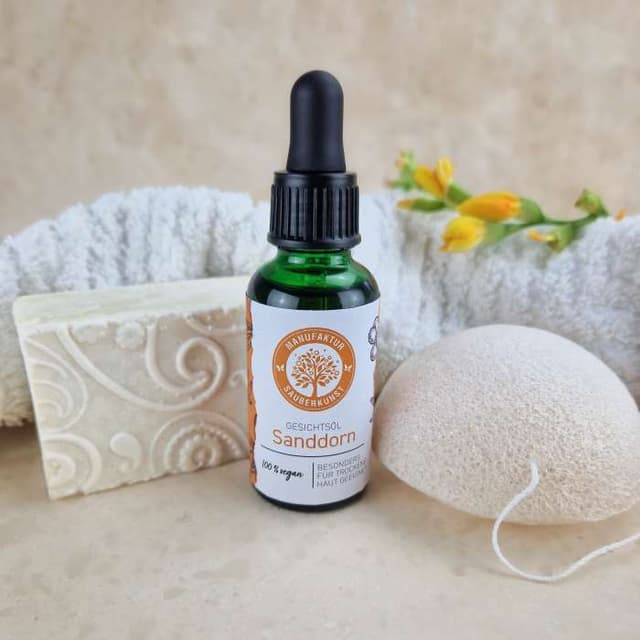
Sauberkunst is a German beauty brand founded in 2012 by Annett Förster and based in Brandenburg. Its identity is strongly shaped by craftsmanship and lower-waste beauty, combining vegan formulas with handmade production, plastic-free choices, and a clear sustainability focus. Fair-trade values add an ethical dimension to the brand’s profile. This is important because Sauberkunst’s positioning does not stop at packaging; it also reflects concern for how ingredients and materials are sourced. The handmade character gives the brand a noticeably different feel from conventional mass-market personal care. Locally made production reinforces that independence and keeps Sauberkunst closely connected to Germany. Plastic-free beauty is one of its most meaningful attributes. For shoppers trying to reduce disposable packaging in their daily routines, the brand offers an alternative to products that rely heavily on bottles, pumps, and multilayer plastic components. Despite these conscious-beauty credentials, Sauberkunst remains in the affordable category. That gives it a particularly useful place in the market, since ethical and sustainable beauty can often become prohibitively expensive. The brand is best suited to customers who want environmental values to be visible in the product itself, not just in marketing. Vegan beauty, fair-trade sourcing, handmade production, plastic-free design, sustainability, local manufacturing, and accessible pricing all contribute to a brand identity centered on practical, everyday conscious beauty.

hello simple featured image

hello simple

Germany · Est. 2016 · Affordable

hello simple is a Berlin beauty brand founded in 2016 by Lisa Mair and Jacqueline Gey. Its name captures the brand’s broader philosophy well: natural and organic beauty should be uncomplicated, lower-waste, and realistic enough to become part of everyday life. The brand is vegan and cruelty-free, but its environmental profile is where it becomes especially distinctive. Plastic-free and zero-waste principles are built into the brand’s positioning, giving shoppers a way to reduce disposable packaging rather than simply switching between different recyclable formats. Handmade and locally made production add a more personal character to the brand. This connection to Berlin helps hello simple stand apart from mass-produced eco-beauty labels and reinforces the sense that the products are developed with small-scale production in mind. Natural and organic ingredients support the same philosophy. The focus is not just on what is left out of the packaging, but also on creating beauty products that feel aligned with a more conscious routine. Its affordable price point is another major advantage. Zero-waste beauty can easily become expensive, but hello simple keeps these values within reach of everyday shoppers. For customers looking for a European beauty brand that combines vegan formulas, natural ingredients, handmade products, local production, plastic-free design, sustainability, and zero-waste thinking, hello simple offers a particularly practical entry into lower-impact beauty.

Rosenrot featured image

Rosenrot

Germany · Est. 2013 · Affordable

Rosenrot is a German beauty brand founded in 2013 by Karin Ziesmer and based in Heilbronn, Baden-Württemberg. Its identity is built around natural and organic beauty, but what makes the brand particularly interesting is how strongly that formulation philosophy is connected to low-waste product design. Rosenrot is cruelty-free and associated with paraben-free beauty, while biodegradable and plastic-free elements make its sustainability positioning more tangible. Instead of limiting environmental responsibility to recyclable outer boxes, the brand is linked to reducing plastic and using materials that are better suited to lower-waste routines. Locally made production strengthens its German character and gives shoppers a clearer connection between the brand and where its products are produced. That local focus also complements its natural beauty positioning, making the overall approach feel coherent rather than assembled from unrelated claims. Although some of its tags sit around mid-range, Rosenrot is positioned in the affordable beauty segment. That accessibility is important because plastic-free and organic beauty are often priced as premium categories. Its minimalist positioning further supports the idea of buying and using products more intentionally. For customers exploring European beauty, Rosenrot offers a practical combination of natural and organic formulations, cruelty-free values, biodegradable and plastic-free design, local production, sustainability, and everyday usability without turning lower-waste beauty into an expensive niche.

puremetics featured image

puremetics

Germany · Est. 2020 · Affordable

puremetics is a Berlin-based beauty brand founded in 2020 by Christopher Cosma and Chidobe Ogbukagu. The brand has one of the clearest environmental identities in this group, with plastic-free and zero-waste beauty positioned alongside vegan and cruelty-free formulation. Its sustainability approach goes beyond a general eco-friendly message. Plastic-free design directly addresses one of the beauty industry’s most persistent waste problems, while zero-waste principles push the brand toward reducing unnecessary materials altogether. Handmade and locally made production add another layer of responsibility and give puremetics a smaller-scale, independent character. Vegan and cruelty-free values make the brand relevant for customers who want their beauty routine to align with animal-friendly choices as well as environmental ones. What makes puremetics particularly accessible is its affordable positioning. Zero-waste and plastic-free beauty are often marketed at premium prices, but the brand brings these ideas into a more attainable category. Minimalist beauty also fits naturally with its philosophy. Reducing packaging, waste, and unnecessary consumption works best when customers are encouraged to buy more intentionally. For shoppers seeking European beauty with a strong sustainability focus, puremetics combines vegan formulas, cruelty-free practices, plastic-free packaging, zero-waste principles, eco-friendly production, handmade products, local manufacturing, and accessible pricing in a modern Berlin beauty brand.

Flavedo & Albedo featured image

Flavedo & Albedo

Australia · Est. 2020 · Mid-range

Flavedo & Albedo is an Australian beauty brand founded in 2020 by Emily Perrett, Aleks Allen, and Toby Norris and based in Sydney, New South Wales. The brand brings a more environmentally focused perspective to makeup, with plastic-free beauty and sustainability forming central parts of its identity. Its cruelty-free positioning gives shoppers an animal-friendly option, but the most distinctive part of the brand is its approach to packaging. Plastic-free beauty remains relatively uncommon in cosmetics, where compact cases, tubes, and secondary packaging can generate significant waste. That makes Flavedo & Albedo particularly relevant for customers who want their makeup choices to reflect environmental priorities without abandoning everyday usability. Sustainability here is closely connected to the physical design of the products rather than being treated only as a broad brand message. The company sits in the mid-range beauty segment, which allows it to offer a more considered product experience while remaining more accessible than premium eco-luxury brands. Its Australian identity and Sydney base also give the brand a clear local context within the wider conscious beauty movement. Flavedo & Albedo is best suited to shoppers looking for a cruelty-free makeup brand with a serious commitment to reducing plastic. It combines mid-range pricing, sustainable beauty, plastic-free design, and everyday wearability in a way that makes lower-waste cosmetics feel practical rather than niche.

Fluff featured image

Fluff

Australia · Est. 2017 · Luxury

Fluff is an Australian beauty brand founded in 2017 by Erika Geraerts and based in Melbourne, Victoria. The brand approaches beauty through simplicity, conscious consumption, and products designed to become part of relaxed everyday routines. As a vegan and cruelty-free beauty brand, Fluff appeals to shoppers looking for animal-friendly cosmetics and skincare with a more considered philosophy. Natural and plant-based ingredients are also central to its identity, alongside influences from Ayurvedic beauty and holistic self-care. Sustainability is one of Fluff’s strongest defining features. The brand incorporates refillable products, plastic-free concepts, and more mindful packaging choices, encouraging customers to buy less and use products more intentionally. Minimalist beauty is closely connected to this approach. Rather than promoting large routines, Fluff focuses on versatile products and a simplified relationship with beauty. Overall, Fluff is an Australian beauty brand combining vegan beauty, cruelty-free standards, natural and plant-based ingredients, sustainable packaging, refillable products, Ayurvedic influences, and minimalist everyday beauty for customers seeking a more conscious approach to cosmetics.

Kate McLeod featured image

Kate McLeod

United States · Est. 2018 · Mid-range

Kate McLeod is an American beauty brand founded in 2018 by Kate McLeod and based in Brooklyn, New York. The women-owned brand is known for body care that brings together natural ingredients, thoughtful craftsmanship, and a minimalist approach to everyday self-care. As a vegan and cruelty-free beauty brand, Kate McLeod appeals to customers looking for animal-friendly products with a more conscious formulation philosophy. Natural and plant-based ingredients form an important part of the brand’s identity, while handmade and locally made production reinforce its independent character. Sustainability is particularly central to Kate McLeod. The brand incorporates plastic-free, refillable, zero-waste, and upcycled concepts into its approach, helping reduce unnecessary packaging and encouraging customers to rethink how everyday body care is used and replenished. The brand’s elevated presentation places it comfortably within luxury beauty, while its products are designed to remain practical enough for regular routines. Overall, Kate McLeod combines women-owned beauty, vegan and cruelty-free practices, natural ingredients, local craftsmanship, minimalist design, and strong sustainability principles in a distinctive American body care brand.

Beneath Your Mask featured image

Beneath Your Mask

United States · Est. 2016 · Luxury

Beneath Your Mask is a luxury American clean beauty brand founded by Dana Jackson, and its origin is medical rather than commercial. In 2011 she was diagnosed with systemic lupus erythematosus and lupus nephritis, and relocated to Los Angeles for treatment. The products available to her were either too harsh for a compromised immune system or too weak to help. She created the first, Heal: Whipped Skin Soufflé, in 2012. The name refers to the figurative masks people wear. The brand's line is that beneath that mask lies a beauty which does not need society's approval to exist. Products are formulated in Los Angeles using mostly certified organic, organic or wild-harvested botanicals, handcrafted rather than mass produced. Formulations exclude parabens, sulfates, harsh detergents, phthalates, synthetic fillers, artificial colours, artificial fragrances and artificial preservatives. Most products are vegan, with the Illuminate mask containing honey and the Remedy lip balm containing beeswax, and the brand names both exceptions openly. Everything is packaged in Miron violet glass, which filters damaging light wavelengths and protects potency without synthetic preservatives. Hero products include Heal: Whipped Skin Soufflé and the Illuminate Clarifying Face Mask. Nourish Skin & Hair Serum, Polish Detoxifying Body Scrub and the Remedy Conditioning Lip Balm complete the line. A quarterly giving programme supports minority women living with lupus and other autoimmune conditions, covering groceries, supplements, bodywork and household help. For anyone researching luxury clean beauty, natural beauty or skincare for autoimmune and highly reactive skin, this brand is exceptional. Few founders understand reactive skin from the inside as well as this one does.

Bravura London featured image

Bravura London

United Kingdom · Est. 2003 · Affordable

Bravura London is an affordable UK skincare brand founded by Amanda Elias. It has been making expert-led products since 2003. Everything is made in small batches in South Wales. The brand has one clear belief. Good skincare should not cost a fortune. It says products do not need fancy packaging or high prices to work well. So Bravura sells strong acids, retinoids, vitamin C and peptides for very little money. Most products cost between eleven and nineteen pounds. Best sellers include the Salicylic Acid 2% Chemical Peel with Aloe Vera. The Glycolic Acid 10% Peel with Vitamin B5 is another favourite. So is the Revitalising Ginseng Toner with Glycolic Acid 5%. The Azulene Moisturiser rounds out the core range. These products have a loyal following. Fans tend to read ingredient lists, not adverts. Bravura does not test on animals. The range is vegan friendly, with the collagen moisturiser as the one exception. Seals are biodegradable and there is no plastic packaging. The brand is still independent and still led by its founder. It says more than 250,000 customers worldwide have bought from it. That is a big number for a company that rarely advertises. Making the range in Wales keeps the supply chain short and British. If you are looking at UK beauty brands, affordable beauty, cruelty-free beauty or everyday skincare, Bravura is a strong pick. It is one of the best budget swaps for pricey acid and retinoid treatments. The value comes from the formula, not the branding. That is why it keeps winning fans.

grüum featured image

grüum

United Kingdom · Est. 2016 · Affordable

grüum is an affordable UK beauty and personal care brand founded in 2016 by four friends from Manchester, now based in Stockport, and it has built its reputation on effective, affordable, planet-friendly essentials inspired by Scandinavian principles of design and functionality. The brand's promise is transparency: it only includes things that do you good and leaves out the rest, publishing plain-English ingredient explanations across a range that spans skincare, shaving, hair care and body care. The majority of products are handmade in the UK. grüum never tests on animals and does not work with suppliers that do, and the vast majority of the range is vegan-friendly, with a dedicated vegan filter across categories. Sustainability is where the brand is most concrete: through its rePurpose Global partnership, for every bottle sold another is removed from the environment, and through Ecologi it has funded 4,511 trees planted, prevented 372.1 tonnes of CO2 and helped protect 400,000 hectares of forest land. Every piece of packaging included is recyclable, solid bar ranges eliminate plastic entirely, and grüum operates a free UK razor recycling scheme it describes as the first of its kind in the country. Hero products include the skyda SPF50 Daily Defence Lotion, botanisk Prickly Pear Oil, the såpa body bars, hår shampoo bars and the puls pulse point roller. With most items priced between eight and eighteen pounds, the range is genuinely accessible. For anyone researching UK beauty brands, affordable beauty, vegan beauty, cruelty-free beauty, zero-waste beauty or plastic-free everyday essentials, grüum delivers real environmental accounting at supermarket prices.

Evolve Organic Beauty featured image

Evolve Organic Beauty

United Kingdom · Est. 2009 · Mid-range

Evolve Organic Beauty is a UK beauty brand founded in 2009 by Laura Rudoe, independent, founder-led and British made from the outset, and it stands as one of the most rigorously certified names in the country's natural beauty sector. Every product is designed, formulated and made in-house in small batches at the brand's own studio in St Albans, Hertfordshire, where a team of more than twenty artisans has produced the range since 2014. Evolve is a Certified B Corporation, among the first thousand B Corps certified in the UK, with a B Impact Score of 92. Its organic formulations are certified by ECOCERT to COSMOS standards with a 95% organic ingredient minimum, and the brand is certified cruelty-free by Cruelty Free International under the Leaping Bunny programme. Formulations are over 99% natural and free from unnecessary or harmful ingredients. The sustainability record is exceptionally well quantified: plastic-free refills across all 100ml products have saved over 6,000 pumps from landfill, 63% of packaging includes recycled materials, all plastic bottles are made from 100% post-consumer recycled plastic, 250ml bottles use Prevented Ocean Plastic, and 894 tonnes of CO2 have been offset through verified Amazon, Madagascan mangrove and Indonesian peatland projects. The brand has set a science-based target for 50% emissions reduction by 2030 and net zero by 2050. Hero products include the Age Defying Multi Peptide Cream, Nightly Renew Facial Cream, Bio-Retinol Gold Face Mask and Hyaluronic Serum 200. For anyone researching UK beauty brands, organic beauty, sustainable beauty, ethical beauty or women-owned mid-range skincare, Evolve is a benchmark.

ATTITUDE featured image

ATTITUDE

Canada · Est. 2010 · Affordable

ATTITUDE is an affordable Canadian beauty and household brand founded in 2010 by JF Bernier and Benoît Lord in Montreal, and it has become one of North America's most credibly certified clean beauty companies. The entire range is EWG VERIFIED, meaning formulations avoid more than ten thousand ingredients flagged for health or environmental concern, and the brand holds PETA certification confirming its cruelty-free status. All products are vegan. ATTITUDE manufactures in its own factory in Canada, giving it direct control over formulation, quality and working conditions rather than relying on contract manufacturers. The brand's environmental record is unusually concrete for its price point: it has developed a fully plastic-free packaging line alongside refill options, uses FSC-certified paper, and reports having saved more than one thousand tons of plastic since 2021 while funding the planting of over two million trees. The range spans body care, hair care, baby products, sun care and household cleaning, making it a rare option for consumers who want consistent ingredient standards across an entire home rather than in skincare alone. For anyone researching vegan beauty, cruelty-free beauty, sustainable beauty, zero-waste beauty or affordable Canadian beauty brands, ATTITUDE offers verified third-party certification at supermarket pricing, a combination that very few competitors achieve. Its plastic-free bars and refill systems in particular have made genuinely low-waste routines accessible to households that could not previously afford them, demonstrating that rigorous environmental standards and mass-market affordability are not mutually exclusive in the modern beauty industry.

Ere Perez featured image

Ere Perez

Australia · Est. 2002 · Mid-range

Ere Perez is an Australian natural beauty brand that has been quietly ahead of the industry since 2002. Founded in Bondi Beach by Ere Perez, whose Mexican childhood included a grandfather who practised traditional medicine and a mother with a gift for home remedies, the brand combines that inherited botanical knowledge with modern formulation science. The range spans natural skincare and colour cosmetics built on plant and botanical ingredients, with Australian native botanicals featuring throughout. Multitasking essentials define the catalogue, designed to be gentle on sensitive skin and worn every day rather than saved for occasions, and the brand's stated philosophy is unapologetically less-is-more. Its ethical credentials are among the strongest in Australian beauty. Ere Perez is certified cruelty-free by both PETA and Choose Cruelty Free Australia, and has been a certified carbon neutral beauty brand since 2016 through the Carbon Reduction Institute. It is a signatory to the UN Global Compact. The brand is predominantly vegan, using no animal-derived ingredients. Packaging is where it goes furthest. Plastic-free makeup pencils, zero waste skincare, prioritised post-consumer recycled and recyclable plastics, refillable natural compact powders and biodegradable plant-based sponges and boxes all feature, and one dollar from every order funds ocean cleaning. The brand has expanded steadily into international markets without diluting those standards. Priced in the mid-range tier, Ere Perez offers a natural beauty brand old enough to have proved the model works. For shoppers seeking vegan, cruelty-free, sustainable and genuinely natural Australian beauty from a women-owned business, it is a benchmark.

Eco Minerals featured image

Eco Minerals

Australia · Est. 2007 · Mid-range

Eco Minerals is an Australian mineral makeup brand that has been making pure powder cosmetics in Byron Bay since 2007. Founded by Lulu Starman and Amber Handley, it remains a direct-to-consumer business producing and packing every product by hand in coastal New South Wales. The proposition is purity. Eco Minerals foundations, blushes, bronzers and eyeshadows are one hundred percent natural mineral formulas containing no fillers, no chemical preservatives, no parabens and no palm oil. Because there is nothing diluting the pigment, coverage builds cleanly, and the foundation carries a natural SPF of around twenty-four without added chemical filters. The range is entirely vegan, using no animal-derived ingredients, and the brand does not test on animals. Its sustainability work is more concrete than most. Eco Refills let customers top up existing compacts using biodegradable, plastic-free sachets, cutting packaging waste substantially, and lipstick tubes are made from recycled aluminium. Packaging across the range is deliberately simple, recycled or biodegradable, and the brand is candid that reducing material is more effective than redesigning it. Shipping is handled directly from Byron Bay, and the brand sells internationally without appointing intermediaries. Priced in the mid-range tier, Eco Minerals has built a global following without leaving Byron Bay, and its refill system in particular has made it a fixture for shoppers trying to reduce cosmetic waste without changing what they wear. For anyone searching for natural, vegan, paraben-free and cruelty-free Australian beauty from a women-owned business that is genuinely locally made, handmade and refillable, Eco Minerals is one of the country's most consistent mineral specialists.

Conserving Beauty featured image

Conserving Beauty

Australia · Est. 2021 · Luxury

Conserving Beauty is an Australian skincare brand that set out to solve a problem most of the industry ignores: the sheer volume of water and single-use plastic that conventional beauty depends on. Founded in Melbourne by Natassia Nicolao, and described by the company as Australian and STEM female founded, it is one of the more genuinely inventive brands working in sustainable beauty today. Its signature innovation is InstaMelt, a dissolving fabric technology that replaces single-use plastic products. The material breaks down in around sixty seconds during use and biodegrades in landfill within fourteen days, eliminating the waste stream entirely rather than making it marginally smaller. Cartons can go into home compost or recycling, and the formulations themselves are waterless, delivering evidence-based concentrations of active ingredients without water as a filler. The brand is completely vegan and cruelty-free, and its products are clinically tested and shown to cause no dermal irritation or sensitisation, with a focus on acne-prone and sensitive skin. Carbon emissions are measured, tracked and offset in partnership with Trace, and the brand publishes product-level carbon footprints. Ethical sourcing is stated in unusual detail: suppliers must provide proper health and safety, freedom to leave, fair pay, freedom from discrimination and no child labour. Products are manufactured in Australia and South Africa. Positioned in the luxury tier, and with its founder named to the Forbes Asia 30 Under 30 list, Conserving Beauty is a compelling option for anyone seeking vegan, cruelty-free, ethical and genuinely sustainable Australian skincare backed by measurable evidence.

Birch Babe featured image

Birch Babe

Canada · Est. 2017 · Mid-range

Birch Babe Naturals is a Canadian skincare brand handmade in small batches in Northbrook, Ontario. Founded by Debbie and run with her two daughters, Kelsey and Lindsay, it is a family business in the literal sense, and every product is formulated, made and packed by the people who own it. The range is broad but coherent: cleansers, micellar water, toners, serums, face oils, creams, masks and mineral sunscreen, alongside body bars and oils, muscle balm, beard care, a baby line and a small collection of lip and cheek tints. Formulations are certified All Natural by CertClean, an independent verification that separates the brand from the many labels using "natural" without proof, and the founder holds diplomas in organic skincare formulation and advanced organic cosmetic science. Products are vegan and Leaping Bunny certified cruelty-free, made with ethically sourced, organic and certified natural ingredients. Packaging is almost entirely plastic-free, with a stated commitment to recyclable and sustainable materials and shipping that avoids unnecessary waste. Sitting in the mid-range tier and made entirely in Canada, Birch Babe is positioned for everyday, low-waste self-care rather than clinical intervention, with formulas gentle enough for babies and sensitive skin. For shoppers looking for natural, organic, vegan and cruelty-free skincare that is genuinely handmade, women-owned and locally made rather than outsourced, Birch Babe is one of the most transparent small brands operating in Canadian clean beauty today.

Axiology Beauty featured image

Axiology Beauty

United States · Est. 2013 · Mid-range

Axiology is an American beauty brand that treats packaging as seriously as formulation. Founded by Ericka Rodriguez and based in Bend, Oregon, it built its reputation on a simple provocation: why should a lipstick arrive wrapped in plastic that outlives the person wearing it? The answer became the brand's signature. Axiology products ship in boxes handmade by a women's cooperative in Bali from collected street waste — entirely plastic-free, compostable and recyclable. Its best-known products, the multi-use Balmies crayons, come with no plastic component at all, working across lips, eyes and cheeks so one item replaces three. Formulations are fully vegan and cruelty-free, built on a short list of plant-based, ethically sourced ingredients rather than long synthetic ones. The range now extends beyond colour into foundation and mushroom-infused serums, but the discipline holds throughout: fewer ingredients, fewer products, less waste. Priced in the mid-range tier, Axiology sits alongside conventional prestige makeup while operating to a zero-waste standard almost nobody at that price matches. Its upcycled packaging programme has drawn recognition from Allure, Cosmopolitan and Forbes, and the brand remains women-owned and founder-led. For shoppers searching for vegan, cruelty-free and genuinely sustainable American beauty, Axiology is one of the few brands where the environmental claim is structural rather than cosmetic. If you want ethical makeup that works as hard on waste as it does on pigment, this is the reference point.

Minimioche featured image

Minimioche

Canada · Est. 2008 · Mid-range

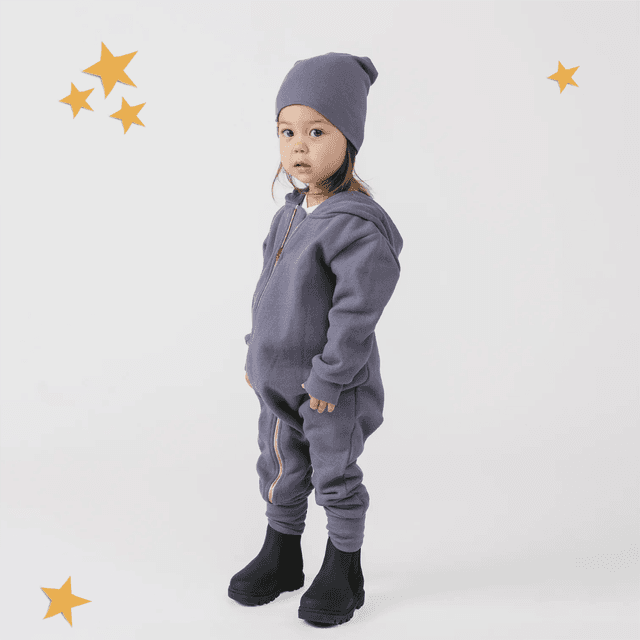
Minimioche is a Toronto, Canada–based children’s clothing brand founded by Alyssa Kerbel in 2008, focusing on modern, minimalist apparel for babies and kids. The brand creates essentials such as onesies, tops, trousers, dresses, and cozy layers made from soft, high-quality fabrics. Minimioche’s designs are known for their clean lines, neutral colours, and playful yet simple aesthetic that allows children to move freely and comfortably. Instead of loud prints or fast trends, the brand focuses on timeless pieces that can be worn often and passed down. The clothing feels gentle on the skin and practical for everyday play, rest, and outings. Minimioche appeals to parents who value simplicity, quality, and thoughtful design in kidswear. It’s ideal for families looking for stylish, durable children’s clothing that feels modern and easy to wear.

OceanZen Bikini featured image

OceanZen Bikini

Australia · Est. 2014 · Mid-range

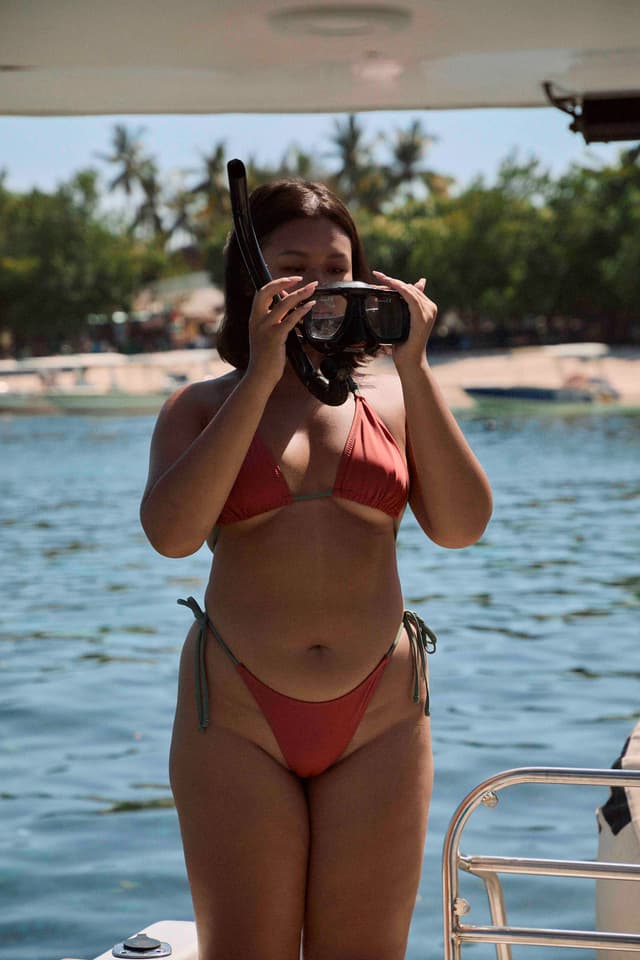
OceanZen is an eco-conscious swimwear brand, founded in 2014 by Steph Gabriel in Maroochydore, Queensland, Australia. The label produces bikinis and one-pieces made from sustainable fabrics, including recycled ocean waste like fishing nets. Its collections highlight clean, flattering cuts in earthy tones and tropical-inspired palettes. OceanZen is also dedicated to marine conservation, supporting environmental projects and spreading awareness about ocean health. What makes the brand unique is its strong ecological mission—combining stylish swimwear with sustainability and ocean advocacy.

SoSo Swim featured image

SoSo Swim

Australia · Est. 2021 · Affordable

Soso Swim is a contemporary swimwear brand, founded in 2021 by Romy Jackson. The label produces fashion-forward bikinis and one-pieces with an emphasis on bold styling, individuality, and modern cuts. Its collections often feature trendy details such as asymmetric designs, unique prints, and vibrant palettes. Soso Swim appeals to young, fashion-conscious women who want expressive, statement-making swimwear. What makes the brand distinctive is its focus on combining affordability with fresh, stylish designs, making boutique-style swimwear more accessible. With its youthful identity and fashion-first approach, Soso Swim is carving a niche in the competitive global swimwear space.

Melissa Odabash (US) featured image

Melissa Odabash (US)

United Kingdom · Est. 1999 · Luxury

Melissa Odabash is a London-based luxury swimwear brand, founded in 1999 by designer Melissa Odabash. Known as the “Ferrari of bikinis,” the label produces high-fashion swimwear and resortwear with a glamorous aesthetic. Its collections feature sophisticated silhouettes, luxurious fabrics, and timeless designs, often worn by celebrities and featured in major fashion magazines. Melissa Odabash also emphasizes inclusivity, offering a wide range of fits and sizes. What makes the brand unique is its global reputation for glamour and luxury—creating swimwear that doubles as a fashion statement. With more than two decades of success, Melissa Odabash has positioned itself as one of the leading names in international swimwear fashion.

Raw Potential UK featured image

Raw Potential UK

United Kingdom · Est. 2024 · Affordable

Raw Potential is a UK-based swimwear, active lifestyle brand, founded in 2024 by India Goodman. The label is built around empowerment and sustainability, producing bikinis and one-pieces designed for both style and performance. Its collections emphasize eco-conscious fabrics, functional fits, and minimalist aesthetics that appeal to modern women seeking versatile pieces. Raw Potential positions itself as more than just a swimwear brand, highlighting themes of strength, confidence, and conscious living. What makes the label unique is its focus on blending sustainability with activewear-inspired swim, ensuring designs work equally well for lounging or high-energy activities. As a newcomer, Raw Potential reflects a new generation of UK labels prioritizing slow fashion and purpose-driven storytelling. With its youthful identity and commitment to eco-conscious innovation, the brand appeals to women who want swimwear that feels modern, responsible, and inspiring.

Swim Against featured image

Swim Against

Spain · Est. 2016 · Mid-range

"Swim Against is a Barcelona based swimwear brand, founded in 2016 by Garry Devin and Dasia Fiona. The label produces eco-conscious swimwear with a bold, youthful aesthetic. Its collections often feature striking prints, athletic cuts, and sustainable fabrics, combining Mediterranean vibrancy with modern functionality. Swim Against emphasizes individuality and activism, encouraging customers to embrace both fashion and social responsibility. What makes the brand unique is its combination of bold aesthetics with sustainability, reflecting Barcelona’s creative energy. By offering playful yet eco-responsible swimwear, Swim Against has positioned itself as a modern European brand appealing to conscious, fashion-forward consumers."

Can't find what you're looking for?

We add new sites every week but if you have a specific request, let us know.

About plastic-free brands

Making Plastic-Free Swaps That Last

Plastic-free claims can refer to the product, the packaging or both, so check which part a brand means. Look for packaging made from glass, aluminium, card or paper, and check whether inner seals, lids or pumps contain plastic. In beauty, solid bars, powders and refillable tins are common plastic-free formats. In swimwear, most stretch fabrics contain synthetic fibres, so plastic-free brands may focus on packaging instead. There is no single legal definition, though some certification schemes do set specific plastic-free standards for packaging. Consider how you will store bars and powders at home, as keeping them dry helps them last.

Cutting Plastic at the Source

Plastic packaging is used once and then often lingers for decades, with only a portion recycled. Beauty products are a major contributor, from bottles and tubes to pumps and wrappers. Plastic-free brands rethink this by choosing materials that are easier to reuse, recycle or compost, and by designing formats that need less packaging in the first place. Switching even a few everyday items can significantly reduce the plastic that leaves your home. It is a practical, visible change that helps keep waste out of landfill and the oceans.

Frequently asked questions

What makes a brand plastic-free?
A plastic-free brand avoids plastic in its products, its packaging or both, using materials such as glass, metal, paper, card or bamboo instead. In beauty, that often means solid bars, powders and refillable tins. Because claims can apply to different parts of a product, it's worth checking exactly what's covered.
Is plastic-free packaging always better for the environment?
Usually it helps, but it depends on the alternative and how it's handled afterwards. Glass is heavier to transport, for example, though it's highly recyclable and reusable. The best choice is often packaging that is minimal, reusable or easy to recycle where you live, rather than simply plastic-free.
Are solid shampoo and soap bars as good as liquids?
Many people find them just as effective once they've found the right formula. Bars are concentrated, so they often last a long time, and they travel well. Keeping them dry between uses, on a draining dish or in a tin, stops them going soft and helps them last longer.
Can swimwear be plastic-free?
It's difficult, as most stretchy swim fabrics rely on synthetic fibres. Some swimwear brands focus instead on plastic-free packaging and shipping, while others use recycled fibres to reduce the need for new plastic. Check what a brand's claim refers to, so you know whether it covers the garment, its packaging or both.
What are the easiest plastic-free swaps to start with?
Bathroom products are a great starting point, since many come in plastic bottles and tubes. Soap, shampoo and conditioner bars, deodorant in card or tins, and refillable containers are simple switches. Replace items as they run out rather than all at once, so nothing goes to waste.
How does From The Labels choose brands for its list of plastic-free brands?
Each brand registers itself and explains how it removes plastic from its products or packaging. From The Labels only features homegrown and emerging labels that aren't owned or acquired by a large corporation, though investor support is fine. Check which parts a brand describes as plastic-free, including lids, seals and shipping materials.
How can I dispose of plastic-free packaging properly?
Check what each material is and follow your local recycling or composting guidance. Glass and aluminium are widely recyclable, while card and paper can usually be recycled if clean. Compostable materials may need home or industrial composting. The best plastic-free brands give clear disposal advice for every component.