#eco-friendly

List of 150+ Eco-Friendly Brands

Explore 150+ eco-friendly brands across fashion, beauty, haircare and footwear. Eco-friendly describes products and practices that aim to reduce harm to the environment, for example by using organic or recycled materials, cutting water and energy use, avoiding harsh chemicals or choosing recyclable and compostable packaging. Clothing is the largest category here, followed by haircare and beauty, then footwear, with a single swimwear label. Useful when you want greener options for the things you buy most often. Compare these eco-friendly fashion and beauty brands side by side to find lower-impact alternatives that still match your style and needs.

Tagged Brands

Swoon featured image

Swoon

India · Est. 2017 · Affordable

Swoon is a minimalist Indian designer clothing label for women and kids, founded in Gurugram in 2017 by designer Sakshi Astir. Its designs are relaxed, comfortable and fluid yet distinctive, with a slightly bohemian, vintage sensibility that reflects a wanderer's experience told through contemporary cuts and luxurious Indian fabrics. Most outfits come in pristine whites, ivory, ecru and earthy pastels and are versatile enough to wear from day to night. The range includes women's dresses, co-ord sets, tops and trousers, alongside Swoon baby and kids' clothing such as rompers, dresses, coordinated sets, gift sets, bibs and hair accessories. Everything is made in India from soft cottons and voiles, with signature styles like the Amour Dress pairing embroidery with contrasting lace. Handcraft sits at the heart of the label. Swoon actively works to revive handmade lace in India and specialises in French lace, crochet, handmade lace and macramé, combined with pleats and pin tucks. Collections such as Earthen use breathable crochet fabric in earthy hues, produced in small batches. The brand follows a zero-waste initiative, using all its waste fabric in packaging as part of a sustainable, eco-friendly approach to manufacturing.

SIZ featured image

SIZ

Portugal · Est. 2016 · Mid-range

SIZ is an ethical, sustainable European designer clothing label for women, founded in Sesimbra, Portugal in 2016 by twin sisters Raquel Rodrigues and Sofia Rodrigues. The sisters studied fashion together at the University of Lisbon's Faculty of Architecture and launched the brand after their internships, wanting to prove that sustainable fashion could be creative, colourful and fun. Its style pairs "clean and crafty" in an urban, casual look. The collection includes dresses, tops, shirts, trousers, skirts, jackets, jumpsuits and coordinated sets. Signature pieces include striped sets introduced in 2020 and a thin-strap summer dress reinterpreted every year. Garments are made in Portugal: the sisters design, make patterns, cut and sew in their Sesimbra atelier, working with local seamstresses in small batches produced to the rhythm of sales. Each yearly collection is built around an environmental or social cause, from climate change to ocean pollution and overconsumption. Much of the clothing uses deadstock fabrics, with organic and natural fibres used when deadstock runs short, while a take-back programme keeps garments out of landfill. SIZ has been profiled by the Portuguese magazine NiT and A Sustainable Closet, and in 2026 opened a two-month pop-up in Lisbon.

Slate Wearables featured image

Slate Wearables

Canada · Est. 2020 · Mid-range

Slate Wearables is an ethical, minimalist designer clothing label for women, founded in Vancouver in 2020 by designer Shelby Wick. The brand began as Wick's capstone project at Ryerson University in Toronto, inspired by the relaxed linen styles she encountered while studying in Australia. After showing early designs at Vancouver's Little Black Dress Gala in 2018 and 2019, she launched Slate in August 2020 with a small summer line. The collection centres on timeless linen dresses, trousers, shorts, button-up shirts, tops and matching sets with simple, versatile silhouettes. Everything is made in Vancouver, Canada, in small batches with a local manufacturer, a decision Wick made at the start of the pandemic to support local artisans and businesses. Slate chooses natural fabrics for their texture and lower impact. Linen, made from flax that needs little water or pesticide to grow, is breathable, durable and softens with every wear and wash. Orders ship with low-emission methods in biodegradable or recycled paper packaging. Slate Wearables describes itself as a local, women-run business, with a mission to change the way people buy clothes by favouring considered, long-lasting pieces over fast fashion.

OVERALL Office featured image

OVERALL Office

Czechia · Est. 2016 · Affordable

Overall Office is a sustainable, organic European designer clothing label, founded in Prague in 2016 by Kristýna Nováková, Karolína Juříková and Monika Krobová. The three met as students at Prague's UMPRUM academy and gained experience at European studios such as Steven Tai, Reality Studio and Camper before starting the brand as an independent creative platform for ideas, mini collections and objects. Today it is run by Nováková and Juříková. Overall Office is best known for its spiral-cut swimwear, and the range includes swimsuits, bikinis, underwear such as the LEA line, socks, T-shirts, scarves and accessories, including Shell bags made from leather offcuts. Everything is made in Czechia in small series of up to 50 pieces, with specialised ethical factories and individual seamstresses. Fabrics are organic, deadstock or regenerated: swimwear uses ECONYL regenerated nylon, organic cotton comes from Turkey's Aegean region, and orders ship in compostable mailers and recycled paper. The brand avoids trends and discounts, building timeless products over several seasons. Overall Office has created custom projects for Rossmann, Pilsner Urquell and Becherovka, was selected for the EU's S4 Fashion programme and has featured in Vogue CS's Identita project and in CzechDesign and Selectedmag.

OUND OUND featured image

OUND OUND

Uruguay · Est. 2015 · Luxury

OUND is a minimalist, handmade luxury clothing label, founded in Uruguay in 2015 by designer Paula Delgado. Delgado previously worked as a fashion designer for two leading global fast fashion corporations, then spent 2015 to 2017 in rural Argentina and Scotland learning about wool production, weaving and knitting and teaching herself botanical dyeing. Inspired by permaculture, she describes OUND as an investigative project rooted in simplicity and humble luxury. The label specialises in hand-knitted undyed wool pullovers and cardigans and naturally dyed silk dresses, alongside tops and trousers. Pieces are one-of-a-kind or made in limited editions in Uruguay, where a network of hand knitters, dyers and embroiderers work from small family studios across the country. OUND uses only natural, renewable and biodegradable fibres such as wool, silk, cotton and linen. Wool comes from Uruguayan Merino and Corriedale sheep raised on open grasslands and is left in its natural colours, while silk is dyed with plants and food waste such as avocado skins, eucalyptus leaves, onion peels and loquat. OUND builds long-term relationships with its artisans, paying fairly and visiting regularly, and its main markets are the United States, Japan and Europe.

Proto-Types featured image

Proto-Types

Switzerland · Est. 2021 · Luxury

PROTOtypes is an upcycled, gender-neutral European designer clothing label, founded in Zurich in 2021 by Laura Beham and Callum Pidgeon. The two met while sharing a desk at Vetements: Beham, originally from Germany, joined the Vetements team in Paris at a young age, while Pidgeon, from the UK, studied menswear at University of the Arts London and also worked for Martine Rose. They launched the label to challenge how fashion is produced and consumed, regenerating material that already exists in abundance. The ready-to-wear collections include jackets, tops, trousers, dresses, knitwear and hoodies cut from deadstock fabric, decommissioned uniforms, vintage garments, football scarves and household textiles, and are made in Switzerland. Series 06 reworked late-1990s and early-2000s football kits into corsets, joggers and padded hoodies as a tribute to the sport's working-class roots. Inspired by Duchamp's readymades, the designers want each garment's origin to stay visible. Their Proto Packs offer manuals and sewing patterns so anyone can recreate Second Life styles at home, such as turning two old sweatpants into a hoodie. PROTOtypes received a Swiss Design Award for fashion and textile design in 2024 and has been profiled by Highsnobiety and PAPER Magazine.

The Series NY featured image

The Series NY

USA · Est. 2016 · Mid-range

The Series NY is a gender-neutral, upcycled American designer clothing label, founded in New York in 2016 by Ella Wiznia. Wiznia started the brand while recovering from an eating disorder, wanting to make clothing that felt different from the unrealistic bodies she saw in fashion advertising. Learning about the industry's environmental impact, she committed to working only with secondhand and sustainable materials, and the label champions clothing without gender, for all bodies. The Series makes one-of-a-kind jackets, quilted chore jackets, shirts, shorts, jeans, pinafores and accessories from vintage quilts, crochet blankets, embroidery, antique and deadstock textiles. Every piece is made from start to finish in New York by its small in-studio team or skilled local artisans. The brand celebrates crafts long tied to domesticity and undervalued as "women's work", choosing damaged or unfinished quilts rather than cutting up pieces in perfect condition. Apart from some crochet made with organic fibres, garments use only pre-existing materials, and its makers set their own rates to earn a living wage. The Series has been featured in Lampoon Magazine, appeared in Vogue's street style coverage of New York Fashion Week and held a residency at Burke Mercantile.

Pink Haley featured image

Pink Haley

USA · Est. 2022 · Mid-range

Pink Haley is an ethical, handmade American clothing and lifestyle label, founded in Los Angeles in 2022. The brand is named after its founder's daughter, Haley, and was created to pass on the value of being socially and environmentally conscious as makers, brands and consumers. It describes its style as eco-friendly elegance meeting nostalgic resort fashion, with vintage-inspired pieces built to last year after year. The range includes kaftans and resort dresses, tailor-made clothing, handmade shoes, rattan and leather bags, accessories, rattan furniture and handcrafted home décor. Products are made in Indonesia by artisans using traditional hand skills, with materials such as rayon, linen, leather, raffia and rattan. Respect for artisans' craftsmanship is central to the label, and its priority is ensuring makers are paid sustainable living wages. Following a slow-made, slow fashion approach, Pink Haley produces in small batches and on demand to avoid overconsumption and waste, and aims to support as many artisans as possible in keeping their skills alive for the next generation. Alongside its own creations, the online store offers curated collections that share its focus on sustainable fashion and handmade home accessories.

Untitled in Motion featured image

Untitled in Motion

USA · Est. 2020 · Affordable

Untitled in Motion is an American designer clothing label for women, founded in Brooklyn, New York in 2020 by Marika Kandelaki and Virginia Craddock. Kandelaki is an artist and print designer with more than 20 years of experience in New York textile design, while Craddock is a fashion business consultant who previously founded the brand Kurt Lyle. The pair met at the Premiere Vision NYC trade show and began the label during the pandemic, approaching each collection as an artist approaches a canvas. The range covers dresses, tops, skirts, trousers, outerwear and knitwear, with simple, fluid silhouettes that showcase exclusive, limited-edition prints. The brand began with "wakewear" such as robes, shirts, shorts and sleep dresses meant for waking, sleeping and the creative time in between. Pieces are made in China. The prints draw on dream states, surrealism and architecture, referencing de Chirico's arches, Dora Maar's light play, Magritte's skies, Schiaparelli's trompe l'oeil and Matisse's cutouts. Many designs are digitally printed on vegan TENCEL Luxe, a lyocell from renewable wood, and the brand works with audited factories that pay fair wages for fair hours. Untitled in Motion has been featured by the art and fashion magazine Whitewall.

SEEKER featured image

SEEKER

USA · Est. 2016 · Mid-range

SEEKER is a gender-neutral, organic American clothing label, founded in Los Angeles in 2016 by designer Ally Ferguson. A Los Angeles native with more than 15 years in fashion, Ferguson worked at labels including G-Star Raw, Ed Hardy and Field Scout and founded Metta Agency, a design and manufacturing platform for celebrity brands such as Tyler, the Creator's Golf Wang and Kimoji. Inspired by the utilitarian clothing of spiritual cultures she met while travelling, she created SEEKER as an ethical, effortless daily uniform. The minimalist collection includes gender-inclusive shirts, tops, trousers, jackets, robes, shorts and socks in relaxed, adaptable fits for different genders, ages and bodies. Garments are made in small batches in Los Angeles, using organic hemp, organic cotton and other natural fibres, with occasional silk. Hemp is central to the brand's sustainability story: it needs roughly half the water of cotton, little to no pesticide and returns nutrients to the soil. Ferguson's manifesto also champions regenerative agriculture and clothing as a daily ritual rather than a disposable purchase. Ferguson competed on Season 2 of Amazon Prime Video's Making the Cut, which brought SEEKER global exposure, and the brand has been featured by Cannabis Now.

Lonely Kids Club featured image

Lonely Kids Club

Australia · Est. 2011 · Affordable

Lonely Kids Club is an independent, gender-neutral clothing brand founded in 2011 by Warwick Levy in Sydney, Australia. Driven by a core philosophy that fashion should be personal, the brand serves as a creative outlet that champions individuality, diversity, and mental health awareness.Abandoning the traditional mass-production model, Lonely Kids Club prioritizes ethical slow fashion. The brand utilizes a sustainable print-to-order system at its Sydney studio to eliminate fabric waste. It sources premium, ethical materials and prints them using OEKO-TEX certified water-based inks powered by carbon-neutral electricity.Known for its quirky aesthetic, the collection features hand-drawn graphics, meme-inspired apparel, pop-culture motifs, and distinct independent artist collaborations. Catering to a highly passionate community, Lonely Kids Club treats clothing as an art form rather than a trend cycle. Every package is hand-packed and includes limited-edition art gifts, ensuring a uniquely thoughtful customer experience.

puremetics featured image

puremetics

Germany · Est. 2020 · Affordable

puremetics is a Berlin-based beauty brand founded in 2020 by Christopher Cosma and Chidobe Ogbukagu. The brand has one of the clearest environmental identities in this group, with plastic-free and zero-waste beauty positioned alongside vegan and cruelty-free formulation. Its sustainability approach goes beyond a general eco-friendly message. Plastic-free design directly addresses one of the beauty industry’s most persistent waste problems, while zero-waste principles push the brand toward reducing unnecessary materials altogether. Handmade and locally made production add another layer of responsibility and give puremetics a smaller-scale, independent character. Vegan and cruelty-free values make the brand relevant for customers who want their beauty routine to align with animal-friendly choices as well as environmental ones. What makes puremetics particularly accessible is its affordable positioning. Zero-waste and plastic-free beauty are often marketed at premium prices, but the brand brings these ideas into a more attainable category. Minimalist beauty also fits naturally with its philosophy. Reducing packaging, waste, and unnecessary consumption works best when customers are encouraged to buy more intentionally. For shoppers seeking European beauty with a strong sustainability focus, puremetics combines vegan formulas, cruelty-free practices, plastic-free packaging, zero-waste principles, eco-friendly production, handmade products, local manufacturing, and accessible pricing in a modern Berlin beauty brand.

gitti featured image

gitti

Germany · Est. 2018 · Mid-range

gitti Conscious Beauty is a Berlin-based beauty brand founded in 2018 by Jennifer Baum-Minkus. Its identity is shaped by clean beauty, plant-based formulation, vegan and cruelty-free values, and a strong interest in reducing the environmental footprint of everyday cosmetics. Packaging is an important part of that story. Recycled materials and refillable formats give the sustainability positioning something tangible, allowing customers to reduce reliance on single-use beauty packaging. The brand’s plant-based approach fits naturally alongside vegan beauty, while cruelty-free practices make it relevant for customers who want animal-friendly products throughout their routines. gitti sits within the mid-range beauty segment, which gives the brand an elevated feel without placing its conscious-beauty features exclusively in the luxury category. Locally made production also strengthens its connection to Berlin and European beauty, adding a clearer sense of origin to the brand. What makes gitti interesting is the way formulation and packaging are treated together. Sustainability is not restricted to one material or one product line; it forms part of a broader beauty philosophy. For customers seeking a modern European beauty brand, gitti combines vegan formulas, cruelty-free practices, recycled materials, refillable design, plant-based beauty, local production, and everyday usability. It is particularly relevant for shoppers who want sustainability to be built into how beauty products are used and repurchased.

i+m Naturkosmetik Berlin featured image

i+m Naturkosmetik Berlin

Germany · Est. 1978 · Mid-range

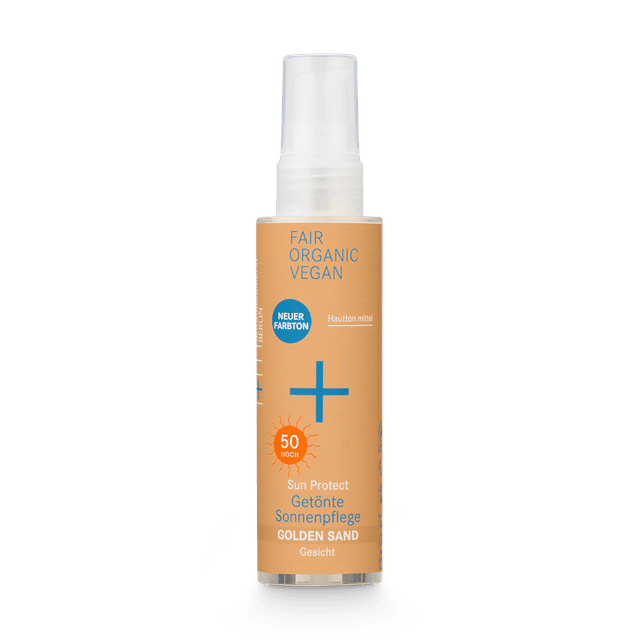
i+m Naturkosmetik Berlin is a German beauty brand founded in 1978 by Inge Stamm and Monika Berg. Its long history gives the brand a particularly interesting place within natural and organic beauty, as it predates much of today’s clean and sustainability-focused skincare movement. Based in Berlin, the brand combines natural and organic ingredients with plant-based formulation, vegan and cruelty-free values, and locally made production. Ethical sourcing is a major part of its profile. Fair-trade principles sit alongside sustainability and eco-friendly practices, giving the brand a broader social and environmental framework rather than focusing solely on ingredient exclusions. The products are also associated with paraben-free and silicone-free beauty, adding further relevance for customers who actively screen formulations. Its mid-range positioning makes this extensive conscious-beauty profile relatively approachable. Customers can access organic, vegan, ethical, and sustainable skincare without stepping fully into luxury pricing. What distinguishes i+m most is its heritage. Established in 1978, it has decades of history behind values that many newer beauty companies have only recently adopted. For shoppers looking for European natural beauty with depth, i+m combines organic skincare, vegan and cruelty-free practices, fair-trade sourcing, ethical production, sustainability, local manufacturing, and everyday usability within one of the more established German conscious-beauty brands.

This Place featured image

This Place

Germany · Est. 2020 · Luxury

This Place is a Berlin-based beauty brand founded in 2020 by Laura Simonow. Its skincare philosophy combines natural and plant-based ingredients with vegan and cruelty-free values, creating a routine that feels particularly suited to customers drawn to minimalist, conscious beauty. The brand’s sensitive-skin-friendly positioning is important because it adds practicality to the natural formulation story. Customers are not simply choosing products because they are plant-based; the range is also positioned around skin comfort and regular use. Sustainability and eco-friendly practices deepen that conscious identity. Locally made production connects the brand to Berlin and gives it a stronger sense of origin, while the minimalist approach naturally supports the idea of choosing fewer, more purposeful products. Although its listed pricing leans toward luxury, the brand sits within a mid-range subcategory, giving it a premium feel without placing it entirely in traditional prestige beauty. This Place works best for shoppers who want skincare to feel calm and intentional rather than complicated. Vegan formulas, cruelty-free values, plant-based ingredients, sensitive-skin-friendly care, sustainability, and local production all reinforce that direction. For customers exploring European natural beauty, This Place offers a modern Berlin interpretation: thoughtful skincare, pared-back routines, and environmental values brought together in products designed for everyday use rather than excess.

Dr. Dabour featured image

Dr. Dabour

Israel · Est. 2010 · Mid-range

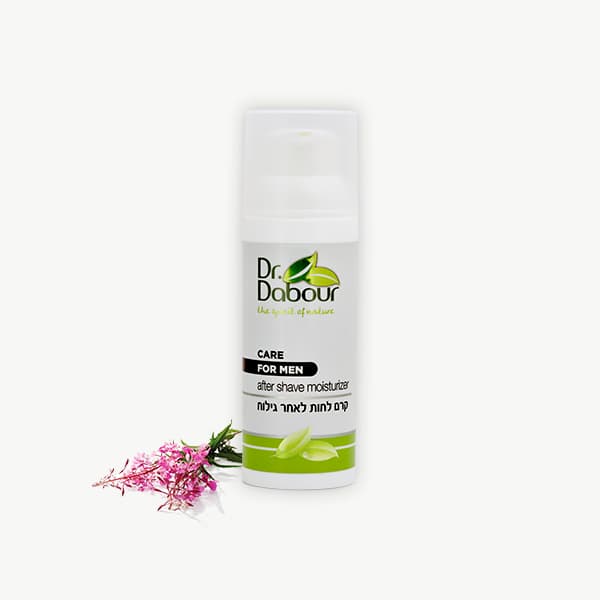
Dr. Dabour is an Israeli beauty brand founded in 2010 by Ziad Dabour and rooted in the Galilee region. Its profile is built around natural, plant-based skincare, local production, heritage, and a strong connection to where its products originate. That sense of place is central to the brand’s character. Rather than presenting natural beauty as a generic global concept, Dr. Dabour combines botanical formulation with locally made production, giving the range a distinctly regional identity. The brand is also vegan, making it relevant for shoppers looking for plant-focused beauty without animal-derived ingredients. Eco-friendly and sustainable beauty principles add a broader environmental dimension, complementing the natural formulation story. Heritage is another important part of Dr. Dabour’s positioning. It gives the brand more depth than a newer clean-beauty label built primarily around contemporary trends. Its products feel connected to a longer tradition of botanical and locally rooted care. Although its listed price range sits around mid-range, the brand carries a luxury beauty positioning through its ingredients, presentation, and emphasis on heritage. For customers looking for natural beauty with a strong regional identity, Dr. Dabour combines vegan skincare, plant-based ingredients, sustainability, local production, and heritage in an Israeli beauty brand designed for regular use as well as a more elevated self-care experience.

Gaya Cosmetics featured image

Gaya Cosmetics

Mid-range

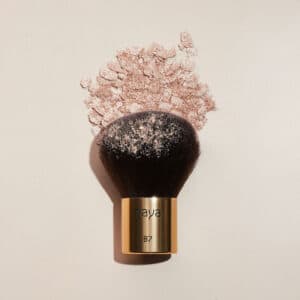
GAYA Cosmetics is a mid-range beauty brand built around natural ingredients, vegan formulation, cruelty-free values, and products designed to work comfortably within everyday routines. Its natural beauty positioning gives the brand a softer, more ingredient-conscious identity than cosmetics companies driven purely by trends. Vegan and cruelty-free beauty are equally important to that profile, making GAYA relevant for shoppers who want animal-friendly products without moving automatically into luxury pricing. The brand also carries an eco-friendly and sustainable beauty angle. This gives customers another reason to consider GAYA beyond formulation alone, especially if environmental considerations influence how they choose cosmetics. Everyday usability is where the brand becomes particularly approachable. Its products are not positioned only for professional artistry or dramatic occasion makeup; they are intended to fit into regular routines and work for customers who want beauty to feel wearable and uncomplicated. That balance between conscious values and practicality is GAYA Cosmetics’ strongest feature. It sits comfortably between basic affordable beauty and premium luxury, offering shoppers a more considered option while keeping the overall experience approachable. For customers looking for a mid-range beauty brand that combines natural ingredients, vegan formulas, cruelty-free practices, sustainability, eco-friendly values, and everyday usability, GAYA offers a straightforward alternative to conventional cosmetics.

SIMIHAZE Beauty featured image

SIMIHAZE Beauty

United States · Est. 2021 · Mid-range

SIMIHAZE BEAUTY is an American makeup brand founded in 2021 by sisters Simi and Haze Khadra and based in Los Angeles, California. The brand brings a highly visual, fashion-aware perspective to beauty, but its identity goes beyond creative presentation through a strong clean and conscious formulation profile. SIMIHAZE is vegan and cruelty-free and is associated with paraben-free and sulfate-free beauty. These qualities make it relevant for customers who want luxury-leaning makeup while still paying attention to ingredient standards and animal welfare. Sensitive-skin-friendly positioning gives the brand another layer of practicality, helping balance its bold, design-led image with products that can still fit comfortably into everyday routines. Sustainability and eco-friendly practices are also part of its profile, giving customers more than one reason to consider the brand from a conscious beauty perspective. As a women-owned Los Angeles beauty brand, SIMIHAZE has a clear founder-led identity and a strong connection to contemporary American beauty culture. Its listed pricing sits closer to mid-range, but the brand is positioned within luxury beauty thanks to its presentation and aesthetic direction. For shoppers seeking modern makeup that combines clean beauty, vegan and cruelty-free values, sensitive-skin-friendly formulas, sustainability, and a strong creative identity, SIMIHAZE stands out as a more expressive alternative to conventional luxury cosmetics.

Prados Beauty featured image

Prados Beauty

United States · Est. 2019 · Mid-range

Prados Beauty is an American beauty brand founded in 2019 by Cece Meadows and based in New York. The women-owned brand sits within the affordable-to-mid-range segment and combines vegan and cruelty-free beauty with a noticeable sustainability focus. Its eco-friendly positioning gives Prados a broader identity than a typical accessible makeup brand. Sustainability is not simply a secondary label; it sits alongside animal-friendly formulation and women-owned leadership as one of the key reasons customers may choose the brand. Vegan and cruelty-free beauty make Prados especially relevant to shoppers who actively filter cosmetics according to animal welfare. At the same time, its everyday beauty positioning keeps the products practical enough for routine use rather than limiting them to niche or occasional purchases. Affordability is another important part of the proposition. More sustainable or vegan cosmetics can often move quickly into premium territory, while Prados maintains a more accessible position. For customers exploring independent American beauty brands, Prados offers a combination of conscious values and everyday usability. Women-owned leadership, vegan formulas, cruelty-free practices, sustainability, eco-friendly thinking, and approachable pricing work together to create a brand that feels purpose-driven without becoming inaccessible. It is particularly suited to shoppers who want their everyday makeup purchases to align more closely with both animal-friendly and environmental values.

Sensatia Botanicals featured image

Sensatia Botanicals

Indonesia · Est. 2000 · Mid-range

Sensatia Botanicals is an Indonesian beauty brand established in 2000 by Michael Lorenti. With more than two decades in the market, the brand has had time to build a clear identity around clean beauty, natural ingredients, responsible production, and products intended for regular use rather than short-lived trends. Its formulation profile is one of its strongest features. Sensatia Botanicals is associated with cruelty-free beauty and products made without parabens, sulfates, or silicones, giving it a straightforward appeal for ingredient-conscious shoppers. Natural beauty sits at the core of the brand rather than functioning as a secondary label. The brand also has a strong ethical and environmental side. Eco-friendly and sustainable practices, together with locally made production, connect Sensatia Botanicals closely to Indonesia and give its beauty products a more grounded sense of origin. That local production is especially important in distinguishing the brand from global labels that use natural positioning without the same regional connection. Sitting in the mid-range beauty segment, Sensatia Botanicals offers a more considered experience than basic mass-market personal care while remaining practical enough for everyday routines. Its long-standing presence, clean formulation approach, cruelty-free values, and sustainability focus make it a strong option for shoppers looking for natural Indonesian skincare and beauty with a well-established identity.

Avoskin featured image

Avoskin

Indonesia · Est. 2014 · Affordable

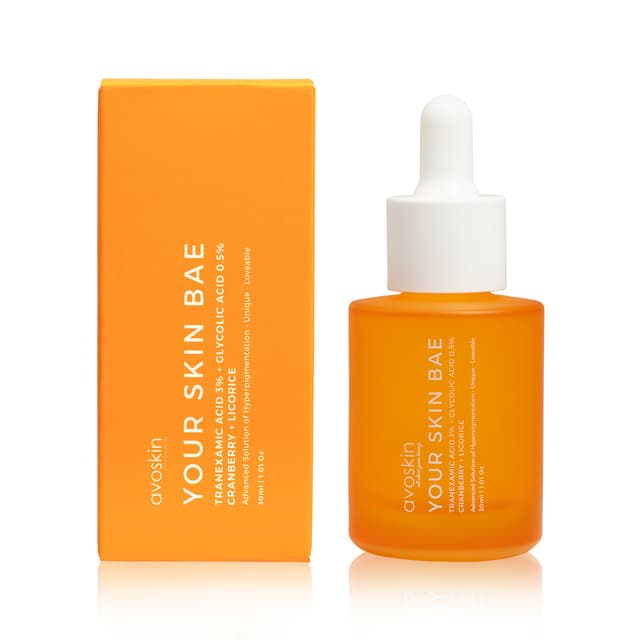
Avoskin is an Indonesian skincare brand founded in 2014 by Anugrah Pakerti, Ahmad Ramadhan, and Aris Nurul Huda, with its base in Jakarta. The beauty brand has built its identity around making everyday skincare more accessible while also giving ethical and environmental considerations a meaningful place in the business. Cruelty-free beauty is part of that approach, but Avoskin’s positioning goes further through ethical and fair-trade values. These elements make the brand relevant for shoppers who care not only about what a product does, but also about the wider systems behind sourcing and production. Sustainability is another important part of Avoskin’s profile. Eco-friendly practices help differentiate it from affordable skincare brands that compete only on price, while its everyday beauty focus keeps the products practical enough for regular routines. That balance is significant: the brand brings more conscious beauty ideas into an accessible price range instead of treating sustainability as a luxury feature. Avoskin is best suited to customers who want straightforward skincare with a broader sense of responsibility attached to it. Its appeal comes from the combination of affordability, cruelty-free practices, ethical sourcing, fair-trade principles, sustainability, and daily usability. Within Indonesian beauty, it represents a more conscious approach to mass-accessible skincare without losing the practicality that everyday customers expect.

Oasis Skin featured image

Oasis Skin

Mid-range

Oasis Skin is a beauty brand built around the idea that skincare can be effective without generating unnecessary waste. Its positioning combines natural and plant-based beauty with vegan values, cruelty-free practices, and a strong emphasis on refillable, low-waste consumption. That makes sustainability part of the brand experience rather than a separate marketing message. Refillable packaging and zero-waste thinking are among the clearest elements of the brand’s identity. For customers who are trying to reduce single-use beauty packaging, Oasis Skin offers a more practical route into sustainable beauty. Its eco-friendly approach is supported by locally made and hand-crafted production, giving the brand a smaller-scale, more intentional feel than mass-manufactured skincare. The formulas sit within natural and organic beauty, while the plant-based and vegan positioning makes the brand relevant for shoppers who want products aligned with animal-friendly values. Minimalist beauty is another natural fit: the focus is on simpler routines, thoughtful consumption, and choosing products with a clear purpose rather than building oversized collections. Oasis Skin sits comfortably in the mid-range beauty space. Its appeal is not just the formula itself, but the wider system around it—refills, reduced waste, hand-crafted production, and locally made care. For conscious shoppers, it brings together natural skincare, vegan beauty, sustainability, zero-waste principles, and everyday practicality in one coherent brand.

DAMDAM Tokyo featured image

DAMDAM Tokyo

Est. 2019 · Luxury

DAMDAM is a Japanese beauty brand founded in 2019 by Giselle Go and Philippe Terrien. The brand brings a modern lens to Japanese skincare by combining clean beauty with natural ingredients, local production, and a strong respect for heritage. Rather than treating tradition as decoration, DAMDAM uses it as part of a broader philosophy around simplicity, craftsmanship, and conscious beauty. Its vegan and cruelty-free positioning makes the brand relevant for customers who want luxury skincare without animal-derived ingredients or animal testing. DAMDAM is also associated with sensitive-skin-friendly beauty, which gives the range a gentler, more approachable side despite its premium presentation. Sustainability is closely woven into the brand’s identity. Eco-friendly practices and locally made production support a beauty model that feels more intentional and less mass-produced. That local connection also strengthens DAMDAM’s place within Japanese beauty, where provenance and craftsmanship often matter as much as visual presentation. The brand’s minimalist approach keeps routines from feeling overloaded. Products are designed to fit into everyday use rather than encourage excessive layering, making DAMDAM a good match for shoppers who prefer fewer, more purposeful steps. In the luxury beauty space, it stands out for combining vegan formulas, cruelty-free values, natural ingredients, sustainability, sensitive-skin-friendly care, and Japanese heritage in a clean, understated way.

Waphyto featured image

Waphyto

Japan · Mid-range

Waphyto is a Japanese beauty brand founded by Atsuko Morita and based in Takasaki, Gunma. Its identity is rooted in the meeting point between clean beauty, natural ingredients, plant-based formulation, and a more elevated approach to everyday care. The result is a brand that feels polished and premium while still keeping sustainability and ingredient choices at the center of the conversation. The formulas align with paraben-free and sulfate-free beauty, while the brand’s ethical and fair-trade positioning adds depth beyond a simple “natural” label. Waphyto also places importance on locally made production, giving the brand a clear connection to Japan rather than presenting itself as a generic global clean-beauty line. Sustainability is one of its most defining themes. Recycled materials, eco-friendly practices, and responsible sourcing help shape the brand’s overall identity. Its women-owned background also makes it relevant for shoppers who actively seek founder-led beauty businesses with a strong point of view. Although the pricing sits around the mid-range, Waphyto has the finish and positioning of a luxury-leaning skincare brand. For shoppers interested in Japanese beauty that combines natural ingredients, clean formulations, ethical sourcing, sustainability, recycled materials, and locally made production, Waphyto offers a more thoughtful and refined alternative to conventional skincare.

Can't find what you're looking for?

We add new sites every week but if you have a specific request, let us know.

About eco-friendly brands

Seeing Past the Green Language

Eco-friendly is a general description rather than a regulated term, so it is worth asking what a brand actually means by it. Look for specifics: which materials are used and where they come from, how products are made, and what happens to the packaging. Recognised certifications help, such as GOTS for organic textiles, the Global Recycled Standard, FSC for paper and card, or COSMOS for cosmetics. Regulators in a growing number of countries also expect environmental claims to be clear, accurate and backed by evidence. If a brand's claims are vague or only cover one small part of a product, it is reasonable to ask for more detail.

Small Choices That Add Up

Fashion and beauty both rely heavily on water, energy, chemicals and packaging, so the way products are made has a real effect on the environment. Eco-friendly brands try to reduce that footprint at different stages, from choosing lower-impact materials to cutting waste in production and shipping. No single purchase solves everything, but consistently choosing better options, and buying less overall, makes a difference over time. It also encourages the wider industry to adopt more responsible practices as customers show that these choices genuinely matter to them.

Frequently asked questions

What makes a brand eco-friendly?
An eco-friendly brand makes real efforts to reduce its environmental impact, whether through lower-impact materials, cleaner production, less packaging or better end-of-life options. There's no single standard behind the phrase, so the strongest brands back it up with specific, checkable details rather than general promises.
How can I tell if an eco-friendly claim is greenwashing?
Watch for vague language, nature imagery doing the heavy lifting, or claims that focus on one small feature while ignoring the rest of the product. Credible brands name their materials, cite recognised certifications and explain how they measure progress. If you can't find any detail, treat the claim with caution.
Is eco-friendly the same as sustainable?
They overlap but aren't identical. Eco-friendly focuses mainly on the environment, while sustainable is usually broader and can include social issues such as fair pay and working conditions. Many brands use both terms loosely, so read what each one actually does rather than relying on the label.
Are eco-friendly products more expensive?
Some are, because lower-impact materials and smaller production runs can cost more. Others are similarly priced to conventional options. Buying fewer things that last longer, and choosing refills or concentrates, can bring the overall cost down. Thinking in cost per use often changes the picture.
Which eco-friendly swaps make the biggest difference?
Start with things you buy often or throw away quickly. Swapping everyday items, such as bottled toiletries, basics you wear constantly or single-use products, tends to matter more than one-off purchases. Caring for what you own so it lasts longer is one of the most effective steps of all.
Why does a brand appear on the list of eco-friendly brands on From The Labels?
It has registered itself and explained the steps it takes to reduce harm, from materials to packaging. From The Labels is curated for homegrown and emerging brands, so investor-backed labels are welcome, but one owned or acquired by a large corporation is not. Being listed isn't a certification, so look for recognised standards where relevant.
Can I find eco-friendly options across fashion and beauty?
Yes. You'll find lower-impact choices in clothing, footwear, beauty and haircare. Comparing a few top eco-friendly brands within one category helps you weigh up materials, packaging and price, so you can choose the option that best fits your priorities and budget.