#silicone-free

List of 60+ Silicone-Free Brands

Explore 60+ silicone-free brands making beauty, skincare and haircare without silicones. Silicones, such as dimethicone and cyclopentasiloxane, are synthetic ingredients that give products a smooth, silky feel by forming a thin coating on skin or hair. Some people prefer to avoid them because they can build up on hair over time, so silicone-free products use oils, butters and other alternatives instead. Beauty and skincare make up most of this list, followed by haircare. Ideal for lightweight routines. Compare these silicone-free beauty and haircare brands side by side to find alternatives that leave skin and hair feeling clean.

Tagged Brands

Zove Beauty featured image

Zove Beauty

Australia · Mid-range

Zove Beauty is an Australian beauty brand founded by Adeline Yeak. The women-owned brand combines clean beauty with a strong ingredient-conscious and sustainability-led profile, sitting comfortably within the mid-range segment. Its formulas are associated with paraben-free, sulfate-free, and silicone-free beauty, giving shoppers clear guidance around ingredients they may prefer to avoid. Cruelty-free positioning adds an animal-welfare consideration to that clean formulation story. Sustainability is one of the brand’s stronger themes. Recycled materials and locally made production connect environmental thinking to both packaging and manufacturing, while its Australian identity gives Zove a clearer regional connection. Minimalist beauty also fits naturally with the brand. Instead of encouraging overly complicated routines, the profile suggests a more edited approach built around products that can be used consistently. The mid-range price point helps Zove strike a useful balance between accessibility and a more considered beauty experience. It feels more specialized than entry-level personal care but avoids the exclusivity associated with traditional luxury skincare. For shoppers looking for Australian clean beauty with a practical environmental focus, Zove Beauty brings together paraben-free, sulfate-free and silicone-free formulations, sustainability, recycled materials, local production, women-owned leadership, and minimalist everyday routines. The brand’s strongest appeal lies in how formulation and environmental responsibility are presented as parts of the same beauty philosophy.
Beyer & Söhne featured image

Beyer & Söhne

Germany · Est. 2011 · Luxury

Beyer & Söhne is a German skincare brand founded in 2011 by Hartmut Beyer, Nico Beyer, and Robby Beyer. Its approach is strongly minimalist, built around straightforward products and formulations designed for customers who prefer focused skincare over large, complicated routines. The brand is vegan and cruelty-free and is associated with fragrance-free and silicone-free beauty. These formulation choices make Beyer & Söhne particularly relevant for shoppers who want to reduce unnecessary ingredients or who prefer skincare with a more restrained profile. Sensitive-skin-friendly positioning adds another practical dimension. Rather than using minimalism only as a visual aesthetic, the brand’s profile suggests a simpler approach that can also suit people who are more selective about what they apply to their skin. Locally made production reinforces its German identity and gives the brand a stronger sense of origin within European beauty. Although its underlying pricing leans toward luxury, the brand sits within the mid-range subcategory, creating a premium but relatively approachable position. Beyer & Söhne is best suited to customers who value clarity over excess. Vegan and cruelty-free practices, fragrance-free and silicone-free formulas, sensitive-skin-friendly products, locally made production, and minimalist everyday skincare form a coherent identity for shoppers who want their routine to feel considered without becoming complicated.

i+m Naturkosmetik Berlin featured image

i+m Naturkosmetik Berlin

Germany · Est. 1978 · Mid-range

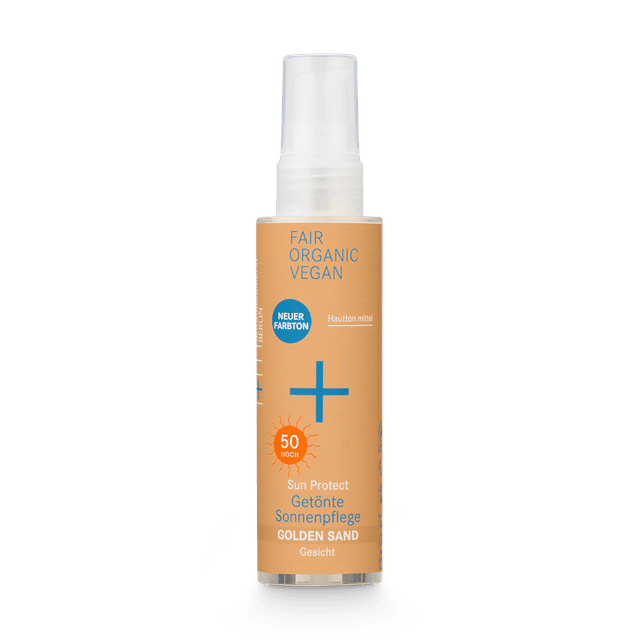
i+m Naturkosmetik Berlin is a German beauty brand founded in 1978 by Inge Stamm and Monika Berg. Its long history gives the brand a particularly interesting place within natural and organic beauty, as it predates much of today’s clean and sustainability-focused skincare movement. Based in Berlin, the brand combines natural and organic ingredients with plant-based formulation, vegan and cruelty-free values, and locally made production. Ethical sourcing is a major part of its profile. Fair-trade principles sit alongside sustainability and eco-friendly practices, giving the brand a broader social and environmental framework rather than focusing solely on ingredient exclusions. The products are also associated with paraben-free and silicone-free beauty, adding further relevance for customers who actively screen formulations. Its mid-range positioning makes this extensive conscious-beauty profile relatively approachable. Customers can access organic, vegan, ethical, and sustainable skincare without stepping fully into luxury pricing. What distinguishes i+m most is its heritage. Established in 1978, it has decades of history behind values that many newer beauty companies have only recently adopted. For shoppers looking for European natural beauty with depth, i+m combines organic skincare, vegan and cruelty-free practices, fair-trade sourcing, ethical production, sustainability, local manufacturing, and everyday usability within one of the more established German conscious-beauty brands.

UND GRETEL featured image

UND GRETEL

Germany · Est. 2015 · Mid-range

UND GRETEL is a German beauty brand founded in 2015 by Christina Roth and Stephanie Dettmann and based in Berlin. The brand sits at the intersection of natural beauty and luxury cosmetics, with a strong emphasis on clean formulation, organic ingredients, and more responsible product choices. Its cruelty-free positioning is central to that identity. UND GRETEL is also associated with non-toxic beauty and formulas made without parabens or silicones, giving ingredient-conscious shoppers a clear set of standards. Natural and organic beauty are particularly important here because the brand does not frame them as alternatives to premium performance. Instead, the aim is to combine a more elevated beauty experience with formulations that align with conscious ingredient preferences. Ethical and sustainable beauty further shape the brand’s profile. These values give UND GRETEL a broader sense of responsibility beyond product formulation alone. The Berlin base also matters, placing the brand firmly within modern European beauty and giving it a locally rooted identity in a market often dominated by multinational cosmetics companies. UND GRETEL is best suited to shoppers who want luxury beauty without abandoning natural and cruelty-free values. Its mix of organic ingredients, clean formulation, ethical positioning, sustainability, paraben-free and silicone-free products, and everyday usability creates a distinctly modern approach to premium German beauty.

Senteurs d’Orient featured image

Senteurs d’Orient

Lebanon · Luxury

Senteurs d’Orient is a Lebanese luxury beauty brand founded by Hana Debs Akkari and based in Beirut. The brand brings together clean beauty, plant-based ingredients, traditional craftsmanship, and heritage, creating products that feel closely connected to place rather than simply borrowing regional inspiration. Its vegan and cruelty-free positioning gives the brand a clear conscious-beauty profile, while paraben-free and silicone-free formulations make it particularly relevant for ingredient-conscious shoppers. Handcrafted and handmade production are central to the experience. This artisanal approach reinforces the brand’s Lebanese identity and gives the products a more personal character than mass-manufactured luxury beauty. Ethical and sustainable values extend that philosophy further. Recycled materials and locally made production add environmental considerations without separating them from the brand’s wider heritage story. Senteurs d’Orient sits firmly within luxury beauty, but its premium positioning comes from more than packaging or price. The brand’s strongest asset is the combination of craftsmanship, clean formulation, and cultural identity. For customers seeking luxury beauty with a clear sense of origin, Senteurs d’Orient brings together vegan and cruelty-free practices, plant-based formulas, sustainability, ethical production, recycled materials, local craftsmanship, and Lebanese heritage. It is especially compelling for shoppers who want premium products to feel connected to both place and tradition.

MOB Beauty featured image

MOB Beauty

Mid-range

MOB Beauty is an American beauty brand founded by Victor Casale, Alisha Gallagher, Steve Blanchet, and Beatrice Seguin. The brand sits within the mid-range segment and takes a systems-based approach to clean beauty, combining vegan and cruelty-free formulas with refillability, recycled materials, and sustainability. Its packaging profile is one of the most distinctive parts of the brand. Refillable and recycled beauty principles reduce reliance on single-use formats, while biodegradable elements add another environmental consideration. The formulation side is equally deliberate. MOB Beauty is vegan, cruelty-free, and associated with silicone-free beauty, giving ingredient-conscious customers a clear set of standards. Ethical beauty also plays a role, extending the brand’s responsible positioning beyond packaging. This combination makes MOB particularly relevant for shoppers who want environmental thinking integrated into the product itself rather than added as a separate campaign. Despite the strong conscious-beauty credentials, the brand remains centered on everyday use. Its products are designed to function as real cosmetics rather than sustainability experiments that require customers to compromise on convenience. MOB Beauty’s identity therefore sits at the intersection of clean formulation and circular product design. For shoppers seeking mid-range American beauty with vegan formulas, cruelty-free practices, ethical values, refillable packaging, recycled materials, biodegradable elements, and a wider sustainability commitment, it offers one of the more comprehensive conscious-beauty profiles.

Baims featured image

Baims

Brazil · Est. 2017 · Mid-range

BAIMS is a beauty brand founded in 2017 by Luisa Baims Albrecht and Bernd Albrecht, with its location listed as Brazil. Its positioning sits at the intersection of clean beauty, natural and organic ingredients, vegan formulation, cruelty-free practices, and sustainability. The brand’s formulation profile is especially comprehensive. BAIMS is associated with non-toxic beauty and products developed without parabens or silicones, giving ingredient-conscious shoppers several clear reasons to consider the range. Environmental responsibility extends beyond formulation. Biodegradable elements and refillable formats support a more circular approach to beauty, while sustainability forms a broader part of the brand’s identity. Although BAIMS carries a luxury sensibility, its listed pricing sits closer to the mid-range category. That creates an interesting balance: shoppers can access a premium-feeling natural beauty brand without necessarily entering the highest price tier. The combination of organic and natural ingredients with vegan and cruelty-free values makes BAIMS particularly relevant for customers who want several conscious beauty priorities addressed within the same brand. Rather than focusing solely on “clean” ingredients, BAIMS connects formulation, packaging, animal welfare, and environmental impact. For shoppers looking for a more comprehensive approach to conscious beauty, it brings together natural and organic cosmetics, refillable design, biodegradable materials, sustainable practices, and modern mid-range accessibility.

Deconstruct featured image

Deconstruct

India · Est. 2021 · Affordable

Deconstruct is an Indian skincare brand founded in 2021 by Malini Adapureddy and based in Bengaluru, Karnataka. The brand sits firmly within affordable beauty, but its profile is built around formulation choices more commonly associated with specialist skincare. Its products are vegan and cruelty-free and are developed without parabens, fragrance, sulfates, or silicones. Dermatologist-tested positioning gives the brand an additional layer of reassurance for shoppers who want affordable skincare without abandoning ingredient scrutiny. Deconstruct’s minimalist beauty identity is particularly important. The brand is relevant to customers who prefer to understand what they are using and why, rather than building long routines around overlapping products. This makes it a good fit for everyday skincare and for people who want a more straightforward way to navigate active beauty. Affordability helps broaden that appeal. Ingredient-conscious skincare can quickly become expensive, while Deconstruct brings vegan, cruelty-free, fragrance-free, and paraben-free beauty into a more accessible range. For shoppers exploring Indian beauty brands, Deconstruct represents a practical, formulation-focused alternative to both mass-market basics and premium clinical skincare. Its combination of accessible pricing, dermatologist-tested products, minimalist routines, and clearly defined ingredient exclusions gives the brand a distinctive place within everyday beauty in India.

Huygens featured image

Huygens

France · Est. 2013 · Mid-range

Huygens is a Paris-based beauty brand founded in 2013 by Daan Sins. The French brand combines clean beauty with natural and organic ingredients, giving its skincare a formulation-led identity while maintaining an approachable mid-range position. Ingredient standards are a major part of the brand’s appeal. Huygens is associated with cruelty-free beauty and formulas made without parabens, silicones, or sulfates. For customers who actively filter beauty products according to what they contain—or avoid—those characteristics make the brand easier to understand. Its locally made positioning reinforces the brand’s connection to French beauty, while sustainability and recycled materials bring an environmental dimension to its profile. That combination is important because Huygens does not present natural beauty as something separate from responsible packaging or production. Despite the emphasis on clean and organic beauty, the brand remains practical enough for everyday use. Its mid-range pricing creates a balance between accessible skincare and the more elevated experience associated with French beauty. Huygens is therefore well suited to shoppers who want natural and organic skincare without moving into luxury pricing. The brand brings together cruelty-free practices, paraben-free and sulfate-free formulas, clean beauty principles, recycled materials, sustainability, locally made production, and a distinctly European identity in products designed to become part of regular routines.

Terres d’Afrique featured image

Terres d’Afrique

Est. 2013 · Luxury

Terres d’Afrique is a luxury beauty brand founded in 2013 by Stephan Helary. Its identity is built around natural and organic skincare, with ethical sourcing and sustainability positioned as fundamental parts of the brand rather than optional additions. The formulation profile is particularly strong. Terres d’Afrique is vegan and cruelty-free and is also associated with paraben-free, sulfate-free, and silicone-free beauty. This makes it relevant for shoppers who want premium skincare while paying close attention to both ingredients and animal welfare. Ethical and fair-trade values add another important dimension. The brand’s positioning suggests a beauty model that considers how ingredients are sourced and how production affects the communities connected to them. Handmade and locally made qualities give the brand an artisanal character, while its natural and organic focus keeps the experience closely connected to botanical beauty rather than conventional luxury formulation. Terres d’Afrique therefore fits best for customers who want luxury skincare with a strong ethical framework. It combines natural beauty, organic ingredients, vegan and cruelty-free practices, fair-trade principles, sustainability, local craftsmanship, and formulation standards that avoid parabens, sulfates, and silicones. The result is a beauty brand where premium positioning and responsible values are closely intertwined.

Sensatia Botanicals featured image

Sensatia Botanicals

Indonesia · Est. 2000 · Mid-range

Sensatia Botanicals is an Indonesian beauty brand established in 2000 by Michael Lorenti. With more than two decades in the market, the brand has had time to build a clear identity around clean beauty, natural ingredients, responsible production, and products intended for regular use rather than short-lived trends. Its formulation profile is one of its strongest features. Sensatia Botanicals is associated with cruelty-free beauty and products made without parabens, sulfates, or silicones, giving it a straightforward appeal for ingredient-conscious shoppers. Natural beauty sits at the core of the brand rather than functioning as a secondary label. The brand also has a strong ethical and environmental side. Eco-friendly and sustainable practices, together with locally made production, connect Sensatia Botanicals closely to Indonesia and give its beauty products a more grounded sense of origin. That local production is especially important in distinguishing the brand from global labels that use natural positioning without the same regional connection. Sitting in the mid-range beauty segment, Sensatia Botanicals offers a more considered experience than basic mass-market personal care while remaining practical enough for everyday routines. Its long-standing presence, clean formulation approach, cruelty-free values, and sustainability focus make it a strong option for shoppers looking for natural Indonesian skincare and beauty with a well-established identity.

Arami Essentials featured image

Arami Essentials

Nigeria · Est. 2016 · Affordable

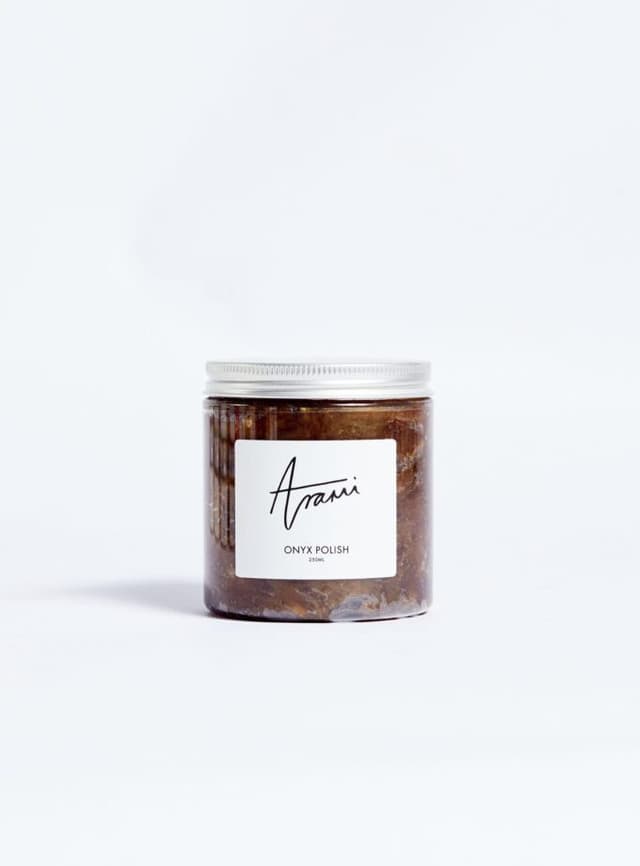
Arami Essentials is a Nigerian skincare and beauty brand founded in 2016 by Ore Runsewe and based in Lagos. The Black-owned beauty brand draws on African beauty traditions while creating practical products designed for modern skincare and personal care routines. Natural beauty is central to Arami Essentials, with products developed around carefully selected ingredients and a non-toxic approach to formulation. The brand is cruelty-free and avoids parabens, sulfates, and silicones, making it relevant for ingredient-conscious shoppers. Sustainability also plays an important role in the brand’s identity. Arami Essentials incorporates refillable and recycled elements, locally made production, and more thoughtful packaging choices into its broader approach. Its hand-crafted character and connection to heritage beauty give the brand a distinct sense of place, while its minimalist philosophy keeps products suitable for straightforward everyday routines. Overall, Arami Essentials is a Nigerian beauty brand combining natural skincare, cruelty-free practices, paraben-free and sulfate-free formulas, sustainable beauty, refillable packaging, locally made craftsmanship, African heritage, and minimalist everyday care.

Malée featured image

Malée

South Africa · Est. 2010 · Luxury

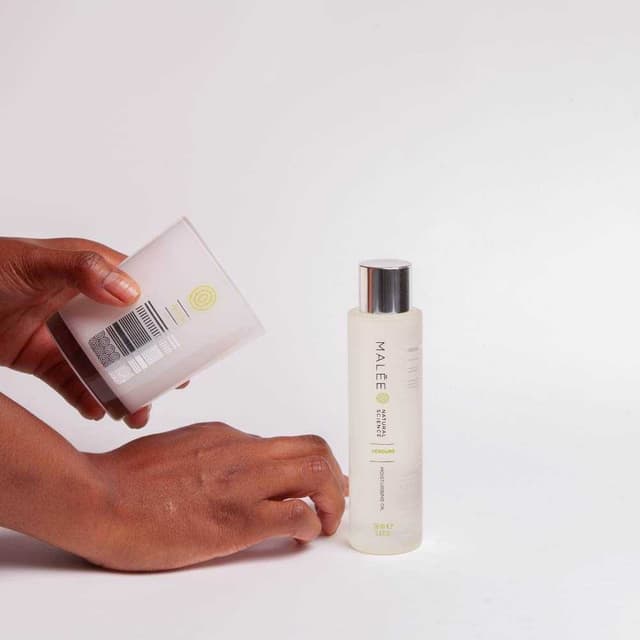
Malée Natural Science is a South African skincare and body care brand founded in 2010 by Zeze Oriaikhi-Sao and based in Johannesburg. The luxury beauty brand draws inspiration from African ingredients, traditions, and wellness rituals while presenting them through contemporary skincare and body care. Natural beauty is central to Malée’s identity, with the brand combining carefully selected ingredients and clean beauty principles with an emphasis on ethical and sustainable production. Its formulas are cruelty-free and developed without parabens and silicones. Malée also places importance on locally made beauty, connecting its products to South African craftsmanship and heritage. Sustainability and eco-friendly thinking further shape the brand’s approach to ingredients, packaging, and responsible beauty. Its minimalist aesthetic allows the natural ingredients and cultural influences behind the products to remain central to the experience. Overall, Malée Natural Science is a luxury South African beauty brand combining natural skincare, cruelty-free practices, ethical sourcing, sustainable beauty, locally made products, African heritage, and refined everyday self-care.

lelive featured image

lelive

South Africa · Est. 2021 · Affordable

lelive is a South African skincare brand founded in 2021 by Amanda Du-Pont and based in Cape Town. The Black-owned and women-owned beauty brand creates modern skincare with a strong connection to African beauty, locally made production, and conscious formulation. The brand fits naturally within clean and natural beauty, with vegan and cruelty-free products forming an important part of its identity. Its formulas are also developed without parabens, silicones, and sulfates and are dermatologist-tested for a more considered skincare experience. Sustainability and ethical beauty are central to lelive’s positioning. The brand incorporates eco-friendly practices and locally made production while maintaining a minimalist approach to skincare routines. Its products are designed for everyday use, balancing elevated formulation with practical application. This makes lelive appealing to customers looking for modern African skincare that combines performance with conscious values. Overall, lelive is a South African beauty brand combining Black-owned and women-owned beauty, clean skincare, vegan and cruelty-free formulas, sustainable practices, locally made production, and minimalist everyday beauty.

Linné Botanicals featured image

Linné Botanicals

United States · Luxury

LINNÉ Botanicals is an American skincare brand founded by Jenna Levine and based in Brooklyn, New York. The women-owned luxury beauty brand focuses on natural, plant-based skincare designed around thoughtfully selected botanical ingredients and a more intentional approach to everyday beauty. Clean beauty is central to LINNÉ Botanicals, with products positioned around natural and organic ingredients while avoiding parabens, silicones, and sulfates. The brand is also cruelty-free and incorporates ethical and non-toxic beauty principles into its broader formulation philosophy. Sustainability plays an important role in the brand’s identity. LINNÉ combines eco-conscious practices with a minimalist approach to skincare, creating products that encourage customers to build more focused routines rather than relying on unnecessarily complicated systems. Its luxury positioning reflects both the ingredient selection and the overall experience of the brand. At the same time, the products are intended to work within everyday skincare routines, making the line relevant for customers seeking elevated but practical beauty. Overall, LINNÉ Botanicals is a natural luxury skincare brand combining organic beauty, cruelty-free practices, sustainability, clean formulation standards, women-owned leadership, and minimalist skincare.

MARA Beauty featured image

MARA Beauty

United States · Est. 2018 · Luxury

MARA Beauty is a luxury American skincare brand founded by Allison McNamara, and it is built on a category the industry largely overlooked: algae. The name comes from the Sea of Marmara and the Gaelic word for sea. The science behind it is genuinely interesting. Marine algae survive extreme UV exposure, salinity and temperature swings, and they do so by producing protective compounds that translate remarkably well into skincare. MARA spent two years developing its wild-collected algae blend before launch, and that blend became Marine Intelligence, the proprietary complex running through every formula. Algae are hand-harvested off the coasts of Ireland and France, gathered so colonies keep regenerating, and products are manufactured in Los Angeles. Named marine actives include Alaria esculenta, Laminaria ochroleuca, Cystoseira tamariscifolia, blue sea kale, plankton and Arctic algae. Hero products include the Universal Face Oil and the Algae Enzyme Cleansing Oil. The Sea Vitamin C Sérum, the Algae Retinol Face Oil and the Pearl Peptide Glaze essence sit alongside them. The brand is Leaping Bunny certified cruelty-free and Certified Plastic Neutral through rePurpose Global. It is a member of 1% for the Planet and a SeaTrees partner, and uses FSC-certified cartons. Nearly all products are vegan, with two disclosed exceptions containing honey and pearl powder. Formulas exclude parabens, sulfates, silicones, synthetic fragrance, BHA, BHT, mineral oil and phthalates, with a stated commitment to biodegradable, ocean-safe actives. For anyone researching luxury American beauty, sustainable beauty, cruelty-free beauty or marine skincare, MARA leads its niche. Few brands have built a whole house on one plant family this convincingly.

Scotch Porter featured image

Scotch Porter

United States · Est. 2015 · Mid-range

Scotch Porter is an American men's grooming brand founded in 2015 by Calvin Quallis, and its blog states plainly that it is a Black-owned men's grooming brand. The origin sits in barbershops, first his mother's and later his own experience of a category that offered men either cheap products full of filler or expensive ones with no substance. Scotch Porter closed that gap. The line covers beard, hair, skin and body. It is built on more than twenty-six active ingredients, including biotin liposomes, burdock root, nettle leaf, kale protein, aloe and shea. Most core products stay between $14 and $20. The ingredient philosophy is refreshingly unideological: not all natural ingredients are safe, and not all synthetic ingredients are unsafe. What the brand does exclude is specific and published, covering parabens, sulfates, petroleum and mineral oil, talc, BHA, formaldehyde, silicones, BPA and PFAs, polyethylene and microbeads, toluene, triclosan, carbon black and phthalates. No animal ingredients are used and products are not tested on animals. Hero products include the Beard Oil, Beard Balm, Leave-In Beard Conditioner, Curls & Waves Hair Balm and the Curls & Waves Hair Shampoo. The Social Impact Fund directs a share of sales into education and job training, entrepreneurship and reducing recidivism, working with America on Tech, Manifest Works and Make USA. For anyone researching Black-owned beauty, American beauty, affordable beauty or men's grooming that takes textured hair and beard care seriously, Scotch Porter set the modern standard. It made a category that once ignored Black men take them seriously.

Kinvara Skincare featured image

Kinvara Skincare

Ireland · Est. 2012 · Mid-range

Kinvara Skincare is an Irish natural beauty brand founded by Dr Joanne Reilly, who holds a natural sciences degree from Trinity College Dublin and a PhD. She started the business from her home in south Galway, and named it after Kinvara, a coastal town on the Wild Atlantic Way. The vision she set out is clear. Give women everywhere skincare that respects their values without asking them to compromise on results. Every product is made in Ireland, in GMP and ISO certified facilities. The range is 100% vegan and cruelty free, and it is approved by PETA. It also carries the Guaranteed Irish mark and works with Beat the Microbead. Active ingredients are Ecocert approved, and the formulas are developed to COSMOS guidelines. The free-from list is long and specific. No parabens, no SLS or other sulfates, no propylene glycol, no mineral oils, no petroleum byproducts, no PEG, no synthetic colours or fragrances, no GMOs, no silicones, no EDTA and no animal derivatives. Products are non-comedogenic. The brand has won more than fifteen Free From awards. The 24Hr Rosehip Face Serum is the hero, alongside the Active Rosehip Day Cream and the Absolute Cleansing Oil. That cleansing oil comes with a refill pouch designed to cut plastic waste by over 85%, holding two and a half bottles. Amber glass and sugarcane-derived plastic are used elsewhere. Impact partner Greenspark collects ocean plastic with every order. For Irish beauty, vegan beauty, natural beauty or cruelty-free skincare, Kinvara is excellent value. The founder is a scientist. It shows in the formulas.

PATYKA featured image

PATYKA

France · Est. 2002 · Luxury

Patyka is a French skincare brand born in Paris in 2002. The name comes from the Greek apoteke, meaning pharmacy, and the pharmacy influence runs right through the range. Patyka calls what it makes Biotech Skincare. That means pairing plant actives with biotechnology, borrowing from both aesthetic medicine and herbal tradition. Products are formulated in-house at the brand's own Paris laboratory and made in France. Over half of the plant actives are sourced in France. The certification list is one of the strongest in French beauty. Every product is COSMOS certified by ECOCERT. Patyka was one of the first brands in the world to gain that status, back in 2002. It became a B Corp in 2023 and a member of UEBT the same year, which covers ethical sourcing of shea butter and aloe vera. It holds Engagé RSE at Confirmé level from AFNOR. Since November 2020 it has been an Entreprise à Mission under French law, only the third cosmetics company in France to take that status, with mission reports verified by KPMG. Formulas leave out parabens, SLS, silicones, mineral oils, phenoxyethanol, phthalates, PEGs, EDTA and synthetic dyes. Almost every product is vegan, with three named exceptions that use ethically harvested beeswax. Packaging is 79% recycled plastic, and 19 tonnes of virgin plastic were saved between 2020 and 2023. All glass jars are refillable. Every product has a carbon footprint and life cycle analysis behind it. For French beauty, organic beauty or ethical luxury, Patyka delivers. The claims are all backed by named certifiers. That is rare in this space.

Whamisa featured image

Whamisa

Republic of Korea · Est. 1999 · Mid-range

Whamisa is a South Korean skincare brand built on fermented organic plants. It holds a rare place in K-beauty. Very few Korean brands carry international organic certification, and Whamisa does. Products are COSMOS certified organic. Ecocert-approved ingredients are marked in the ingredient lists. The brand also shares its organic numbers openly. The Organic Flowers Toner Deep Rich is 97% organic in total, with five organic plant ingredients making up 92.4%. The Organic Pear Blossom Sunscreen is 54% organic. Very few beauty brands anywhere publish figures like that. Whamisa describes itself as sustainable, organic, future forward and earth friendly. The range is grouped by plant family. There are cactus, flowers, seeds, algae, pear blossom, planta, fruits and root vegetable lines. Formulas leave out artificial and synthetic pigments. Fermentation is the heart of the method. Instead of watering plants down, Whamisa ferments flower and plant extracts. That gives high active levels with low irritation. Products are dermatologist tested with an excellent grade. Popular products include the Cactus Wrinkle and Brightening Magic Serum and the Organic Flowers Toner Deep Rich. The Organic Pear Blossom Sunscreen, Organic Fruits Yuja Acne Spot Treatment and organic hydrogel sheet masks are also loved. Boxes are recyclable card and biodegradable paper printed with soy ink. For Korean beauty, organic beauty, natural beauty, clean beauty or fermented skincare, Whamisa is the most credible certified organic option in K-beauty. If you want proof rather than promises, this is the brand. Fermented formulas also tend to feel gentle on reactive skin.

Skin Juice featured image

Skin Juice

Australia · Est. 1996 · Mid-range

Skin Juice is an Australian skincare brand founded in 1996 by Louise May. She is a beauty therapist and aromatherapist. That makes Skin Juice one of the oldest independent natural skincare companies in Australia. The focus is hydration. The brand's line is simple. Every Skin Has A Thirst. Formulas pair plant oils with modern skin science. They are built to work with your skin barrier, not strip it. About 75% of products are made in the brand's own Juice Lab in Newcastle, New South Wales. The rest are made by specialist Australian partners. Everything is made in small batches, fresh to order, which cuts waste. Skin Juice is an Australian family-owned business. It is Australian made and owned. Formulas leave out PEGs, silicones, toxic colourants and artificial fragrance. They also skip mineral oil, parabens, phenoxyethanol and drying alcohol. The brand has never tested on animals and says it never will. It is a signatory to the Australian Packaging Covenant Organisation. It also runs a Roll 'n' Recycle refill pouch scheme. The brand is honest about the limits of recycling today, which is refreshing. Top products include the Green Juice Face and Body Rescue Oil and Bio Juice hydrating essence. The Smudge Budge Cleansing Balm, Juice-C Drops Serum Oil and Vanilla and Honey Whipped Moisture Mask round out the range. For Australian beauty, natural beauty, affordable beauty, cruelty-free beauty or locally made small-batch skincare, Skin Juice brings almost thirty years of steady, independent work. That track record is rare for a brand of its size.

Vanessa Megan featured image

Vanessa Megan

Australia · Est. 2009 · Luxury

Vanessa Megan is an Australian skincare brand founded by Vanessa Gray Lyndon. Her journey began in 2001. She made her first product in 2002 and launched the full range in 2009. The brand runs on one strict rule. Never put anything on your skin that you could not eat. That food-grade standard shapes every formula. The tagline sums it up. All the results, none of the toxins. Every product is handmade in the brand's own lab in Sydney. Vanessa Megan avoids what it calls the Nasty Nine. That means no mineral oil, no alcohol, no phthalates and no PEGs. It also skips SLS and SLES, parabens, coal tar dyes, silicones and formaldehyde. Palm oil and synthetic ingredients are out too. Three products are certified by Australian Certified Organic. They are the N.E.O. 12 Hour Miracle Oil, the Intensive Dermal Repair Moisture Balm and the Rose Hydrosol Pore Refining Toner. The rest of the range is at least 70% organic, and most sit well above that. The line is mostly vegan. A few products contain beeswax or Yogurtene Balance, and the brand lists them clearly. It does not test on animals. Other favourites include the Monarch 100% Natural Eau de Toilette and the Petitgrain pH Balancing Cream Cleanser. The Collagen Boosting Gel Hyaluronic Acid Serum and Rose and Calendula Moisture+ Face Cream are also popular. For Australian beauty, organic beauty, natural beauty, clean beauty or paraben-free skincare, few brands set the bar this high. If you want food-grade skincare made by hand in Sydney, start here.

African Botanics featured image

African Botanics

United States · Est. 2017 · Luxury

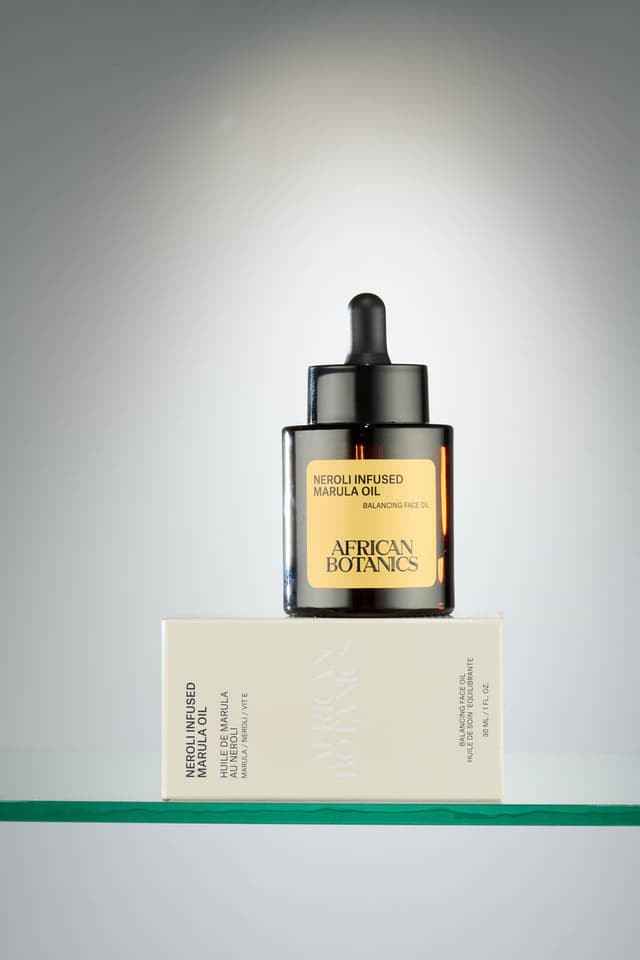
African Botanics is a luxury beauty brand founded in Los Angeles in 2017 by Craig and Julia Noik, with every product developed and made in the heart of South Africa, giving it a dual American-South African identity that sits at the premium end of botanical skincare. The brand's philosophy is to create high-performance skincare that marries nature, research and technology in harmony, embracing wellness for skin, body and spirit in equal balance while practising an abiding respect for the earth. Its formulations are built on wild-harvested Southern African botanicals that are difficult to find elsewhere in prestige beauty: marula, baobab, buchu, Kalahari melon and Cape aloe, all sustainably and ethically harvested. Every product is free from parabens, silicones, phthalates, mineral oil, artificial fragrance, colorants and SLS, and the brand states its products are cruelty-free, using ingredients not tested on animals. Sourcing commitments extend to ethical trade and sustainable biodiversity, with suppliers selected for a proven record of ethical and sustainable practices, and carbon footprint initiatives include recyclable packaging and work with reforestation programmes. Hero products include the Intensive Recovery Oil, the Intensive Recovery Cream, the Advanced Vitamin C and Multi-Peptides Serum, the Firming and Lifting Collagen Activator Serum and Pure Marula Oil, with core treatments priced between one hundred and fifty and two hundred and fifty dollars. For anyone researching luxury beauty brands, African beauty, ethical beauty, sustainable beauty or paraben-free botanical skincare with genuine provenance, African Botanics offers rare Southern African raw materials formulated to international prestige standards, bringing indigenous plant knowledge into a luxury category that rarely looks to the continent for its actives.

By Sarah London featured image

By Sarah London

United Kingdom · Est. 2017 · Mid-range

By Sarah London is a UK beauty brand founded in November 2017 by sisters Sarah and Lauren Brown, and its origin story is unusually personal: Lauren was diagnosed with acute myeloid leukaemia, Sarah became her stem cell donor, and the formulas were developed in response to how profoundly treatment affected Lauren's skin. That history shapes the brand rule applied to every product, that it must be natural, soothing and restorative, gentle enough for sensitive skin and gut yet powerful enough to support lasting health. By Sarah is a Certified B Corporation, meticulous about ingredient sourcing and quality, and carries the Made in Britain and Buy Women Built marks, making it one of the clearest women-owned beauty propositions in the UK market. The range is vegan and cruelty-free, and every product is free from parabens, silicones, synthetic fragrance, sodium lauryl sulphate, propylene glycol, petroleum, mineral oil, palm oil and unnecessary fillers, with core products dermatologically approved for sensitive skin. Hero products include the Hero Facial Oil, the Balancer Cream Cleanser, the Reviver Hydrating Mist, Serene Daily SPF 50+ and the Tender Skin Balm. Packaging uses recycled and recyclable materials wherever possible, with glass bottles designed to be rinsed and recycled at home, and the brand commits to full supply chain transparency and paying everyone who works for it a fair wage. It partners with Macmillan Cancer Support. For anyone researching UK beauty brands, women-owned beauty, vegan beauty, ethical beauty or sensitive-skin skincare, By Sarah London is genuinely distinctive, offering B Corp certified British skincare built by two sisters whose formulations were tested first on skin recovering from cancer treatment.

Can't find what you're looking for?

We add new sites every week but if you have a specific request, let us know.

About silicone-free brands

Recognising Silicones on the Label

Silicones usually have names ending in '-cone', '-conol' or '-siloxane', such as dimethicone, amodimethicone, cyclomethicone and cyclopentasiloxane. Silicone-free brands replace them with plant oils, butters, esters or other conditioning agents. For hair, it helps to know that some silicones are water-soluble and rinse away easily, while others can build up, which is why some people use a clarifying shampoo occasionally. If you follow a particular routine, such as the curly girl method, check the full ingredient list of each product rather than relying on front-of-pack claims. Some silicone-free conditioners can feel less slippery, which is normal.

Lighter Formulas for Skin and Hair

Silicones are popular because they create an instantly smooth, glossy finish, but some people find they weigh hair down or prefer a lighter feel on their skin. Silicone-free products focus on nourishing ingredients that absorb rather than coat, which can leave hair with more natural movement and skin feeling less heavy. Silicones are considered safe in cosmetics, so going silicone-free is a matter of preference rather than necessity. For anyone who likes lightweight textures, it is an easy way to see how skin and hair respond.

Frequently asked questions

What are silicones, and why are they in beauty products?
Silicones are synthetic ingredients that give products a smooth, silky texture. In haircare, they add slip, shine and frizz control; in skincare and make-up, they help products glide on and create a soft finish. They're common because they feel pleasant and work well in many formulas.
Are silicones bad for your hair or skin?
Silicones used in cosmetics are generally considered safe. Some people simply prefer to avoid them because certain types can build up on hair, leaving it feeling heavy, or because they prefer a lighter feel on their skin. Going silicone-free is about preference rather than necessity.
Who might benefit from silicone-free haircare?
People with fine hair that's easily weighed down, those with curly or textured hair following specific routines, and anyone who notices build-up may find silicone-free products helpful. Others are perfectly happy with silicones. Trying a silicone-free routine for a few weeks is the easiest way to see how your hair responds.
Will my hair feel different when I stop using silicones?
It might, at first. Silicones create an instant smooth coating, so without them hair may feel less slippery or a little rougher for a while. Many people find their hair adjusts and gains more natural movement. A clarifying wash can help remove existing build-up when you first switch.
How can I tell if a product contains silicones?
Check the ingredient list for names ending in cone, conol or siloxane. Front-of-pack claims don't always tell the whole story, so the ingredient list is the most reliable guide. Online ingredient checkers can also help if you're unsure about an unfamiliar name.
Is everything these brands make silicone-free?
Not always. Brands in this list of silicone-free brands registered themselves and described their formulas, and some offer silicone-free lines alongside others. From The Labels features homegrown and emerging labels only, never corporate-owned ones, though investors are fine. Check each product's ingredient list, particularly if your haircare routine excludes silicones.
What do silicone-free products use instead?
Silicone-free formulas often rely on plant oils, butters, natural esters and other conditioning agents to provide slip and softness. These tend to absorb rather than coat. The best silicone-free brands balance these ingredients carefully so that products still feel smooth and are easy to use and rinse.