Sustainable Beauty Brands

Looking for independent beauty labels that put real thought into packaging, sourcing and waste? This page brings together sustainable beauty brands reviewed by From The Labels editors. It includes sustainable skincare brands working with refills, recycled materials, responsibly sourced ingredients or lower-waste formats, alongside sustainable makeup brands applying similar ideas to colour products. Each profile shows what the brand does, who is behind it, where it is based and which practices connect it to this category.

Brands

Natio featured image

Natio

Australia · Est. 1993 · Affordable

Natio is an Australian beauty brand established in 1993 by Max Ross and based in Melbourne, Victoria. With more than three decades in the market, the brand has developed a strong everyday identity around natural beauty, cruelty-free practices, and accessible pricing. Its longevity is one of its most meaningful qualities. Natio predates much of the current clean and conscious beauty conversation, giving its natural positioning more history than brands created specifically in response to recent trends. Cruelty-free beauty is part of that profile, while locally made production strengthens its connection to Australia. The brand’s wider subcategory positioning also includes ethical beauty, sustainability, and recycled materials, giving its long-standing natural approach a more contemporary environmental dimension. Affordability has helped Natio remain practical. Natural beauty can quickly become premium-priced, but the brand stays accessible enough for customers to build regular skincare and beauty routines without treating every product as an investment. Everyday beauty is where Natio feels most comfortable. The range is designed for repeat use rather than niche artistry or occasional luxury. For shoppers interested in established Australian beauty brands, Natio combines natural ingredients, cruelty-free practices, ethical considerations, sustainability, recycled materials, local production, and affordable pricing. Its strength lies in familiarity and longevity: a practical beauty brand that has been part of the Australian market since the early 1990s while continuing to align with modern conscious-beauty priorities.

MooGoo featured image

MooGoo

Australia · Est. 2005 · Affordable

MooGoo is an Australian skincare brand established in 2005 by Craig Jones. The brand has built its identity around natural beauty, practical sensitive-skin care, and affordable products designed to be used consistently rather than treated as occasional skincare extras. Sensitive-skin-friendly positioning is one of MooGoo’s strongest characteristics. Its dermatologist-tested profile gives the brand an additional layer of confidence for customers who are cautious about irritation or who prefer skincare that feels more considered for everyday use. Natural beauty remains central, while cruelty-free practices make the brand relevant for shoppers who want animal-friendly skincare. The wider subcategory profile also connects MooGoo with clean beauty, paraben-free formulation, sustainability, recycled materials, and locally made production. These qualities give the brand a broader conscious-beauty identity without losing its accessible character. Affordability is particularly important. Sensitive-skin and dermatologist-tested products are often pushed toward specialist or premium pricing, whereas MooGoo keeps its range within reach of everyday customers. Established in 2005, the brand also has a longer history than many newer clean-beauty names. For shoppers seeking Australian skincare that combines natural ingredients, cruelty-free values, dermatologist testing, sensitive-skin-friendly care, sustainability, local production, and accessible pricing, MooGoo offers a practical and well-established choice built around regular use rather than beauty trends.

Eco Tan featured image

Eco Tan

Australia · Est. 2010 · Mid-range

Eco Tan is an Australian beauty brand founded in 2010 by Sonya Driver and based in Currumbin on Queensland’s Gold Coast. The brand has built a broad conscious-beauty identity around natural and organic ingredients, vegan and cruelty-free values, local production, and sustainability. Its formulation profile is particularly comprehensive. Eco Tan sits within clean beauty and natural beauty while also being associated with non-toxic and sensitive-skin-friendly products. This gives the brand relevance for shoppers who want naturally focused formulas but are equally concerned about how those products feel on more delicate skin. Vegan and cruelty-free positioning adds an animal-friendly dimension, while ethical beauty and sustainability extend the conversation beyond formulation alone. Locally made production is another important feature. It strengthens Eco Tan’s Australian identity and helps connect the brand’s environmental values to a more regionally rooted manufacturing approach. The brand occupies the mid-range beauty segment, making organic and sustainability-led products more approachable than many premium alternatives. Recycled beauty also forms part of its wider subcategory profile, reinforcing the focus on reducing environmental impact. For shoppers who want an Australian beauty brand with multiple conscious credentials in one place, Eco Tan offers natural and organic formulation, vegan and cruelty-free practices, sensitive-skin-friendly products, sustainability, ethical values, recycled materials, and locally made production without pushing the experience into luxury-only territory.

Zove Beauty featured image

Zove Beauty

Australia · Mid-range

Zove Beauty is an Australian beauty brand founded by Adeline Yeak. The women-owned brand combines clean beauty with a strong ingredient-conscious and sustainability-led profile, sitting comfortably within the mid-range segment. Its formulas are associated with paraben-free, sulfate-free, and silicone-free beauty, giving shoppers clear guidance around ingredients they may prefer to avoid. Cruelty-free positioning adds an animal-welfare consideration to that clean formulation story. Sustainability is one of the brand’s stronger themes. Recycled materials and locally made production connect environmental thinking to both packaging and manufacturing, while its Australian identity gives Zove a clearer regional connection. Minimalist beauty also fits naturally with the brand. Instead of encouraging overly complicated routines, the profile suggests a more edited approach built around products that can be used consistently. The mid-range price point helps Zove strike a useful balance between accessibility and a more considered beauty experience. It feels more specialized than entry-level personal care but avoids the exclusivity associated with traditional luxury skincare. For shoppers looking for Australian clean beauty with a practical environmental focus, Zove Beauty brings together paraben-free, sulfate-free and silicone-free formulations, sustainability, recycled materials, local production, women-owned leadership, and minimalist everyday routines. The brand’s strongest appeal lies in how formulation and environmental responsibility are presented as parts of the same beauty philosophy.

Edible Beauty featured image

Edible Beauty

Australia · Est. 2014 · Mid-range

Edible Beauty is an Australian skincare brand founded in 2014 by Anna Mitsios and based in Sydney. The women-owned beauty brand brings together clean beauty, natural and organic ingredients, plant-based formulation, and a strong ethical and sustainability profile. Its vegan and cruelty-free positioning gives the brand an animal-friendly foundation, while organic and natural beauty add a more ingredient-conscious dimension. Edible Beauty also sits within paraben-free and sulfate-free beauty, giving shoppers additional formulation standards to consider. Sustainability extends beyond ingredients. Biodegradable elements and recycled materials contribute to the brand’s environmental profile, making its conscious-beauty positioning feel broader than a simple “clean” label. Ethical beauty is another key part of its identity, helping connect product formulation with wider questions around sourcing and responsible production. Although the underlying pricing sits around mid-range, the brand carries a luxury beauty positioning through its presentation and ingredient philosophy. That creates an accessible-premium balance for shoppers who want a more elevated natural skincare experience without reaching the very top of prestige pricing. Edible Beauty is particularly suited to customers who want several conscious beauty priorities addressed together. Clean formulation, organic and plant-based ingredients, vegan and cruelty-free practices, ethical values, recycled materials, sustainability, and women-owned leadership all contribute to a distinctly modern Australian skincare brand.

Dr. Hauck featured image

Dr. Hauck

Luxury

Dr. Hauck is a European luxury skincare brand founded by David Hauck and Brigitte Hauck, with a profile centered on natural and organic beauty. The brand sits firmly toward the premium side of skincare, but its identity is shaped more by natural formulation and simplicity than by traditional luxury excess. Natural ingredients form the foundation of the range, while the brand’s subcategory profile also connects it to organic beauty, cruelty-free practices, sustainability, and minimalist skincare. That combination gives Dr. Hauck a relatively restrained approach to luxury. Instead of emphasizing large routines or highly decorative products, the brand is better suited to customers who want premium skincare with a natural focus and fewer, more purposeful steps. Sustainability gives this natural positioning additional depth. It suggests that the brand’s interest in botanical beauty extends beyond formulation to a broader consideration of environmental responsibility. Cruelty-free beauty adds an animal-welfare dimension, making Dr. Hauck relevant for shoppers who want luxury skincare without disconnecting premium positioning from conscious values. For customers who find conventional prestige skincare too complicated or synthetic-feeling, Dr. Hauck offers a quieter alternative. Its combination of natural and organic beauty, minimalist routines, cruelty-free practices, sustainability, and everyday usability places it within a more considered form of European luxury skincare—one where simplicity and formulation take priority over excess.

FINigrana featured image

FINigrana

Germany · Est. 1998 · Affordable

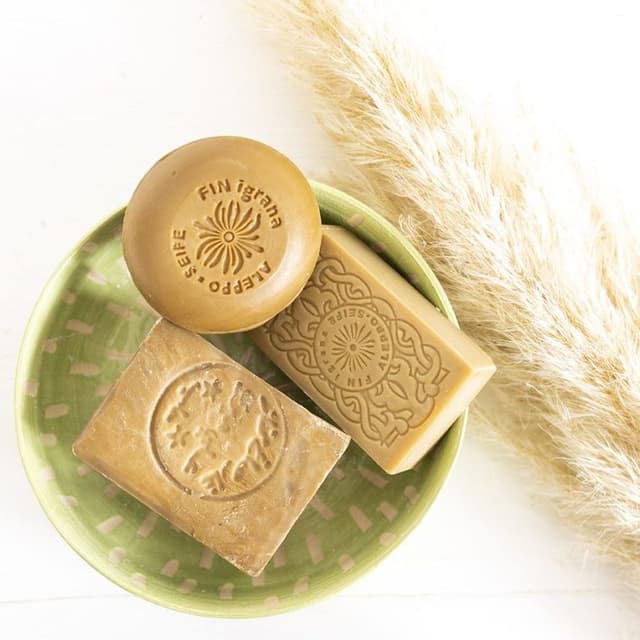
FINigrana is a German beauty brand established in 1998 by Bernhard Bauer and Gabriele Krüger. With more than two decades behind it, the brand brings a sense of heritage to natural beauty that newer plant-based labels cannot easily replicate. Its products are positioned around natural and plant-based ingredients, with vegan beauty forming another important part of the brand’s identity. Handmade production gives FINigrana an artisanal character and helps connect its products to a more traditional approach to personal care. The brand’s heritage is particularly relevant because its focus on natural beauty predates the current wave of clean-beauty marketing. Rather than appearing to have adopted plant-based formulation in response to recent demand, FINigrana has a longer-standing relationship with this category. Ethical and sustainable beauty also fit within its wider subcategory profile, adding a more contemporary layer to the brand’s established natural positioning. Affordability makes FINigrana especially approachable. Customers can explore plant-based, handmade beauty without paying the premium usually attached to artisanal or heritage-led products. Its minimalist and everyday beauty positioning keeps the range practical rather than ceremonial. FINigrana is therefore a good fit for shoppers who value natural formulas, vegan products, craftsmanship, heritage, ethical considerations, and accessible pricing. The brand’s strength lies in combining those qualities with the familiarity of a beauty company that has been operating since the late 1990s.

Sauberkunst featured image

Sauberkunst

Germany · Est. 2012 · Affordable

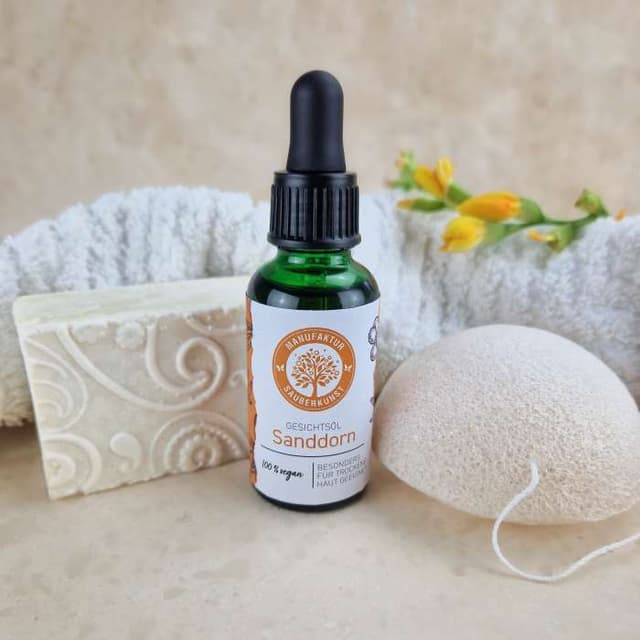
Sauberkunst is a German beauty brand founded in 2012 by Annett Förster and based in Brandenburg. Its identity is strongly shaped by craftsmanship and lower-waste beauty, combining vegan formulas with handmade production, plastic-free choices, and a clear sustainability focus. Fair-trade values add an ethical dimension to the brand’s profile. This is important because Sauberkunst’s positioning does not stop at packaging; it also reflects concern for how ingredients and materials are sourced. The handmade character gives the brand a noticeably different feel from conventional mass-market personal care. Locally made production reinforces that independence and keeps Sauberkunst closely connected to Germany. Plastic-free beauty is one of its most meaningful attributes. For shoppers trying to reduce disposable packaging in their daily routines, the brand offers an alternative to products that rely heavily on bottles, pumps, and multilayer plastic components. Despite these conscious-beauty credentials, Sauberkunst remains in the affordable category. That gives it a particularly useful place in the market, since ethical and sustainable beauty can often become prohibitively expensive. The brand is best suited to customers who want environmental values to be visible in the product itself, not just in marketing. Vegan beauty, fair-trade sourcing, handmade production, plastic-free design, sustainability, local manufacturing, and accessible pricing all contribute to a brand identity centered on practical, everyday conscious beauty.

hello simple featured image

hello simple

Germany · Est. 2016 · Affordable

hello simple is a Berlin beauty brand founded in 2016 by Lisa Mair and Jacqueline Gey. Its name captures the brand’s broader philosophy well: natural and organic beauty should be uncomplicated, lower-waste, and realistic enough to become part of everyday life. The brand is vegan and cruelty-free, but its environmental profile is where it becomes especially distinctive. Plastic-free and zero-waste principles are built into the brand’s positioning, giving shoppers a way to reduce disposable packaging rather than simply switching between different recyclable formats. Handmade and locally made production add a more personal character to the brand. This connection to Berlin helps hello simple stand apart from mass-produced eco-beauty labels and reinforces the sense that the products are developed with small-scale production in mind. Natural and organic ingredients support the same philosophy. The focus is not just on what is left out of the packaging, but also on creating beauty products that feel aligned with a more conscious routine. Its affordable price point is another major advantage. Zero-waste beauty can easily become expensive, but hello simple keeps these values within reach of everyday shoppers. For customers looking for a European beauty brand that combines vegan formulas, natural ingredients, handmade products, local production, plastic-free design, sustainability, and zero-waste thinking, hello simple offers a particularly practical entry into lower-impact beauty.

Rosenrot featured image

Rosenrot

Germany · Est. 2013 · Affordable

Rosenrot is a German beauty brand founded in 2013 by Karin Ziesmer and based in Heilbronn, Baden-Württemberg. Its identity is built around natural and organic beauty, but what makes the brand particularly interesting is how strongly that formulation philosophy is connected to low-waste product design. Rosenrot is cruelty-free and associated with paraben-free beauty, while biodegradable and plastic-free elements make its sustainability positioning more tangible. Instead of limiting environmental responsibility to recyclable outer boxes, the brand is linked to reducing plastic and using materials that are better suited to lower-waste routines. Locally made production strengthens its German character and gives shoppers a clearer connection between the brand and where its products are produced. That local focus also complements its natural beauty positioning, making the overall approach feel coherent rather than assembled from unrelated claims. Although some of its tags sit around mid-range, Rosenrot is positioned in the affordable beauty segment. That accessibility is important because plastic-free and organic beauty are often priced as premium categories. Its minimalist positioning further supports the idea of buying and using products more intentionally. For customers exploring European beauty, Rosenrot offers a practical combination of natural and organic formulations, cruelty-free values, biodegradable and plastic-free design, local production, sustainability, and everyday usability without turning lower-waste beauty into an expensive niche.

NKM Atelier featured image

NKM Atelier

Germany · Est. 2019 · Mid-range

NKM Atelier is a German skincare brand founded in 2019 by Mareike Peters and Alexander Hefele and based in Munich, Bavaria. The brand is rooted in natural and organic beauty, with handmade production and local craftsmanship playing a central role in how its identity has developed. Rather than presenting skincare as a highly industrial process, NKM Atelier leans into the idea of an atelier: products feel closely connected to making, formulation, and smaller-scale production. That handmade character gives the brand a different tone from many clinical-looking skincare labels and reinforces its place within locally made European beauty. Natural and organic ingredients are at the heart of the brand’s positioning, while vegan and cruelty-free subcategories extend that profile toward animal-friendly beauty. Sustainability is also part of the wider approach, making NKM relevant for shoppers who think about ingredients, production, and environmental impact together. The brand is women-owned and sits around the mid-range price segment, even though some of its presentation has a more premium feel. This balance makes its artisanal and natural positioning more approachable than traditional luxury skincare. For customers interested in German beauty with a hands-on, locally rooted character, NKM Atelier combines organic and natural skincare, handmade production, sustainability, women-owned leadership, local manufacturing, and everyday usability in a way that feels more craft-led than mass-produced.

puremetics featured image

puremetics

Germany · Est. 2020 · Affordable

puremetics is a Berlin-based beauty brand founded in 2020 by Christopher Cosma and Chidobe Ogbukagu. The brand has one of the clearest environmental identities in this group, with plastic-free and zero-waste beauty positioned alongside vegan and cruelty-free formulation. Its sustainability approach goes beyond a general eco-friendly message. Plastic-free design directly addresses one of the beauty industry’s most persistent waste problems, while zero-waste principles push the brand toward reducing unnecessary materials altogether. Handmade and locally made production add another layer of responsibility and give puremetics a smaller-scale, independent character. Vegan and cruelty-free values make the brand relevant for customers who want their beauty routine to align with animal-friendly choices as well as environmental ones. What makes puremetics particularly accessible is its affordable positioning. Zero-waste and plastic-free beauty are often marketed at premium prices, but the brand brings these ideas into a more attainable category. Minimalist beauty also fits naturally with its philosophy. Reducing packaging, waste, and unnecessary consumption works best when customers are encouraged to buy more intentionally. For shoppers seeking European beauty with a strong sustainability focus, puremetics combines vegan formulas, cruelty-free practices, plastic-free packaging, zero-waste principles, eco-friendly production, handmade products, local manufacturing, and accessible pricing in a modern Berlin beauty brand.

Speick featured image

Speick

Germany · Est. 1928 · Affordable

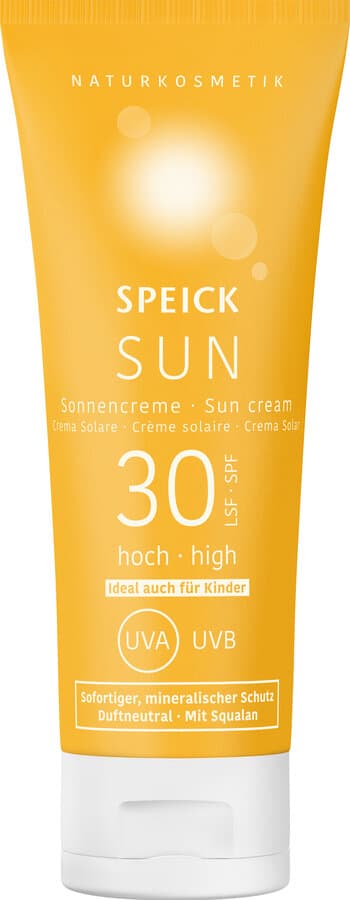
Speick is a German beauty and personal care brand founded in 1928 by Walter Rau and based in Stuttgart-Möhringen, Baden-Württemberg. With almost a century of history, it brings genuine heritage to a category where many brands use tradition primarily as a storytelling device. Natural beauty sits at the heart of Speick’s identity, alongside cruelty-free practices and a long-standing connection to locally made production. Its sustainability profile gives the heritage story a contemporary dimension. Rather than relying entirely on history, the brand also aligns with current expectations around more responsible beauty and everyday product choices. Local production is particularly significant for Speick because it reinforces continuity between the brand’s German origins and how it operates today. The affordable price point keeps the range accessible, which is unusual for a heritage-led beauty brand. Customers can engage with natural and locally made products without paying the premium normally associated with long-established labels. Everyday beauty is where Speick makes the most sense. Its products are intended to become routine essentials rather than occasional luxury purchases. For shoppers interested in European beauty with real historical depth, Speick combines natural ingredients, cruelty-free practices, sustainability, locally made production, affordable pricing, and nearly a century of heritage. That combination gives the brand a character that newer natural beauty companies cannot easily replicate.

Alva featured image

Alva

Germany · Est. 1988 · Affordable

alva is a German beauty brand established in 1988, giving it more than three decades of history within natural and organic skincare. That longevity is especially notable because the brand was working within natural beauty well before clean and conscious formulations became mainstream marketing categories. Natural and organic ingredients are central to alva’s identity, while cruelty-free practices give the brand an important animal-welfare dimension. Its sustainable beauty positioning and locally made profile add environmental and regional context, connecting the products more closely to Germany rather than presenting them as globally anonymous personal care. Affordability is another defining strength. Organic and natural beauty frequently carries premium pricing, but alva sits within the affordable segment, making these product preferences more realistic for customers building everyday routines. That everyday orientation matters. The brand is not positioned as a luxury indulgence or highly specialist treatment line; it is designed for people who want natural beauty to become part of normal, repeatable care. For shoppers exploring established European beauty brands, alva offers a combination of natural ingredients, organic beauty, cruelty-free values, sustainability, local production, and accessible pricing. Its history also gives it an advantage over younger natural skincare labels: the brand’s connection to this category is long-standing rather than the result of a recent shift toward conscious beauty trends.

Lovely Day featured image

Lovely Day

Germany · Est. 2016 · Mid-range

Lovely Day is a German skincare brand founded in 2016 by Josephine Förster and based in Berlin. The brand brings together clean beauty, vegan and cruelty-free values, sensitive-skin-friendly formulation, and a pared-back approach to everyday skincare. Its clean beauty positioning is supported by a natural beauty profile, making the brand particularly relevant for shoppers who prefer more ingredient-conscious routines. Sensitive-skin-friendly care is one of Lovely Day’s strongest characteristics. It gives the brand a practical reason for keeping routines simple: fewer unnecessary steps and more focused products can be especially appealing to customers who do not want to overload reactive skin. The brand is locally made, strengthening its connection to Berlin and giving it a clearer European identity. Sustainability is another part of the profile, complementing local production and its minimalist approach. Lovely Day sits within the mid-range beauty segment, which allows it to feel considered and specialized while avoiding the highest luxury price points. The result is a beauty brand that feels contemporary without being trend-dependent. Vegan formulas, cruelty-free practices, sensitive-skin-friendly positioning, natural beauty, sustainability, local production, and minimalist routines all support the same philosophy. For shoppers who want Berlin skincare that feels straightforward, conscious, and comfortable enough for everyday use, Lovely Day offers a particularly cohesive option.

gitti featured image

gitti

Germany · Est. 2018 · Mid-range

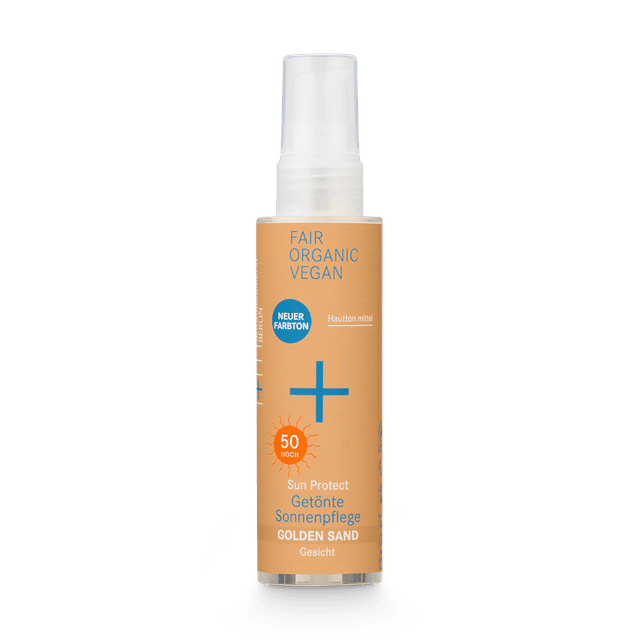
gitti Conscious Beauty is a Berlin-based beauty brand founded in 2018 by Jennifer Baum-Minkus. Its identity is shaped by clean beauty, plant-based formulation, vegan and cruelty-free values, and a strong interest in reducing the environmental footprint of everyday cosmetics. Packaging is an important part of that story. Recycled materials and refillable formats give the sustainability positioning something tangible, allowing customers to reduce reliance on single-use beauty packaging. The brand’s plant-based approach fits naturally alongside vegan beauty, while cruelty-free practices make it relevant for customers who want animal-friendly products throughout their routines. gitti sits within the mid-range beauty segment, which gives the brand an elevated feel without placing its conscious-beauty features exclusively in the luxury category. Locally made production also strengthens its connection to Berlin and European beauty, adding a clearer sense of origin to the brand. What makes gitti interesting is the way formulation and packaging are treated together. Sustainability is not restricted to one material or one product line; it forms part of a broader beauty philosophy. For customers seeking a modern European beauty brand, gitti combines vegan formulas, cruelty-free practices, recycled materials, refillable design, plant-based beauty, local production, and everyday usability. It is particularly relevant for shoppers who want sustainability to be built into how beauty products are used and repurchased.

i+m Naturkosmetik Berlin featured image

i+m Naturkosmetik Berlin

Germany · Est. 1978 · Mid-range

i+m Naturkosmetik Berlin is a German beauty brand founded in 1978 by Inge Stamm and Monika Berg. Its long history gives the brand a particularly interesting place within natural and organic beauty, as it predates much of today’s clean and sustainability-focused skincare movement. Based in Berlin, the brand combines natural and organic ingredients with plant-based formulation, vegan and cruelty-free values, and locally made production. Ethical sourcing is a major part of its profile. Fair-trade principles sit alongside sustainability and eco-friendly practices, giving the brand a broader social and environmental framework rather than focusing solely on ingredient exclusions. The products are also associated with paraben-free and silicone-free beauty, adding further relevance for customers who actively screen formulations. Its mid-range positioning makes this extensive conscious-beauty profile relatively approachable. Customers can access organic, vegan, ethical, and sustainable skincare without stepping fully into luxury pricing. What distinguishes i+m most is its heritage. Established in 1978, it has decades of history behind values that many newer beauty companies have only recently adopted. For shoppers looking for European natural beauty with depth, i+m combines organic skincare, vegan and cruelty-free practices, fair-trade sourcing, ethical production, sustainability, local manufacturing, and everyday usability within one of the more established German conscious-beauty brands.

This Place featured image

This Place

Germany · Est. 2020 · Luxury

This Place is a Berlin-based beauty brand founded in 2020 by Laura Simonow. Its skincare philosophy combines natural and plant-based ingredients with vegan and cruelty-free values, creating a routine that feels particularly suited to customers drawn to minimalist, conscious beauty. The brand’s sensitive-skin-friendly positioning is important because it adds practicality to the natural formulation story. Customers are not simply choosing products because they are plant-based; the range is also positioned around skin comfort and regular use. Sustainability and eco-friendly practices deepen that conscious identity. Locally made production connects the brand to Berlin and gives it a stronger sense of origin, while the minimalist approach naturally supports the idea of choosing fewer, more purposeful products. Although its listed pricing leans toward luxury, the brand sits within a mid-range subcategory, giving it a premium feel without placing it entirely in traditional prestige beauty. This Place works best for shoppers who want skincare to feel calm and intentional rather than complicated. Vegan formulas, cruelty-free values, plant-based ingredients, sensitive-skin-friendly care, sustainability, and local production all reinforce that direction. For customers exploring European natural beauty, This Place offers a modern Berlin interpretation: thoughtful skincare, pared-back routines, and environmental values brought together in products designed for everyday use rather than excess.

NO Cosmetics featured image

NO Cosmetics

Est. 2017 · Affordable

Nø Cosmetics is a European skincare brand founded in 2017 by Caroline Kroll. The brand sits firmly within affordable beauty, with vegan and cruelty-free products designed to make more conscious skincare accessible to everyday customers. Affordability is one of the most meaningful parts of its positioning. Sustainable or locally made beauty often comes with a premium, but Nø Cosmetics brings those qualities into a more attainable price range. Its vegan and cruelty-free profile gives shoppers clear animal-friendly credentials, while sustainability adds an environmental consideration to the brand’s wider identity. Locally made production also helps Nø Cosmetics maintain a closer connection to European beauty rather than functioning as a globally anonymous skincare label. The brand’s everyday beauty focus keeps the range practical. These are products intended to be used consistently, not saved for occasional skincare rituals or treated as luxury purchases. That approach makes Nø Cosmetics especially useful for shoppers who are beginning to make more conscious beauty choices but do not want those choices to dramatically increase the cost of their routine. Overall, the brand brings together affordable skincare, vegan beauty, cruelty-free practices, sustainability, local production, and everyday usability. Its strongest proposition is accessibility: making several values that are often associated with premium beauty feel more realistic for regular skincare customers.

Junglück featured image

Junglück

Germany · Est. 2018 · Mid-range

Junglück is a German skincare brand founded in 2018 by Benedikt Klarmann and based in Munich. Its philosophy fits naturally within minimalist beauty, with an emphasis on straightforward products, natural ingredients, and routines that feel manageable rather than excessive. The brand is vegan and cruelty-free, making it relevant for customers seeking animal-friendly European skincare. Its natural beauty positioning is complemented by a sensitive-skin-friendly approach, which gives Junglück particular appeal for people who want simplified routines without overlooking skin comfort. Sustainability is another major part of the brand’s identity. Recycled materials and locally made production connect environmental thinking directly to how the products are made and packaged. That local manufacturing also gives Junglück a stronger German identity than brands whose production is detached from their headquarters or marketing. Its mid-range pricing supports the brand’s practical character. Junglück feels more considered than basic skincare while remaining more accessible than many luxury natural beauty labels. The result is a beauty brand that works especially well for customers who value simplicity. Natural ingredients, vegan and cruelty-free practices, sustainable packaging, local production, sensitive-skin-friendly care, and minimalist routines all reinforce the same idea: skincare does not need to be complicated to feel thoughtful. Within European beauty, Junglück offers a particularly coherent version of that philosophy.

UND GRETEL featured image

UND GRETEL

Germany · Est. 2015 · Mid-range

UND GRETEL is a German beauty brand founded in 2015 by Christina Roth and Stephanie Dettmann and based in Berlin. The brand sits at the intersection of natural beauty and luxury cosmetics, with a strong emphasis on clean formulation, organic ingredients, and more responsible product choices. Its cruelty-free positioning is central to that identity. UND GRETEL is also associated with non-toxic beauty and formulas made without parabens or silicones, giving ingredient-conscious shoppers a clear set of standards. Natural and organic beauty are particularly important here because the brand does not frame them as alternatives to premium performance. Instead, the aim is to combine a more elevated beauty experience with formulations that align with conscious ingredient preferences. Ethical and sustainable beauty further shape the brand’s profile. These values give UND GRETEL a broader sense of responsibility beyond product formulation alone. The Berlin base also matters, placing the brand firmly within modern European beauty and giving it a locally rooted identity in a market often dominated by multinational cosmetics companies. UND GRETEL is best suited to shoppers who want luxury beauty without abandoning natural and cruelty-free values. Its mix of organic ingredients, clean formulation, ethical positioning, sustainability, paraben-free and silicone-free products, and everyday usability creates a distinctly modern approach to premium German beauty.

Talia Skincare featured image

Talia Skincare

Est. 2010 · Luxury

Talia Skincare is a beauty brand founded in 2010 by Eran Windman and positioned around natural skincare, clean formulation, and products designed for consistent everyday use. Its strongest identity comes from the balance between natural beauty and a more modern ingredient-conscious approach. The brand sits within clean beauty and is associated with vegan products, while paraben-free and sulfate-free formulations make it particularly relevant for shoppers who prefer to avoid those ingredients. Sustainability is another part of Talia Skincare’s profile, giving the brand an environmental dimension alongside its formulation standards. Although the underlying price data leans toward luxury, the brand is categorized within mid-range beauty, which places it in an interesting space between accessible skincare and a more premium experience. That can appeal to customers who want elevated products without moving into the highest prestige tier. Everyday beauty remains important. Talia Skincare is not positioned purely around occasional treatments or indulgent rituals; its products are intended to form part of regular routines. For shoppers looking for a beauty brand that brings together natural skincare, clean beauty, vegan formulation, paraben-free and sulfate-free products, sustainability, and everyday practicality, Talia Skincare offers a well-rounded option with a more polished feel than basic mass-market skincare.

Alma K featured image

Alma K

Mid-range

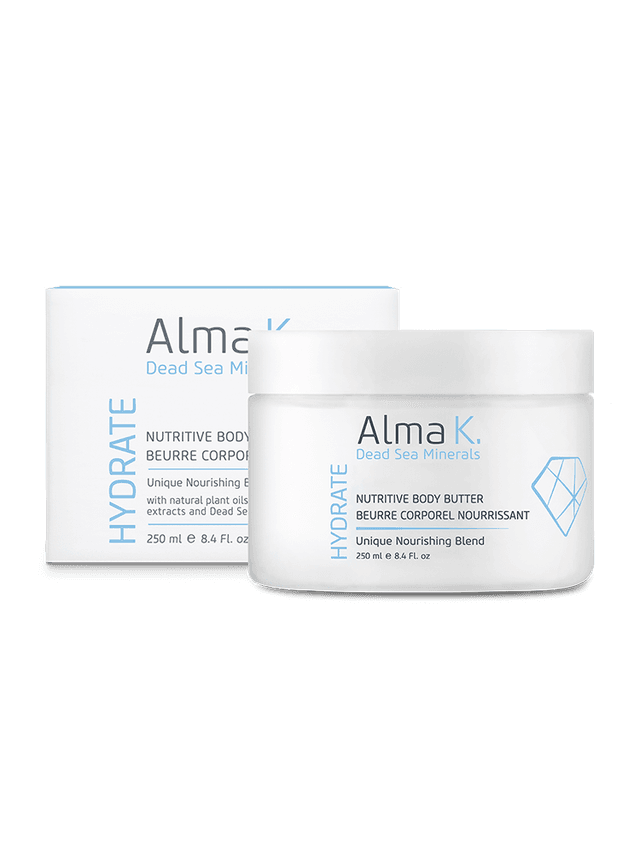
Alma K is a mid-range beauty brand founded by Amy Kafri, with a profile centered on natural ingredients, plant-based skincare, cruelty-free practices, and products intended for everyday use. Natural beauty is the clearest thread running through the brand. Alma K appeals to customers who prefer skincare that feels botanical and approachable rather than heavily trend-driven or built around overly complicated routines. Its cruelty-free positioning adds an important animal-welfare consideration, while plant-based beauty strengthens its connection to naturally focused formulation. The brand also sits within sustainable beauty, with recycled materials forming part of its broader environmental profile. That combination gives Alma K a more rounded identity than a skincare brand focused only on ingredient claims. Customers can consider formulation, packaging, and everyday usability together rather than treating each as a separate purchasing priority. The mid-range positioning makes the brand especially relevant for shoppers who want something more elevated than basic mass-market skincare without stepping fully into luxury pricing. Alma K ultimately works best for customers who want natural skincare that still feels easy to use. Its blend of plant-based beauty, cruelty-free values, recycled materials, sustainability, and everyday practicality gives the brand a straightforward but considered position within contemporary beauty, particularly for shoppers who want conscious choices without making their routine unnecessarily complex.

Dr. Dabour featured image

Dr. Dabour

Israel · Est. 2010 · Mid-range

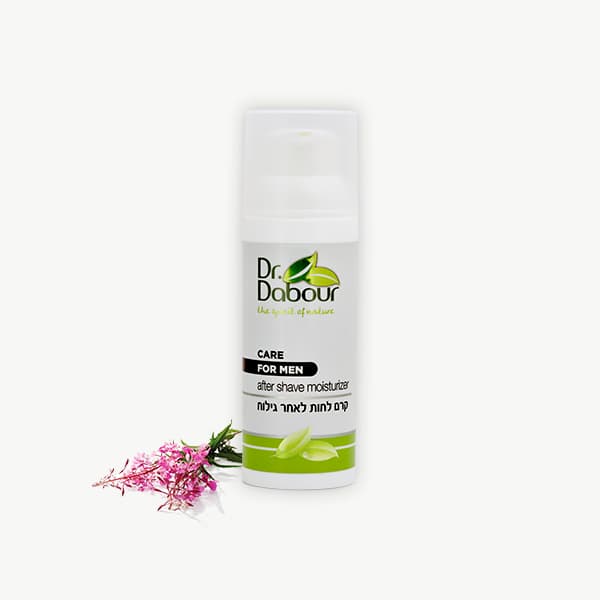
Dr. Dabour is an Israeli beauty brand founded in 2010 by Ziad Dabour and rooted in the Galilee region. Its profile is built around natural, plant-based skincare, local production, heritage, and a strong connection to where its products originate. That sense of place is central to the brand’s character. Rather than presenting natural beauty as a generic global concept, Dr. Dabour combines botanical formulation with locally made production, giving the range a distinctly regional identity. The brand is also vegan, making it relevant for shoppers looking for plant-focused beauty without animal-derived ingredients. Eco-friendly and sustainable beauty principles add a broader environmental dimension, complementing the natural formulation story. Heritage is another important part of Dr. Dabour’s positioning. It gives the brand more depth than a newer clean-beauty label built primarily around contemporary trends. Its products feel connected to a longer tradition of botanical and locally rooted care. Although its listed price range sits around mid-range, the brand carries a luxury beauty positioning through its ingredients, presentation, and emphasis on heritage. For customers looking for natural beauty with a strong regional identity, Dr. Dabour combines vegan skincare, plant-based ingredients, sustainability, local production, and heritage in an Israeli beauty brand designed for regular use as well as a more elevated self-care experience.

Can't find what you're looking for?

We add new sites every week but if you have a specific request, let us know.

About sustainable beauty brands

Sustainability looks different from one beauty brand to another. One label may concentrate on refillable packaging, while another uses recycled materials, upcycled ingredients, local manufacturing or lower-waste product formats.

From The Labels editors look at specific, publicly stated practices when grouping sustainable beauty brands on this page. These can include post-consumer recycled packaging, mono-material components, certified ingredient sourcing, refill systems, take-back programmes, plastic-reduction targets and partnerships supporting environmental work.

Sustainable skincare brands often focus on bottles, pumps, jars, ingredient sourcing and the resources involved in producing formulas. Sustainable makeup brands may address waste through refillable compacts, reusable palettes, recyclable tubes or reduced secondary packaging.

The page brings these independent labels together so readers can see how each one approaches sustainability in practice. Every profile covers the founders, location, price range, product focus and relevant environmental work, making it easier to understand where the brand is directing its efforts.

Frequently asked questions

What qualifies a brand as a sustainable beauty brand?
A brand may qualify through clear practices involving packaging, ingredient sourcing, manufacturing, waste reduction, refills, recycling or environmental partnerships. From The Labels editors consider the company’s wider approach rather than relying on one isolated claim.
What should I look for when comparing sustainable skincare brands?
Useful areas to compare include refill availability, recycled packaging, material recyclability, responsible ingredient sourcing, manufacturing location, water use and waste-reduction programmes. Some brands also publish packaging targets, impact reports or recognised environmental certifications.
How do sustainable makeup brands reduce waste?
Sustainable makeup brands may use refillable compacts, replaceable pans, reusable palettes, recycled plastic, aluminium components or smaller cartons. Some also design packaging with fewer mixed materials, making individual components easier to recover and recycle.
What is the difference between recycled and refillable packaging?
Recycled packaging contains material recovered from previous use, such as post-consumer recycled plastic. Refillable packaging keeps the main container in use while replacing only the product insert, cartridge or pouch. A brand may use either approach or combine both.
Do vegan and natural beauty automatically mean sustainable beauty?
Vegan, natural and sustainable describe different aspects of a brand. Vegan relates to animal-derived ingredients, while natural refers to ingredient origin. Sustainability considers wider issues such as sourcing, packaging, manufacturing, waste and environmental impact.
Can packaging be recyclable without containing recycled material?
Yes. Recyclable packaging is designed from materials that can enter an appropriate recycling system. Recycled packaging is made partly or entirely from material that has already been recovered and processed.
How does From The Labels choose brands for this page?
From The Labels editors review each independent label’s official sustainability information, packaging choices, sourcing policies, certifications, production approach and stated environmental programmes before assigning it to this category.
Are all the brands featured here independent?
Yes. Every label on this page is an independent beauty brand. The directory gives readers a closer look at the founders, teams and ideas behind their sustainability work.
Can a brand appear in more than one beauty category?
Yes. A sustainable label may also appear in relevant categories such as vegan, recycled, locally made, natural, minimalist or cruelty-free beauty, depending on its documented practices.