Sustainable Beauty Brands – Page 3

Brands 49–72 of 168. Back to page 1 · Browse brands A–Z

Brands

168 brands

Saigu Cosmetics featured image

Saigu Cosmetics

Spain · Est. 2019 · Mid-range

Saigu Cosmetics is a Spanish beauty brand founded in 2019 by Gerard Prats and David Hart and based in Menorca in the Balearic Islands. Its identity centers on natural beauty, vegan formulations, locally rooted production, and a more responsible approach to materials and packaging. The Menorca connection gives Saigu an immediate sense of place. Rather than feeling like a beauty brand that could have been developed anywhere, its locally made positioning helps connect the products to Spain and to a smaller-scale approach to production. That fits naturally with the brand’s wider sustainability profile. Saigu also incorporates recycled materials, making packaging choices part of its environmental story rather than focusing solely on ingredients. Vegan beauty is another defining characteristic, helping the brand appeal to customers who want their makeup and beauty choices to avoid animal-derived ingredients. Its mid-range pricing keeps this approach relatively accessible. Saigu is not positioned as a budget brand, but it also avoids the exclusivity associated with traditional luxury beauty. That balance makes it especially relevant for shoppers who want natural and vegan products with a more conscious design philosophy. For customers exploring European beauty, Saigu Cosmetics offers a combination of natural formulas, vegan values, recycled materials, locally made production, sustainability, and everyday usability, all tied to a clear Spanish identity.

ClioMakeUp featured image

ClioMakeUp

United States · Est. 2008 · Mid-range

ClioMakeUp Shop is a beauty brand founded in 2008 by Clio Zammatteo and Claudio Midolo, with its listed base in New York City. The brand sits in the mid-range segment and brings together vegan beauty, dermatologist-tested products, ethical considerations, sustainability, and locally made production. What gives ClioMakeUp Shop a distinctive profile is the way it balances professional-looking beauty with products intended for real, everyday routines. It is not positioned as inaccessible luxury, nor does it rely purely on budget pricing. Instead, the brand occupies a middle ground where customers can look for polished, considered products without stepping into the highest price tier. Its vegan positioning makes it relevant for shoppers who actively avoid animal-derived ingredients, while dermatologist-tested products add another layer of confidence for customers who pay attention to product assessment. Ethical and sustainable beauty also form part of the brand’s identity, alongside local production. Within European beauty, ClioMakeUp Shop is particularly suited to customers who want a modern beauty brand with a more responsible point of view. The combination of vegan formulas, sustainability, ethical values, locally made production, mid-range pricing, and everyday usability gives the brand a well-rounded identity rather than defining it through one trend or product category alone.

Espressoh featured image

Espressoh

Italy · Est. 2018 · Mid-range

espressoh is an Italian makeup brand founded in 2018 by Chiara Cascella. The European beauty brand is positioned around modern, uncomplicated cosmetics that feel polished without making everyday makeup more complex than it needs to be. Clean beauty and minimalist beauty are both natural fits for espressoh. The brand’s streamlined approach makes it especially relevant to customers who prefer a smaller, more useful collection rather than accumulating products that serve overlapping purposes. Cruelty-free beauty is part of its positioning, while sustainability adds another layer to the brand’s identity. Locally made production also strengthens espressoh’s Italian character and gives the brand a clearer sense of origin within European beauty. Its mid-range pricing is well matched to this approach. espressoh offers a more elevated experience than basic drugstore makeup while still remaining accessible compared with luxury cosmetics. Everyday beauty is where the brand feels strongest. The products are intended to fit into real routines, making espressoh a good option for customers who value ease, versatility, and a contemporary aesthetic. Overall, espressoh is a mid-range Italian makeup brand combining clean beauty, cruelty-free practices, sustainability, locally made production, minimalist design, and practical everyday cosmetics.

LIHA Beauty featured image

LIHA Beauty

United Kingdom · Est. 2014 · Luxury

LIHA Beauty is a UK beauty brand founded in 2014 by Liha Okunniwa and Abi Oyepitan. The Black-owned and women-owned luxury brand brings together natural and plant-based beauty with heritage, ethical sourcing, and handmade production. Its vegan and cruelty-free positioning gives the brand a clear animal-friendly identity, while fair-trade and ethical values extend that consciousness into ingredient sourcing and production. Sustainability is another important part of LIHA Beauty’s profile. Combined with locally made and handmade production, it gives the brand an artisanal character that feels very different from conventional prestige beauty built around large-scale manufacturing. Heritage plays an especially meaningful role here. LIHA is not simply positioned as another natural skincare label; its story is closely connected to cultural influences, which gives the products a stronger sense of identity and provenance. Minimalist beauty also fits the brand’s approach. The emphasis is on considered products and intentional routines rather than excess. Overall, LIHA Beauty is a luxury UK beauty brand combining Black-owned and women-owned leadership, natural and plant-based ingredients, vegan and cruelty-free practices, ethical and fair-trade sourcing, sustainability, handmade production, local craftsmanship, and heritage. It is particularly well suited to shoppers who want premium beauty with a strong cultural and conscious foundation.

ORÍKÌ featured image

ORÍKÌ

Nigeria · Est. 2014 · Affordable

ORÍKÌ is a Nigerian beauty and wellness brand founded in 2014 by Joycee Awojoodu and based in Lagos. The Black-owned and women-owned brand draws on natural ingredients, plant-based beauty, heritage, and locally made production to create a distinctly African approach to self-care. Its formulation and sourcing values are a major part of the identity. ORÍKÌ is associated with vegan beauty as well as ethical and fair-trade practices, reflecting an emphasis on how ingredients are sourced and how production connects to local communities. Sustainability sits alongside these values, giving the brand a broader conscious-beauty profile. Its natural and plant-based positioning also helps create a strong connection between the products and the heritage traditions that inform the brand. Although the underlying price data places ORÍKÌ on the more accessible side, its presentation and subcategory positioning lean toward luxury beauty. That gives the brand an interesting balance: premium storytelling and heritage-led self-care without necessarily operating at the highest luxury price point. Overall, ORÍKÌ is a Nigerian beauty brand combining Black-owned and women-owned leadership, natural and plant-based formulas, vegan beauty, ethical and fair-trade sourcing, sustainability, locally made production, and heritage. It is particularly suited to shoppers who want beauty and wellness to feel connected to culture and responsible craftsmanship.

House of Tara featured image

House of Tara

Nigeria · Est. 1998 · Affordable

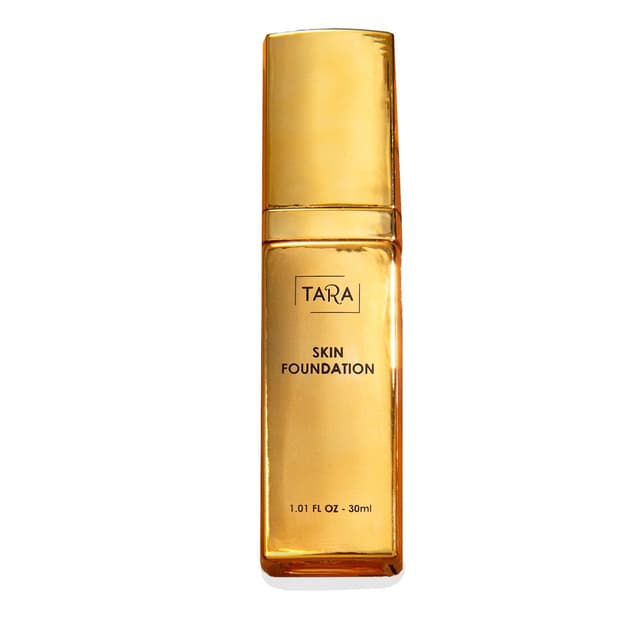
House of Tara is a Nigerian beauty brand founded in 1998 by Tara Fela-Durotoye and based in Lagos. With roots stretching back to the late 1990s, the brand carries a level of heritage that distinguishes it from many newer African beauty companies. Its Black-owned and women-owned identity is central to the story. House of Tara represents founder-led Nigerian beauty with a long-standing local presence, making it relevant not only as a cosmetics business but also as part of the wider development of modern African beauty entrepreneurship. Sustainability and ethical beauty are also part of its current positioning. These values sit alongside its everyday beauty focus, helping the brand remain relevant to customers who want products that are practical while still reflecting broader social and environmental considerations. Pricing places the brand around the accessible to mid-range segment, making it easier for customers to engage with a heritage beauty name without the barriers associated with luxury cosmetics. Overall, House of Tara is a Nigerian beauty brand shaped by heritage, Black-owned and women-owned leadership, sustainability, ethical values, and everyday usability. Its longevity is one of its strongest assets, giving the brand a sense of continuity in a beauty market that often changes quickly.

Terres d’Afrique featured image

Terres d’Afrique

Est. 2013 · Luxury

Terres d’Afrique is a luxury beauty brand founded in 2013 by Stephan Helary. Its identity is built around natural and organic skincare, with ethical sourcing and sustainability positioned as fundamental parts of the brand rather than optional additions. The formulation profile is particularly strong. Terres d’Afrique is vegan and cruelty-free and is also associated with paraben-free, sulfate-free, and silicone-free beauty. This makes it relevant for shoppers who want premium skincare while paying close attention to both ingredients and animal welfare. Ethical and fair-trade values add another important dimension. The brand’s positioning suggests a beauty model that considers how ingredients are sourced and how production affects the communities connected to them. Handmade and locally made qualities give the brand an artisanal character, while its natural and organic focus keeps the experience closely connected to botanical beauty rather than conventional luxury formulation. Terres d’Afrique therefore fits best for customers who want luxury skincare with a strong ethical framework. It combines natural beauty, organic ingredients, vegan and cruelty-free practices, fair-trade principles, sustainability, local craftsmanship, and formulation standards that avoid parabens, sulfates, and silicones. The result is a beauty brand where premium positioning and responsible values are closely intertwined.

Suki Suki Naturals featured image

Suki Suki Naturals

South Africa · Est. 2014 · Affordable

Suki Suki Naturals is a South African beauty brand founded in 2014 by Linda Gieskes-Mwamba and based in Johannesburg. The Black-owned and women-owned brand brings together clean beauty, natural ingredients, hand-crafted production, and a strong connection to locally made skincare. Its approach feels distinctly independent. Rather than relying on large-scale manufacturing or a generic global aesthetic, Suki Suki Naturals uses craftsmanship and local production as part of its identity. That gives the brand a closer relationship to its South African roots and to shoppers who prefer smaller founder-led beauty companies. Cruelty-free beauty is another important part of the brand’s positioning, while sustainability adds a broader environmental dimension. These values sit naturally alongside its clean and natural beauty profile. The brand falls around the accessible-to-mid-range segment, giving customers a more considered experience without pushing entirely into luxury pricing. This makes its natural and sustainable approach easier to incorporate into everyday routines. Suki Suki Naturals is especially relevant for shoppers looking for a Black-owned beauty brand that combines clean formulations, natural ingredients, cruelty-free practices, sustainability, women-owned leadership, local craftsmanship, and everyday usability. Its identity is rooted as much in who makes the products and where they come from as in the products themselves.

Divana Wellness featured image

Divana Wellness

Thailand · Est. 2001 · Luxury

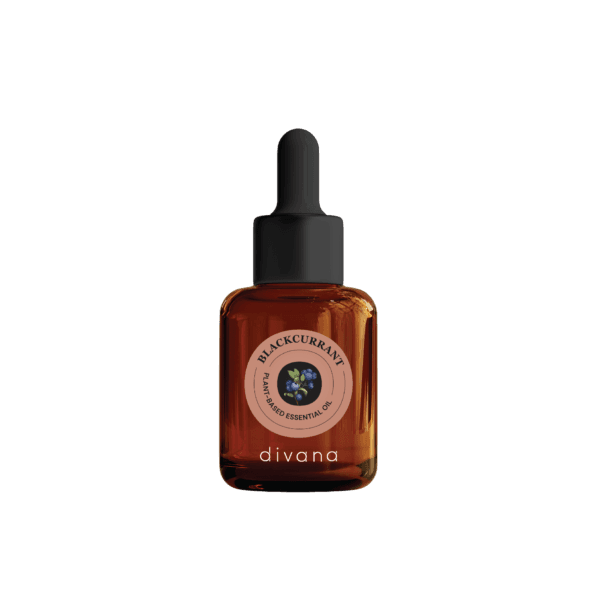
Divana Wellness is a luxury beauty and wellness brand founded in 2001 by Pattanapong Ranuraksa and Thaneth Jiraswakedelok and based in Bangkok, Thailand. The brand brings together natural beauty, plant-based ingredients, local production, and a strong connection to heritage, giving it a distinctly wellness-led identity. Rather than treating beauty as a purely cosmetic routine, Divana’s positioning feels closer to ritual and self-care. Natural and plant-based beauty sit at the center of the brand, while its heritage character helps connect those products to a broader sense of place and tradition. Locally made production is another important part of the story. It gives Divana Wellness a stronger connection to Thailand and helps distinguish the brand from luxury labels whose products are globally standardized with little relationship to where they originate. Sustainability also fits naturally into this approach. Combined with natural ingredients and local production, it supports a more considered form of luxury beauty that is not built only around packaging or exclusivity. For shoppers interested in premium self-care, Divana Wellness offers a different proposition from a conventional skincare or makeup brand. It combines luxury beauty with plant-based ingredients, natural formulation, sustainability, local craftsmanship, and heritage, making the brand especially relevant to customers who see wellness and beauty as part of the same everyday ritual.

Sensatia Botanicals featured image

Sensatia Botanicals

Indonesia · Est. 2000 · Mid-range

Sensatia Botanicals is an Indonesian beauty brand established in 2000 by Michael Lorenti. With more than two decades in the market, the brand has had time to build a clear identity around clean beauty, natural ingredients, responsible production, and products intended for regular use rather than short-lived trends. Its formulation profile is one of its strongest features. Sensatia Botanicals is associated with cruelty-free beauty and products made without parabens, sulfates, or silicones, giving it a straightforward appeal for ingredient-conscious shoppers. Natural beauty sits at the core of the brand rather than functioning as a secondary label. The brand also has a strong ethical and environmental side. Eco-friendly and sustainable practices, together with locally made production, connect Sensatia Botanicals closely to Indonesia and give its beauty products a more grounded sense of origin. That local production is especially important in distinguishing the brand from global labels that use natural positioning without the same regional connection. Sitting in the mid-range beauty segment, Sensatia Botanicals offers a more considered experience than basic mass-market personal care while remaining practical enough for everyday routines. Its long-standing presence, clean formulation approach, cruelty-free values, and sustainability focus make it a strong option for shoppers looking for natural Indonesian skincare and beauty with a well-established identity.

Avoskin featured image

Avoskin

Indonesia · Est. 2014 · Affordable

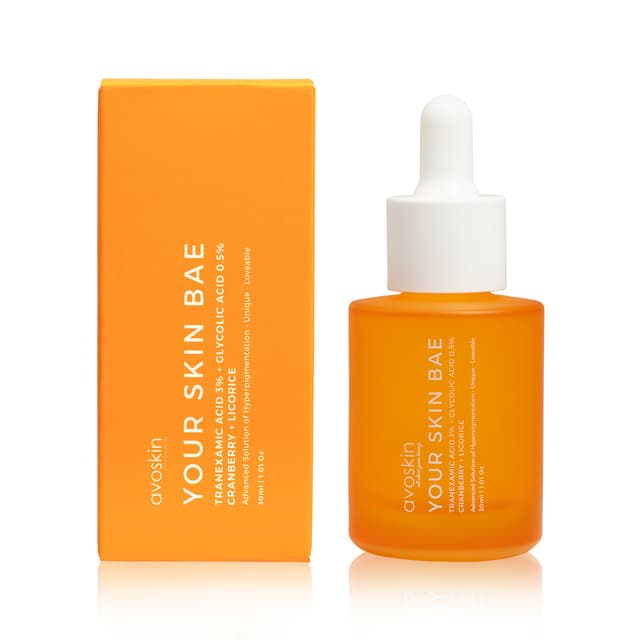
Avoskin is an Indonesian skincare brand founded in 2014 by Anugrah Pakerti, Ahmad Ramadhan, and Aris Nurul Huda, with its base in Jakarta. The beauty brand has built its identity around making everyday skincare more accessible while also giving ethical and environmental considerations a meaningful place in the business. Cruelty-free beauty is part of that approach, but Avoskin’s positioning goes further through ethical and fair-trade values. These elements make the brand relevant for shoppers who care not only about what a product does, but also about the wider systems behind sourcing and production. Sustainability is another important part of Avoskin’s profile. Eco-friendly practices help differentiate it from affordable skincare brands that compete only on price, while its everyday beauty focus keeps the products practical enough for regular routines. That balance is significant: the brand brings more conscious beauty ideas into an accessible price range instead of treating sustainability as a luxury feature. Avoskin is best suited to customers who want straightforward skincare with a broader sense of responsibility attached to it. Its appeal comes from the combination of affordability, cruelty-free practices, ethical sourcing, fair-trade principles, sustainability, and daily usability. Within Indonesian beauty, it represents a more conscious approach to mass-accessible skincare without losing the practicality that everyday customers expect.

Rose All Day featured image

Rose All Day

Malaysia · Est. 2017 · Affordable

Rose All Day is a beauty brand founded in 2017 by Tiffany Danielle, Cindy Gunawan, and Samantha Wijaya, with its location listed in Kuala Lumpur, Malaysia. The brand is designed around makeup that feels polished but still easy enough to use every day, placing it firmly in the affordable beauty space rather than the premium end of the market. Wearability is a major part of its appeal. Rose All Day is suited to customers who want cosmetics that can move from simple daily routines to more put-together looks without requiring professional techniques or an oversized makeup bag. That everyday focus gives the brand a practical identity even when the presentation feels trend-aware and modern. The brand is also associated with vegan and cruelty-free beauty, giving shoppers an animal-friendly option within accessible cosmetics. Sustainability adds another dimension to the brand’s profile and helps it stand out from affordable makeup labels that compete primarily on price. Rose All Day works best as a modern everyday makeup brand rather than a niche artistry label. Its value lies in combining approachable pricing, wearable product design, vegan and cruelty-free values, and a growing sustainability focus. For shoppers who want beauty products that feel current, useful, and easy to fit into real routines, the brand offers a balanced alternative to both mass-market basics and more expensive luxury makeup.

Oasis Skin featured image

Oasis Skin

Mid-range

Oasis Skin is a beauty brand built around the idea that skincare can be effective without generating unnecessary waste. Its positioning combines natural and plant-based beauty with vegan values, cruelty-free practices, and a strong emphasis on refillable, low-waste consumption. That makes sustainability part of the brand experience rather than a separate marketing message. Refillable packaging and zero-waste thinking are among the clearest elements of the brand’s identity. For customers who are trying to reduce single-use beauty packaging, Oasis Skin offers a more practical route into sustainable beauty. Its eco-friendly approach is supported by locally made and hand-crafted production, giving the brand a smaller-scale, more intentional feel than mass-manufactured skincare. The formulas sit within natural and organic beauty, while the plant-based and vegan positioning makes the brand relevant for shoppers who want products aligned with animal-friendly values. Minimalist beauty is another natural fit: the focus is on simpler routines, thoughtful consumption, and choosing products with a clear purpose rather than building oversized collections. Oasis Skin sits comfortably in the mid-range beauty space. Its appeal is not just the formula itself, but the wider system around it—refills, reduced waste, hand-crafted production, and locally made care. For conscious shoppers, it brings together natural skincare, vegan beauty, sustainability, zero-waste principles, and everyday practicality in one coherent brand.

DAMDAM Tokyo featured image

DAMDAM Tokyo

Est. 2019 · Luxury

DAMDAM is a Japanese beauty brand founded in 2019 by Giselle Go and Philippe Terrien. The brand brings a modern lens to Japanese skincare by combining clean beauty with natural ingredients, local production, and a strong respect for heritage. Rather than treating tradition as decoration, DAMDAM uses it as part of a broader philosophy around simplicity, craftsmanship, and conscious beauty. Its vegan and cruelty-free positioning makes the brand relevant for customers who want luxury skincare without animal-derived ingredients or animal testing. DAMDAM is also associated with sensitive-skin-friendly beauty, which gives the range a gentler, more approachable side despite its premium presentation. Sustainability is closely woven into the brand’s identity. Eco-friendly practices and locally made production support a beauty model that feels more intentional and less mass-produced. That local connection also strengthens DAMDAM’s place within Japanese beauty, where provenance and craftsmanship often matter as much as visual presentation. The brand’s minimalist approach keeps routines from feeling overloaded. Products are designed to fit into everyday use rather than encourage excessive layering, making DAMDAM a good match for shoppers who prefer fewer, more purposeful steps. In the luxury beauty space, it stands out for combining vegan formulas, cruelty-free values, natural ingredients, sustainability, sensitive-skin-friendly care, and Japanese heritage in a clean, understated way.

Waphyto featured image

Waphyto

Japan · Mid-range

Waphyto is a Japanese beauty brand founded by Atsuko Morita and based in Takasaki, Gunma. Its identity is rooted in the meeting point between clean beauty, natural ingredients, plant-based formulation, and a more elevated approach to everyday care. The result is a brand that feels polished and premium while still keeping sustainability and ingredient choices at the center of the conversation. The formulas align with paraben-free and sulfate-free beauty, while the brand’s ethical and fair-trade positioning adds depth beyond a simple “natural” label. Waphyto also places importance on locally made production, giving the brand a clear connection to Japan rather than presenting itself as a generic global clean-beauty line. Sustainability is one of its most defining themes. Recycled materials, eco-friendly practices, and responsible sourcing help shape the brand’s overall identity. Its women-owned background also makes it relevant for shoppers who actively seek founder-led beauty businesses with a strong point of view. Although the pricing sits around the mid-range, Waphyto has the finish and positioning of a luxury-leaning skincare brand. For shoppers interested in Japanese beauty that combines natural ingredients, clean formulations, ethical sourcing, sustainability, recycled materials, and locally made production, Waphyto offers a more thoughtful and refined alternative to conventional skincare.

FEMMUE featured image

FEMMUE

South Korea · Luxury

FEMMUE is a Korean luxury skincare brand founded by Jung Si-nae and Jung Hae-in and based in Seoul, South Korea. The beauty brand combines clean beauty with natural and plant-based formulations, creating an elevated approach to skincare. FEMMUE is a vegan and cruelty-free beauty brand, making it relevant for customers seeking animal-friendly luxury skincare. Its formulas are also paraben-free, supporting a more considered approach to ingredients. Ethical and sustainable beauty are important parts of the brand’s identity, alongside eco-friendly and biodegradable elements that reflect a broader commitment to reducing environmental impact. Natural beauty remains central to FEMMUE’s positioning, giving the brand a botanical character while still maintaining the polished experience expected from luxury Korean skincare. Overall, FEMMUE is a luxury Korean skincare brand combining clean beauty, vegan and cruelty-free practices, natural and plant-based formulas, paraben-free beauty, ethical sourcing, sustainability, and eco-friendly skincare.

mixsoon featured image

mixsoon

South Korea · Est. 2020 · Mid-range

mixsoon is a Korean skincare brand founded in 2020 by Hwang Joo-up and based in Seoul, South Korea. The beauty brand focuses on natural, ingredient-conscious skincare designed around simplicity and everyday use. Natural beauty is central to mixsoon’s identity, with plant-based and organic ingredients forming an important part of its approach. The brand also fits within clean beauty and emphasizes ethical and sustainable practices. Minimalist beauty is another defining element of mixsoon. Its products are designed to support uncomplicated routines, making the brand relevant for customers who prefer fewer, more purposeful skincare steps. Positioned within the mid-range Korean beauty category, mixsoon balances accessible skincare with a more considered approach to ingredients and sustainability. Overall, mixsoon is a mid-range Korean skincare brand combining natural beauty, plant-based and organic ingredients, ethical values, sustainability, minimalist skincare, and everyday beauty.

Dinto featured image

Dinto

Est. 2021 · Mid-range

Dinto is a Korean makeup brand established in 2021 and founded by An Ji-hye. The beauty brand creates cosmetics designed for everyday use while maintaining a modern, thoughtfully developed approach to Korean beauty. Dinto fits naturally within clean beauty and is vegan and cruelty-free, making it relevant for shoppers looking for animal-friendly makeup within the affordable beauty category. Ethical beauty and sustainability are also part of the brand’s identity, adding a more conscious dimension to its accessible cosmetics. These values allow Dinto to appeal to customers who consider how products are made as well as how they perform. Its everyday beauty positioning makes the range suitable for regular routines rather than only trend-driven or highly specialized makeup looks. Overall, Dinto is an affordable Korean makeup brand combining clean beauty, vegan and cruelty-free formulas, ethical values, sustainability, and everyday cosmetics for customers looking for modern K-beauty with a more conscious approach.

Mary&May featured image

Mary&May

Est. 2020 · Mid-range

Mary&May is a Korean skincare brand established in 2020 and founded by Noh Hyun-ju. The beauty brand focuses on clean, approachable skincare designed for customers who want effective products that can fit easily into everyday routines. Clean beauty is central to Mary&May’s identity. The brand is also associated with vegan and cruelty-free beauty, making it relevant for shoppers looking for animal-friendly Korean skincare. Sustainability is another important part of its positioning. Mary&May incorporates eco-friendly practices and recycled materials into its approach, helping reduce packaging impact while maintaining accessible skincare. Dermatologist-tested products add another consideration for customers who prioritize formulation confidence when building their routines. Positioned within affordable Korean beauty, Mary&May offers an accessible way to explore clean and more sustainability-conscious skincare. Overall, Mary&May is a Korean skincare brand combining clean beauty, vegan and cruelty-free practices, sustainable and recycled packaging, dermatologist-tested formulas, affordable positioning, and everyday skincare.

Irene Forte Skincare featured image

Irene Forte Skincare

Italy · Est. 2018 · Luxury

Irene Forte Skincare is a European luxury beauty brand founded in 2018 by Irene Forte and based in Sciacca, Sicily, Italy. The skincare brand combines natural and plant-based ingredients with a premium approach to modern beauty. The brand is vegan and cruelty-free, while clean beauty, ethical sourcing, and sustainability are central to its positioning. Irene Forte Skincare is also associated with organic beauty, helping it appeal to customers looking for elevated formulas rooted in more naturally focused ingredients. Its sustainability approach includes recycled materials, refillable concepts, upcycled elements, and circular beauty practices. Locally made production further strengthens the brand’s connection to Sicily and European craftsmanship. As a B Corp beauty brand, Irene Forte also reflects a broader commitment to responsible business practices alongside product quality. Overall, Irene Forte Skincare is a luxury European beauty brand combining natural and organic skincare, vegan and cruelty-free practices, ethical sourcing, sustainability, recycled and refillable packaging, locally made production, and premium beauty.

Le Prunier featured image

Le Prunier

United States · Est. 2018 · Luxury

Le Prunier is an American skincare brand founded in 2018 by Jacqueline Taylor, Allison Taylor, and Elaine Taylor and based in Yuba City, California. The luxury beauty brand combines clean skincare with a strong connection to natural ingredients, heritage, and more conscious beauty practices. Le Prunier is vegan and cruelty-free, while its formulas are also associated with paraben-free, sulfate-free, and fragrance-free beauty. These qualities make the brand relevant for shoppers seeking premium skincare with a more ingredient-conscious approach. Sustainability and eco-friendly practices are central to the brand’s identity, with upcycled elements adding another dimension to its environmental positioning. Its local California roots and heritage connection further distinguish Le Prunier within American luxury beauty. Minimalist beauty also fits naturally with the brand’s approach, with products designed to integrate easily into everyday routines. Overall, Le Prunier is a luxury American skincare brand combining clean beauty, vegan and cruelty-free formulas, sustainability, upcycling, heritage, locally made beauty, and minimalist everyday skincare.

May Lindstrom featured image

May Lindstrom

United States · Est. 2011 · Luxury

May Lindstrom is an American skincare brand founded in 2011 by May Lindstrom and based in Los Angeles, California. The luxury beauty brand creates elevated skincare built around natural and organic ingredients, hand-crafted production, and a more ritual-focused approach to everyday beauty. Cruelty-free beauty is an important part of the brand’s identity, while ethical and fair-trade sourcing further supports its conscious approach to ingredients and production. Sustainability is also central to May Lindstrom’s positioning, helping connect its luxury skincare experience with more responsible beauty practices. Locally made and hand-crafted production give the brand a strong independent character and reinforce its connection to Los Angeles. Its products are designed for customers who see skincare as both practical care and a more intentional self-care experience. Overall, May Lindstrom is a luxury American skincare brand combining natural and organic beauty, cruelty-free practices, ethical and fair-trade sourcing, sustainable values, hand-crafted production, and locally made skincare.

Josh Rosebrook featured image

Josh Rosebrook

United States · Est. 2008 · Luxury

Josh Rosebrook is an American skincare and beauty brand founded in 2008 by Josh Rosebrook and based in Los Angeles, California. The luxury beauty brand focuses on natural and organic formulations designed for customers seeking elevated skincare with a strong connection to conscious ingredient choices. Clean beauty is central to the brand’s identity, alongside cruelty-free practices, ethical sourcing, and fair-trade principles. Sustainability is also an important part of Josh Rosebrook’s positioning, supported by biodegradable elements, eco-friendly practices, and recycled materials. Locally made production adds another dimension to the brand’s American beauty identity and allows its luxury positioning to remain closely connected to craftsmanship and formulation. Its products are designed to fit into everyday beauty routines while still providing the experience expected from premium skincare. Overall, Josh Rosebrook is a luxury American skincare brand combining clean beauty, natural and organic ingredients, cruelty-free practices, ethical and fair-trade values, sustainability, recycled materials, and locally made production.

Root Pretty featured image

Root Pretty

United States · Est. 2013 · Mid-range

Root Pretty is an American beauty brand founded in 2013 by Krista Dolash and based in Waverly, Iowa. The women-owned brand focuses on natural cosmetics created around clean beauty principles and a more conscious approach to everyday makeup. Root Pretty is vegan and cruelty-free, with natural and organic ingredients forming an important part of its identity. The brand also emphasizes non-toxic beauty and formulas without parabens or sulfates, making it relevant for ingredient-conscious shoppers. Ethical production, sustainability, recycled materials, refillable options, and locally made craftsmanship further strengthen the brand’s conscious beauty positioning. Its products are also associated with sensitive-skin-friendly beauty. Despite this extensive focus on formulation and sustainability, Root Pretty remains accessible rather than luxury-driven. Overall, Root Pretty is an American natural beauty brand combining women-owned leadership, vegan and cruelty-free practices, organic ingredients, ethical production, sustainable and refillable beauty, locally made cosmetics, and everyday products for shoppers seeking a more conscious makeup routine.

Can't find what you're looking for?

We add new sites every week but if you have a specific request, let us know.