Organic Beauty Brands

“Organic” on a beauty label can describe one ingredient, a stated percentage of the formula or a finished product certified to an organic standard. This page brings together independent organic beauty brands working across skincare, makeup, fragrance and personal care. Each listing leads to a profile covering the founder, product range, price level and the organic ingredients, certifications or formulation principles associated with the brand.

Brands

Eco Tan featured image

Eco Tan

Australia · Est. 2010 · Mid-range

Eco Tan is an Australian beauty brand founded in 2010 by Sonya Driver and based in Currumbin on Queensland’s Gold Coast. The brand has built a broad conscious-beauty identity around natural and organic ingredients, vegan and cruelty-free values, local production, and sustainability. Its formulation profile is particularly comprehensive. Eco Tan sits within clean beauty and natural beauty while also being associated with non-toxic and sensitive-skin-friendly products. This gives the brand relevance for shoppers who want naturally focused formulas but are equally concerned about how those products feel on more delicate skin. Vegan and cruelty-free positioning adds an animal-friendly dimension, while ethical beauty and sustainability extend the conversation beyond formulation alone. Locally made production is another important feature. It strengthens Eco Tan’s Australian identity and helps connect the brand’s environmental values to a more regionally rooted manufacturing approach. The brand occupies the mid-range beauty segment, making organic and sustainability-led products more approachable than many premium alternatives. Recycled beauty also forms part of its wider subcategory profile, reinforcing the focus on reducing environmental impact. For shoppers who want an Australian beauty brand with multiple conscious credentials in one place, Eco Tan offers natural and organic formulation, vegan and cruelty-free practices, sensitive-skin-friendly products, sustainability, ethical values, recycled materials, and locally made production without pushing the experience into luxury-only territory.

Edible Beauty featured image

Edible Beauty

Australia · Est. 2014 · Mid-range

Edible Beauty is an Australian skincare brand founded in 2014 by Anna Mitsios and based in Sydney. The women-owned beauty brand brings together clean beauty, natural and organic ingredients, plant-based formulation, and a strong ethical and sustainability profile. Its vegan and cruelty-free positioning gives the brand an animal-friendly foundation, while organic and natural beauty add a more ingredient-conscious dimension. Edible Beauty also sits within paraben-free and sulfate-free beauty, giving shoppers additional formulation standards to consider. Sustainability extends beyond ingredients. Biodegradable elements and recycled materials contribute to the brand’s environmental profile, making its conscious-beauty positioning feel broader than a simple “clean” label. Ethical beauty is another key part of its identity, helping connect product formulation with wider questions around sourcing and responsible production. Although the underlying pricing sits around mid-range, the brand carries a luxury beauty positioning through its presentation and ingredient philosophy. That creates an accessible-premium balance for shoppers who want a more elevated natural skincare experience without reaching the very top of prestige pricing. Edible Beauty is particularly suited to customers who want several conscious beauty priorities addressed together. Clean formulation, organic and plant-based ingredients, vegan and cruelty-free practices, ethical values, recycled materials, sustainability, and women-owned leadership all contribute to a distinctly modern Australian skincare brand.

Dr. Hauck featured image

Dr. Hauck

Luxury

Dr. Hauck is a European luxury skincare brand founded by David Hauck and Brigitte Hauck, with a profile centered on natural and organic beauty. The brand sits firmly toward the premium side of skincare, but its identity is shaped more by natural formulation and simplicity than by traditional luxury excess. Natural ingredients form the foundation of the range, while the brand’s subcategory profile also connects it to organic beauty, cruelty-free practices, sustainability, and minimalist skincare. That combination gives Dr. Hauck a relatively restrained approach to luxury. Instead of emphasizing large routines or highly decorative products, the brand is better suited to customers who want premium skincare with a natural focus and fewer, more purposeful steps. Sustainability gives this natural positioning additional depth. It suggests that the brand’s interest in botanical beauty extends beyond formulation to a broader consideration of environmental responsibility. Cruelty-free beauty adds an animal-welfare dimension, making Dr. Hauck relevant for shoppers who want luxury skincare without disconnecting premium positioning from conscious values. For customers who find conventional prestige skincare too complicated or synthetic-feeling, Dr. Hauck offers a quieter alternative. Its combination of natural and organic beauty, minimalist routines, cruelty-free practices, sustainability, and everyday usability places it within a more considered form of European luxury skincare—one where simplicity and formulation take priority over excess.

FINigrana featured image

FINigrana

Germany · Est. 1998 · Affordable

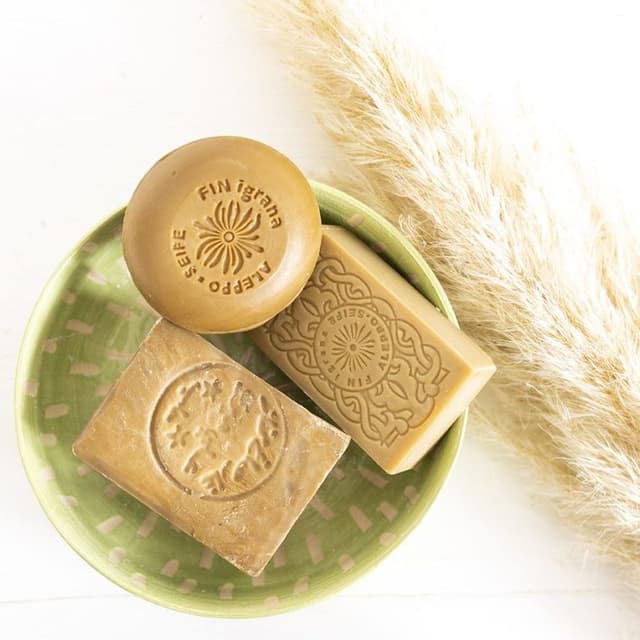
FINigrana is a German beauty brand established in 1998 by Bernhard Bauer and Gabriele Krüger. With more than two decades behind it, the brand brings a sense of heritage to natural beauty that newer plant-based labels cannot easily replicate. Its products are positioned around natural and plant-based ingredients, with vegan beauty forming another important part of the brand’s identity. Handmade production gives FINigrana an artisanal character and helps connect its products to a more traditional approach to personal care. The brand’s heritage is particularly relevant because its focus on natural beauty predates the current wave of clean-beauty marketing. Rather than appearing to have adopted plant-based formulation in response to recent demand, FINigrana has a longer-standing relationship with this category. Ethical and sustainable beauty also fit within its wider subcategory profile, adding a more contemporary layer to the brand’s established natural positioning. Affordability makes FINigrana especially approachable. Customers can explore plant-based, handmade beauty without paying the premium usually attached to artisanal or heritage-led products. Its minimalist and everyday beauty positioning keeps the range practical rather than ceremonial. FINigrana is therefore a good fit for shoppers who value natural formulas, vegan products, craftsmanship, heritage, ethical considerations, and accessible pricing. The brand’s strength lies in combining those qualities with the familiarity of a beauty company that has been operating since the late 1990s.

Rosenrot featured image

Rosenrot

Germany · Est. 2013 · Affordable

Rosenrot is a German beauty brand founded in 2013 by Karin Ziesmer and based in Heilbronn, Baden-Württemberg. Its identity is built around natural and organic beauty, but what makes the brand particularly interesting is how strongly that formulation philosophy is connected to low-waste product design. Rosenrot is cruelty-free and associated with paraben-free beauty, while biodegradable and plastic-free elements make its sustainability positioning more tangible. Instead of limiting environmental responsibility to recyclable outer boxes, the brand is linked to reducing plastic and using materials that are better suited to lower-waste routines. Locally made production strengthens its German character and gives shoppers a clearer connection between the brand and where its products are produced. That local focus also complements its natural beauty positioning, making the overall approach feel coherent rather than assembled from unrelated claims. Although some of its tags sit around mid-range, Rosenrot is positioned in the affordable beauty segment. That accessibility is important because plastic-free and organic beauty are often priced as premium categories. Its minimalist positioning further supports the idea of buying and using products more intentionally. For customers exploring European beauty, Rosenrot offers a practical combination of natural and organic formulations, cruelty-free values, biodegradable and plastic-free design, local production, sustainability, and everyday usability without turning lower-waste beauty into an expensive niche.

i+m Naturkosmetik Berlin featured image

i+m Naturkosmetik Berlin

Germany · Est. 1978 · Mid-range

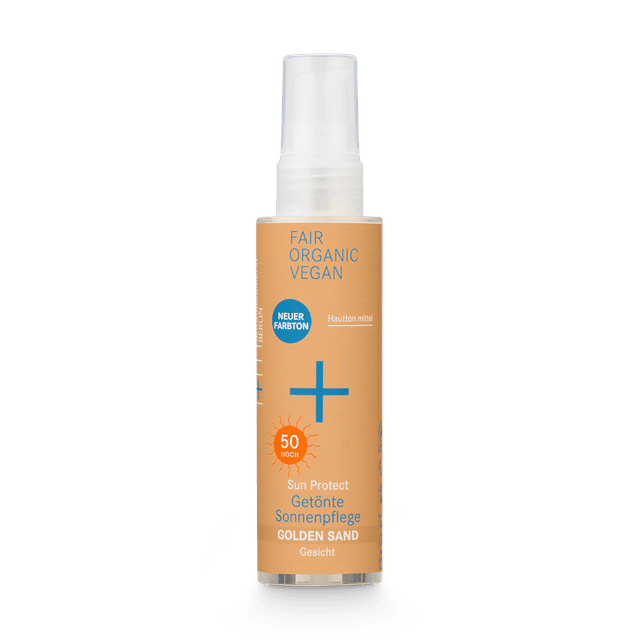
i+m Naturkosmetik Berlin is a German beauty brand founded in 1978 by Inge Stamm and Monika Berg. Its long history gives the brand a particularly interesting place within natural and organic beauty, as it predates much of today’s clean and sustainability-focused skincare movement. Based in Berlin, the brand combines natural and organic ingredients with plant-based formulation, vegan and cruelty-free values, and locally made production. Ethical sourcing is a major part of its profile. Fair-trade principles sit alongside sustainability and eco-friendly practices, giving the brand a broader social and environmental framework rather than focusing solely on ingredient exclusions. The products are also associated with paraben-free and silicone-free beauty, adding further relevance for customers who actively screen formulations. Its mid-range positioning makes this extensive conscious-beauty profile relatively approachable. Customers can access organic, vegan, ethical, and sustainable skincare without stepping fully into luxury pricing. What distinguishes i+m most is its heritage. Established in 1978, it has decades of history behind values that many newer beauty companies have only recently adopted. For shoppers looking for European natural beauty with depth, i+m combines organic skincare, vegan and cruelty-free practices, fair-trade sourcing, ethical production, sustainability, local manufacturing, and everyday usability within one of the more established German conscious-beauty brands.

Ruhi Rituals featured image

Ruhi Rituals

Germany · Est. 2019 · Luxury

RUHI Rituals is a Berlin-based luxury beauty brand founded in 2019 by Britta Hekmat. Its skincare identity is rooted in natural, organic, and plant-based formulation, with a strong emphasis on simplicity and products designed to work within intentional everyday rituals. The brand is vegan and cruelty-free, making it particularly relevant for shoppers looking for premium skincare aligned with animal-friendly values. Fragrance-free beauty adds another important dimension, especially for customers who prefer formulas without added scent. Sensitive-skin-friendly positioning reinforces that gentler approach. Instead of building luxury around complexity, RUHI Rituals leans toward minimalist beauty and products that can be used with purpose. Locally made production keeps the brand closely tied to Berlin and gives its skincare a stronger independent identity than globally standardized prestige labels. Its luxury positioning comes from the combination of formulation, craftsmanship, and a more considered approach to routine rather than simply from exclusivity. RUHI Rituals is best suited to shoppers who want premium European skincare but prefer natural beauty to traditional luxury formulation. Organic and plant-based ingredients, vegan and cruelty-free values, fragrance-free products, sensitive-skin-friendly care, local production, and minimalist routines all work together to create a beauty brand that feels quiet, deliberate, and focused on consistent use.

Shirley Conlon Organics featured image

Shirley Conlon Organics

United Arab Emirates · Mid-range

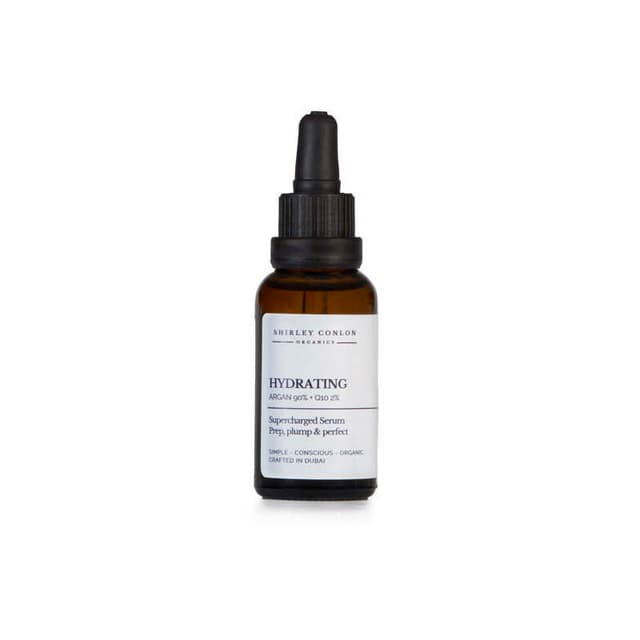
Shirley Conlon Organics is a Dubai-based beauty brand founded by Shirley Conlon. The brand takes a premium approach to clean skincare, combining natural and organic ingredients with vegan, cruelty-free, and non-toxic beauty principles. Handmade and locally made production are central to its character. These qualities give the brand a more artisanal identity and strengthen its connection to Dubai rather than presenting it as a generic international clean-beauty label. Its minimalist beauty positioning also makes the range relevant for customers who prefer fewer, more intentional products. Rather than encouraging complex routines, the brand fits naturally with customers who want straightforward skincare built around high-quality ingredients. Sustainability adds another dimension, connecting the formulation philosophy with a broader environmental perspective. Although the underlying pricing sits closer to mid-range, the brand is positioned within luxury beauty thanks to its ingredient profile, handmade production, and premium presentation. For customers seeking a clean beauty brand from the UAE, Shirley Conlon Organics offers a particularly comprehensive mix of natural and organic ingredients, vegan and cruelty-free values, non-toxic positioning, local craftsmanship, sustainability, and minimalist routines. Its strongest appeal is the coherence between formulation and production: the brand does not simply use “organic” as a label, but builds its wider identity around thoughtful ingredients, small-scale making, and a more intentional approach to everyday skincare.

Ahal featured image

Ahal

Mexico · Est. 2008 · Mid-range

AHAL is a Mexican beauty brand founded in 2008 by Iliana Loza Garza and based in Monterrey, Nuevo León. The women-owned brand has a strong natural and organic identity, combining clean beauty with ethical sourcing, sustainability, and locally made production. Cruelty-free beauty is an important part of AHAL’s positioning, while hypoallergenic products make the brand especially relevant for customers who want more considered formulas within a natural beauty routine. Its ethical and fair-trade profile adds depth beyond ingredient selection. Rather than focusing only on what goes into the product, AHAL’s positioning also reflects concern for how ingredients are sourced and how production connects to people and communities. Sustainability fits naturally within that approach, while locally made production reinforces the brand’s connection to Mexico and gives it a stronger regional identity. The brand sits within the mid-range beauty segment, making natural and organic products more accessible than traditional luxury clean-beauty labels. AHAL’s strongest appeal lies in how these ideas work together: natural ingredients, organic beauty, cruelty-free values, hypoallergenic positioning, fair-trade practices, sustainability, women-owned leadership, and Mexican production. For shoppers who want conscious beauty with a clear sense of origin and ethical purpose, AHAL offers a particularly well-rounded alternative to globally standardized skincare and cosmetics brands.

JOIK featured image

JOIK

Estonia · Est. 2005 · Affordable

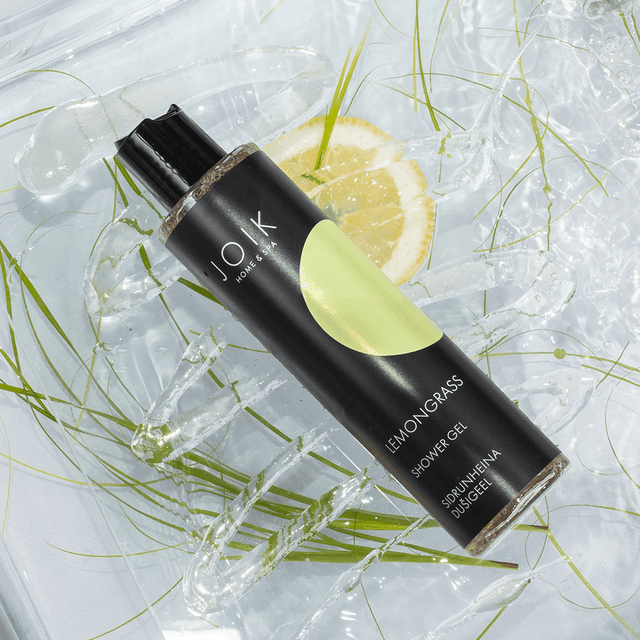
JOIK is an Estonian beauty brand founded in 2005 by Eva-Maria Õunapuu. With two decades of experience, the brand has developed around natural and organic beauty rather than adopting these ideas only after they became mainstream trends. Its formulation profile is closely tied to natural ingredients, organic beauty, vegan products, and cruelty-free values. This combination makes JOIK relevant for customers who want a more plant-conscious approach to skincare and beauty without stepping into the highest price categories. Sustainability is another important part of the brand’s identity. Locally made production connects JOIK strongly to Estonia and gives the range a clear European origin, while its broader environmental positioning makes the brand particularly appealing to shoppers who care about how and where products are made. The brand sits around the affordable-to-mid-range segment, offering a more accessible route into natural and organic beauty than many prestige labels. JOIK’s longevity is also worth noting. Established in 2005, it has operated through several major shifts in the clean and natural beauty market, giving its positioning more continuity than newer brands built primarily around recent trends. For shoppers looking for European beauty that combines natural ingredients, organic formulation, cruelty-free practices, sustainability, locally made production, and everyday usability, JOIK offers a well-established Estonian alternative.

Baims featured image

Baims

Brazil · Est. 2017 · Mid-range

BAIMS is a beauty brand founded in 2017 by Luisa Baims Albrecht and Bernd Albrecht, with its location listed as Brazil. Its positioning sits at the intersection of clean beauty, natural and organic ingredients, vegan formulation, cruelty-free practices, and sustainability. The brand’s formulation profile is especially comprehensive. BAIMS is associated with non-toxic beauty and products developed without parabens or silicones, giving ingredient-conscious shoppers several clear reasons to consider the range. Environmental responsibility extends beyond formulation. Biodegradable elements and refillable formats support a more circular approach to beauty, while sustainability forms a broader part of the brand’s identity. Although BAIMS carries a luxury sensibility, its listed pricing sits closer to the mid-range category. That creates an interesting balance: shoppers can access a premium-feeling natural beauty brand without necessarily entering the highest price tier. The combination of organic and natural ingredients with vegan and cruelty-free values makes BAIMS particularly relevant for customers who want several conscious beauty priorities addressed within the same brand. Rather than focusing solely on “clean” ingredients, BAIMS connects formulation, packaging, animal welfare, and environmental impact. For shoppers looking for a more comprehensive approach to conscious beauty, it brings together natural and organic cosmetics, refillable design, biodegradable materials, sustainable practices, and modern mid-range accessibility.

Flow Cosmetics featured image

Flow Cosmetics

Finland · Est. 2004 · Mid-range

Flow Cosmetics is a Finnish beauty brand founded in 2004 by Riitta Jänkälä and based in Riihimäki. With more than two decades of experience, the brand has developed around natural and organic beauty rather than adopting those ideas only after they became mainstream trends. Its ingredient profile is broad and clearly defined. Flow Cosmetics is cruelty-free and associated with formulas made without parabens or sulfates, while natural and organic ingredients form the foundation of the brand’s positioning. Sustainability is closely connected to how the products are made and presented. Recycled materials and locally made production reinforce the company’s Finnish roots, giving the brand a strong sense of origin. Sensitive-skin-friendly positioning further extends its appeal to customers who want natural skincare but need products suited to more reactive skin. Flow Cosmetics sits in the mid-range beauty category, giving shoppers access to an elevated natural skincare experience without entering traditional luxury pricing. Its longevity is one of its more interesting qualities. Established in 2004, the brand has existed through several waves of clean and natural beauty trends, giving its positioning a sense of continuity. For shoppers looking for European beauty with organic ingredients, cruelty-free practices, sustainable packaging, local Finnish production, and sensitive-skin-friendly options, Flow Cosmetics offers a well-established and practical choice.

Les Huilettes featured image

Les Huilettes

France · Est. 2017 · Mid-range

Les Huilettes is a French beauty brand founded in 2017 by Pascale Gal and Claire Auzouy and based in Paris. Its positioning blends clean beauty with natural and organic skincare, creating a premium experience that remains closely tied to ingredients and formulation quality. The brand is vegan, giving it particular relevance for shoppers seeking plant-focused beauty without animal-derived ingredients. Dermatologist-tested products add a more clinical dimension to what might otherwise be seen purely as botanical skincare. Local production is another defining element. By maintaining a connection to France, Les Huilettes fits naturally within European beauty while also appealing to customers who care about where their skincare is made. Its profile leans toward luxury beauty even though the underlying pricing sits closer to mid-range. That makes the brand an interesting option for shoppers who want a more refined skincare experience without necessarily moving into the highest price category. Minimalist beauty also suits Les Huilettes. The natural and organic positioning works best when products are treated as purposeful parts of a routine rather than additions to an excessively complicated regimen. For customers seeking French skincare with clean, vegan, natural, and organic values, Les Huilettes offers a thoughtful mix of dermatologist-tested formulas, local production, sustainability, and minimalist everyday beauty wrapped in a more elevated presentation.

Huygens featured image

Huygens

France · Est. 2013 · Mid-range

Huygens is a Paris-based beauty brand founded in 2013 by Daan Sins. The French brand combines clean beauty with natural and organic ingredients, giving its skincare a formulation-led identity while maintaining an approachable mid-range position. Ingredient standards are a major part of the brand’s appeal. Huygens is associated with cruelty-free beauty and formulas made without parabens, silicones, or sulfates. For customers who actively filter beauty products according to what they contain—or avoid—those characteristics make the brand easier to understand. Its locally made positioning reinforces the brand’s connection to French beauty, while sustainability and recycled materials bring an environmental dimension to its profile. That combination is important because Huygens does not present natural beauty as something separate from responsible packaging or production. Despite the emphasis on clean and organic beauty, the brand remains practical enough for everyday use. Its mid-range pricing creates a balance between accessible skincare and the more elevated experience associated with French beauty. Huygens is therefore well suited to shoppers who want natural and organic skincare without moving into luxury pricing. The brand brings together cruelty-free practices, paraben-free and sulfate-free formulas, clean beauty principles, recycled materials, sustainability, locally made production, and a distinctly European identity in products designed to become part of regular routines.

Dafna’s Skincare featured image

Dafna’s Skincare

Spain · Est. 2014 · Luxury

Dafna’s Skincare is a Spanish luxury beauty brand founded in 2014 by Dafna Shaham. The brand’s profile is strongly rooted in clean beauty, combining natural, organic, and plant-based ingredients with vegan and cruelty-free values. Rather than relying on a single “clean” claim, Dafna’s brings together several areas that matter to conscious skincare shoppers. Its products sit within organic and natural beauty, while the absence of parabens supports a more ingredient-conscious positioning. Vegan and cruelty-free practices add an animal-friendly dimension, and ethical and fair-trade values extend that philosophy into sourcing and production. This makes the brand particularly relevant for customers who want luxury skincare to reflect more than premium packaging. Dafna’s Skincare connects its elevated positioning with questions around where ingredients come from, how they are sourced, and what kinds of formulation standards are used. The brand also carries a sustainable beauty profile, fitting naturally with its focus on plant-based ingredients and ethical sourcing. Yet the products are intended for regular care, not simply occasional indulgence. For shoppers interested in European luxury beauty, Dafna’s Skincare offers a layered proposition: clean formulas, natural and organic ingredients, vegan and cruelty-free values, fair-trade principles, paraben-free beauty, and an ethical approach that gives its premium positioning greater substance.

PuroBIO Cosmetics featured image

PuroBIO Cosmetics

Italy · Est. 2014 · Affordable

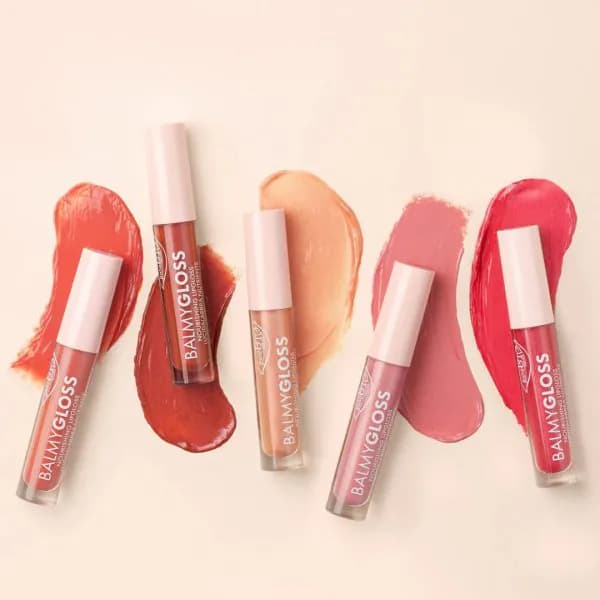
puroBIO Cosmetics is an Italian makeup brand founded in 2014 by Massimo Bruno and Michele D'Onghia and based in Noci, Bari, in the Puglia region. The brand brings natural and organic beauty into the affordable cosmetics space, giving customers a more ingredient-conscious alternative without requiring luxury-level spending. Its vegan and cruelty-free positioning is central to the brand’s appeal. For shoppers who want animal-friendly makeup, puroBIO combines those values with natural and organic formulations rather than treating them as separate product attributes. The brand’s Italian roots also give it a strong European beauty identity. Its location in Puglia helps distinguish puroBIO from generic international clean-beauty labels and gives the range a clearer connection to local beauty culture. Affordability is particularly important because organic and natural cosmetics are often positioned at a premium. puroBIO makes these categories more accessible, allowing customers to build everyday makeup routines around natural, organic, vegan, and cruelty-free products without paying luxury prices. Overall, puroBIO Cosmetics is an affordable European makeup brand combining natural beauty, organic formulations, vegan and cruelty-free practices, Italian identity, and practical everyday products. It is a strong fit for shoppers who want more conscious makeup choices while keeping their beauty routine accessible.

Terres d’Afrique featured image

Terres d’Afrique

Est. 2013 · Luxury

Terres d’Afrique is a luxury beauty brand founded in 2013 by Stephan Helary. Its identity is built around natural and organic skincare, with ethical sourcing and sustainability positioned as fundamental parts of the brand rather than optional additions. The formulation profile is particularly strong. Terres d’Afrique is vegan and cruelty-free and is also associated with paraben-free, sulfate-free, and silicone-free beauty. This makes it relevant for shoppers who want premium skincare while paying close attention to both ingredients and animal welfare. Ethical and fair-trade values add another important dimension. The brand’s positioning suggests a beauty model that considers how ingredients are sourced and how production affects the communities connected to them. Handmade and locally made qualities give the brand an artisanal character, while its natural and organic focus keeps the experience closely connected to botanical beauty rather than conventional luxury formulation. Terres d’Afrique therefore fits best for customers who want luxury skincare with a strong ethical framework. It combines natural beauty, organic ingredients, vegan and cruelty-free practices, fair-trade principles, sustainability, local craftsmanship, and formulation standards that avoid parabens, sulfates, and silicones. The result is a beauty brand where premium positioning and responsible values are closely intertwined.

Kew Organics featured image

Kew Organics

Est. 2014 · Luxury

Kew Organics is a luxury skincare brand founded in 2014 by Lily Kew, with a clear focus on clean beauty and ingredient-conscious care. The women-owned beauty brand brings together natural, organic, and non-toxic positioning with a more premium skincare experience, making it well suited to customers who want both formulation standards and a sense of refinement. The brand’s vegan and cruelty-free values are important to its identity, while its sensitive-skin-friendly positioning gives the range a more practical edge. Kew Organics is not simply framed as indulgent skincare; it is designed for people who also care about how products feel on skin that may be more reactive or easily irritated. Natural and organic beauty sit at the center of the brand, helping Kew Organics appeal to shoppers who prefer a cleaner ingredient philosophy over conventional luxury formulas. Locally made production adds another layer of character, reinforcing the sense that the brand is independently developed rather than built around large-scale global manufacturing. What distinguishes Kew Organics is the balance between clean beauty and luxury beauty. It offers the polish expected from a premium skincare brand while retaining vegan, cruelty-free, non-toxic, and sensitive-skin-friendly values. For shoppers looking for a women-owned beauty brand with natural and organic positioning, it provides a more considered route into luxury skincare.

Oasis Skin featured image

Oasis Skin

Mid-range

Oasis Skin is a beauty brand built around the idea that skincare can be effective without generating unnecessary waste. Its positioning combines natural and plant-based beauty with vegan values, cruelty-free practices, and a strong emphasis on refillable, low-waste consumption. That makes sustainability part of the brand experience rather than a separate marketing message. Refillable packaging and zero-waste thinking are among the clearest elements of the brand’s identity. For customers who are trying to reduce single-use beauty packaging, Oasis Skin offers a more practical route into sustainable beauty. Its eco-friendly approach is supported by locally made and hand-crafted production, giving the brand a smaller-scale, more intentional feel than mass-manufactured skincare. The formulas sit within natural and organic beauty, while the plant-based and vegan positioning makes the brand relevant for shoppers who want products aligned with animal-friendly values. Minimalist beauty is another natural fit: the focus is on simpler routines, thoughtful consumption, and choosing products with a clear purpose rather than building oversized collections. Oasis Skin sits comfortably in the mid-range beauty space. Its appeal is not just the formula itself, but the wider system around it—refills, reduced waste, hand-crafted production, and locally made care. For conscious shoppers, it brings together natural skincare, vegan beauty, sustainability, zero-waste principles, and everyday practicality in one coherent brand.

Irene Forte Skincare featured image

Irene Forte Skincare

Italy · Est. 2018 · Luxury

Irene Forte Skincare is a European luxury beauty brand founded in 2018 by Irene Forte and based in Sciacca, Sicily, Italy. The skincare brand combines natural and plant-based ingredients with a premium approach to modern beauty. The brand is vegan and cruelty-free, while clean beauty, ethical sourcing, and sustainability are central to its positioning. Irene Forte Skincare is also associated with organic beauty, helping it appeal to customers looking for elevated formulas rooted in more naturally focused ingredients. Its sustainability approach includes recycled materials, refillable concepts, upcycled elements, and circular beauty practices. Locally made production further strengthens the brand’s connection to Sicily and European craftsmanship. As a B Corp beauty brand, Irene Forte also reflects a broader commitment to responsible business practices alongside product quality. Overall, Irene Forte Skincare is a luxury European beauty brand combining natural and organic skincare, vegan and cruelty-free practices, ethical sourcing, sustainability, recycled and refillable packaging, locally made production, and premium beauty.

Le Prunier featured image

Le Prunier

United States · Est. 2018 · Luxury

Le Prunier is an American skincare brand founded in 2018 by Jacqueline Taylor, Allison Taylor, and Elaine Taylor and based in Yuba City, California. The luxury beauty brand combines clean skincare with a strong connection to natural ingredients, heritage, and more conscious beauty practices. Le Prunier is vegan and cruelty-free, while its formulas are also associated with paraben-free, sulfate-free, and fragrance-free beauty. These qualities make the brand relevant for shoppers seeking premium skincare with a more ingredient-conscious approach. Sustainability and eco-friendly practices are central to the brand’s identity, with upcycled elements adding another dimension to its environmental positioning. Its local California roots and heritage connection further distinguish Le Prunier within American luxury beauty. Minimalist beauty also fits naturally with the brand’s approach, with products designed to integrate easily into everyday routines. Overall, Le Prunier is a luxury American skincare brand combining clean beauty, vegan and cruelty-free formulas, sustainability, upcycling, heritage, locally made beauty, and minimalist everyday skincare.

May Lindstrom featured image

May Lindstrom

United States · Est. 2011 · Luxury

May Lindstrom is an American skincare brand founded in 2011 by May Lindstrom and based in Los Angeles, California. The luxury beauty brand creates elevated skincare built around natural and organic ingredients, hand-crafted production, and a more ritual-focused approach to everyday beauty. Cruelty-free beauty is an important part of the brand’s identity, while ethical and fair-trade sourcing further supports its conscious approach to ingredients and production. Sustainability is also central to May Lindstrom’s positioning, helping connect its luxury skincare experience with more responsible beauty practices. Locally made and hand-crafted production give the brand a strong independent character and reinforce its connection to Los Angeles. Its products are designed for customers who see skincare as both practical care and a more intentional self-care experience. Overall, May Lindstrom is a luxury American skincare brand combining natural and organic beauty, cruelty-free practices, ethical and fair-trade sourcing, sustainable values, hand-crafted production, and locally made skincare.

Josh Rosebrook featured image

Josh Rosebrook

United States · Est. 2008 · Luxury

Josh Rosebrook is an American skincare and beauty brand founded in 2008 by Josh Rosebrook and based in Los Angeles, California. The luxury beauty brand focuses on natural and organic formulations designed for customers seeking elevated skincare with a strong connection to conscious ingredient choices. Clean beauty is central to the brand’s identity, alongside cruelty-free practices, ethical sourcing, and fair-trade principles. Sustainability is also an important part of Josh Rosebrook’s positioning, supported by biodegradable elements, eco-friendly practices, and recycled materials. Locally made production adds another dimension to the brand’s American beauty identity and allows its luxury positioning to remain closely connected to craftsmanship and formulation. Its products are designed to fit into everyday beauty routines while still providing the experience expected from premium skincare. Overall, Josh Rosebrook is a luxury American skincare brand combining clean beauty, natural and organic ingredients, cruelty-free practices, ethical and fair-trade values, sustainability, recycled materials, and locally made production.

Root Pretty featured image

Root Pretty

United States · Est. 2013 · Mid-range

Root Pretty is an American beauty brand founded in 2013 by Krista Dolash and based in Waverly, Iowa. The women-owned brand focuses on natural cosmetics created around clean beauty principles and a more conscious approach to everyday makeup. Root Pretty is vegan and cruelty-free, with natural and organic ingredients forming an important part of its identity. The brand also emphasizes non-toxic beauty and formulas without parabens or sulfates, making it relevant for ingredient-conscious shoppers. Ethical production, sustainability, recycled materials, refillable options, and locally made craftsmanship further strengthen the brand’s conscious beauty positioning. Its products are also associated with sensitive-skin-friendly beauty. Despite this extensive focus on formulation and sustainability, Root Pretty remains accessible rather than luxury-driven. Overall, Root Pretty is an American natural beauty brand combining women-owned leadership, vegan and cruelty-free practices, organic ingredients, ethical production, sustainable and refillable beauty, locally made cosmetics, and everyday products for shoppers seeking a more conscious makeup routine.

Can't find what you're looking for?

We add new sites every week but if you have a specific request, let us know.

About organic beauty brands

Organic beauty begins with agricultural ingredients grown and processed according to defined farming standards. In cosmetics, these commonly include plant oils, botanical extracts, floral waters, herbs, butters and waxes.

The organic beauty brands featured here use certified organic ingredients, follow recognised organic formulation standards or publish clear information about the organic content of their products. Some certify complete formulas, while others identify the percentage of organic ingredients used within individual products.

Organic skincare brands commonly work with botanical oils, aloe vera, herbal extracts and plant butters across cleansers, serums, moisturisers and body care. Organic makeup brands may incorporate certified organic oils, waxes and plant-based ingredients into foundations, lip products and other colour cosmetics.

Water and minerals come from non-agricultural sources, so organic certification standards usually treat them separately when calculating percentages. Requirements can also vary between certification systems and product types.

Each brand profile provides context around its ingredients, certifications, founders, origins and wider product philosophy. This makes it easier to understand whether “organic” applies to the whole range, selected formulas or specific ingredients used by the independent label.

Frequently asked questions

What does organic mean in beauty products?
Organic generally refers to agricultural ingredients produced according to defined farming and processing standards. In beauty formulas, this may include plant oils, herbs, botanical extracts, floral waters, butters and waxes.
Does an organic ingredient make the entire product organic?
The organic status of one ingredient applies only to that ingredient. A finished product may contain a mixture of certified organic, naturally derived, mineral, water-based and synthetic components, depending on its formula and certification standard.
What organic beauty certifications might appear on a product?
Common standards and certification bodies include COSMOS Organic, USDA Organic, Soil Association Certification and Ecocert. Each system has its own requirements covering ingredient percentages, processing methods, permitted substances, packaging and labelling.
Can water and minerals be certified organic?
Organic standards generally apply to ingredients produced through agriculture. Water and minerals are not farmed, so certification systems usually exclude them or treat them separately when calculating a formula’s organic percentage.
What is the difference between organic and natural beauty?
Organic refers to agricultural production and may be supported by certification. Natural refers more broadly to ingredient origin and may follow a brand’s own definition or an external standard. A natural ingredient is not automatically certified organic.
How should I read organic percentages on beauty products?
The percentage may refer to the total formula, the agricultural ingredients or the formula excluding water and minerals. Certification wording usually explains which calculation method has been used.
How are brands selected for this page?
From The Labels editors review each independent label’s ingredient information, organic percentages, available certifications and wider formulation policy before assigning it to the Organic Beauty Brands category.