Beauty Brands – Page 2

Brands 25–48 of 400. Back to page 1 · Browse brands A–Z

Brands

400 brands

Lovely Day featured image

Lovely Day

Germany · Est. 2016 · Mid-range

Lovely Day is a German skincare brand founded in 2016 by Josephine Förster and based in Berlin. The brand brings together clean beauty, vegan and cruelty-free values, sensitive-skin-friendly formulation, and a pared-back approach to everyday skincare. Its clean beauty positioning is supported by a natural beauty profile, making the brand particularly relevant for shoppers who prefer more ingredient-conscious routines. Sensitive-skin-friendly care is one of Lovely Day’s strongest characteristics. It gives the brand a practical reason for keeping routines simple: fewer unnecessary steps and more focused products can be especially appealing to customers who do not want to overload reactive skin. The brand is locally made, strengthening its connection to Berlin and giving it a clearer European identity. Sustainability is another part of the profile, complementing local production and its minimalist approach. Lovely Day sits within the mid-range beauty segment, which allows it to feel considered and specialized while avoiding the highest luxury price points. The result is a beauty brand that feels contemporary without being trend-dependent. Vegan formulas, cruelty-free practices, sensitive-skin-friendly positioning, natural beauty, sustainability, local production, and minimalist routines all support the same philosophy. For shoppers who want Berlin skincare that feels straightforward, conscious, and comfortable enough for everyday use, Lovely Day offers a particularly cohesive option.

MERME Berlin featured image

MERME Berlin

Germany · Est. 2014 · Mid-range

MERME Berlin is a German skincare brand founded in 2014 by Claire Ralston and based in Berlin. Its identity is distinctly minimalist, with a focus on straightforward products, vegan and cruelty-free values, and skincare that does not rely on unnecessary complexity. Fragrance-free beauty is an important part of the brand’s profile, giving MERME particular relevance for customers who prefer skincare without added scent. Its sensitive-skin-friendly positioning strengthens that appeal for people who are more cautious about irritation. Dermatologist-tested products add another layer of confidence, creating a useful balance between minimalist beauty and more considered product evaluation. The brand sits within the mid-range European beauty category, providing a more refined experience than basic skincare while remaining more approachable than traditional luxury labels. MERME’s Berlin identity also matters. The brand feels closely aligned with the city’s pared-back, functional aesthetic, and that simplicity carries through its beauty positioning. Instead of asking customers to build long routines, MERME works best for people who prefer a smaller number of purposeful products they can use consistently. For shoppers seeking European skincare that combines vegan and cruelty-free values, fragrance-free formulation, dermatologist-tested products, sensitive-skin-friendly care, minimalist design, and everyday usability, MERME Berlin offers a particularly focused alternative to more elaborate skincare brands.

gitti featured image

gitti

Germany · Est. 2018 · Mid-range

gitti Conscious Beauty is a Berlin-based beauty brand founded in 2018 by Jennifer Baum-Minkus. Its identity is shaped by clean beauty, plant-based formulation, vegan and cruelty-free values, and a strong interest in reducing the environmental footprint of everyday cosmetics. Packaging is an important part of that story. Recycled materials and refillable formats give the sustainability positioning something tangible, allowing customers to reduce reliance on single-use beauty packaging. The brand’s plant-based approach fits naturally alongside vegan beauty, while cruelty-free practices make it relevant for customers who want animal-friendly products throughout their routines. gitti sits within the mid-range beauty segment, which gives the brand an elevated feel without placing its conscious-beauty features exclusively in the luxury category. Locally made production also strengthens its connection to Berlin and European beauty, adding a clearer sense of origin to the brand. What makes gitti interesting is the way formulation and packaging are treated together. Sustainability is not restricted to one material or one product line; it forms part of a broader beauty philosophy. For customers seeking a modern European beauty brand, gitti combines vegan formulas, cruelty-free practices, recycled materials, refillable design, plant-based beauty, local production, and everyday usability. It is particularly relevant for shoppers who want sustainability to be built into how beauty products are used and repurchased.

i+m Naturkosmetik Berlin featured image

i+m Naturkosmetik Berlin

Germany · Est. 1978 · Mid-range

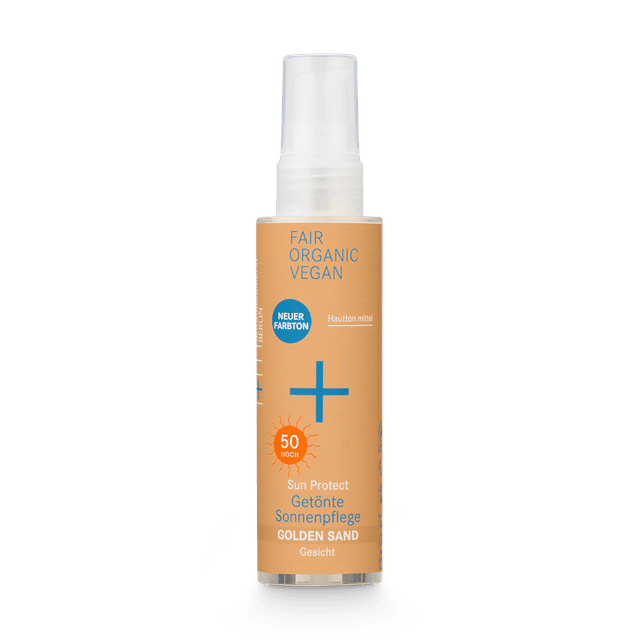
i+m Naturkosmetik Berlin is a German beauty brand founded in 1978 by Inge Stamm and Monika Berg. Its long history gives the brand a particularly interesting place within natural and organic beauty, as it predates much of today’s clean and sustainability-focused skincare movement. Based in Berlin, the brand combines natural and organic ingredients with plant-based formulation, vegan and cruelty-free values, and locally made production. Ethical sourcing is a major part of its profile. Fair-trade principles sit alongside sustainability and eco-friendly practices, giving the brand a broader social and environmental framework rather than focusing solely on ingredient exclusions. The products are also associated with paraben-free and silicone-free beauty, adding further relevance for customers who actively screen formulations. Its mid-range positioning makes this extensive conscious-beauty profile relatively approachable. Customers can access organic, vegan, ethical, and sustainable skincare without stepping fully into luxury pricing. What distinguishes i+m most is its heritage. Established in 1978, it has decades of history behind values that many newer beauty companies have only recently adopted. For shoppers looking for European natural beauty with depth, i+m combines organic skincare, vegan and cruelty-free practices, fair-trade sourcing, ethical production, sustainability, local manufacturing, and everyday usability within one of the more established German conscious-beauty brands.

Ruhi Rituals featured image

Ruhi Rituals

Germany · Est. 2019 · Luxury

RUHI Rituals is a Berlin-based luxury beauty brand founded in 2019 by Britta Hekmat. Its skincare identity is rooted in natural, organic, and plant-based formulation, with a strong emphasis on simplicity and products designed to work within intentional everyday rituals. The brand is vegan and cruelty-free, making it particularly relevant for shoppers looking for premium skincare aligned with animal-friendly values. Fragrance-free beauty adds another important dimension, especially for customers who prefer formulas without added scent. Sensitive-skin-friendly positioning reinforces that gentler approach. Instead of building luxury around complexity, RUHI Rituals leans toward minimalist beauty and products that can be used with purpose. Locally made production keeps the brand closely tied to Berlin and gives its skincare a stronger independent identity than globally standardized prestige labels. Its luxury positioning comes from the combination of formulation, craftsmanship, and a more considered approach to routine rather than simply from exclusivity. RUHI Rituals is best suited to shoppers who want premium European skincare but prefer natural beauty to traditional luxury formulation. Organic and plant-based ingredients, vegan and cruelty-free values, fragrance-free products, sensitive-skin-friendly care, local production, and minimalist routines all work together to create a beauty brand that feels quiet, deliberate, and focused on consistent use.

Xeno Naturkosmetik featured image

Xeno Naturkosmetik

Germany · Est. 2019 · Mid-range

Xeno Naturkosmetik is a German skincare brand founded in 2019 by Lara Schimweg, Lukas Böhnlein, and Fabian Mrowka and based in Hamburg. The brand is built around natural and organic beauty, with a strong emphasis on uncomplicated skincare and locally rooted production. Its natural formulation profile gives Xeno a clear place within European beauty, particularly for shoppers who prefer products shaped by botanical and organic ingredients rather than conventional mass-market formulations. Cruelty-free beauty is another important part of the brand’s identity, while its subcategory positioning also connects Xeno with vegan and paraben-free beauty. Sustainability supports that ingredient-conscious philosophy, making environmental responsibility part of the brand’s wider story. Minimalist beauty is especially relevant to Xeno. The brand suits customers who want a focused routine rather than a crowded shelf of overlapping products. Local production further strengthens that sense of intentionality and keeps the company connected to Germany. The mid-range price point provides a useful balance. Xeno feels more considered than entry-level skincare without pushing customers toward traditional luxury pricing. For shoppers looking for a German beauty brand that combines natural and organic ingredients, cruelty-free values, sustainability, local production, minimalist routines, and everyday practicality, Xeno Naturkosmetik offers a cohesive and distinctly European approach to modern skincare.

This Place featured image

This Place

Germany · Est. 2020 · Luxury

This Place is a Berlin-based beauty brand founded in 2020 by Laura Simonow. Its skincare philosophy combines natural and plant-based ingredients with vegan and cruelty-free values, creating a routine that feels particularly suited to customers drawn to minimalist, conscious beauty. The brand’s sensitive-skin-friendly positioning is important because it adds practicality to the natural formulation story. Customers are not simply choosing products because they are plant-based; the range is also positioned around skin comfort and regular use. Sustainability and eco-friendly practices deepen that conscious identity. Locally made production connects the brand to Berlin and gives it a stronger sense of origin, while the minimalist approach naturally supports the idea of choosing fewer, more purposeful products. Although its listed pricing leans toward luxury, the brand sits within a mid-range subcategory, giving it a premium feel without placing it entirely in traditional prestige beauty. This Place works best for shoppers who want skincare to feel calm and intentional rather than complicated. Vegan formulas, cruelty-free values, plant-based ingredients, sensitive-skin-friendly care, sustainability, and local production all reinforce that direction. For customers exploring European natural beauty, This Place offers a modern Berlin interpretation: thoughtful skincare, pared-back routines, and environmental values brought together in products designed for everyday use rather than excess.

NO Cosmetics featured image

NO Cosmetics

Est. 2017 · Affordable

Nø Cosmetics is a European skincare brand founded in 2017 by Caroline Kroll. The brand sits firmly within affordable beauty, with vegan and cruelty-free products designed to make more conscious skincare accessible to everyday customers. Affordability is one of the most meaningful parts of its positioning. Sustainable or locally made beauty often comes with a premium, but Nø Cosmetics brings those qualities into a more attainable price range. Its vegan and cruelty-free profile gives shoppers clear animal-friendly credentials, while sustainability adds an environmental consideration to the brand’s wider identity. Locally made production also helps Nø Cosmetics maintain a closer connection to European beauty rather than functioning as a globally anonymous skincare label. The brand’s everyday beauty focus keeps the range practical. These are products intended to be used consistently, not saved for occasional skincare rituals or treated as luxury purchases. That approach makes Nø Cosmetics especially useful for shoppers who are beginning to make more conscious beauty choices but do not want those choices to dramatically increase the cost of their routine. Overall, the brand brings together affordable skincare, vegan beauty, cruelty-free practices, sustainability, local production, and everyday usability. Its strongest proposition is accessibility: making several values that are often associated with premium beauty feel more realistic for regular skincare customers.

Colibri Skincare featured image

Colibri Skincare

Est. 2016 · Mid-range

colibri skincare is a European skincare brand founded in 2016 by Moritz Jäger and Rony Riola. Its identity is built less around lifestyle storytelling and more around straightforward formulation choices, making it especially relevant for shoppers who want skincare to feel purposeful and easy to navigate. The brand is vegan and cruelty-free and is associated with fragrance-free formulas, giving it a strong fit for customers who prefer animal-friendly beauty while limiting unnecessary fragrance in their routines. Dermatologist-tested positioning adds a more clinical layer, while sensitive-skin-friendly products make the brand particularly relevant for people who need to be cautious about irritation. Minimalist beauty also runs through its profile. colibri skincare is better suited to focused routines than to the idea of endlessly adding new steps. Its mid-range positioning allows customers to access more specialized skincare without the price point of traditional luxury brands. Paraben-free beauty and locally made production further strengthen the brand’s place within conscious European skincare. The appeal of colibri skincare lies in that practical combination: vegan and cruelty-free values, fragrance-free products, dermatologist testing, sensitive-skin-friendly formulation, local production, and minimalist everyday use. It is a beauty brand for customers who care more about building a clear, manageable routine than following every new skincare trend.

Junglück featured image

Junglück

Germany · Est. 2018 · Mid-range

Junglück is a German skincare brand founded in 2018 by Benedikt Klarmann and based in Munich. Its philosophy fits naturally within minimalist beauty, with an emphasis on straightforward products, natural ingredients, and routines that feel manageable rather than excessive. The brand is vegan and cruelty-free, making it relevant for customers seeking animal-friendly European skincare. Its natural beauty positioning is complemented by a sensitive-skin-friendly approach, which gives Junglück particular appeal for people who want simplified routines without overlooking skin comfort. Sustainability is another major part of the brand’s identity. Recycled materials and locally made production connect environmental thinking directly to how the products are made and packaged. That local manufacturing also gives Junglück a stronger German identity than brands whose production is detached from their headquarters or marketing. Its mid-range pricing supports the brand’s practical character. Junglück feels more considered than basic skincare while remaining more accessible than many luxury natural beauty labels. The result is a beauty brand that works especially well for customers who value simplicity. Natural ingredients, vegan and cruelty-free practices, sustainable packaging, local production, sensitive-skin-friendly care, and minimalist routines all reinforce the same idea: skincare does not need to be complicated to feel thoughtful. Within European beauty, Junglück offers a particularly coherent version of that philosophy.

UND GRETEL featured image

UND GRETEL

Germany · Est. 2015 · Mid-range

UND GRETEL is a German beauty brand founded in 2015 by Christina Roth and Stephanie Dettmann and based in Berlin. The brand sits at the intersection of natural beauty and luxury cosmetics, with a strong emphasis on clean formulation, organic ingredients, and more responsible product choices. Its cruelty-free positioning is central to that identity. UND GRETEL is also associated with non-toxic beauty and formulas made without parabens or silicones, giving ingredient-conscious shoppers a clear set of standards. Natural and organic beauty are particularly important here because the brand does not frame them as alternatives to premium performance. Instead, the aim is to combine a more elevated beauty experience with formulations that align with conscious ingredient preferences. Ethical and sustainable beauty further shape the brand’s profile. These values give UND GRETEL a broader sense of responsibility beyond product formulation alone. The Berlin base also matters, placing the brand firmly within modern European beauty and giving it a locally rooted identity in a market often dominated by multinational cosmetics companies. UND GRETEL is best suited to shoppers who want luxury beauty without abandoning natural and cruelty-free values. Its mix of organic ingredients, clean formulation, ethical positioning, sustainability, paraben-free and silicone-free products, and everyday usability creates a distinctly modern approach to premium German beauty.

Talia Skincare featured image

Talia Skincare

Est. 2010 · Luxury

Talia Skincare is a beauty brand founded in 2010 by Eran Windman and positioned around natural skincare, clean formulation, and products designed for consistent everyday use. Its strongest identity comes from the balance between natural beauty and a more modern ingredient-conscious approach. The brand sits within clean beauty and is associated with vegan products, while paraben-free and sulfate-free formulations make it particularly relevant for shoppers who prefer to avoid those ingredients. Sustainability is another part of Talia Skincare’s profile, giving the brand an environmental dimension alongside its formulation standards. Although the underlying price data leans toward luxury, the brand is categorized within mid-range beauty, which places it in an interesting space between accessible skincare and a more premium experience. That can appeal to customers who want elevated products without moving into the highest prestige tier. Everyday beauty remains important. Talia Skincare is not positioned purely around occasional treatments or indulgent rituals; its products are intended to form part of regular routines. For shoppers looking for a beauty brand that brings together natural skincare, clean beauty, vegan formulation, paraben-free and sulfate-free products, sustainability, and everyday practicality, Talia Skincare offers a well-rounded option with a more polished feel than basic mass-market skincare.

Alma K featured image

Alma K

Mid-range

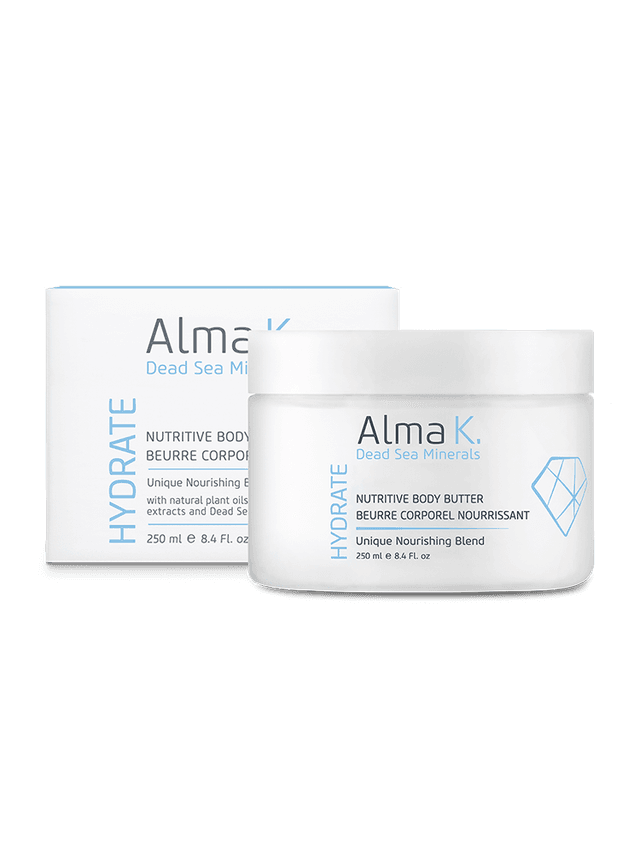
Alma K is a mid-range beauty brand founded by Amy Kafri, with a profile centered on natural ingredients, plant-based skincare, cruelty-free practices, and products intended for everyday use. Natural beauty is the clearest thread running through the brand. Alma K appeals to customers who prefer skincare that feels botanical and approachable rather than heavily trend-driven or built around overly complicated routines. Its cruelty-free positioning adds an important animal-welfare consideration, while plant-based beauty strengthens its connection to naturally focused formulation. The brand also sits within sustainable beauty, with recycled materials forming part of its broader environmental profile. That combination gives Alma K a more rounded identity than a skincare brand focused only on ingredient claims. Customers can consider formulation, packaging, and everyday usability together rather than treating each as a separate purchasing priority. The mid-range positioning makes the brand especially relevant for shoppers who want something more elevated than basic mass-market skincare without stepping fully into luxury pricing. Alma K ultimately works best for customers who want natural skincare that still feels easy to use. Its blend of plant-based beauty, cruelty-free values, recycled materials, sustainability, and everyday practicality gives the brand a straightforward but considered position within contemporary beauty, particularly for shoppers who want conscious choices without making their routine unnecessarily complex.

Dr. Dabour featured image

Dr. Dabour

Israel · Est. 2010 · Mid-range

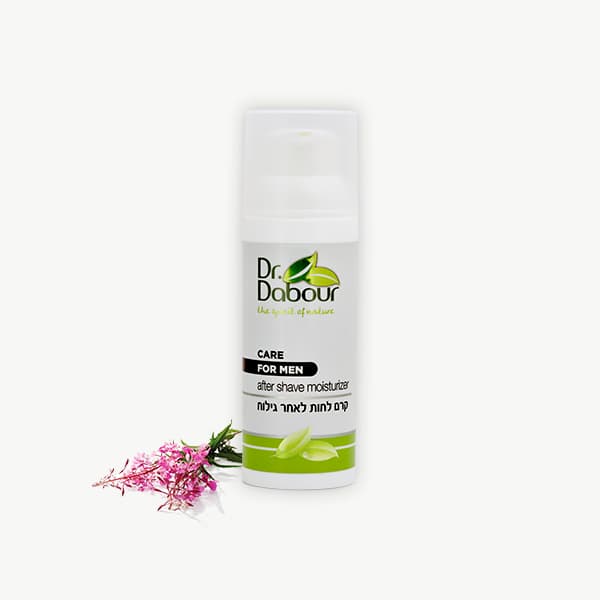
Dr. Dabour is an Israeli beauty brand founded in 2010 by Ziad Dabour and rooted in the Galilee region. Its profile is built around natural, plant-based skincare, local production, heritage, and a strong connection to where its products originate. That sense of place is central to the brand’s character. Rather than presenting natural beauty as a generic global concept, Dr. Dabour combines botanical formulation with locally made production, giving the range a distinctly regional identity. The brand is also vegan, making it relevant for shoppers looking for plant-focused beauty without animal-derived ingredients. Eco-friendly and sustainable beauty principles add a broader environmental dimension, complementing the natural formulation story. Heritage is another important part of Dr. Dabour’s positioning. It gives the brand more depth than a newer clean-beauty label built primarily around contemporary trends. Its products feel connected to a longer tradition of botanical and locally rooted care. Although its listed price range sits around mid-range, the brand carries a luxury beauty positioning through its ingredients, presentation, and emphasis on heritage. For customers looking for natural beauty with a strong regional identity, Dr. Dabour combines vegan skincare, plant-based ingredients, sustainability, local production, and heritage in an Israeli beauty brand designed for regular use as well as a more elevated self-care experience.

Gaya Cosmetics featured image

Gaya Cosmetics

Mid-range

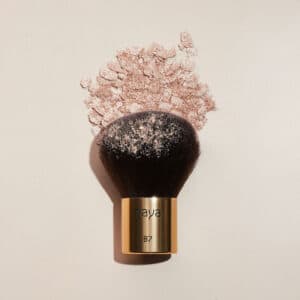
GAYA Cosmetics is a mid-range beauty brand built around natural ingredients, vegan formulation, cruelty-free values, and products designed to work comfortably within everyday routines. Its natural beauty positioning gives the brand a softer, more ingredient-conscious identity than cosmetics companies driven purely by trends. Vegan and cruelty-free beauty are equally important to that profile, making GAYA relevant for shoppers who want animal-friendly products without moving automatically into luxury pricing. The brand also carries an eco-friendly and sustainable beauty angle. This gives customers another reason to consider GAYA beyond formulation alone, especially if environmental considerations influence how they choose cosmetics. Everyday usability is where the brand becomes particularly approachable. Its products are not positioned only for professional artistry or dramatic occasion makeup; they are intended to fit into regular routines and work for customers who want beauty to feel wearable and uncomplicated. That balance between conscious values and practicality is GAYA Cosmetics’ strongest feature. It sits comfortably between basic affordable beauty and premium luxury, offering shoppers a more considered option while keeping the overall experience approachable. For customers looking for a mid-range beauty brand that combines natural ingredients, vegan formulas, cruelty-free practices, sustainability, eco-friendly values, and everyday usability, GAYA offers a straightforward alternative to conventional cosmetics.

Olea Essence featured image

Olea Essence

Israel · Luxury

Olea Essence is an Israeli skincare brand from the Sea of Galilee region, founded by Avner Talmon. Its identity is closely tied to natural beauty, with plant-based ingredients and a formulation philosophy that feels more botanical than clinical. The brand sits within luxury beauty, but its appeal is not simply premium packaging or exclusivity. Olea Essence is better understood as a naturally focused skincare brand for people who want everyday products built around a more ingredient-conscious approach. Its cruelty-free positioning adds an animal-friendly dimension, while paraben-free and sulfate-free formulas make the range particularly relevant to shoppers who actively avoid those ingredients. Sustainability is another part of the brand’s profile, complementing its natural and plant-based positioning rather than feeling like an unrelated add-on. That combination gives Olea Essence a coherent identity: botanical skincare, conscious formulation, and products intended to be used consistently rather than saved for occasional treatments. Its regional roots also give the beauty brand a clear sense of place, distinguishing it from globally standardized skincare labels. For shoppers exploring luxury natural beauty, Olea Essence offers a combination of plant-based skincare, cruelty-free practices, paraben-free and sulfate-free formulations, sustainability, and everyday usability, all connected to its origins in Israel’s Sea of Galilee region.

Minus 417 featured image

Minus 417

Israel · Mid-range

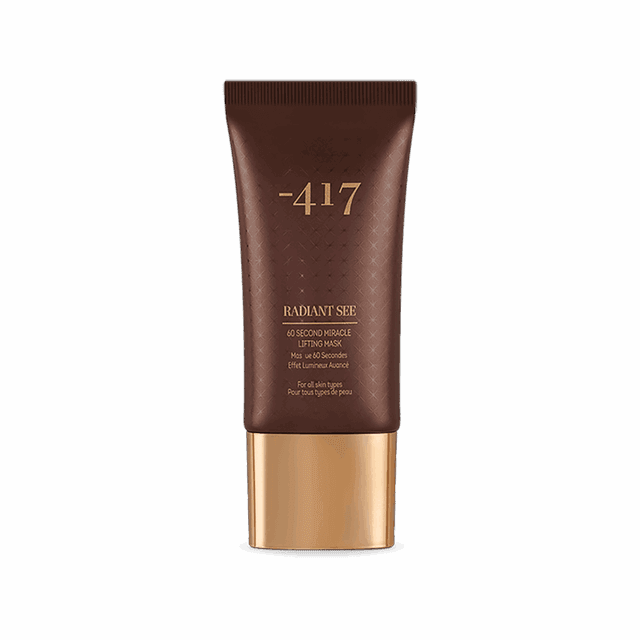
MINUS 417 is an Israeli beauty brand founded by Moty Fridman. The brand sits in the luxury skincare space, with natural ingredients and cruelty-free practices forming key parts of its identity. Its clean beauty positioning is supported by paraben-free and sulfate-free formulations, giving shoppers a clearer sense of the brand’s ingredient standards. For customers who actively avoid certain commonly used ingredients, this makes MINUS 417 easier to place within a more conscious skincare routine. Natural beauty is another important part of the brand’s profile. Rather than focusing exclusively on clinical or laboratory-driven language, MINUS 417 maintains a connection to ingredient-led skincare while still presenting the products in a premium way. Despite the luxury positioning, the products are designed for everyday beauty, helping the brand remain relevant to customers who want consistent skincare rather than occasional indulgence. Its listed price range sits closer to mid-range, creating an interesting balance between an elevated brand image and a more accessible price point. MINUS 417 is therefore best suited to shoppers who want natural skincare with a premium feel and clearly defined formulation standards. The brand combines clean beauty, natural ingredients, cruelty-free practices, paraben-free and sulfate-free positioning, and everyday usability without requiring customers to move fully into the highest luxury tier.

Senteurs d’Orient featured image

Senteurs d’Orient

Lebanon · Luxury

Senteurs d’Orient is a Lebanese luxury beauty brand founded by Hana Debs Akkari and based in Beirut. The brand brings together clean beauty, plant-based ingredients, traditional craftsmanship, and heritage, creating products that feel closely connected to place rather than simply borrowing regional inspiration. Its vegan and cruelty-free positioning gives the brand a clear conscious-beauty profile, while paraben-free and silicone-free formulations make it particularly relevant for ingredient-conscious shoppers. Handcrafted and handmade production are central to the experience. This artisanal approach reinforces the brand’s Lebanese identity and gives the products a more personal character than mass-manufactured luxury beauty. Ethical and sustainable values extend that philosophy further. Recycled materials and locally made production add environmental considerations without separating them from the brand’s wider heritage story. Senteurs d’Orient sits firmly within luxury beauty, but its premium positioning comes from more than packaging or price. The brand’s strongest asset is the combination of craftsmanship, clean formulation, and cultural identity. For customers seeking luxury beauty with a clear sense of origin, Senteurs d’Orient brings together vegan and cruelty-free practices, plant-based formulas, sustainability, ethical production, recycled materials, local craftsmanship, and Lebanese heritage. It is especially compelling for shoppers who want premium products to feel connected to both place and tradition.

Beesline featured image

Beesline

Lebanon · Affordable

Beesline is a Lebanese beauty brand based in Bshamoun, Mount Lebanon and founded by Maha Arayssi Rifai, Mohamad Arayssi, Roula Arayssi Chehab, and May Arayssi Baba. The brand focuses on natural beauty and everyday skincare while keeping its products within an affordable price range. Its cruelty-free positioning gives shoppers an animal-friendly option, while clean beauty and natural ingredients help define the brand’s formulation profile. Sustainability is another important part of Beesline’s identity. Ethical beauty also fits naturally within that approach, giving customers a broader sense of how the brand thinks about ingredients, sourcing, and production. One of Beesline’s strongest advantages is accessibility. Natural or sustainability-led skincare can often become expensive, but the brand stays within affordable beauty, making these values easier to incorporate into regular routines. Its Lebanese origin also gives it a clear regional identity and helps distinguish the brand from international natural skincare labels with less connection to place. Beesline is particularly suited to customers who want natural beauty to remain practical. The brand combines clean formulation, cruelty-free values, sustainability, ethical considerations, and everyday usability without moving into premium pricing. For shoppers exploring Middle Eastern skincare, Beesline offers an accessible route into conscious beauty with a long-standing focus on nature-inspired products and routine-friendly care.

Hindash featured image

Hindash

United Arab Emirates · Est. 2021 · Mid-range

Hindash is a Dubai-based beauty brand founded in 2021 by Mohammed Hindash. The brand sits firmly within luxury beauty and reflects a makeup-artist-led approach to cosmetics, with a strong emphasis on polished presentation, creative control, and products designed for expressive application. Its vegan and cruelty-free positioning adds another dimension to that premium identity, making the brand relevant for shoppers who want high-end makeup while still considering animal welfare and formulation choices. Unlike many conscious beauty brands, Hindash does not build its entire identity around sustainability or clean formulation language. Its strongest distinction is creativity. The brand is closely associated with artistry, precision, and a more editorial approach to makeup. This makes Hindash particularly suited to customers who view cosmetics as a tool for shaping and transforming a look rather than simply covering everyday basics. Its Dubai base also gives the brand a clear place within the growing Middle Eastern luxury beauty market, where locally founded names increasingly compete with established global prestige labels. Although its listed price range sits closer to mid-range, the brand’s subcategory positioning is distinctly luxury. For shoppers looking for a modern Dubai makeup brand with vegan and cruelty-free values, strong artistry credentials, and an elevated visual identity, Hindash offers a more creative alternative to conventional prestige cosmetics.

Delarta featured image

Delarta

United Arab Emirates · Est. 2017 · Mid-range

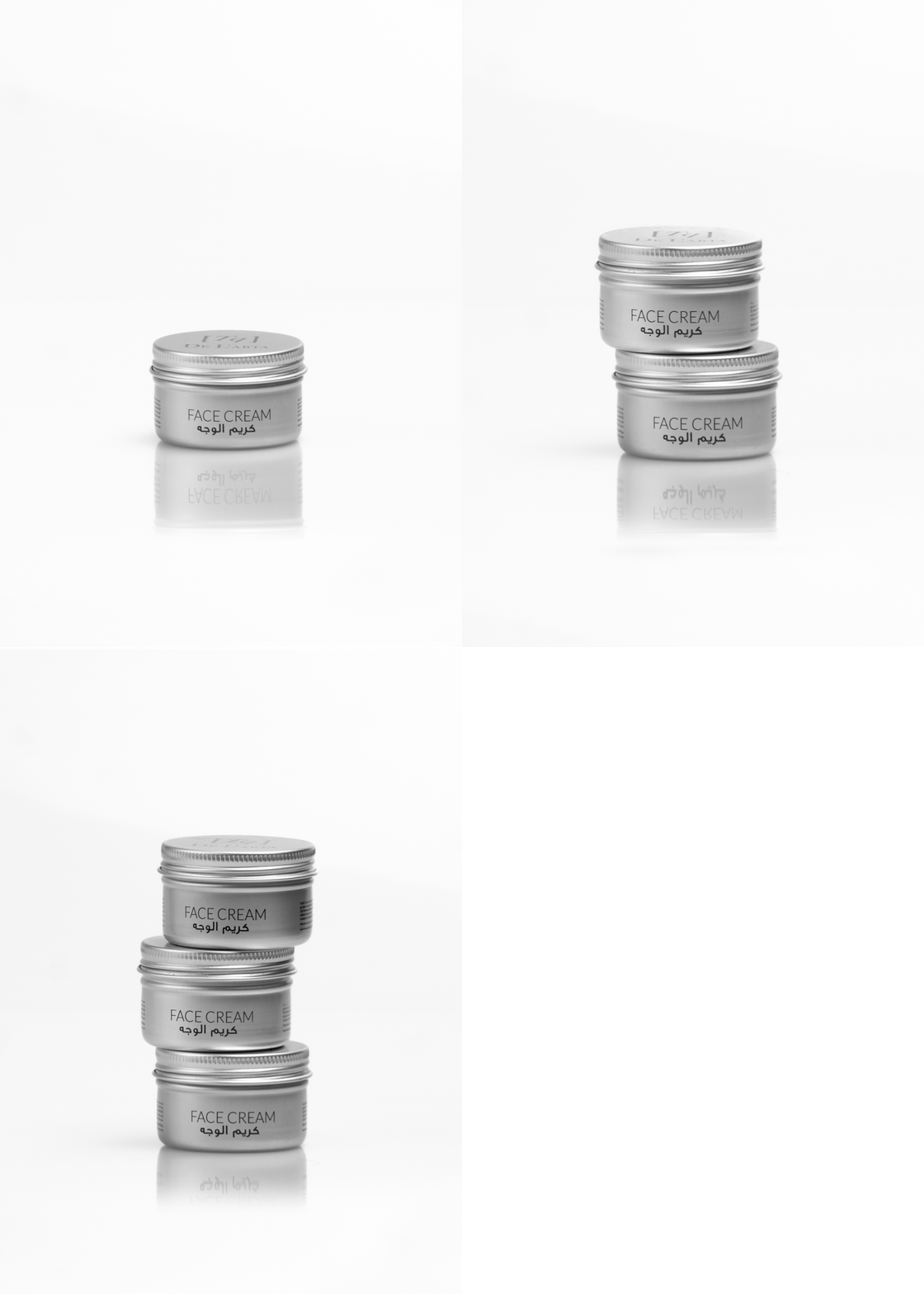
De L’Arta is a UAE beauty brand founded in 2017 by Lina Fayez Yousef, Saeed AlKhoori, and Sarah Yousef and based in Abu Dhabi. The brand combines clean beauty with plant-based ingredients, local production, and a strong sustainability profile. Its cruelty-free positioning makes De L’Arta relevant for shoppers who want animal-friendly products, while paraben-free and sulfate-free formulations add further appeal for ingredient-conscious customers. Sustainability is one of the most distinctive parts of the brand’s identity. Upcycled elements give it an additional environmental dimension, showing an interest in finding value in materials or ingredients that might otherwise be wasted. Locally made production reinforces De L’Arta’s connection to Abu Dhabi and helps the brand stand apart from globally standardized clean-beauty companies. The brand sits within the mid-range beauty category, offering a considered product experience without moving fully into luxury pricing. Its natural beauty positioning also complements the plant-based formulation profile, creating a strong fit for customers who want skincare or beauty products that feel both modern and connected to more conscious ingredient choices. For shoppers exploring Middle Eastern beauty, De L’Arta brings together clean formulation, cruelty-free values, sustainability, upcycling, local production, plant-based ingredients, and practical everyday use in a brand with a distinct UAE identity.

Shirley Conlon Organics featured image

Shirley Conlon Organics

United Arab Emirates · Mid-range

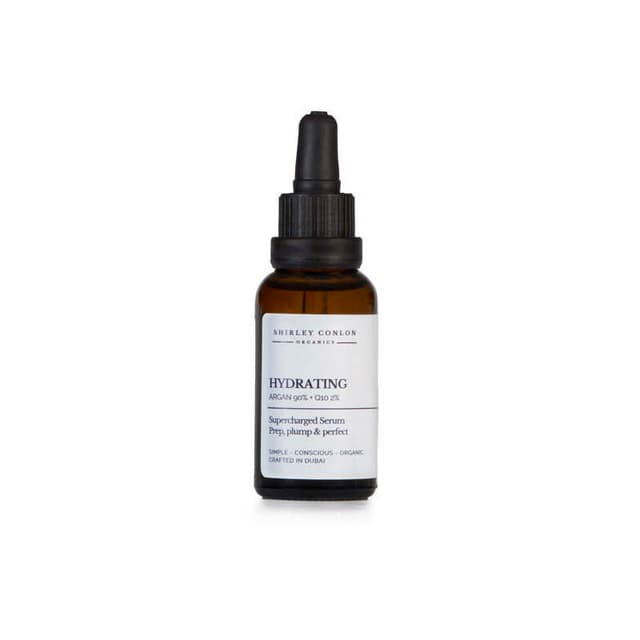
Shirley Conlon Organics is a Dubai-based beauty brand founded by Shirley Conlon. The brand takes a premium approach to clean skincare, combining natural and organic ingredients with vegan, cruelty-free, and non-toxic beauty principles. Handmade and locally made production are central to its character. These qualities give the brand a more artisanal identity and strengthen its connection to Dubai rather than presenting it as a generic international clean-beauty label. Its minimalist beauty positioning also makes the range relevant for customers who prefer fewer, more intentional products. Rather than encouraging complex routines, the brand fits naturally with customers who want straightforward skincare built around high-quality ingredients. Sustainability adds another dimension, connecting the formulation philosophy with a broader environmental perspective. Although the underlying pricing sits closer to mid-range, the brand is positioned within luxury beauty thanks to its ingredient profile, handmade production, and premium presentation. For customers seeking a clean beauty brand from the UAE, Shirley Conlon Organics offers a particularly comprehensive mix of natural and organic ingredients, vegan and cruelty-free values, non-toxic positioning, local craftsmanship, sustainability, and minimalist routines. Its strongest appeal is the coherence between formulation and production: the brand does not simply use “organic” as a label, but builds its wider identity around thoughtful ingredients, small-scale making, and a more intentional approach to everyday skincare.

Asteri Beauty featured image

Asteri Beauty

Saudi Arabia · Est. 2023 · Mid-range

Asteri Beauty is a Saudi Arabian beauty brand founded in 2023 by Sara Alrashed. Despite being relatively new, the brand has built a clear identity around vegan and cruelty-free beauty, ingredient-conscious formulation, and more sustainable packaging. Its products are associated with paraben-free and sulfate-free beauty, making Asteri relevant for customers who want modern cosmetics with clearly defined formulation standards. Sustainability is especially visible through recycled materials and refillable formats. These choices give the brand a stronger environmental profile than labels that rely only on recyclable outer packaging. Ethical beauty is also part of Asteri’s positioning, helping connect product design, formulation, and responsible business values within the same brand story. Its mid-range beauty position makes this approach relatively accessible. Asteri feels more polished than basic mass-market cosmetics but does not depend on traditional luxury pricing to create a premium experience. Everyday beauty remains central, ensuring that the brand’s sustainability and formulation values do not make the products feel overly niche or impractical. For shoppers looking for a Middle Eastern beauty brand with a contemporary conscious-beauty perspective, Asteri combines vegan formulas, cruelty-free practices, paraben-free and sulfate-free beauty, recycled materials, refillable design, sustainability, ethical positioning, and wearable everyday products in a particularly modern package.

Ahal featured image

Ahal

Mexico · Est. 2008 · Mid-range

AHAL is a Mexican beauty brand founded in 2008 by Iliana Loza Garza and based in Monterrey, Nuevo León. The women-owned brand has a strong natural and organic identity, combining clean beauty with ethical sourcing, sustainability, and locally made production. Cruelty-free beauty is an important part of AHAL’s positioning, while hypoallergenic products make the brand especially relevant for customers who want more considered formulas within a natural beauty routine. Its ethical and fair-trade profile adds depth beyond ingredient selection. Rather than focusing only on what goes into the product, AHAL’s positioning also reflects concern for how ingredients are sourced and how production connects to people and communities. Sustainability fits naturally within that approach, while locally made production reinforces the brand’s connection to Mexico and gives it a stronger regional identity. The brand sits within the mid-range beauty segment, making natural and organic products more accessible than traditional luxury clean-beauty labels. AHAL’s strongest appeal lies in how these ideas work together: natural ingredients, organic beauty, cruelty-free values, hypoallergenic positioning, fair-trade practices, sustainability, women-owned leadership, and Mexican production. For shoppers who want conscious beauty with a clear sense of origin and ethical purpose, AHAL offers a particularly well-rounded alternative to globally standardized skincare and cosmetics brands.

Can't find what you're looking for?

We add new sites every week but if you have a specific request, let us know.