List of 1,000+ Sustainable Brands – Page 7

Brands 145–168 of 1,033. Back to page 1 · Browse brands A–Z

Brands

1,033 brands

Untitled in Motion featured image

Untitled in Motion

USA · Est. 2020 · Affordable

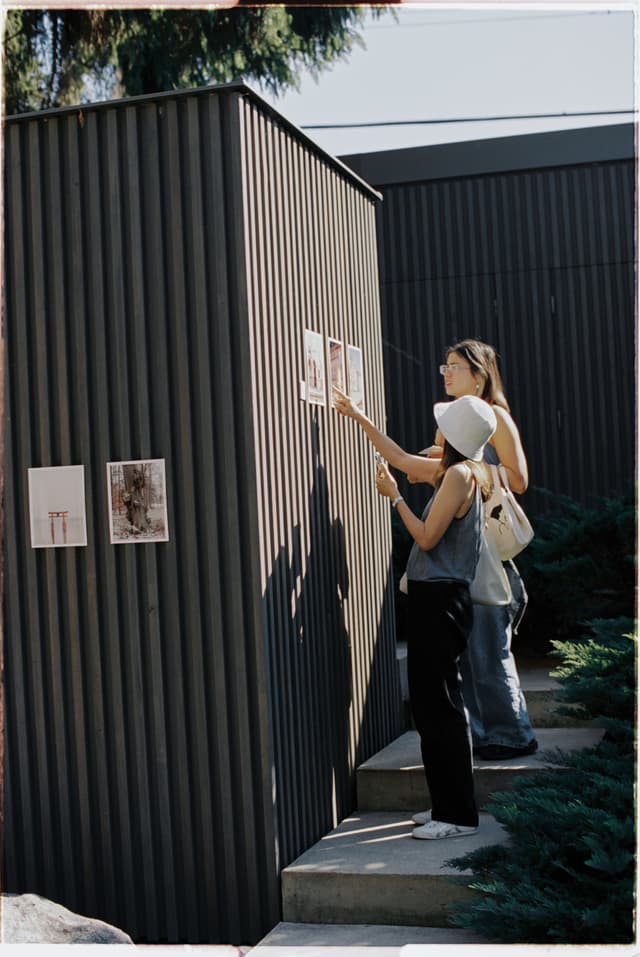
Untitled in Motion is an American designer clothing label for women, founded in Brooklyn, New York in 2020 by Marika Kandelaki and Virginia Craddock. Kandelaki is an artist and print designer with more than 20 years of experience in New York textile design, while Craddock is a fashion business consultant who previously founded the brand Kurt Lyle. The pair met at the Premiere Vision NYC trade show and began the label during the pandemic, approaching each collection as an artist approaches a canvas. The range covers dresses, tops, skirts, trousers, outerwear and knitwear, with simple, fluid silhouettes that showcase exclusive, limited-edition prints. The brand began with "wakewear" such as robes, shirts, shorts and sleep dresses meant for waking, sleeping and the creative time in between. Pieces are made in China. The prints draw on dream states, surrealism and architecture, referencing de Chirico's arches, Dora Maar's light play, Magritte's skies, Schiaparelli's trompe l'oeil and Matisse's cutouts. Many designs are digitally printed on vegan TENCEL Luxe, a lyocell from renewable wood, and the brand works with audited factories that pay fair wages for fair hours. Untitled in Motion has been featured by the art and fashion magazine Whitewall.

Julia Jentzsch featured image

Julia Jentzsch

USA · Est. 2007 · Luxury

Julia Jentzsch is an American sustainable luxury label for women, founded in New York in 2007 by designer Julia Jentzsch. Born in France and raised in Germany, she studied fashion design in Hamburg, worked for John Galliano in London and completed an MA at the Royal College of Art, where her graduate collection was featured in British Vogue. Over 15 years she designed alongside Jil Sander, Alber Elbaz, Tom Ford and Stefano Pilati at Yves Saint Laurent, and at Calvin Klein. Its design follows modernist and Bauhaus principles: "less, but better", true materials and form follows function. The collection interprets luxurious fabrics in simple, wearable silhouettes, with shirts, sweaters, dresses, skirts, trousers, jackets and coats. Pieces include the ARION hand-knitted recycled silk and cotton sweater, the CONRAN undyed organic cotton shirt, the BIRCH shirt dress, the BRENDAN trench and the CHRISTOPHER duffle coat. Clothing is produced locally in New York's Garment District, using fabrics from responsible mills in Italy and Japan, including organic cotton, undyed fibres and recycled silk. Since 2020 the brand has embraced reuse, repurposing, recycling and repair. Jentzsch has also taught at Parsons The New School since 2022.

MUNTHE featured image

MUNTHE

Denmark · Est. 1994 · Mid-range

MUNTHE is a Danish designer label for women, founded in Copenhagen in 1994 by creative director Naja Munthe. She created it as an artistic, craft-focused alternative to the contemporary fashion industry, and it has grown into an established Danish fashion house that blends fashion with art. Its signature is a fusion of contrasts, soft silhouettes with a tailored touch, designed as timeless, expressive staples that change with how they are styled. Collections cover dresses, tops, knitwear, outerwear, skirts and denim, along with bags, with pieces such as the BASIL dress, the CALIFORNIA knit, the VINETH coat and BOHDI denim pants. MUNTHE pays close attention to the inside of its clothes as well as the outside, from fabric choice to the details of coatings and linings. Production is spread across suppliers mainly in China and Turkey, with smaller shares in India and Portugal. The brand produces only to order to avoid deadstock, and its MUNTHE FABRIC JOURNEY styles use at least 50% recycled, certified organic or Lenzing materials. MUNTHE describes itself as 100% female founded and owned, and in 2025 pledged 10% of its pre-tax profits to initiatives for women and girls.

Magpie Goose featured image

Magpie Goose

Australia · Est. 2015 · Mid-range

Magpie Goose is an Australian ethical clothing label, founded in 2015 by Laura Egan and Maggie McGowan and based in Brisbane. The pair set up the brand while working in remote communities, aiming to create economic opportunities for Aboriginal and Torres Strait Islander people through art and clothing. Each limited-edition piece carries a design by an Aboriginal or Torres Strait Islander artist and tells the story behind the art and the community it comes from. The label makes shirts, shorts, pants, overalls, dresses, playsuits, jumpsuits, kaftans, T-shirts, baby rompers and kids' overalls, plus bucket hats and scrunchies. Pieces include the Aretha Brown Overalls, the Relaxed Pants in Bungwal Ferns, a Short Sleeve Collared Shirt printed with Aheyenenhe (Snakes) and the Woven in History Kaftan. All collections are designed, hand screen-printed and produced in Australia using natural textiles, and garment offcuts are made into accessories at Second Stitch in Melbourne. Since March 2021, Magpie Goose has been 100% Aboriginal owned by Amanda Hayman (Wakka Wakka/Kalkadoon) and Troy Casey (Kamilaroi), who run it as a family business and social enterprise. Its pieces are stocked at Aboriginal Art Co in West End, Brisbane.

Cleobella featured image

Cleobella

USA · Est. 2006 · Mid-range

Cleobella is an American bohemian clothing label for women, founded in 2006 by Angela O'Brien and Jim O'Brien and based in California. Angela, a former model, and her husband Jim set off on a year of global travels in 2006, and the first Cleobella product was created in collaboration with artisans they met along the way. From the start, the vision was to offer globally inspired products that uplift the cultures and traditions of the people who make them. Cleobella makes dresses, tops, skirts, jackets and swimwear, plus bags, jewellery, children's clothing and homeware. Pieces include the Adria Ankle Dress, the Alicia Blouse, the Asher Leather Jacket, the Beckett swim top and the Casablanca Weekender, many featuring hand woodblock prints, embroidery, weaving, dyeing and beadwork. Everything is designed in California and handmade by artisan partners in India, Sri Lanka and Bali, Indonesia, and many of these relationships span more than a decade. Cleobella donates 1% of profits to organisations that empower women, such as CARE, and has partnered with Bloom India to fund pre-college STEM courses for young women. It is a family-run business with a flagship store in Sunset Beach.

St. Agni featured image

St. Agni

Australia · Est. 2014 · Mid-range

St. Agni is an Australian minimalist designer clothing and accessories label for women, founded in Byron Bay in 2014 by Lara Fells and Matt Fells. The husband-and-wife team came from retail backgrounds and started with no business plan and little savings, after noticing a gap in the market for simple, well-made leather goods without the fuss. The studio lives by a "less is more" philosophy, exploring contemporary dressing through considered design and precise tailoring. St. Agni launched with four styles of leather tote bags, then added handmade woven leather footwear developed with Indonesian artisans and moved into ready-to-wear. Today it offers dresses, knitwear, tailoring, shirts, leather jackets, shoes and bags. Much of its clothing is made in China, with some pieces made in India, under its supplier code of conduct. The label emphasises quality fabrics and supply chain transparency, using organic cotton, RWS-certified wool, recycled fibres, linen, silk and leather in pieces designed to last. St. Agni has five Australian stores in Byron Bay, Sydney, Melbourne and Brisbane and sells through more than 90 retailers worldwide. In 2019 it introduced a knitted-leather technique for its footwear, and it celebrated its 10th anniversary in 2024.

Envelope1976 featured image

Envelope1976

Norway · Est. 2018 · Luxury

Envelope1976 is a Scandinavian designer label for women, founded in Oslo in 2018 by Celine Aagaard and Pia Nordskaug. Both founders have long experience in fashion and design, and they set out to create a wardrobe centred on longevity, ease and a modern aesthetic. The brand's philosophy is versatility and modern refinement, with timeless silhouettes designed to move between occasions and be worn season after season. The range includes coats, leather and shearling jackets, knitwear, trousers, dresses and swimwear, released in two curated collections a year. Signature pieces include the Woodstock coat, the Alaska and Biarritz jackets, the Cloud and Hardanger knits, the Everyday hoodie in cashmere and the Monaco and Lenny pants. Envelope1976 prioritises natural materials such as wool, silk, cashmere and leather, and works with suppliers mainly in China, Turkey and India. The focus on fewer, well-made pieces reflects its aim of a more considered way of dressing. The brand remains independent, owned through its founders' companies with Celine Aagaard as majority shareholder, and ships its collections across Europe.

Vestige Story featured image

Vestige Story

Canada · Est. 2015 · Luxury

Vestige Story is a Canadian sustainable designer label for women, founded in Vancouver in 2015 by Aileen Lee. An English Literature graduate, Lee is a self-taught designer who uses storytelling and design to deepen the bonds between people and their possessions. Describing Vestige as a study in slowness, a fashion, art and literary house crafting future artifacts, she draws on the diverse cultures of her community to create quietly creative pieces. The collection includes coats such as the Tacit Coat and Eon Wrap Coat, the silk Celes Gown, the Simile Shirt, the Sonnet Blouse and the Rhythm Skirt, plus Dim Sum leather bags and painted silk scarves released in limited editions. Every piece is made in Canada, in small batches with a Vancouver production house whose experienced local seamsters are paid a living wage. Fabrics are sourced from local distributors with a focus on sustainable, plant-based textiles, and many pieces are made to order. Western Living named Vestige its 2022 Designer of the Year in fashion, and Elle called it a designer to watch at Vancouver Fashion Week. Lee designed an apparel line for travel brand Monos and established a scholarship at Kwantlen Polytechnic University.

One Less featured image

One Less

India · Est. 2020 · Affordable

One Less is an Indian sustainable, ethical clothing label for men and women, founded in Pune in 2020 by Hansika Chhabria. Chhabria started the brand to rethink fashion's impact on the people who make clothes and the land that grows their fibres. Its design approach is simple, gender-neutral everyday comfort: soft, breathable basics and loungewear that can be worn at home, at work and on the move, made in a way that is kinder to both people and the planet. The range covers organic cotton T-shirts, shirts, shorts, sweatpants and hoodies, hemp-bamboo shirt-and-shorts sets, TENCEL Modal pyjama sets and loungewear, plus bamboo socks and raffia bags. Everything is made in India with ethical production partners. One Less works with low-impact natural fibres, including GOTS-certified organic cotton, bamboo, TENCEL and hemp-bamboo blends, and colours them with OEKO-TEX-certified, azo-free dyes. Through its "one tree" initiative, purchases support tree planting. The brand sells online across India and has been featured by YourStory for its approach to workers and land, and by Fibre2Fashion in an interview with its founder.

Home & Loft featured image

Home & Loft

USA · Est. 2013 · Affordable

Home & Loft is a women-owned American textile and loungewear label, founded in New York in 2013 by Handan Anlar. Growing up in Istanbul surrounded by talented artisans and fine cotton, Anlar came to the United States in the 1990s to study graphic arts, then spent twenty years in New York's high-end retail and fashion industry. She founded Home & Loft to unite the craftsmanship of Mediterranean artisans with 21st-century urban design and to support Turkish artisans in the ancient weaving tradition. The collection includes kaftans, tunics, ponchos, bathrobes and loungewear sets alongside Turkish towels, hand towels, blankets and napkins in collections such as Tribeca, Montauk and Hudson. Its artisan textiles are made in Turkey, hand-loomed using only cotton, linen and wool. Home & Loft produces limited quantities of timeless staples in small batches, which Anlar sees as more sustainable for both makers and the environment. She travels to Turkey each year to meet artisans and families in small villages and develop new pieces. Home & Loft received Architectural Digest's 2022 Great Design Award for Kitchen & Bath, has been featured by Domino and Garden & Gun, and is a featured artisan at Shoppe Object.

Georgia Hardinge featured image

Georgia Hardinge

UK · Est. 2010 · Luxury

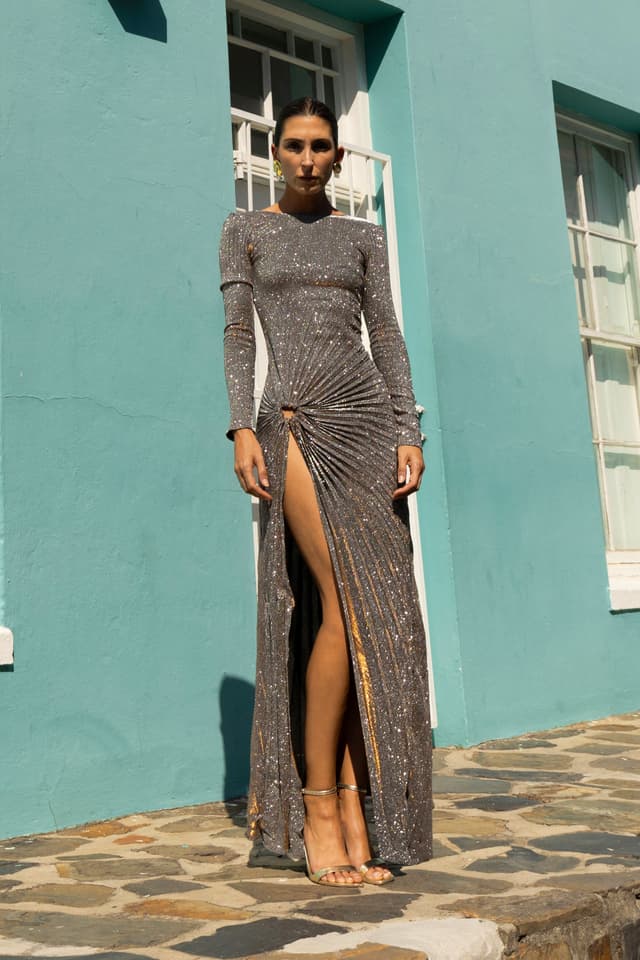
Georgia Hardinge is a British designer label for women, founded in London in 2010 by designer Georgia Hardinge. Born in London, she trained at Parsons Paris, where her graduate collection won Best Designer. Her work is defined by a sculptural, architectural approach, with experimental pleating developed from paper sculpture and new fabric technologies. The label centres on statement dresses, alongside tops, sweatshirts, blazers and trousers, and its collections are made in the UK. Signature pieces include the Fossil Dress, the Cascade Dress, the Waterfall Dress, the Chrome Dress and the Shard Blazer. Since 2019 the brand has introduced certified sustainable fabrics, sourced with The Sustainable Angle; the partnership was a finalist for a Drapers sustainability award. Since 2016 it has raised over 200,000 pounds for wildlife charity Elephant Family. Hardinge received BFC Contemporary Sponsorship and the Fashion Trust Grant from the British Fashion Council and competed on Making the Cut. Her designs have been worn by Beyoncé, Lady Gaga and Alicia Keys, and she has collaborated with River Island, Swarovski and Lancôme. The label is stocked at Liberty London, Moda Operandi, Revolve and Le Bon Marché.

Vege Threads featured image

Vege Threads

Australia · Est. 2013 · Mid-range

Vege Threads is an Australian organic, minimalist clothing label for women and men, founded in Melbourne in 2013 by Amy Roberts. Roberts started the brand driven by a passion for sustainable clothing and a commitment to supporting local makers. Its considered designs are everyday basics made in limited numbers, and the brand aims to connect with people who share its values and grow its community. The range covers tees, singlets, long sleeves, sweaters, track pants and lounge pants, plus merino socks. Signature pieces include the Organic Classic Tee, the Hemp Crop Tee, the Merino Skivvy, the Organic Relaxed Sweater, the Organic Relaxed Track Pant and the Winter Twill Pant. Everything is made in Australia, mainly at a Melbourne factory it has worked with for about a decade. Vege Threads uses organic, eco-conscious materials. Its 100% organic cotton and merino fabrics are knitted and dyed at its Melbourne mill, and its hemp and organic cotton blend is chosen for its lower environmental impact and distinctive texture. The brand works closely with some of Australia's last remaining fabric mills and dye houses, helping to preserve local textile skills and industry.

SEEKER featured image

SEEKER

USA · Est. 2016 · Mid-range

SEEKER is a gender-neutral, organic American clothing label, founded in Los Angeles in 2016 by designer Ally Ferguson. A Los Angeles native with more than 15 years in fashion, Ferguson worked at labels including G-Star Raw, Ed Hardy and Field Scout and founded Metta Agency, a design and manufacturing platform for celebrity brands such as Tyler, the Creator's Golf Wang and Kimoji. Inspired by the utilitarian clothing of spiritual cultures she met while travelling, she created SEEKER as an ethical, effortless daily uniform. The minimalist collection includes gender-inclusive shirts, tops, trousers, jackets, robes, shorts and socks in relaxed, adaptable fits for different genders, ages and bodies. Garments are made in small batches in Los Angeles, using organic hemp, organic cotton and other natural fibres, with occasional silk. Hemp is central to the brand's sustainability story: it needs roughly half the water of cotton, little to no pesticide and returns nutrients to the soil. Ferguson's manifesto also champions regenerative agriculture and clothing as a daily ritual rather than a disposable purchase. Ferguson competed on Season 2 of Amazon Prime Video's Making the Cut, which brought SEEKER global exposure, and the brand has been featured by Cannabis Now.

Province of Canada featured image

Province of Canada

Canada · Est. 2014 · Affordable

Province of Canada is a Canadian clothing label for women, men and kids, founded in Toronto in 2014 by husband-and-wife Julie Brown and Jeremy Watt. The pair met in Montreal around 2005. Sharing a love of graphic design and quality textiles, they launched a brand named after the United Province of Canada, formed in 1841. It began as a tight collection of made-in-Canada pieces and has grown into casual, unisex clothing and home textiles. Signature pieces include the Everyday Tee, the Lake Ontario Half Zip Fleece Sweatshirt, the Canada Flag Cotton Knit Sweater and the Sunday Polo Long Sleeve Shirt. It is one of the few brands that makes every product in Canada, working with factories it visits monthly. Most of its cotton is knitted locally, orders ship in compostable packaging, and for every pair of socks sold it donates a pair to shelters across Canada. Province of Canada has partnered with Rethink Breast Cancer on a made-in-Canada collection and released a fleece jacket inspired by one worn in the TV series Heated Rivalry. It has shops on Queen Street East and Ossington Avenue.

Nielanell featured image

Nielanell

UK · Est. 2008 · Mid-range

Nielanell is a Scottish knitwear label, founded in Hoswick in 2008 by textile designer Niela Nell Kalra. A change of career brought Kalra to Shetland and into the world of knitwear, and she works in her own contemporary style as part of the islands' vibrant textile community, drawing on Shetland's rich knitting heritage. Her designs range from new takes on traditional Shetland knitwear to original and unusual garments, made for wearing rather than following trends. The label makes jumpers, capes, wraps, jackets, tunics, scarves, cowls and wristwarmers with bold patterns and unusual shapes. Signature pieces include the Hoswick Paint Jumper, the Inklines Jacket, the Rani Long Cape, the Marlet Wrap and the Ebb-stanes Cowl. Every design is created in the studio in Hoswick, a small village in the South Mainland of Shetland. Knitted panels are made in very small batches by specialist knitters in mainland UK, then each garment is linked and hand-finished by the in-house team in Shetland, mostly in 100% extra-fine merino wool. The studio shop is open to visitors, and during Shetland Wool Week Nielanell hosts free events including open studio days, behind-the-scenes tours and a makkers' drop-in.

Love Stories featured image

Love Stories

Netherlands · Est. 2013 · Mid-range

Love Stories is a Dutch lingerie label for women, founded in Amsterdam in 2013 by Marloes Hoedeman. A former interior stylist, Hoedeman set out to bring fun back into lingerie and break its rules, designing pieces that are fashion-forward, self-expressive and comfortable, made for women to wear for themselves rather than for someone else. For more than ten years the brand has positioned itself as a playful provocateur in a male-dominated industry, designing from a female perspective. Its First Layer lingerie is built on "perfect mismatches", mix-and-match sets that create a playful, feminine and sensual style. The range includes unpadded bralettes such as the Darling and Love Lace, padded bras like the Bonnie and Tori, and strings, briefs and shorts. Its Second Layer, called Whateverwear, pushes back against categories with camisoles, tees, skirts and knits such as the Miranda. Love Stories works largely with lace, and many Whateverwear pieces are made from lightweight cotton, silk or rayon, with some styles in organic cotton. Hoedeman remains creative director. The brand has a store on Amsterdam's Herengracht and Houses of Love boutiques in cities including Antwerp, Barcelona, Berlin, Madrid and Paris, plus an Archive store in London.

Lonely Kids Club featured image

Lonely Kids Club

Australia · Est. 2011 · Affordable

Lonely Kids Club is an independent, gender-neutral clothing brand founded in 2011 by Warwick Levy in Sydney, Australia. Driven by a core philosophy that fashion should be personal, the brand serves as a creative outlet that champions individuality, diversity, and mental health awareness.Abandoning the traditional mass-production model, Lonely Kids Club prioritizes ethical slow fashion. The brand utilizes a sustainable print-to-order system at its Sydney studio to eliminate fabric waste. It sources premium, ethical materials and prints them using OEKO-TEX certified water-based inks powered by carbon-neutral electricity.Known for its quirky aesthetic, the collection features hand-drawn graphics, meme-inspired apparel, pop-culture motifs, and distinct independent artist collaborations. Catering to a highly passionate community, Lonely Kids Club treats clothing as an art form rather than a trend cycle. Every package is hand-packed and includes limited-edition art gifts, ensuring a uniquely thoughtful customer experience.

Eco Tan featured image

Eco Tan

Australia · Est. 2010 · Mid-range

Eco Tan is an Australian beauty brand founded in 2010 by Sonya Driver and based in Currumbin on Queensland’s Gold Coast. The brand has built a broad conscious-beauty identity around natural and organic ingredients, vegan and cruelty-free values, local production, and sustainability. Its formulation profile is particularly comprehensive. Eco Tan sits within clean beauty and natural beauty while also being associated with non-toxic and sensitive-skin-friendly products. This gives the brand relevance for shoppers who want naturally focused formulas but are equally concerned about how those products feel on more delicate skin. Vegan and cruelty-free positioning adds an animal-friendly dimension, while ethical beauty and sustainability extend the conversation beyond formulation alone. Locally made production is another important feature. It strengthens Eco Tan’s Australian identity and helps connect the brand’s environmental values to a more regionally rooted manufacturing approach. The brand occupies the mid-range beauty segment, making organic and sustainability-led products more approachable than many premium alternatives. Recycled beauty also forms part of its wider subcategory profile, reinforcing the focus on reducing environmental impact. For shoppers who want an Australian beauty brand with multiple conscious credentials in one place, Eco Tan offers natural and organic formulation, vegan and cruelty-free practices, sensitive-skin-friendly products, sustainability, ethical values, recycled materials, and locally made production without pushing the experience into luxury-only territory.

Zove Beauty featured image

Zove Beauty

Australia · Mid-range

Zove Beauty is an Australian beauty brand founded by Adeline Yeak. The women-owned brand combines clean beauty with a strong ingredient-conscious and sustainability-led profile, sitting comfortably within the mid-range segment. Its formulas are associated with paraben-free, sulfate-free, and silicone-free beauty, giving shoppers clear guidance around ingredients they may prefer to avoid. Cruelty-free positioning adds an animal-welfare consideration to that clean formulation story. Sustainability is one of the brand’s stronger themes. Recycled materials and locally made production connect environmental thinking to both packaging and manufacturing, while its Australian identity gives Zove a clearer regional connection. Minimalist beauty also fits naturally with the brand. Instead of encouraging overly complicated routines, the profile suggests a more edited approach built around products that can be used consistently. The mid-range price point helps Zove strike a useful balance between accessibility and a more considered beauty experience. It feels more specialized than entry-level personal care but avoids the exclusivity associated with traditional luxury skincare. For shoppers looking for Australian clean beauty with a practical environmental focus, Zove Beauty brings together paraben-free, sulfate-free and silicone-free formulations, sustainability, recycled materials, local production, women-owned leadership, and minimalist everyday routines. The brand’s strongest appeal lies in how formulation and environmental responsibility are presented as parts of the same beauty philosophy.

Edible Beauty featured image

Edible Beauty

Australia · Est. 2014 · Mid-range

Edible Beauty is an Australian skincare brand founded in 2014 by Anna Mitsios and based in Sydney. The women-owned beauty brand brings together clean beauty, natural and organic ingredients, plant-based formulation, and a strong ethical and sustainability profile. Its vegan and cruelty-free positioning gives the brand an animal-friendly foundation, while organic and natural beauty add a more ingredient-conscious dimension. Edible Beauty also sits within paraben-free and sulfate-free beauty, giving shoppers additional formulation standards to consider. Sustainability extends beyond ingredients. Biodegradable elements and recycled materials contribute to the brand’s environmental profile, making its conscious-beauty positioning feel broader than a simple “clean” label. Ethical beauty is another key part of its identity, helping connect product formulation with wider questions around sourcing and responsible production. Although the underlying pricing sits around mid-range, the brand carries a luxury beauty positioning through its presentation and ingredient philosophy. That creates an accessible-premium balance for shoppers who want a more elevated natural skincare experience without reaching the very top of prestige pricing. Edible Beauty is particularly suited to customers who want several conscious beauty priorities addressed together. Clean formulation, organic and plant-based ingredients, vegan and cruelty-free practices, ethical values, recycled materials, sustainability, and women-owned leadership all contribute to a distinctly modern Australian skincare brand.

Sauberkunst featured image

Sauberkunst

Germany · Est. 2012 · Affordable

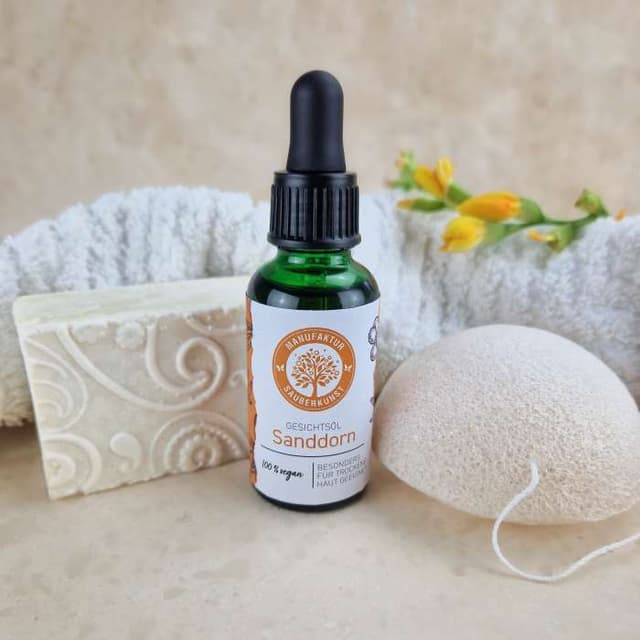
Sauberkunst is a German beauty brand founded in 2012 by Annett Förster and based in Brandenburg. Its identity is strongly shaped by craftsmanship and lower-waste beauty, combining vegan formulas with handmade production, plastic-free choices, and a clear sustainability focus. Fair-trade values add an ethical dimension to the brand’s profile. This is important because Sauberkunst’s positioning does not stop at packaging; it also reflects concern for how ingredients and materials are sourced. The handmade character gives the brand a noticeably different feel from conventional mass-market personal care. Locally made production reinforces that independence and keeps Sauberkunst closely connected to Germany. Plastic-free beauty is one of its most meaningful attributes. For shoppers trying to reduce disposable packaging in their daily routines, the brand offers an alternative to products that rely heavily on bottles, pumps, and multilayer plastic components. Despite these conscious-beauty credentials, Sauberkunst remains in the affordable category. That gives it a particularly useful place in the market, since ethical and sustainable beauty can often become prohibitively expensive. The brand is best suited to customers who want environmental values to be visible in the product itself, not just in marketing. Vegan beauty, fair-trade sourcing, handmade production, plastic-free design, sustainability, local manufacturing, and accessible pricing all contribute to a brand identity centered on practical, everyday conscious beauty.

hello simple featured image

hello simple

Germany · Est. 2016 · Affordable

hello simple is a Berlin beauty brand founded in 2016 by Lisa Mair and Jacqueline Gey. Its name captures the brand’s broader philosophy well: natural and organic beauty should be uncomplicated, lower-waste, and realistic enough to become part of everyday life. The brand is vegan and cruelty-free, but its environmental profile is where it becomes especially distinctive. Plastic-free and zero-waste principles are built into the brand’s positioning, giving shoppers a way to reduce disposable packaging rather than simply switching between different recyclable formats. Handmade and locally made production add a more personal character to the brand. This connection to Berlin helps hello simple stand apart from mass-produced eco-beauty labels and reinforces the sense that the products are developed with small-scale production in mind. Natural and organic ingredients support the same philosophy. The focus is not just on what is left out of the packaging, but also on creating beauty products that feel aligned with a more conscious routine. Its affordable price point is another major advantage. Zero-waste beauty can easily become expensive, but hello simple keeps these values within reach of everyday shoppers. For customers looking for a European beauty brand that combines vegan formulas, natural ingredients, handmade products, local production, plastic-free design, sustainability, and zero-waste thinking, hello simple offers a particularly practical entry into lower-impact beauty.

Dr. Massing Cosmetics featured image

Dr. Massing Cosmetics

Germany · Est. 2014 · Mid-range

Dr. Massing Cosmetics is a German beauty brand founded in 2014 by Erik Massing. The brand sits at the meeting point between natural beauty and more clinically minded skincare, combining natural ingredients with dermatologist-tested products and a strong focus on skin comfort. Sensitive-skin-friendly positioning is one of its clearest strengths. For shoppers who want natural skincare but still prefer products that carry a more considered testing profile, Dr. Massing offers a useful middle ground between botanical beauty and conventional dermatological skincare. Its formulas are also associated with paraben-free beauty, while cruelty-free practices add an animal-welfare consideration. Locally made production gives the brand a clear German identity and supports a more regionally rooted approach to skincare. Sustainability forms part of the broader profile as well, complementing its natural and locally made positioning rather than functioning as a standalone claim. The brand’s underlying price point sits around mid-range even though some of its positioning leans toward luxury. This gives customers a more elevated experience without necessarily entering the highest prestige tier. Dr. Massing Cosmetics is especially relevant for people who want natural skincare to feel both gentle and credible. Its mix of dermatologist testing, sensitive-skin-friendly formulas, cruelty-free values, paraben-free beauty, local production, and everyday usability gives the brand a more balanced identity than purely botanical or purely clinical skincare labels.

Rosenrot featured image

Rosenrot

Germany · Est. 2013 · Affordable

Rosenrot is a German beauty brand founded in 2013 by Karin Ziesmer and based in Heilbronn, Baden-Württemberg. Its identity is built around natural and organic beauty, but what makes the brand particularly interesting is how strongly that formulation philosophy is connected to low-waste product design. Rosenrot is cruelty-free and associated with paraben-free beauty, while biodegradable and plastic-free elements make its sustainability positioning more tangible. Instead of limiting environmental responsibility to recyclable outer boxes, the brand is linked to reducing plastic and using materials that are better suited to lower-waste routines. Locally made production strengthens its German character and gives shoppers a clearer connection between the brand and where its products are produced. That local focus also complements its natural beauty positioning, making the overall approach feel coherent rather than assembled from unrelated claims. Although some of its tags sit around mid-range, Rosenrot is positioned in the affordable beauty segment. That accessibility is important because plastic-free and organic beauty are often priced as premium categories. Its minimalist positioning further supports the idea of buying and using products more intentionally. For customers exploring European beauty, Rosenrot offers a practical combination of natural and organic formulations, cruelty-free values, biodegradable and plastic-free design, local production, sustainability, and everyday usability without turning lower-waste beauty into an expensive niche.

Can't find what you're looking for?

We add new sites every week but if you have a specific request, let us know.