What Is Ethical Fashion?
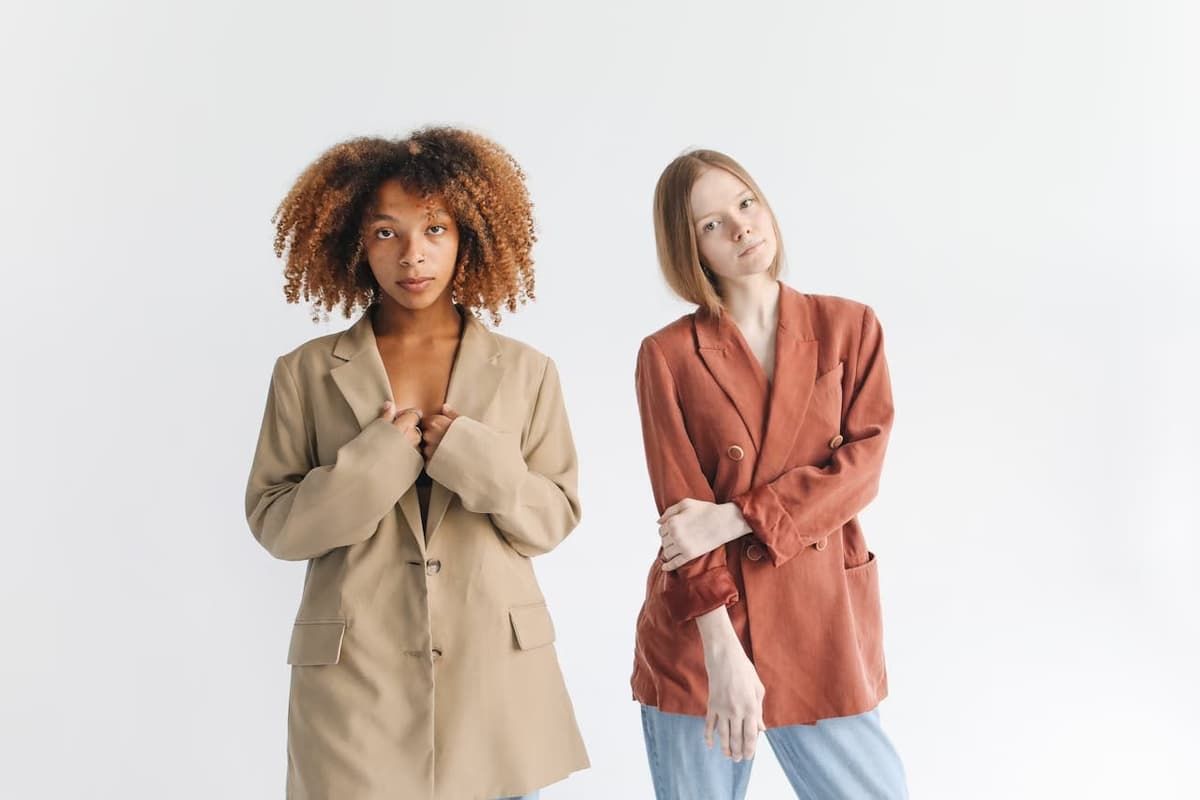
What is ethical fashion? Learn how it works, why it matters, how to identify ethical brands, and make better, more informed fashion choices.
Ethical fashion is becoming a bigger conversation, but most of what you see around it is vague or confusing. Terms like “conscious” or “eco-friendly” get used a lot, but they don’t really explain what makes a brand ethical.
At its core, ethical fashion is about how clothing is made, who makes it, how they’re treated, and whether the process respects both people and the environment. It focuses on reducing harm across the supply chain and improving conditions for workers, not just using better materials.
The challenge is that there’s no single standard; what counts as ethical can vary across brands, which makes it harder to identify what actually matters.
In this article, I’ll break down what ethical fashion actually means, what makes a brand ethical, and how to identify genuine options without getting misled by marketing.
What Is Ethical Fashion?
Ethical fashion is a type of fashion that focuses on how clothing is made, ensuring fair treatment of workers, safe working conditions, and responsible production practices across the supply chain.
It goes beyond just materials and looks at who makes the garments, how they’re paid, and whether the process respects both people and the environment. The goal is to reduce harm, improve transparency, and create a more accountable fashion system.
What Makes Fashion Ethical?
Fashion becomes ethical when brands take responsibility for what happens behind the product, not just how it looks or what it’s made from.
1. It Starts With Labor, Not Materials
Most people think ethical fashion is about fabrics, but it actually starts with workers. If the people making the clothes aren’t paid fairly or working in safe conditions, the product isn’t ethical, no matter what materials are used.
2. Transparency Is the Real Differentiator
What separates ethical brands from the rest is how much they’re willing to disclose. I look for brands that clearly show where their products are made, who makes them, and under what conditions. If that information is missing, it’s usually intentional.
3. Ethics Means Trade-Offs, Not Perfection
There’s no brand that gets everything right. Ethical fashion is about making better choices, paying higher wages, reducing harm, and being honest about what’s still not ideal.
4. Supply Chain Matters More Than the Final Product
A garment might look “premium” or “sustainable,” but the real impact comes from the supply chain behind it. Ethical fashion focuses on improving that system, not just the end result.
5. Accountability Over Aesthetics
Ethical fashion isn’t a style or trend. It’s a shift in how brands operate, prioritizing responsibility over speed, cost-cutting, and mass production.
Ethical Fashion vs Sustainable Fashion
Factor | Ethical Fashion | Sustainable Fashion |
Core Focus | People and labor conditions | Environmental impact |
Primary Question | Who made this and how were they treated? | What is this made from and how does it affect the planet? |
Main Concern | Fair wages, safe working conditions, human rights | Resource use, emissions, waste, and materials |
Supply Chain Priority | Worker welfare across all production stages | Reducing environmental footprint across production |
Materials | Not the main focus (can still be synthetic) | Major focus (recycled, organic, low-impact fabrics) |
Transparency | Focuses on disclosing factories, wages, and labor practices | Focuses on sourcing, certifications, and material origins |
Trade-Off Reality | Can still use non-sustainable materials but ensure fair labor | Can be eco-friendly but still have poor labor conditions |
Common Misunderstanding | Assumed to be “eco-friendly” by default | Assumed to be “ethical” by default |
What to Look For | Wage policies, factory details, labor audits | Fabric type, production process, certifications |
Ideal Scenario | Fair treatment of everyone involved | Minimal harm to the environment |
Best Case | Ethical + sustainable combined | Ethical + sustainable combined |
Ethical and sustainable fashion overlap, but they solve different problems; one focuses on people, the other on the planet.
Why Ethical Fashion Matters Today
Ethical fashion matters today because the real cost of clothing is no longer hidden; it’s just easier to ignore.
Labor Issues Are Still Widespread- A large part of the fashion industry still depends on low wages and poor working conditions. Cheap clothing often comes at the expense of the people making it, not just lower production costs.
Consumers Are Paying More Attention- People are starting to ask better questions, who made this, where, and under what conditions. This shift is pushing brands to be more transparent, whether they’re ready or not.
Fast Fashion Has Scaled the Problem- The speed and volume of fast fashion have made unethical practices easier to scale. Lower costs and faster production cycles often mean more pressure on workers and less accountability.
Transparency Is Becoming a Competitive Advantage- Brands that openly share their sourcing and labor practices are gaining more trust. Ethical fashion isn’t just a value shift; it’s becoming a differentiator.
It Changes How We Buy, Not Just What We Buy- Ethical fashion encourages buying fewer, better pieces instead of constantly replacing low-cost items. The impact comes from changing consumption habits, not just switching brands.
How to Identify Ethical Fashion Brands
Most brands claim to be ethical, but very few actually prove it. I don’t rely on labels, I look at specific signals that are hard to fake.
Start With Transparency, Not Claims
The first thing I check is how much a brand reveals. Do they clearly mention where products are made, which factories they use, and how workers are treated? If that information is missing, it’s usually intentional.
Look for Evidence of Fair Wages (Not Just “Fair Trade” Labels)
Terms like “ethical” or “responsible” don’t guarantee fair pay. I look for real indicators, wage policies, audits, or detailed explanations of how workers are compensated.
Check the Depth of Supply Chain Disclosure
Most brands only talk about final manufacturing. Ethical brands go deeper, raw materials, sourcing, and multiple stages of production. The more layers they disclose, the more credible they are.
Assess Consistency Across the Brand\
If a brand highlights one ethical product but avoids talking about the rest of its operations, that’s a red flag. Ethical practices should apply across the entire brand, not just selected pieces.
Watch for Over-Simplified Messaging
Phrases like “100% ethical” or “fully responsible” are usually exaggerated. I trust brands that explain trade-offs instead of presenting a perfect image.
Use Certifications as Supporting Proof, Not the Main Factor
Certifications like Fair Trade or GOTS can help, but they don’t tell the full story. I treat them as supporting evidence, not the only indicator.
Common Misconceptions About Ethical Fashion
Ethical fashion is mostly about materials, when in reality the biggest issue it addresses is labor, who makes the clothes, and under what conditions.
If a brand says “ethical,” it must be true, even though there’s no strict standard and the term is largely self-defined.
Paying more automatically means it’s ethical, when price alone says nothing without transparency into wages or working conditions.
Ethical brands are always fully ethical, when in reality, every brand operates with trade-offs across cost, sourcing, and scalability.
Certifications prove everything, even though most only validate one part of the process, not the entire supply chain.
Fast fashion and ethical fashion are completely separate, when in reality some brands adopt selective ethical practices while still operating at scale.
Transparency means a brand is ethical; even though sharing information doesn’t guarantee fair practices, it just makes them visible.
Challenges in Ethical Fashion
Ethical fashion sounds straightforward in theory, but in practice, it’s difficult to execute consistently at scale.
Lack of Standard Definition
There’s no single benchmark for what “ethical” actually means. Each brand defines it differently, which makes it harder to compare or trust claims.
Limited Supply Chain Visibility
Most brands don’t fully control or even see every layer of their supply chain. Beyond final manufacturing, tracking raw materials and subcontractors becomes complex.
Higher Costs and Pricing Pressure
Paying fair wages and maintaining safe working conditions increases production costs. This makes it harder to compete with fast fashion on price.
Scaling Ethical Practices Is Difficult
What works for small batches doesn’t always work at scale. As brands grow, maintaining the same level of transparency and labor standards becomes more challenging.
Consumer Behavior Doesn’t Always Align
People say they care about ethics, but buying decisions are still heavily influenced by price, trends, and convenience. This gap slows adoption.
Risk of Greenwashing and “Ethics Washing”
Since there’s no strict regulation, brands can highlight selective practices while ignoring the rest, making it harder for consumers to identify what’s genuine.
Is Ethical Fashion Worth It
Ethical fashion is worth it, but only if you value how your clothes are made, not just how they look.
You’re Paying for Labor, Not Just the Product
A big part of the cost comes from fair wages and better working conditions. You’re not just buying a garment, you’re paying for a more responsible production process.
Higher Price, But More Intentional Buying
Ethical fashion usually costs more upfront, but it often leads to buying fewer, better pieces instead of constantly replacing low-cost items.
It Reduces Harm, But Doesn’t Eliminate It
Even ethical brands have limitations. Supply chains are complex, and no brand is perfect. The value comes from reducing harm, not completely removing it.
The Impact Depends on How You Buy
Switching to ethical brands won’t make much difference if buying habits stay the same. The real impact comes from being more intentional with what and how often you buy.
Frequently Asked Questions
Is ethical fashion the same as sustainable fashion?
No. Ethical fashion focuses on people, fair wages, safe working conditions, and labor rights, while sustainable fashion focuses more on environmental impact.
Why is ethical fashion more expensive?
It includes fair wages, better working conditions, and more responsible production practices, which increase the true cost of making clothing.
Can a brand be sustainable but not ethical?
Yes. A brand can use eco-friendly materials but still have poor labor practices. The two are related but not the same.
How do I know if a brand is truly ethical?
I look for transparency, clear information about factories, wages, and supply chains. If a brand doesn’t share this, it’s hard to verify their claims.
Are certifications enough to trust a brand?
Not completely. Certifications can support claims, but they usually cover only specific parts of the supply chain, not the entire process.
Is ethical fashion affordable?
It depends. While some brands are expensive, the real value comes from buying fewer, better pieces rather than frequently replacing cheaper ones.
Keep browsing
Browse similar brands
Explore independent labels in our directory related to this story.
Browse all brands