15 Ethical Swimwear Brands to Know This Summer (2026)
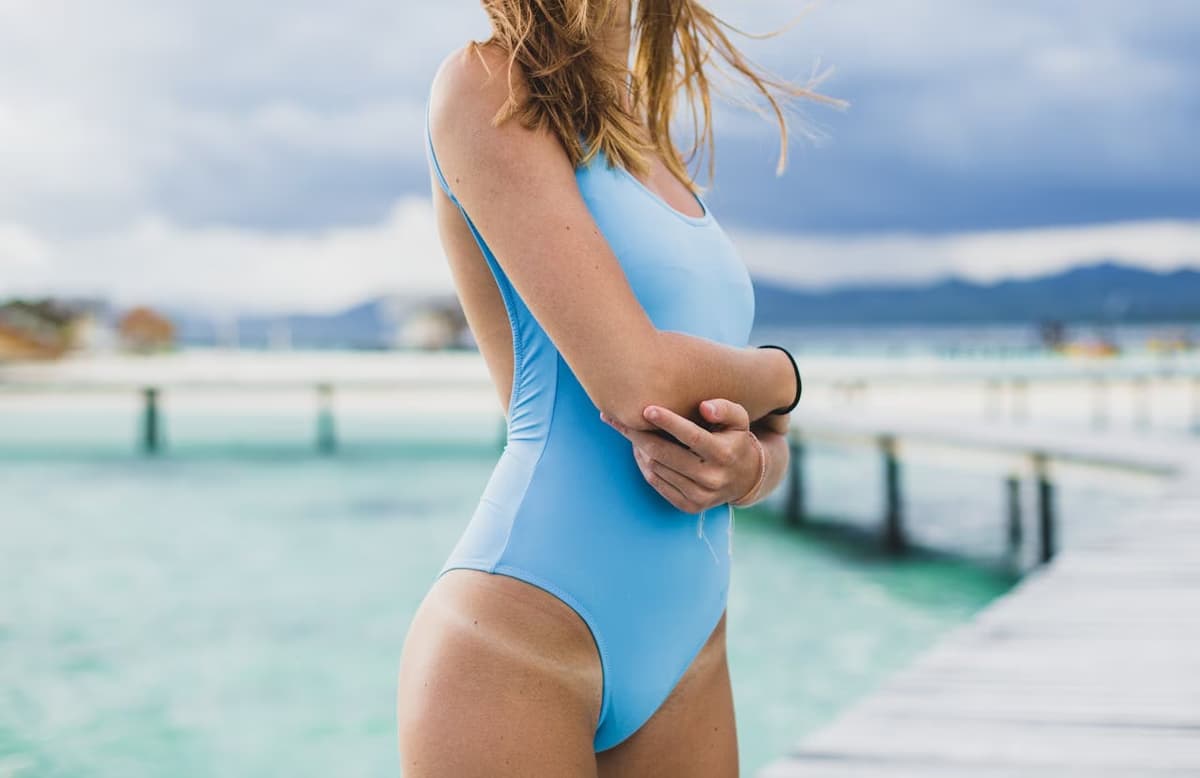
Explore 15 ethical swimwear brands to know this summer. Discover bikinis made with recycled materials, fair production, and lower-waste practices.
I’ve noticed swimwear is one of the least questioned categories when it comes to sustainability. Most pieces rely on synthetic fabrics like nylon and polyester, which don’t break down easily and are often worn for just a few seasons.
What I look for instead is simple, better materials, smaller production runs, and brands that are transparent about how they make their products.
The shift is already happening. The sustainable swimwear market is projected to grow at 7.7% annually, reaching $16.2 billion by 2032, which tells me more people are starting to care about what they wear.
I’ve put together this list of 15 ethical swimwear brands that are actually doing it right, so you don’t have to dig through greenwashing to find them.
15 Ethical Swimwear Brands in The Market in 2026
1. Underprotection DK
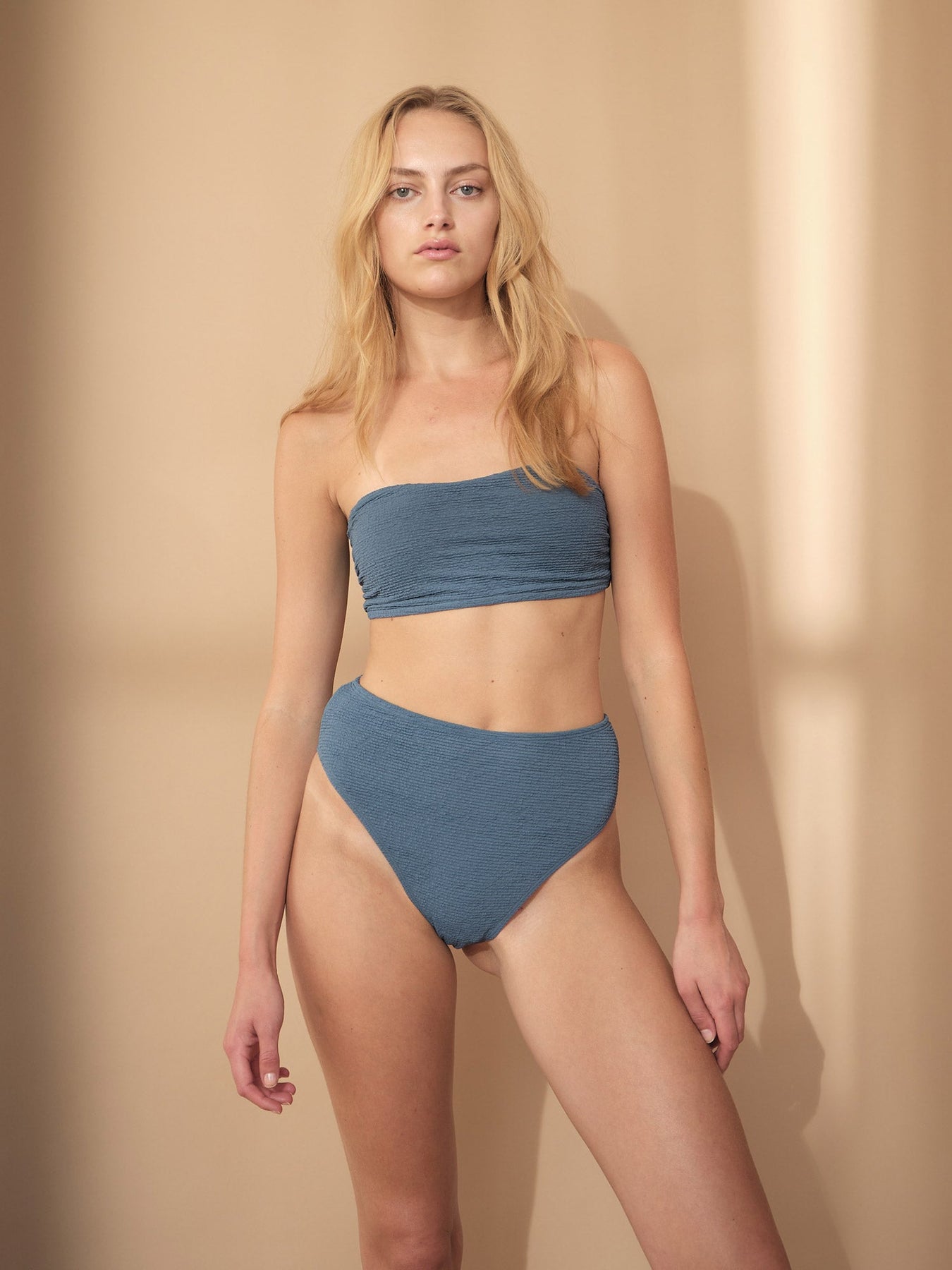
Underprotection is one of the more established names in ethical swimwear, based in Copenhagen and operating since 2010. The brand focuses on minimal, Scandinavian-style designs while keeping production and materials consistent over time.
What sets it apart is how structured the entire system is, from certified materials to audited factories and even a take-back program for used products. It’s not just about using better fabrics, but building a full lifecycle approach around them.
Key Details:
Price Range: Mid-range
Location: Copenhagen, Denmark
Founded: 2010
Materials: Recycled polyester, recycled nylon, TENCEL™, organic cotton
Certifications: B Corp, GOTS, OEKO-TEX, GRS
Production: Certified factories (WRAP, BSCI, Sedex)
Shipping: Worldwide
Extra: Take-back & repair program
Best for: Minimal, long-lasting swimwear
2. Bali Swim

Bali Swim isn’t a traditional swimwear brand; it’s one of the manufacturers behind many of the labels you see online. Based in Bali and founded in 2016, it focuses on helping brands produce swimwear using more structured and scalable systems.
What makes it different is the level of control it offers, from design and sampling to full production, all handled in one place. On the sustainability side, it works with recycled fabrics like ECONYL® and REPREVE®, uses OEKO-TEX® certified inks, and operates a solar-powered factory, which is rare at this scale.
This makes it less about buying directly and more about understanding where and how a lot of “ethical swimwear” is actually made.
Key Details:
Type: Swimwear manufacturer (private label)
Location: Bali, Indonesia
Founded: 2016
Materials: ECONYL®, REPREVE® recycled fabrics
Production: In-house design → sampling → manufacturing
Sustainability: Solar-powered factory, eco-certified inks, in-house production to reduce waste
Shipping: Worldwide
Used by: Startups & established swimwear brands globally
3. Lime Ricki

Lime Ricki focuses on something most swimwear brands ignore: coverage without losing style. Based in Utah and around since 2007, it has built a strong presence in the modest swimwear space with designs that feel practical but still modern.
Instead of following typical “minimal bikini” trends, the brand offers options like tankinis, longer tops, and higher coverage pieces that are easier to wear across different settings, not just the beach. The pricing also sits on the more affordable side, which makes it more accessible compared to most ethical swimwear brands.
Key Details:
Price Range: Affordable
Location: Utah, USA
Founded: 2007
Styles: Tankinis, one-pieces, high-coverage bikinis
Positioning: Modest swimwear
Production: Small-batch collections
Shipping: Worldwide
4. Cosita Linda

Cosita Linda takes a different approach compared to most swimwear brands; it focuses more on craftsmanship and design detail rather than minimal basics. Based in Colombia and founded in 2007, the brand works with local artisans and produces in smaller batches, which naturally reduces overproduction compared to mass-market swimwear.
What adds more value here is how the pieces are built. Instead of relying only on prints, the brand uses details like hand-finished crochet, embroidery, and textured fabrics, giving each piece a more constructed feel. The fits are also designed to shape and support, with adjustable elements that work across different body types, making them more wearable beyond just seasonal trends.
Key Details:
Price Range: Mid-range
Location: Colombia
Founded: 2007
Materials: Nylon blends, stretch fabrics for shape retention
Design: Crochet, embroidery, textured finishes
Fit: Adjustable straps, supportive cuts
Production: Small-batch collections
Shipping: Worldwide
5. Akoia Swim

Cosita Linda focuses on craftsmanship over mass production. Based in Colombia, the brand works with local artisans and produces in smaller batches, which helps reduce overproduction and supports more responsible manufacturing practices compared to fast-fashion swimwear.
The designs stand out for details like crochet, embroidery, and textured fabrics, moving beyond basic printed styles. This slower, detail-driven approach also means each piece feels more considered and less disposable. Alongside that, the fits are structured with adjustable elements, offering better support and making the swimwear more wearable across different body types.
Key Details:
Price Range: Mid-range
Location: Bali, Indonesia
Founded: 2014
Materials: Cotton blends, crochet fabrics
Production: Handmade by local artisans
Ethical Angle: Small-batch production, supports local craftsmanship
Shipping: Worldwide
6. Bromelia Swimwear
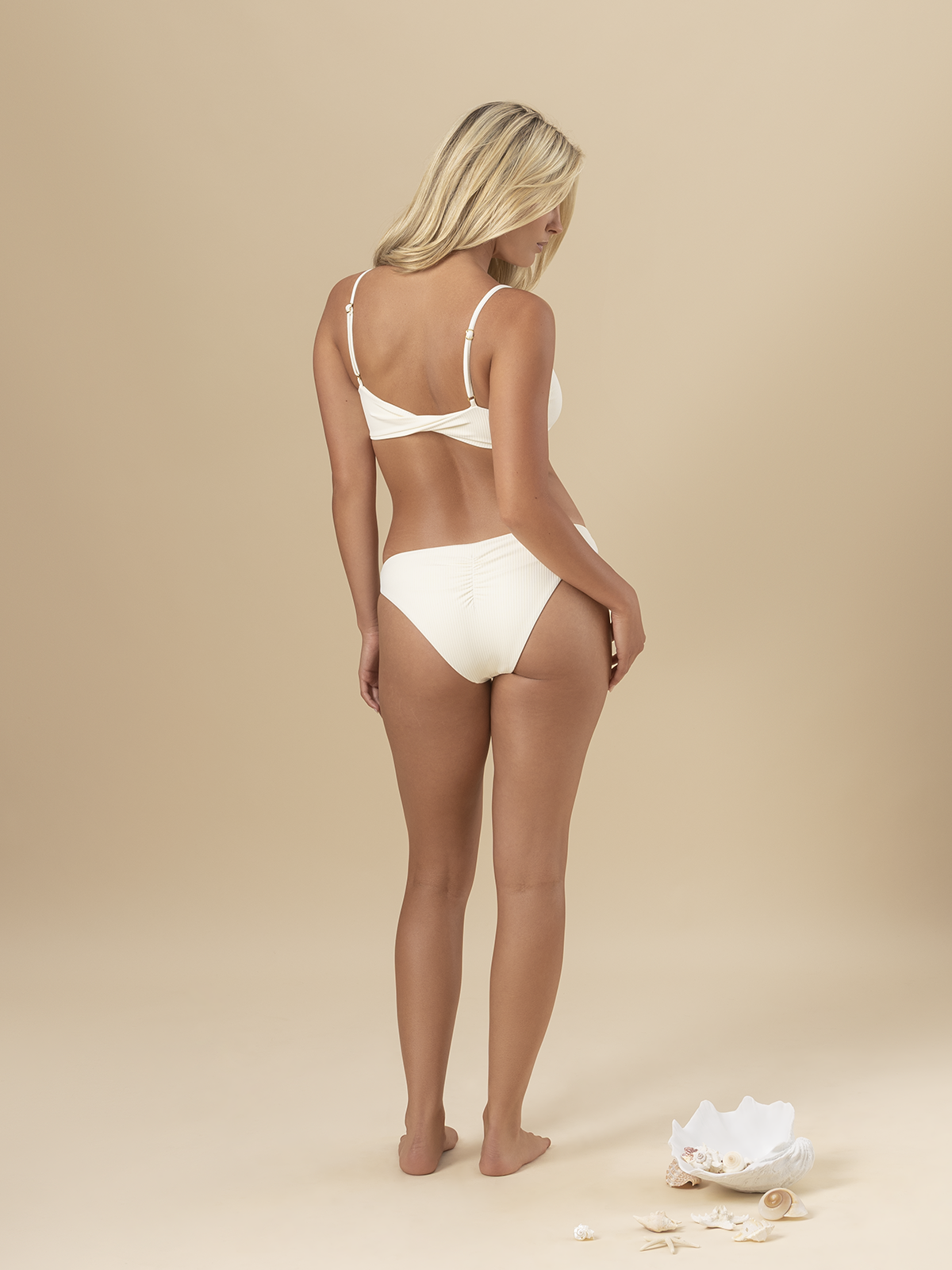
Bromelia Swimwear focuses on ethical production through artisan partnerships rather than mass manufacturing. Based in California, the brand works with local artisans in Brazil to create handmade pieces, supporting fair-trade practices and preserving traditional craftsmanship.
The swimwear stands out for its textures and hand-finished details, which come from these small-scale production methods rather than factory output. This approach helps reduce overproduction while giving each piece a more distinct, crafted feel. The designs also balance bold prints with structured fits, making them both expressive and easy to wear.
Key Details:
Price Range: Mid-range
Location: Santa Monica, California, USA
Founded: 2018
Materials: Recycled fabrics, artisan-crafted textiles
Production: Handmade by Brazilian artisans
Ethical Angle: Fair-trade practices, small-batch production
Styles: Bikinis, one-pieces, textured designs
Shipping: Worldwide
7. Leni Swims

Leni Swims focuses on handmade production rather than large-scale manufacturing. Based in Melbourne and founded in 2017, the brand creates crochet swimwear by hand, which naturally limits production and aligns with slow fashion principles.
Each piece is individually made, giving it a more unique, non-mass-produced feel compared to standard swimwear. This approach not only reduces overproduction but also adds a level of craftsmanship that’s often missing in factory-made designs. The styles are simple but distinctive, making them easy to wear while still standing out.
Key Details:
Price Range: Mid-range
Location: Melbourne, Australia
Founded: 2017
Materials: Crochet cotton blends
Production: Handmade, small-batch
Ethical Angle: Slow fashion, limited production
Styles: Crochet bikinis, minimal silhouettes
Shipping: Worldwide
8. Lea The Label

Lea The Label focuses on small-batch production and material choice rather than trend-driven collections. Based in Bali and founded in 2015, the brand uses eco-conscious fabrics and works with ethical factories, keeping production more controlled compared to large-scale swimwear brands.
The designs lean toward minimal, neutral-toned silhouettes, which makes them easier to wear across seasons instead of being tied to short-term trends. This approach, combined with slower production cycles, helps reduce overproduction while maintaining a more consistent level of quality and fit.
Key Details:
Price Range: Mid-range
Location: Bali, Indonesia
Founded: 2015
Materials: Recycled nylon blends, eco-conscious fabrics
Production: Small-batch, ethical factories
Ethical Angle: Slow fashion, responsible material sourcing
Styles: Minimal bikinis, neutral tones
Shipping: Worldwide
9. Laya Official

Laya Official is a Los Angeles–based swimwear brand founded in 2023. It doesn’t position itself as a typical ethical brand, and the focus is clearly on bold, trend-led pieces rather than sustainability-first collections.
What still makes it worth including here is how the brand operates. Instead of pushing out large collections, it works with smaller, more controlled releases. That means less overproduction compared to fast fashion brands that rely on constant drops.
The designs are more about strong cuts and eye-catching styles rather than everyday basics. If you’re someone who prefers standout swimwear but still wants to avoid mass-produced pieces, this fits somewhere in between.
Key Details:
Price Range: Mid-range
Location: Los Angeles, USA
Founded: 2023
Production: Small-batch releases
Ethical Angle: Lower-volume production (not sustainability-first)
Styles: Bold, trend-led swimwear
Shipping: Worldwide
10. Vincija Swim

Vincija Swim is an Australia-based swimwear brand founded in 2016, known for its made-to-order approach. Instead of producing large batches, each piece is created only after an order is placed, which helps reduce excess stock and waste.
That’s what makes it relevant in an ethical swimwear context. The brand avoids the typical overproduction cycle seen in fast fashion by keeping production limited and more intentional.
There’s also a strong focus on customization. Customers can choose different cuts, colors, and fits, so the swimwear feels more personal rather than mass-produced. The styles lean toward bold colors and confident fits, but the real value lies in how the pieces are made.
Key Details:
Price Range: Mid-range
Location: Gold Coast, Australia
Founded: 2016
Production: Made-to-order, handmade
Ethical Angle: Reduces overproduction and waste
Styles: Custom bikinis, bold cuts
Shipping: Worldwide
11. OceanZen Bikini

OceanZen Bikini is an Australia-based swimwear brand built around sustainability from the ground up. The brand uses regenerated nylon made from ocean waste like discarded fishing nets and plastic bottles, turning it into wearable swimwear.
What makes it stand out is that the environmental angle isn’t just marketing, it directly connects to the product itself. By using recycled materials and avoiding plastic packaging, the brand reduces both waste and new resource use.
The designs are relatively simple and wearable, but the main value comes from the material choice and the focus on ocean impact rather than trend cycles.
Key Details:
Price Range: Mid-range
Location: Australia
Founded: ~2014–2016
Materials: Recycled nylon (from fishing nets & plastic waste)
Production: Ethical manufacturing (BSCI-certified)
Ethical Angle: Ocean waste reduction, recycled fabrics
Styles: Minimal, mix-and-match bikinis
Shipping: Worldwide
12. Tide and Seek

Tide and Seek is a UK-based swimwear brand founded in 2018, built around using regenerated materials like ECONYL. Instead of relying on virgin fabrics, the brand works with recycled nylon made from waste such as fishing nets, which directly reduces environmental impact.
It also keeps production relatively limited, avoiding large-scale drops and focusing on smaller runs. That helps control excess stock while keeping quality consistent.
The designs are colorful and easy to wear, but what really matters here is the material choice and the way production is handled. It’s a more practical take on sustainable swimwear without overcomplicating it.
Key Details:
Price Range: Mid-range
Location: Cornwall, UK
Founded: 2018
Materials: ECONYL (regenerated nylon)
Production: Small-batch, controlled runs
Ethical Angle: Recycled materials + reduced overproduction
Styles: Printed bikinis, everyday swimwear
Shipping: Worldwide
13. Manakai Swimwear
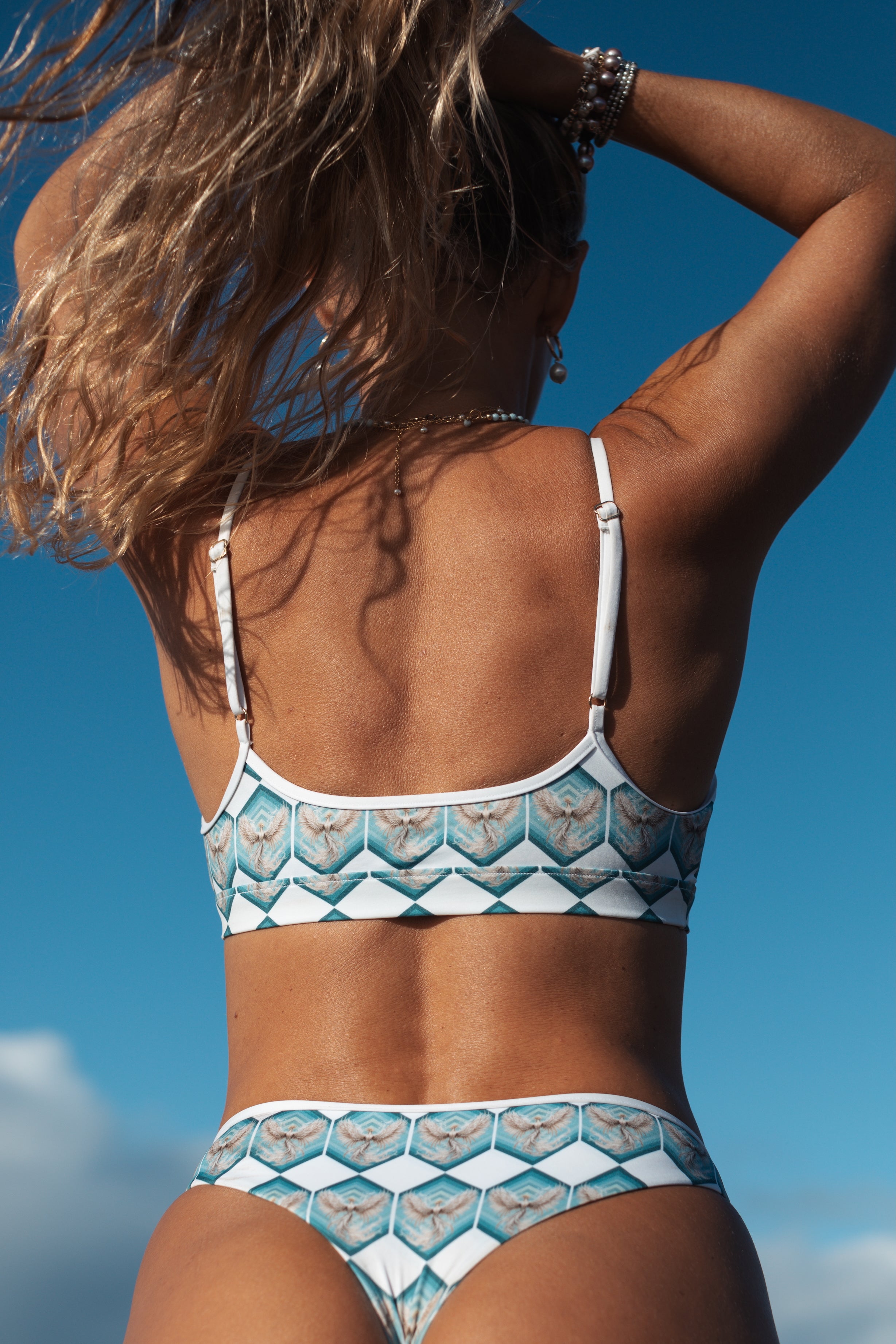
Manakai Swimwear is a Hawaii-based brand founded in 2015, built around using recycled materials and ethical production. The brand uses regenerated nylon like ECONYL, which is made from waste such as fishing nets and fabric scraps instead of new raw materials.
Production is kept close and controlled. The pieces are designed in Maui and made in small facilities in the U.S., with a focus on transparency and working directly with the production team.
This is what makes it relevant in an ethical swimwear context, both the materials and the way it’s made are considered. The designs are simple and functional, but the real value comes from reducing environmental impact while keeping quality consistent.
Key Details:
Price Range: Mid-range
Location: Maui, Hawaii, USA
Founded: 2015
Materials: ECONYL (recycled nylon from waste)
Production: Made in USA, small-scale manufacturing
Ethical Angle: Recycled materials + transparent production
Styles: Clean, functional swimwear
Shipping: Worldwide
14. Belamer Co

Belamer Co is a Barcelona-based swimwear brand that focuses on sustainability across both materials and production. The brand uses regenerated nylon made from marine and post-consumer waste instead of virgin fabrics, reducing both resource use and environmental impact.
Production is kept local in Spain, working with small workshops and European suppliers. This makes it easier to maintain quality and ensure better working conditions, while also lowering the overall carbon footprint compared to outsourced manufacturing.
What also stands out is how the brand manages production. Instead of overproducing, it works with smaller runs and restocks only when needed, which helps limit excess inventory and waste.
Key Details:
Price Range: Mid-range
Location: Barcelona, Spain
Materials: Recycled nylon (marine + post-consumer waste)
Production: Local (Spain), small-batch
Ethical Angle: Recycled materials + controlled production + transparency
Styles: Minimal, clean silhouettes
Shipping: Worldwide
15. Selfish Swimwear
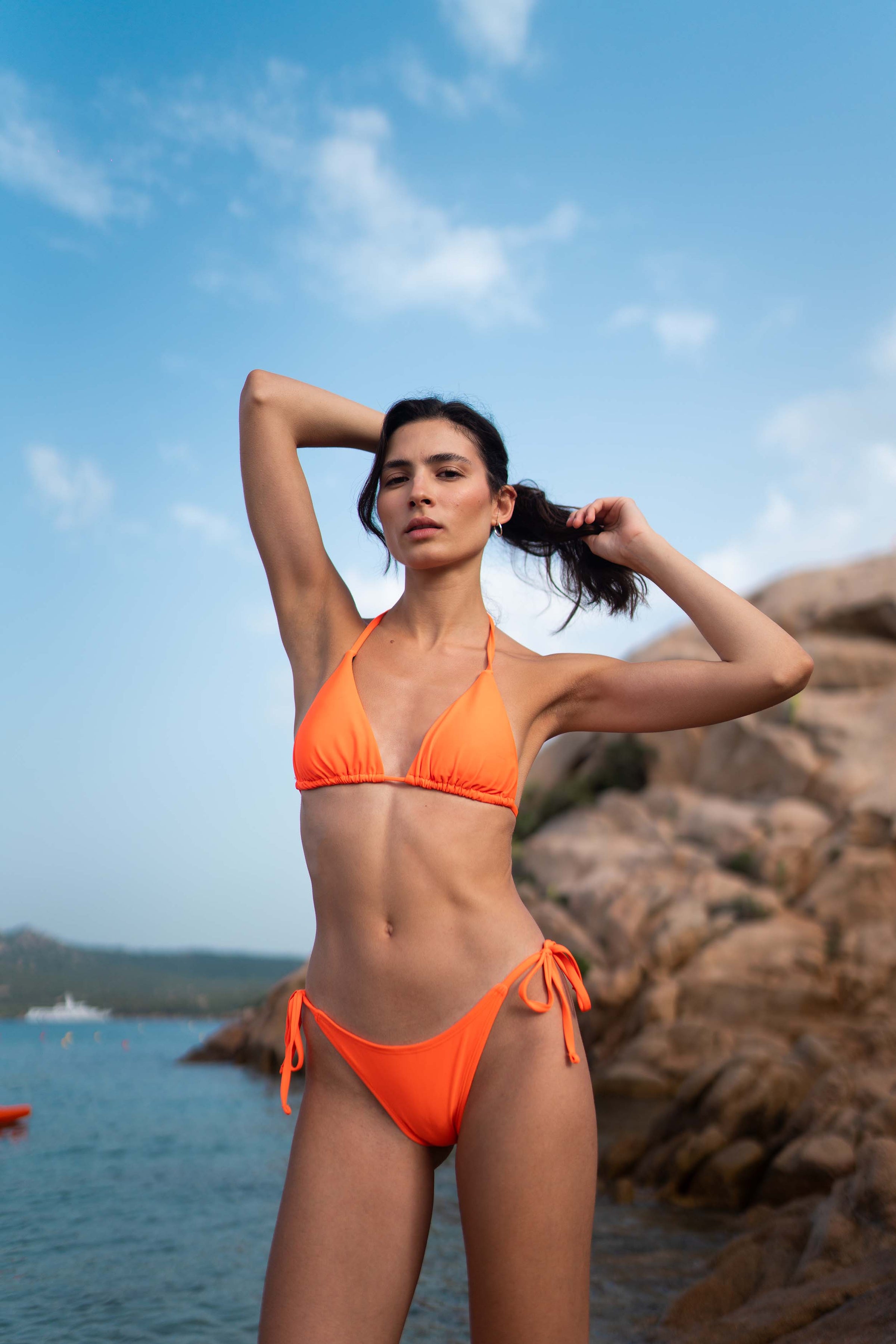
Selfish Swimwear is a Montreal-based brand that focuses on local, small-scale production. Each piece is handmade in its own studio rather than outsourced, which keeps the process more controlled and transparent.
The brand also uses recycled fabrics in its collections, reducing the need for new raw materials. Instead of producing large volumes, it works in small batches, which helps limit waste and overstock.
What makes it stand out is the combination of local manufacturing and material choice. It’s not just about design; the focus is on making fewer, better pieces that last longer and avoid fast-fashion cycles.
Key Details:
Price Range: Mid-range
Location: Montreal, Canada
Founded: 2017
Materials: Recycled fabrics
Production: Handmade locally (in-house studio)
Ethical Angle: Local production + small batches + recycled materials
Styles: Classic bikinis, simple cuts
Shipping: Worldwide
Frequently Asked Questions
What makes a swimwear brand ethical?
An ethical swimwear brand focuses on how products are made, including recycled materials, fair working conditions, and smaller production runs that help reduce waste compared to fast fashion brands.
Is sustainable swimwear the same as ethical swimwear?
Sustainable swimwear focuses mainly on eco-friendly materials, while ethical swimwear also includes fair labor practices, transparent production, and reducing overproduction. The best brands usually combine both approaches.
What fabrics are used in ethical swimwear?
Most ethical swimwear brands use recycled materials like ECONYL or regenerated nylon made from fishing nets and plastic waste, along with recycled polyester blends that maintain durability and stretch.
Are ethical swimwear brands more expensive?
Ethical swimwear is usually more expensive due to better materials, fair wages, and smaller production runs. However, the quality is often higher, which means the pieces last longer over time.
How can I tell if a brand is truly ethical?
Look for brands that clearly explain their materials, manufacturing process, and factory locations. Avoid vague claims like “eco-friendly” without proof, and prefer brands that show transparency.
Is made-to-order swimwear more sustainable?
Yes, made-to-order swimwear reduces waste by producing items only after purchase. This avoids excess inventory and is one of the most effective was to limit overproduction in fashion.
Do ethical swimwear brands sacrifice style?
Not anymore. Many ethical swimwear brands focus equally on design and sustainability, offering everything from minimal styles to bold pieces while maintaining responsible production practices.
Keep browsing
Browse similar brands
Explore independent labels in our directory related to this story.
Browse all brands