11 Best Sustainable Shoe Brands For 2026 (You'll Love)

Discover 11 independent sustainable shoe brands for 2026, from recycled sneakers to running shoes. Compare materials, design, and what makes each brand different.
A waterproof hemp sneaker and a made-to-order leather shoe can both appear in a sustainable footwear guide. Their claims need different checks. What goes into the upper and sole? Where is the pair made? Can it be repaired when it starts to wear?
For our editorial review, we chose independent sustainable shoe brands with distinctive designs, then checked what they disclose about their current shoes. Some use recycled textiles; others put more emphasis on local production or keeping a pair wearable through repair. Across these 14 brands, the useful differences are in the details: how much of the shoe contains a claimed material, where it is made, and what happens when it wears out.
What are Sustainable Shoes?
Sustainable shoes are footwear designed to reduce environmental impact throughout their life, from material sourcing and manufacturing to everyday use and disposal. They may use recycled or renewable materials, create less waste during production, or be made to last longer and be repaired. Responsible footwear production also considers the people making the shoes, including their pay and working conditions.
“Sustainable” has no single standard that every shoe must meet. The term is most useful when a brand explains the materials and production of the whole shoe, rather than highlighting one feature, such as recycled laces or a plant-based upper.
How We Chose These Brands
We shortlisted independent sustainable shoe brands and examined specific shoes in their current collections. We checked the materials listed for the upper, lining, and sole; where the shoes are made; and any disclosed certifications, repair services, or take-back programs.
We also read customer reviews for recurring comments on sizing, comfort, durability, delivery, and support. Our ranking considers those patterns alongside design, product range, and how clearly each brand explains its choices. In each profile, we identify the practices behind its inclusion and note important details the brand does not disclose.
11 Best Sustainable Shoe Brands at a Glance
Start with how you’ll wear the shoes: this table points you to a style from each brand and the details that earned it a place in our guide.
Brand | Choose it for | Start with | What supports its place here |
LØCI | Distinctive vegan everyday sneakers | FUSION | Materials listed for individual shoe components |
DiVERGE | A sneaker you can customise | Minimal Low | Made to order in Portugal with disclosed material choices |
MoEa | Vegan sneakers with unusual materials | ORIGIN or RUSH | Product-level material percentages and a repair service |
CLAE | Understated daily wear | Bradley Knit or Deane | Material details for specific styles |
Thaely | Bold streetwear | Y2K Pro | Recycled-bag textile and PETA-Approved Vegan status |
Flamingos’ Life | Retro or zero-drop shapes | Wairoa or Zero Drop | Style-specific materials, including identification of leather |
8000Kicks | Hemp shoes for wet weather | Explorer V2 | Explains the hemp, lining, membrane, and sole separately |
SAYE | Wearable retro sneakers | M89 or M70 Soul | Detailed material listings for individual styles |
Good News | Playful, low-profile footwear | Sonny or Bodie | Strong design; current material disclosure is less complete |
Tropicfeel | One pair for travel | All-Terrain 2 | Component percentages and model-specific fit guidance |
hylo athletics | Road running | IMPACT 2 or AXIS | Material breakdowns and a clear choice of support levels |
11 Best Sustainable Shoe Brands For 2026
1. LØCI
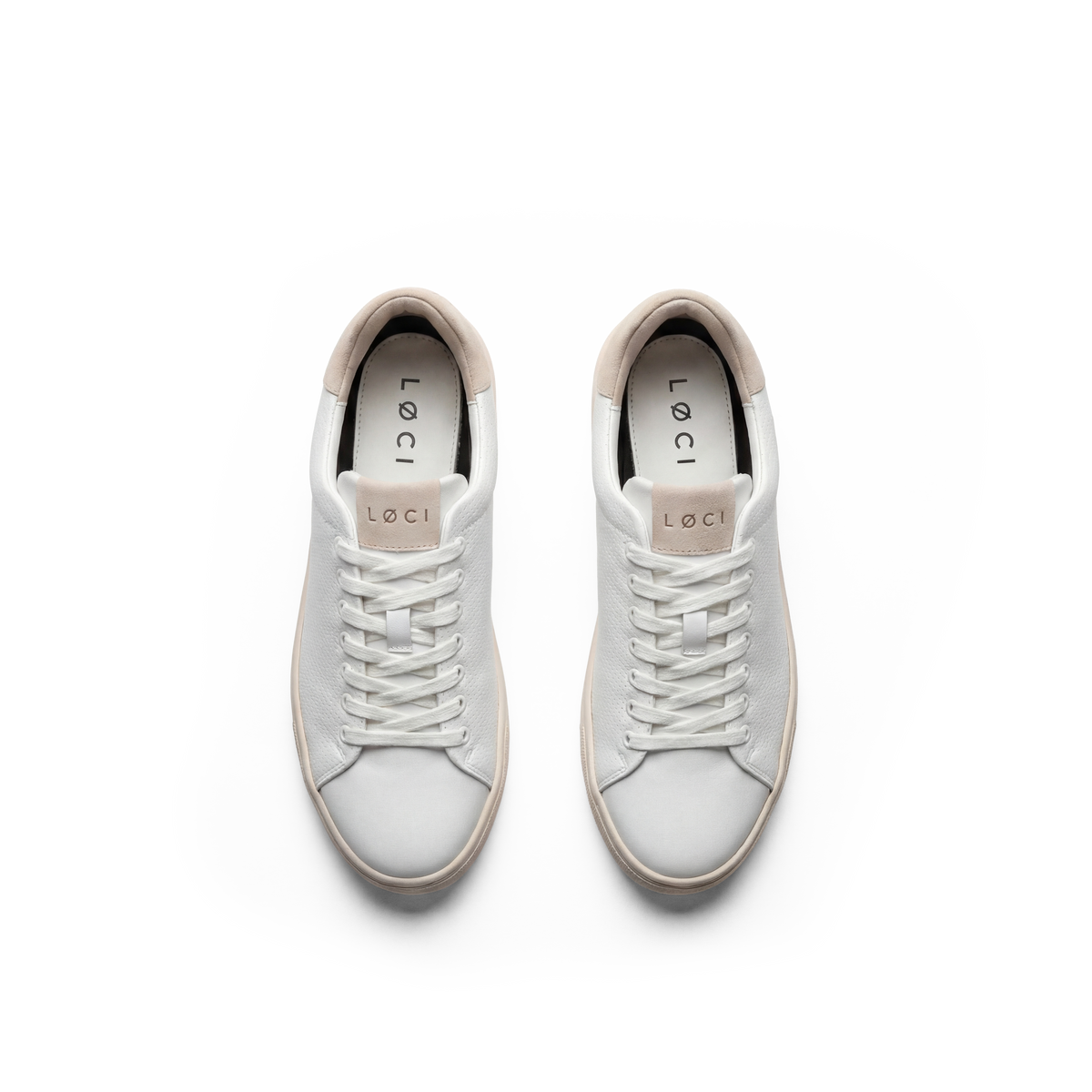
Key materials: Recycled plastic textiles, corn-waste bio-leather, cork, recycled foam, and recycled rubber
Brand origin: United Kingdom
Made in: Portugal and Vietnam, depending on the style
Product range: Sneakers, apparel, and accessories
LØCI is one of our favourite picks for someone who wants a sustainable sneaker with personality. The collection has more range than its vegan label might suggest: clean tennis shoes, retro runners, and bolder, sculpted styles. We’re particularly drawn to the FUSION, which taps into the retro-runner look that still feels current in 2026. The brand’s website makes those styles easy to explore, and the shoes look distinctive without relying on loud sustainability messaging.
We also appreciate that LØCI lists materials for individual parts of its shoes. There is a qualification worth knowing before you buy: its corn-waste “bio-leather” includes a polymer, and product pages do not consistently give recycled-content percentages for each component.
LØCI stands out to us for making vegan sneakers we would choose for their design, especially the FUSION. We wish the brand gave clearer recycled-content percentages, but its material details and range of styles earn it a place on this list.
2. DiVERGE
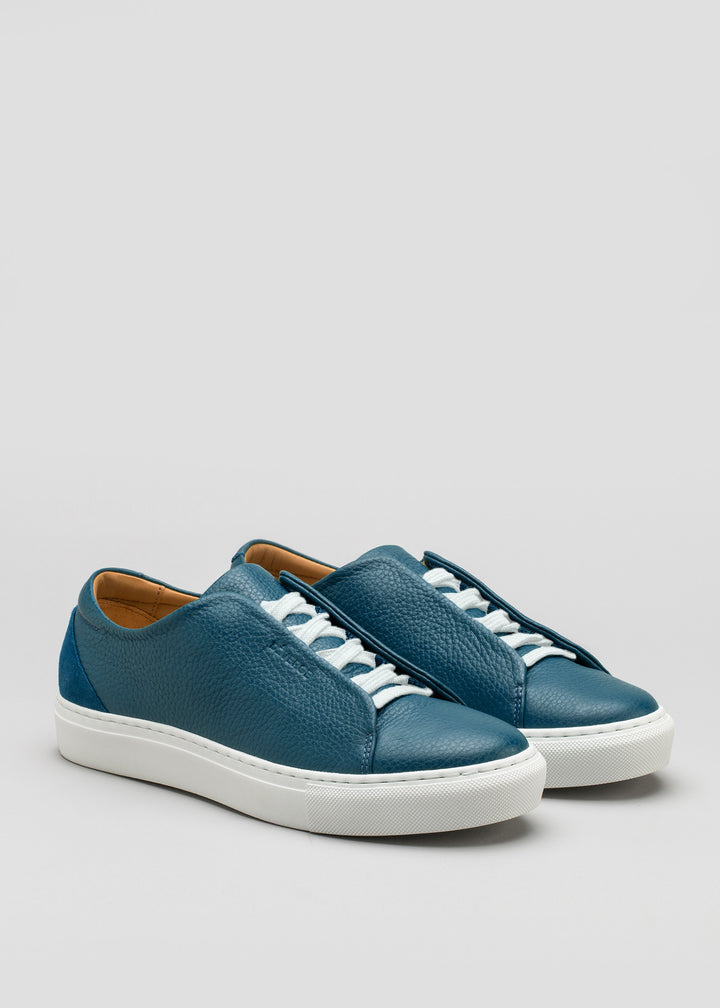
Key materials: LWG-rated leather, organic cotton, recycled polyester, and natural rubber; materials vary by design
Brand origin: Portugal
Made in: Portugal
Production: Made to order
Certification: Certified B Corporation
DiVERGE is the sustainable shoe brand we would show someone who likes a sneaker’s shape but always wishes it came in different colours. Its online customiser lets you make those choices yourself before the pair is made in Portugal. We like that the result can be restrained or expressive: the Minimal Low keeps things clean, while the Meteor’88 has a more playful, retro feel. Personalisation gives DiVERGE a distinct place on this list, especially as individual style is playing a bigger role in sneaker culture in 2026.
What makes the brand interesting to us as sustainable footwear is the connection between customisation and production. DiVERGE says it makes each pair after it is ordered, avoiding unsold stock, and works with workshops in Portugal. Its material choices include LWG-rated leather as well as organic cotton and recycled polyester in textile styles. We appreciate the specificity, but shoppers looking for vegan or entirely plant-based shoes should check their chosen design carefully: leather is central to much of the collection, and the available alternatives vary by style.
Our main hesitation is the wait. DiVERGE estimates about three weeks for a pair, but some recent reviews describe much longer delays. We would choose it for the pleasure of creating a sneaker that feels like ours, with enough time allowed for the order to arrive.
3. MoEa
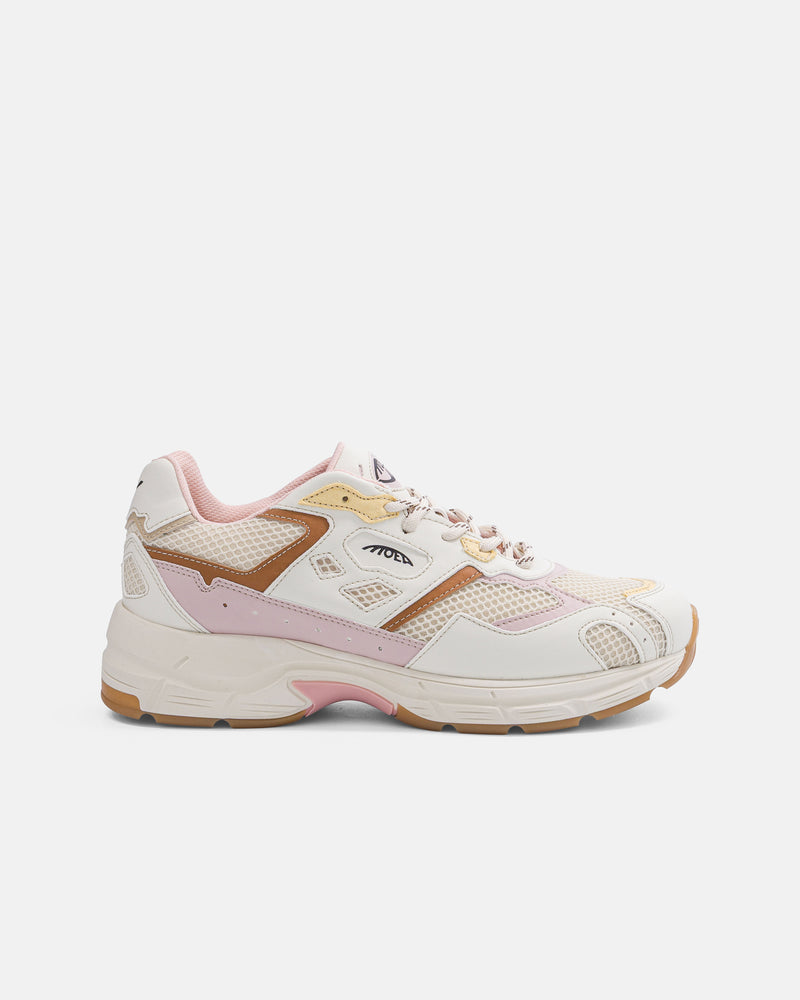
Key materials: Apple, grape, corn, cactus, pineapple, and palm-derived materials; composition varies by style
Brand origin: France
Made in: Portugal
Certifications: Certified B Corporation; PETA-Approved Vegan
Product range: Sneakers and accessories
MoEa is one of the most visually interesting sustainable shoe brands on our list. Its Paris-based team has built a collection around materials made partly from fruit and plant waste, but the designs are what made us linger on the site. You can choose a clean, low-profile ORIGIN or a more expressive RUSH with a ’90s-inspired shape. That range feels well judged for 2026: MoEa has a way into both the slimmer sneaker trend and the continuing appetite for retro runners.
We found more substance here than an unusual list of ingredients. MoEa publishes material percentages on individual product pages, makes its sneakers in Portugal, and offers a repair service. It has also released a limited Second Life collection made from worn MoEa shoes, although its collection programme currently accepts only GEN1 through GEN4 pairs. Those are useful steps for a brand selling sustainable footwear. Still, “plant-based” needs a close read: some uppers also contain polyurethane and other synthetic materials. We appreciate being able to see those percentages rather than having to guess.
Our verdict: MoEa makes plant-based sneakers feel creative and wearable. Its material breakdowns and repair options give us stronger reasons to recommend it than the fruit-and-vegetable story alone.
4. CLAE
Key materials: Leather from LWG-certified tanneries, recycled polyester, organic cotton, cactus-based material, and apple-based material; varies by style
Brand origin: United States
Made in: Primarily Vietnam; selected styles have been made in Los Angeles
Product range: Sneakers, runners, heritage shoes, and accessories
Vegan options: Yes, but the full collection is not vegan
CLAE is our pick for someone who wants sustainable shoes that fit easily into an everyday wardrobe. Its designs have a quiet confidence: the Bradley is a pared-back court sneaker, while the Deane’s T-toe and gum-sole options bring a timely retro touch. We like how the range stays recognisably CLAE even as it moves between clean sneakers and sportier runners. The website is equally easy to shop by silhouette, which helps when you are choosing a shoe you intend to wear often.
CLAE also gives us more to examine than a general eco-friendly label. Its collection includes leather from LWG-certified tanneries alongside vegan styles made with materials such as recycled fibres, organic cotton, cactus, and apple waste. The Bradley Knit, for example, lists a recycled-fibre upper, recycled-polyester lining, and a GRS-certified recycled-foam insole. Materials differ considerably between styles, so CLAE’s sustainability case is strongest when you look at the pair itself.
Our verdict: CLAE makes some of the easiest sustainable footwear on this list to work into a daily wardrobe. We would choose it for the design, then use the individual product page to decide which materials match our priorities.
5. Thaely
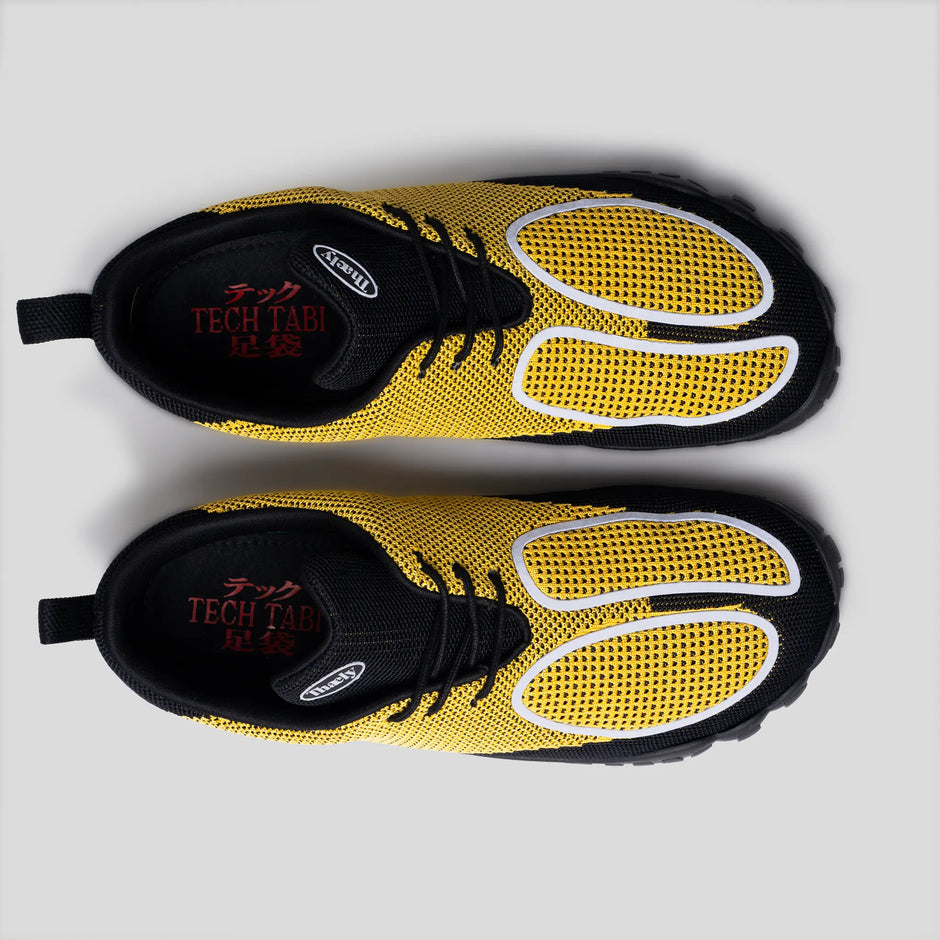
Key materials: Recycled plastic bags, recycled plastic bottles, and recycled rubber; materials vary by style
Brand origin: India
Made in: India
Vegan: PETA-Approved Vegan
Product range: Sneakers and accessories
Thaely has one of the clearest design identities on this list. Its Y2K Pro is bold and skate-inspired, while the Tech Tabi takes the brand in a more experimental, barefoot-inspired direction. We like that Thaely has kept its playful streetwear character as it explores newer shoe trends. If your idea of sustainable shoes is something you will be excited to put on, this is a brand worth a look.
Its strongest material story is ThaelyTex, a leather-like fabric the brand makes from discarded plastic bags. Thaely also uses textiles made from recycled bottles and incorporates rubber production waste into soles. We appreciate being able to trace that work to specific materials and production locations in India. We would, however, read the details for each shoe: the Y2K Pro and Tech Tabi use different constructions, so the brand’s headline material claims should not be assumed to apply to every pair.
Our verdict: Thaely brings a fresh streetwear perspective to recycled footwear. We found several styles marked sold out during our review, so availability may decide which of its designs you can actually buy.
6. Flamingos’ Life
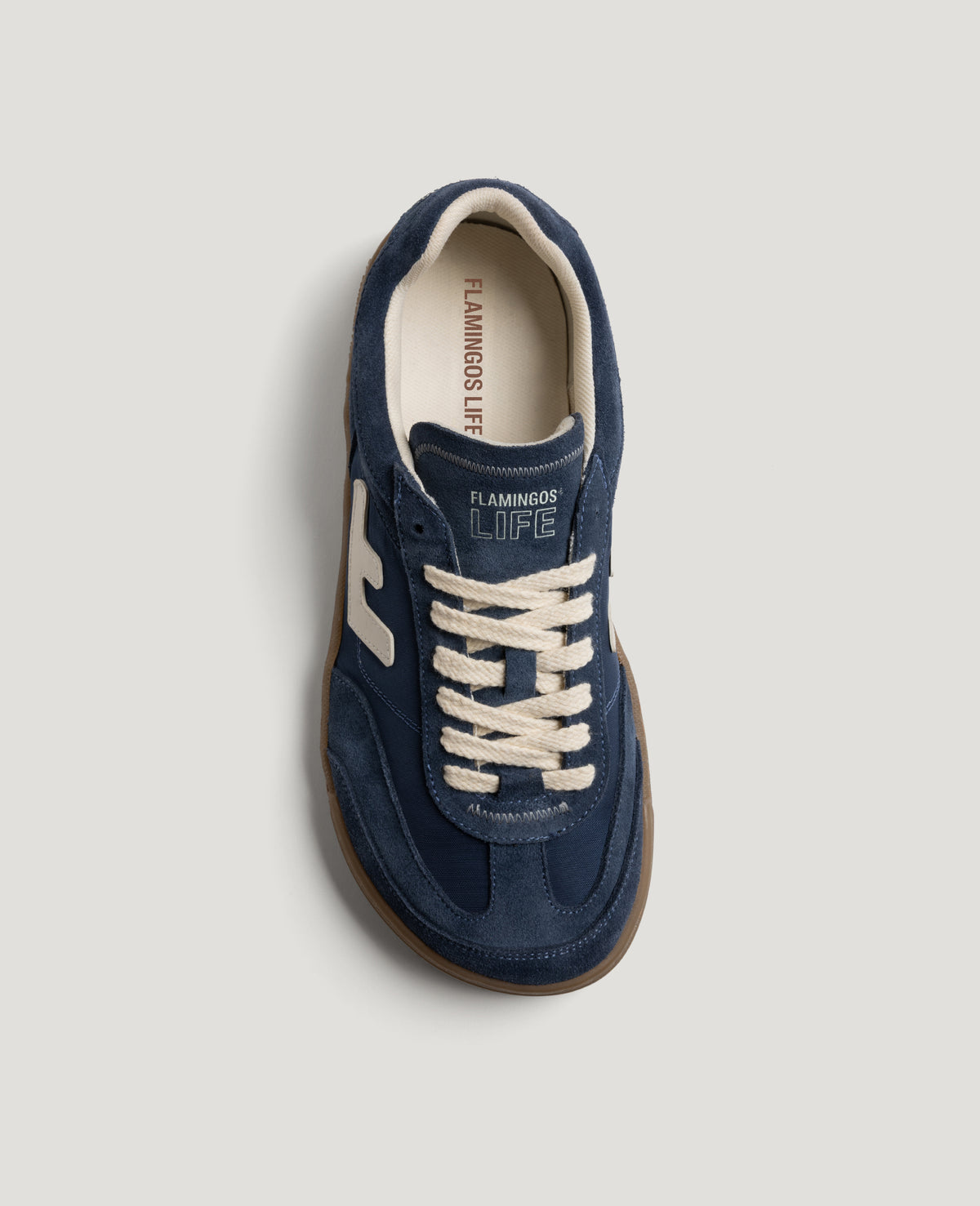
Key materials: Corn waste, cotton, bamboo, recycled polyester, and recovered leather; varies by style
Brand origin: Spain
Made in: Spain and Portugal, depending on the style
Product range: Sneakers, including retro runners and zero-drop styles
Vegan options: Yes; the current collection is not entirely vegan
Flamingos’ Life has the kind of range that makes us want to keep browsing. Its Burela Slim answers the appetite for sleeker retro sneakers, while the Wairoa leans into early-2000s running style. The zero-drop collection gives the brand another distinct direction. We like that these look like considered footwear designs, with materials and colours chosen to suit each silhouette, rather than the same shoe remade in several “eco” fabrics.
We also noticed a change shoppers need to know about. Flamingos’ Life still sells sneakers with corn-waste uppers and recycled linings, but its newer range includes recovered leather. The brand explains this shift on its values page and identifies leather on the relevant product listings; some older listings still say all its sneakers are vegan. We appreciate the style-specific material details, but that conflicting copy means we would check the exact pair before treating it as a vegan choice.
Our verdict: The designs earn Flamingos’ Life a place here, particularly if you want a retro sneaker or a zero-drop option. We would pay close attention to sizing and the return terms, given the concerns we found in recent buyer feedback.
7. 8000Kicks
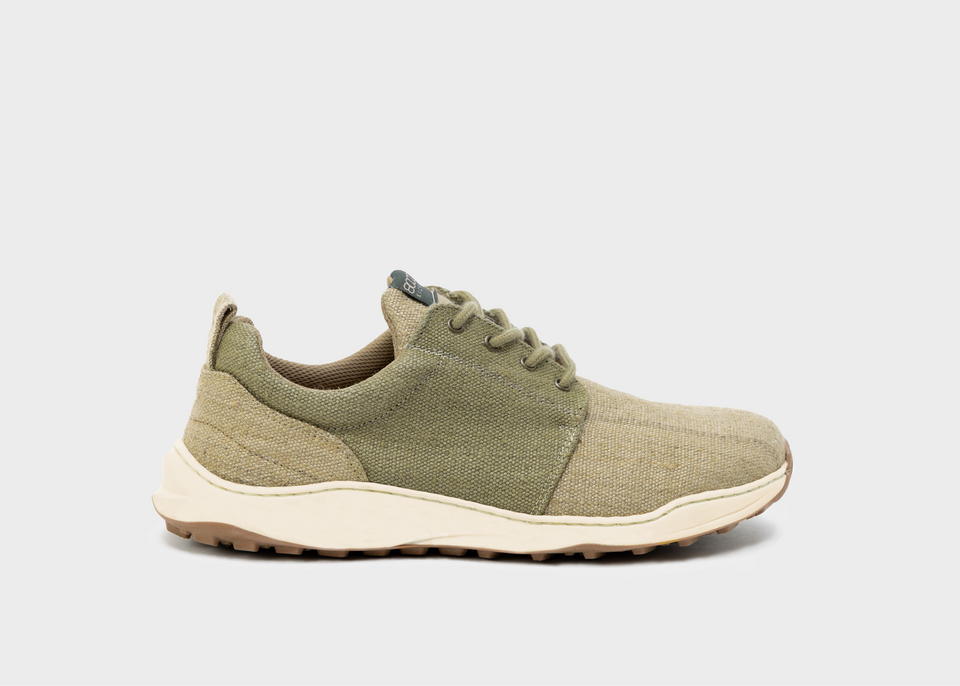
Key materials: Hemp, recycled rubber, recycled polyester, and algae-based foam; varies by style
Brand origin: Portugal
Made in: Portugal and China, depending on the style
Vegan options: Yes
Product range: Sneakers, boots, and accessories
8000Kicks makes a convincing case for hemp as a shoe material because it has designed around how people actually wear sneakers. The Seeker has a clean everyday shape and is built to handle ordinary wet weather; the Explorer is the more outdoors-focused option. We are also interested in the newer Shifter, which combines a breathable hemp knit with a wider toe box and an easy step-in design. It is currently listed for preorder, so we would check its dispatch date before choosing it.
The detail we appreciate most is the brand’s explanation of what isn’t hemp. An Explorer V2 also has a recycled-polyester lining, a waterproof membrane, and an algae-based sole; the Seeker uses recycled rubber. That makes the material story more useful than calling the whole shoe “natural.” 8000Kicks also discloses that it produces in both Portugal and China and currently traces 60% of its supply chain. There is work left to do on traceability, but the figure gives us a clearer basis for assessing its sustainable footwear claims.
Our verdict: We like 8000Kicks most for practical, everyday hemp shoes with a distinct look. For rain, check the specific model’s guidance: weatherproof does not mean suitable for submersion.
8. SAYE
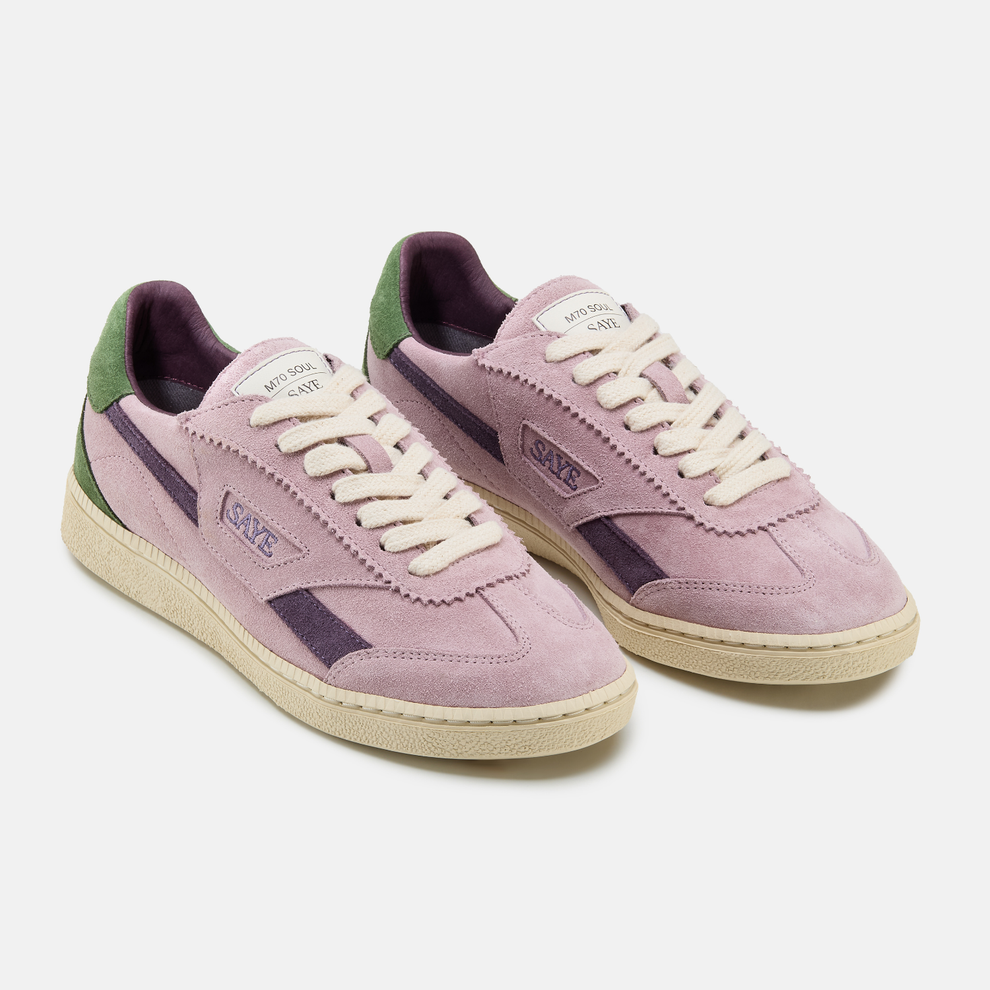
Key materials: Corn-based leather alternatives, recycled PET, recycled polyurethane, and recovered cow suede; varies by style
Brand origin: Spain
Made in: Portugal
Product range: Sneakers, apparel, and accessories
Vegan options: Yes; the current collection is not entirely vegan
SAYE is especially good at making an older sneaker shape feel fresh. Its M89 has the familiar ease of an ’80s court shoe, while the slimmer M70 Soul takes cues from handball and football footwear. Those sport-inspired shapes feel current in 2026, and we like that SAYE gives them enough colour and texture to have character without making them difficult to wear. For us, the appeal is the design first; the material choices give us a reason to look closer.
SAYE’s product pages reward that closer look. The brand lists recycled PET and corn-based polyurethane in some vegan uppers, recycled material in its insoles, and recovered lignin in newer leather alternatives. Its current M82 Core, however, uses recovered cow suede. That matters because an older SAYE announcement described a move to an entirely vegan range. We would use the current listing for the pair we want, rather than assume every SAYE sneaker is vegan or plastic-free.
Our verdict: SAYE belongs on this list for its wearable retro designs and detailed material listings. We would choose by style and composition, while keeping the durability concerns raised in buyer feedback in mind.
9. Good News
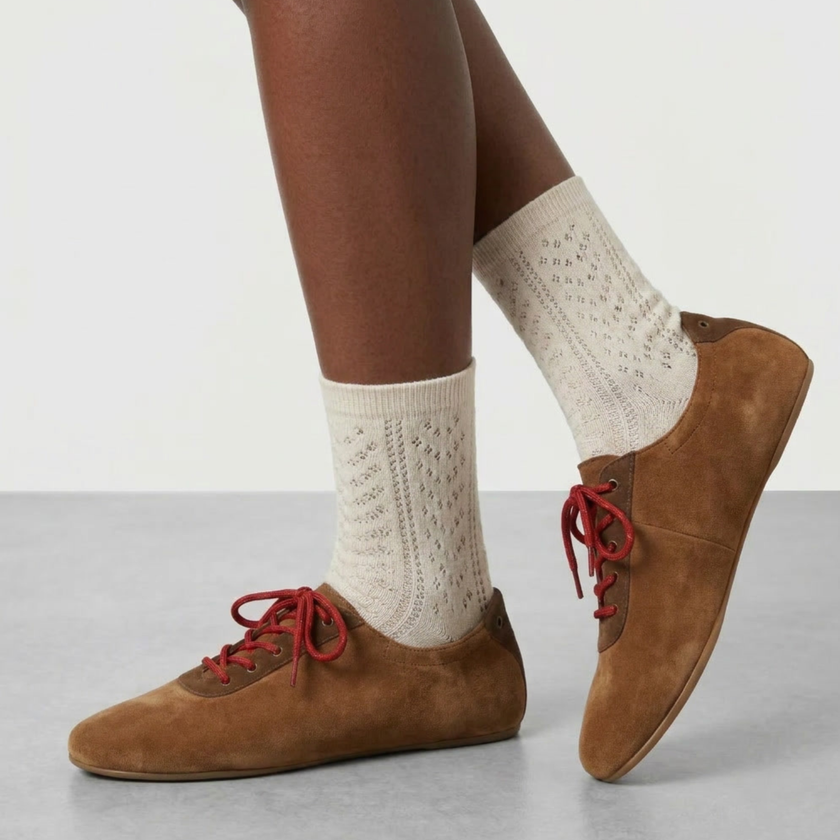
Key materials: Organic cotton, recycled rubber, and castor-oil foam in documented sneaker styles; current styles also use suede, leather, and nylon
Brand origin: United Kingdom
Made in: Not clearly disclosed on the current product pages reviewed
Product range: Sneakers, jazz shoes, loafers, Mary Janes, and mules
Vegan options: Check by style; the current collection includes leather and suede
Good News is one of the more playful labels in this lineup, and its current range is much broader than its canvas-sneaker reputation suggests. We like the Sonny’s understated gym-shoe shape and the slim Bodie jazz shoe, which feels especially in step with 2026’s interest in softer, low-profile footwear. The site presents the collection well; it is easy to see how the brand’s casual shoes have grown into a more fashion-led range.
Our hesitation is with the information behind the designs. Good News explains its use of organic cotton, recycled-rubber soles, and castor-oil foam on its sustainability pages. When we checked newer suede and nylon styles, their listings did not give the same breakdown of the upper, lining, sole, or manufacturing location. That makes it difficult to tell how much of the brand’s earlier material story applies to a shoe in today’s collection.
Our verdict: Good News earns attention for its creative designs. We would like clearer materials and production details on current listings before ranking it among the strongest sustainable shoe brands.
10. Tropicfeel
Key materials: Recycled polyester, EVA foam, and rubber; composition varies by style
Brand origin: Spain
Made in: China, Vietnam, and Europe, depending on the product
Certification: Certified B Corporation
Product range: Travel sneakers, backpacks, clothing, and accessories
Tropicfeel makes the most sense to us when luggage space is limited. Its shoes are designed to move between a city walk, a light trail, and a stop by the water without demanding three separate pairs. We like the All-Terrain 2 for that mix of grip and quick-drying construction; the Lava is another water-friendly option. Their outdoors-meets-everyday look also fits the continuing interest in trail-inspired shoes, while remaining practical for the travel use Tropicfeel actually designs for.
The product pages give us unusually specific material percentages. On the All-Terrain 2, the upper is 60% recycled polyester, but the midsole is 20% recycled EVA and the outsole combines natural and synthetic rubber. That breakdown is more helpful than treating the whole sneaker as “made from recycled bottles.” We also appreciate the model-specific fit advice: Tropicfeel says the All-Terrain 2 runs large, while the Jungle runs small. Those details matter when you are ordering shoes for a trip.
Our verdict: Tropicfeel is a smart choice if you value packable, water-friendly footwear. Choose the model for your trip: its quick-drying shoes are different from the All-Terrain HDry, which has a waterproof membrane.
11. hylo athletics
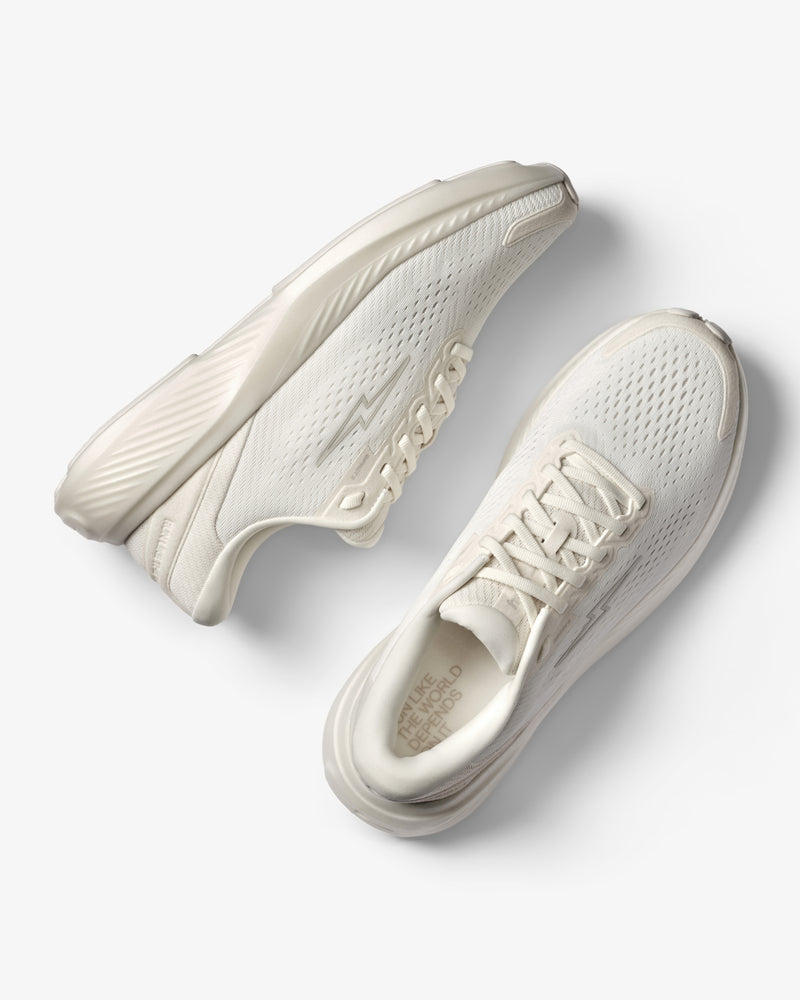
Key materials: Recycled polyester, bio-based EVA, and natural rubber
Brand origin: United Kingdom
Made in: Vietnam
Product range: Men’s and women’s running shoes
Credentials: Certified B Corp; vegan footwear
hylo athletics earns its place here because its shoes have a clear purpose beyond looking good. The IMPACT 2 is a lighter, neutral trainer for everyday runs; the AXIS offers more cushioning and guidance. We like the restrained colours and clean shape, which make both easy to wear after a run. More useful, though, is that the brand explains who each shoe is for.
Its material disclosures are also worth a closer look. hylo lists the components in each model, including recycled polyester, bio-based foam, and natural rubber, and offers a care and recycling program called hyloop. That gives shoppers more to assess than a broad “eco-friendly” claim. The limit is clear too: bio-based and recycled materials make up around half of these shoes, and the recycling program is still a step toward circularity rather than a finished solution.
Our verdict: One of the strongest sustainable footwear picks here for people who actually run. Choose IMPACT 2 for a neutral daily shoe or AXIS if you want added support.
What to Look For in Sustainable Shoes
The best sustainable shoe brands make their trade-offs visible. A recycled upper may be a good start, but we also want to know what the lining and sole contain, and whether worn parts can be repaired. Use the checks below to judge a pair you would actually wear.
A breakdown of the whole shoe: Check the upper, lining, midsole, outsole, and adhesives. A recycled upper tells you little about the rest. Percentages and details for the specific style are more useful.
Durability you can assess: Look for construction details, care guidance, and customer feedback on how the shoes hold up. For styles you plan to wear heavily, check whether insoles or worn parts can be replaced.
Clear production information: The brand should identify where its shoes are made and explain how it monitors working conditions. A statement about “ethical production” needs supporting detail.
Precise material claims: Vegan means no animal-derived materials; it does not tell you the shoe’s full environmental impact. Likewise, a plant-based component does not make the entire shoe plant-based.
A realistic end-of-life plan: If a brand offers repair or take-back, check where the service is available and what happens to returned shoes.
Frequently Asked Questions
Which is the best sustainable shoe brand in this guide?
LØCI is our overall pick for distinctive vegan sneakers with a broad range of styles. If you need a road-running shoe, choose hylo athletics; if repairability matters most, consider Wayz.
Can I actually run in any of these shoes?
Start with hylo athletics if you mean regular road running. It’s IMPACT 2 is a neutral trainer; the AXIS adds support. A sneaker with a running-inspired shape, such as MoEa’s RUSH, is a different purchase.
For a rainy trip, should I pack Tropicfeel or 8000Kicks?
Choose Tropicfeel if your shoes may get wet and you want them to dry quickly. Choose an 8000Kicks Explorer V2 if keeping rain out matters more. Its membrane adds protection, but it is still a shoe, not a boot for wading.
Are SAYE and Flamingos’ Life still vegan brands?
Don’t rely on an older brand description. SAYE’s M82 Core includes cow suede, and Flamingos’ Life now sells recovered-leather styles. Both may appeal for other reasons, but vegan shoppers need to check the exact pair.
If MoEa uses apple or grape waste, am I avoiding plastic?
Not entirely. MoEa’s fruit-based uppers use binders; one grape material lists 55% grape content and 45% water-based polyurethane in its coating. The percentages on the product page tell you more than the fruit name does.
What should I know before ordering custom DiVERGE sneakers?
Allow around three weeks for a pair to be made in Portugal. DiVERGE says it accepts a return or one exchange even on customised orders, but check the terms for your location before choosing your size.
Will Flamingos’ Life Zero Drop feel like my usual sneakers?
Probably not. Its sole is flat and about 5.5 mm thick, so it offers a very different underfoot feel from a cushioned running shoe. Buy it because you want that flexible, close-to-ground design, not solely for its look.
Keep browsing
Browse similar brands
Explore independent labels in our directory related to this story.
Browse all brands