12 Best Sustainable Swimwear Brands in the UK Worth Trying
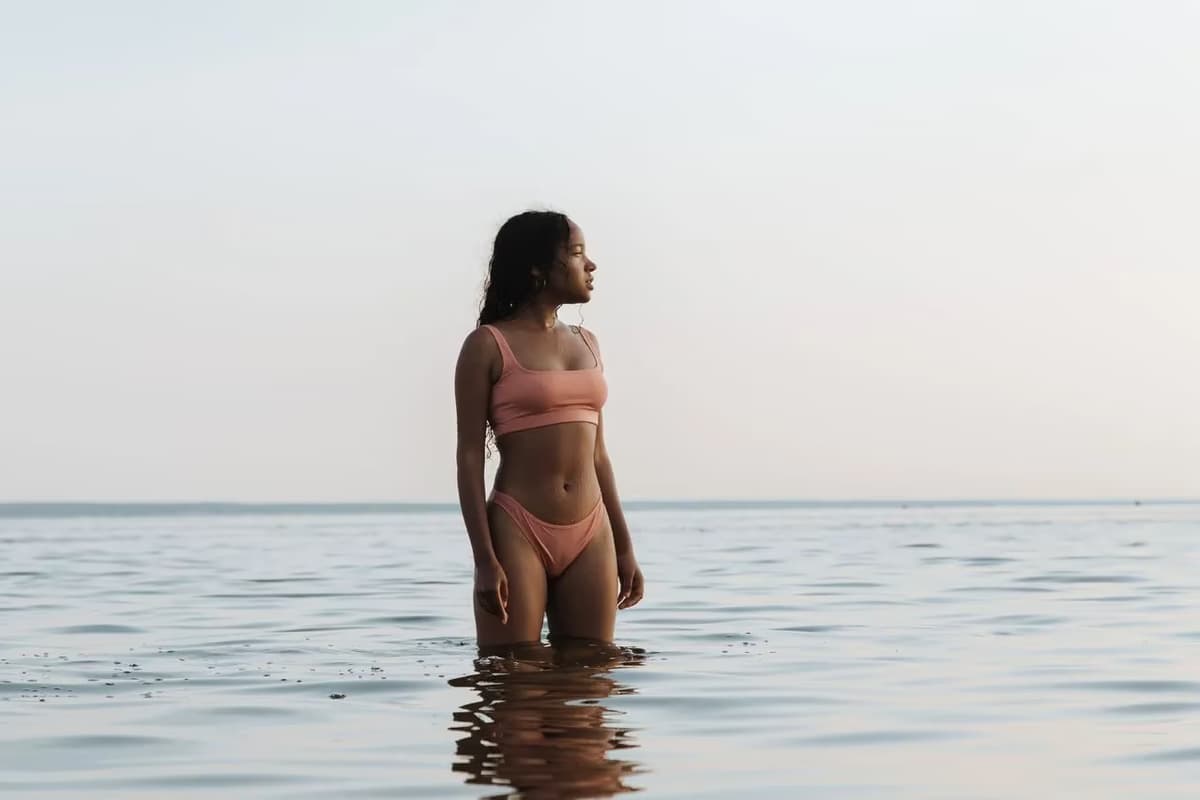
Discover 12 of the best sustainable swimwear brands in the UK, from supportive swimsuits and bikinis to wild-swimming and luxury styles.
Swimwear may be made for the water, but most of it begins with plastic. Nylon, polyester and elastane dominate the market, yet a UK YouGov poll found that 45% of adults did not know new clothing could contain plastic. Recycled fabrics reduce the need for virgin materials, but they do not automatically make a swimsuit sustainable. How long it lasts, where it is made and how openly the brand explains its practices matter too.
That is why we looked beyond recycled-fabric claims when choosing the best sustainable swimwear brands in the UK. From supportive one-pieces and adjustable bikinis to wild-swimming suits and luxury statement styles, these independent brands offer more thoughtful options for different bodies, budgets and ways of enjoying the water.
What Makes Swimwear Sustainable?
Sustainable swimwear should reduce its impact without compromising fit, comfort or durability in the water. Here are the main factors we considered:
Lower-impact materials: Many brands use ECONYL®, REPREVE® or other recycled nylon and polyester made from fishing nets, fabric scraps or plastic waste. These reduce demand for virgin materials, although they can still release microplastics.
Long-lasting construction: A swimsuit that retains its shape and withstands chlorine, saltwater and regular wear is less likely to need replacing after one season.
Responsible production: Small production runs, made-to-order designs and local manufacturing can reduce overproduction and unsold stock.
Manufacturing transparency: Ethical swimwear brands should clearly explain where their products are made, what materials they use and, ideally, how workers are treated.
Thoughtful design: Adjustable straps, reversible styles and separates sold individually can improve fit and make each piece useful for longer.
No swimsuit is entirely impact-free. The strongest sustainable swimwear brands are open about these limitations and show progress across several areas rather than relying on recycled fabric as their only claim.
How We Selected These Brands
We started with independent UK swimwear brands and reviewed their current collections, material information, production practices and brand transparency. To earn a place, each brand needed to show meaningful progress in more than one area, such as using recycled or lower-impact fabrics, producing in small batches, manufacturing locally or designing swimwear to last.
We also considered fit, support, price and suitability for different activities. This helped us include options for everything from pool and wild swimming to beachwear, fuller busts and men’s swimwear. Brands that had stopped trading or provided too little evidence to support their sustainability claims were excluded.
12 Best Sustainable Swimwear Brands in the UK
1. Davy J

Best for: Supportive swimwear for active and open-water swimming
Based in: South Devon, United Kingdom
Price range: Approximately £40–£140
Davy J makes women’s sustainable swimwear designed for more than relaxing by the pool. Its collection includes one-piece swimsuits, bikinis, long-sleeved tops, leggings and shorts for swimming, surfing, paddleboarding and other water activities. Many pieces use ECONYL®, a regenerated nylon yarn made from pre- and post-consumer waste, including discarded fishing nets and fabric scraps.
The swimsuits are double-lined and contain a high percentage of elastane to provide compression and prevent them from moving around in the water. Davy J also offers repairs for damaged pieces, a take-back scheme for worn-out swimwear and a preloved section. Its products are designed in England, although current styles such as the Classic Crossback Swimsuit are manufactured in Portugal.
We noted that Davy J is among the more expensive sustainable swimwear brands in the UK, with full-price swimsuits reaching around £140. The firm's compressive fit may also feel restrictive to shoppers who prefer softer swimwear, while those with a longer torso may need to size up. ECONYL reduces the need for virgin nylon, but the fabric still contains elastane and can release plastic microfibres during washing.
2. Tide + Seek

Best for: Colourful swimwear for surfing and active beach days
Based in: Cornwall, United Kingdom
Price range: Approximately £62–£95
Tide + Seek is an independent British swimwear brand known for bold prints inspired by surfing, travel and retro design. Its collection includes one-piece swimsuits, mix-and-match bikinis and swim leggings, with supportive styles designed to remain secure while swimming, surfing or paddleboarding.
The printed fabric uses REPREVE® made from post-consumer plastic bottles, while the lining uses regenerated ECONYL® nylon. A typical swimsuit contains 86% recycled polyamide and 14% elastane in the outer fabric, with a 78% recycled-polyamide lining. The pieces are chlorine- and saltwater-resistant and offer UPF 50+ protection. Production takes place through a partner factory in Bali, which the brand says pays above the local minimum wage and provides employees with medical insurance.
We noted that bikini tops and bottoms cost around £62–£68 each, making a complete set more expensive than the £95 swimsuits. The recycled synthetic fabrics can still shed microfibres, and their elastane content makes them difficult to recycle. Some prints and sizes also sell out quickly, which may limit the choice available within matching sets.
3. BATOKO
Best for: Colourful one-piece swimsuits for outdoor swimming
Based in: North West England, United Kingdom
Price range: Approximately £60
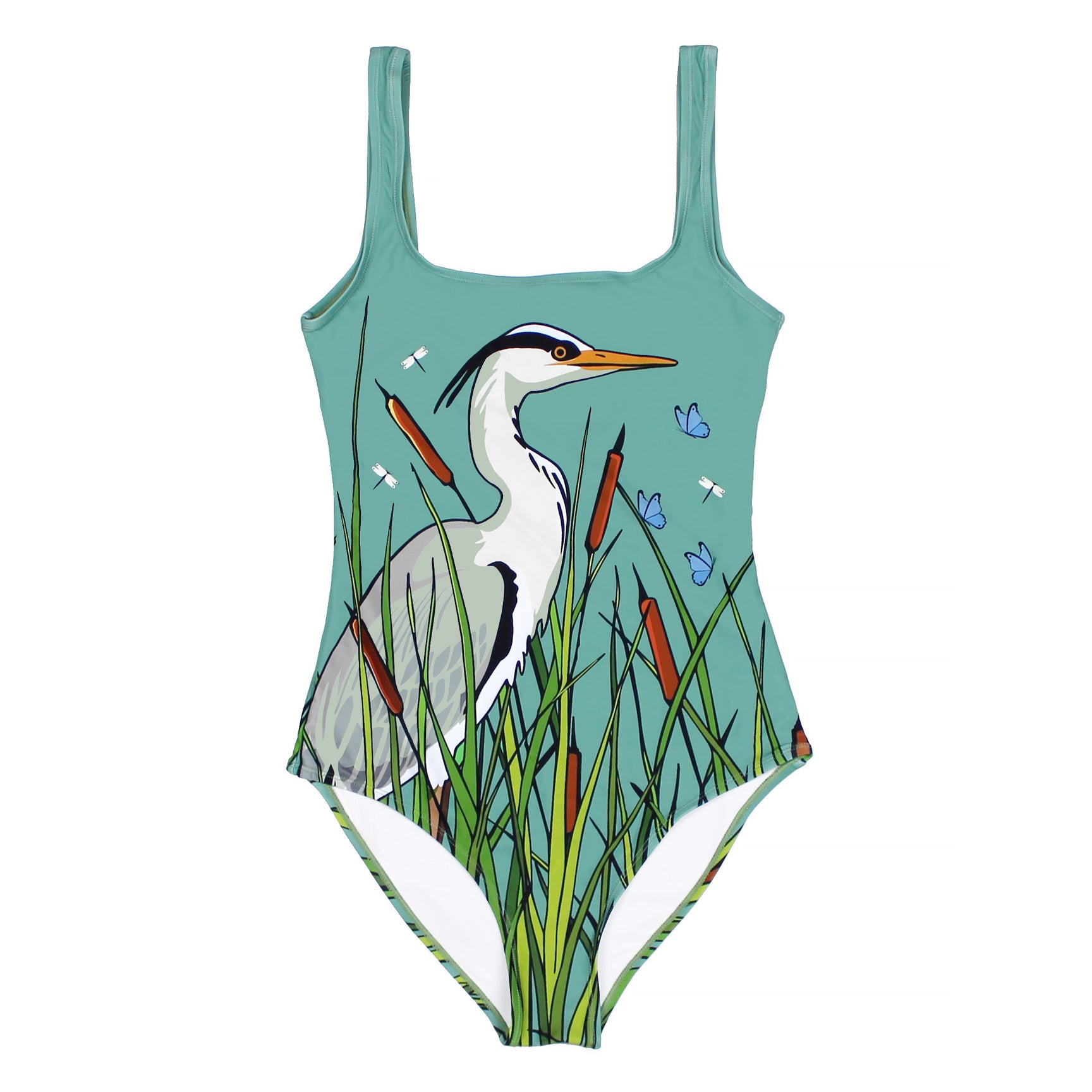
BATOKO is a small independent British brand known for its playful wildlife prints, featuring puffins, seals, whales, jellyfish and other nature-inspired designs. Its collection focuses on fully lined one-piece swimsuits with a scooped back and secure fit, making them suitable for sea swimming, paddleboarding and regular pool use.
The swimsuits are made from 85% recycled polyester sourced from post-consumer plastic waste and 15% elastane. BATOKO uses digitally printed fabric and produces in small batches to reduce excess stock. Manufacturing takes place in China through a partner audited against the BSCI Code of Conduct.
We noted that BATOKO offers one core swimsuit shape, without bikinis, adjustable straps, cups or underwiring. This keeps the collection focused but may not provide enough choice or bust support for everyone. The recycled polyester can also shed microfibres and remains difficult to recycle when blended with elastane.
4. Talia Collins

Best for: Luxury swimwear with timeless, sculpted designs
Based in: London, United Kingdom
Price range: Approximately £80–£190
Talia Collins creates luxury sustainable swimwear combining clean silhouettes with bold colours and statement details. Its collection includes classic, asymmetrical, cross-back and reversible swimsuits, alongside mix-and-match bikinis. Several styles offer fuller brief coverage, while selected pieces can be personalised with embroidered initials.
The brand primarily uses ECONYL® regenerated nylon made from waste such as abandoned fishing nets and discarded plastics. Its fabrics are woven in Italy, certified to OEKO-TEX® Standard 100 and manufactured at a family-run factory in Portugal. The swimwear also offers sun protection, while the regenerated fabric reduces demand for virgin nylon.
We noted that Talia Collins sits at the luxury end of the market, with many swimsuits costing around £155–£190. Support varies between designs, as several styles do not include padding or built-in bust support. Sizing can also differ depending on the fabric, with the brand recommending sizing up or down for certain collections. Although ECONYL® uses existing waste, it remains a synthetic material and is difficult to recycle once blended with elastane.
5. Made of Water
Best for: Sustainable swimwear designed for wild swimming
Based in: Newquay, Cornwall, United Kingdom
Price range: Approximately £35–£85
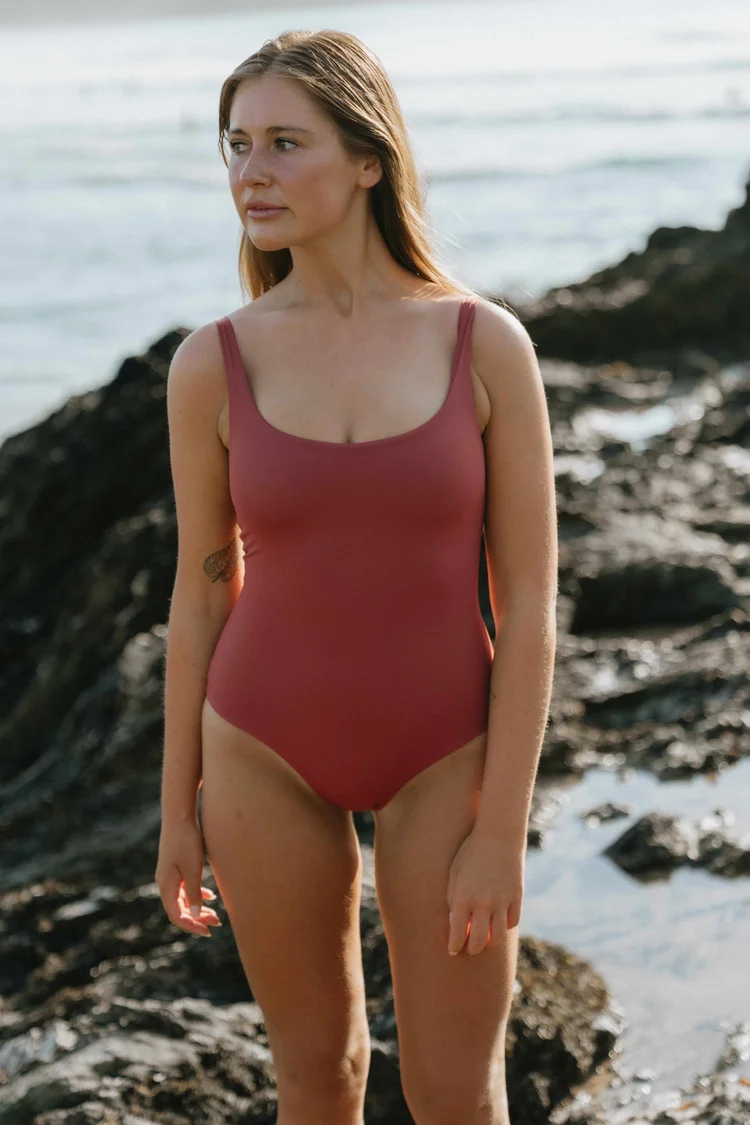
Made of Water is a small independent brand creating women’s swimwear for wild swimmers and cold-water enthusiasts. Its collection includes classic one-piece swimsuits and mix-and-match bikinis, designed in Cornwall and tested throughout the year in the Atlantic Ocean.
Its swimwear uses Italian fabric made with ECONYL® regenerated nylon. The pieces are double-lined, provide UPF 50+ protection and are designed to retain their shape through regular use. Production takes place in limited quantities at a solar-powered facility in Indonesia, helping the brand avoid the excess stock associated with mass production.
We noted that the brand’s own collection is relatively small, and certain colours and sizes have limited availability or sell out. Some designs may also offer less bust support than structured or underwired swimwear. Although ECONYL® reduces demand for virgin nylon, it remains a synthetic material that can release microfibres and is difficult to recycle when blended with elastane.
6. SeaMorgens
Best for: Ocean-inspired swimwear for active water lovers
Based in: Lincolnshire, United Kingdom
Price range: Approximately £30–£65
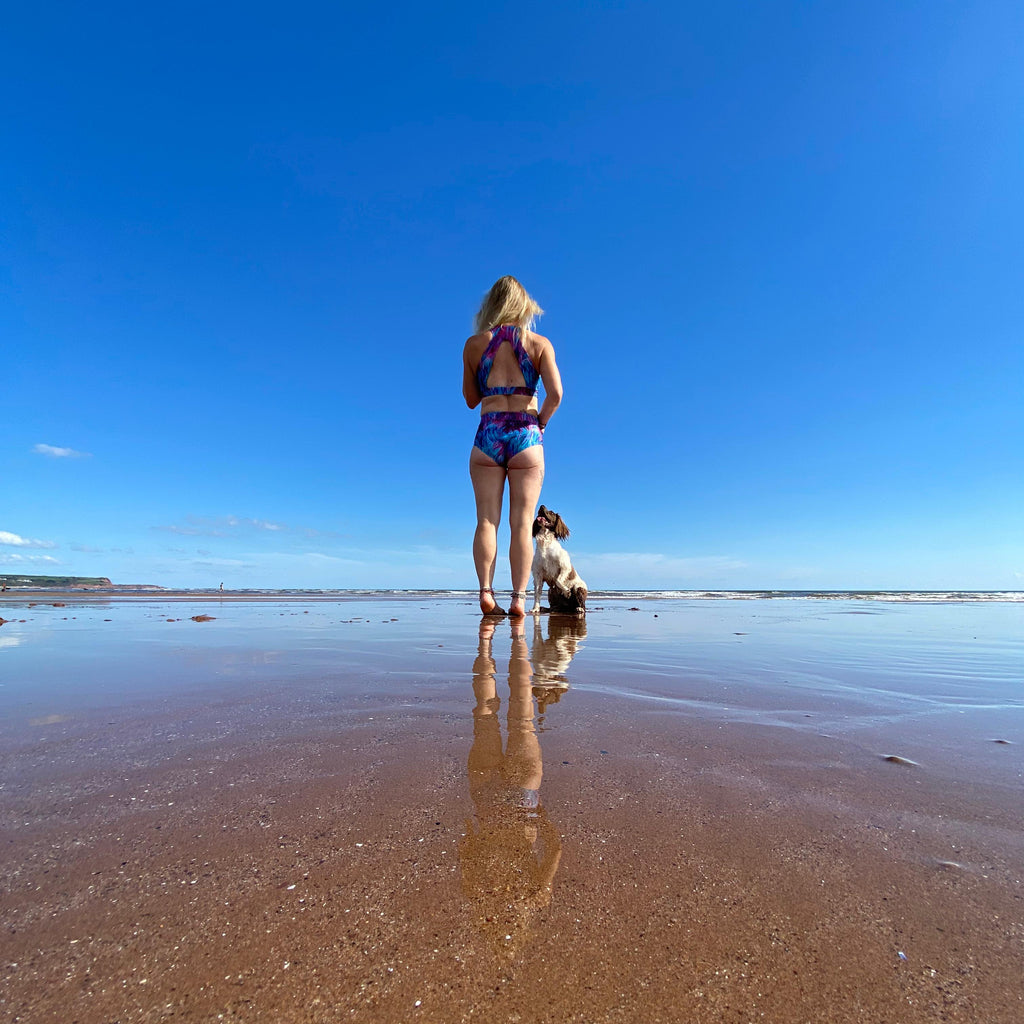
SeaMorgens creates sustainable swimwear featuring original prints inspired by marine life, including manta rays, boxfish, sharks and seashells. Its collection covers swimsuits, mix-and-match bikinis, rash guards and swim leggings designed for activities such as wild swimming, freediving and paddleboarding.
The printed fabric is made using recycled polyester derived from PET bottles, while the plain fabric uses ECONYL® regenerated nylon made from waste such as discarded fishing nets and fabric scraps. Pieces are fully lined, produced in small batches and designed without plastic fastenings or hardware. SeaMorgens also uses some production offcuts for accessories and supports marine conservation projects through selected collections.
We noted that the bold marine prints may not appeal to shoppers looking for plain or understated swimwear. Although several designs are described as supportive, the range does not include underwired or cup-sized options, and the sculpting fit can take some wriggling into, making the size guide important. Its recycled polyester and nylon also remain synthetic materials that can release microfibres and are difficult to recycle once blended with elastane.
7. Zigi Swim
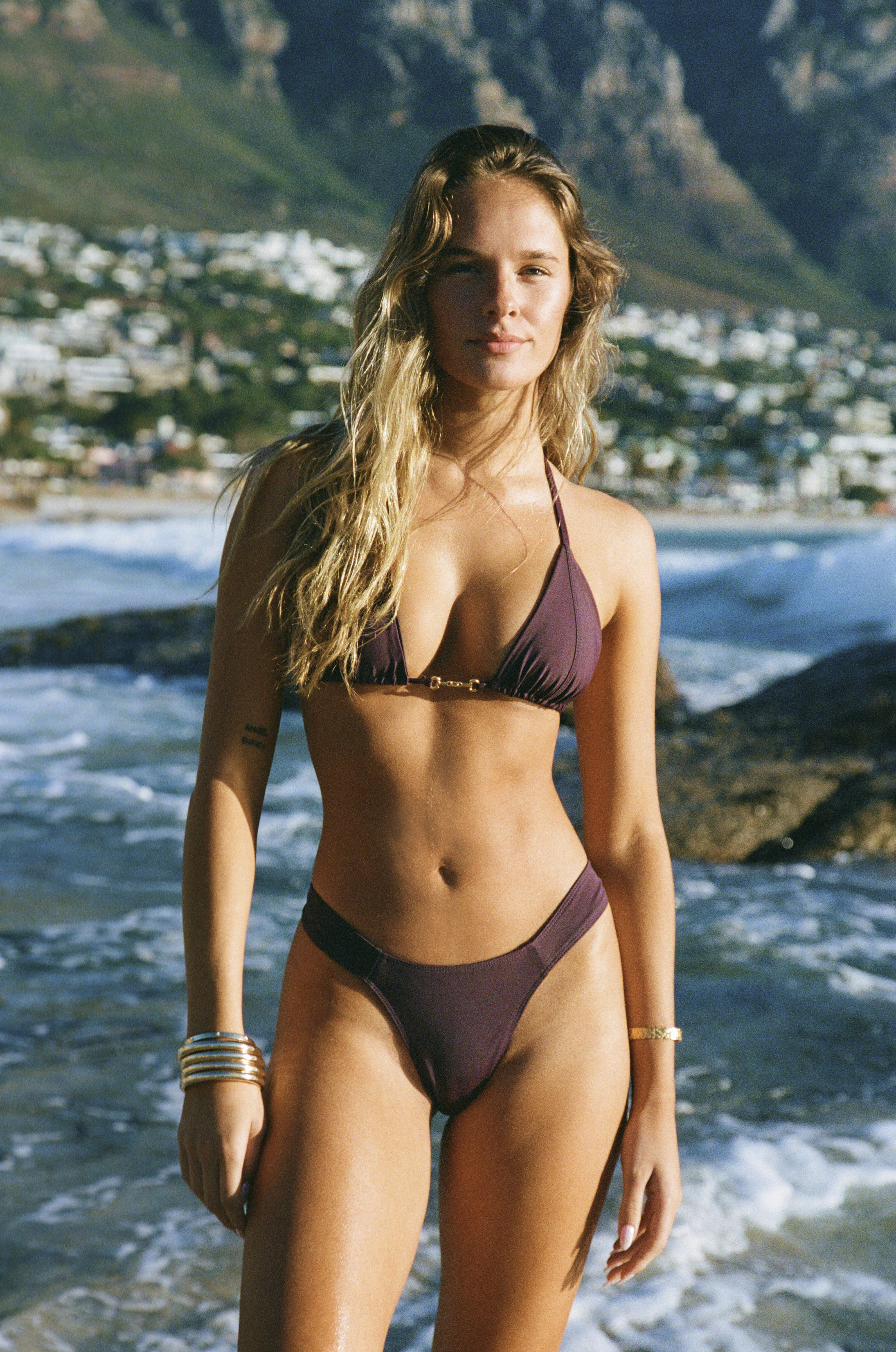
Best for: Adjustable bikinis designed for different bust shapes
Based in: London, United Kingdom
Price range: Approximately £55–£75 per piece
Zigi Swim is a woman-founded British brand specialising in adjustable bikinis designed to provide a more personalised fit. Its collection includes tie-back, halterneck, underwired and side-boned tops, alongside bottoms with different levels of coverage. Several designs can also be tied or worn in more than one way.
The bikinis use ECONYL® regenerated nylon or recycled polyester blended with a small percentage of spandex. They are double- or triple-lined for support and made in London using Italian fabrics and European hardware. Zigi Swim produces in small batches to reduce excess stock, uses plastic-free packaging and contributes towards coral restoration with every order.
We noted that Zigi Swim currently focuses on bikinis, with no one-piece swimsuits or performance styles for regular pool and open-water swimming. A complete set costs approximately £120–£130, placing it towards the more expensive end of this guide. Its regenerated and recycled fabrics also remain synthetic and may release microfibres.
8. JUNK LDN
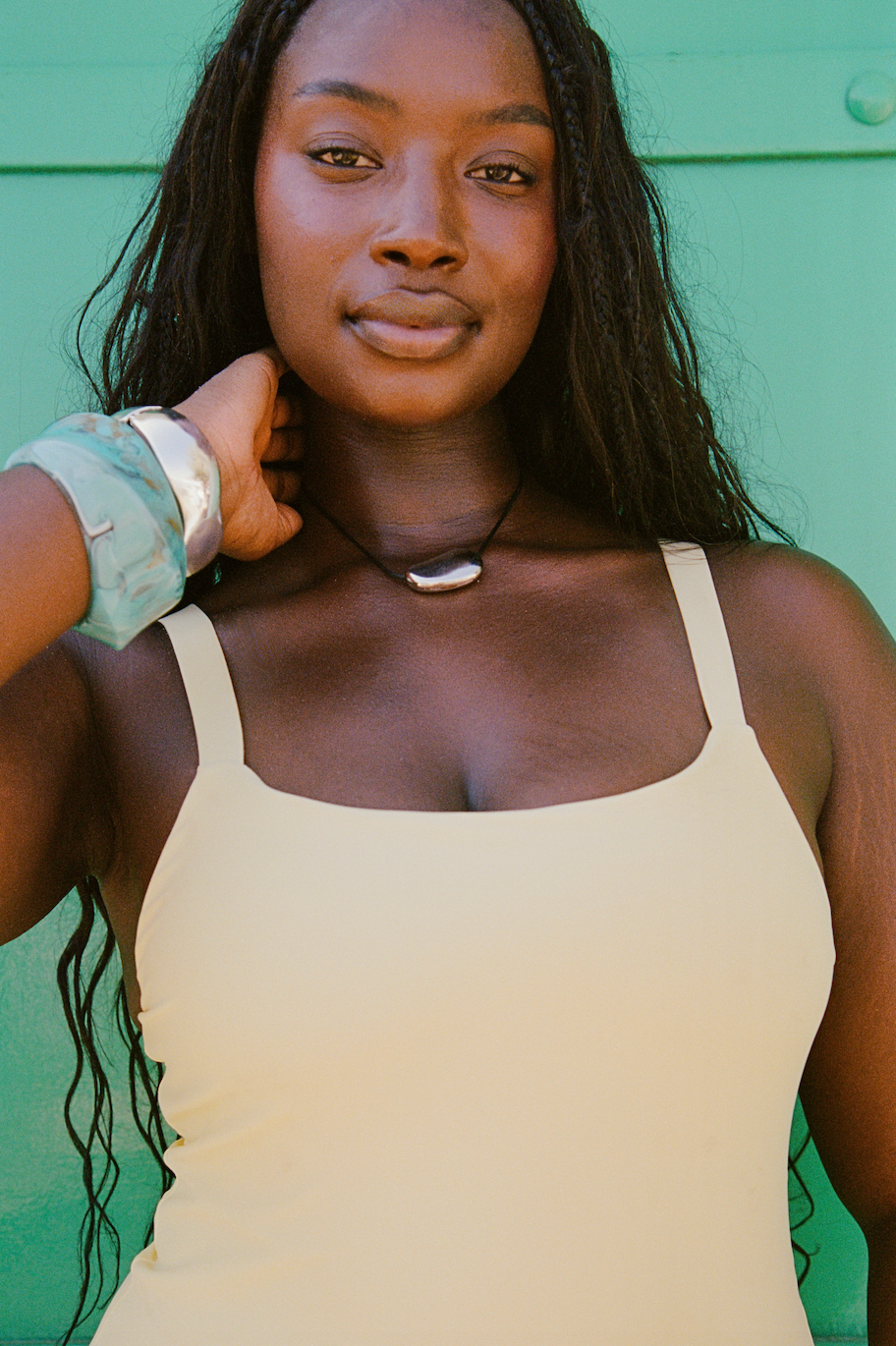
Best for: Fuller-bust-friendly bikinis in bold colours and prints
Based in: London, United Kingdom
Price range: Approximately £50–£80 per piece
JUNK LDN creates colourful sustainable swimwear in sizes XS to 3XL. Its collection includes underwired and adjustable bikini tops, several brief shapes and one-piece swimsuits. Shoppers can buy tops and bottoms separately, making it easier to combine different sizes, coverage levels and prints.
The brand uses REPREVE® fabric made from ocean-bound plastic bottles and ECONYL® regenerated nylon made partly from discarded fishing nets. Its fabrics are digitally printed using OEKO-TEX®-certified dyes, while production takes place at a specialist swimwear factory in Bali. JUNK LDN also produces in small runs, offers a repair service and says it does not send unsold stock to landfill.
We noted that a complete bikini generally costs around £100–£120. Although the adjustable and underwired designs can provide better support, most are sold in general sizes rather than individual bra-cup sizes, so the fit may still vary for fuller busts. The recycled fabrics also contain elastane and can release synthetic microfibres during washing.
9. Oceanus
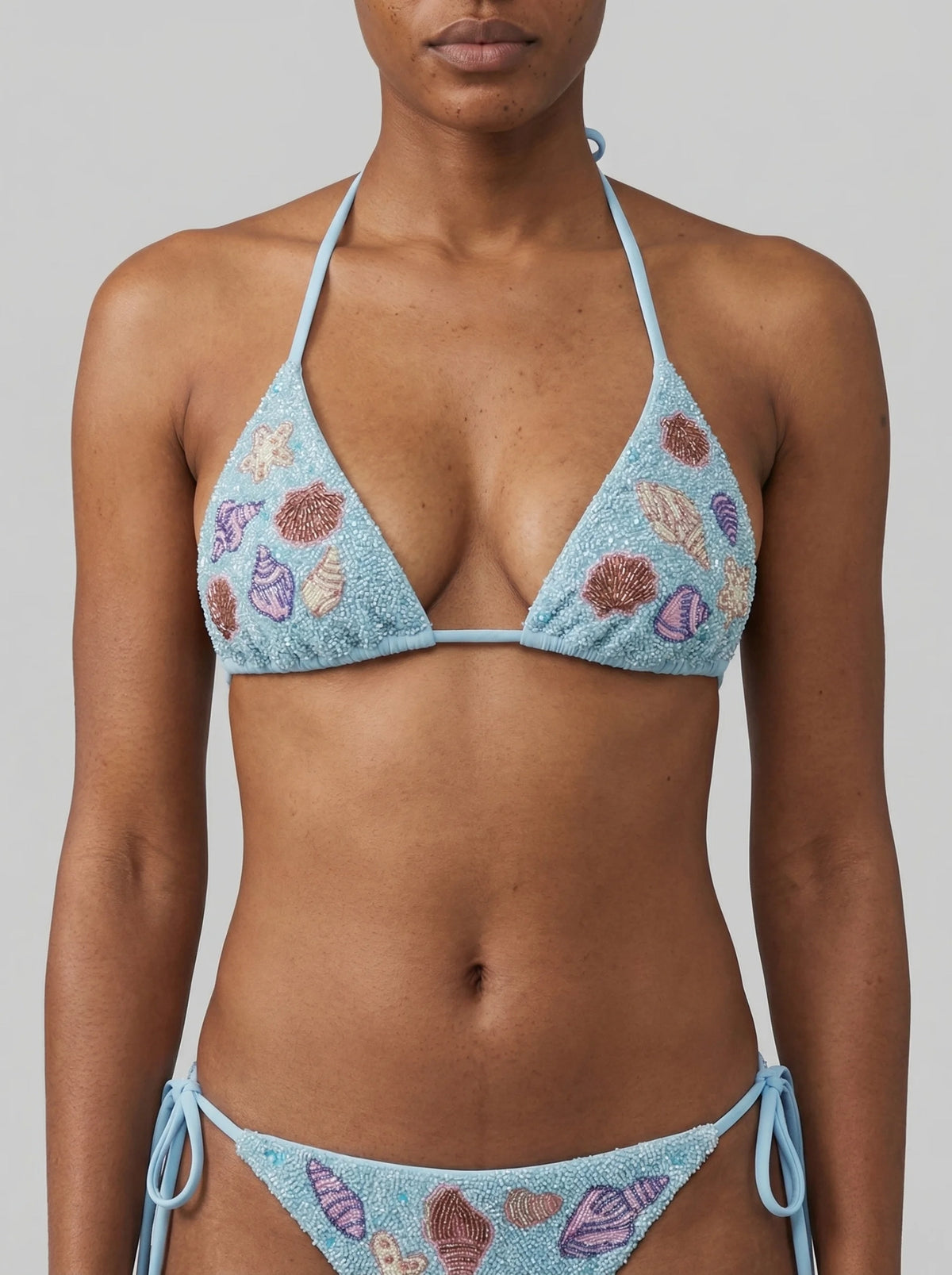
Best for: Hand-embellished luxury swimwear that doubles as occasionwear
Based in: London, United Kingdom
Price range: Approximately £120–£424
Oceanus creates statement swimwear inspired by the glamour of the 1980s. Its collection includes high-cut swimsuits and bikinis decorated with beads, sequins and crystals, with some designs available through a made-to-order service. The pieces are intended to work as both swimwear and bodysuits for holidays, parties and festivals.
The brand uses ECONYL® regenerated nylon made partly from recovered fishing nets and other nylon waste. Many pieces are embroidered by hand, adding an artisanal element that distinguishes Oceanus from the performance-focused brands in this guide. Its made-to-order options may also help limit unnecessary stock.
We noted that Oceanus is considerably more expensive than most sustainable swimwear brands, with heavily embellished swimsuits costing over £300. The delicate beadwork requires hand washing and may be less practical for frequent swimming or vigorous water activities. Customer feedback also mentions occasional sizing inconsistencies, making it important to check the measurements and returns policy before ordering.
10. Ashlea Baker
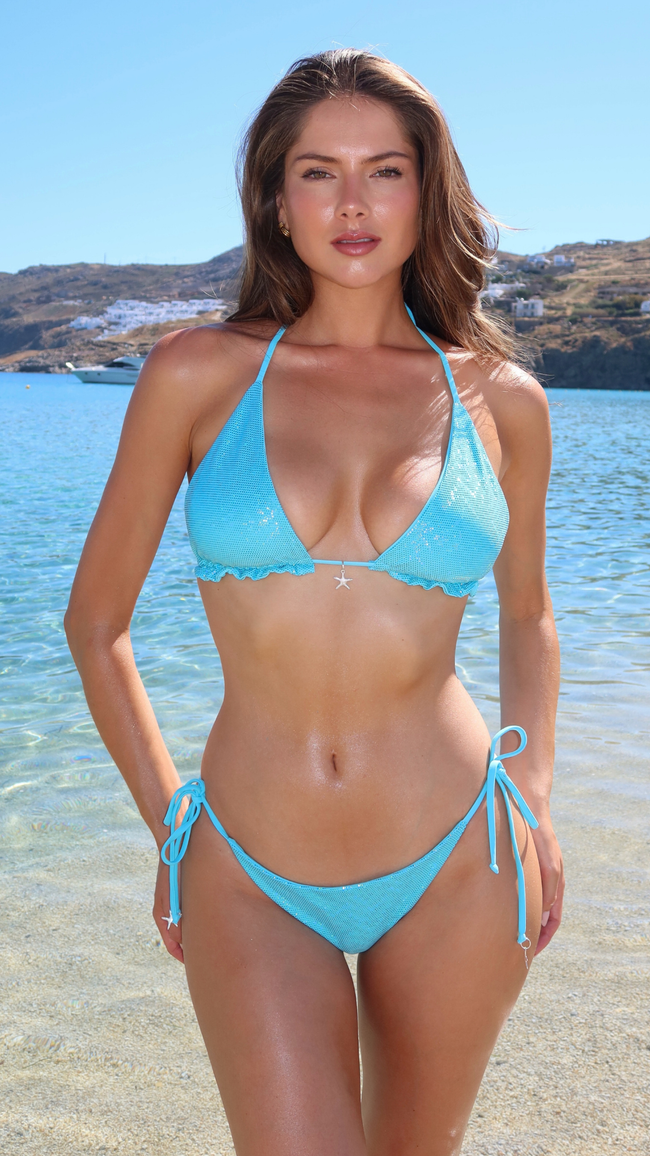
Best for: Handmade and customisable swimwear at accessible prices
Based in: London, United Kingdom
Price range: Approximately £28–£70 per piece
Ashlea Baker is an independent swimwear brand whose pieces are designed, cut and sewn by its founder in a London studio. The collection includes printed bikinis, one-piece swimsuits and cover-ups, with many styles offered in sizes XS to 6XL. Shoppers can purchase ready-made pieces or use the custom service to select a preferred design, fabric and size.
Producing in small runs helps the brand avoid the volume and excess stock associated with mass manufacturing. Certain printed fabrics are produced in London using a waterless process that reportedly consumes 95% less energy than conventional textile printing. Items that sell out can be handmade on preorder, while custom orders are generally dispatched within five to ten working days.
We noted that the material credentials vary across the collection. Some styles use regenerated nylon or lower-impact printing, while others are made from conventional polyester and Lycra, so shoppers should check the composition of each product rather than assuming every design uses recycled fabric. The range also focuses more on holiday and beachwear than technical support for frequent pool, surfing, or open-water use.
11. Soso Swim
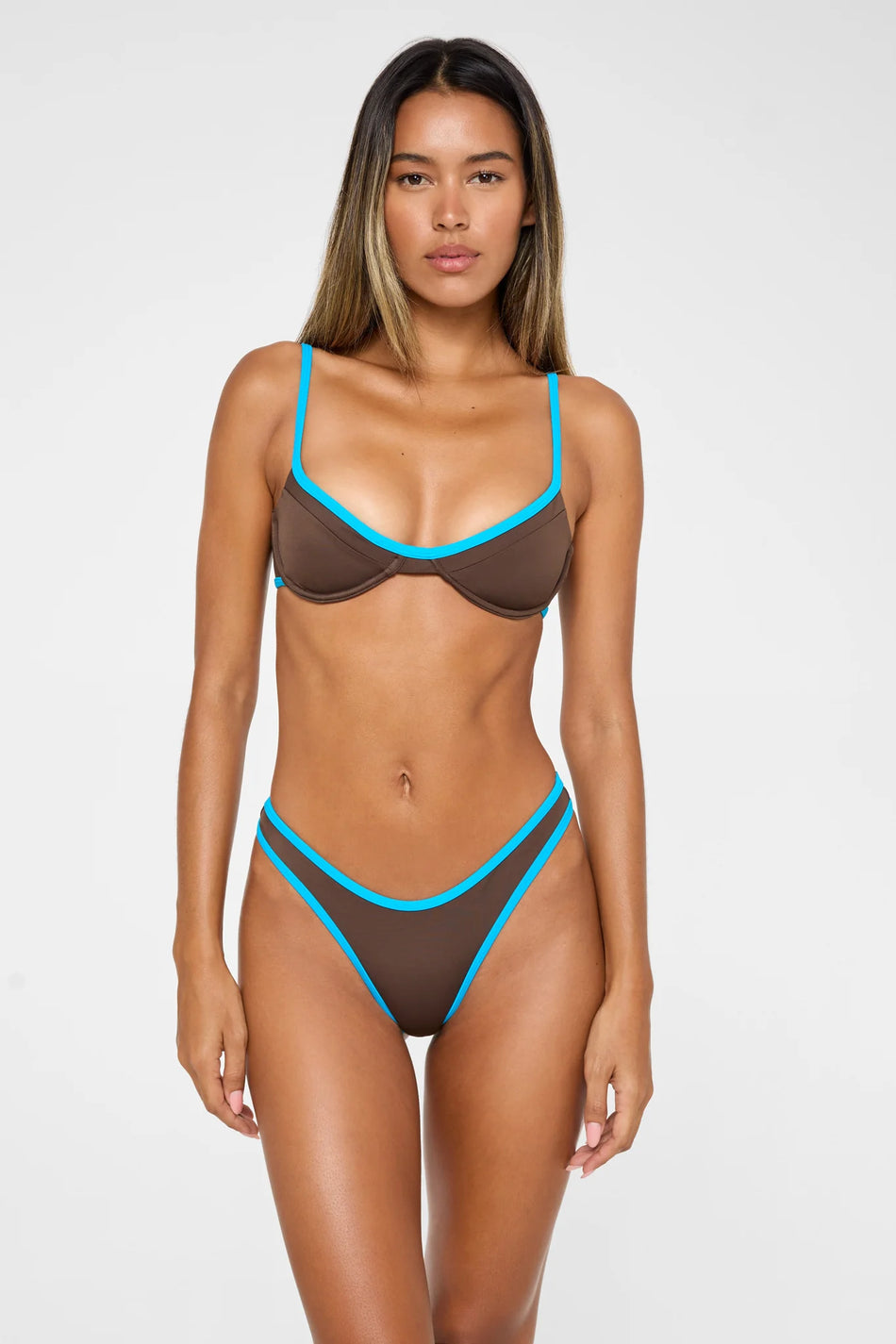
Best for: Minimalist, mix-and-match swimwear
Based in: United Kingdom
Price range: Approximately £40–£80 per piece
SoSo Swim creates simple, figure-hugging swimwear in block colours and occasional prints. Its collection includes one-piece swimsuits alongside wired, bandeau, string and bralette bikini tops, which can be paired with bottoms offering different rises and coverage levels.
Every piece is made from 78% recycled polyamide sourced from discarded fishing nets and other waste, blended with 22% elastane. The brand says its swimwear is made in the UK, uses plastic-free packaging and is twice as resistant to chlorine, sun cream and oils as conventional swim fabric. It also gives 1% of sales to Healthy Seas and offers pre-owned pieces through a resale partner.
We noted that the high elastane content makes the fabric difficult to recycle, while the brand acknowledges that it can release microplastics during washing. Some customer reviews also report that particular bikini tops run small or provide limited coverage, especially for larger busts, so checking the measurements and customer size gallery is advisable before ordering.
12. Tona The Label
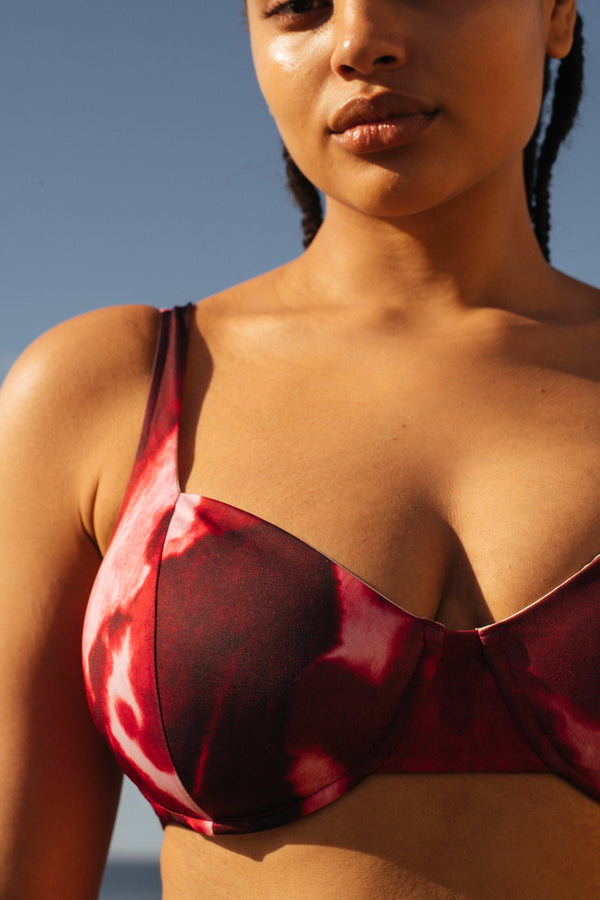
Best for: Supportive bikinis for fuller busts
Based in: London, United Kingdom
Price range: Approximately £50–£85 per piece
Founded by stylist Tona Stell, Tona The Label creates contemporary bikinis designed for a broader range of body shapes. Its collection includes underwired, bandeau and soft-cup tops alongside high-waisted and high-leg bottoms. Bikini tops are available in cup sizes C–G, while other pieces run from UK sizes 8–20.
Most styles use ECONYL® regenerated nylon. The printed outer fabric typically contains 78% recycled polyamide and 22% elastane, while the lining contains 82% recycled polyamide and 18% elastane. The fabrics are made in Italy and Spain, and the brand uses recycled-fabric labels, recycled kraft packaging and biodegradable mailing bags.
We noted that Tona currently focuses on bikinis, with no one-piece or performance swimwear available. A complete set generally costs £120–£135, and the fuller-bust tops do not cover every band-and-cup combination. The high elastane content also makes the fabric difficult to recycle, while the care instructions recommend avoiding heavily chlorinated pools, which may limit its suitability for regular pool swimming.
Sustainable Swimwear Brands Compared
We compared these 12 sustainable swimwear brands by their speciality, materials and typical prices to help you find the best option for your swimming style and budget.
Brand | Best for | Main materials | Price range |
Davy J | Active and open-water swimming | ECONYL® regenerated nylon | £40–£140 |
Tide + Seek | Surfing and colourful prints | REPREVE® and ECONYL® | £62–£95 |
BATOKO | Printed one-piece swimsuits | Recycled polyester | Around £60 |
Talia Collins | Luxury and personalised swimwear | ECONYL® regenerated nylon | £80–£180 |
Made of Water | Wild and cold-water swimming | ECONYL® regenerated nylon | £35–£85 |
SeaMorgens | Marine-inspired active swimwear | Recycled polyester and ECONYL® | £30–£65 |
Zigi Swim | Adjustable bikinis | ECONYL® and recycled polyester | £55–£75 per piece |
JUNK LDN | Fuller-bust-friendly swimwear | REPREVE® and ECONYL® | £50–£80 per piece |
Oceanus | Embellished luxury swimwear | ECONYL® regenerated nylon | £120–£424 |
Ashlea Baker | Handmade and customisable designs | Varies by style | £28–£70 per piece |
SoSo Swim | Minimalist mix-and-match styles | Recycled polyamide | £40–£80 per piece |
Tona The Label | Supportive fuller-bust bikinis | ECONYL® regenerated nylon | £50–£85 per piece |
Davy J is the strongest all-round choice for regular and open-water swimming, while Made of Water and SeaMorgens offer more affordable active options. Zigi Swim, JUNK LDN and Tona The Label provide greater choice for shoppers prioritising adjustability or bust support.
For statement swimwear, BATOKO offers colourful everyday styles, while Talia Collins and Oceanus sit at the luxury end of the market.
How to Care for Sustainable Swimwear
Good care helps sustainable swimwear retain its shape, colour and elasticity for longer. It also reduces the number of synthetic microfibres released through unnecessary machine washing.
Rinse your swimwear in cool, fresh water soon after swimming to remove chlorine, salt, sand and sunscreen.
Hand wash it gently using a small amount of mild detergent. Avoid bleach, fabric softener and harsh stain removers, which can weaken stretch fibres.
Do not wring or twist the fabric. Instead, press out excess water gently using a clean towel.
Dry it flat in the shade rather than using a tumble dryer or leaving it in direct sunlight.
Avoid sitting on rough pool edges or rocks, as these surfaces can snag and damage the fabric.
Rotate between swimsuits if you swim regularly, allowing the elastic time to recover between wears.
If machine washing is necessary, follow the brand’s care instructions and use a microfibre-catching laundry bag or filter.
Even recycled nylon and polyester can release microfibres, so washing swimwear less frequently and avoiding high temperatures can help reduce shedding while extending its useful life.
Frequently Asked Questions
What is the most sustainable fabric for swimwear?
There is no entirely sustainable swimwear fabric. ECONYL® and other recycled nylon or polyester fabrics reduce demand for virgin plastic and give existing waste another use. However, they remain synthetic, can release microfibres, and are often blended with elastane, making them difficult to recycle. Durability and responsible production are therefore just as important as material choice.
Is recycled swimwear actually sustainable?
Recycled swimwear can be a lower-impact alternative to swimwear made entirely from virgin synthetics, but recycled fabric alone does not make a product sustainable. Look at how transparently the brand manufactures its products, whether it limits overproduction, and whether the swimsuit is made well enough to last.
Are there sustainable swimwear brands made in the UK?
Yes. Several independent sustainable swimwear brands design or manufacture their products in the UK. Zigi Swim makes its bikinis in London, while Ashlea Baker designs, cuts and sews pieces in its London studio. Other British brands design in the UK but work with specialist manufacturers overseas, so check each brand’s production details if local manufacturing matters to you.
Does sustainable swimwear last as long as regular swimwear?
Well-made sustainable swimwear can last just as long as conventional swimwear and, in some cases, longer. Its lifespan depends on the quality of the fabric and construction, how frequently it is worn and how it is cared for. Rinsing it after swimming and avoiding tumble drying will help protect its colour, shape and elasticity.
Is sustainable swimwear more expensive?
It often costs more because independent brands tend to produce in smaller quantities, use specialist recycled fabrics and pay more for responsible manufacturing. In this guide, prices begin at around £28 per piece, while luxury embellished designs exceed £300. A higher price does not automatically mean better sustainability, so compare the materials, production and durability before buying.
Which UK sustainable swimwear brand is best?
Davy J is our strongest overall choice for supportive, durable swimwear suited to active and open-water swimming. BATOKO stands out for colourful one-piece swimsuits, while JUNK LDN and Tona The Label offer more choices for fuller busts. The best brand for you will depend on your preferred fit, activity and budget.
Keep browsing
Browse similar brands
Explore independent labels in our directory related to this story.
Browse all brands