Our 10 Favorite Sustainable Jewelry Brands in 2026

Discover 10 of our favorite sustainable jewelry brands in 2026, selected for recycled metals, traceable stones, responsible sourcing, and enduring craftsmanship.
Jewelry is made to be worn for years, so the origin of its gold, silver and gemstones matters as much as the finished design. For our 2026 edit, we selected 10 independent sustainable jewelry brands taking clear, documented steps to reduce their environmental impact and improve conditions across their supply chains.
Our editorial review examined material policies, manufacturing practices, traceability, certification records, repair services, recycling programs, product longevity and published impact reports.
Since sustainable jewelry has no single industry-wide definition, we looked beyond broad claims such as “recycled” or “conflict-free.” Whether you are seeking ethical jewelry made with responsibly mined gold, eco-friendly jewelry created from salvaged materials or ethically sourced jewelry with traceable stones, this guide explains what each brand is doing, and what genuinely sets it apart.
What Makes a Jewelry Brand Sustainable?
A sustainable jewelry brand uses recycled or responsibly mined metals, traceable gemstones, and production methods that protect workers and reduce environmental harm.
Strong brands publish clear sourcing information and support their claims with relevant independent verification, such as Fairmined or Fairtrade for qualifying gold and B Corp for company-level practices. Repair services, recycling programmes and low-waste packaging provide further evidence of a long-term commitment rather than a single sustainability claim.
How We Selected Our 10 Favorite Sustainable Jewelry Brands
We reviewed each brand’s material policies, sourcing disclosures, manufacturing practices and relevant third-party certifications. Priority went to independent brands using Fairmined, Fairtrade, recycled or salvaged metals, alongside traceable or responsibly sourced stones.
We also considered product durability, local or artisan production, repair and recycling options, and how clearly each brand reports its practices. Popularity alone was not a selection factor.
Our 10 Favorite Sustainable Jewelry Brands in 2026
1. Bario Neal

Best for: Custom engagement and wedding rings
Based in: Philadelphia, United States
Materials: Recycled and Fairmined metals, traceable diamonds and coloured gemstones
Founded by Anna Bario and Page Neal in 2008, Bario Neal is an independent, women-owned jewelry studio known for handcrafted fine jewelry and custom rings. Its pieces are produced using 100% recycled or Fairmined precious metals, alongside diamonds and gemstones selected for traceability and responsible sourcing. The brand also publishes a detailed sustainability report rather than relying on broad ethical claims.
What particularly stood out in our review is its combination of responsible materials and long-term product care. Bario Neal provides repairs, a one-year manufacturing warranty, and one complimentary ring resizing within the first year. Prices reflect its small-scale production and fine materials, making it best suited to buyers who prioritise traceability, customisation and lasting craftsmanship over affordability.
2. Gardens of the Sun
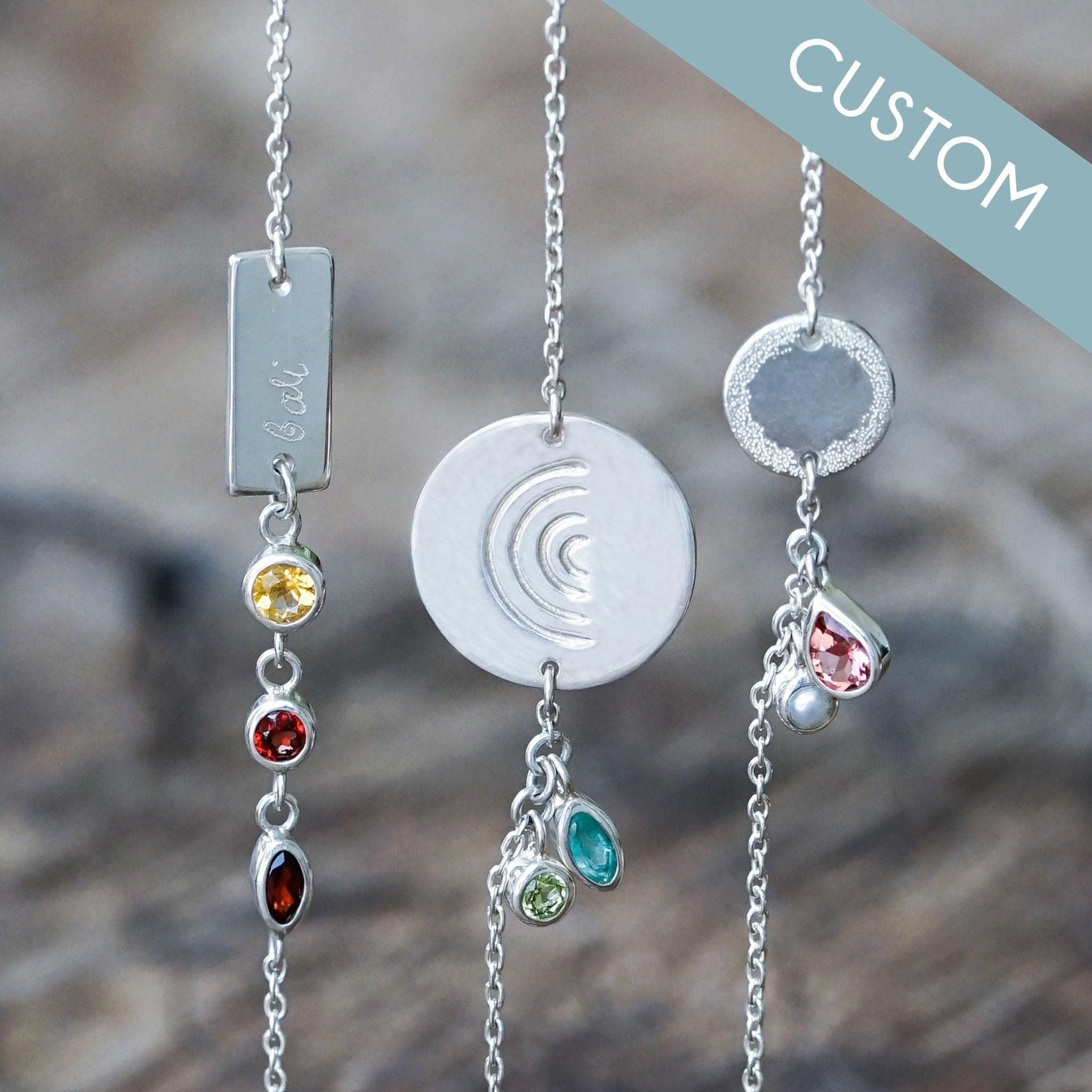
Best for: Colourful gemstone jewelry and custom rings
Based in: Bali, Indonesia
Materials: Mercury-free gold, recycled silver and traceable gemstones
Founded by Meri Geraldine, Gardens of the Sun creates handmade jewelry using recycled silver and gold sourced directly from Indigenous women miners in Indonesia. Its alluvial gold is extracted without mercury or cyanide, and participating miners receive a premium for following these lower-impact methods. The brand also documents the origins of many of its diamonds and coloured gemstones.
Gardens of the Sun has been B Corp certified since 2023 and publishes annual impact reports covering its sourcing and environmental work. Its recycled-silver collections provide a more accessible entry point, while custom and solid-gold pieces sit at a higher price level.
Repairs, resizing, and complimentary cleaning in Bali help extend the life of each piece. It is particularly well suited to buyers who value unusual gemstones, sourcing transparency, and measurable community impact.
3. FUTURA Jewelry
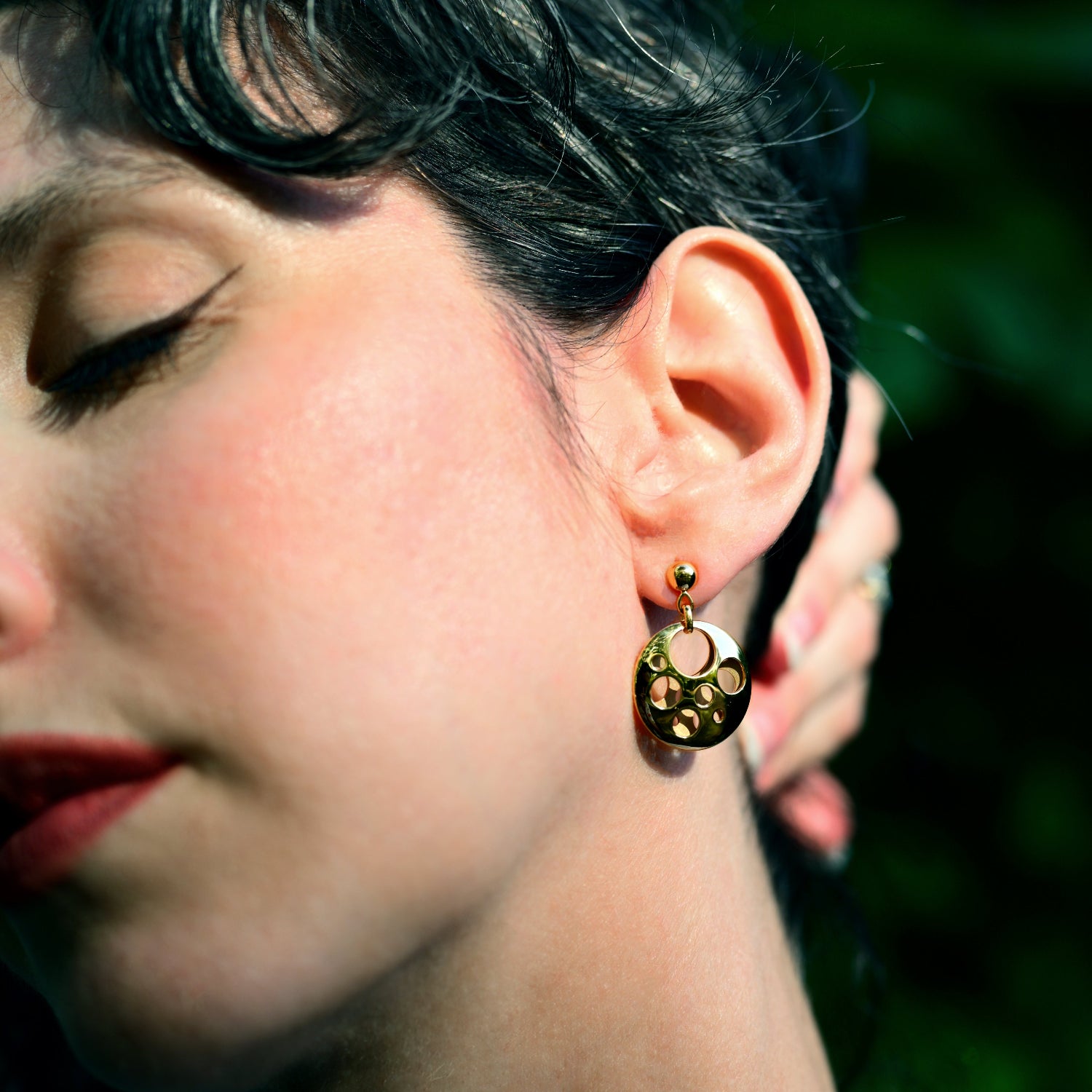
Best for: Sculptural sustainable gold jewelry
Based in: New York City, United States
Materials: Certified Fairmined Ecological Gold
FUTURA stands out among sustainable jewelry brands for using traceable Fairmined Ecological Gold. Founded by Bob Donofrio, the brand produces its ethical jewelry in a family workshop established in New York City in 1954. Its gold comes from certified artisanal mines that avoid mercury and cyanide while following defined environmental and labour standards.
Unlike brands that depend entirely on recycled gold, FUTURA supports active mining communities through the Fairmined premium while encouraging safer extraction methods. It is also a partner of the UN Environment Programme’s Global Mercury Partnership. Its rings, earrings, necklaces and bracelets occupy the luxury price tier, making FUTURA best suited to buyers seeking sustainable jewelry with strong mine-to-market traceability.
4. Valley Rose
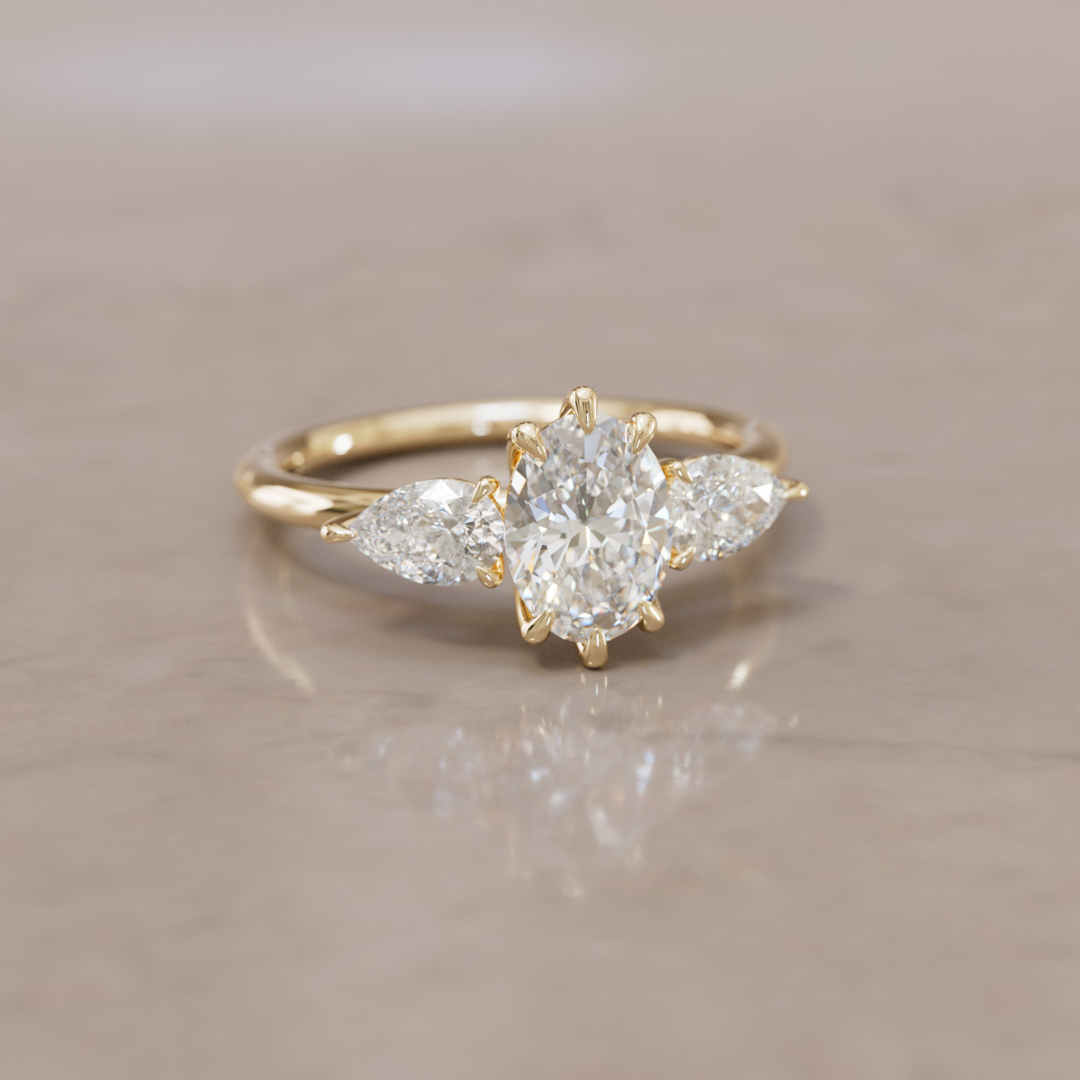
Best for: Nature-inspired engagement rings
Based in: California, United States
Materials: Fairmined gold, responsibly sourced gemstones and selected SCS-007-rated lab-grown diamonds
Founded by designer Brittany Groshong, Valley Rose specialises in bespoke engagement rings and fine jewelry inspired by the natural world. The brand prioritises 14k and 18k Fairmined gold, which supports certified artisanal mines through stronger labour and environmental standards.
It also openly notes that small components unavailable in Fairmined gold may use recycled or conventional gold, an important level of transparency when assessing ethically sourced jewelry.
Its stone selection includes traceable and recycled diamonds, responsibly sourced colored gemstones, and selected lab-grown diamonds carrying the SCS-007 sustainability rating.
Valley Rose also provides one complimentary ring resizing and covers qualifying manufacturing repairs during the first year. Its premium pricing reflects the materials and made-to-order production, making it a strong ethical jewelry choice for buyers seeking a distinctive engagement ring with documented sourcing.
5. Lebrusan Studio
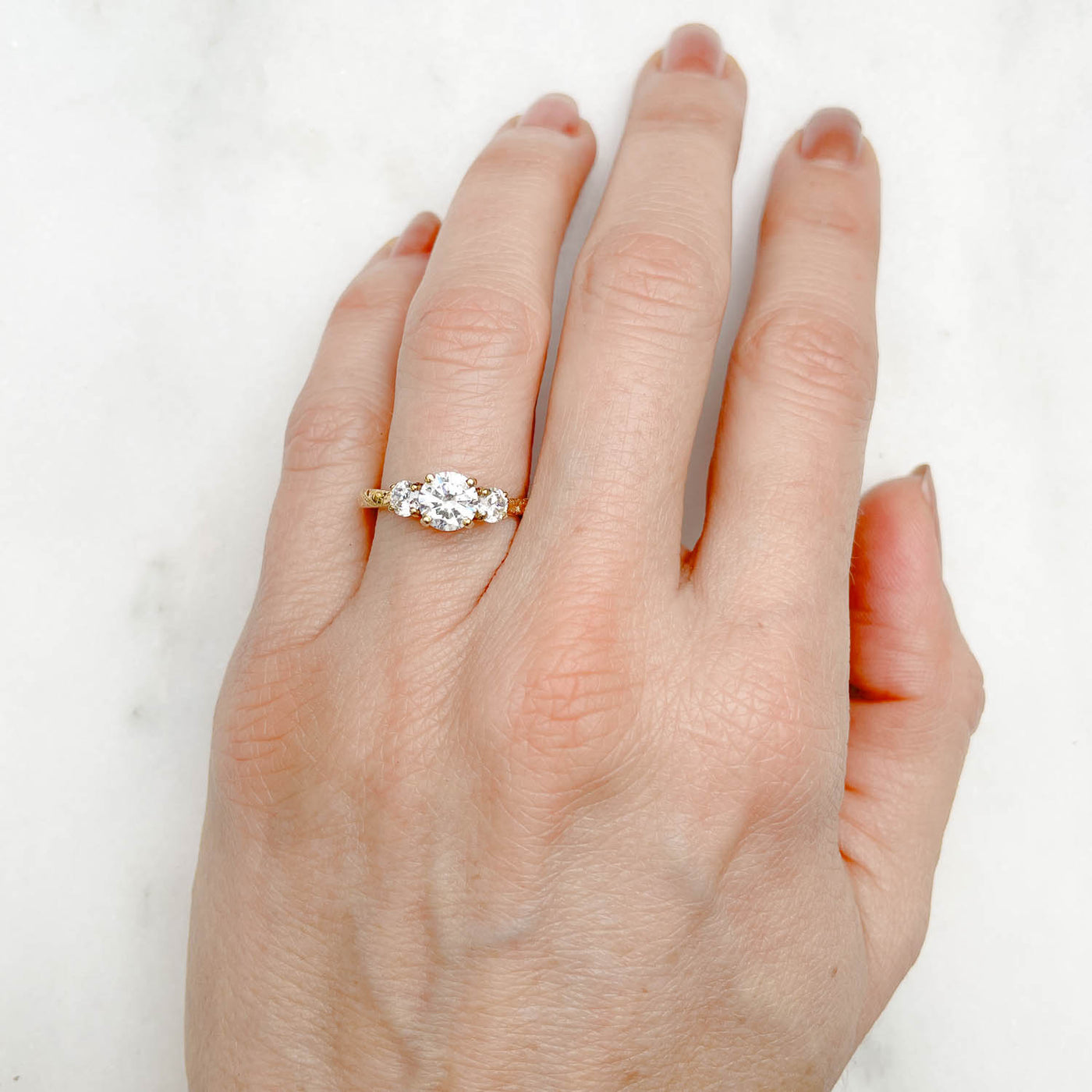
Best for: Bespoke ethical engagement and wedding rings
Based in: London, United Kingdom
Materials: Fairmined and Fairtrade gold, recycled metals and reclaimed stones
Led by designer Arabel Lebrusán, Lebrusan Studio has specialised in responsible jewelry since 2009. Its engagement rings, wedding bands and bespoke pieces are crafted by local specialists in London’s Hatton Garden using Fairmined Ecological Gold, Fairtrade Gold, recycled precious metals and reclaimed or old-cut gemstones.
Lebrusan Studio takes a more considered approach than many sustainable jewelry brands by acknowledging that recycled gold reduces demand for new extraction but does not directly improve conditions in existing mining communities.
Its use of certified newly mined gold supports safer practices and fairer returns, while reclaimed stones introduce circularity into its collections. UK customers also receive one complimentary ring resizing during the first year. This is premium ethical jewelry for buyers who value distinctive design, local craftsmanship and transparency about the complexities of responsible sourcing.
6. Pippa Small
Best for: Artisan-made gemstone jewelry
Based in: London, United Kingdom
Materials: Fairmined and recycled gold, sterling silver and responsibly sourced gemstones
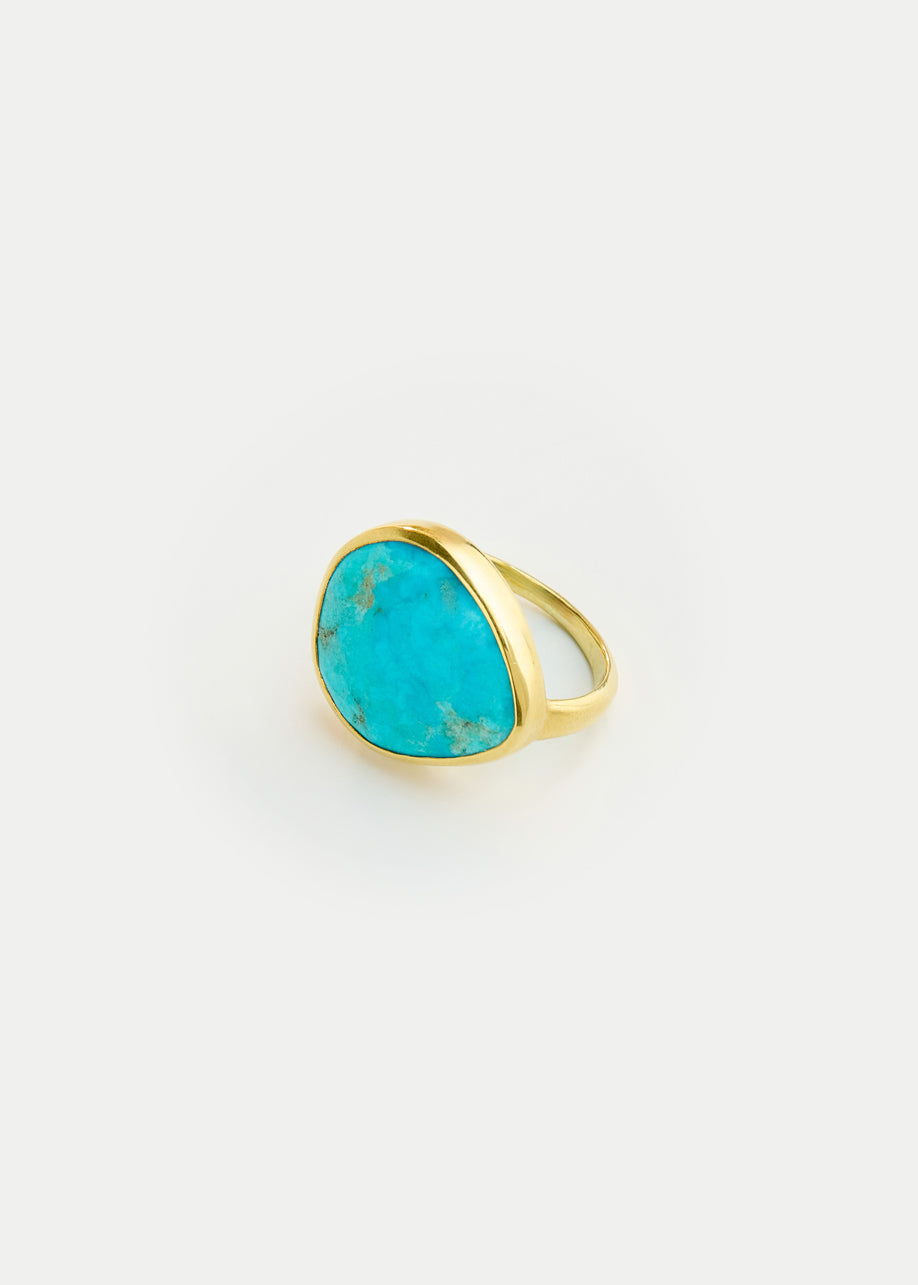
Designer and anthropologist Pippa Small creates jewelry through long-term partnerships with craftspeople and mining communities. Her collaborations with Turquoise Mountain have supported artisans in Afghanistan, Myanmar and Jordan, helping preserve traditional skills while creating safer, more dependable livelihoods. The brand has also sourced Fairmined gold from certified mining communities in Bolivia, while its Indian partners currently use 90% recycled gold.
Pippa Small’s sustainable jewelry is distinguished by irregular gemstones, hand-worked settings and visible signs of the maker rather than uniform mass production. Materials and sourcing differ between collections, so buyers should review the information provided on individual product pages.
Prices range from more accessible silver and vermeil pieces to high-value 18k and 22k gold designs, and repairs are available through the brand. It is a strong choice for shoppers seeking ethically sourced jewelry with a direct connection to traditional craftsmanship and artisan livelihoods.
7. Maren jewelry
Best for: Minimalist jewelry and engagement rings
Based in: Lake Chiemsee, Germany
Materials: Recycled gold and silver with lab-grown diamonds
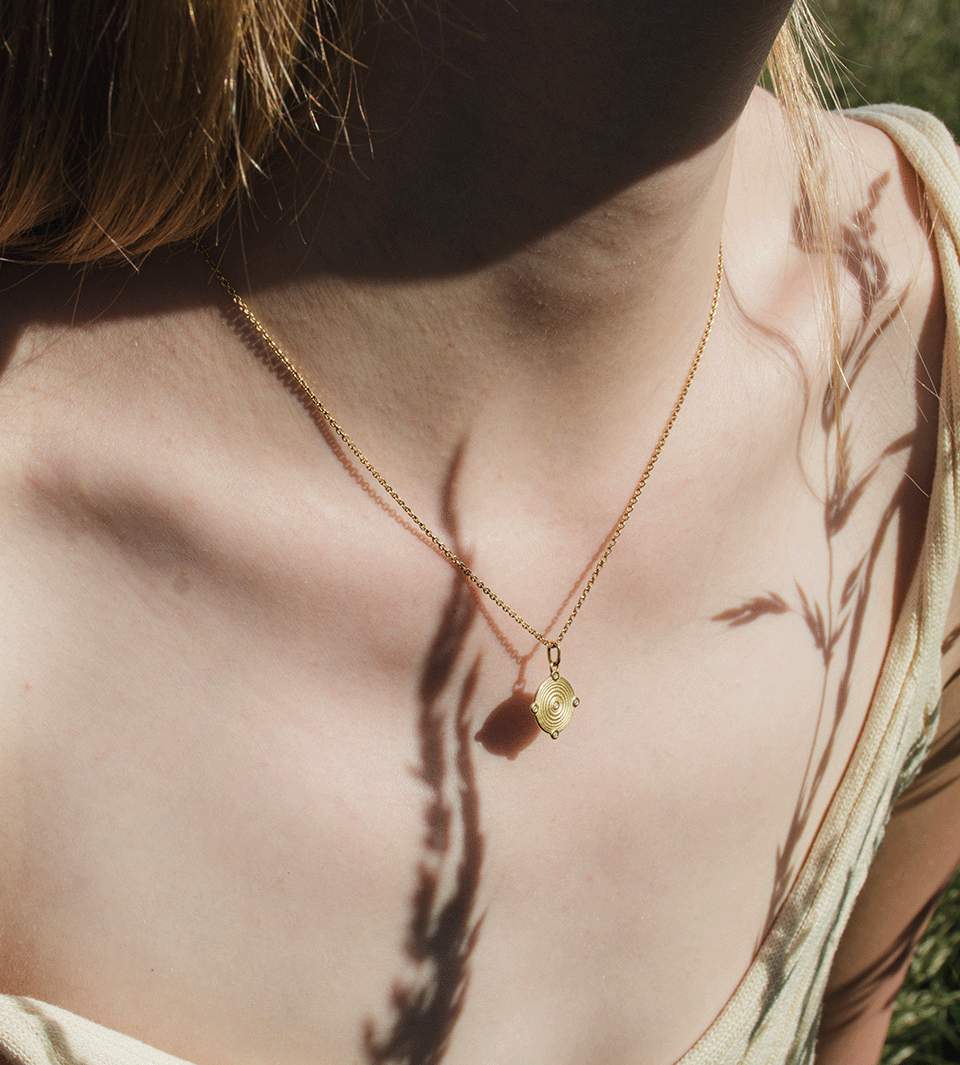
Designer Helge Maren Hauptmann founded Maren jewelry in 2020 to create understated fine jewelry with documented material origins. Each piece is designed by Hauptmann and made to order in Germany through selected artisan workshops, using recycled 18k gold, recycled sterling silver, and lab-grown diamonds.
Maren is among the more transparent sustainable jewelry brands on this list. It was recertified as a B Corp in 2025 with an improved impact score of 98.4 and recertified by the Responsible jewelry Council in 2026. The brand also publishes sustainability reports covering its emissions, materials, production, and supply chain.
Plastic-free packaging, repair and refurbishment options, and a professional resizing service further support product longevity. With pieces available below €500 and fine-gold rings extending into higher price ranges, Maren offers sustainable jewelry at several entry points for buyers who prefer minimalist design and independently assessed business practices.
8. Monarc jewelry

Best for: Contemporary everyday jewelry and commitment rings
Based in: Mount Maunganui, New Zealand
Materials: Recycled precious metals, lab-grown diamonds and repurposed gemstones
New Zealand-born Ella Drake founded Monarc jewelry in London in 2017 before establishing its workroom in Mount Maunganui. The brand reports using 100% recycled metals sourced through refiners that follow Responsible jewelry Council and London Bullion Market Association standards.
Since 2023, its gold has come from recycled Single Mine Origin material that can be traced to its original source and has passed through the recycling process at least twice.
Monarc’s “aboveground diamonds” are lab-grown by Diamond Foundry using hydropower, while its coloured gemstones are reclaimed from vintage jewelry or collected from alluvial deposits. The company became New Zealand’s first B Corp-certified jewelry brand in 2022 and currently holds a B Impact Score of 97.3.
Low stock levels, plastic-free packaging, repair services and replating for vermeil pieces add practical circularity. With both accessible silver designs and premium fine jewelry, Monarc is a versatile choice for buyers who prefer contemporary design and materials that reduce reliance on newly mined resources.
9. LYLIE
Best for: Circular fine jewelry and heirloom remodelling
Based in: London, United Kingdom
Materials: Salvaged gold and silver, antique diamonds and lab-grown stones
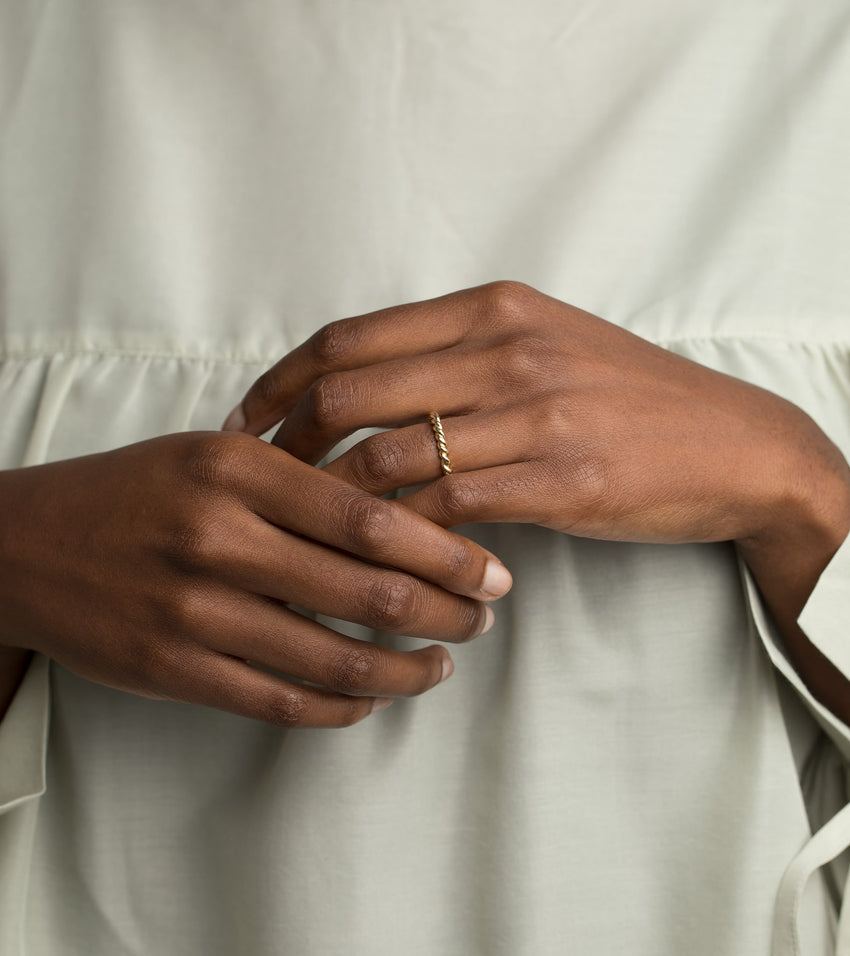
Founded by Eliza Walter in 2017, LYLIE creates jewelry in the UK using precious metals recovered through its Gold Exchange, alongside material obtained from sources such as dental waste and electronic waste. Customers can send unwanted gold or silver to the brand for valuation and receive credit towards a new piece, keeping existing metals in circulation.
LYLIE strengthens this circular approach by sourcing antique diamonds from estate jewelry, offering lab-grown alternatives and remodelling inherited pieces. This makes it one of the more practical sustainable jewelry brands for buyers who want to reuse materials they already own rather than purchase newly mined ones.
Its collections range from relatively accessible pendants to bespoke engagement rings and high-value diamond jewelry. Repairs are available, although complimentary manufacturing-defect repairs are limited to 30 days, and international sales are currently final. LYLIE is best for shoppers seeking eco-friendly jewelry backed by a clearly defined take-back and reuse system.
10. VIERI
Best for: Contemporary recycled-gold fine jewelry
Based in: Berlin, Germany
Materials: Recycled 18k gold, traceable gemstones and vintage stones
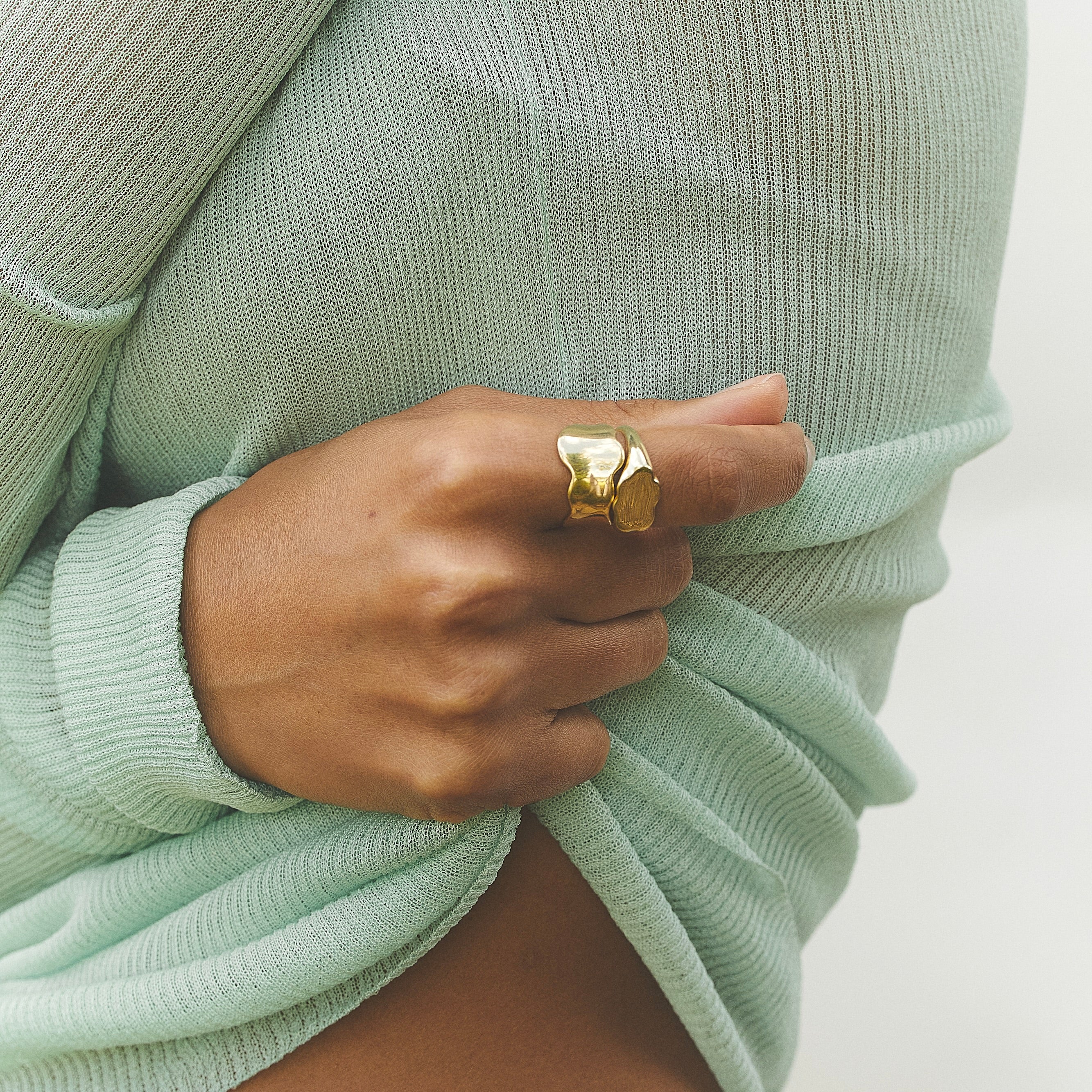
Guya Merkle founded VIERI in Berlin in 2015, drawing on her family’s jewelry heritage while rejecting conventional gold sourcing. The brand uses only recycled gold, sourced through German precious-metal refiner C.HAFNER, and obtains most of it through urban mining from secondary materials such as electronic waste.
VIERI works with transparent gemstone suppliers, including sapphires sourced through a named Sri Lankan supply chain, and reuses vintage stones preserved by the Merkle family. Production takes place in Berlin and Córdoba, Spain, helping the company maintain shorter supply chains and close relationships with its goldsmiths.
VIERI states that it donates 50% of its profits to the independent Earthbeat Foundation, established by Merkle to address environmental and social problems associated with gold mining. Its premium pricing reflects the use of solid gold and small-scale European production, making VIERI one of the stronger sustainable jewelry brands for buyers seeking modern fine jewelry with an established environmental mission.
How to Verify Sustainability Claims Before Buying Jewelry
The strongest sustainable jewelry brands provide evidence that can be checked rather than relying on terms such as “responsible” or “conscious.” Before purchasing, review:
Material details: Look for exact percentages, such as 100% recycled gold, rather than an unspecified use of recycled materials.
Certification scope: Confirm whether Fairmined, Fairtrade, B Corp, RJC or SCS certification covers the material, supplier, product or entire business.
Traceability: Check whether the gold, diamonds and gemstones can be traced to a mine, refinery, laboratory or previous source.
Production information: Look for named manufacturing locations, workshops and labour standards.
Product longevity: Repairs, resizing, replating, take-back programmes and clear warranties indicate that pieces are intended to remain in use.
Recent reporting: Prioritise dated impact reports containing measurable progress, not undated commitments or unsupported environmental claims.
How to Care for Jewelry So It Lasts Longer
Good care reduces wear and keeps jewelry in use for longer:
Store each piece separately in a dry, fabric-lined box to prevent scratches and tangled chains.
Apply perfume, lotion, and cosmetics before putting on jewelry.
Remove pieces before swimming, exercising, showering or using household cleaning products.
Clean solid gold and most durable gemstones with mild soap, lukewarm water and a soft cloth.
Keep pearls, opals and other porous stones away from soaking, ultrasonic cleaners and harsh chemicals.
Avoid polishing gold-plated or vermeil pieces aggressively, as this can remove the surface layer.
Check clasps, chains and gemstone settings regularly and arrange professional maintenance when anything feels loose.
Use the brand’s repair, resizing, or replating service instead of replacing a damaged piece.
Frequently Asked Questions
1. What makes a jewelry brand sustainable?
Responsible materials, traceable sourcing, fair production, durable construction and repair options are important indicators. The strongest brands support these practices with specific disclosures and independent certification.
2. Is recycled gold more sustainable than newly mined gold?
Recycled gold reduces demand for new extraction. Fairmined or Fairtrade gold supports active mining communities through safer practices and fairer payments, so each approach creates a different benefit.
3. Are lab-grown diamonds always sustainable?
No. Lab-grown diamonds avoid conventional mining but require considerable energy. Check where they were produced, which energy sources were used and whether their environmental claims were independently assessed.
4. Which jewelry certifications should I look for?
Fairmined and Fairtrade cover responsibly mined gold, while RJC addresses jewelry supply chains. B Corp assesses the wider business, and SCS-007 evaluates qualifying diamonds.
5. How can I identify greenwashing?
Be cautious when brands use broad terms without naming material percentages, suppliers, production locations or certification standards. Credible sustainable jewelry brands make their claims specific and verifiable.
6. Are independent jewelry brands automatically sustainable?
No. Being independent does not guarantee responsible sourcing or production. Review each brand’s material disclosures, manufacturing information, certifications and aftercare before making a decision.
7. Is gold-plated jewelry sustainable?
Its lower gold content can reduce cost, but plating eventually wears away. Repairable, re-platable pieces can last longer, although solid recycled gold generally offers greater durability.
Keep browsing
Browse similar brands
Explore independent labels in our directory related to this story.
Browse all brands