Japanese Footwear

Discover our list of Japanese footwear brands, bringing together independent labels working across sneakers, leather shoes, boots, sandals, loafers and experimental silhouettes. Rather than focusing only on globally familiar names, this collection makes room for specialist makers and emerging designers with their own approach to proportion, materials and everyday function. Browse Japanese shoe brands by product focus, typical price range and location, then open each profile for background on the label and its collections. Whether you prefer quiet minimalism, technical influences or more directional footwear, the directory offers a practical starting point for finding something less expected.

Brands

White Kloud featured image

White Kloud

Japan · Est. 2005 · Mid-range

White Kloud is a Japanese custom boot workshop established by shoemaker Show Goto in 2005. Its central offering is a pair made for one customer by one craftsperson, who takes it through the stages from cutting the leather to attaching the sole. Customers seeking White Kloud bespoke boots should expect a workshop-led process rather than a standard selection of ready-to-wear sizes. Goto’s path to bootmaking included work with motorcycle boots, foot massage, shoemaking study and shoe repair. He says those experiences shaped his aim to make boots that are gentle on the feet. White Kloud combines the appearance of substantial leather boots with close attention to construction and individual fit; a visit to the workshop is part of its invitation to custom-order customers. The workshop is in Koshigaya, Saitama, outside central Tokyo. Its website also presents Jack & White Brothers, a separate, small-production boot line made with specialist Japanese craftspeople and offered through the online store. Check which line a listing belongs to before comparing availability, sizing or ordering arrangements.

Brass Tokyo featured image

Brass Tokyo

Japan · Est. 2007 · Mid-range

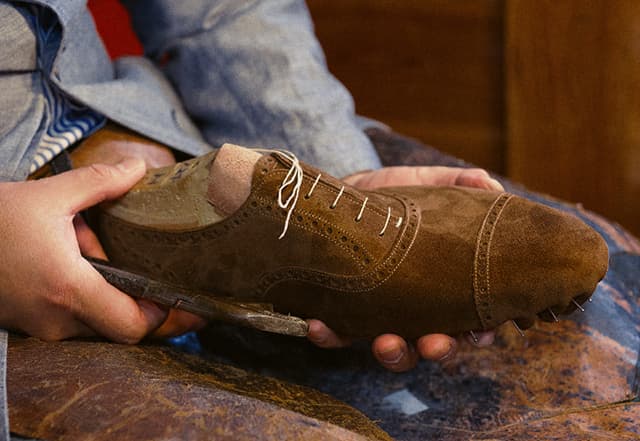
Brass Tokyo began in 2007 as a shoe repair workshop in Setagaya, Tokyo. Founder Minoru Tokuyama built the business around keeping well-loved footwear in use through repair and customization. That experience led to CLINCH BOOTS, Brass’s own footwear line, in 2012. Today, people searching for Brass Tokyo boots will usually encounter CLINCH alongside the workshop’s repair services. CLINCH makes leather boots and shoes in Brass’s workshop using shaped lasts and hand-sewn welted construction. Its approach draws on classic footwear, with an emphasis on how a pair fits, ages and can be repaired over time. The Brass site also carries related projects, including Bruschetta Shoes and shoe-care goods, so it helps to distinguish the workshop from its CLINCH brand when browsing. Brass has a store in Daita, Setagaya, and lists stockists for shoppers elsewhere. Its online shop offers a way to explore current models, while customers interested in a custom order or repair can contact the workshop directly. Check the store’s current opening information before visiting, as its holidays vary.

RFW Tokyo featured image

RFW Tokyo

Japan · Est. 1998 · Mid-range

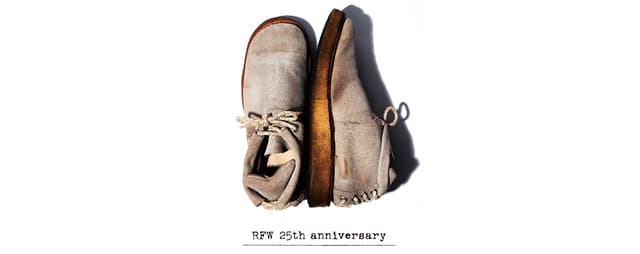
RFW is a Japanese footwear brand launched in 1998 by designer Takashi Kanokogi. Originally called Rhythm Footwear, it adopted the RFW name and a new logo with its 2012 spring and summer collection. The brand’s approach centres on simple, familiar shoes distinguished by the way their uppers are cut and assembled. Sneakers make up much of the range, including the Sandwich and Bagel families. Sandwich is a signature design whose upper pattern wraps around the foot; Bagel includes low and mid-cut variations. RFW’s official shop also lists boots and sandals. Materials and fit change between models, so shoppers should use the measurements and descriptions on the specific product page. RFW sells through its own online shop and lists other dealers on its website. It is a Japanese design brand, but that does not mean every pair is made in Japan: an official Bagel listing, for example, states Made in China. Checking the origin of the chosen style avoids confusing the brand’s location with its manufacturing location.

Blue Over featured image

Blue Over

Japan · Est. 2011 · Mid-range

Blueover is a sneaker brand launched in Osaka in 2011 by product designer Taichi Watari. Watari created it after questioning rapid cycles of product development and seeing the pressures on Japan’s small footwear factories. Blueover works with that manufacturing network and says it sources materials and carries out production processes in Japan wherever possible. The brand designs sneakers primarily for standing and walking. Its lasts give the forefoot room, while materials and sole firmness are chosen with repeated everyday wear in mind. Mikey, a long-running model, uses a last developed for Japanese feet; Marco brings a more shoe-like look to a cushioned sneaker. Blueover also considers durability in its designs, although construction and repair options differ between models. The official online store provides size guidance, and its fit information notes that the roomy forefoot may affect which size a customer chooses. Blueover is a relevant comparison for shoppers seeking wider Japanese-made walking sneakers with a restrained design and an emphasis on domestic shoemaking.

Hender Scheme featured image

Hender Scheme

Japan · Est. 2010 · Luxury

Hender Scheme is a Japanese footwear and leather-goods label started in 2010 by designer Ryo Kashiwazaki. Its work questions familiar distinctions between men’s and women’s products and between industrial design and handcraft. Leather is central to the brand, especially in pieces intended to develop visible character through handling and wear. Footwear includes original designs and the manual industrial products line, which reinterprets familiar sneaker forms through a different, more manual production process. Hender Scheme also makes bags and other leather accessories. Its official site says the soles of the manual industrial products sneakers can be replaced, an important detail for shoppers considering long-term use. Materials and sizing vary by style, so the individual listing matters more than a single brand-wide fit rule. Customers can shop through Hender Scheme’s official sukima online store and physical stores in Japan. The label particularly suits someone interested in leather sneakers whose colour and surface will change with use, as well as a broader collection of everyday leather objects.

G

Guild Tokyo

Japan · Est. 1996 · Mid-range

Guild of Crafts is a Japanese shoemaking house founded in 1996 by Chihiro Yamaguchi. Yamaguchi began making shoes in Kyoto in 1980 and later studied shoemaking in England. He established Guild of Crafts at a time when bespoke shoes were still unfamiliar to many customers in Japan, developing the house’s own methods for measuring feet and making lasts. Guild offers bespoke, made-to-order and ready-to-wear footwear. Bespoke begins with the customer’s measurements and a dedicated last, followed by fittings. Made-to-order uses an established Guild last, while ready-to-wear provides a finished-shoe option. Its model lists include Oxfords, buckle shoes and boots, with designs for both men and women. Availability depends on the ordering route and model. The official website explains the different lines and accepts appointment enquiries for orders, maintenance and repairs. Guild is a useful brand to consider when comparing Japanese bespoke shoemakers because customers can see how its approach to fit carries across three ways of buying a shoe.

Marquess Shoemaker featured image

Marquess Shoemaker

Japan · Est. 2011 · Luxury

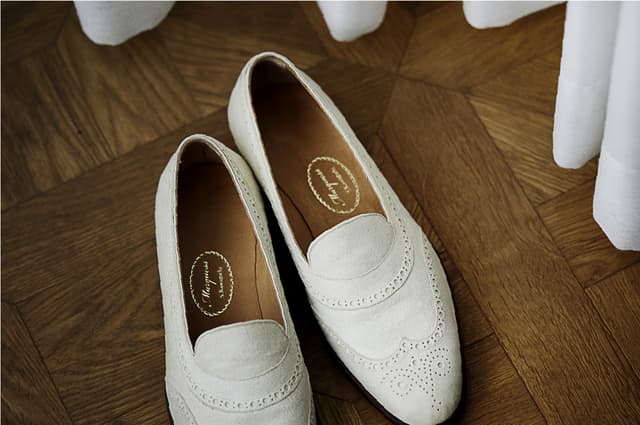
Marquess is a bespoke shoemaking atelier established in Tokyo in 2011 by Shoji Kawaguchi. His interest in British footwear took him to Northampton, where he studied shoemaking, and later to training with bespoke maker Paul Wilson. Kawaguchi returned to Japan in 2008 and opened Marquess three years later. The atelier moved to Ginza in 2017. Marquess is known for understated leather shoes whose shape, fit and finishing receive close attention. A bespoke order starts with a meeting and foot measurements. The team makes a wooden last for the client, tests the fit with a trial shoe and adjusts the last before making the final pair by hand. The website shows Oxfords, derbies and other designs for men, as well as examples of women’s shoes. The atelier also offers made-to-order styles, where customers choose from existing models and select details such as leather and sole type. Bespoke enquiries require an appointment. Marquess is most relevant to shoppers seeking a personal fitting process and classic shoes they intend to maintain and wear for years.

Spigola featured image

Spigola

Japan · Est. 2001 · Luxury

Spigola is a bespoke shoemaking brand established in Kobe, Japan, in 2001 by Koji Suzuki. Born in Kobe, Suzuki travelled to Italy in 1997 and trained in Florence under shoemaker Roberto Ugolini. After three years of study, he returned home and began making bespoke shoes from space in his father’s workshop in Kobe’s Nagata district. Bespoke footwear remains central to Spigola. Its website also presents a prêt-à-porter collection described as pattern-order footwear, and Suzuki’s official biography dates the launch of that line to 2011. The distinction matters for shoppers: commissioning a bespoke pair and ordering from an established pattern are different ways to access the maker’s designs. Spigola’s atelier is in Hosoda-cho, Kobe, with weekend visits requiring a reservation. The brand’s identity brings together Suzuki’s Italian shoemaking training and his work in a Japanese footwear-producing city. Anyone considering an order should contact the atelier about the available styles, fitting process and appointment arrangements before travelling.

Hiro Yanagimachi featured image

Hiro Yanagimachi

Japan · Est. 1999 · Luxury

Hiro Yanagimachi is a bespoke shoemaking workshop in Tokyo, founded in 1999 by Hiroyuki Yanagimachi. After studying industrial design, Yanagimachi went to England to learn shoemaking at London Cordwainers College and gain experience with bespoke techniques. He began his own brand on returning to Japan and later developed a workshop team. Customers can choose among made-to-order, made-to-measure and bespoke shoes. The distinction is how the last—the form used to build the shoe—is prepared. Made-to-order uses one of the workshop’s established lasts; made-to-measure adjusts a base last; bespoke starts with a last made for the individual customer and includes trial fittings. The workshop offers lace-up shoes, loafers and other styles, with design choices depending on the order method. Visits to its Sendagaya workshop are by appointment. Customers can discuss fit with the people making their shoes, and the brand says enquiries and appointments can be handled in English. That makes its ordering process particularly relevant to international shoppers considering Japanese bespoke footwear.

Yohei Fukuda featured image

Yohei Fukuda

Japan · Est. 2008 · Luxury

Yohei Fukuda is a Tokyo shoemaker founded in 2008 by its namesake. Fukuda learned shoemaking in England, including training in Northamptonshire and work with London firms, before returning to Japan to establish his workshop. He oversees the design, last making and shoemaking alongside a small team of craftspeople. The business offers several ways to buy its classic men’s shoes: ready-to-wear, made-to-order, house-style bespoke and fully bespoke. Its ready-to-wear shoes draw on the workshop’s bespoke methods and are hand lasted and hand welted. Fit remains central to the offer; the online store lists several width options and provides a size guide, while made-to-order enquiries and appointments can be arranged through the Tokyo store. Fukuda is especially relevant to someone comparing Japanese bespoke shoemakers with British-influenced dress-shoe styling. The different order routes matter: a customer choosing an existing size is buying a different fitting experience from someone commissioning a pair around a personalised last. The official sites explain those options before an appointment or purchase.

Can't find what you're looking for?

We add new sites every week but if you have a specific request, let us know.

About Japanese Footwear on From The Labels

Japanese footwear is easier to explore when contemporary labels, specialist workshops and smaller designers can be viewed together. Some brands refine familiar sneakers and leather shoes, while others experiment with sole shapes, unusual proportions, hybrid constructions or references drawn from traditional footwear.

The location of a brand does not automatically confirm where every pair is produced. Some Japanese footwear brands manufacture domestically, while others work with factories abroad or use different production locations across their collections. Check the individual product information when local manufacturing or a particular craft method matters to you.

Sizing also needs attention. Japanese stores commonly display shoe sizes using centimetres, such as 24 or 25, but fit can still differ according to the last, width and style. Measuring both feet and following the label’s own chart is more dependable than using a general conversion alone.

Browse the independent Japanese shoe brands above to compare their design focus, products and positioning. Before ordering, review the materials, manufacturing information, size guidance, currency, international delivery options, import charges and return policy supplied by the brand or authorised retailer.

Frequently asked questions

What Japanese footwear brands are included in this list?
The collection includes independent Japanese labels offering sneakers, boots, loafers, sandals, flats and other styles. It covers emerging designers, specialist makers and more established names across different price ranges.
What styles are Japanese shoe brands known for?
Japanese shoe brands span understated everyday footwear, technical sneakers, workwear-influenced boots, refined leather shoes and experimental silhouettes. Style and specialisation differ considerably between individual labels.
Are all Japanese footwear brands made in Japan?
A Japanese brand may manufacture locally, internationally or across several countries. Review the specific product description because the company’s origin and the shoe’s country of manufacture are separate details.
How do Japanese shoe sizes work?
Japanese footwear sizes are commonly shown in centimetres. A size marked 24 generally relates to a 24-centimetre foot length, although width, shape and recommended fit can vary by brand.
Do Japanese footwear brands ship internationally?
Some labels deliver internationally, while others sell overseas through selected retailers or shopping platforms. Check eligible countries, delivery costs, customs charges, payment methods and return conditions before ordering.
Are Japanese shoes expensive?
Prices range from accessible everyday footwear to handmade and luxury designs. Materials, manufacturing location, production scale, construction and designer positioning can all influence how much a pair costs.
Where can I buy independent Japanese shoes?
Begin with the profiles above, then follow the official brand or authorised retailer link. Confirm current stock, sizing, currency, delivery availability and seller authenticity before making a purchase.