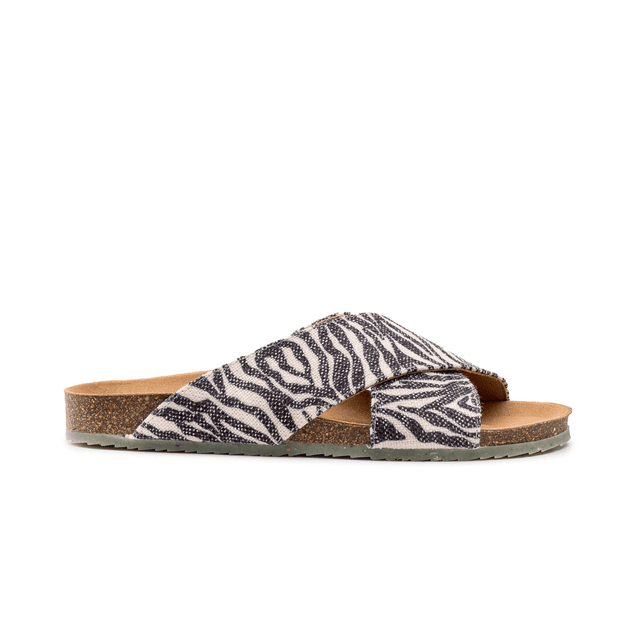
Vegan Footwear

Explore vegan footwear brands creating animal-free sneakers, boots, sandals, flats, heels and formal shoes through independent labels around the world. This collection of vegan shoe brands helps you compare style, materials, price ranges, sizing, production locations and shipping options. Vegan footwear may use plant-based, recycled or synthetic alternatives, but the exact composition and environmental impact vary by product. Use each profile to learn about the brand’s founders, ownership and product range before checking its current collection. Confirm that the complete shoe, including the upper, lining, adhesives and trims, meets your requirements on the official website before purchasing a new pair.

Brands

No Skin featured image

No Skin

Australia · Est. 2020 · Mid-range

Nōskin is a Melbourne footwear and clothing label founded by Tony Corrales, Jai Long and Ash Pierce. Developed around vegan wardrobe staples, it pairs an interest in music and street style with familiar shoe shapes: Chelsea and combat boots, derbies, loafers and sneakers. Its clothing extends that approach into pieces intended to be worn together. Nōskin footwear is designed in Melbourne and handcrafted in Franca, Brazil, at an all-vegan factory. The brand says its shoes contain no animal-derived materials or glues. A Rose Loafer listing, for example, specifies a Spanish-milled microfiber polyurethane upper, rubber sole and microfiber lining, making clear what “vegan leather” means for that pair. Many of its boot and loafer designs use substantial lug soles. The brand sells online and has a studio store in Collingwood. It offers international shipping and a footwear repair service for customers in Australia, including resoling and cleaning. Sizes and fit differ by style; the Rose Loafer listing spans EU 37–47 and describes that model as true to size.

WAYZ for Life featured image

WAYZ for Life

Portugal · Est. 2019 · Mid-range

Wayz is a Portuguese sneaker brand founded in Porto in 2019 by Pedro Maçana and Daniel Carvalho. The founders launched it through a crowdfunding campaign, delivered their first pairs that year and subsequently opened a store in Porto’s Bonfim neighbourhood. Their aim was to design and make the sneakers entirely in Portugal. The brand sells leather sneakers in several shapes and colour combinations. It describes its approach through local sourcing, relationships with specialist suppliers and designs intended to stay in use. Some current models include outsoles containing recycled rubber; material details differ by shoe and appear on its product pages. Wayz also operates a “2nd Life” service through which customers can enquire about repairs, including resoling, reinforcement and cleaning. That gives shoppers a concrete way to extend the wear of a pair rather than relying only on a broad durability claim. Customers can order on the official website and consult its store and sizing information.

NAE Vegan Shoes featured image

NAE Vegan Shoes

Portugal · Est. 2008 · Affordable

NAE Vegan Shoes was founded in Lisbon in 2008 by Paula and Alex Pérez. Its name stands for “No Animal Exploitation,” reflecting the rule behind every collection: the shoes contain no animal-derived materials. The founders remain involved in the business, which describes its footwear as designed and made in Portugal. NAE offers women’s and men’s styles across everyday and dress footwear, including sneakers, loafers, sandals, boots and heels. Its material selection includes cork, apple- and pineapple-derived alternatives, and recycled materials; the composition varies by shoe. The brand says pairs are handcrafted in small Portuguese workshops and identifies its footwear as PETA-certified vegan. Customers can buy through NAE’s international online shop, which provides shipping information and size guidance. Individual product pages include fit notes, a useful check when moving between a boot, loafer and sneaker. For shoppers specifically seeking vegan footwear, NAE’s animal-free requirement applies across the brand, while its separate material and construction details should be checked style by style.

Zouri featured image

Zouri

Portugal · Est. 2017 · Mid-range

Zouri is a Portuguese vegan footwear brand developed from Adriana Mano’s idea of turning plastic collected on the country’s beaches into shoe components. The project began in 2017. It works with local institutions, volunteers and environmental groups on coastal cleanups, then combines recovered plastic with other materials in its footwear. The range includes sneakers, sandals and espadrilles. Materials depend on the model and can include organic cotton, linen, hemp, cork or plant-based alternatives. Zouri’s official site describes production in Portugal and says a pair comes with information about its materials, the collected plastic and the people involved in making it. That product-level detail is useful for shoppers assessing the brand’s environmental claims. Zouri sells directly through its website, where shoppers can filter styles by footwear type and material. Check the listing for the composition and properties of a specific pair: a sneaker described as water-resistant, for example, should not be assumed to make the entire range suitable for wet weather. The company’s website lists its contact location in Braga, Portugal.

Kumi Sneakers featured image

Kumi Sneakers

Spain · Est. 2020 · Mid-range

KUMI Sneakers is a Spanish vegan footwear brand started in 2020 by Alexandra Pardo and Sergio Carvajal. Alexandra is from Mallorca and Sergio from Veracruz, Mexico; they developed the project together after settling in Barcelona. Their aim was to make casual sneakers without animal-derived materials, using recycled components and Spanish footwear production. KUMI’s sneakers are handcrafted in small batches by a family-run factory in Elche. The brand identifies recycled materials in its shoes and describes its range as animal-free. It also lists PETA-Approved Vegan and Global Recycled Standard among its credentials. These details make KUMI relevant to shoppers comparing vegan sneakers who want to know where a pair is made and what materials it uses. Its Hygge/22 model is designed as an everyday sneaker. The official website currently advertises a final clearance sale and says those purchases cannot be returned or exchanged. It also warns that Hygge/22 runs small and recommends going up one size. Shoppers should check current stock and the terms shown at checkout before ordering.

Womsh featured image

Womsh

Italy · Est. 2014 · Mid-range

Womsh is an Italian sneaker brand created by Gianni Dalla Mora. Its name stands for “Word of Mouth Shoes,” reflecting the idea of spreading its approach through the people who wear the shoes. The brand has participated in LifeGate’s Zero Impact project since 2014 and makes its sneakers in Italy and Portugal. Womsh offers leather sneakers alongside vegan styles, so shoppers should check the materials of the specific model rather than treat the whole range as vegan. The brand says it sources leather from Leather Working Group certified suppliers. Its vegan range uses Uppeal, a material containing recovered apple-processing waste, and it also describes the use of recycled textiles and cotton in parts of its collection. The website gives unusually detailed information about materials, production locations, and the people involved in making the shoes. Womsh also supports a collection project that processes worn sneaker soles into material for playground flooring. Customers can buy through its online store and review the product information for each pair. The brand’s claims are most useful when read at model level, where materials and certifications can be matched to the shoe being considered.

ID.EIGHT featured image

ID.EIGHT

Italy · Est. 2019 · Mid-range

ID.EIGHT is a sneaker brand founded in Florence in 2019 by South Korean designer Dong Seon Lee and Italian product manager Giuliana Borzillo. The pair met at a footwear trade fair in 2017 and developed a shared idea for genderless sneakers with 1990s influences. A crowdfunding campaign in 2020 helped finance the first production run. The sneakers are made in Italy, the brand’s home country. ID.EIGHT uses a mix of recycled materials and partly plant-based alternatives in its designs. Its materials guide describes uppers containing components derived from apple waste, grape residue, corn or mycelium, and cactus, depending on the model. It also identifies recycled textiles used in components such as laces, labels, and some uppers. Those ingredients vary by shoe, so the product page is the best place to check a particular pair. Customers can shop online or use the brand’s store finder. ID.EIGHT also provides sizing advice and describes a programme for collecting worn sneakers for recycling. Its investment history includes outside funding, which does not by itself establish that the brand has lost independent control.

Prota Fiori featured image

Prota Fiori

Italy · Est. 2018 · Luxury

Prota Fiori is an Italian-made luxury women’s footwear brand founded in 2018 by Jennifer Stucko. Created around the idea that beautiful shoes can be produced differently, the company connects traditional Italian shoemaking with materials, sourcing, and feminine design. Every shoe is designed, sourced, and handmade in Italy. The Prota Fiori collection includes heels, pumps, sandals, boots, flats, and women’s shoes. Each style is named after a flower, reflecting the brand’s connection to nature and femininity. Elegant shapes and timeless colors help the footwear work across professional wardrobes, formal occasions, celebrations, and elevated everyday dressing. Prota Fiori explores circular and lower-impact materials, including alternatives developed from grape and apple by-products. The shoes are constructed using Italian craftsmanship methods and are designed with repairability and longer use in mind. The company is recognized as a woman-owned Certified B Corporation. For shoppers seeking sustainable luxury shoes made in Italy, Prota Fiori offers a blend of elegance, material innovation, and artisanal quality. Its designer women’s footwear suits customers who want polished Italian style while considering craftsmanship, product longevity, environmental impact, and responsible business practices.

8000Kicks featured image

8000Kicks

Portugal · Est. 2019 · Mid-range

8000Kicks is a Portuguese sustainable footwear brand founded in 2019 by Bernardo Carreira and his grandmother, Maria Otilia Carreira. The idea began when Bernardo challenged Otilia, who had more than 50 years of textile experience, to help create durable shoes using industrial hemp. Their early project developed into a family-led hemp shoe company. The 8000Kicks collection includes hemp sneakers for men and women, wide-toe-box shoes, casual footwear, socks, wallets, hats, and backpacks. Its best-known shoes use hemp uppers, hemp insoles, waterproof layers, and lightweight outsoles containing algae-based material. The designs are intended for travel, walking, commuting, and everyday use. Hemp gives the footwear a breathable, flexible, and naturally distinctive texture. The company also positions its shoes as vegan and focuses on reducing reliance on common synthetic or resource-intensive materials. Practical colors and simple sneaker shapes make the range easy to style. For shoppers seeking sustainable hemp shoes or vegan sneakers, 8000Kicks offers an unusual material-led alternative. The brand combines Portuguese textile knowledge, footwear development, and accessible casual design, creating lightweight shoes for customers interested in comfort, versatility, and lower-impact materials.

Planet Paaduks featured image

Planet Paaduks

India · Est. 2013 · Affordable

Planet Paaduks is an Indian sustainable footwear brand founded in 2013 by Amit Jain and Aparajit Sangotra. The label develops comfortable shoes using vegan and recycled materials, aiming to reduce dependence on conventional leather and resource-heavy production. Its name draws from “paaduka,” a traditional Indian word for footwear, while its collections are designed for everyday use. The Planet Paaduks range includes sandals, slides, sneakers, mules, flip-flops and footwear for men and women. Vegan leather, vegan suede, recycled soles and cushioned footbeds appear across designs built for daily walking, work, travel and relaxed occasions. Clean colours and simple silhouettes make many pairs easy to combine with modern wardrobes. Comfort is central to the brand’s approach, with footwear using cushioning to support longer wear. The company highlights eco-friendly choices through upcycled components and alternatives to animal-derived leather. Collections balance styling with durability and use rather than treating sustainability as decoration. For shoppers searching for an Indian sustainable shoe brand, vegan sandals or eco-friendly casual footwear, Planet Paaduks offers versatile designs that combine conscious materials, comfort and an interpretation of responsible footwear fashion.

Thaely featured image

Thaely

United Arab Emirates · Est. 2019 · Affordable

Thaely is a sustainable sneaker brand created by Ashay Bhave in the United Arab Emirates. The idea began in 2017 while Bhave studied at Amity University Dubai, followed by a competition-winning prototype and business plan in 2019. Thaely officially launched in 2019, turning discarded plastic bags into vegan footwear designed to address waste through material innovation. The brand’s ThaelyTex fabric is made from waste plastic bags without additional chemicals or toxic by-products. Each pair uses ten upcycled plastic bags and twelve recycled plastic bottles, alongside recycled rubber and recycled paper packaging. Classic basketball-inspired shapes give the sneakers a familiar streetwear appearance while replacing animal leather and virgin plastic components. Thaely controls production through its factory in India and supports ethical working practices within its waste-management supply chain. The brand is PETA certified, reinforcing its environmental and social commitments. For shoppers searching for sustainable sneakers, vegan shoes made from recycled plastic or ethical footwear from Dubai, Thaely offers traceable material choices, comfortable everyday styling and an inventive approach to turning difficult waste into useful products.

Ethik featured image

Ethik

India · Est. 2012 · Affordable

Ethik is an Indian vegan footwear brand founded in 2012 by Pankaj Khabiya and Bharat Ranka. Based in Bengaluru, the leather-free men’s lifestyle label was created to make cruelty-free choices feel polished, durable and suitable for everyday wardrobes. Its approach brings conscious materials together with modern styling rather than treating ethical footwear as a fashion category. The Ethik shoe collection includes Oxfords, Derbies, loafers, boots, sneakers, sandals and other formal or casual styles for men. Every pair is made without animal leather, using developed alternatives selected for structure, appearance and performance. Clean colours and menswear shapes allow the footwear to work for offices, weddings, travel and everyday dressing. Ethik produces belts, wallets and accessories, helping build a coordinated leather-free wardrobe. The brand says its materials are developed through facilities with decades of innovation and selected for sustainable and ethical manufacturing practices. Construction focuses on balanced form, lightweight comfort and durability. For shoppers searching for an Indian vegan shoe brand, cruelty-free men’s formal footwear or leather-free accessories, Ethik offers practical styles designed around animal-friendly materials, conscious production and accessible modern design

Minuit Sur Terre featured image

Minuit Sur Terre

France · Est. 2017 · Mid-range

Minuit Sur Terre is a French vegan shoe and accessories brand founded in 2017 by Marie Viard-Klein. The idea began when Marie struggled to find shoes that combined style, quality, pricing, and materials free from animal products. She created the label to offer a fashion-focused alternative. Minuit Sur Terre vegan shoes include sneakers, boots, ankle boots, loafers, sandals, heels, and flats. The brand also produces handbags and small accessories. Every product is PETA-approved vegan and made without leather, wool, silk, animal-based glue, or animal-derived materials. Collections use recycled and plant-based alternatives made from grapes, apples, cereals, mushrooms, and recycled plastic. The shoes and bags are produced in Portuguese workshops, with many manufacturing stages completed by hand. Materials are selected to balance appearance, durability, comfort, and environmental impact. The brand favors European production and a measured approach to seasonal collections. For shoppers searching for French vegan shoes, Minuit Sur Terre offers cruelty-free footwear with modern styling, innovative materials, and transparent production. Its range provides leather-free options for work, everyday dressing, travel, and occasions without limiting customers to basic or casual designs.

Can't find what you're looking for?

We add new sites every week but if you have a specific request, let us know.

About Vegan Footwear on From The Labels

Vegan footwear is a product-level materials standard rather than a single look or construction method. Some labels build their complete range without animal-derived materials, while others offer selected vegan styles alongside leather products. Check whether a claim covers the whole brand, one collection or only the upper of an individual shoe.

Alternatives can include canvas, recycled textiles, synthetic microfibres, natural rubber and materials containing plant-derived content. A material described with terms such as cactus, apple or grape may still be a blend, so review the full composition when percentages are available. Vegan does not automatically mean plastic-free, biodegradable or lower impact; durability, manufacturing, end-of-life options and credible certifications also matter.

Vegan boot brands may produce ankle boots, Chelsea boots, hiking-inspired styles or weather-ready footwear, but water resistance, insulation and sole grip differ by product. Compare construction, fit, intended use, care requirements and repairability before choosing. The profiles above help you explore independent vegan shoe brands by price, size range, location, ownership and shipping coverage. Confirm current materials, certification status, stock, delivery and returns through the official brand website before ordering.

Frequently asked questions

What are vegan footwear brands?
Vegan footwear brands make shoes without animal-derived components. Some are entirely vegan, while other footwear labels offer selected vegan collections, so confirm whether the claim applies to the brand or product.
How can I tell whether a shoe is vegan?
Look for a clear statement covering the upper, lining, insole, outsole, adhesives, dyes and trims. A synthetic or textile upper alone does not confirm that the complete shoe is vegan.
What materials do vegan shoe brands use?
Materials may include canvas, recycled textiles, synthetic microfibres, natural rubber, cork and plant-content alternatives. Compositions vary, and some plant-named materials contain synthetic components, so review the available percentages.
Are vegan shoes sustainable?
Vegan shoes avoid animal-derived materials but are not automatically sustainable. Consider material sourcing, plastic content, manufacturing, durability, repairability, packaging and end-of-life options alongside any environmental claims or certifications.
Do vegan shoe brands ever sell leather products?
Some brands are fully vegan, while others sell both leather and vegan styles. Check the individual product description and brand policy rather than assuming every item in a mixed collection is animal-free.
What products do vegan boot brands offer?
Vegan boot brands may offer Chelsea boots, ankle boots, lace-ups, work-inspired designs and hiking styles. Check water resistance, insulation, grip and intended use because performance differs between products.
Where can I buy from independent vegan footwear brands?
Use From The Labels listings above to discover independent labels and visit their official websites or authorised retailers. Confirm materials, certification, sizing, availability, shipping costs and return conditions before purchasing.