Minimalist Footwear

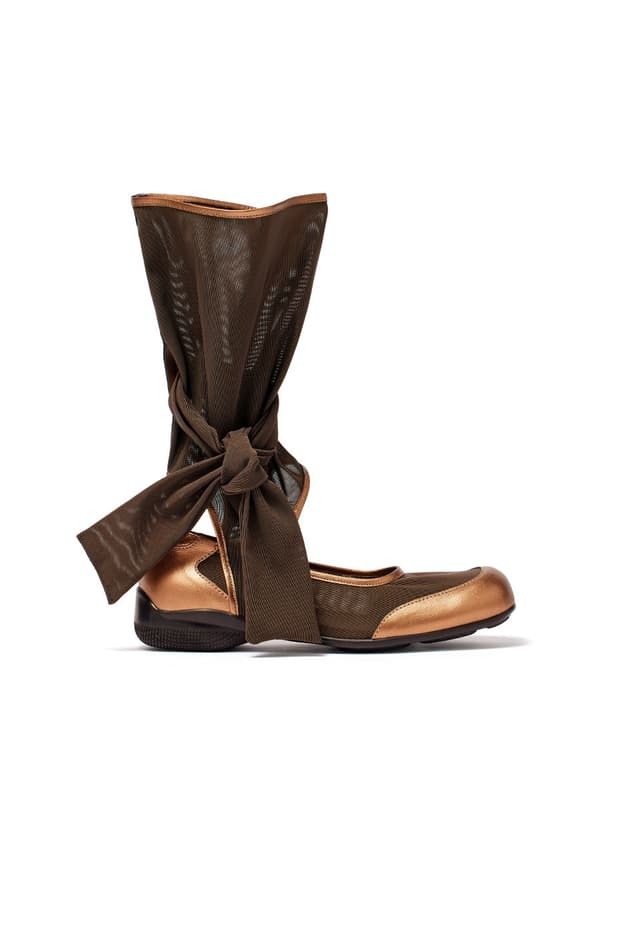
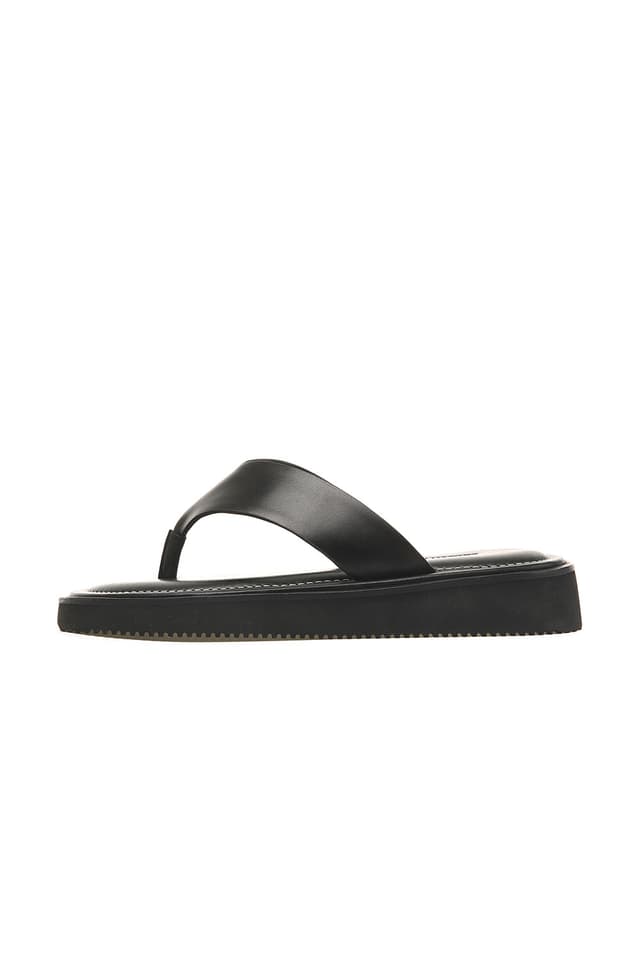
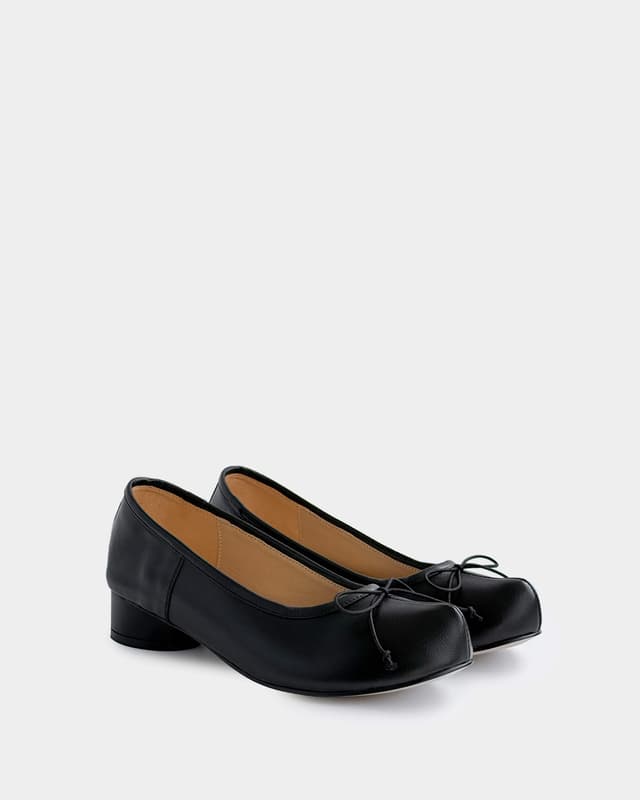
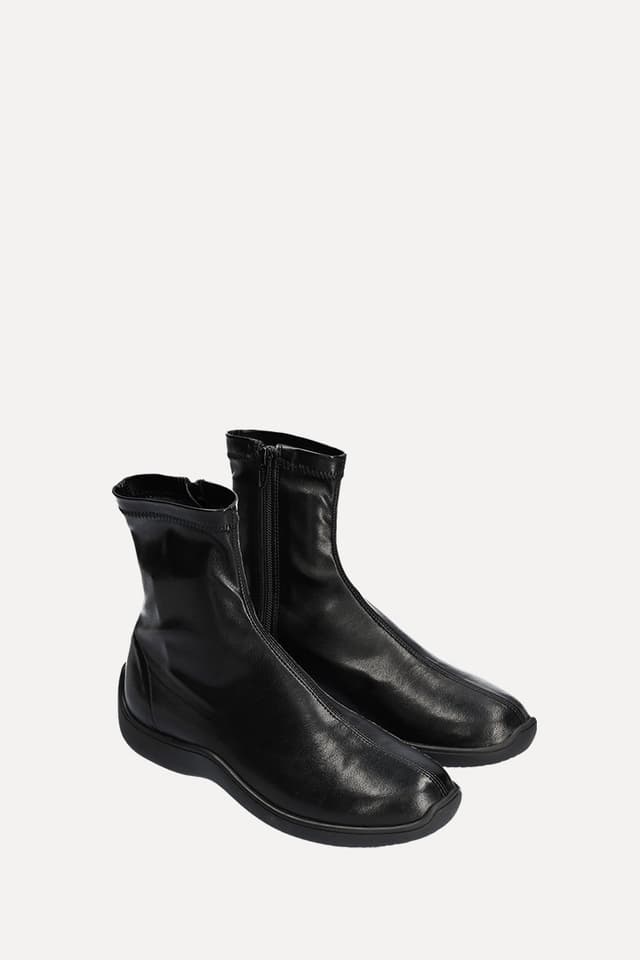
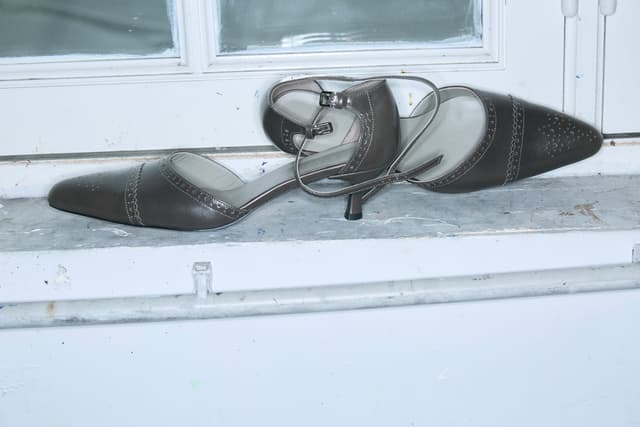
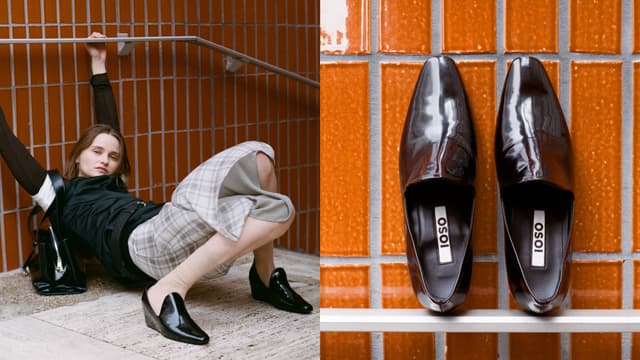
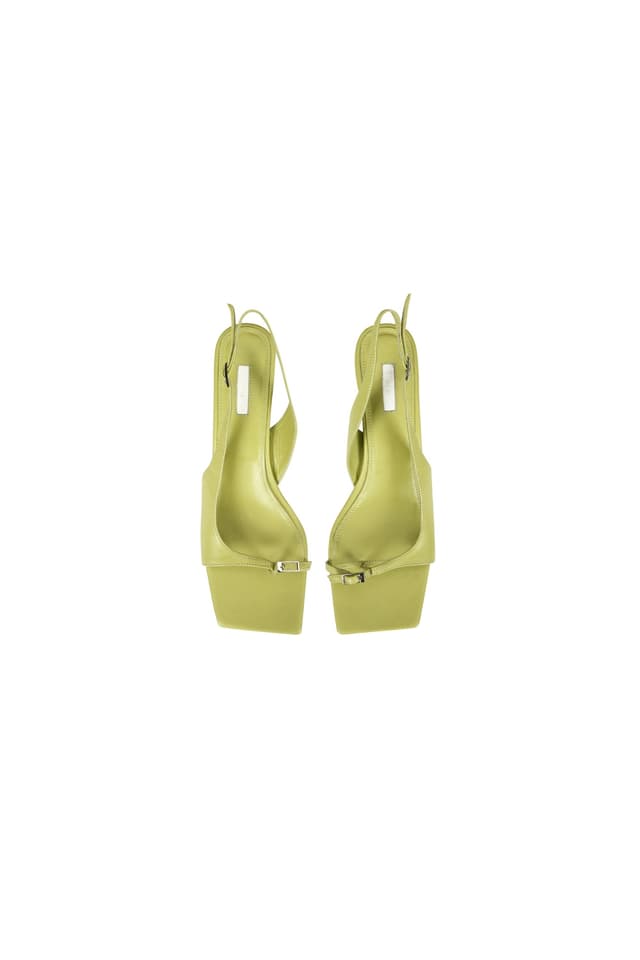
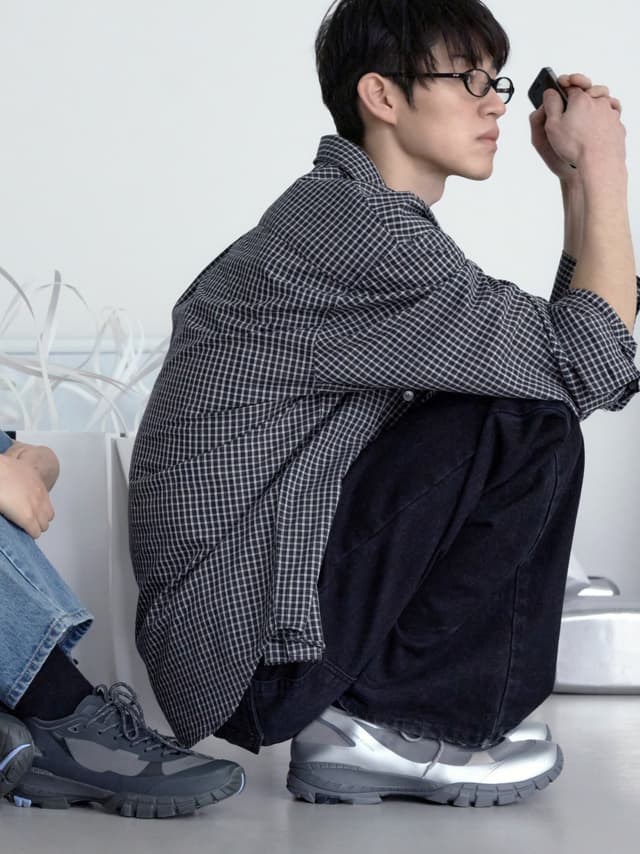
Explore minimalist footwear brands creating sneakers, loafers, sandals, boots and flats with clean lines, restrained detailing and versatile colours. This collection brings together independent labels across different price ranges, materials, countries and production approaches. It includes minimalist sneaker brands focused on simple everyday silhouettes alongside brands offering refined shoes for work, travel and occasions. Use the listings to compare style, sizing, materials, availability and shipping destinations without sorting through heavily branded designs. Each profile helps you learn about the label’s founders, ownership and product range before visiting its official website to check current prices, measurements, colours and where to buy.

Brands

Jacques Solovière Paris featured image

Jacques Solovière Paris

France · Est. 2014 · Mid-range

Footwear designer Alexia Aubert founded Jacques Solovière Paris in 2014, naming the label after her grandfather. Before launching it, she worked with Christian Louboutin, Pierre Hardy and Oscar de la Renta. Her starting point is usually a classic men’s shoe, refined into a light, pared-back silhouette that can also be adapted for women. The collection centres on derbies, loafers and slippers, with boots, sneakers and mules adding other options. A single lace or pinched seam at the front gives some of its most recognisable designs their character. The brand says its current production takes place in Portugal using components sourced from Italy; it makes shoes in limited quantities. Jacques Solovière sells through its online shop, selected stockists and its Paris boutiques, including a location at 3 Rue Molière. Its loafers use Italian sizing that the brand describes as running large, a useful detail for anyone comparing them with other European shoes.

Edie Collective featured image

Edie Collective

Australia · Est. 2020 · Mid-range

Edie collective is a Sydney-based vegan footwear label founded in 2020 by creative director Ebanny Dwyer. Dwyer, an animal advocate, wanted more considered shoe options that did not use animal leather. The collection takes familiar wardrobe styles, including boots, loafers, sandals and heels, and gives them a polished, contemporary look. The brand says its shoes are entirely vegan and handmade by a family-run factory in China that has undergone a SMETA audit. Its material information is more useful than a broad sustainability claim: edie identifies microfiber and polyurethane-based leather alternatives, including recycled material with Global Recycled Standard certification. These are still synthetic materials, so shoppers can review the composition of a particular pair before buying. Edie sells through its own website and selected retailers. Product pages list European sizes and describe the fit and materials of each style. The online shop provides shipping information for Australian and international orders, making it the place to check delivery availability for a specific destination.

A.EMERY featured image

A.EMERY

Australia · Est. 2017 · Mid-range

A.EMERY began in Melbourne in 2017 when designer Anna Emery-McClure set out to make the simple, all-black leather sandal she could not find. Sandals remain central to the label, distinguished by clean straps, restrained colours and shapes designed to work across a wardrobe. It has since expanded into boots, other footwear, clothing and accessories while keeping that minimal approach. The Melbourne team works with different makers by category. According to A.EMERY, its sandals are handcrafted in the Delhi region of India. The brand says it sources footwear leather through Leather Working Group suppliers and conducts annual audits of its manufacturing partners. These are specific sourcing and oversight practices rather than a blanket guarantee about every product’s environmental impact. A.EMERY sells through its own website and international retailers. Its footwear follows European sizing, generally EU 35–42. The brand advises shoppers with wider feet to consider sizing up and those with narrow feet to consider sizing down, then check the details for the individual style.

Open YY featured image

Open YY

South Korea · Est. 2020 · Mid-range

OPEN YY is a Seoul fashion brand created in 2020 by sisters Jiyoung and Boyoung Kim. It began as TheOpen Product and later adopted its current name, drawing “YY” from the sisters’ shared name element, “Young.” The label presents womenswear and unisex pieces with expressive details, alongside shoes, bags and accessories. For footwear shoppers, OPEN YY’s range includes ballet flats and other styles that follow its clothing collections. Its designs often use familiar shapes with changes to straps, cut-outs or proportions. The official shop separates shoes from clothing and provides product-specific measurements, which are useful because construction and sizing can differ between pairs. OPEN YY sells through its Korean and international websites and lists stockists in other markets. It also provides information about its Seoul store. Shoppers interested in a particular collaboration can browse the brand’s archive, which includes projects with Puma and Keen, while checking current listings to see what remains available. The company’s registered address is in Seoul’s Yongsan district, and Boyoung Kim is named in its business details.

Maison Marais featured image

Maison Marais

South Korea · Est. 2014 · Mid-range

MAISONMARAIS is a Seoul women’s fashion brand launched in 2014 by designer Jiyoon Kwac. Its collections build relaxed, contemporary looks around silhouettes the brand describes as masculine. Clothing is its main focus, with shoes, bags and accessories extending the same approach across an outfit. Shoppers looking for MAISONMARAIS footwear should expect a selected fashion range rather than a dedicated shoemaker’s catalogue. The brand has listed styles such as ankle boots and long boots alongside ready-to-wear, including jackets, knitwear, denim, dresses and tailoring. Its seasonal collections change the details and styling, so the current shoes are best viewed in the context of the full collection. MAISONMARAIS operates an official online shop with a footwear category and provides store information for people who want to shop in person. It also maintains a stockist page. The company lists its headquarters in Seoul’s Yongsan district. Its own site spells the designer’s name Kwac Jiyoon; that is the spelling used here. Check the individual product page for material, sizing and availability before ordering a specific pair.

Flat Apartment featured image

Flat Apartment

South Korea · Est. 2010 · Mid-range

Flat Apartment is a Seoul footwear design studio founded in 2010 by Kyunghee Seo and Kwangsub Yie. It draws on art, culture and everyday details to make shoes with a minimal base and an unexpected shape or proportion. The brand works with Seoul artisans, and its history includes footwear collaborations with Camper and Trading Museum Comme des Garçons. Its current range covers ballerina flats, platforms, sandals, heels and boots, alongside bags and accessories. The chunky Namak platform designs show its more sculptural side, while its simpler flats offer a quieter introduction to the label. Flat Apartment’s official site is the most direct place to see which styles and colours are currently available. All Flat Apartment shoes are made to order, with the brand estimating around 10–20 days for production after payment confirmation. It uses Italian sizing and publishes conversions through Korean size 270. Because its ordering policy excludes routine cancellations, returns and exchanges, checking the size guide or contacting customer service before ordering is particularly useful. The English-language store provides information for international customers.

Neute featured image

Neute

South Korea · Est. 2020 · Mid-range

NEUTE is a South Korean leather footwear brand whose official site lists Sunjae Lee as its owner. Its name and design approach centre on neutral, essential pieces, with details intended to give familiar shoe shapes an individual feel. The brand’s own introduction highlights derbies, loafers and flats as core styles. Its online shop also carries sandals, heels, clogs, boots and a small selection of accessories. That breadth makes NEUTE useful to browse for everyday leather footwear as well as a more shaped heel or seasonal sandal. Product listings give individual style and size options, so checking the specific shoe is more useful than assuming the same fit throughout the range. NEUTE states that its products are handmade and made to order. Its order guidance sets an early deadline for changes or cancellations, making it sensible to settle sizing before checkout. Some product pages also advise keeping their leather and wooden-heel components away from rain and snow. The brand lists a Seoul address and operates an English-language online shop with a destination selector for international customers.

Pieton featured image

Pieton

South Korea · Est. 2022 · Mid-range

Piéton is a Seoul-based footwear brand associated with Jinhee Seo, whom its official site identifies as owner and CEO. Introduced in 2022, the label takes inspiration from women’s lives in cities and from urban architecture. It starts its designs with the shoe last, using that foundation to create sculptural shapes with a restrained overall look. The range includes boots, loafers, pumps, slingbacks and sandals, with some bags also appearing in its shop. This is a useful brand to explore if you are looking for women’s shoes with a distinctive shape that can still work across seasons. Its current company address is in Seongdong-gu, Seoul. Piéton’s English-language site allows direct ordering and provides a size guide. It uses Italian shoe sizes, with a published chart corresponding to Korean sizes 220–260; the brand advises checking each product page because the last can affect fit. Its shipping guide distinguishes in-stock items from made-to-order items and explains the arrangements for international orders. Stockist information is also available on the site for shoppers who prefer to locate a retailer.

OSOI featured image

OSOI

South Korea · Est. 2016 · Mid-range

OSOI is a Seoul-based accessories brand founded in 2016 by Heejin Kang, who is also listed as the company’s CEO. It is best known for bags with distinctive shapes, but its range extends to shoes and accessories. On the official site, shoppers can browse tote, shoulder and crossbody bags alongside flats, loafers, heels, boots, sandals and sneakers. The brand describes its aim as creating designs with lasting appeal while introducing new materials, colours and details each season. That gives OSOI a recognisable design language without tying every collection to one silhouette. Someone looking specifically for OSOI shoes should use the footwear categories, since bags occupy much of the broader brand selection. OSOI sells through its international website and provides separate store and stockist directories for finding it in person or through other retailers. Its English-language shop offers shipping to many destinations, with regional exceptions; orders for Japan and South Korea use other channels. Check the destination and product details before ordering, particularly for footwear sizing. The company’s listed address is in Seoul’s Yongsan district.

Blue Over featured image

Blue Over

Japan · Est. 2011 · Mid-range

Blueover is a sneaker brand launched in Osaka in 2011 by product designer Taichi Watari. Watari created it after questioning rapid cycles of product development and seeing the pressures on Japan’s small footwear factories. Blueover works with that manufacturing network and says it sources materials and carries out production processes in Japan wherever possible. The brand designs sneakers primarily for standing and walking. Its lasts give the forefoot room, while materials and sole firmness are chosen with repeated everyday wear in mind. Mikey, a long-running model, uses a last developed for Japanese feet; Marco brings a more shoe-like look to a cushioned sneaker. Blueover also considers durability in its designs, although construction and repair options differ between models. The official online store provides size guidance, and its fit information notes that the roomy forefoot may affect which size a customer chooses. Blueover is a relevant comparison for shoppers seeking wider Japanese-made walking sneakers with a restrained design and an emphasis on domestic shoemaking.

Flux Footwear featured image

Flux Footwear

USA · Est. 2020 · Mid-range

Flux Footwear is a US shoe brand that describes itself as founded in 2020. Its founding team includes Isaac Mertens and Zach Frey; Frey brought experience as a footwear designer at Reebok. The brand set out to make shoes that allow more natural foot movement while still offering styles for training and daily wear. The range includes the Adapt Trainer, Adapt Runner and Adapt Trail Runner. Wide toe boxes and zero-drop soles—where the heel and forefoot sit at the same height—are recurring features. The models serve different uses: the knit trainer prioritises flexibility, while the runners add cushioning or features suited to trails. Flux describes its footwear as barefoot-inspired, but shoppers should compare the sole and cushioning of each model rather than assume every pair feels the same underfoot. Flux sells through its official website, with product-specific sizing and return information. People new to this type of shoe may find the brand’s guidance on gradually getting used to the fit useful before choosing one for regular training.

Casa Hernanz featured image

Casa Hernanz

Spain · Est. 1845 · Affordable

Casa Hernanz is a family-run espadrille shop in Madrid that dates to 1845. Artisan Toribio Hernanz opened it near Plaza Mayor to sell espadrilles and practical goods to people arriving from the surrounding countryside. Successive generations kept the business on Calle de Toledo, where the shop remains today. Traditional flat espadrilles are its best-known offering, alongside wedges, platforms and styles for women, men and children. The shop also sells rope, basketry, sacks and other goods made with natural fibres. That wider selection reflects its history as a working shop rather than a footwear label built around seasonal collections. Visitors can shop at Calle de Toledo 18, while a smaller selection of espadrilles is available online. Many listed styles are handmade in Spain, but shoppers should check individual descriptions: the store also carries products identified with other makers, including Gaimo. Casa Hernanz is especially useful for someone seeking a classic Spanish espadrille and the experience of visiting a long-standing Madrid shop.

E

Elia Maurizi

Italy · Est. 2009 · Mid-range

Elia Maurizi is an Italian footwear label built on a family shoemaking tradition in Corridonia, in the Marche region. Elia learned the craft from his father, Antonio, and the brand says cutting, stitching, and assembly take place in the Maurizi workshops. Its official site offers collections for women and men, from leather shoes and boots to loafers and sneakers. The brand’s Etica project gives shoppers more detail about its material choices. It describes vegetable-tanned leather sourced from Tuscany and natural rubber soles for some shoes, while individual product pages identify the materials used in each design. These are specific choices to examine by model rather than a reason to assume every shoe has the same composition. Elia Maurizi sells directly through its website and also has a section for distributors and retailers. Shoppers comparing styles can look at the upper, sole, and construction details on each product page, then check the site’s shipping and return terms for their destination. The supplied 2009 founding year was not confirmed on the brand’s official history page, so it should be checked before adding it to the published profile.

Vibi Venezia featured image

Vibi Venezia

Italy · Est. 2015 · Mid-range

ViBi Venezia was founded in 2015 by sisters Viola and Vera Arrivabene Valenti Gonzaga. Their starting point was the furlana, the traditional Venetian slipper they wore as children. The brand brings that familiar shape into collections for women, men, and children, with the founders’ connection to Venice at the centre of its story. Its footwear includes classic slippers, Mary Jane styles, and backless versions in velvet, cotton, and other fabrics. Many pairs have rubber soles, a defining feature of the traditional furlana. The designs vary more through colour, fabric, and fastening than through dramatic changes to the underlying shape, making the collection easy to browse by the details a shopper prefers. ViBi describes its furlane as handcrafted and made in Italy, and credits local artisans in the brand’s development. Customers can shop through its website, where individual product pages show materials and size options. The brand’s account of the furlana’s history mentions leftover fabric and old bicycle tyres, but that describes the traditional shoe’s origins; it should not be read as a claim that every current ViBi pair uses recycled materials.

Le Monde Béryl featured image

Le Monde Béryl

UK · Est. 2016 · Luxury

Le Monde Béryl is a UK-based footwear label founded in 2016 by Lily Atherton Hanbury and Katya Shyfrin. It began with a Venetian slipper and has since expanded that idea into a wider women’s shoe collection. The brand designs around colour, fabric, and movement, while its shoes are handcrafted in Italy. The current range includes slippers, ballet flats, Mary Janes, boots, and other styles in materials such as velvet, satin, suede, and leather. Its Venetian slipper remains the clearest starting point for shoppers discovering the brand. Those looking for a similar shape with more coverage can compare the Mary Janes and boots, while the fabric and colour choices give recurring designs a different character each season. Le Monde Béryl sells on its own website and through retailers in several countries. Orders placed on its website ship from the UK, a useful distinction from where the shoes are made. The brand says its Italian production uses locally developed components and traceable leathers and textiles. Its environmental page explains these sourcing and production choices, though shoppers should assess them as specific practices rather than a blanket certification.

8000Kicks featured image

8000Kicks

Portugal · Est. 2019 · Mid-range

8000Kicks is a Portuguese sustainable footwear brand founded in 2019 by Bernardo Carreira and his grandmother, Maria Otilia Carreira. The idea began when Bernardo challenged Otilia, who had more than 50 years of textile experience, to help create durable shoes using industrial hemp. Their early project developed into a family-led hemp shoe company. The 8000Kicks collection includes hemp sneakers for men and women, wide-toe-box shoes, casual footwear, socks, wallets, hats, and backpacks. Its best-known shoes use hemp uppers, hemp insoles, waterproof layers, and lightweight outsoles containing algae-based material. The designs are intended for travel, walking, commuting, and everyday use. Hemp gives the footwear a breathable, flexible, and naturally distinctive texture. The company also positions its shoes as vegan and focuses on reducing reliance on common synthetic or resource-intensive materials. Practical colors and simple sneaker shapes make the range easy to style. For shoppers seeking sustainable hemp shoes or vegan sneakers, 8000Kicks offers an unusual material-led alternative. The brand combines Portuguese textile knowledge, footwear development, and accessible casual design, creating lightweight shoes for customers interested in comfort, versatility, and lower-impact materials.

Suzanne Rae featured image

Suzanne Rae

USA · Est. 2010 · Mid-range

Suzanne Rae is a New York fashion and footwear brand founded in 2010 by designer Suzanne Rae Pelaez. Built on feminist principles, the label creates clothing and shoes for progressive individuals who value personal expression, thoughtful design, and responsible production. Its work combines an artistic point of view with pieces that can become parts of a wardrobe. The Suzanne Rae shoe collection includes Mary Janes, sandals, slingbacks, boots, slides, and signature glove-style shoes. Designs often reinterpret familiar silhouettes through sculptural heels, refined lines, unusual textures, and symbolic details. Selected styles are produced in Italy using leather, while the range also includes vegan material options. Suzanne Rae works with family-owned factories and considers social and environmental responsibility within its production choices. The result is footwear that feels independent, intelligent, and quietly distinctive rather than driven by fast seasonal trends. For shoppers seeking a New York designer shoe brand with a feminist perspective, Suzanne Rae offers expressive women’s footwear with substance. Its Mary Jane shoes, boots, and artful sandals suit customers who appreciate fashion, craftsmanship, and values working together today.

YCH featured image

YCH

South Korea · Est. 2016 · Mid-range

YCH is a South Korean designer fashion brand established in Seoul in 2016 by Yoon Choon Ho. The womenswear label combines feminine elegance with modern ideas. The brand explores structure and balance through disciplined details, aiming to create a refined, modern identity that extends beyond a trend, season or place. YCH collections include dresses, tailoring, outerwear, separates and selected footwear and accessories. Structural silhouettes, clean construction and controlled proportions shape the label’s visual language. Its footwear follows the collection’s polished mood, supporting looks within the seasonal wardrobe. YCH suits customers seeking Korean designer fashion with coordinated clothing, shoes and accessories. Based in Seoul’s Yongsan district, the label reflects the confident attitude of contemporary Korean fashion. The brand balances audacity and grace, using restrained details to keep dramatic shapes wearable. YCH has also gained visibility through Korean celebrities and international figures who wear its collections. For shoppers searching for a South Korean designer brand, Seoul womenswear label or modern Korean fashion with footwear, YCH offers a sophisticated wardrobe shaped by Yoon Choon Ho’s clear approach to femininity, structure and personal expression.

Low Classic featured image

Low Classic

South Korea · Est. 2009 · Mid-range

LOW CLASSIC is a South Korean fashion brand founded in Seoul in 2009 by designer Myoungsin Lee. The label is known for modern womenswear that combines clean construction, practical dressing, and carefully controlled proportions. Its collections often present minimal clothing with subtle details that make familiar pieces feel more distinctive. LOW CLASSIC women’s clothing includes tailored jackets, trousers, dresses, skirts, knitwear, shirts, coats, and casual separates. The brand also produces shoes, bags, and other accessories. LOW CLASSIC footwear ranges from flats and loafers to boots, sandals, and modern heels. Neutral colors, smooth leather, square toes, sculpted shapes, and simple hardware often connect the shoes to the wider clothing collection. The Korean fashion brand balances structured tailoring with softer fabrics and relaxed silhouettes. Designs are created for work, city dressing, events, and everyday wardrobes rather than one narrow occasion. For shoppers searching for Korean designer clothing and shoes, LOW CLASSIC offers polished womenswear with minimalist styling, thoughtful shapes, and versatile accessories. Its footwear works particularly well with the brand’s tailoring, helping customers build coordinated outfits with a modern Seoul fashion perspective.

K. Jacques featured image

K. Jacques

France · Est. 1933 · Mid-range

K.Jacques is a French sandal brand founded in Saint-Tropez in 1933 by Jacques and Elise Keklikian. The Armenian couple opened a small workshop on Rue Allard and began making leather sandals by hand. The family house has continued this Saint-Tropez sandal-making tradition for several generations. K.Jacques sandals are still handcrafted in the brand’s workshop in Saint-Tropez. The production process includes leather selection, cutting, stitching, assembly, finishing, and careful inspection. Skilled artisans use methods that have been passed down since the company began. Quality leather, simple lines, and durable construction remain central to the collection. The range includes flat sandals, heeled sandals, slides, mules, ankle-strap styles, toe-loop sandals, and designs with studs, braiding, metallic leather, or decorative details. Many styles have a relaxed Mediterranean look that works with summer dresses, linen, denim, swimwear, and evening outfits. For shoppers searching for handmade French sandals, K.Jacques offers traditional Saint-Tropez footwear with timeless shapes, quality materials, and local production. The brand is suited to customers who value simple leather sandals, artisanal construction, and a strong connection to French Riviera style for modern summer wardrobes.

Garment Project featured image

Garment Project

Denmark · Est. 2013 · Mid-range

Garment Project is a Danish footwear and clothing brand founded in Copenhagen in 2013. The label began with shoes before growing into a wider wardrobe collection. Its footwear background still shapes how the brand approaches clothing, proportions, materials, and the way different pieces work together. Garment Project shoes include sneakers, loafers, boat shoes, hiking-inspired boots, and other casual styles for men and women. Classic footwear, workwear, and sportswear provide frequent references. The design team updates these familiar forms by changing the sole weight, shape, volume, materials, or surface details. Leather, suede, and hand-stitched elements appear throughout the footwear range. Garment Project footwear is handmade in Portugal using carefully selected materials. The clothing collection includes jeans, trousers, jackets, knitwear, shirts, and technical pieces made with cotton, wool, leather, and specially developed fabrics. The brand also works on collaborations connected to art, music, fashion, and skateboarding. Comfort remains important throughout. For shoppers searching for Danish sneakers and minimalist shoes, Garment Project offers clean footwear and clothing with modern proportions, useful colors, and designs made to fit easily into a coordinated everyday wardrobe.

ATP Atelier featured image

ATP Atelier

Sweden · Est. 2011 · Mid-range

ATP Atelier is a luxury shoe and accessory brand started in 2011 by friends Maj-La Pizzelli and Jonas Clason. The brand is famous for mixing clean Swedish design with traditional Italian craftsmanship. They make premium boots, bags, and leather accessories, but they originally started with a simple "city sandal" that remains a brand icon. Because they use eco-friendly vegetable-tanned leathers and rely on skilled artisan workshops in Italy, it sits firmly in the luxury designer market. Their collections feature timeless shapes and neutral colors that look elegant with any outfit. The brand does not care about fast-moving fashion trends. Instead, they focus on a slow, thoughtful approach to fashion, making beautiful shoes that last for years. ATP Atelier is the best choice for anyone who loves minimalist style and quiet luxury.

Coclico featured image

Coclico

USA · Est. 2000 · Mid-range

Coclico is an independent New York City footwear house founded in 2000 by Sandra Canselier. The brand opened its Mott Street store in 2001 and has remained closely connected to downtown Manhattan’s design culture. Its approach combines modern, sculptural forms with traditional European shoemaking, creating shoes intended to feel distinctive without becoming difficult to wear. Every Coclico collection is produced in limited quantities at the same family-run atelier in Spain that has worked with the brand since its beginning. The workshop uses established construction methods, including sacchetto construction, in which the upper is sewn to a soft inner layer before lasting. This technique contributes to the flexible, glove-like fit associated with many Coclico styles. The collection includes boots, sandals, loafers, heels, flats, and clogs, generally defined by clean lines, balanced proportions, and architectural shapes. Coclico also prioritizes longevity and carefully selected materials, including thoughtfully tanned leathers and certified sustainable woods. For shoppers, it offers refined footwear that sits between everyday practicality and wearable art, with comfort, craftsmanship, and understated expression guiding the design for a thoughtful and long-lasting modern wardrobe.

Can't find what you're looking for?

We add new sites every week but if you have a specific request, let us know.

About Minimalist Footwear on From The Labels

Minimalist footwear is generally identified by restrained design rather than one required material or construction method. A pair may use smooth leather, suede, canvas, recycled textiles or synthetic components while keeping logos, colour blocking and ornamentation subtle. Low-profile sneakers, plain loafers, simple sandals and streamlined boots can all fit the category, although every brand interprets minimalism differently.

Searches for minimal shoe brands can also mix two distinct ideas. Some shoppers mean visually pared-back footwear; others mean barefoot or anatomical shoes with thin, flexible soles, wide toe boxes and little heel-to-toe drop. These features should never be assumed from appearance. If barefoot construction matters to you, verify the product specifications and intended use with the brand.

Choose between labels by considering more than colour. Look at fit, sole flexibility, cushioning, weight, fastening, care needs and how easily a style works across your wardrobe. A neutral design may be versatile, but comfort and durability still depend on construction and materials. The profiles above let you compare independent brands by location, founders, ownership, price range, sizing and shipping. Visit the official website for current stock, exact measurements, material composition, returns and delivery information.

Frequently asked questions

What are minimalist footwear brands?
Minimalist footwear brands create shoes with clean silhouettes, restrained colours, subtle branding and limited decorative details. Their collections may include sneakers, loafers, flats, sandals, boots and formal shoes.
Are minimalist shoes the same as barefoot shoes?
Not always. Minimalist can describe a visual style, while barefoot shoes usually have specific features such as flexible soles, wide toe boxes and minimal heel-to-toe drop. Check the product specifications.
What do minimalist sneaker brands offer?
Minimalist sneaker brands typically offer streamlined low-tops, court-inspired shoes, slip-ons and simple trainers. Designs often use neutral colours and subtle branding, although materials, cushioning and construction vary considerably.
How should I compare minimal shoe brands?
Compare the intended use, fit, materials, sole construction, cushioning, size range, prices and production details. Also review shipping coverage, returns and whether the shoes are visually minimalist or barefoot-style.
Are minimalist shoes suitable for everyday wear?
Many are designed for everyday use, but suitability depends on fit, cushioning, support, weather resistance and your routine. Evaluate the individual product rather than assuming every pared-back design offers similar comfort.
Do minimalist footwear brands only use neutral colours?
Neutral shades are common, but they are not required. Some brands use seasonal colours, contrasting soles or brighter accents while retaining simple silhouettes, limited branding and restrained decorative elements.
Where can I buy from independent minimalist footwear brands?
Use the listings above to discover independent labels, compare their collections and reach official websites or authorised retailers. Confirm prices, availability, sizing, shipping costs and return conditions before purchasing.