Heels

Discover our list of independent labels for anyone comparing the best heel brands, from sculptural stilettos and pumps to block heels, kitten heels, platforms and wedges. The collection covers work, weddings, evenings and everyday dressing, with styles across different materials, heights, sizes and price ranges. Those searching for the best heel brands for women can look beyond appearance to heel pitch, toe shape, fastening and balance. Each profile introduces the designer and current collection, then points you towards official measurements, stock, shipping and return information before you decide which pair suits the occasion.

Brands

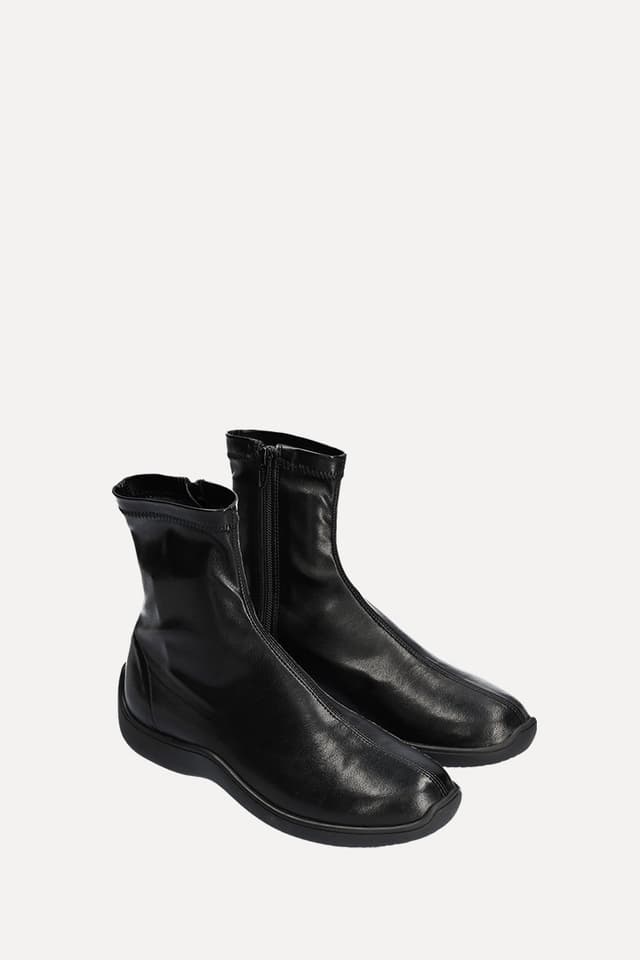
Souliers Martinez featured image

Souliers Martinez

France · Est. 2017 · Luxury

Julien Martinez launched Souliers Martinez in Paris in 2017, drawing heavily on his Spanish heritage. A visit to an Alicante workshop introduced him to hand-braided leather, which became a defining feature of the label. The shoes combine that visible craft with shaped heels, pointed or softly squared toes and colours that give classic silhouettes a distinctive finish. The women’s range includes woven sandals, pumps, flats and boots, alongside mesh, raffia and occasion styles. According to the brand’s history, its original leather designs were assembled and finished in Spain. Current material guides also identify production in Portugal and Italy for particular categories, so the manufacturing country is specific to the shoe rather than the label as a whole. Souliers Martinez sells through its own online shop and stockists. Its general European size chart covers EU 35–41. Fit advice varies by construction: some styles recommend sizing up between sizes, while others recommend sizing down.
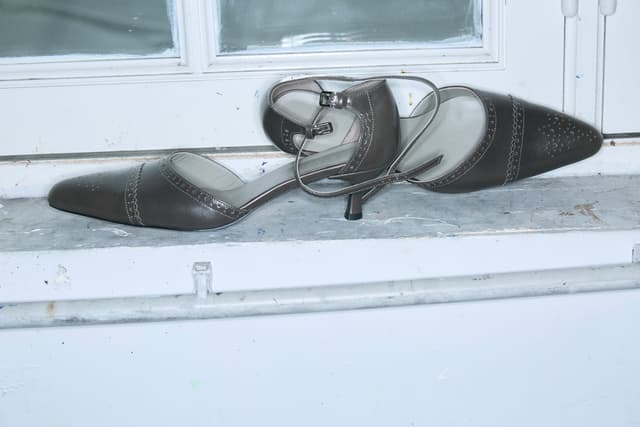
Maison Toufet featured image

Maison Toufet

France · Est. 2015 · Mid-range

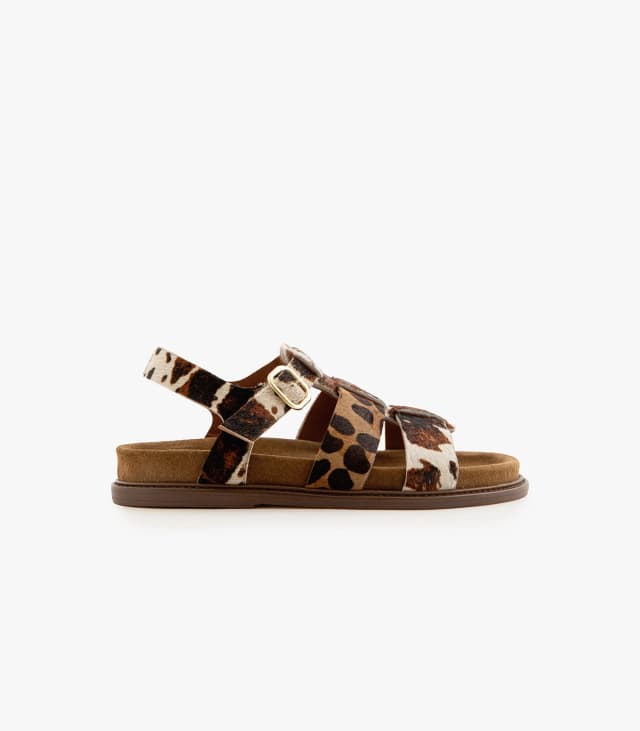
Marion Toufet founded Maison Toufet in Paris in 2015, building on a family background in shoemaking. The women’s footwear label designs in France and works with a workshop near Porto, Portugal, to make its shoes. Its collection includes loafers, ballet flats, sneakers, ankle boots and sandals, with individual styles named after women who inspire the founder. Maison Toufet focuses on wearable shapes and materials that can stand up to repeated use. The brand says it produces in small batches and sometimes uses preorders to align production with demand. It identifies Leather Working Group certified leather, some partially recycled soles and recycled or FSC-certified packaging among its choices. Its Portuguese workshop generates part of its electricity through solar panels. Many current product listings offer EU sizes 36–41, though availability and fit advice depend on the model. Maison Toufet sells directly through its online shop; its product descriptions identify the leather, construction and care requirements of individual shoes.

DOF Studios featured image

DOF Studios

Australia · Est. 2013 · Mid-range

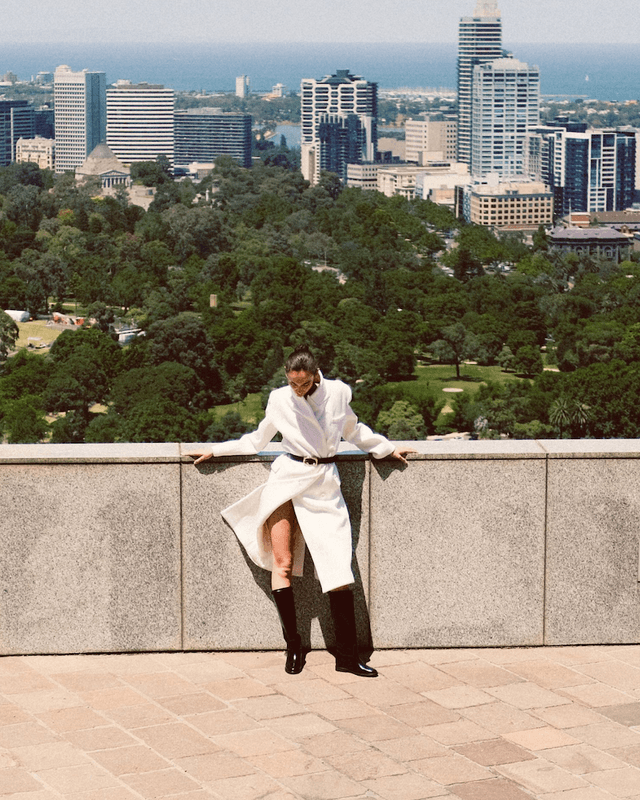
Designer Melissa Butera founded DOF Studios in Melbourne in 2013. Drawing on her Italian heritage, she designs women’s shoes and accessories that balance practical wear with a strong shape. The current footwear range covers flats, loafers, heels, sandals, boots and sneakers, while belts sit alongside the shoes. DOF’s designs are developed in Melbourne and made in Italy. Some product listings identify the workshop more closely: the Selena sandal, for instance, is made at a Naples factory with six generations of shoemaking experience. Across the collection, polished leather, suede, considered proportions and wearable heels give the label its mix of contemporary and traditional style. DOF uses European sizing and lists styles from EU 35–42. Its guide is based on a standard B fitting and recommends sizing up between sizes, while individual product pages identify departures from the usual fit. The brand sells through its current official shop at dofofficial.com and Australian retailers including The UNDONE, David Jones and The Iconic.

Nelson Made featured image

Nelson Made

Australia · Est. 2018 · Mid-range

Artist and designer Jamie Nelson established Nelson Made in Australia in 2018. The women’s footwear label focuses on sculptural shapes that still work in an everyday wardrobe. Its collection includes sandals, flats, mules, heels, boots and sneakers, often using a change in proportion or an unusual curve to make a simple shoe feel distinctive. Materials are a substantial part of the brand’s approach. Nelson Made uses recycled leather in some designs and says it buys most of its conventional leather from Leather Working Group certified suppliers, with exceptions for certain specialty materials. It also lists vegetable-tanned leather, organic linen and certified fabrics among its material choices. Those details vary by shoe; the range as a whole is not leather-free. Nelson Made’s size guide covers EU 35–43 and provides corresponding foot lengths. The brand sells directly online and through Australian retailers, including selected David Jones stores in Sydney and Melbourne, The New Trend, The Iconic and The UNDONE.

Edie Collective featured image

Edie Collective

Australia · Est. 2020 · Mid-range

Edie collective is a Sydney-based vegan footwear label founded in 2020 by creative director Ebanny Dwyer. Dwyer, an animal advocate, wanted more considered shoe options that did not use animal leather. The collection takes familiar wardrobe styles, including boots, loafers, sandals and heels, and gives them a polished, contemporary look. The brand says its shoes are entirely vegan and handmade by a family-run factory in China that has undergone a SMETA audit. Its material information is more useful than a broad sustainability claim: edie identifies microfiber and polyurethane-based leather alternatives, including recycled material with Global Recycled Standard certification. These are still synthetic materials, so shoppers can review the composition of a particular pair before buying. Edie sells through its own website and selected retailers. Product pages list European sizes and describe the fit and materials of each style. The online shop provides shipping information for Australian and international orders, making it the place to check delivery availability for a specific destination.

Kuwaii featured image

Kuwaii

Australia · Est. 2008 · Mid-range

Designer Kristy Barber established Kuwaii in Melbourne in 2008 as a clothing and footwear label centred on thoughtful, lasting designs. Its shoes complement the relaxed shapes and considered colours of its clothing. The footwear range includes leather sandals, boots and lace-up shoes, with details such as sculptural straps or distinctive soles giving familiar styles a Kuwaii character. There is an important production distinction for shoppers researching the brand. Most Kuwaii clothing is made in Melbourne, but the company says its footwear is now made in small batches at a family-run factory in Australia. Kuwaii describes working with a small supplier network and offers a repair program as part of its approach to keeping products in use. Kuwaii footwear is available through its website and Melbourne stores. Current styles commonly use European sizes 36–42. The general size guide says many fits are generous, but individual shoes can differ: some sandals, for example, have their own advice to size up between sizes. Check the relevant product page before choosing.

A.EMERY featured image

A.EMERY

Australia · Est. 2017 · Mid-range

A.EMERY began in Melbourne in 2017 when designer Anna Emery-McClure set out to make the simple, all-black leather sandal she could not find. Sandals remain central to the label, distinguished by clean straps, restrained colours and shapes designed to work across a wardrobe. It has since expanded into boots, other footwear, clothing and accessories while keeping that minimal approach. The Melbourne team works with different makers by category. According to A.EMERY, its sandals are handcrafted in the Delhi region of India. The brand says it sources footwear leather through Leather Working Group suppliers and conducts annual audits of its manufacturing partners. These are specific sourcing and oversight practices rather than a blanket guarantee about every product’s environmental impact. A.EMERY sells through its own website and international retailers. Its footwear follows European sizing, generally EU 35–42. The brand advises shoppers with wider feet to consider sizing up and those with narrow feet to consider sizing down, then check the details for the individual style.

Habbot Studios featured image

Habbot Studios

Australia · Est. 2009 · Mid-range

Founded by Annie Abbott in 2009, habbot is an independent women’s footwear label designed in Melbourne and made in Italy. Abbott developed the idea after working in fashion and footwear, bringing together classic European shoe shapes and a much bolder use of colour. Two-tone lace-ups helped establish the label’s identity; its range now spans loafers, boots, flats, heels, sandals and sneakers. Italian leather, contrasting textures and unexpected colour combinations are recurring features. After its first seasons were made in Naples, habbot moved production to a family-run shoemaking operation in Sant’Elpidio a Mare, in Italy’s Le Marche region. The result is footwear for shoppers who want a familiar silhouette with a more expressive finish. Habbot sells online and has a studio store in Collingwood, Melbourne, where customers can try on styles. Its shoes use European women’s sizing, with a general guide covering EU 34–43. Because fit varies by design, the brand recommends checking the advice on each product page.

La Choix featured image

La Choix

Portugal · Est. 2018 · Mid-range

Lachoix is a Portuguese women’s shoe brand founded in 2018 by Filipa de Abreu. She started it while looking for flat shoes that could feel comfortable enough for regular wear while retaining a refined look. Although the name has a French sound, the brand describes its identity and shoemaking roots as Portuguese. Flats remain central to Lachoix, with ballerinas, loafers and slingbacks alongside sandals and heeled styles. The brand produces limited quantities and says every pair is made in Portugal by small specialist shoemaking ateliers. Its materials include leathers sourced particularly from Italy, so shoppers looking for a specific material should review the individual listing. Lachoix sells through its official website, which provides a size guide, material-care advice and shipping information. Some product pages also suggest an insole for customers between sizes. The range has expanded beyond the flat shoe that prompted the brand’s creation, making the heel height and fit notes important when choosing between current styles.

NAE Vegan Shoes featured image

NAE Vegan Shoes

Portugal · Est. 2008 · Affordable

NAE Vegan Shoes was founded in Lisbon in 2008 by Paula and Alex Pérez. Its name stands for “No Animal Exploitation,” reflecting the rule behind every collection: the shoes contain no animal-derived materials. The founders remain involved in the business, which describes its footwear as designed and made in Portugal. NAE offers women’s and men’s styles across everyday and dress footwear, including sneakers, loafers, sandals, boots and heels. Its material selection includes cork, apple- and pineapple-derived alternatives, and recycled materials; the composition varies by shoe. The brand says pairs are handcrafted in small Portuguese workshops and identifies its footwear as PETA-certified vegan. Customers can buy through NAE’s international online shop, which provides shipping information and size guidance. Individual product pages include fit notes, a useful check when moving between a boot, loafer and sneaker. For shoppers specifically seeking vegan footwear, NAE’s animal-free requirement applies across the brand, while its separate material and construction details should be checked style by style.

Conker Shoes featured image

Conker Shoes

UK · Est. 1977 · Mid-range

Conker Shoes has made leather footwear in Totnes, Devon, since 1977. Its workshop sits behind its high street shop, where customers can see ready-to-wear styles as well as discuss a pair made to order. The brand makes shoes, boots and sandals for women, men and children, all in its own Devon workshop. Customization is a practical part of Conker’s offering. Depending on the style, customers can choose colours, soles, stitching and details such as laces or buckles. Its website lists sizes 1–13, including half sizes and four fittings, giving shoppers more ways to address fit than a single standard width. Conker also offers zero-rise and barefoot options within its range. The shoes use stitched-down construction and are designed so the workshop can resole and repair them after wear. Shoppers can order through the official site or visit the Totnes store to try available pairs. For a custom order, check the fitting and delivery information for the chosen style before placing it.

Salon de Ju featured image

Salon de Ju

South Korea · Est. 2015 · Mid-range

SALONDEJU is a Seoul women’s shoe label launched in 2015 by designer Sungju An. The brand describes its design approach as bringing classic, antique-inspired footwear into a contemporary wardrobe. Cowhide and sheepskin leather feature in its stated material direction, though the materials of a particular pair should be checked on its product page. Its shop includes flats, sandals and boots, along with heels, mules and selected children’s shoes. SALONDEJU also has an Essential line that interprets its designs in simpler forms for everyday wear. Details such as straps, toe shapes and heel heights vary considerably, making the individual shoe specifications useful when comparing styles and fit. Customers can browse and order on the official site or visit the brand’s showroom in Seongdong-gu, Seoul. The site provides product descriptions, size information and customer reviews. Some shoes are produced after ordering; the stated production and dispatch timing depends on the listing, so it is worth checking before purchase. The showroom address and visiting hours are published on SALONDEJU’s website.

M

Marie Mon Dieu

South Korea · Est. 2015 · Mid-range

Marie mon dieu is a South Korean women’s footwear brand established in 2015. Its official site lists Hyun-chul Hwang as the business representative. The brand was created to offer contemporary women’s handmade shoes, and it says all production stages take place at its own factory in South Korea. Rather than limiting itself to one shoe type, Marie mon dieu develops its own lasts and applies them to a varied range. Its online selection includes flats, Mary Janes, loafers, slingbacks, mules, heels, sandals and sneakers. Those different shapes make the product details and size choices especially relevant when moving between styles. The brand describes its work as combining experienced shoemakers’ methods with current designs. Marie mon dieu sells through its official Korean-language website, where individual listings show size options and delivery information. Selected product pages offer overseas destination choices, so international shoppers should check whether their country is available for the pair they want. The site advises particular care with overseas orders because exchange and return arrangements differ from domestic purchases. Its listed business address is in Seoul’s Gangnam district.

Maison Marais featured image

Maison Marais

South Korea · Est. 2014 · Mid-range

MAISONMARAIS is a Seoul women’s fashion brand launched in 2014 by designer Jiyoon Kwac. Its collections build relaxed, contemporary looks around silhouettes the brand describes as masculine. Clothing is its main focus, with shoes, bags and accessories extending the same approach across an outfit. Shoppers looking for MAISONMARAIS footwear should expect a selected fashion range rather than a dedicated shoemaker’s catalogue. The brand has listed styles such as ankle boots and long boots alongside ready-to-wear, including jackets, knitwear, denim, dresses and tailoring. Its seasonal collections change the details and styling, so the current shoes are best viewed in the context of the full collection. MAISONMARAIS operates an official online shop with a footwear category and provides store information for people who want to shop in person. It also maintains a stockist page. The company lists its headquarters in Seoul’s Yongsan district. Its own site spells the designer’s name Kwac Jiyoon; that is the spelling used here. Check the individual product page for material, sizing and availability before ordering a specific pair.

Flat Apartment featured image

Flat Apartment

South Korea · Est. 2010 · Mid-range

Flat Apartment is a Seoul footwear design studio founded in 2010 by Kyunghee Seo and Kwangsub Yie. It draws on art, culture and everyday details to make shoes with a minimal base and an unexpected shape or proportion. The brand works with Seoul artisans, and its history includes footwear collaborations with Camper and Trading Museum Comme des Garçons. Its current range covers ballerina flats, platforms, sandals, heels and boots, alongside bags and accessories. The chunky Namak platform designs show its more sculptural side, while its simpler flats offer a quieter introduction to the label. Flat Apartment’s official site is the most direct place to see which styles and colours are currently available. All Flat Apartment shoes are made to order, with the brand estimating around 10–20 days for production after payment confirmation. It uses Italian sizing and publishes conversions through Korean size 270. Because its ordering policy excludes routine cancellations, returns and exchanges, checking the size guide or contacting customer service before ordering is particularly useful. The English-language store provides information for international customers.

Neute featured image

Neute

South Korea · Est. 2020 · Mid-range

NEUTE is a South Korean leather footwear brand whose official site lists Sunjae Lee as its owner. Its name and design approach centre on neutral, essential pieces, with details intended to give familiar shoe shapes an individual feel. The brand’s own introduction highlights derbies, loafers and flats as core styles. Its online shop also carries sandals, heels, clogs, boots and a small selection of accessories. That breadth makes NEUTE useful to browse for everyday leather footwear as well as a more shaped heel or seasonal sandal. Product listings give individual style and size options, so checking the specific shoe is more useful than assuming the same fit throughout the range. NEUTE states that its products are handmade and made to order. Its order guidance sets an early deadline for changes or cancellations, making it sensible to settle sizing before checkout. Some product pages also advise keeping their leather and wooden-heel components away from rain and snow. The brand lists a Seoul address and operates an English-language online shop with a destination selector for international customers.

Pieton featured image

Pieton

South Korea · Est. 2022 · Mid-range

Piéton is a Seoul-based footwear brand associated with Jinhee Seo, whom its official site identifies as owner and CEO. Introduced in 2022, the label takes inspiration from women’s lives in cities and from urban architecture. It starts its designs with the shoe last, using that foundation to create sculptural shapes with a restrained overall look. The range includes boots, loafers, pumps, slingbacks and sandals, with some bags also appearing in its shop. This is a useful brand to explore if you are looking for women’s shoes with a distinctive shape that can still work across seasons. Its current company address is in Seongdong-gu, Seoul. Piéton’s English-language site allows direct ordering and provides a size guide. It uses Italian shoe sizes, with a published chart corresponding to Korean sizes 220–260; the brand advises checking each product page because the last can affect fit. Its shipping guide distinguishes in-stock items from made-to-order items and explains the arrangements for international orders. Stockist information is also available on the site for shoppers who prefer to locate a retailer.

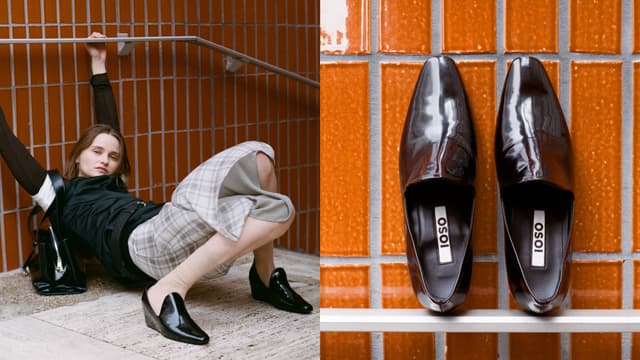
OSOI featured image

OSOI

South Korea · Est. 2016 · Mid-range

OSOI is a Seoul-based accessories brand founded in 2016 by Heejin Kang, who is also listed as the company’s CEO. It is best known for bags with distinctive shapes, but its range extends to shoes and accessories. On the official site, shoppers can browse tote, shoulder and crossbody bags alongside flats, loafers, heels, boots, sandals and sneakers. The brand describes its aim as creating designs with lasting appeal while introducing new materials, colours and details each season. That gives OSOI a recognisable design language without tying every collection to one silhouette. Someone looking specifically for OSOI shoes should use the footwear categories, since bags occupy much of the broader brand selection. OSOI sells through its international website and provides separate store and stockist directories for finding it in person or through other retailers. Its English-language shop offers shipping to many destinations, with regional exceptions; orders for Japan and South Korea use other channels. Check the destination and product details before ordering, particularly for footwear sizing. The company’s listed address is in Seoul’s Yongsan district.

Audley Shoes featured image

Audley Shoes

Spain · Est. 1988 · Mid-range

Audley Shoes is a women’s footwear brand established in 1988, drawing on a Spanish family manufacturing tradition that began in the 1940s. Historical accounts connect the brand’s creation with British designers Tim and Fiona Slack and the Spanish Gil-Vera family. That shared history helps explain Audley’s combination of distinctive design and Spanish shoemaking. Audley makes its shoes in Spain. Its current range includes leather sandals, heels, flats, sneakers and ankle boots, with different heel heights for everyday wear and dressier occasions. The brand describes its design philosophy in terms of form serving function: an unusual shape or colour still needs to work as a shoe someone can wear. Shoppers can buy through Audley’s official online store, which provides product details and customer advice on fit. The brand says its team can help with size questions by email or WhatsApp. Audley is a useful name for someone seeking women’s shoes with a more individual silhouette while keeping materials, construction and wearability in view.

Mint & Rose featured image

Mint & Rose

Spain · Est. 2012 · Affordable

mint&rose is a Spanish women’s footwear and accessories brand founded by Monti Gutiérrez Benavides. The project began in 2012, initially developing espadrilles for a market where Monti saw few options beyond traditional designs. It later expanded its presence in Spain; the brand identifies Valladolid as the location of its offices. Espadrilles remain an important part of mint&rose, joined by sandals, ballet flats, loafers, boots, bags and smaller accessories. The company says its current shoe and bag collections are designed and manufactured in Spain. It describes espadrille production in Murcia and shoe production in Elda, drawing on the distinct footwear skills of those regions. Customers can shop the official website for flat and wedge espadrilles, sandals and styles for other seasons. The brand is particularly relevant to someone looking for a Spanish-made espadrille within a broader, coordinated wardrobe of shoes and bags. Individual product pages give the clearest view of each item’s materials, heel height and available sizes.

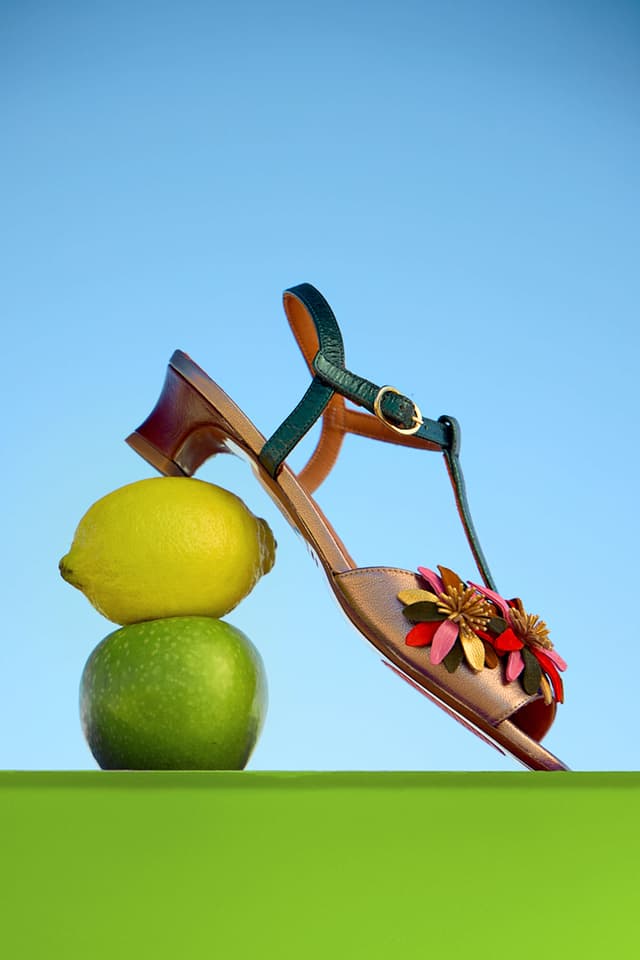
Chie Mihara featured image

Chie Mihara

Spain · Est. 2001 · Mid-range

Chie Mihara is a women’s footwear brand based in Elda, Spain, led by designer Chie Mihara and her husband, Francisco. Chie decided to create the brand in December 2001; another page on its official site dates the brand’s launch to 2002. She studied accessories at New York’s Fashion Institute of Technology and worked in an orthopedic shoe store before moving into shoe design, experiences that helped shape her attention to both appearance and fit. The shoes are recognisable for their vintage influences, unexpected colour combinations and varied heel shapes. Pumps, sandals and boots form part of a range designed to feel individual without relying on seasonal runway trends. Chie serves as creative director, while Francisco is CEO. The business describes itself as family-run. Its shoes and handbags are made locally through a family factory and studio in Elda, with much of its supply chain in the surrounding community. Customers can shop the official site, where checking the size and construction details for a specific style is useful before choosing a pair.

Mascaró featured image

Mascaró

Spain · Est. 1918 · Mid-range

Mascaró is a family footwear business rooted in Ferreries, Menorca, where its history began in 1918 with a small shoemaking workshop. Jaime Mascaró is listed as its founder. Today, Mascaró focuses on women’s shoes and accessories. Its range includes ballet flats, loafers, pumps, sandals, boots, sneakers and handbags, covering everyday dressing as well as weddings and other occasions. The brand says its footwear is designed and made on Menorca. It describes a production process that includes inspecting leather, cutting components by hand, stitching uppers and shaping shoes on lasts before a final check. Mascaró sells through its own website and stores. It may interest shoppers who want to compare contemporary women’s styles from a long-established Menorcan shoemaker. For a particular pair, the product page is the place to check its materials, shape and available sizes.

Lola Cruz featured image

Lola Cruz

Spain · Est. 2004 · Mid-range

Lola Cruz is a Spanish women’s footwear brand associated with designer and founder María Jesús Muñoz Gozalvo. The brand is generally dated to 2004, although its current official history does not give a founding year. Her approach brings fashion-led shapes and materials into shoes intended to work across different parts of a woman’s wardrobe. The collection spans pumps, ballet flats, loafers, boots, mules and sandals, with separate edits for brides and wedding guests. Lola Cruz says it selects leathers and other components from across Europe and uses its own factories to supervise production. Its shoes are available through the official online store, physical stores and other retailers. For shoppers checking ownership, Lola Cruz is part of Navima Brands, a group that also includes Bibi Lou and Gamin. That relationship is relevant to an independent-brand listing and should be recorded accurately. Lola Cruz’s appeal within the group is its distinct women’s footwear range, which moves between everyday flats and statement shoes for events.

Ángel Alarcón featured image

Ángel Alarcón

Spain · Est. 1966 · Mid-range

Ángel Alarcón is a women’s footwear brand established in 1966 in Elche, Spain. Its collections pair contemporary shapes with a focus on comfort and practical wear. The range covers pumps, Mary Janes, loafers, ballet flats, sandals, mules and boots, giving shoppers options for both everyday use and occasions that call for a dressier shoe. The brand describes its roots in Elche’s shoemaking industry and continues to design its footwear in Spain. Its current collections use materials including leather, suede, raffia and textiles. A low-heeled pump or simple loafer may appeal to someone building a work wardrobe, while its more expressive finishes offer another option for events. Ángel Alarcón sells through its own website and ships orders from Elche to Spain and international destinations. Check the individual product page for country of manufacture: the brand’s FAQ says that some models are made abroad. That detail is useful for shoppers specifically seeking Spanish-made shoes, since the brand’s Spanish design heritage does not establish the origin of every pair.

Can't find what you're looking for?

We add new sites every week but if you have a specific request, let us know.

About Heels on From The Labels

Heel height is only the visible part of how a shoe feels. The pitch, the angle created between heel and forefoot, changes pressure, while heel placement influences balance. A block heel can offer a broader base than a stiletto, and a platform can reduce the effective incline even when the overall height looks dramatic. Toe shape, straps and the shoe’s last complete the fit.

Good high heel brands make those details easier to evaluate. Look for side-view photographs, stated heel and platform measurements, material information and clear sizing guidance. The best heel brands also treat the upper and heel as one system: a secure ankle strap cannot rescue a toe box that pinches, and cushioning cannot correct poor balance or the wrong size.

Think about the hours, surfaces and movement involved. A pair for dinner may not suit a standing event, office commute or outdoor wedding. Try new heels indoors before the return window closes and with the hosiery or insoles you intend to wear. The profiles above bring independent designers together so you can compare styles and prices before checking stock, shipping, duties and returns with the official seller.

Frequently asked questions

How do I choose among the best heel brands for women?
Judge the individual shoe by heel pitch, toe room, balance, fastening, cushioning and sizing. The right brand depends on your foot shape, intended occasion, wearing time and preferred heel style.
What makes good high heel brands stand out?
Good brands provide accurate heel measurements, multiple product angles, material details and useful fitting guidance. Construction should keep the heel stable and position the foot securely without relying entirely on straps.
Which type of heel is most comfortable?
Comfort varies, but lower block heels and wedges often provide a broader base than narrow stilettos. Toe shape, pitch, cushioning, fit and wearing duration remain equally important considerations.
What is the difference between heel height and heel pitch?
Heel height measures the heel itself. Pitch describes the incline between the heel and forefoot. A platform can reduce the effective pitch even when the shoe appears relatively high.
How should high heels fit?
The heel should feel stable, the forefoot should not slide forward and the toes should have appropriate room. Straps must hold securely without digging into the foot or restricting movement.
Do high heels need to be broken in?
Materials may soften slightly, but breaking in should not involve sharp pressure, numbness or significant pain. Test the shoes indoors before wearing them for an extended event or removing labels.
Where to buy good quality heels?
Start with the independent labels listed above, then purchase through their official websites or authorised retailers. Confirm sizing, materials, heel measurements, availability, shipping and return terms before ordering.