Portuguese Footwear

Explore Portuguese footwear brands offering sneakers, boots, loafers, sandals, flats and formal shoes across traditional and contemporary styles. This collection brings together independent labels connected to Portugal through their headquarters, founders or manufacturing. Some Portuguese footwear brands offer eco-friendly or sustainable shoes made with lower-impact, recycled or responsibly sourced materials, while others focus primarily on craftsmanship, comfort or design. Use the listings to compare product types, price ranges, sizing, materials, production details and shipping coverage. Each profile helps you understand the label and where its footwear is made before checking current availability, claims and purchasing information on the official brand website.

Brands

Mariano Shoes featured image

Mariano Shoes

Portugal · Est. 1945 · Mid-range

Mariano Shoes began in 1945 when shoemaker Mariano de Jesus Gomes started producing footwear under the Mariano name in São João da Madeira, Portugal. The company now operates in nearby Oliveira de Azeméis and continues to describe its shoes as handmade, from the first leather cut through the final polish. Its current shop covers men’s and women’s footwear, including loafers, sneakers, boots and more formal shoes. Some men’s designs have special-size options, which are worth checking if a standard size range has been limiting. The brand sells directly online and provides product-specific size and availability information for its different collections. Mariano says its footwear can be restored, extending the useful life of a pair. It also reports using recycled-material packaging. Those are more specific points to consider than a general sustainability label, while the materials and construction of a particular shoe should be checked on its listing.
WAYZ for Life featured image

WAYZ for Life

Portugal · Est. 2019 · Mid-range

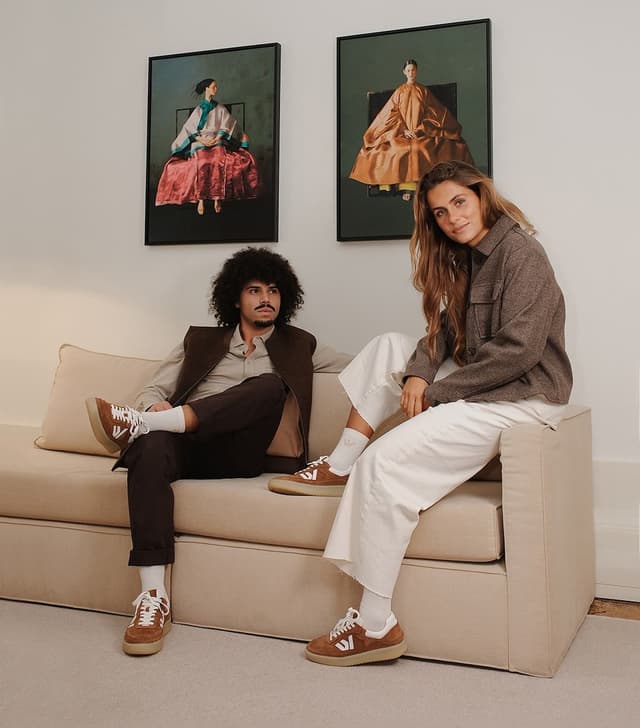
Wayz is a Portuguese sneaker brand founded in Porto in 2019 by Pedro Maçana and Daniel Carvalho. The founders launched it through a crowdfunding campaign, delivered their first pairs that year and subsequently opened a store in Porto’s Bonfim neighbourhood. Their aim was to design and make the sneakers entirely in Portugal. The brand sells leather sneakers in several shapes and colour combinations. It describes its approach through local sourcing, relationships with specialist suppliers and designs intended to stay in use. Some current models include outsoles containing recycled rubber; material details differ by shoe and appear on its product pages. Wayz also operates a “2nd Life” service through which customers can enquire about repairs, including resoling, reinforcement and cleaning. That gives shoppers a concrete way to extend the wear of a pair rather than relying only on a broad durability claim. Customers can order on the official website and consult its store and sizing information.

La Choix featured image

La Choix

Portugal · Est. 2018 · Mid-range

Lachoix is a Portuguese women’s shoe brand founded in 2018 by Filipa de Abreu. She started it while looking for flat shoes that could feel comfortable enough for regular wear while retaining a refined look. Although the name has a French sound, the brand describes its identity and shoemaking roots as Portuguese. Flats remain central to Lachoix, with ballerinas, loafers and slingbacks alongside sandals and heeled styles. The brand produces limited quantities and says every pair is made in Portugal by small specialist shoemaking ateliers. Its materials include leathers sourced particularly from Italy, so shoppers looking for a specific material should review the individual listing. Lachoix sells through its official website, which provides a size guide, material-care advice and shipping information. Some product pages also suggest an insole for customers between sizes. The range has expanded beyond the flat shoe that prompted the brand’s creation, making the heel height and fit notes important when choosing between current styles.

NAE Vegan Shoes featured image

NAE Vegan Shoes

Portugal · Est. 2008 · Affordable

NAE Vegan Shoes was founded in Lisbon in 2008 by Paula and Alex Pérez. Its name stands for “No Animal Exploitation,” reflecting the rule behind every collection: the shoes contain no animal-derived materials. The founders remain involved in the business, which describes its footwear as designed and made in Portugal. NAE offers women’s and men’s styles across everyday and dress footwear, including sneakers, loafers, sandals, boots and heels. Its material selection includes cork, apple- and pineapple-derived alternatives, and recycled materials; the composition varies by shoe. The brand says pairs are handcrafted in small Portuguese workshops and identifies its footwear as PETA-certified vegan. Customers can buy through NAE’s international online shop, which provides shipping information and size guidance. Individual product pages include fit notes, a useful check when moving between a boot, loafer and sneaker. For shoppers specifically seeking vegan footwear, NAE’s animal-free requirement applies across the brand, while its separate material and construction details should be checked style by style.

Zouri featured image

Zouri

Portugal · Est. 2017 · Mid-range

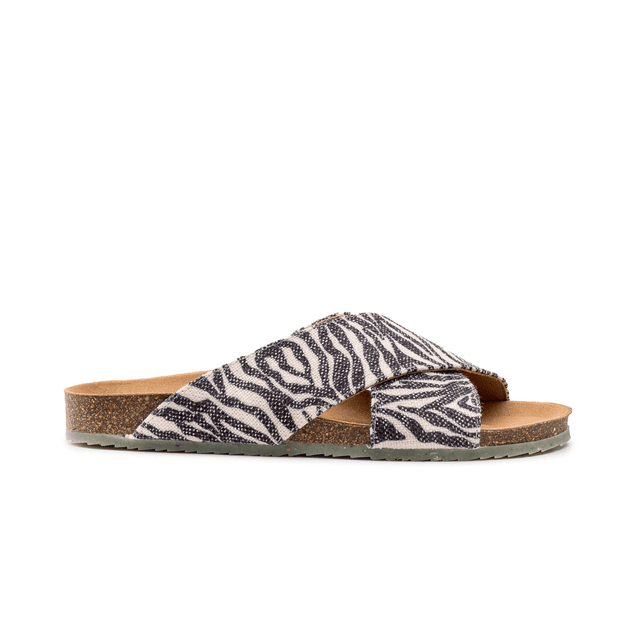
Zouri is a Portuguese vegan footwear brand developed from Adriana Mano’s idea of turning plastic collected on the country’s beaches into shoe components. The project began in 2017. It works with local institutions, volunteers and environmental groups on coastal cleanups, then combines recovered plastic with other materials in its footwear. The range includes sneakers, sandals and espadrilles. Materials depend on the model and can include organic cotton, linen, hemp, cork or plant-based alternatives. Zouri’s official site describes production in Portugal and says a pair comes with information about its materials, the collected plastic and the people involved in making it. That product-level detail is useful for shoppers assessing the brand’s environmental claims. Zouri sells directly through its website, where shoppers can filter styles by footwear type and material. Check the listing for the composition and properties of a specific pair: a sneaker described as water-resistant, for example, should not be assumed to make the entire range suitable for wet weather. The company’s website lists its contact location in Braga, Portugal.

Can't find what you're looking for?

We add new sites every week but if you have a specific request, let us know.

About Portuguese Footwear on From The Labels

“Made in Portugal,” “designed in Portugal” and “Portuguese-owned” describe different relationships with the country. A Portuguese label may manufacture its complete collection locally, produce only selected styles there or work with factories in other countries. These details matter if your reason for exploring this category is to support Portuguese ownership, design or domestic footwear production.

Sustainability claims deserve product-level checking. Brands may discuss recycled components, certified materials, renewable energy, local manufacturing, reduced packaging, repairability or longer-wearing construction. However, the term “eco-friendly” does not represent one universal standard. Review the materials, certifications, factory information and evidence behind each claim rather than assuming that every shoe from a particular country has the same impact.

Use the directory to compare independent Portuguese footwear brands by style, price, materials, size availability and shipping destination. If a product uses European sizing, consult the brand’s own conversion chart before ordering. Leather, vegan and textile styles can each have different care needs, durability considerations and environmental trade-offs. Visit the individual brand profile to explore its founders, ownership and product range, then confirm manufacturing origin, stock, delivery costs, duties and returns through the official website.

Frequently asked questions

What are Portuguese footwear brands?
Portuguese footwear brands are labels founded, headquartered or operating in Portugal. Some manufacture their collections domestically, while others combine Portuguese design or ownership with production in different countries.
What types of shoes do Portuguese brands offer?
Collections may include sneakers, boots, loafers, sandals, flats, heels and formal shoes for women and men. Product ranges vary from traditional leather footwear to contemporary vegan and textile designs.
Are all Portuguese footwear brands made in Portugal?
No. Some brands manufacture entirely in Portugal, others produce selected collections there and some use overseas factories. Check the country-of-origin information for the individual product before purchasing.
Do Portuguese footwear brands offer eco-friendly or sustainable shoes?
Some do, but their approaches differ. Look for specific information about materials, manufacturing, certifications, waste, packaging, repairability and product durability instead of relying on broad sustainability language.
How much does Portuguese footwear cost?
Prices vary by brand, material, construction method and production location. Handmade, small-batch or locally manufactured shoes may occupy different price ranges from simpler or larger-scale collections.
What sizing do Portuguese shoe brands use?
Many products may display European sizing, although charts and fits differ between brands. Check foot-length measurements, width information and the label’s international conversion guide before selecting a size.
Where can I buy shoes from Portuguese footwear brands?
Use From The Labels listings to discover independent labels, then purchase through official websites, brand stores or authorised retailers. Confirm availability, shipping destinations, duties and return conditions before ordering.