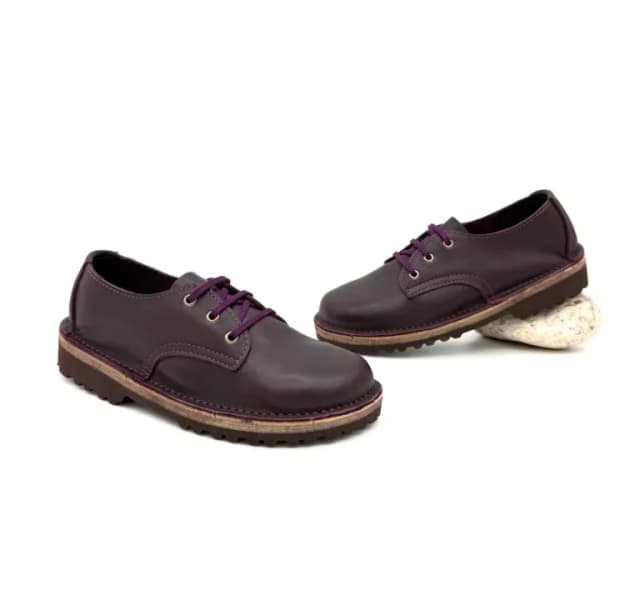
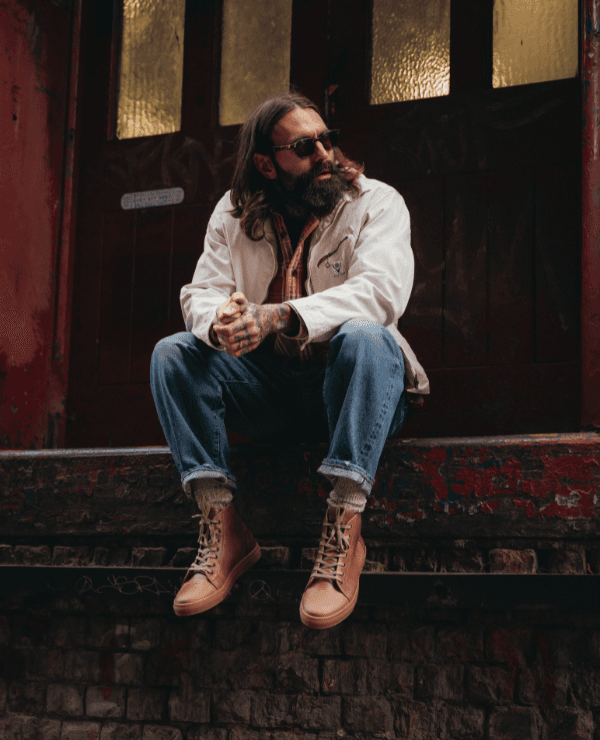
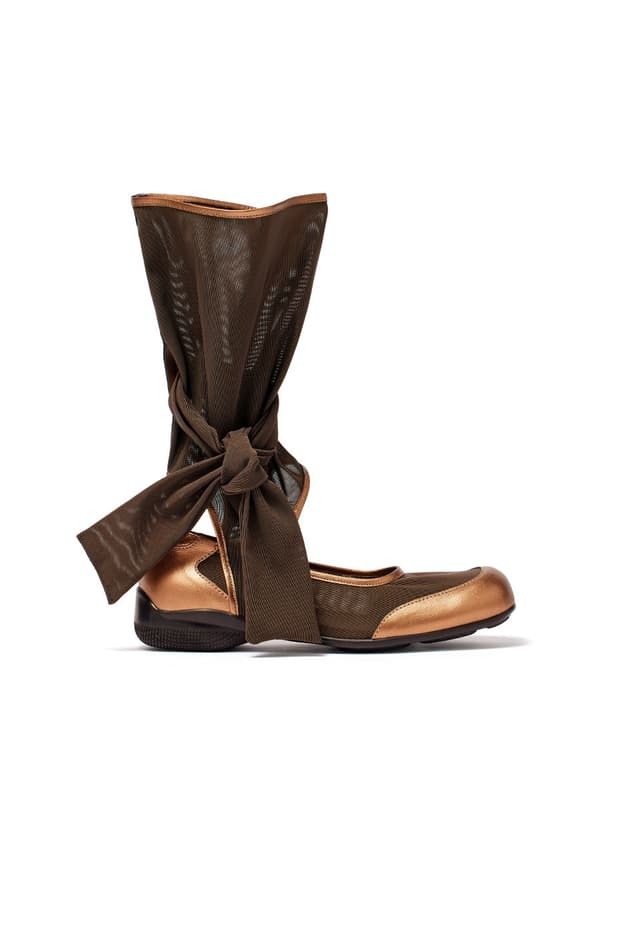
Boots

Discover our list of independent labels for anyone comparing the best boots brands, from streamlined Chelsea and ankle boots to lace-up, Western, hiking-inspired and work-ready styles. The collection includes everyday and specialist designs across different materials, constructions, climates and price ranges. Those searching for the best boots brands for men can compare toe shape, shaft height, fastening, lining, outsole and available widths before choosing. Each profile introduces the maker and its current styles, helping you understand where the boots are produced and reach official information on materials, sizing, weather protection, stock, shipping and returns before ordering a new pair online.

Brands

Souliers Martinez featured image

Souliers Martinez

France · Est. 2017 · Luxury

Julien Martinez launched Souliers Martinez in Paris in 2017, drawing heavily on his Spanish heritage. A visit to an Alicante workshop introduced him to hand-braided leather, which became a defining feature of the label. The shoes combine that visible craft with shaped heels, pointed or softly squared toes and colours that give classic silhouettes a distinctive finish. The women’s range includes woven sandals, pumps, flats and boots, alongside mesh, raffia and occasion styles. According to the brand’s history, its original leather designs were assembled and finished in Spain. Current material guides also identify production in Portugal and Italy for particular categories, so the manufacturing country is specific to the shoe rather than the label as a whole. Souliers Martinez sells through its own online shop and stockists. Its general European size chart covers EU 35–41. Fit advice varies by construction: some styles recommend sizing up between sizes, while others recommend sizing down.
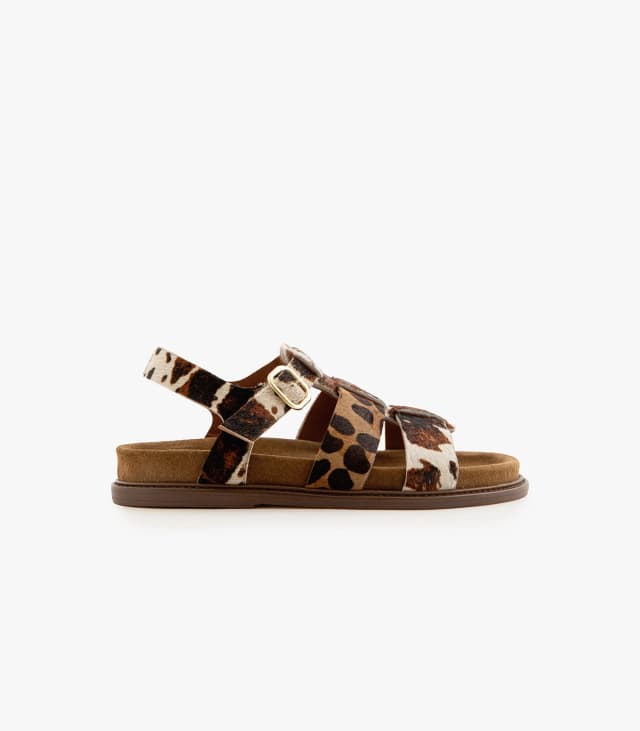
Maison Toufet featured image

Maison Toufet

France · Est. 2015 · Mid-range

Marion Toufet founded Maison Toufet in Paris in 2015, building on a family background in shoemaking. The women’s footwear label designs in France and works with a workshop near Porto, Portugal, to make its shoes. Its collection includes loafers, ballet flats, sneakers, ankle boots and sandals, with individual styles named after women who inspire the founder. Maison Toufet focuses on wearable shapes and materials that can stand up to repeated use. The brand says it produces in small batches and sometimes uses preorders to align production with demand. It identifies Leather Working Group certified leather, some partially recycled soles and recycled or FSC-certified packaging among its choices. Its Portuguese workshop generates part of its electricity through solar panels. Many current product listings offer EU sizes 36–41, though availability and fit advice depend on the model. Maison Toufet sells directly through its online shop; its product descriptions identify the leather, construction and care requirements of individual shoes.

Jacques Solovière Paris featured image

Jacques Solovière Paris

France · Est. 2014 · Mid-range

Footwear designer Alexia Aubert founded Jacques Solovière Paris in 2014, naming the label after her grandfather. Before launching it, she worked with Christian Louboutin, Pierre Hardy and Oscar de la Renta. Her starting point is usually a classic men’s shoe, refined into a light, pared-back silhouette that can also be adapted for women. The collection centres on derbies, loafers and slippers, with boots, sneakers and mules adding other options. A single lace or pinched seam at the front gives some of its most recognisable designs their character. The brand says its current production takes place in Portugal using components sourced from Italy; it makes shoes in limited quantities. Jacques Solovière sells through its online shop, selected stockists and its Paris boutiques, including a location at 3 Rue Molière. Its loafers use Italian sizing that the brand describes as running large, a useful detail for anyone comparing them with other European shoes.

Caulaincourt featured image

Caulaincourt

France · Est. 2008 · Mid-range

Alexis Lafont launched Caulaincourt in Paris in 2008 with a small collection of men’s dress shoes. The house has expanded into loafers, boots, slippers and sneakers, but its best-known feature remains the hand-applied patina: customers can choose a nuanced colour finish rather than being limited to a standard shade. Caulaincourt also offers made-to-order variations for more extensive personalisation. The shoes are made through specialist workshops in several European countries, including France, Italy and Spain; the place of manufacture depends on the model. Caulaincourt uses different construction methods for different shoes, from refined dress styles to more robust boots. Its services include resoling and recolouring, and it offers resoling for its B.A.N.D.I.T sneakers. The brand sells online and through Paris boutiques, including its Rue de Courcelles location. Fit can change between Caulaincourt models, so the house provides a model-based size guide rather than treating one size as universal across its collection.

Pied de Biche featured image

Pied de Biche

France · Est. 2015 · Mid-range

Friends Jérôme Maître and Matthieu Bourgeaux launched Pied de Biche in France in 2015. Its first product was a Chelsea boot funded through a crowdfunding campaign; the brand has since grown into a broad leather footwear range for women and men. Women’s styles include ankle boots, loafers, derbies, ballet flats, sandals and sneakers, while the men’s collection covers boots, dress shoes, boat shoes and sneakers. Pied de Biche develops its collections in La Rochelle and works with shoemaking workshops in Portugal’s Porto region. It says most of its leather comes from northern Italy. The designs revisit familiar shoes through colour, material and small changes in detail, keeping the original Chelsea boot central to the range. Customers can buy through the brand’s online shop and its French stores. The label opened its first Paris store in 2017 and subsequently expanded its retail presence. Its product pages provide the fit information for each model, which matters across a collection containing both structured leather boots and softer casual shoes.

DOF Studios featured image

DOF Studios

Australia · Est. 2013 · Mid-range

Designer Melissa Butera founded DOF Studios in Melbourne in 2013. Drawing on her Italian heritage, she designs women’s shoes and accessories that balance practical wear with a strong shape. The current footwear range covers flats, loafers, heels, sandals, boots and sneakers, while belts sit alongside the shoes. DOF’s designs are developed in Melbourne and made in Italy. Some product listings identify the workshop more closely: the Selena sandal, for instance, is made at a Naples factory with six generations of shoemaking experience. Across the collection, polished leather, suede, considered proportions and wearable heels give the label its mix of contemporary and traditional style. DOF uses European sizing and lists styles from EU 35–42. Its guide is based on a standard B fitting and recommends sizing up between sizes, while individual product pages identify departures from the usual fit. The brand sells through its current official shop at dofofficial.com and Australian retailers including The UNDONE, David Jones and The Iconic.

No Skin featured image

No Skin

Australia · Est. 2020 · Mid-range

Nōskin is a Melbourne footwear and clothing label founded by Tony Corrales, Jai Long and Ash Pierce. Developed around vegan wardrobe staples, it pairs an interest in music and street style with familiar shoe shapes: Chelsea and combat boots, derbies, loafers and sneakers. Its clothing extends that approach into pieces intended to be worn together. Nōskin footwear is designed in Melbourne and handcrafted in Franca, Brazil, at an all-vegan factory. The brand says its shoes contain no animal-derived materials or glues. A Rose Loafer listing, for example, specifies a Spanish-milled microfiber polyurethane upper, rubber sole and microfiber lining, making clear what “vegan leather” means for that pair. Many of its boot and loafer designs use substantial lug soles. The brand sells online and has a studio store in Collingwood. It offers international shipping and a footwear repair service for customers in Australia, including resoling and cleaning. Sizes and fit differ by style; the Rose Loafer listing spans EU 37–47 and describes that model as true to size.

Nelson Made featured image

Nelson Made

Australia · Est. 2018 · Mid-range

Artist and designer Jamie Nelson established Nelson Made in Australia in 2018. The women’s footwear label focuses on sculptural shapes that still work in an everyday wardrobe. Its collection includes sandals, flats, mules, heels, boots and sneakers, often using a change in proportion or an unusual curve to make a simple shoe feel distinctive. Materials are a substantial part of the brand’s approach. Nelson Made uses recycled leather in some designs and says it buys most of its conventional leather from Leather Working Group certified suppliers, with exceptions for certain specialty materials. It also lists vegetable-tanned leather, organic linen and certified fabrics among its material choices. Those details vary by shoe; the range as a whole is not leather-free. Nelson Made’s size guide covers EU 35–43 and provides corresponding foot lengths. The brand sells directly online and through Australian retailers, including selected David Jones stores in Sydney and Melbourne, The New Trend, The Iconic and The UNDONE.

Kuwaii featured image

Kuwaii

Australia · Est. 2008 · Mid-range

Designer Kristy Barber established Kuwaii in Melbourne in 2008 as a clothing and footwear label centred on thoughtful, lasting designs. Its shoes complement the relaxed shapes and considered colours of its clothing. The footwear range includes leather sandals, boots and lace-up shoes, with details such as sculptural straps or distinctive soles giving familiar styles a Kuwaii character. There is an important production distinction for shoppers researching the brand. Most Kuwaii clothing is made in Melbourne, but the company says its footwear is now made in small batches at a family-run factory in Australia. Kuwaii describes working with a small supplier network and offers a repair program as part of its approach to keeping products in use. Kuwaii footwear is available through its website and Melbourne stores. Current styles commonly use European sizes 36–42. The general size guide says many fits are generous, but individual shoes can differ: some sandals, for example, have their own advice to size up between sizes. Check the relevant product page before choosing.

A.EMERY featured image

A.EMERY

Australia · Est. 2017 · Mid-range

A.EMERY began in Melbourne in 2017 when designer Anna Emery-McClure set out to make the simple, all-black leather sandal she could not find. Sandals remain central to the label, distinguished by clean straps, restrained colours and shapes designed to work across a wardrobe. It has since expanded into boots, other footwear, clothing and accessories while keeping that minimal approach. The Melbourne team works with different makers by category. According to A.EMERY, its sandals are handcrafted in the Delhi region of India. The brand says it sources footwear leather through Leather Working Group suppliers and conducts annual audits of its manufacturing partners. These are specific sourcing and oversight practices rather than a blanket guarantee about every product’s environmental impact. A.EMERY sells through its own website and international retailers. Its footwear follows European sizing, generally EU 35–42. The brand advises shoppers with wider feet to consider sizing up and those with narrow feet to consider sizing down, then check the details for the individual style.

Rollie Nation featured image

Rollie Nation

Australia · Est. 2012 · Mid-range

Australian designer Vince Lebon launched Rollie Nation in 2012 after his wife Kat, a flight attendant nicknamed Rollie, wanted shoes that were comfortable and light enough to travel with. That idea still shapes the brand: practical footwear with the appearance of a dress shoe and the easy feel of a casual one. The Derby lace-up is Rollie’s best-known style, combining a neat, versatile upper with a flexible, lightweight construction. The range has grown to include boots, sneakers and other everyday silhouettes for women and men. Across its designs, Rollie uses features such as cushioning and light soles to make shoes suited to long days on the move. Rollie sells through its own website and stockists, including stores where customers can try pairs on. Its standard women’s size guide runs from EU 35–43, while some Derby styles offer extended sizing. The brand suggests Derby styles as a starting point for wider feet and provides individual fit guidance for shoppers choosing between designs.

Habbot Studios featured image

Habbot Studios

Australia · Est. 2009 · Mid-range

Founded by Annie Abbott in 2009, habbot is an independent women’s footwear label designed in Melbourne and made in Italy. Abbott developed the idea after working in fashion and footwear, bringing together classic European shoe shapes and a much bolder use of colour. Two-tone lace-ups helped establish the label’s identity; its range now spans loafers, boots, flats, heels, sandals and sneakers. Italian leather, contrasting textures and unexpected colour combinations are recurring features. After its first seasons were made in Naples, habbot moved production to a family-run shoemaking operation in Sant’Elpidio a Mare, in Italy’s Le Marche region. The result is footwear for shoppers who want a familiar silhouette with a more expressive finish. Habbot sells online and has a studio store in Collingwood, Melbourne, where customers can try on styles. Its shoes use European women’s sizing, with a general guide covering EU 34–43. Because fit varies by design, the brand recommends checking the advice on each product page.

Felmini featured image

Felmini

Portugal · Est. 1973 · Mid-range

Felmini is a Portuguese footwear brand founded by Joaquim Moreira in Felgueiras in 1973. It began with children’s shoes, the name combines “Fel” from Felgueiras and “mini” for children, before moving into women’s footwear in 1975. Today, its collections include boots, ankle boots, sandals, sneakers and other casual shoes, with wide-fit and barefoot options appearing in its online shop. Colour and leather finishing give Felmini its recognisable look. The company hand dip-dyes shoes at its factory using its own pigment blends, creating variations in tone and a worn-in effect. Its designs pair that craft with contemporary, often relaxed silhouettes. The brand is produced by J. Moreira, the Portuguese footwear company behind Felmini, and is sold through its own shop and retailers in several countries. Shoppers outside Portugal should check delivery eligibility before ordering: Felmini’s online shop currently accepts delivery addresses in European Union member countries. Its product pages are the best place to confirm the fit and materials of a particular style.

Mariano Shoes featured image

Mariano Shoes

Portugal · Est. 1945 · Mid-range

Mariano Shoes began in 1945 when shoemaker Mariano de Jesus Gomes started producing footwear under the Mariano name in São João da Madeira, Portugal. The company now operates in nearby Oliveira de Azeméis and continues to describe its shoes as handmade, from the first leather cut through the final polish. Its current shop covers men’s and women’s footwear, including loafers, sneakers, boots and more formal shoes. Some men’s designs have special-size options, which are worth checking if a standard size range has been limiting. The brand sells directly online and provides product-specific size and availability information for its different collections. Mariano says its footwear can be restored, extending the useful life of a pair. It also reports using recycled-material packaging. Those are more specific points to consider than a general sustainability label, while the materials and construction of a particular shoe should be checked on its listing.

NAE Vegan Shoes featured image

NAE Vegan Shoes

Portugal · Est. 2008 · Affordable

NAE Vegan Shoes was founded in Lisbon in 2008 by Paula and Alex Pérez. Its name stands for “No Animal Exploitation,” reflecting the rule behind every collection: the shoes contain no animal-derived materials. The founders remain involved in the business, which describes its footwear as designed and made in Portugal. NAE offers women’s and men’s styles across everyday and dress footwear, including sneakers, loafers, sandals, boots and heels. Its material selection includes cork, apple- and pineapple-derived alternatives, and recycled materials; the composition varies by shoe. The brand says pairs are handcrafted in small Portuguese workshops and identifies its footwear as PETA-certified vegan. Customers can buy through NAE’s international online shop, which provides shipping information and size guidance. Individual product pages include fit notes, a useful check when moving between a boot, loafer and sneaker. For shoppers specifically seeking vegan footwear, NAE’s animal-free requirement applies across the brand, while its separate material and construction details should be checked style by style.

Mukishoes featured image

Mukishoes

Portugal · Est. 2018 · Mid-range

Mukishoes is a Portuguese barefoot footwear brand conceived in 2018 by founders and designers Madlen Schering and Marta Caeiro. They set out to make minimalist shoes from natural materials, with a shape that gives the foot room to move. The brand added Mukishoes Kids in 2020 and now sells styles for adults and children. Its barefoot design has a wide toe box, a thin flexible sole and no height difference between heel and toe. The range includes sneakers and boots, with materials varying by model. Mukishoes says its shoes are handcrafted in small, family-owned factories in northern Portugal. Its material choices are part of the brand’s environmental approach, but shoppers should check each product page for the exact composition of a pair. Mukishoes sells through its official online shop and provides separate size finders for grown-ups, kids and its smallest sizes. Its sizing guidance notes that different materials can behave differently on the foot. For someone new to barefoot shoes, measuring foot length and allowing room at the toes is more useful than assuming their usual shoe size will transfer directly.

Hirundo featured image

Hirundo

Portugal · Est. 2021 · Mid-range

Hirundo is a Portuguese footwear brand started in 2021 by brothers Filipe and Eduardo Serzedelo. Inspired partly by their father’s long-kept shoes, they set out to make sneakers with a longer useful life and a close connection to Portuguese suppliers. The brand says its shoes are designed, sourced and crafted in Portugal. Sneakers are Hirundo’s main focus, with different colours and shapes across its collections; the shop also lists styles such as chukka boots and mules. Hirundo describes its use of local and recycled materials on its website, but the material mix varies by product and is worth checking on the individual listing. Its manufacturing partners are close to its stores, allowing the brand to work within a relatively local supply chain. Hirundo’s operating company, Sanjoanina Fábrica de Calçado, is listed as a Certified B Corporation. Customers can order on the official website or use its store directory to find a location in Portugal, including Porto and Lisbon. Check the product page for sizing and construction details before choosing a pair.

Diverge Sneakers featured image

Diverge Sneakers

Portugal · Est. 2018 · Mid-range

DiVERGE is a Portuguese footwear brand founded in 2018. Customization is central to its sneakers: customers can use the website to start with a base design or adapt one of the brand’s suggested combinations, choosing a look before the pair is made. DiVERGE says its sneakers are handcrafted to order in Portugal. Its current site highlights leather from LWG Gold-rated suppliers and OEKO-TEX-certified materials, though the composition should still be checked for each design. Making pairs after they are ordered is part of its approach to limiting overproduction. The company is also listed by B Lab as a Certified B Corporation. The official shop is the place to design and order a pair, with product pages explaining the customization choices, sizing and expected production period. DiVERGE also runs iMAGINE, a programme intended to help young people facing social exclusion build employment and entrepreneurship skills. These are specific parts of the brand’s work for shoppers assessing its environmental and social claims.

Luís Onofre featured image

Luís Onofre

Portugal · Est. 1999 · Luxury

Luís Onofre is a Portuguese footwear and leather accessories brand created by designer Luís Onofre in 1999. He entered a family business with a much longer shoemaking history: his grandfather founded a factory in Oliveira de Azeméis in 1933. The designer’s own label grew from that background and presented its first collection under his name in 1999. The brand is especially associated with women’s dress shoes, including heels, sandals and boots, although its online shop also carries men’s footwear and leather goods. Luís Onofre describes its work in terms of detailed design, skilled making and material quality. Its footwear is produced in Portugal, with the family’s manufacturing base in Oliveira de Azeméis. Customers can explore current collections and order through the official website, which also provides information about Portuguese store locations. For a particular design, check the product listing for its material, heel height and size options. The 1999 date refers to the Luís Onofre brand; the family shoemaking business predates it by several decades.

Duke + Dexter featured image

Duke + Dexter

UK · Est. 2015 · Mid-range

Duke + Dexter is a London footwear brand founded in 2015 by Archie Hewlett. It began with a distinct approach to the loafer and now offers a wider selection of men’s and women’s shoes. Its designs are developed at the brand’s Brixton headquarters, then made by shoemakers in Europe. Loafers remain a defining part of the range, from plain penny styles to printed designs and hand-painted pairs. The official shop also lists sneakers, boots, derbies and women’s Mary Janes. Customers interested in a personalized shoe can look at its made-to-order painted loafers, while those after a simpler everyday pair can browse the standard collections. Duke + Dexter sells directly through its website, where listings show UK, US and EU size options. The brand’s London design base should be distinguished from its European production: the manufacturing location and materials are best checked for the particular shoe. Its shoe-care guidance also gives owners advice on cleaning and storing different finishes, especially printed and painted styles.

Conker Shoes featured image

Conker Shoes

UK · Est. 1977 · Mid-range

Conker Shoes has made leather footwear in Totnes, Devon, since 1977. Its workshop sits behind its high street shop, where customers can see ready-to-wear styles as well as discuss a pair made to order. The brand makes shoes, boots and sandals for women, men and children, all in its own Devon workshop. Customization is a practical part of Conker’s offering. Depending on the style, customers can choose colours, soles, stitching and details such as laces or buckles. Its website lists sizes 1–13, including half sizes and four fittings, giving shoppers more ways to address fit than a single standard width. Conker also offers zero-rise and barefoot options within its range. The shoes use stitched-down construction and are designed so the workshop can resole and repair them after wear. Shoppers can order through the official site or visit the Totnes store to try available pairs. For a custom order, check the fitting and delivery information for the chosen style before placing it.

Goral Shoes featured image

Goral Shoes

UK · Est. 1936 · Mid-range

GORAL is a family shoemaking business with Polish roots and a factory in Sheffield, England. Franciszek Goral opened the original workshop in Poland in 1936. The family moved its shoemaking operation to Sheffield in 2005, and descendant Dominik Goral now leads the brand. Its current footwear draws on that manufacturing history while using shapes suited to everyday wear. GORAL makes leather sneakers, shoes and boots in its Sheffield factory. The selection includes low and high top sneakers, with some models offered in regular and wider fittings. Materials and construction vary by style, making the individual size and leather guides useful when choosing a pair. The brand also offers a factory resole and refurbishment service for eligible footwear. Customers can buy from GORAL’s official website, which explains its fit options and repair services. For anyone searching whether GORAL shoes are made in the UK, the relevant distinction is that the family workshop began in Poland, while the present brand’s shoes are made in Sheffield.

Crown Northampton featured image

Crown Northampton

UK · Est. 1908 · Mid-range

Crown Northampton is the flagship footwear brand of a family shoemaking business established in 1908 by Ernest Woodford. The business began in London and later moved to Northampton, a town closely associated with English shoemaking. It remains under Woodford family ownership, with fifth-generation shoemaker Chris Woodford directing the company. The range brings traditional shoemaking methods to contemporary sneakers, shoes and boots. Its collections include understated leather sneakers and more substantial stitched styles. Crown says its footwear is made from start to finish in England, with every pair produced to order at its Northampton factory. That makes it useful to check the stated production time before purchasing, as an order is made specifically for the customer. Crown Northampton sells directly through its website and offers fitting guidance for shoppers comparing its sizes with familiar sneaker brands. Customers can also enquire about a factory appointment. The brand’s focus on individual production and local craftsmanship is central to its identity; materials and construction differ by collection, so the product page is the best reference for a particular pair.

Open YY featured image

Open YY

South Korea · Est. 2020 · Mid-range

OPEN YY is a Seoul fashion brand created in 2020 by sisters Jiyoung and Boyoung Kim. It began as TheOpen Product and later adopted its current name, drawing “YY” from the sisters’ shared name element, “Young.” The label presents womenswear and unisex pieces with expressive details, alongside shoes, bags and accessories. For footwear shoppers, OPEN YY’s range includes ballet flats and other styles that follow its clothing collections. Its designs often use familiar shapes with changes to straps, cut-outs or proportions. The official shop separates shoes from clothing and provides product-specific measurements, which are useful because construction and sizing can differ between pairs. OPEN YY sells through its Korean and international websites and lists stockists in other markets. It also provides information about its Seoul store. Shoppers interested in a particular collaboration can browse the brand’s archive, which includes projects with Puma and Keen, while checking current listings to see what remains available. The company’s registered address is in Seoul’s Yongsan district, and Boyoung Kim is named in its business details.

Can't find what you're looking for?

We add new sites every week but if you have a specific request, let us know.

About Boots on From The Labels

A boot’s fit is decided in more places than a low shoe. The toe box must suit the forefoot, the heel should stay controlled, and the instep needs enough room to enter the boot without allowing excessive movement. Shaft height and calf circumference matter in taller styles, while pull tabs, zips and laces change how easily the fit can be adjusted.

The best boots brands explain what sits beneath the surface: upper and lining materials, outsole compound, sole attachment, insulation and any water-resistant or waterproof construction. A rugged appearance is not proof of outdoor performance. Hiking-inspired and work-style boots may be designed primarily for fashion, so check grip, weather protection and safety certification against the actual use.

For men comparing boot brands, width and volume can be as important as length, especially with thick socks or removable insoles. Leather may soften with wear, but it should not be expected to correct a badly fitting last. Price can reflect materials, construction, specialist labour and resoling potential, although the individual model still matters more than the logo. Use this collection to find independent makers, then check exact measurements, care, stock and returns before ordering.

Frequently asked questions

Which are the best boots brands?
The best boots brands provide clear information about fit, materials, sole construction and intended use. Your ideal choice depends on climate, foot shape, wearing frequency, preferred style and budget.
What are the best boots brands for men?
The best boots brands for men offer suitable length, width and volume options alongside reliable construction. Compare Chelsea, lace-up, work-style, Western and outdoor designs according to how they will be worn.
How should boots fit?
Your toes need sufficient room, while the heel and instep should feel controlled without painful pressure. Taller boots must also fit comfortably around the ankle and calf when walking or sitting.
What is the difference between waterproof and water-resistant boots?
Water-resistant boots can handle limited moisture, while waterproof footwear is designed with stronger protection against water entry. Performance depends on construction, seams, membranes and care, so check the product claim.
Are hiking-inspired boots suitable for hiking?
Their appearance alone does not confirm trail performance. Check outsole grip, ankle support, weather protection, weight and intended use before relying on hiking-inspired footwear for outdoor routes.
Can boots be resoled?
Some boots can be resoled, depending on their sole attachment and overall condition. Welted and certain stitched constructions are often more repairable than many cemented or moulded designs.
Where can I find a brands of boots list?
This page provides a brands of boots list focused on independent labels. Browse the profiles, then confirm current styles, sizing, materials, prices, availability, shipping and returns through official websites.